

Free Byumba Travel Guide & Mobile App
Explore Byumba with free travel guides. Discover regional history, expert tips, proposed trips, and audio guides on web or mobile app.


Explore Byumba’s cool northern hills, rural landscapes, cathedral heritage and everyday Rwandan culture near Kigali and Uganda.
Read more about Byumba
When is the best time to visit Byumba?
Best: June–August · 21°C| Month | High (°C) | Rainfall (mm) |
|---|---|---|
| January | 22 | 100 |
| February | 22 | 80 |
| March | 22 | 120 |
| April | 22 | 150 |
| May | 22 | 120 |
| June (best) | 21 | 50 |
| July (best) | 21 | 40 |
| August (best) | 21 | 50 |
| September | 21 | 70 |
| October | 22 | 120 |
| November | 22 | 140 |
| December | 22 | 110 |
Getting to and around Byumba
How to get there
Transportation
Best attractions in Byumba
Byumba’s attractions are primarily landscape-based and cultural rather than centred on a large collection of ticketed monuments. The town provides an introduction to northern Rwandan urban life, with its churches, public institutions, cafés and busy commercial streets. Byumba Cathedral is the most prominent heritage site, while the surrounding ridges offer views over cultivated hills and valleys characteristic of Gicumbi District. Short drives into the countryside bring opportunities to observe farming, local trading places and the carefully settled highland landscape, provided visitors obtain permission before entering private land or photographing residents. The area is also useful for travellers interested in Rwanda’s post-conflict reconstruction and the role of provincial towns in public administration and community services. Outdoor exploration is best undertaken through locally arranged walks or drives, since paths can be steep, muddy or difficult to follow after rain. Byumba should not be confused with Rwanda’s major wildlife and volcano destinations, which lie elsewhere in the country and require separate journeys. Its appeal is quieter: a cool climate, expansive hill scenery, a functioning regional centre and access to rural communities beyond the main tourist circuit.
-
Country club
Fazenda Sengha
Discover the serenity of Fazenda Sengha, a premier country club in Kigali, offering horseback riding and breathtaking views of Rwanda's landscapes.
-
Park
Gicumbi City Center
Explore the serene beauty of Gicumbi City Center, Kibali's lush park perfect for relaxation, picnics, and enjoying nature's tranquility.
-
Cathedral
Byumba Cathedral
Discover the breathtaking Byumba Cathedral in Kibali, a stunning Gothic masterpiece rich in history and spiritual significance.
-
Park
Volcanoes national park
Experience the breathtaking beauty and rich biodiversity of Volcanoes National Park, a UNESCO World Heritage site and home to the majestic mountain gorillas.


Best landmarks in Byumba
Byumba Cathedral is the most recognisable built landmark in the region and an important centre of Catholic life in northern Rwanda. Its significance is religious and institutional as well as architectural, reflecting the role that missions, schools and churches played in the development of modern Byumba. The town’s other notable visual feature is its position among high cultivated ridges: roads approaching the centre repeatedly open towards valleys and layered slopes, making the landscape itself a defining regional landmark. Public buildings, churches and the compact town centre illustrate Byumba’s role as the administrative capital of Gicumbi District, though they are working places rather than a preserved historic quarter. Beyond the built environment, the patterned hillsides are a powerful expression of Rwanda’s agricultural geography, shaped by dense settlement, small-scale cultivation and efforts to manage erosion. The most rewarding views are usually found along surrounding roads and ridgelines, where local guidance is advisable, especially after rain. Byumba’s landmarks therefore combine a significant religious building with the highland terrain that gives the city its identity.
-
Stadium
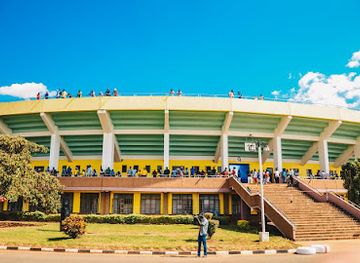
Amahoro National Stadium
Experience the vibrant atmosphere of Amahoro National Stadium in Kigali, where sports and culture come alive for an unforgettable visit.
-
Art center
Inema Arts Centre
Discover the vibrant creativity of Rwanda at Inema Arts Centre, a must-visit destination for art lovers and cultural explorers in Kigali.
-
National park
Nyungwe Forest National Park
Explore the lush biodiversity and scenic beauty of Nyungwe Forest National Park, a top destination for nature lovers and adventurers in Rwanda.
-
Media house
IGIHE
Explore the heart of Rwandan news and culture at IGIHE, a leading media house in Kigali, where stories come alive.


Explore Byumba on the map
Plan your trip on one map. See where the top cities, national parks and sights are, and book hotels and experiences in a few clicks.
Best hotels in Byumba
Best restaurants in Byumba
Dining in Byumba reflects the everyday food of Rwanda, with restaurants and cafés commonly serving beans, plantain, potatoes, cassava, rice, vegetables, grilled meat, brochettes and simple stews. Breakfast and snacks may include bread, eggs, fruit or tea, while locally produced milk and other farm goods are part of the wider highland food economy. Town restaurants offer the greatest choice, ranging from informal eateries to more comfortable establishments serving Rwandan and broadly East African dishes. Outside Byumba, roadside food is more limited and may depend on the time of day. Visitors should expect straightforward cooking rather than a specialised culinary district, although freshness and locally sourced staples are important features of the regional table. Markets and small food sellers can provide useful opportunities to see how residents shop and eat, but hygiene standards vary, so choose busy vendors and food that is freshly prepared and hot. Vegetarian meals are often possible because beans, vegetables and plantain are widely used, while dietary requirements should be explained clearly.
-
Arab restaurant
The house of mandi
Savor authentic Arabian cuisine at The House of Mandi in Kigali—an unforgettable dining experience steeped in rich flavors and welcoming ambiance.
-
Indian
Kurry Kingdom
Discover the rich flavors of India at Kurry Kingdom in Kigali, where exquisite cuisine meets warm hospitality for an unforgettable dining experience.
-
Restaurant
Repub Lounge
Experience Kigali's vibrant culinary scene at Repub Lounge – where traditional Rwandan flavors meet modern dining in an inviting atmosphere.
-
Restaurant
UMUT Cafe & Restaurant
Experience authentic Rwandan cuisine at UMUT Cafe & Restaurant in Kigali—where local flavors meet warm hospitality.


Best bars in Byumba
Nightlife in Byumba is modest and concentrated around local bars, cafés and restaurants rather than a substantial nightclub scene. Evenings are generally social and low-key, with conversation, music and televised sport providing much of the atmosphere. A small number of venues may stay open later, but opening patterns and entertainment can change, so local advice is more reliable than assuming a fixed programme. In surrounding rural areas, evening activity is quieter and transport becomes more limited after dark. Visitors should use reputable taxis or pre-arranged transport when returning to accommodation and should not treat drinking as necessary to understand local culture. The town’s evening character is better suited to a meal, a soft drink, tea or a relaxed drink in a public venue than to late-night clubbing.
-
Bar
Best BelAir Bar & Restaurant
Discover the lively Best BelAir Bar & Restaurant in Kigali, where delicious cuisine meets a vibrant atmosphere, perfect for an unforgettable evening out.
-
Bar
Harmony Bar
Experience the lively ambiance of Harmony Bar in Kigali, where local flavors meet a vibrant atmosphere for an unforgettable night out.
-
Restaurant
Nice Garden
Discover the flavors of Rwanda at Nice Garden, Byumba's charming restaurant offering authentic cuisine in a serene garden atmosphere.
-
Bar
Butamu Bar & Restaurant
Experience the vibrant culture and delicious local cuisine at Butamu Bar & Restaurant in Kigali, where every visit is a celebration of Rwandan flavors.


Best nightclubs in Byumba
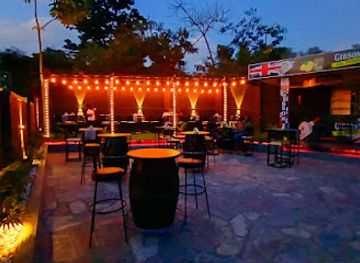
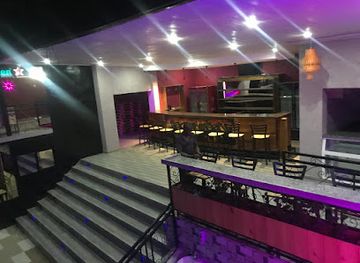
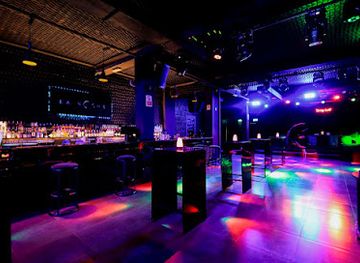
Nightlife in Byumba is modest and concentrated around local bars, cafés and restaurants rather than a substantial nightclub scene. Evenings are generally social and low-key, with conversation, music and televised sport providing much of the atmosphere. A small number of venues may stay open later, but opening patterns and entertainment can change, so local advice is more reliable than assuming a fixed programme. In surrounding rural areas, evening activity is quieter and transport becomes more limited after dark. Visitors should use reputable taxis or pre-arranged transport when returning to accommodation and should not treat drinking as necessary to understand local culture. The town’s evening character is better suited to a meal, a soft drink, tea or a relaxed drink in a public venue than to late-night clubbing.
-
Lounge
Copenhagen Lounge
Experience the cozy charm of Copenhagen Lounge in Kigali, where delightful drinks and a welcoming atmosphere await.
-
Lounge
Deep Lounge
Experience the vibrant nightlife of Kigali at Deep Lounge, where music, cocktails, and a lively atmosphere await every visitor.
-
Disco club
La Noche
Dive into Kigali's nightlife at La Noche, a vibrant disco club offering unforgettable dance experiences and a lively atmosphere.
-
Night club
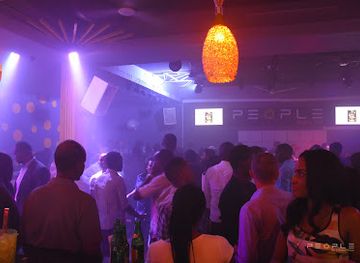
People Bar & Dance Venue
Dive into the vibrant nightlife of Kigali at People Bar & Dance Venue, your go-to place for dancing, drinks, and unforgettable memories.
Best shops in Byumba
Shopping in Byumba is focused on practical daily commerce rather than extensive tourist retail. The town’s central shops and market areas serve local residents with clothing, household goods, food, mobile-phone services and agricultural produce. Visitors may find beans, bananas, vegetables, fruit, woven items and small locally made crafts, although selection and availability vary by season. Rwanda-themed souvenirs are generally easier to find in Kigali and major tourism centres than in Byumba, so the town is better suited to buying everyday regional products and observing local market life than searching for a large craft market. Independent food shops and stalls can be useful for provisions before travelling into the countryside. Bargaining should be polite and moderate where it is customary, while some prices in established shops are fixed. Ask before photographing traders or displays, keep cash secure in busy areas and remember that buying directly from small producers should be done respectfully rather than treating rural communities as attractions.
-
Market
Byumba Market
Explore the lively Byumba Market, where local culture meets vibrant commerce in the heart of Rwanda.
-
Shopping mall
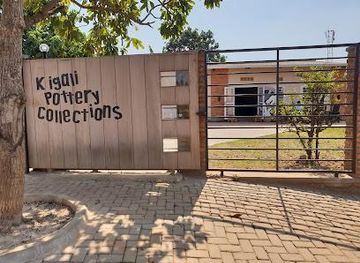
Kigali Pottery Collections, New store Kacyiru
Discover the essence of Rwandan art at Kigali Pottery Collections, where every piece tells a story of heritage and craftsmanship.
-
Shopping mall
Mwirebero
Explore Mwirebero in Byumba, Rwanda: A shopping mall filled with local crafts, delicious cuisine, and vibrant culture.
-
Shopping mall
Rubyiniro Centre
Explore Rubyiniro Centre in Kibali: A vibrant shopping mall offering unique local crafts, international brands, and a taste of local cuisine.



Get your free copy of our complete guide to Byumba, delivered straight to you.
Everything on this page, from attractions and restaurants to essentials and local phrases, in one PDF you can read offline, print or share.
Already have an account? Sign in
Your Byumba guide is ready.
We'll send it to · Not you? Sign out

Getting your guide ready…
We are putting together a fresh copy of the Byumba guide. This can take up to a minute.
This can take a few moments. If your browser asks, choose Allow so the download can start. You'll find the guide in your Downloads folder.
Nothing happened? Download it again
Sorry, the guide is taking longer than usual. Please try again in a minute, or get it by email instead.
Byumba essentials
Currency and Payment
Safety
Emergency Situations
Do's and Don'ts
Local Tips
From Eve
Local phrases worth knowing
You don't need to get them perfect. A few words go a long way, and locals appreciate the effort.
Basics
| English | Local | Say it |
|---|---|---|
| Hello | Muraho | [moo-rah-ho] |
| Goodbye | Nkwifurije ibyiza | [nkoo-ee-foo-ree-zay ee-bee-za] |
| Yes | Yego | [yeh-go] |
| No | Oya | [oh-yah] |
| Please/You're welcome | Nyabuneka | [nya-boo-neh-kah] |
| Thank you | Urakoze | [oo-rah-koh-zeh] |
| Excuse me/Sorry | Mbabarira | [mm-bah-bah-ree-rah] |
| How are you? | Amakuru? | [ah-mah-koo-roo] |
| Fine. And you? | Ni meza. Nawe? | [nee meh-zah. nah-weh?] |
| Do you speak English? | Uravuga Icyongereza? | [oo-rah-voo-gah ee-choon-geh-rah-zah] |
| I don't understand | Sinumva | [see-noom-vah] |
Eating & Drinking
| English | Local | Say it |
|---|---|---|
| I'd like to see the menu, please | Nashaka kureba menu, nyabuneka | [nah-sha-kah koo-reh-bah meh-noo, nya-boo-neh-kah] |
| I don't eat meat | Sinshaka kurya inyama | [seen-shah-kah koo-ree-ah ee-nyah-mah] |
| Cheers! | Nishimwe! | [nee-shee-mweh] |
| I would like to pay, please | Nashaka kwishyura, nyabuneka | [nah-sha-kah kwee-shee-oo-rah, nya-boo-neh-kah] |
Emergencies
| English | Local | Say it |
|---|---|---|
| Help! | Fasha! | [fah-shah] |
| Go away! | Jya kure! | [jya koo-reh] |
| Call the Police! | Hamagara Polisi! | [hah-mah-gah-rah poh-lee-see] |
| Call a doctor! | Hamagara umuganga! | [hah-mah-gah-rah oo-moo-gah-ngah] |
| I'm lost | Ndarambuye | [n-dah-rahm-boo-yeh] |
| I'm ill | Ndwaye | [n-dwah-yeh] |
Shopping
| English | Local | Say it |
|---|---|---|
| I'd like to buy... | Nashaka kugura... | [nah-sha-kah koo-goo-rah] |
| I'm just looking | Nturimo kureba gusa | [ntoo-ree-mo koo-reh-bah goo-sah] |
| How much is it? | Bikomeye angahe? | [bee-koh-meh-yeh ahn-gah-heh] |
| That's too expensive | Birahenze cyane | [bee-rah-hen-zay cha-nay] |
| Can you lower the price? | Ushobora kugabanya igiciro? | [oo-shoh-boh-rah koo-gah-bahn-yah ee-gee-roh] |
Time & Numbers
| English | Local | Say it |
|---|---|---|
| What time is it? | Ni mugihe kingani? | [nee moo-gee-heh keen-gah-nee] |
| It's one o'clock | Ni saa moya | [nee sah moh-yah] |
| Half past (10) | Saa kumi n'igice | [sah koo-mee n'ee-gee-cheh] |
| Morning | Mugitondo | [moo-gee-ton-doh] |
| Afternoon | Mugoroba | [moo-go-roh-bah] |
| Evening | Nijoro | [nee-jo-roh] |
| Yesterday | Ejo hashize | [eh-jo hah-shee-zeh] |
| Today | Uyu munsi | [oo-yoo moon-see] |
| Tomorrow | Ejo | [eh-jo] |
| 1 | 1 | [imwe] |
| 2 | 2 | [kabiri] |
| 3 | 3 | [gatatu] |
| 4 | 4 | [kananu] |
| 5 | 5 | [gatanu] |
| 6 | 6 | [gatandatu] |
| 7 | 7 | [karindwi] |
| 8 | 8 | [umunani] |
| 9 | 9 | [icyenda] |
| 10 | 10 | [icumi] |
Transport & Directions
| English | Local | Say it |
|---|---|---|
| Where's a/the...? | Aho hantu? | [ah-hoo han-too] |
| What's the address? | Ni iyihe aderesi? | [nee ee-yee-heh ah-deh-reh-see] |
| Can you show me (on the map)? | Ushobora kumfasha (ku ikarita)? | [oo-shoh-boh-rah koom-fah-shah (koo ee-kah-ree-tah)] |
| When's the next (bus)? | Igihe ikindi (bus) kizaza? | [ee-gee-heh ee-keen-dee (boos) kee-zah-zah] |
| A ticket (to ....) | Itike (ku ...) | [ee-tee-keh (koo ...)] |
History of Byumba
Early settlement and the northern highlands
The hills around present-day Byumba have long supported settled agricultural communities. Rwanda’s highland environment encouraged intensive cultivation, with households working small plots across ridges and valleys and adapting farming practices to steep terrain. Before the modern town developed, local life was organised through communities and political structures associated with the Rwandan kingdom. The surviving landscape of cultivated hills is therefore not simply scenic; it reflects a long history of rural settlement, land use and social organisation.
The Rwandan kingdom and regional authority
Byumba lies within the historical sphere of the precolonial Rwandan kingdom, whose institutions expanded and changed over time. Northern areas had their own local authorities and patterns of allegiance, and incorporation into central royal administration was not a single uniform event. This history is important because modern district boundaries do not directly reproduce older political arrangements. Oral history, family memory and the continuing prominence of hills and local communities remain significant ways of understanding the region’s past.
Colonial administration and the growth of Christian institutions
German and, later, Belgian colonial rule altered administration, taxation, labour systems and the organisation of local authority in Rwanda. Christian missions also expanded their influence through schools, churches and health initiatives. In the Byumba area, Catholic institutions became particularly important to the development of formal education and religious life. The later establishment of the Diocese of Byumba strengthened the city’s role as an ecclesiastical centre, with Byumba Cathedral becoming one of its most recognisable public landmarks.
Agriculture, roads and the emergence of Byumba town
During the twentieth century, improved roads and administrative centralisation helped Byumba develop from a highland settlement into a district centre. Agriculture remained fundamental, with farmers cultivating staples and market crops on the surrounding slopes. Public offices, schools, churches and trading activity gradually concentrated in the town. As in much of Rwanda, population pressure and the limited availability of land shaped rural life, making soil conservation, hillside cultivation and access to markets lasting regional concerns.
The 1994 genocide against the Tutsi and displacement
The genocide against the Tutsi in 1994 brought mass violence, loss and displacement across Rwanda, including the northern areas around Byumba. The region also became associated with large movements of people during and after the conflict, as families sought safety and later returned or resettled. These events form part of Rwanda’s national history and are approached with seriousness in contemporary public life. Visitors should not treat places connected with the period as casual sightseeing subjects and should follow local guidance when discussing memorials or personal histories.
Reconstruction and the modern Northern Province
Since the late 1990s, Byumba has participated in Rwanda’s wider reconstruction and administrative transformation. Roads, public services, schools, health facilities and commercial activity have developed as the country pursued stronger local government and economic growth. Byumba is now the capital of Gicumbi District and a service centre for surrounding rural communities. Its present character combines a compact provincial town with a heavily cultivated highland hinterland, showing how national development policies are experienced beyond Kigali.
Byumba in Photos
Browse through our photo collection highlighting the charm and character of the destination.
Neighbouring regions of Byumba
The closest regions to Byumba, if you have time for more than one.
-

-

-

-

-


Swipe for more regions
Explore more

Explore more of Rwanda
Discover Rwanda: A land of rolling hills, rich culture, and unforgettable wildlife experiences. From mountain gorillas to serene lakes, adventure awaits in every corner.
Explore Rwanda