

Free Saint Paul Capisterre Parish Travel Guide & Mobile App
Explore Saint Paul Capisterre Parish with free travel guides. Discover regional history, expert tips, proposed trips, and audio guides on web or mobile app.


Explore Saint Paul Capisterre Parish on Saint Kitts for volcanic landscapes, village heritage, rural roads and a quieter Caribbean atmosphere.
Read more about Saint Paul Capisterre Parish
When is the best time to visit Saint Paul Capisterre Parish?
Best: January–March · 28°C| Month | High (°C) | Rainfall (mm) |
|---|---|---|
| January (best) | 28 | 50 |
| February (best) | 28 | 45 |
| March (best) | 28 | 40 |
| April | 29 | 55 |
| May | 30 | 65 |
| June | 30 | 70 |
| July | 31 | 75 |
| August | 31 | 85 |
| September | 30 | 90 |
| October | 30 | 80 |
| November | 29 | 70 |
| December | 28 | 60 |
Getting to and around Saint Paul Capisterre Parish
How to get there
Transportation
Top city travel guides in Saint Paul Capisterre Parish
The cities of Saint Paul Capisterre Parish, and the easiest places to base yourself.

Swipe for more cities
Best attractions in Saint Paul Capisterre Parish
Saint Paul Capisterre’s attractions are primarily landscape- and community-based rather than concentrated in a formal tourist strip. Saint Paul’s village offers a glimpse of rural island life, with its church, houses and elevated setting beneath Saint Kitts’s volcanic interior. The surrounding roads lead through former sugar-growing country, cultivated plots and increasingly forested slopes, providing opportunities for photography, birdwatching and short exploratory walks where access is permitted. The parish is also useful for visitors interested in the physical remains and social history of plantation agriculture, although many estate traces are fragmentary and not presented as fully developed visitor sites. The most demanding mountain walks on Saint Kitts require careful route planning and local guidance, and should not be assumed to begin within this parish. Travellers seeking major museums, the principal fortress or more developed coastal attractions will need to continue beyond Saint Paul Capisterre into other parts of the island. Its appeal lies in quieter observation: volcanic topography, rural roads, churches, changing vegetation and the everyday landscape of northern Saint Kitts.
-
Memorial park
Robert L. Bradshaw
Discover tranquility at Robert L. Bradshaw Memorial Park, a serene tribute to history amidst nature's beauty in St. Kitts & Nevis.
-
Tourist attraction
Brews lookout
Discover the breathtaking vistas of Brews Lookout in Dieppe Bay, St. Kitts - a hidden gem for nature lovers and photographers alike.


Best landmarks in Saint Paul Capisterre Parish
The principal landmark of Saint Paul Capisterre is the village of Saint Paul’s itself, whose church and settlement pattern provide a visible focus for the parish’s rural identity. Its position below the island’s volcanic uplands makes the village a useful reference point when reading the surrounding landscape: lower ground bears the marks of cultivation, while higher slopes become greener and more rugged. Old estate traces and surviving stonework in the wider parish are reminders of the sugar economy, though they should not be confused with the formally conserved Brimstone Hill Fortress, which stands outside Saint Paul Capisterre in Saint Thomas Middle Island Parish. The volcanic mountain scenery is another defining presence, even where individual summits or hiking approaches fall across neighbouring parish boundaries. Rather than a concentration of grand civic buildings, Saint Paul Capisterre offers landmarks through the relationship between church, village, agricultural land and mountain backdrop.
-
Restaurant
Carambola Beach Club
Discover the ultimate beach dining experience at Carambola Beach Club, where Caribbean flavors meet stunning ocean views in St. Kitts.
-
Tourist attraction
Timothy Hill Overlook
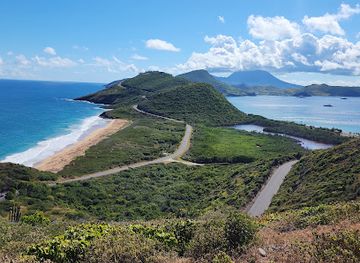
Discover stunning vistas and serene landscapes at Timothy Hill Overlook, where the Caribbean Sea meets the Atlantic Ocean in St. Kitts.
-
Fortress
Brimstone Hill Fortress National Park
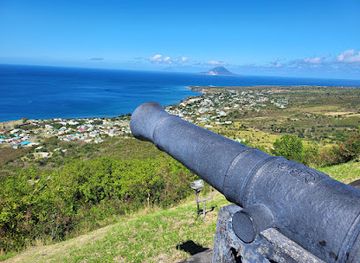
Discover the rich history and breathtaking vistas at Brimstone Hill Fortress National Park in St. Kitts, a UNESCO World Heritage site that captivates every visitor.
-
Cruise terminal
Port Zante
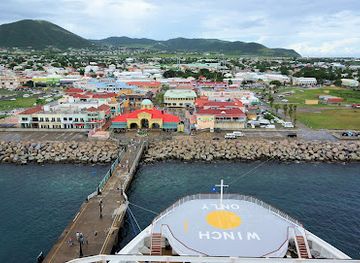
Discover the vibrant atmosphere of Port Zante, where Caribbean culture meets stunning coastal views in St. Kitts.
Explore Saint Paul Capisterre Parish on the map
Plan your trip on one map. See where the top cities, national parks and sights are, and book hotels and experiences in a few clicks.
Best hotels in Saint Paul Capisterre Parish
Best restaurants in Saint Paul Capisterre Parish
Dining in Saint Paul Capisterre is limited and local in character, with options more likely to be found through guesthouses, small eateries, home-style cooks or arrangements made by residents than through a dense restaurant quarter. Typical Saint Kitts cooking draws on Caribbean staples such as rice and peas, provisions, plantain, stewed meats, fresh fish and spiced sauces, while menus can reflect whatever local produce and seafood are available. Goat water, a long-established Kittitian stew, is associated with the country’s wider culinary tradition rather than being exclusive to this parish. Visitors should expect simple surroundings and variable availability, particularly in the evening, and should ask about advance arrangements where possible. Basseterre and the island’s southern resort areas, both outside the parish, provide a broader choice of restaurants, cafés and international menus. Buying fruit, drinks or prepared snacks from small local sellers can complement a rural itinerary, but opening times and stock may change from day to day.
-
Restaurant
Carambola Beach Club
Discover exquisite Caribbean flavors at Carambola Beach Club with stunning ocean views and vibrant atmosphere in St. Kitts.
-
Restaurant
Shipwreck Beach Bar
Experience Caribbean charm at Shipwreck Beach Bar in St. Kitts - where delicious cuisine meets stunning ocean views.
-
Restaurant
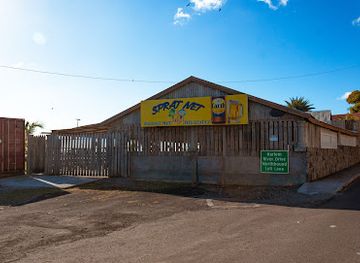
Sprat Net
Discover authentic Caribbean cuisine at Sprat Net in St. Kitts—where fresh seafood meets vibrant island flavors.
-
Restaurant
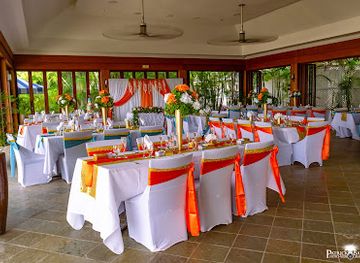
Palms Court Gardens
Experience the serene beauty and exquisite cuisine at Palms Court Gardens in Brumaire, St. Kitts & Nevis—a must-visit destination for every traveler.

Best bars in Saint Paul Capisterre Parish
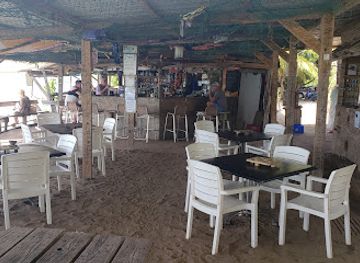
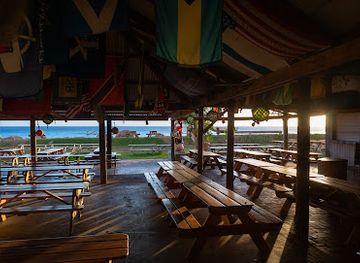
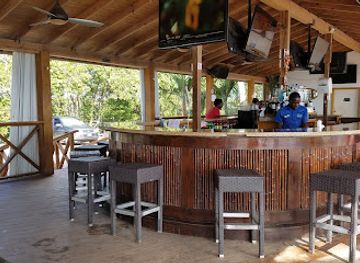
Saint Paul Capisterre does not have a concentrated nightclub district, and evening life is generally quieter than in Basseterre or the southern resort areas. Socialising is more likely to centre on locally known bars, village gatherings, guesthouse facilities and informal occasions than on venues marketed specifically to visitors. A few establishments elsewhere on Saint Kitts offer live music, rum-based drinks and late-evening entertainment, but they require a separate journey and should be checked locally before setting out. In the parish itself, arrange transport in advance if drinking, as rural roads may be dark and taxis are not always immediately available. The absence of a large nightlife scene is part of the parish’s character: evenings are better suited to conversation, local cooking and the quiet atmosphere of the countryside than to club-hopping.
-
Grill
Reggae Beach Bar-Grill
Experience the vibrant Caribbean spirit at Reggae Beach Bar-Grill, where delicious food and breathtaking views create unforgettable moments.
-
Restaurant
Shipwreck Beach Bar
Experience the vibrant atmosphere and delicious Caribbean cuisine at Shipwreck Beach Bar, your ultimate beachside destination in St. Kitts.
-
Restaurant
Sprat Net
Discover the best of Caribbean cuisine at Sprat Net, a delightful restaurant in St. Kitts, celebrated for its fresh seafood and welcoming atmosphere.
-
Bar
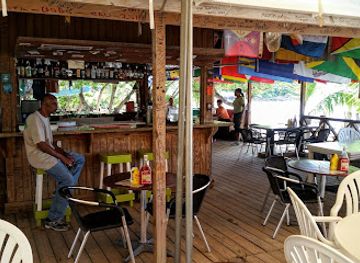
Vibes Beach Bar
Discover the vibrant atmosphere of Vibes Beach Bar in St. Kitts & Nevis—where sun, sea, and good vibes come together for an unforgettable experience.
Best nightclubs in Saint Paul Capisterre Parish
Saint Paul Capisterre does not have a concentrated nightclub district, and evening life is generally quieter than in Basseterre or the southern resort areas. Socialising is more likely to centre on locally known bars, village gatherings, guesthouse facilities and informal occasions than on venues marketed specifically to visitors. A few establishments elsewhere on Saint Kitts offer live music, rum-based drinks and late-evening entertainment, but they require a separate journey and should be checked locally before setting out. In the parish itself, arrange transport in advance if drinking, as rural roads may be dark and taxis are not always immediately available. The absence of a large nightlife scene is part of the parish’s character: evenings are better suited to conversation, local cooking and the quiet atmosphere of the countryside than to club-hopping.
-
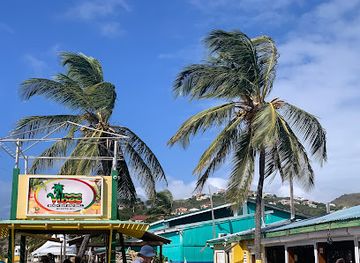
Bar
Vibes Beach Bar
Experience the vibrant spirit of St. Kitts at Vibes Beach Bar, where tropical drinks, beach views, and live music create unforgettable memories.
-
Bar
Last Lap Bar and Lounge
Experience the vibrant nightlife and refreshing drinks at Last Lap Bar and Lounge in Basseterre, a must-visit spot for tourists in St. Kitts & Nevis.
-
Bar
Rum Dawg Beach Bar & Grill
Discover the vibrant atmosphere of Rum Dawg Beach Bar & Grill, where delicious Caribbean cuisine and refreshing cocktails meet stunning ocean views.
-
Lounge
KayanJet St. Kitts
Experience the laid-back charm of KayanJet St. Kitts, a cozy lounge in Basseterre perfect for tasting local drinks and soaking in island vibes.


Best shops in Saint Paul Capisterre Parish
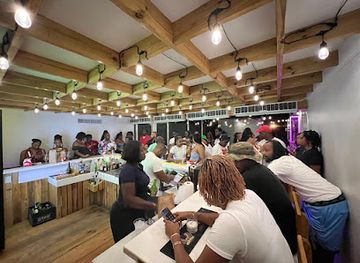
Shopping in Saint Paul Capisterre is modest and practical, reflecting its rural population rather than a large visitor economy. Small village shops may sell drinks, snacks and everyday provisions, while locally prepared food or seasonal produce can sometimes be obtained through community contacts and accommodation hosts. For a wider selection, visitors should travel to Basseterre, outside the parish, where the capital’s commercial streets, supermarkets, craft outlets and market activity provide more dependable choice. Useful regional purchases include Caribbean spices, sauces, rum, locally made food products, craft items and artwork, although availability varies by season and outlet. Visitors should distinguish genuinely local products from generic Caribbean souvenirs and should ask about ingredients or customs restrictions when buying food. There are no grounds to expect extensive luxury retail or a permanent craft-market programme within the parish; its shopping experience is best understood as part of rural provisioning and informal local exchange.
-
Tourist attraction
Caribelle Batik at Romney Manor
Experience the vibrant art of batik printing and explore the lush gardens at Caribelle Batik, a true Caribbean treasure.
-
Bar
La Casa Del Habano
Discover the ultimate cigar lounge experience at La Casa Del Habano in Port Zante, where luxury meets relaxation in St. Kitts.
-
Shopping mall
The Pelican Shopping Mall
Discover a vibrant shopping experience at The Pelican Shopping Mall in Basseterre, St. Kitts, where local charm meets international flair.
-
Supermarket
Fraites And Sons Supermarket
Experience the vibrant shopping atmosphere of Fraites And Sons Supermarket, where local flavors and international products meet in St. Kitts & Nevis.

Get your free copy of our complete guide to Saint Paul Capisterre Parish, delivered straight to you.
Everything on this page, from attractions and restaurants to essentials and local phrases, in one PDF you can read offline, print or share.
Already have an account? Sign in
Your Saint Paul Capisterre Parish guide is ready.
We'll send it to · Not you? Sign out

Getting your guide ready…
We are putting together a fresh copy of the Saint Paul Capisterre Parish guide. This can take up to a minute.
This can take a few moments. If your browser asks, choose Allow so the download can start. You'll find the guide in your Downloads folder.
Nothing happened? Download it again
Sorry, the guide is taking longer than usual. Please try again in a minute, or get it by email instead.
Saint Paul Capisterre Parish essentials
Currency and Payment
Safety
Emergency Situations
Do's and Don'ts
Local Tips
From Eve
Local phrases worth knowing
You don't need to get them perfect. A few words go a long way, and locals appreciate the effort.
Basics
| English | Local | Say it |
|---|---|---|
| Hello | Hello | [Heh-loh] |
| Goodbye | Bye | [Bai] |
| Yes | Yes | [Yes] |
| No | No | [No] |
| Please/You're welcome | Please | [Pleez] |
| Thank you | Thank you | [Thank yuh] |
| Excuse me/Sorry | Excuse me | [Ex-kyoos me] |
| How are you? | How yuh doing? | [How yuh doin?] |
| Fine. And you? | I good. An yuh? | [I gud. An yuh?] |
| Do you speak English? | Yuh speak English? | [Yuh speek In-glish?] |
| I don't understand | I no understand | [I no un-der-stand] |
Eating & Drinking
| English | Local | Say it |
|---|---|---|
| I'd like to see the menu, please | Can I see the menu, please? | [Can I see de men-yu, pleez?] |
| I don't eat meat | I no eat meat | [I no eet meet] |
| Cheers! | Cheers! | [Cheers] |
| I would like to pay, please | I want to pay, please | [I want to pay, pleez] |
Emergencies
| English | Local | Say it |
|---|---|---|
| Help! | Help! | [Help] |
| Go away! | Go way! | [Go wei] |
| Call the Police! | Call di Police! | [Call di Po-lees] |
| Call a doctor! | Call a doctor! | [Call a dok-ta] |
| I'm lost | I lost | [I lost] |
| I'm ill | I sick | [I sik] |
Shopping
| English | Local | Say it |
|---|---|---|
| I'd like to buy... | I want to buy... | [I want to bai...] |
| I'm just looking | I just looking | [I just luk-ing] |
| How much is it? | How much dis cost? | [How much dis cost?] |
| That's too expensive | Dat too high | [Dat too hai] |
| Can you lower the price? | Can yuh lower di price? | [Can yuh low-er di prais?] |
Time & Numbers
| English | Local | Say it |
|---|---|---|
| What time is it? | Wah time it? | [Wah taim it?] |
| It's one o'clock | It one o'clock | [It wan o-clock] |
| Half past (10) | Half past ten | [Half past ten] |
| Morning | Mornin' | [Mornin'] |
| Afternoon | Afternoon | [Af-ta-noon] |
| Evening | Evening | [Eve-ning] |
| Yesterday | Yesterday | [Yes-ta-day] |
| Today | Today | [To-day] |
| Tomorrow | Tomorrow | [To-mor-row] |
| 1 | One | [Wan] |
| 2 | Two | [Tu] |
| 3 | Three | [Tri] |
| 4 | Four | [Fo] |
| 5 | Five | [Faiv] |
| 6 | Six | [Siks] |
| 7 | Seven | [Sev-en] |
| 8 | Eight | [Eit] |
| 9 | Nine | [Nain] |
| 10 | Ten | [Ten] |
Transport & Directions
| English | Local | Say it |
|---|---|---|
| Where's a/the...? | Wah de...? | [Wah de...?] |
| What's the address? | Wah di address? | [Wah di ad-dress?] |
| Can you show me (on the map)? | Can yuh show me (on di map)? | [Can yuh sho me (on di map)?] |
| When's the next (bus)? | When di next (bus)? | [When di nex (bus)?] |
| A ticket (to ....) | A ticket (to ....) | [A tik-it (to ....)] |
History of Saint Paul Capisterre Parish
Kalinago and Early Island Settlement
Long before European colonisation, Saint Kitts was inhabited by Indigenous peoples, including communities commonly identified in historical sources as Kalinago. The island’s fertile volcanic soils, dependable rainfall and coastal resources supported settlement and movement between valleys. Much of the early archaeological record is distributed across the island rather than concentrated in Saint Paul Capisterre itself, but the parish forms part of the wider cultural landscape that Europeans encountered in the seventeenth century. Visitors should remember that the island’s colonial history began with the displacement and marginalisation of Indigenous communities, not with the arrival of European settlers alone.
English Colonisation and the Sugar Economy
English settlement on Saint Kitts began in the early seventeenth century, and the island became one of the Caribbean’s important plantation colonies. Sugar production gradually transformed the valleys and lower slopes, replacing much of the earlier agricultural pattern with estates, mills, roads and enslaved labour. Saint Paul Capisterre was shaped by this plantation geography, even where surviving buildings are limited. The parish’s rural landscape, old estate traces and cultivated slopes reflect an economy that connected local production to Atlantic markets and made Saint Kitts strategically valuable to European powers.
French and British Rivalry
Saint Kitts was contested by England and France during the seventeenth and eighteenth centuries, and control of the island changed during periods of European warfare before Britain ultimately secured it. The rivalry influenced settlement, fortification and land ownership across Saint Kitts. Although the best-known surviving military monument, Brimstone Hill Fortress, lies outside Saint Paul Capisterre Parish, the parish shared the consequences of this strategic history through plantation administration, shifting political authority and the movement of soldiers, merchants and enslaved workers across the island.
Enslavement, Emancipation and Village Society
Sugar estates in Saint Kitts depended heavily on the labour of enslaved Africans and their descendants. Emancipation in the British Caribbean took effect in the 1830s, followed by an apprenticeship system and then full freedom. These changes profoundly altered estate labour, land use and community life. Saint Paul’s and other rural settlements developed within this wider transformation, as formerly enslaved people created family, religious and economic networks beyond direct plantation control. Churches, village institutions and the persistence of agricultural practices remain part of the long social history that followed emancipation.
Decline of Sugar and Economic Change
Sugar remained central to Saint Kitts for centuries, but the industry weakened as international conditions changed and production became less competitive. The state-owned sugar industry finally closed in 2005, marking a major economic turning point for the island. In rural parishes such as Saint Paul Capisterre, the end of sugar altered employment, land management and the appearance of former cane-growing areas. Tourism, services, small-scale agriculture and remittances subsequently became more important, while traces of the plantation era continued to shape roads, settlement patterns and local memory.
Independence and the Federation
Saint Kitts and Nevis became an independent state in 1983 after a period of internal self-government and association within the British Caribbean. Saint Paul Capisterre is therefore part of a modern federation whose institutions and national identity encompass both islands, while local parish life retains its own scale and character. Contemporary Saint Kitts combines constitutional traditions inherited from Britain with Caribbean cultural forms and an economy increasingly linked to tourism, international education, services and a global diaspora.
Saint Paul Capisterre Parish in Photos
Browse through our photo collection highlighting the charm and character of the destination.
Neighbouring regions of Saint Paul Capisterre Parish
The closest regions to Saint Paul Capisterre Parish, if you have time for more than one.
-

-

-

-

-


Swipe for more regions
Explore more

Explore more of Saint Kitts and Nevis
Discover the pristine beaches, lush landscapes, and rich history of Saint Kitts and Nevis, a hidden gem in the Caribbean offering adventure and relaxation.
Explore Saint Kitts and Nevis