
Dieppe Bay Town, Saint Kitts and Nevis Travel Guide
Explore Dieppe Bay Town in Saint Kitts and Nevis: A serene fishing village with black sand beaches, rich history, and vibrant local culture. Perfect for nature lovers and history buffs.
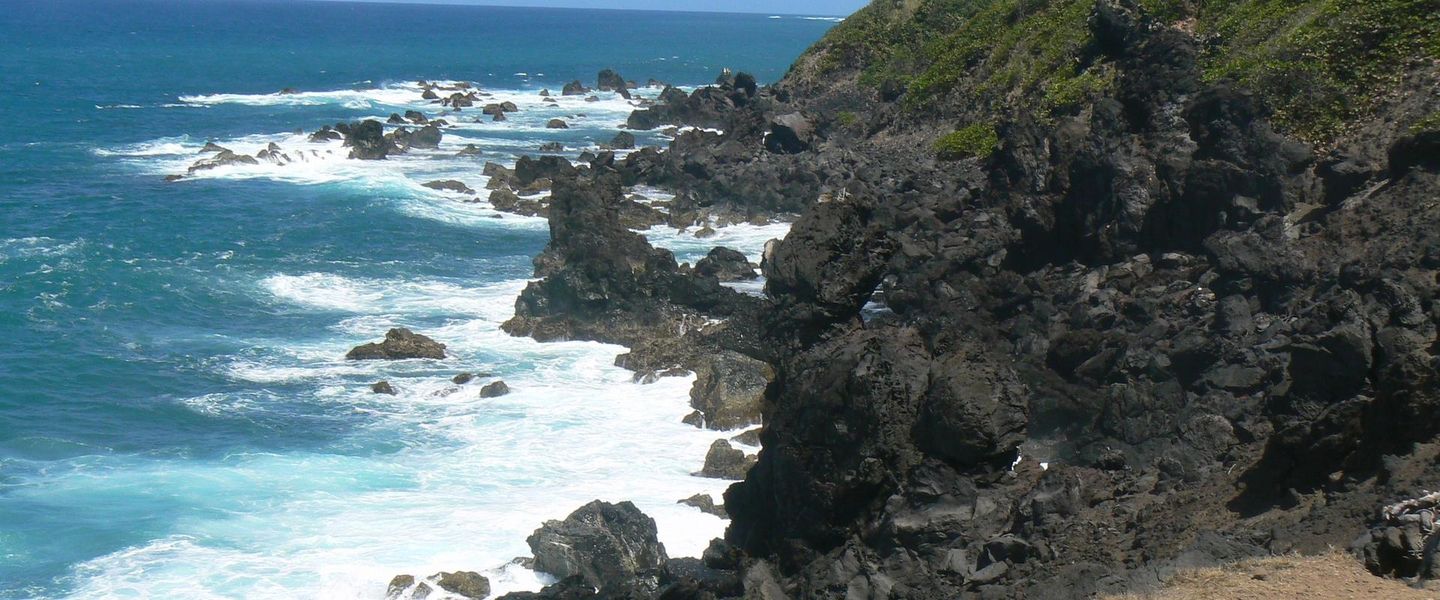
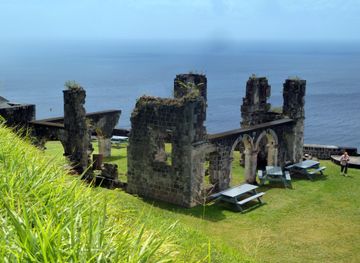
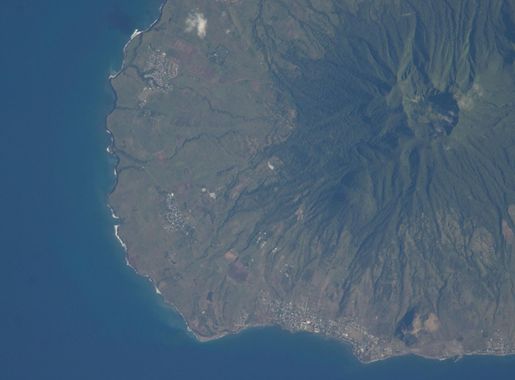
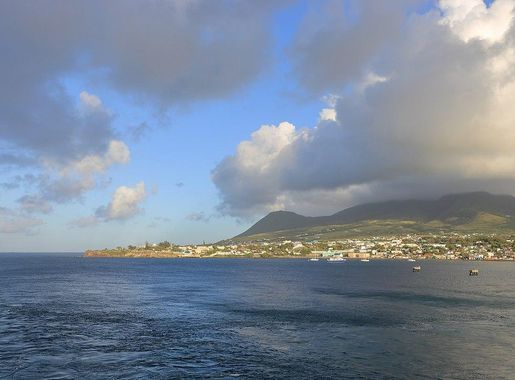
Dieppe Bay Town, located on the northern coast of Saint Kitts, is a serene escape from the hustle and bustle of modern life. This quaint fishing village is known for its black sand beaches, a rarity in the Caribbean, which offer a unique and picturesque setting for relaxation and exploration. The town's charm is amplified by its friendly locals, who are always eager to share their stories and culture with visitors. As you wander through the town, you'll discover a vibrant mix of colonial architecture and local traditions. The old sugar plantation ruins provide a glimpse into the island's rich history, while the colorful buildings and lively markets showcase the community's vibrant spirit. The town is also a gateway to the Brimstone Hill Fortress National Park, a UNESCO World Heritage Site, which offers stunning views and a deep dive into the history of the Caribbean. For nature lovers, Dieppe Bay Town is a paradise. The nearby Dieppe Bay Beach is a haven for snorkeling and diving, with its clear waters and thriving marine life. The town is also close to Mount Liamuiga, a dormant volcano that offers hiking trails through lush rainforests and dramatic landscapes. Whether you're seeking adventure or relaxation, Dieppe Bay Town provides a perfect blend of both, making it an ideal destination for any traveler.

Know before you go
Hi, I'm Eve. Here are a few practical things to know before exploring Dieppe Bay Town.
- Visit early in the morning to avoid crowds at popular spots like Dieppe Bay Beach and Brimstone Hill Fortress.
- Try the local seafood at one of the many small eateries; the fresh catch of the day is a must!
- Bring sturdy shoes if you plan to hike Mount Liamuiga; the trails can be steep and slippery.
- Don't forget to snorkel at Dieppe Bay Beach; the marine life is vibrant and the waters are crystal clear.
- Interact with the locals to learn more about the town's history and culture; their stories add a personal touch to your visit.
Explore Dieppe Bay Town: Things to Do, Places to Eat, Hotels & More
Handpicked recommendations for top attractions, local dining, accommodations, and more

Best attractions in Dieppe Bay Town
Top-rated picks
Best Attractions

Brimstone Hill Fortress National Park
Explore Brimstone Hill Fortress National Park, a UNESCO World Heritage Site in St. Kitts, rich in history, breathtaking views, and natural beauty.

Port Zante
Experience the vibrant culture and stunning beauty at Port Zante, the premier cruise terminal in Basseterre, St. Kitts & Nevis.

Saint Kitts
Experience the breathtaking beauty and vibrant culture of Saint Kitts & Nevis, the Caribbean's ultimate twin-island paradise.

St. Kitts Scenic Railway
Discover the enchanting landscapes and rich history of St. Kitts aboard the scenic railway, a unique heritage experience for every traveler.

Best landmarks in Dieppe Bay Town
Top-rated picks
Best Landmarks

Timothy Hill Overlook
Explore Timothy Hill Overlook, St. Kitts – where breathtaking vistas meet tranquil nature, offering unforgettable experiences.

Brimstone Hill Fortress National Park
Discover the rich history and breathtaking views at Brimstone Hill Fortress National Park, a UNESCO World Heritage site in St. Kitts.

Dolphin Discovery Saint Kitts
Experience the magic of swimming with dolphins at Dolphin Discovery Saint Kitts, where adventure meets marine education in a stunning tropical setting.

St. Kitts Scenic Railway
Explore the scenic beauty and rich heritage of St. Kitts aboard the captivating St. Kitts Scenic Railway, a unique heritage railroad experience.

Best restaurants in Dieppe Bay Town
Top-rated picks
Best Restaurants

Reggae Beach Bar-Grill
Discover the vibrant flavors and laid-back vibes at Reggae Beach Bar-Grill in St. Kitts & Nevis—your ultimate Caribbean getaway.

Carambola Beach Club
Experience exquisite dining with breathtaking views at Carambola Beach Club in St. Kitts.

Sunshines Restaurant
Iconic Pinney's Beach bar where Killer Bee punches ignite sunsets, fresh lobster feasts the palate, and Caribbean rhythms pulse late into vibrant Nevis nights.

Shipwreck Beach Bar
Discover the vibrant atmosphere of Shipwreck Beach Bar in Frigate Bay – where delicious cuisine meets breathtaking views in St. Kitts.

Best bars in Dieppe Bay Town
Top-rated picks
Best Bars

Reggae Beach Bar-Grill
Discover the vibrant flavors of the Caribbean at Reggae Beach Bar-Grill, a beachfront dining gem in St. Kitts & Nevis.

Arthur's Restaurant & Bar
Experience the essence of St. Kitts at Arthur's Restaurant & Bar, where culinary delights meet breathtaking ocean views.

Zanzi Bar & Grill
Experience the vibrant flavors of the Caribbean at Zanzi Bar & Grill, a beachside gem in St. Kitts offering delicious cuisine and refreshing cocktails.

Railway Bar And Grill
Discover the culinary delights of Railway Bar And Grill in Nevis, where local flavors meet a vibrant atmosphere for an unforgettable dining experience.

Best nightclubs in Dieppe Bay Town
Top-rated picks
Best Nightclubs

Reggae Beach Bar-Grill
Experience the vibrant flavors and lively atmosphere at Reggae Beach Bar-Grill in St. Kitts & Nevis, where Caribbean culture comes alive.

Shipwreck Beach Bar
Experience the vibrant atmosphere and delicious Caribbean cuisine at Shipwreck Beach Bar in Frigate Bay, St. Kitts.

Vibes Beach Bar
Discover the vibrant spirit of the Caribbean at Vibes Beach Bar, where sun, fun, and flavor come together on the shores of Frigate Bay.

Arthur's Restaurant & Bar
Discover the culinary delights of Arthur's Restaurant & Bar, where Caribbean flavors meet breathtaking views at Dieppe Bay Beach.

Best shops in Dieppe Bay Town
Top-rated picks
Best Shops

Caribelle Batik at Romney Manor
Experience the rich heritage of batik art amidst the stunning botanical gardens of St. Kitts at Caribelle Batik.

The Pelican Shopping Mall
Experience vibrant shopping and local culture at The Pelican Shopping Mall in Basseterre, St. Kitts, with a variety of shops and dining options.

Blackrocks Gift Shops
Experience unique shopping and breathtaking coastal views at Blackrocks Gift Shops in Belle Vue, St. Kitts & Nevis.

Dieppe Bay
Experience the tranquil beauty of Dieppe Bay in St Kitts & Nevis, a perfect getaway for beach lovers and culture seekers.

Explore Dieppe Bay Town on the Map
A handpicked selection of must-see spots in Dieppe Bay Town, mapped for you.
Dieppe Bay Town Essentials
-
Dieppe Bay Town is located in the northern part of Saint Kitts. The nearest airport is Robert L. Bradshaw International Airport (SKB) in Basseterre, which is approximately a 45-minute drive away. From the airport, you can rent a car, hire a taxi, or take a shuttle service to reach Dieppe Bay Town. If you are traveling from Nevis, you can take a ferry to Basseterre and then continue by road to Dieppe Bay Town.
-
Dieppe Bay Town is small and walkable, making it easy to explore on foot. For longer distances, taxis are readily available and can be hailed from the street or arranged through your accommodation. Local buses also operate in the area, providing an affordable option for getting around. If you prefer more flexibility, renting a car is a convenient choice.
-
The official currency of Saint Kitts and Nevis is the Eastern Caribbean Dollar (XCD). US Dollars are widely accepted, but it is advisable to carry some local currency for smaller purchases. Credit cards are accepted in most hotels, restaurants, and shops, but cash is preferred in local markets and smaller establishments. ATMs are available in Dieppe Bay Town for withdrawing cash.
-
Dieppe Bay Town is generally safe for tourists, but it is important to remain vigilant. Avoid walking alone at night in poorly lit areas and keep your belongings secure to prevent theft. While there are no specific high-crime areas targeting tourists, it is best to stay cautious and aware of your surroundings. Always use registered taxis and avoid accepting rides from strangers.
-
In case of an emergency, dial 911 for assistance. The nearest police station and medical facilities are located in nearby towns. It is recommended to have travel insurance that covers medical emergencies. For minor health issues, there are pharmacies in Dieppe Bay Town where you can purchase over-the-counter medications. Make sure to carry a copy of important documents like your passport and travel insurance.
-
Fashion: Do dress casually but appropriately. Swimwear should be reserved for the beach and pool areas. Avoid wearing overly revealing clothing in public. Religion: Do respect local religious customs and traditions. When visiting churches or religious sites, dress modestly and refrain from disruptive behavior. Public Transport: Do be courteous to other passengers and give up your seat to elderly individuals. Don’t eat or drink on public buses. Greetings: Do greet locals with a friendly 'Good morning' or 'Good afternoon.' A handshake is a common form of greeting. Eating & Drinking: Do try local dishes and accept food and drink offerings graciously. Don’t refuse hospitality, as it can be considered impolite.
-
To experience Dieppe Bay Town like a local, visit the weekly market where you can buy fresh produce and local crafts. Engage with the locals, who are often friendly and happy to share insights about the town's history and culture. Don’t miss the opportunity to visit the nearby Black Rocks, a stunning natural formation created by volcanic activity. For a unique experience, join a local fishing tour to learn about traditional fishing methods and enjoy the fresh catch of the day.
When is the best time to visit Dieppe Bay Town?
Useful Local Phrases for Dieppe Bay Town
You don't need to speak the language perfectly. Even learning a few simple words can make conversations warmer—and locals usually appreciate the effort.
— Eve

Here are the phrases I use most often in Dieppe Bay Town. Try a few—you'll be surprised how far they go! 😊
❤️
-
- HelloWagwan
[wag-wan] - GoodbyeLata
[lay-ta] - YesYeah man
[yeh man] - NoNah man
[nah man] - Please/You're welcomeBeg yuh pardon
[beg yuh par-dun] - Thank youTank yuh
[tank yuh] - Excuse me/SorrySarry
[sar-ree] - How are you?How yuh doin?
[how yuh doh-in] - Fine. And you?Irie man. An yuh?
[eye-ree man. an yuh] - Do you speak English?Yuh speak English?
[yuh speak ing-glish] - I don't understandMi nah get dat
[mee nah get dat]
- HelloWagwan
-
- I'd like to see the menu, pleaseLemme see de menu nuh
[lem-me see deh men-oo nuh] - I don't eat meatMi nah eat meat
[mee nah eet meet] - Cheers!Cheers!
[cheers] - I would like to pay, pleaseMi wud like fi pay, nuh
[mee wood like fee pay nuh]
- I'd like to see the menu, pleaseLemme see de menu nuh
-
- Help!Help!
[help] - Go away!Gweh!
[gweh] - Call the Police!Call de police!
[call dee police] - Call a doctor!Call a doctor!
[call a dock-ta] - I'm lostMi loss
[mee loss] - I'm illMi sick
[mee sik]
- Help!Help!
-
- I'd like to buy...Mi wud like fi buy...
[mee wood like fee buy] - I'm just lookingMi jus lookin
[mee jus look-in] - How much is it?How much dat deh?
[how much dat deh] - That's too expensiveDat too dear
[dat too deer] - Can you lower the price?Yuh cyaan drop di price?
[yuh cyaan drop dee price]
- I'd like to buy...Mi wud like fi buy...
-
- What time is it?Wah time it be?
[wah time it bee] - It's one o'clockA one o'clock
[a one o'clock] - Half past (10)Half ten
[half ten] - MorningMawnin
[mawn-in] - AfternoonAftanoon
[aft-a-noon] - EveningEvenin
[ev-en-in] - YesterdayYessideh
[yes-si-deh] - TodayToday
[to-day] - TomorrowTamara
[ta-ma-ra] - 1One
[wan] - 2Two
[too] - 3Tree
[tree] - 4Fo'
[faw] - 5Fie
[fai] - 6Six
[siks] - 7Seven
[sev-en] - 8Eight
[ate] - 9Nine
[nain] - 10Ten
[ten]
- What time is it?Wah time it be?
-
- Where's a/the...?Wey de...
[way dee] - What's the address?Wah de address deh?
[wah dee address deh] - Can you show me (on the map)?Yuh cyaan show me (pan di map)?
[yuh cyaan show me (pan dee map)] - When's the next (bus)?Wen de nex (bus)?
[wen dee nex (bus)] - A ticket (to ....)A tikkit (to ....)
[a tik-kit (to ....)]
- Where's a/the...?Wey de...
History of Dieppe Bay Town
-
Dieppe Bay Town was founded in the early 17th century by French settlers. Originally named after Dieppe in France, the settlement served as a strategic point for the French due to its advantageous location on the northern coast of Saint Kitts. The town quickly became a hub for agricultural activities, particularly the cultivation of sugarcane, which was a major economic driver in the Caribbean during this period.
-
Before the arrival of European settlers, the area around Dieppe Bay Town was inhabited by the Indigenous Carib people. During the early years of settlement, the Caribs fiercely resisted the European encroachment on their land. Several conflicts ensued, including the notable Carib Revolt of 1626, which significantly impacted the early development of the town. Ultimately, the Caribs were displaced, but their influence remains an important part of the town's cultural heritage.
-
Throughout the 17th and 18th centuries, Dieppe Bay Town was embroiled in the larger context of Anglo-French rivalry in the Caribbean. Control of the town shifted multiple times between the British and the French as both empires vied for supremacy in the region. The Treaty of Paris in 1763, which ended the Seven Years' War, eventually ceded control of Saint Kitts to Britain, marking the end of French rule in Dieppe Bay Town.
-
Like much of Saint Kitts, Dieppe Bay Town's economy was heavily based on sugarcane plantations. The town's prosperity during the 18th and 19th centuries was built on the labor of enslaved Africans who were brought to the island to work on the plantations. The legacy of slavery is deeply embedded in the history of Dieppe Bay Town, and several historical sites, such as old plantation estates and sugar mills, serve as somber reminders of this past.
-
After the abolition of slavery in 1834, Dieppe Bay Town underwent significant social and economic changes. Freed individuals and families established their own communities and small farms, gradually diversifying the local economy. The town became a center for local trade and commerce, fostering a sense of resilience and independence among its inhabitants.
-
Dieppe Bay Town is rich in cultural heritage, with traditions that reflect its diverse history. The town is known for its vibrant festivals, such as the annual Culturama festival, which celebrates Nevisian heritage through music, dance, and traditional arts and crafts. The local cuisine, influenced by African, French, and British flavors, is a testament to the town's multicultural roots.
-
In recent decades, Dieppe Bay Town has seen a blend of modernization and preservation efforts. While new infrastructure and tourism have brought economic opportunities, there is a conscious effort to maintain the historical and cultural integrity of the town. Visitors can explore well-preserved historical sites, enjoy eco-tourism activities, and experience the warm hospitality of the local community.
Cities near Dieppe Bay Town
The closest cities to Dieppe Bay Town, if you have time for more than one stop.




Your all‑in‑one travel companion app
Explore expert travel guides, compare and book tours, experiences, hotels, and more—all from the palm of your hand. Download now for seamless trip planning wherever your wanderlust takes you.


Dieppe Bay Town in Photos
Browse through our photo collection highlighting the charm and character of the destination.





Dieppe Bay Town: A Coastal Gem in Saint Kitts and Nevis
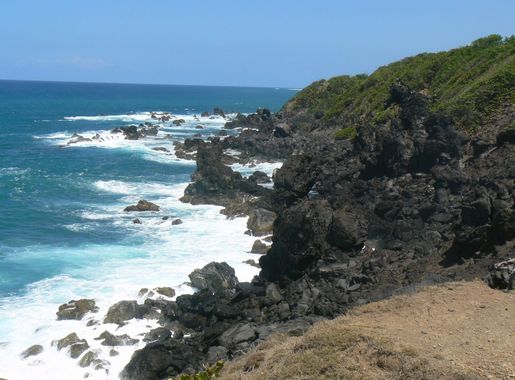
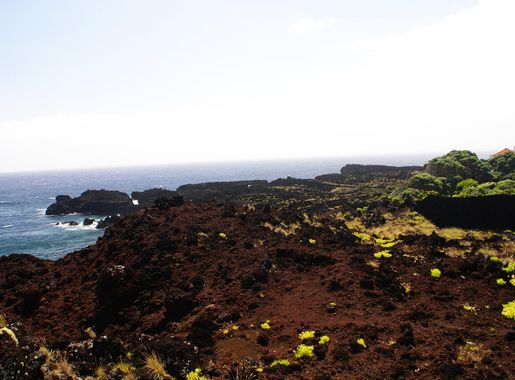
Dieppe Bay Town, located on the northern coast of Saint Kitts, is a serene escape from the hustle and bustle of modern life. This quaint fishing village is known for its black sand beaches, a rarity in the Caribbean, which offer a unique and picturesque setting for relaxation and exploration. The town's charm is amplified by its friendly locals, who are always eager to share their stories and culture with visitors. As you wander through the town, you'll discover a vibrant mix of colonial architecture and local traditions. The old sugar plantation ruins provide a glimpse into the island's rich history, while the colorful buildings and lively markets showcase the community's vibrant spirit. The town is also a gateway to the Brimstone Hill Fortress National Park, a UNESCO World Heritage Site, which offers stunning views and a deep dive into the history of the Caribbean. For nature lovers, Dieppe Bay Town is a paradise. The nearby Dieppe Bay Beach is a haven for snorkeling and diving, with its clear waters and thriving marine life. The town is also close to Mount Liamuiga, a dormant volcano that offers hiking trails through lush rainforests and dramatic landscapes. Whether you're seeking adventure or relaxation, Dieppe Bay Town provides a perfect blend of both, making it an ideal destination for any traveler.
Explore More of Saint Kitts and Nevis

Looking beyond Dieppe Bay Town? Discover Saint Kitts and Nevis for broader travel guides, local hot-spots, and regional highlights.
Explore Saint Kitts and Nevis