

Canaries Quarter, Saint Lucia Travel Guide
Explore the Canaries Quarter in Saint Lucia, where the vibrant culture, scenic beauty, and friendly locals create an unforgettable Caribbean experience.
Nestled on the scenic west coast of Saint Lucia, the Canaries Quarter is a charming fishing village that offers a glimpse into the island's rich culture and history. This picturesque village, with its colorful houses and narrow streets, is a perfect destination for those looking to experience the authentic Caribbean lifestyle. Visitors can stroll along the tranquil waterfront, where local fishermen bring in their daily catch, and enjoy the serene beauty of the surrounding landscapes. The village is also known for its vibrant community spirit, with friendly locals eager to share tales of the area's heritage and traditions. For nature enthusiasts, the Canaries Quarter provides access to stunning hiking trails that lead to breathtaking viewpoints overlooking the Caribbean Sea. The nearby beaches offer pristine sands and crystal-clear waters, ideal for swimming and snorkeling. As the sun sets, the village comes alive with the sounds of traditional music and the aroma of delicious Creole cuisine wafting from local eateries.

Know before you go
Hi, I'm Eve. Here are a few practical things to know before exploring Canaries Quarter.
- Visit early in the morning to watch local fishermen bring in their catch.
- Wear comfortable walking shoes to explore the narrow, hilly streets.
- Try the local Creole cuisine at one of the village's family-run restaurants.
- Bring a camera to capture the stunning coastal views and colorful houses.
- Learn a few Creole phrases to connect better with the friendly locals.
Top City Travel Guides in Canaries Quarter
The cities of Canaries Quarter, and the easiest places to base yourself.
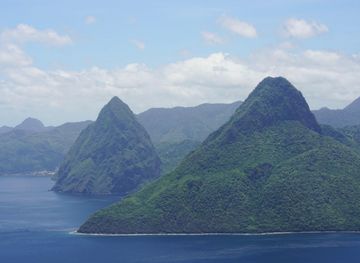

Destinations in Canaries Quarter
Resorts, valleys and scenic spots worth a trip of their own.


Explore Canaries Quarter: Things to Do, Places to Eat, Hotels & More
Handpicked recommendations for top attractions, local dining, accommodations, and more

Top Attractions & Sightseeing in Canaries Quarter
Top-rated picks
Best Attractions

Anse Chastanet Beach
Discover the serene beauty of Anse Chastanet Beach in St. Lucia, where adventure meets relaxation in a tropical paradise.

Derek Walcott square
Discover the serene beauty of Derek Walcott Square, a cultural gem in Castries, St. Lucia, celebrating the life of a Nobel laureate amidst lush gardens.

L'Anse la Raye
Explore L'Anse la Raye's serene bay and vibrant culture in St. Lucia, a perfect destination for relaxation, adventure, and culinary delights.

Gros Islet Beach
Discover the stunning beauty and vibrant culture of Gros Islet Beach in St. Lucia, a perfect escape for relaxation and adventure.

Best landmarks in Canaries Quarter
Top-rated picks
Best Landmarks

Sandals Grande St. Lucian
Experience the pinnacle of luxury at Sandals Grande St. Lucian, an all-inclusive resort perfect for romantic getaways and unforgettable vacations.
Royalton Saint Lucia, An Autograph Collection All-Inclusive Resort
Experience luxury and adventure at Royalton Saint Lucia, an all-inclusive resort perfect for families and couples alike, set against a breathtaking Caribbean backdrop.

Soufrière Drive In Volcano
Explore the unique geothermal beauty of Soufrière Drive In Volcano in St. Lucia, featuring bubbling mud pools and mesmerizing steam vents.
Saint Lucia
Discover the enchanting beauty of Saint Lucia, where adventure meets relaxation in a tropical paradise filled with rich culture and stunning landscapes.

Best restaurants in Canaries Quarter
Top-rated picks
Best Restaurants

The Coal Pot Restaurant
Experience exquisite seafood dining at The Coal Pot Restaurant in Castries, St. Lucia – where every meal is a celebration of Caribbean flavors.

The Beacon Restaurant
Experience exceptional Caribbean cuisine with breathtaking views at The Beacon Restaurant in beautiful St. Lucia.

Orlando's Restaurant & Bar
Experience authentic Creole cuisine at Orlando's Restaurant & Bar in Soufriere, St. Lucia—where flavor meets breathtaking views.

Fedo's
Discover the flavors of St. Lucia at Fedo's – where local cuisine meets affordable dining in a warm and welcoming atmosphere.

Best bars in Canaries Quarter
Top-rated picks
Best Bars

Spinnakers Beach Bar And Carvery
Experience the vibrant flavors of the Caribbean at Spinnakers Beach Bar And Carvery, where every meal is a celebration of local cuisine and stunning ocean views.

Ultra Lounge
Experience the vibrant nightlife of St. Lucia at Ultra Lounge, where delicious food and refreshing drinks await in a stylish setting.

Glamity's Bar
Discover the lively atmosphere and local flavors at Glamity's Bar in Castries, St. Lucia, the ultimate spot for an authentic Caribbean nightlife experience.

Valelse Sports Bar & Soup Kitchen
Experience the vibrant flavors and lively atmosphere at Valelse Sports Bar & Soup Kitchen in St. Lucia, where local cuisine meets Caribbean charm.

Best nightclubs in Canaries Quarter
Top-rated picks
Best Nightclubs

Ultra Lounge
Discover the vibrant nightlife and delicious cuisine at Ultra Lounge, your go-to spot in Rodney Bay, St. Lucia for an unforgettable experience.

Friday Night Street Party
Discover the enchanting Friday Night Street Party in Gros Islet, St. Lucia – a vibrant fusion of music, dance, and local cuisine under the stars.

Bigger's Place
Discover the vibrant ambiance and refreshing drinks at Bigger's Place in Fond St Jacques, St. Lucia, a must-visit bar for every tourist.

Bliss Nightlife
Discover the vibrant nightlife at Bliss Nightlife in Canaries, St. Lucia - where delicious grills meet the best Caribbean vibes.

Best shops in Canaries Quarter
Top-rated picks
Best Shops

Baywalk Shopping Mall
Experience the vibrant atmosphere of Baywalk Shopping Mall, the ultimate shopping destination in Rodney Bay, St. Lucia, offering diverse shops, dining, and entertainment.

Ti Kaye Resort & Spa
Discover the enchanting beauty of Ti Kaye Resort & Spa, where luxury meets nature in St. Lucia's stunning coastal paradise.

La Place Carénage
Discover the vibrant shopping and dining experience at La Place Carénage, a must-visit destination in Castries, St. Lucia.
Jade Mountain Resort
Experience the unparalleled luxury and breathtaking views at Jade Mountain Resort, a true paradise on the stunning island of St. Lucia.

Explore Canaries Quarter on the Map
A handpicked selection of must-see spots in Canaries Quarter, mapped for you.
Canaries Quarter Essentials
-
Canaries Quarter is located on the western coast of Saint Lucia. The nearest international airport is Hewanorra International Airport (UVF) in Vieux Fort, approximately 45 kilometers away. From the airport, you can take a taxi or rent a car to reach Canaries Quarter. Alternatively, George F. L. Charles Airport (SLU) in Castries, about 30 kilometers away, serves regional flights and offers similar transportation options. The journey from either airport typically takes around an hour by road.
-
Transportation options within Canaries Quarter include local buses, taxis, and rental cars. Local buses, often minivans, are a cost-effective way to travel and connect Canaries with other parts of Saint Lucia. Taxis are readily available but be sure to agree on a fare before starting your trip. Renting a car provides flexibility to explore at your own pace. Walking is also a great way to discover the area, especially in the village center.
-
The official currency in Saint Lucia is the Eastern Caribbean Dollar (XCD). US dollars are also widely accepted. Credit and debit cards are accepted in most hotels, restaurants, and shops, but it is advisable to carry some cash for smaller establishments and local markets. ATMs are available in Canaries and nearby towns, allowing you to withdraw local currency.
-
Canaries Quarter is generally a safe destination for tourists. However, it is advisable to take standard precautions. Avoid walking alone at night in unfamiliar areas and keep an eye on your belongings in crowded places. While Canaries is a relatively peaceful region, it is always best to stay vigilant and aware of your surroundings. There are no specific high-crime areas targeting tourists in Canaries.
-
In case of emergency, dial 911 for immediate assistance. The local police station and medical facilities are available in Canaries Quarter. It is recommended to have travel insurance that covers medical emergencies. For minor health issues, there are pharmacies in the town where you can purchase over-the-counter medications.
-
Fashion: Do dress modestly, especially when visiting religious sites. Avoid wearing revealing clothing. Religion: Do respect local customs and traditions. Public Transport: Do be respectful and give up your seat to elderly passengers. Don’t eat or drink on public transport. Greetings: Do greet people with a warm smile and a handshake. A friendly 'hello' or 'good morning' goes a long way. Eating & Drinking: Do try local delicacies and accept food offerings graciously. Don’t refuse hospitality, as it is considered impolite.
-
To experience Canaries Quarter like a local, visit the local markets where you can buy fresh produce and traditional goods. Engage with locals, as they are often friendly and willing to share stories about the area’s history and culture. Don’t miss the opportunity to sample local cuisine at small, family-run eateries. For a unique experience, participate in local festivals and events, which offer a glimpse into the vibrant community life of Canaries.
When is the best time to visit Canaries Quarter?
Useful Local Phrases for Canaries Quarter
You don't need to speak the language perfectly. Even learning a few simple words can make conversations warmer—and locals usually appreciate the effort.
— Eve

Here are the phrases I use most often in Canaries Quarter. Try a few—you'll be surprised how far they go! 😊
❤️
-
- HelloBonjour
[Bohn-zhoor] - GoodbyeAu revoir
[Oh ruh-vwahr] - YesOui
[Wee] - NoNon
[Nohn] - Please/You're welcomeS'il vous plaît
[Seel voo pleh] - Thank youMerci
[Mehr-see] - Excuse me/SorryPardon
[Par-dohn] - How are you?Comment ça va?
[Coh-mahn sah vah] - Fine. And you?Bien. Et toi?
[Byehn. Eh twah] - Do you speak English?Parlez-vous anglais?
[Par-lay voo ahn-glay] - I don't understandJe ne comprends pas
[Zhuh nuh kohm-prahn pah]
- HelloBonjour
-
- I'd like to see the menu, pleaseJe voudrais voir le menu, s'il vous plaît
[Zhuh voo-dray vwar luh meh-nu, seel voo pleh] - I don't eat meatJe ne mange pas de viande
[Zhuh nuh mahnj pah duh vyahnd] - Cheers!Santé!
[Sahn-tay] - I would like to pay, pleaseJe voudrais payer, s'il vous plaît
[Zhuh voo-dray pay-ay, seel voo pleh]
- I'd like to see the menu, pleaseJe voudrais voir le menu, s'il vous plaît
-
- Help!Au secours!
[Oh suh-coor] - Go away!Allez-vous-en!
[Ah-lay voo-zahn] - Call the Police!Appelez la police!
[Ah-peh-lay lah poh-lees] - Call a doctor!Appelez un docteur!
[Ah-peh-lay uhn doh-kteur] - I'm lostJe suis perdu
[Zhuh swee pair-doo] - I'm illJe suis malade
[Zhuh swee mah-lahd]
- Help!Au secours!
-
- I'd like to buy...Je voudrais acheter...
[Zhuh voo-dray ah-sheh-tay] - I'm just lookingJe regarde juste
[Zhuh ruh-gard zhoost] - How much is it?C'est combien?
[Say kohm-byen] - That's too expensiveC'est trop cher
[Say troh shair] - Can you lower the price?Pouvez-vous baisser le prix?
[Poo-vay voo bay-say luh pree]
- I'd like to buy...Je voudrais acheter...
-
- What time is it?Quelle heure est-il?
[Kell uhr eh-teel] - It's one o'clockIl est une heure
[Eel eh ewn uhr] - Half past (10)Dix heures et demie
[Dee uhr eh duh-mee] - MorningMatin
[Mah-tahn] - AfternoonAprès-midi
[Ah-pray mee-dee] - EveningSoir
[Swahr] - YesterdayHier
[Ee-ehr] - TodayAujourd'hui
[Oh-zhoor-dwee] - TomorrowDemain
[Duh-mahn] - 1Un
[Uhn] - 2Deux
[Duh] - 3Trois
[Twah] - 4Quatre
[Kah-truh] - 5Cinq
[Sank] - 6Six
[Sees] - 7Sept
[Set] - 8Huit
[Wheat] - 9Neuf
[Nuhf] - 10Dix
[Dee]
- What time is it?Quelle heure est-il?
-
- Where's a/the...?Où est le/la...?
[Oo eh luh/lah] - What's the address?Quelle est l'adresse?
[Kell eh luh-dress] - Can you show me (on the map)?Pouvez-vous me montrer (sur la carte)?
[Poo-vay voo muh mon-tray (sur lah kart)] - When's the next (bus)?Quand est le prochain (bus)?
[Kahn eh luh pro-shen (boos)] - A ticket (to ....)Un ticket (pour ....)
[Uhn tee-ket (poor ....)]
- Where's a/the...?Où est le/la...?
History of Canaries Quarter
-
Long before European colonization, the Canaries Quarter was home to the indigenous Arawak and Carib peoples. These early inhabitants left behind a rich legacy of artifacts, petroglyphs, and archaeological sites that reveal a complex society with advanced fishing, farming, and trade practices.
-
In the 17th century, the French began to colonize Saint Lucia, including the Canaries Quarter. They established plantations and brought enslaved Africans to work the land. This period saw the transformation of Canaries into a hub for sugarcane, cocoa, and coffee production, shaping the region's economic and social landscape.
-
One of the key historical events in Canaries Quarter was the Battle of Rabot in 1795, part of the larger conflict between the British and the French for control of Saint Lucia. This battle was significant in the struggle for dominance in the Caribbean and had lasting impacts on the local population.
-
After the abolition of slavery in 1834, many freed African descendants in Canaries Quarter began to establish their own communities. These new settlements were characterized by a blend of African and European influences, leading to a unique Creole culture that persists to this day.
-
During World War II, the United States established a naval base in Saint Lucia, which had far-reaching effects on Canaries Quarter. The influx of American soldiers and resources brought new economic opportunities and cultural exchanges, leaving a lasting imprint on the local community.
-
In the latter half of the 20th century, Canaries Quarter witnessed significant development, with tourism becoming a major industry. The area's natural beauty, including its pristine beaches and lush landscapes, attracted visitors from around the world, further shaping its cultural and economic identity.
-
Canaries Quarter is renowned for its vibrant cultural festivals, such as the annual La Marguerite and La Rose flower festivals. These events celebrate the region's rich heritage and provide a glimpse into the traditional music, dance, and culinary practices that have been passed down through generations.
Neighbouring Regions of Canaries Quarter
The closest regions to Canaries Quarter, if you have time for more than one.




Your all‑in‑one travel companion app
Explore expert travel guides, compare and book tours, experiences, hotels, and more—all from the palm of your hand. Download now for seamless trip planning wherever your wanderlust takes you.


Explore More of Saint Lucia

Looking beyond Canaries Quarter? Discover Saint Lucia for broader travel guides, local hot-spots, and regional highlights.
Explore Saint LuciaCanaries Quarter in Photos
Browse through our photo collection highlighting the charm and character of the destination.


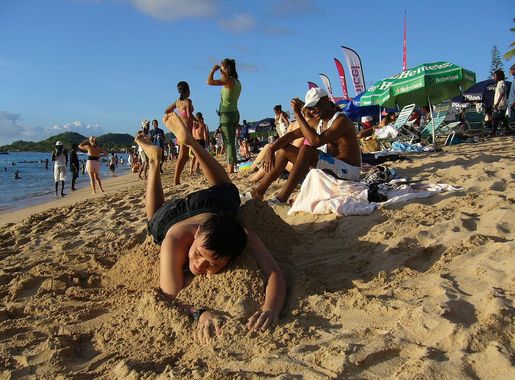
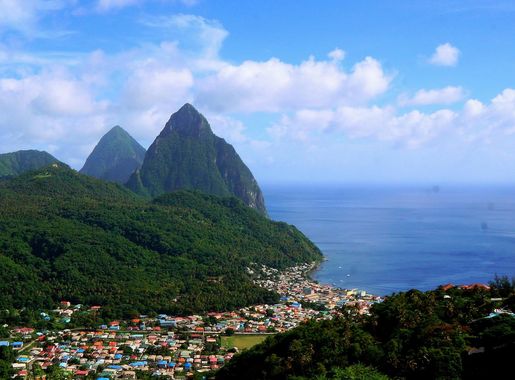


Discover the Enchanting Canaries Quarter
Nestled on the scenic west coast of Saint Lucia, the Canaries Quarter is a charming fishing village that offers a glimpse into the island's rich culture and history. This picturesque village, with its colorful houses and narrow streets, is a perfect destination for those looking to experience the authentic Caribbean lifestyle. Visitors can stroll along the tranquil waterfront, where local fishermen bring in their daily catch, and enjoy the serene beauty of the surrounding landscapes. The village is also known for its vibrant community spirit, with friendly locals eager to share tales of the area's heritage and traditions. For nature enthusiasts, the Canaries Quarter provides access to stunning hiking trails that lead to breathtaking viewpoints overlooking the Caribbean Sea. The nearby beaches offer pristine sands and crystal-clear waters, ideal for swimming and snorkeling. As the sun sets, the village comes alive with the sounds of traditional music and the aroma of delicious Creole cuisine wafting from local eateries.