

Dennery Quarter, Saint Lucia Travel Guide
Discover Dennery Quarter in Saint Lucia - a haven of natural beauty, cultural richness, and vibrant community life on the island's eastern coast.
Dennery Quarter, located on the eastern coast of Saint Lucia, is a hidden gem that offers a blend of natural beauty, cultural richness, and vibrant community life. This quaint fishing village is known for its pristine beaches, lush greenery, and the warm hospitality of its residents. Visitors can immerse themselves in the local culture by exploring the bustling fish market, where fresh catches of the day are sold and local delicacies are prepared on the spot. Nature enthusiasts will be thrilled by the numerous hiking trails that traverse the region, offering breathtaking views of the Atlantic Ocean and the surrounding landscapes. The Dennery Waterfall is a must-visit, providing a serene escape where visitors can enjoy a refreshing dip in the cool waters. For those interested in history, the nearby La Tille Waterfalls and Garden showcases the rich heritage of the island with its well-preserved botanical gardens and historical exhibits. Dennery is also famous for its Saturday night 'Dennery Fish Fiesta,' a lively event where locals and tourists alike gather to enjoy music, dance, and a feast of seafood dishes prepared in traditional Saint Lucian style. This weekly celebration is a testament to the area's strong sense of community and its deep-rooted cultural traditions. Whether you're looking for adventure, relaxation, or a taste of authentic Saint Lucian life, Dennery Quarter has something to offer for every traveler.

Know before you go
Hi, I'm Eve. Here are a few practical things to know before exploring Dennery Quarter.
- Visit the Dennery Fish Fiesta on Saturday nights for an authentic cultural experience and delicious seafood.
- Pack comfortable shoes for hiking; the trails offer stunning views but can be rugged.
- Bring swimwear for a refreshing dip in the Dennery Waterfall.
- Explore the local fish market early in the morning to see the day's fresh catch and enjoy traditional dishes.
- Check the local weather forecast before planning outdoor activities, as the area can be prone to sudden rain showers.
Destinations in Dennery Quarter
Resorts, valleys and scenic spots worth a trip of their own.

Explore Dennery Quarter: Things to Do, Places to Eat, Hotels & More
Handpicked recommendations for top attractions, local dining, accommodations, and more

Top Attractions & Sightseeing in Dennery Quarter
Top-rated picks
Best Attractions

Treetop Adventure Park
Explore the breathtaking beauty of St. Lucia from above at Treetop Adventure Park, where adventure meets nature in a thrilling experience.
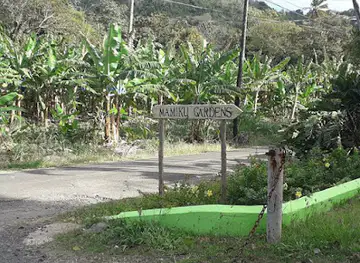
Mamiku Gardens
Explore the botanical wonders of Mamiku Gardens in St. Lucia, a serene escape into nature's beauty and history.

Mandele Point Dennery Saint Lucia
Explore the breathtaking beauty of Mandele Point in Dennery, Saint Lucia, where stunning views and vibrant marine life await every traveler.

Errard
Experience endless fun and adventure at Errard Amusement Center in Morne Panache, St. Lucia, where excitement meets unforgettable memories.

Best landmarks in Dennery Quarter
Top-rated picks
Best Landmarks

Pointe Seraphine Cruise Port
Experience the vibrant ambiance of Pointe Seraphine Cruise Port in Castries, St. Lucia, your gateway to stunning landscapes and rich island culture.

Soufrière Drive In Volcano
Experience the unique geothermal wonders of Soufrière Drive In Volcano, where nature's power meets stunning volcanic landscapes in St. Lucia.

Diamond Falls Botanical Gardens & Mineral Baths
Experience the tropical paradise of Diamond Falls Botanical Gardens & Mineral Baths, where lush landscapes meet rejuvenating mineral baths in St. Lucia.

St Lucia Sulphur Springs
Discover the unique geothermal experience of St. Lucia Sulphur Springs, where relaxation meets the stunning volcanic landscape of the Caribbean.

Best restaurants in Dennery Quarter
Top-rated picks
Best Restaurants

The Coal Pot Restaurant
Experience exquisite seafood dining at The Coal Pot Restaurant in Castries, St. Lucia - where fresh flavors meet stunning views.

The Beacon Restaurant
Experience breathtaking views and exquisite local cuisine at The Beacon Restaurant in St. Lucia—where every meal is a feast for the senses.
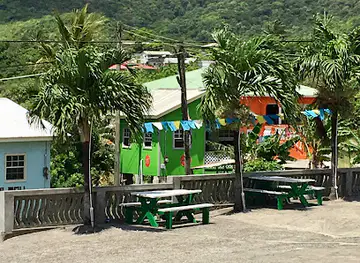
Plante's Place: Restaurant & Bar
Experience authentic Caribbean flavors at Plante's Place Restaurant & Bar in Dennery, where warm hospitality meets delicious local cuisine.

Petit Peak Restaurant
Experience authentic St. Lucian flavors and breathtaking views at Petit Peak Restaurant – a must-visit culinary gem in Palmiste.

Best bars in Dennery Quarter
Top-rated picks
Best Bars

Spinnakers Beach Bar And Carvery
Experience the best of Caribbean cuisine at Spinnakers Beach Bar And Carvery, where stunning views and delicious food await every visitor.

Ultra Lounge
Discover the lively ambiance and diverse flavors at Ultra Lounge in Rodney Bay, the ultimate hotspot for relaxation and entertainment in St. Lucia.

Twist 2 for 1 BAR
Experience the vibrant nightlife at Twist 2 for 1 BAR in Gros Islet, St. Lucia, where great drinks meet an unforgettable atmosphere.

Plante's Place: Restaurant & Bar
Discover the vibrant flavors of St. Lucia at Plante's Place, a charming restaurant and bar in Dennery, offering local cuisine and a welcoming atmosphere.

Best nightclubs in Dennery Quarter
Top-rated picks
Best Nightclubs

Ultra Lounge
Experience the vibrant nightlife at Ultra Lounge in Rodney Bay, St. Lucia, where great food, drinks, and live entertainment await.

Bliss Nightlife
Discover the vibrant nightlife at Bliss Nightlife in Canaries, St. Lucia, where great food meets unforgettable fun and entertainment.

Riverstone Country Club
Dive into the energetic nightlife of St. Lucia at Riverstone Country Club, where music and fun await every night.

Dennery Fish Fiesta
Experience the vibrant nightlife of Dennery Fish Fiesta, where delicious seafood and local music create an unforgettable St. Lucian experience.

Best shops in Dennery Quarter
Top-rated picks
Best Shops

Baywalk Shopping Mall
Explore Baywalk Shopping Mall in Rodney Bay, St. Lucia—a vibrant shopping center offering diverse shops, delicious dining, and local entertainment.

Blue Coral Mall Ltd
Experience shopping and local culture at Blue Coral Mall, Castries – your gateway to St. Lucia's vibrant retail scene.

La Place Carénage
Explore La Place Carénage in St. Lucia for a unique shopping experience blending local culture and modern retail therapy.

Gablewoods Shopping Mall
Explore Gablewoods Shopping Mall in St. Lucia for a unique blend of shopping, dining, and local culture in a vibrant setting.

Explore Dennery Quarter on the Map
A handpicked selection of must-see spots in Dennery Quarter, mapped for you.
Dennery Quarter Essentials
-
Dennery Quarter is located on the eastern coast of Saint Lucia. The nearest international airport is Hewanorra International Airport (UVF) in Vieux Fort, approximately 45 kilometers south of Dennery. From the airport, you can take a taxi or rent a car to reach Dennery, which typically takes around 1 hour. Alternatively, you can fly into George F. L. Charles Airport (SLU) in Castries, which is around 30 kilometers away. From Castries, you can take a taxi, local bus, or rent a car to reach Dennery, with a travel time of approximately 45 minutes.
-
In Dennery, local buses and minibuses (route taxis) are commonly used for transportation and are an affordable way to travel around. Taxis are also available and can be hailed on the street or booked in advance. If you prefer more flexibility and independence, renting a car is a viable option; however, be mindful that driving is on the left side of the road. Walking is another option for exploring the small town and its immediate surroundings.
-
The official currency in Saint Lucia is the Eastern Caribbean Dollar (XCD). U.S. dollars are also widely accepted. Credit and debit cards are accepted in most hotels, restaurants, and larger stores, but it is advisable to carry some cash for smaller establishments and local markets. ATMs are available in Dennery for cash withdrawals.
-
Dennery is generally a safe destination for tourists, but it is advisable to take standard precautions. Avoid walking alone at night in unfamiliar areas, and keep an eye on your belongings in crowded places. While there are no specific high-crime areas targeting tourists, it's always best to stay vigilant and aware of your surroundings. Be cautious when swimming in the ocean, as currents can be strong.
-
In case of emergency, dial 911 for immediate assistance. The local police station is located in Dennery, and there are medical facilities available in the town. It is recommended to have travel insurance that covers medical emergencies. For minor health issues, there are pharmacies in Dennery where you can purchase over-the-counter medications.
-
Fashion: Do dress modestly, especially when visiting religious sites. Avoid wearing overly revealing clothing. Religion: Do respect local customs and traditions. Always dress appropriately when entering churches. Public Transport: Do be respectful and give up your seat to elderly passengers. Don't eat or drink on public transport. Greetings: Do greet people with a friendly 'hello' or 'good morning/afternoon'. A handshake is also common. Eating & Drinking: Do try local delicacies and accept food offerings graciously. Don't refuse hospitality, as it is considered impolite.
-
To experience Dennery Quarter like a local, visit the Dennery Fish Market, especially on weekends when it is bustling with activity. Engage with the locals, who are often friendly and willing to share stories and insights about their community. Don't miss the Dennery Fish Fiesta, a weekly event where you can enjoy fresh seafood, local music, and a vibrant atmosphere. For a unique experience, take a hike to the Dennery Waterfall, which offers stunning natural scenery.
When is the best time to visit Dennery Quarter?
Useful Local Phrases for Dennery Quarter
You don't need to speak the language perfectly. Even learning a few simple words can make conversations warmer—and locals usually appreciate the effort.
— Eve

Here are the phrases I use most often in Dennery Quarter. Try a few—you'll be surprised how far they go! 😊
❤️
-
- HelloSalut
[sah-loo] - GoodbyeOrevwa
[oh-reh-vwah] - YesWi
[wee] - NoNon
[noh] - Please/You’re welcomeSouple
[soo-pleh] - Thank youMesi
[meh-see] - Excuse me/SorryEskize mwen
[es-kee-zeh mwen] - How are you?Kijan ou ye?
[kee-zhan oo yay] - Fine. And you?Byen. E ou?
[byen. eh oo] - Do you speak English?Es ou ka pale Anglé?
[es oo kah pah-leh ahn-gleh] - I don’t understandMwen pa konprann
[mwen pah kohn-prahn]
- HelloSalut
-
- I’d like to see the menu, pleaseMwen ta renmen wè meni an, souple
[mwen tah reh-men weh meh-nee ahn, soo-pleh] - I don’t eat meatMwen pa manje vyann
[mwen pah mahn-zhey vyahn] - Cheers!Sante!
[sahn-teh] - I would like to pay, pleaseMwen ta renmen peye, souple
[mwen tah reh-men peh-yeh, soo-pleh]
- I’d like to see the menu, pleaseMwen ta renmen wè meni an, souple
-
- Help!Sos!
[sohs] - Go away!Ale wé!
[ah-lay weh] - Call the Police!Rele Polis la!
[reh-leh poh-lees lah] - Call a doctor!Rele yon doktè!
[reh-leh yohn dok-teh] - I’m lostMwen pèdi
[mwen peh-dee] - I’m illMwen malad
[mwen mah-lahd]
- Help!Sos!
-
- I’d like to buy...Mwen ta renmen achte...
[mwen tah reh-men ah-shtay] - I’m just lookingMwen jis ap gade
[mwen jees ahp gah-deh] - How much is it?Konbyen li koute?
[kohn-byen lee koo-teh] - That’s too expensiveSa twò chè
[sah troh sheh] - Can you lower the price?Es ou ka bese pri a?
[es oo kah beh-seh pree ah]
- I’d like to buy...Mwen ta renmen achte...
-
- What time is it?Ki lè li ye?
[kee leh lee yay] - It’s one o’clockLi sèl èdtan
[lee sehl eh-tahn] - Half past (10)Mi tan (10)
[mee tahn (10)] - MorningMaten
[mah-ten] - AfternoonApre midi
[ah-preh mee-dee] - EveningSwa
[swah] - YesterdayYè
[yeh] - TodayJodi
[zho-dee] - TomorrowDemain
[deh-man] - 11
[1] - 22
[2] - 33
[3] - 44
[4] - 55
[5] - 66
[6] - 77
[7] - 88
[8] - 99
[9] - 1010
[10]
- What time is it?Ki lè li ye?
-
- Where's a/the...?Ki kote a/sa...?
[kee koh-teh ah/sah] - What’s the address?Ki adrès la?
[kee ah-dress lah] - Can you show me (on the map)?Es ou ka montre mwen (sou kat la)?
[es oo kah mohn-treh mwen (soo kaht lah)] - When’s the next (bus)?Ki lè pwochen (biskèt)?
[kee leh proh-shen (bees-ket)] - A ticket (to ....)Yon tikè (pou ...)
[yohn tee-keh (poo ...)]
- Where's a/the...?Ki kote a/sa...?
History of Dennery Quarter
-
Long before the arrival of Europeans, Dennery Quarter was inhabited by the indigenous Arawak and Carib peoples. These early settlers thrived on the island’s abundant natural resources, practicing agriculture, fishing, and crafting intricate pottery. Archaeological findings in the area provide insight into their way of life and their deep connection to the land.
-
In the 17th century, the French established a presence in Dennery Quarter, as they did throughout Saint Lucia. The area became a strategic point for the French, who established plantations and utilized the region’s fertile land for sugar cane cultivation. The influence of European colonization can still be seen in the architecture and layout of historic sites in the quarter.
-
Dennery Quarter played a significant role during the Anglo-French conflicts in the Caribbean. In 1795, the Battle of Dennery took place as part of the larger struggle between France and Britain for control over Saint Lucia. British forces eventually took control of the island, which they held until it was returned to the French under the Treaty of Amiens in 1802.
-
The history of Dennery Quarter is deeply intertwined with the legacy of slavery. During the 18th and 19th centuries, enslaved Africans were brought to work on the sugar plantations. The harsh conditions and brutal treatment they endured are part of the area’s dark history. Today, descendants of these enslaved people live in Dennery Quarter, and their cultural contributions are an integral part of the community’s identity.
-
Following the abolition of slavery in 1834, many freedmen in Dennery Quarter turned to small-scale farming and fishing. The area saw a gradual shift from plantation agriculture to a more diversified economy. This period was marked by resilience and adaptation as the people of Dennery Quarter rebuilt their lives and communities.
-
One of the most vibrant cultural events in Dennery Quarter is the annual Dennery Fish Festival. This festival celebrates the rich fishing heritage of the community, featuring local seafood dishes, music, and dance. The festival is a testament to the enduring connection between the people of Dennery and the sea, highlighting the importance of fishing in the local economy and culture.
-
In recent decades, Dennery Quarter has evolved into a dynamic blend of tradition and modernity. While agriculture and fishing remain vital, the area has also embraced tourism, attracting visitors with its historical sites, natural beauty, and cultural festivals. The community continues to preserve its unique heritage while adapting to the changing economic landscape of Saint Lucia.
Neighbouring Regions of Dennery Quarter
The closest regions to Dennery Quarter, if you have time for more than one.


Your all‑in‑one travel companion app
Explore expert travel guides, compare and book tours, experiences, hotels, and more—all from the palm of your hand. Download now for seamless trip planning wherever your wanderlust takes you.


Explore More of Saint Lucia

Looking beyond Dennery Quarter? Discover Saint Lucia for broader travel guides, local hot-spots, and regional highlights.
Explore Saint LuciaDennery Quarter in Photos
Browse through our photo collection highlighting the charm and character of the destination.


Dennery Quarter: The Heartbeat of Saint Lucia's Eastern Coast
Dennery Quarter, located on the eastern coast of Saint Lucia, is a hidden gem that offers a blend of natural beauty, cultural richness, and vibrant community life. This quaint fishing village is known for its pristine beaches, lush greenery, and the warm hospitality of its residents. Visitors can immerse themselves in the local culture by exploring the bustling fish market, where fresh catches of the day are sold and local delicacies are prepared on the spot. Nature enthusiasts will be thrilled by the numerous hiking trails that traverse the region, offering breathtaking views of the Atlantic Ocean and the surrounding landscapes. The Dennery Waterfall is a must-visit, providing a serene escape where visitors can enjoy a refreshing dip in the cool waters. For those interested in history, the nearby La Tille Waterfalls and Garden showcases the rich heritage of the island with its well-preserved botanical gardens and historical exhibits. Dennery is also famous for its Saturday night 'Dennery Fish Fiesta,' a lively event where locals and tourists alike gather to enjoy music, dance, and a feast of seafood dishes prepared in traditional Saint Lucian style. This weekly celebration is a testament to the area's strong sense of community and its deep-rooted cultural traditions. Whether you're looking for adventure, relaxation, or a taste of authentic Saint Lucian life, Dennery Quarter has something to offer for every traveler.