

Free Castries Quarter Travel Guide & Mobile App
Explore Castries Quarter with free travel guides. Discover regional history, expert tips, proposed trips, and audio guides on web or mobile app.


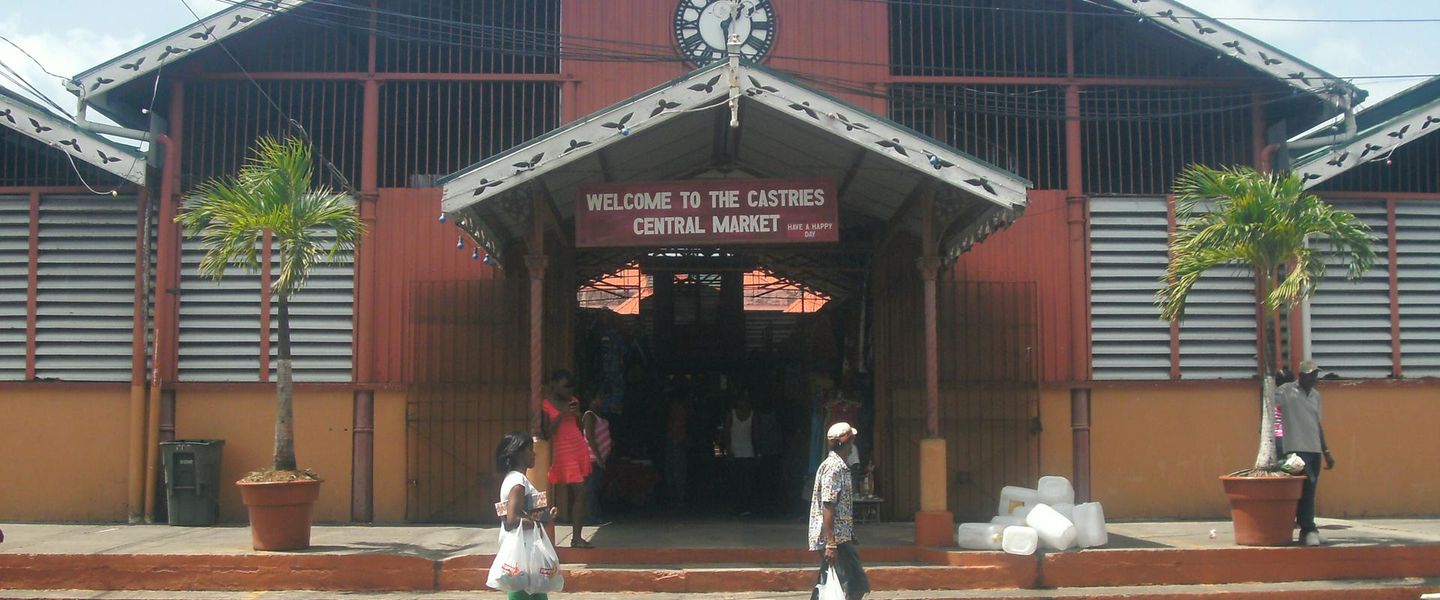


Explore Castries Quarter in Saint Lucia for harbour views, historic forts, local markets, beaches, island cuisine and easy access to the capital.
Read more about Castries Quarter
When is the best time to visit Castries Quarter?
Best: January–March · 31°C| Month | High (°C) | Rainfall (mm) |
|---|---|---|
| January (best) | 31 | 75 |
| February (best) | 31 | 65 |
| March (best) | 31 | 55 |
| April | 31 | 75 |
| May | 32 | 95 |
| June | 32 | 115 |
| July | 32 | 135 |
| August | 32 | 155 |
| September | 32 | 165 |
| October | 32 | 145 |
| November | 32 | 125 |
| December | 31 | 105 |
Getting to and around Castries Quarter
How to get there
Transportation
Top city travel guides in Castries Quarter
The cities of Castries Quarter, and the easiest places to base yourself.
-
-

-

-

-

-


Swipe for more cities
Destinations in Castries Quarter
Resorts, valleys and scenic spots worth a trip of their own.
-
-


Swipe for more destinations
Best attractions in Castries Quarter
Castries Quarter’s attractions combine an active capital with accessible coastal and historical sites. In central Castries, the market introduces visitors to Saint Lucian produce, spices, crafts and everyday commerce, while Derek Walcott Square and the Cathedral Basilica of the Immaculate Conception provide important civic and religious landmarks. The waterfront and Point Seraphine area are closely connected with cruise travel, shopping and harbour views. South of the centre, Morne Fortune offers military history, elevated scenery and an understanding of why the harbour was strategically valuable. Vigie provides a long beach and a quieter setting near George F. L. Charles Airport, while La Toc is another convenient urban beach. Visitors interested in nature can arrange harbour excursions or coastal activities, although the quarter is not primarily a wilderness destination. Its strength lies in the contrast between working port, market city, hillside history and easy access to the shoreline. Museums, churches, galleries and cultural venues are best combined with unhurried walks and locally guided visits, since the capital’s significance often lies in the relationship between its buildings, people, hills and harbour rather than in a single large attraction.
-
Catholic cathedral
The Minor Basilica of the Immaculate Conception (Cathedral)
Explore the stunning Minor Basilica of the Immaculate Conception in Castries, a cultural gem with breathtaking architecture and rich spiritual history.
-
Nature preserve
Rainforest Adventure
Explore the lush landscapes and thrilling adventures at Rainforest Adventure, a premier nature preserve in the heart of St. Lucia.
-
Park
Serenity Park
Experience the beauty and tranquility of Serenity Park in Castries, St. Lucia, a lush escape perfect for nature lovers and families.
-
Boat tour agency
Hackshaw's Boat Charters St. Lucia
Discover the beauty of St. Lucia's coastline with Hackshaw's Boat Charters, offering fishing, sightseeing, and whale watching adventures in the Caribbean.


Best landmarks in Castries Quarter
The Cathedral Basilica of the Immaculate Conception is one of Castries’ defining buildings, with a large interior and a history closely associated with the capital’s Catholic community. Nearby Derek Walcott Square, marked by mature trees and civic buildings, commemorates the poet and playwright who became Saint Lucia’s first Nobel laureate. Castries Market is both an architectural and social landmark: its covered structure and surrounding streets remain central to the city’s daily exchange of food and goods. Above the harbour, Morne Fortune is the quarter’s most important historical landscape, with surviving military features and broad views across Castries Bay. Its position explains the strategic value of the capital more clearly than any map. Vigie’s coastline and peninsula form a natural landmark at the northern side of the harbour, contrasting with the built-up centre and giving the quarter its distinctive geographical shape. Together, these places show Castries as a capital formed by harbour geography, colonial rivalry, religious institutions, commerce and modern Caribbean civic life.
-
Fresh food market
Castries Market
Discover the vibrant Castries Market, a cultural hub of fresh produce and local crafts in the heart of St. Lucia, offering an authentic island experience.
-
Cruise terminal
Pointe Seraphine Cruise Port
Experience the vibrant atmosphere and rich culture at Pointe Seraphine Cruise Port, your gateway to the stunning island of St. Lucia.
-
 Resort hotel
Sandals Regency La Toc
Discover the ultimate luxury at Sandals Regency La Toc, Saint Lucia's premier resort hotel for romance and relaxation in paradise.
-
Tourist attraction
Soufrière Drive In Volcano
Discover the breathtaking beauty and geological wonders of Soufrière Drive In Volcano, an unforgettable must-visit attraction in St. Lucia.


Explore Castries Quarter on the map
Plan your trip on one map. See where the top cities, national parks and sights are, and book hotels and experiences in a few clicks.
Best hotels in Castries Quarter
Best restaurants in Castries Quarter
Dining in Castries Quarter ranges from market stalls and casual cafés to hotel restaurants, rum bars, waterfront venues and contemporary establishments in and around the capital. The city is a practical place to sample Saint Lucian flavours such as green fig and saltfish, provisions, stewed meats, grilled fish and seafood, while local fruit, spices and baked goods are prominent in the market. Creole cooking often combines Caribbean ingredients with techniques shaped by French, British and wider regional influences. Near the harbour and beaches, menus commonly favour fresh fish, lobster when in season and other seafood, though availability varies. Castries is also a useful base for trying Saint Lucian rum and locally grown produce. Prices and formality range widely, so a market lunch and an evening restaurant can feel like very different experiences. In smaller independent establishments, service may be relaxed rather than hurried; ask about ingredients, portion sizes and service charges when ordering.
-
Seafood
The Coal Pot Restaurant
Experience exquisite seafood dining at The Coal Pot Restaurant in Castries, St. Lucia—where fresh flavors meet stunning ocean views.
-
Restaurant
Matthew's Rooftop Restaurant
Experience culinary excellence at Matthew's Rooftop Restaurant in Rodney Bay, where stunning views meet exquisite flavors for an unforgettable dining adventure.
-
Restaurant
Pink Plantation
Experience exquisite Caribbean cuisine with stunning views at Pink Plantation in Good Lands, St. Lucia.
-
Modern French
Jacques Waterfront Dining
Experience exquisite modern French cuisine with breathtaking views at Jacques Waterfront Dining in Rodney Bay, St. Lucia.


Best bars in Castries Quarter
Evening life in Castries Quarter is centred on rum bars, hotel lounges, casual restaurants, music venues and the social life of the capital rather than a large, dedicated club district. The harbourfront and central Castries provide the greatest concentration of places to eat and drink, while Vigie and nearby beach areas offer a more relaxed setting. Local rum, beer, cocktails and fruit-based drinks are widely available, and some venues feature Caribbean music or live entertainment, particularly at weekends or during special events. Nightlife can become quieter outside the capital’s busiest periods, and smaller establishments may change their schedules seasonally. Visitors should arrange transport back to their accommodation in advance when staying outside central Castries, use licensed or reputable taxis and avoid treating alcohol as the main measure of the local evening experience. A meal, music performance or harbour walk can be equally characteristic ways to spend the night.
-
Seafood
The Coal Pot Restaurant
Experience the best of St. Lucia's seafood at The Coal Pot, where fresh ingredients meet stunning seaside views for an unforgettable dining experience.
-
Lounge
Ultra Lounge
Experience the vibrant nightlife at Ultra Lounge in Rodney Bay, where relaxation meets celebration in a stylish atmosphere.
-
Grill
Roots 2
Experience the best of St. Lucian flavors at Roots 2, a premier grill restaurant in Marigot Bay, perfect for an unforgettable dining adventure.
-
Bar
Twist 2 for 1 BAR
Discover the lively Twist 2 for 1 BAR in Gros Islet, a must-visit for tourists seeking vibrant nightlife and delicious cocktails in St. Lucia.


Best nightclubs in Castries Quarter
Evening life in Castries Quarter is centred on rum bars, hotel lounges, casual restaurants, music venues and the social life of the capital rather than a large, dedicated club district. The harbourfront and central Castries provide the greatest concentration of places to eat and drink, while Vigie and nearby beach areas offer a more relaxed setting. Local rum, beer, cocktails and fruit-based drinks are widely available, and some venues feature Caribbean music or live entertainment, particularly at weekends or during special events. Nightlife can become quieter outside the capital’s busiest periods, and smaller establishments may change their schedules seasonally. Visitors should arrange transport back to their accommodation in advance when staying outside central Castries, use licensed or reputable taxis and avoid treating alcohol as the main measure of the local evening experience. A meal, music performance or harbour walk can be equally characteristic ways to spend the night.
-
Lounge
Ultra Lounge
Discover the vibrant nightlife at Ultra Lounge, a premier destination in Rodney Bay, St. Lucia, offering great food, refreshing drinks, and a lively atmosphere.
-
Bar
Twist 2 for 1 BAR
Discover the vibrant nightlife at Twist 2 for 1 BAR in Gros Islet, St. Lucia, where cocktails flow and fun awaits.
-
Bar
Bigger's Place
Discover the vibrant atmosphere and local charm of Bigger's Place, a must-visit bar in the heart of St. Lucia, perfect for relaxation and fun.
-
Grill
Bliss Nightlife
Discover the pulsating energy of Bliss Nightlife in Canaries, St. Lucia - where great food, refreshing drinks, and vibrant entertainment come together.


Best shops in Castries Quarter
Shopping in Castries Quarter is strongest in its market and central commercial streets, where visitors can find fruit, vegetables, spices, sauces, rum, local snacks, clothing, craft items and practical island goods. Castries Market is the principal place to browse local produce and traditional souvenirs, although stallholders and opening patterns can vary. Around the waterfront and cruise facilities, shops cater more directly to visitors with jewellery, crafts, artwork, clothing and packaged products. Independent retailers in the capital offer a more everyday selection than the resort boutiques found elsewhere in Saint Lucia. Look for locally made woodwork, basketry, paintings, textiles and food products, while checking provenance if an item is described as handmade or locally produced. Bargaining is not universal, so ask politely rather than assuming every price is negotiable. For a more relaxed browsing experience, visit early in the day and carry small Eastern Caribbean dollar notes for market purchases.
-
Fresh food market
Castries Market
Explore the vibrant Castries Market, a hub of fresh produce, local crafts, and the lively spirit of St. Lucia's culture.
-
Shopping mall
Baywalk Shopping Mall
Explore Baywalk Shopping Mall: Your ultimate shopping and dining destination in Rodney Bay, St. Lucia, blending local charm with vibrant retail experiences.
-
Shopping mall
Blue Coral Mall Ltd
Explore Blue Coral Mall in Castries for a unique shopping experience blending local culture and modern retail in beautiful St. Lucia.
-
Shopping mall
La Place Carénage
Discover La Place Carénage: St. Lucia's vibrant shopping mall offering local crafts, international brands, and delectable cuisine in a lively atmosphere.


Get your free copy of our complete guide to Castries Quarter, delivered straight to you.
Everything on this page, from attractions and restaurants to essentials and local phrases, in one PDF you can read offline, print or share.
Already have an account? Sign in
Your Castries Quarter guide is ready.
We'll send it to · Not you? Sign out

Getting your guide ready…
We are putting together a fresh copy of the Castries Quarter guide. This can take up to a minute.
This can take a few moments. If your browser asks, choose Allow so the download can start. You'll find the guide in your Downloads folder.
Nothing happened? Download it again
Sorry, the guide is taking longer than usual. Please try again in a minute, or get it by email instead.
Castries Quarter essentials
Currency and Payment
Safety
Emergency Situations
Do's and Don'ts
Local Tips
From Eve
Local phrases worth knowing
You don't need to get them perfect. A few words go a long way, and locals appreciate the effort.
Basics
| English | Local | Say it |
|---|---|---|
| Hello | Salut | [sah-loo] |
| Goodbye | A+byen | [ah-bye-en] |
| Yes | Wi | [wee] |
| No | Non | [noh] |
| Please/You’re welcome | S'il vous plaît / De rien | [seel voo pleh / duh ree-ahn] |
| Thank you | Mesi | [meh-see] |
| Excuse me/Sorry | Padon | [pah-dohn] |
| How are you? | Kijan ou yé? | [kee-zhahn oo yay] |
| Fine. And you? | Mwen bien. E ou? | [mwen byan. eh oo] |
| Do you speak English? | Es ou ka palé anglè? | [ehs oo kah pah-lay ahn-glay] |
| I don't understand | Mwen pa konprann | [mwen pah kohn-prahn] |
Eating & Drinking
| English | Local | Say it |
|---|---|---|
| I’d like to see the menu, please | Mwen ta renmen wè meni an, s'il vous plaît | [mwen tah ren-men weh men-ee ahn, seel voo pleh] |
| I don't eat meat | Mwen pa manjé vyann | [mwen pah man-jay vyahn] |
| Cheers! | Santé! | [sahn-tay] |
| I would like to pay, please | Mwen ta renmen peye, s'il vous plaît | [mwen tah ren-men peh-yay, seel voo pleh] |
Emergencies
| English | Local | Say it |
|---|---|---|
| Help! | Sos! | [sos] |
| Go away! | Alé! | [ah-lay] |
| Call the Police! | Appelé lapolis! | [ah-peh-lay lah-poh-lees] |
| Call a doctor! | Appelé on doktè! | [ah-peh-lay on dok-tay] |
| I’m lost | Mwen pèdi | [mwen peh-dee] |
| I’m ill | Mwen malad | [mwen mah-lahd] |
Shopping
| English | Local | Say it |
|---|---|---|
| I’d like to buy... | Mwen ta renmen achte... | [mwen tah ren-men ah-shtay] |
| I’m just looking | Mwen jis ka gade | [mwen jees kah gah-day] |
| How much is it? | Konbyen sa coûté? | [kohn-byen sah koo-tay] |
| That’s too expensive | Sa tro chè | [sah tro shay] |
| Can you lower the price? | Es ou ka baissé pri a? | [ehs oo kah beh-say pree ah] |
Time & Numbers
| English | Local | Say it |
|---|---|---|
| What time is it? | Ki lè sa? | [kee leh sah] |
| It’s one o'clock | I sé enn l'heure | [ee say enn luhr] |
| Half past (10) | Mi l'heure (10) | [mee luhr (diz)] |
| Morning | Maten | [mah-ten] |
| Afternoon | Apre-midi | [ah-preh-mee-dee] |
| Evening | Swa | [swah] |
| Yesterday | Yésti | [yeh-stee] |
| Today | Jodi | [zho-dee] |
| Tomorrow | Demi | [deh-mee] |
| 1 | Enn | [enn] |
| 2 | Dè | [deh] |
| 3 | Twa | [twah] |
| 4 | Kat | [kaht] |
| 5 | Senk | [sank] |
| 6 | Sis | [sees] |
| 7 | Sèt | [set] |
| 8 | Huit | [weet] |
| 9 | Nèf | [neff] |
| 10 | Dis | [dees] |
Transport & Directions
| English | Local | Say it |
|---|---|---|
| Where's a/the...? | Ki koté a...? | [kee koh-tay ah] |
| What's the address? | Ki adrès la? | [kee ah-dres lah] |
| Can you show me (on the map)? | Es ou ka montré mwen (siyé a)? | [ehs oo kah mon-tray mwen (see-yay ah)] |
| When's the next (bus)? | Ki lè pwochen (bis)? | [kee leh proh-shen (bees)] |
| A ticket (to ....) | On tiket (pou....) | [on tee-ket (poo)] |
History of Castries Quarter
Early Indigenous Settlement
Long before Castries became a colonial capital, Saint Lucia was inhabited by Indigenous peoples, including communities associated with the island’s earlier Amerindian cultures and later Kalinago presence. The sheltered harbour and fertile interior around modern Castries offered useful resources, although the surviving historical record is fragmentary. European arrival brought disease, conflict and forced changes to settlement patterns. Indigenous heritage remains part of Saint Lucia’s wider historical identity, even though Castries Quarter is now largely defined by its colonial, commercial and modern urban development.
French and British Contest for the Harbour
From the seventeenth century, France and Britain repeatedly contested Saint Lucia because of its position in the eastern Caribbean and the value of its harbours. Castries Bay became a strategic anchorage, while Morne Fortune offered commanding views and a defensible height above the settlement. The rivalry shaped the quarter’s fortifications, administrative traditions and population. Saint Lucia changed hands several times before Britain secured control in the early nineteenth century, leaving a layered French and British legacy in the capital’s names, institutions and built environment.
The Battle of Morne Fortune, 1796
Morne Fortune was the setting for a major British operation against French forces in 1796. British troops attacked the heights above Castries after fighting across the island, and the campaign reinforced the hill’s importance as the capital’s military shield. Fortifications and military sites on the ridge were altered over time, but the elevated landscape still explains why Morne Fortune mattered. Its viewpoints and surviving historic features connect present-day visitors with the period when control of Saint Lucia was part of the wider struggle for Caribbean power.
Colonial Port and Plantation Economy
Under British rule, Castries developed as an administrative and maritime centre serving an economy based on plantations, shipping and trade. Agricultural products moved through the harbour, while government offices, churches, merchants and military facilities expanded around the town. The wider island’s plantations relied on enslaved labour until emancipation in the British Caribbean in the 1830s, after which labour systems and rural society changed substantially. The quarter’s central market, port and civic buildings reflect Castries’ long role as the island’s commercial and governmental centre.
Fires, Reconstruction and Urban Change
Castries has repeatedly been reshaped by fire, hurricanes and the demands of a growing capital. Major fires in the nineteenth century destroyed parts of the town, while later rebuilding produced a changing mixture of masonry civic buildings, commercial premises and Caribbean urban forms. The historic core around the market, cathedral and public square therefore represents successive periods rather than a single preserved architectural style. Reconstruction helped create the modern capital’s streetscape and strengthened Castries’ importance as Saint Lucia’s main administrative and trading centre.
From Associated Statehood to Independence
Saint Lucia moved through successive constitutional stages during the twentieth century, including internal self-government and associated statehood, before becoming an independent country in 1979. Castries Quarter remained the centre of national administration, diplomacy, commerce and public life. Modern Castries combines government institutions and port activity with markets, schools, churches, tourism services and residential districts on the hillsides. The quarter’s present character is therefore closely tied to the development of Saint Lucia as a sovereign Caribbean state rather than simply to its earlier colonial history.
Castries Quarter in Photos
Browse through our photo collection highlighting the charm and character of the destination.
Neighbouring regions of Castries Quarter
The closest regions to Castries Quarter, if you have time for more than one.
-

-

-

-

-


Swipe for more regions
Explore more

Explore more of Saint Lucia
Discover Saint Lucia, a Caribbean paradise with lush rainforests, pristine beaches, and vibrant culture. Perfect for adventure seekers and relaxation enthusiasts alike.
Explore Saint Lucia