

Free Anse la Raye Quarter Travel Guide & Mobile App
Explore Anse la Raye Quarter with free travel guides. Discover regional history, expert tips, proposed trips, and audio guides on web or mobile app.


Explore Anse la Raye Quarter for Saint Lucian fishing culture, forested hills, sheltered coves, seafood and the celebrated Friday Fish Fry.
Read more about Anse la Raye Quarter
When is the best time to visit Anse la Raye Quarter?
Best: February–April · 29–30°C| Month | High (°C) | Rainfall (mm) |
|---|---|---|
| January | 29 | 80 |
| February (best) | 29 | 60 |
| March (best) | 29 | 50 |
| April (best) | 30 | 60 |
| May | 31 | 90 |
| June | 32 | 130 |
| July | 32 | 140 |
| August | 32 | 150 |
| September | 32 | 170 |
| October | 31 | 160 |
| November | 30 | 130 |
| December | 29 | 90 |
Getting to and around Anse la Raye Quarter
How to get there
Transportation
Top city travel guides in Anse la Raye Quarter
The cities of Anse la Raye Quarter, and the easiest places to base yourself.
-
-

-


Swipe for more cities
Destinations in Anse la Raye Quarter
Resorts, valleys and scenic spots worth a trip of their own.

Swipe for more destinations
Best attractions in Anse la Raye Quarter
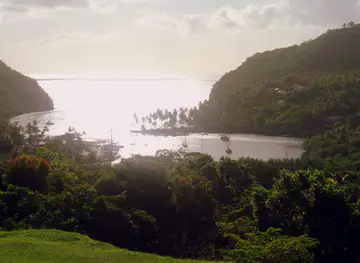
Anse la Raye Quarter’s attractions are closely connected to its coastal setting and working community. In Anse La Raye, visitors can explore the waterfront, watch fishing activity, browse local food stalls and attend the Friday Fish Fry, whose appeal lies in its combination of seafood, music and village sociability. Small bays and beaches along the coast, including Anse Cochon, provide opportunities for swimming, snorkelling and boat outings, subject to conditions and local guidance. Inland, roads and tracks lead towards humid valleys, cultivated slopes and forested hills rather than large purpose-built visitor complexes. The quarter suits travellers who enjoy observing everyday coastal life, taking short scenic drives and arranging water-based activities with local operators. Its position on the west coast also makes it a practical stop between Castries and the communities farther south, although those neighbouring places should be treated as separate destinations. Expect a relatively informal tourism infrastructure, with accommodation, food and transport options more limited and dispersed than in Saint Lucia’s main resort centres.
-
Food and drink
St. Lucia Distillers Ltd
Discover the essence of St. Lucia at St. Lucia Distillers Ltd, where the island's rich rum-making tradition comes to life in every sip.
-
Marigot Bay
Experience the breathtaking beauty of Marigot Bay in St. Lucia, where lush landscapes meet turquoise waters for an unforgettable getaway.
-
Tourist attraction
Millet bird sanctuary and nature trail
Explore the Millet Bird Sanctuary for a tranquil nature experience filled with stunning biodiversity and exotic birdwatching in St. Lucia.
-
Tourist attraction
Anse La Raye Falls
Experience the breathtaking beauty of Anse La Raye Falls in St. Lucia, a perfect blend of adventure and tranquility amidst stunning natural landscapes.


Best landmarks in Anse la Raye Quarter
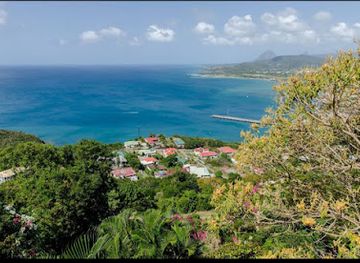
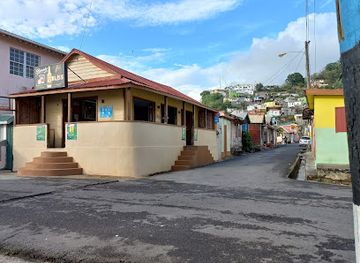
The most recognisable landmark in Anse la Raye Quarter is the village waterfront at Anse La Raye, where the bay, fishing boats, jetties and tightly grouped buildings express the settlement’s long maritime history. The village’s Catholic church and other modest civic and religious structures form part of a local streetscape shaped by French Creole and British colonial influences, though the quarter is not defined by a single monumental building. Along the coast, the small bay and headlands around Anse Cochon provide important natural landmarks, with forested slopes meeting clear Caribbean water. Inland, the steep green valleys and ridges are themselves defining features of the quarter, showing how settlement and farming have adapted to Saint Lucia’s wet, mountainous terrain. The waterfront is particularly atmospheric during the Friday Fish Fry, but it remains a working public space rather than a museum district. Visitors should treat boats, homes, churches and fishing equipment as part of an active community landscape and seek permission before photographing private or working areas.
-
 Resort hotel
Sandals Grande St. Lucian
Experience the ultimate in luxury and romance at Sandals Grande St. Lucian, where beautiful beaches meet exceptional service in a tropical paradise.
-
Resort hotel
Royalton Saint Lucia, An Autograph Collection All-Inclusive Resort
Experience the ultimate Caribbean getaway at Royalton Saint Lucia, where luxury meets adventure in an all-inclusive paradise.
-
Tourist attraction
Soufrière Drive In Volcano
Uncover the natural beauty and geothermal wonders at Soufrière Drive In Volcano, a unique experience in St. Lucia's stunning landscapes.
-
Island
Saint Lucia
Discover the enchanting beauty of Saint Lucia, a Caribbean gem known for its stunning landscapes, vibrant culture, and warm hospitality.

Explore Anse la Raye Quarter on the map
Plan your trip on one map. See where the top cities, national parks and sights are, and book hotels and experiences in a few clicks.
Best hotels in Anse la Raye Quarter
Best restaurants in Anse la Raye Quarter
Dining in Anse la Raye Quarter is strongly associated with seafood and Saint Lucia’s Creole cooking traditions. Fresh fish, lobster when in season and other locally landed seafood may appear grilled, stewed or seasoned with herbs, peppers and lime, while rice, green bananas, breadfruit and other provisions provide familiar accompaniments. The Friday Fish Fry is the most distinctive food occasion, with vendors serving informal plates and snacks in a social waterfront setting. Small local eateries, rum shops, guesthouse kitchens and roadside sellers offer a more direct connection to everyday cooking than formal dining rooms. Visitors may also encounter Saint Lucian staples such as bouyon, callaloo and saltfish, although menus vary by establishment and availability. As elsewhere on the island, local produce and seafood supplies are seasonal, so it is sensible to ask what has been freshly prepared. Larger restaurants and more extensive international menus are easier to find in nearby resort and urban areas outside the quarter.
-
Seafood
The Coal Pot Restaurant
Experience exquisite seafood at The Coal Pot Restaurant in Castries, where stunning views meet authentic Caribbean flavors.
-
Restaurant
The Beacon Restaurant
Experience breathtaking views and delectable local cuisine at The Beacon Restaurant in Palmiste, St. Lucia.
-
Grill
Roots 2
Experience exceptional Caribbean cuisine at Roots 2 in Marigot Bay, where grilling meets breathtaking waterfront views.
-
Restaurant
Fedo's
Experience authentic Caribbean flavors at Fedo's in Palmiste, St. Lucia – where every meal tells a story.


Best bars in Anse la Raye Quarter
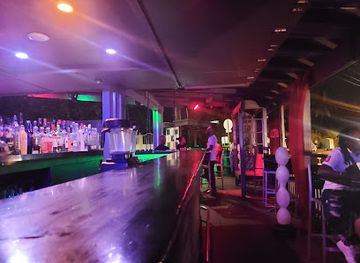
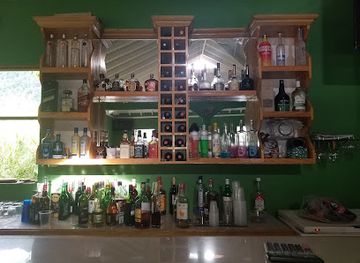
Evening life in Anse la Raye Quarter is modest and community-oriented rather than centred on nightclubs. Small rum shops, village bars, guesthouse restaurants and waterfront food stalls provide places to meet, while music and conversation often matter more than elaborate cocktail menus. Friday night is the liveliest regular occasion because of the Fish Fry, when the village remains active with cooking, dancing and informal entertainment. On other evenings, activity is generally quieter and may depend on local events, accommodation venues or the rhythms of the fishing community. Travellers seeking larger clubs, late-night entertainment or a wider choice of bars will find more options in Castries and the principal resort areas outside the quarter. Arrange a dependable taxi or transfer in advance if drinking, and avoid assuming that rural venues keep fixed late hours.
-
Grill
Roots 2
Experience the best of St. Lucian cuisine at Roots 2 in Marigot Bay, where every meal is a celebration of flavor and local culture.
-
Bar
Glamity's Bar
Experience the vibrant spirit of St. Lucia at Glamity's Bar, the perfect place to unwind with local drinks and lively music in Castries.
-
Bar
Valelse Sports Bar & Soup Kitchen
Discover the vibrant flavors and lively atmosphere at Valelse Sports Bar & Soup Kitchen, a must-visit bar and kitchen in St. Lucia.
-
Grill
Horizon Cocktails View Point Bar & Grill
Discover the perfect blend of breathtaking views and delectable grilled cuisine at Horizon Cocktails View Point Bar & Grill in St. Lucia.


Best nightclubs in Anse la Raye Quarter
Evening life in Anse la Raye Quarter is modest and community-oriented rather than centred on nightclubs. Small rum shops, village bars, guesthouse restaurants and waterfront food stalls provide places to meet, while music and conversation often matter more than elaborate cocktail menus. Friday night is the liveliest regular occasion because of the Fish Fry, when the village remains active with cooking, dancing and informal entertainment. On other evenings, activity is generally quieter and may depend on local events, accommodation venues or the rhythms of the fishing community. Travellers seeking larger clubs, late-night entertainment or a wider choice of bars will find more options in Castries and the principal resort areas outside the quarter. Arrange a dependable taxi or transfer in advance if drinking, and avoid assuming that rural venues keep fixed late hours.
-
Lounge
Ultra Lounge
Discover the vibrant nightlife of Ultra Lounge in Rodney Bay, St. Lucia, where cocktails, cuisine, and great company await.
-
Museum
Millet bird sanctuary and nature trail
Discover the tranquility of Millet Bird Sanctuary and Nature Trail, a haven for birdwatchers and nature lovers in the heart of St. Lucia.
-
Bar
Bigger's Place
Experience the local culture at Bigger's Place, a vibrant bar in Soufriere known for its friendly atmosphere and refreshing drinks.
-
Grill
Bliss Nightlife
Discover the vibrant atmosphere of Bliss Nightlife, where delicious grill cuisine meets lively entertainment in the heart of St. Lucia.

Best shops in Anse la Raye Quarter
Shopping in Anse la Raye Quarter is small-scale and closely tied to food, community events and practical local commerce. The Friday Fish Fry is the most prominent opportunity to buy prepared seafood, snacks, drinks and locally made food products, while small shops and roadside sellers serve everyday needs rather than offering a specialised retail district. Visitors may find Saint Lucian spices, sauces, rum-based products, crafts and simple souvenirs through local vendors, although selection and availability change. The quarter is better suited to buying something connected with its fishing and culinary identity than to extensive fashion or luxury shopping. For a broader choice of galleries, craft retailers, supermarkets and organised markets, travellers generally need to continue to Castries or another larger centre outside the quarter. Carry cash for informal stalls, ask about prices before ordering, and remember that locally produced items and imported souvenirs are not the same thing.
-
Fresh food market
Castries Market
Discover the heart of St. Lucia at Castries Market, a vibrant hub of fresh produce, local crafts, and cultural experiences.
-
Shopping mall
Baywalk Shopping Mall
Explore Baywalk Shopping Mall in Rodney Bay for a fantastic blend of shopping, dining, and entertainment in the heart of St. Lucia.
-
Shopping mall
Blue Coral Mall Ltd
Explore Blue Coral Mall in Castries for a unique shopping experience filled with local culture and vibrant stores.
-
Supermarket
Massy Stores - Cul de Sac
Explore Massy Stores - Cul de Sac for a delightful shopping experience, where local flavors meet convenience in St. Lucia.


Get your free copy of our complete guide to Anse la Raye Quarter, delivered straight to you.
Everything on this page, from attractions and restaurants to essentials and local phrases, in one PDF you can read offline, print or share.
Already have an account? Sign in
Your Anse la Raye Quarter guide is ready.
We'll send it to · Not you? Sign out

Getting your guide ready…
We are putting together a fresh copy of the Anse la Raye Quarter guide. This can take up to a minute.
This can take a few moments. If your browser asks, choose Allow so the download can start. You'll find the guide in your Downloads folder.
Nothing happened? Download it again
Sorry, the guide is taking longer than usual. Please try again in a minute, or get it by email instead.
Anse la Raye Quarter essentials
Currency and Payment
Safety
Emergency Situations
Do's and Don'ts
Local Tips
From Eve
Local phrases worth knowing
You don't need to get them perfect. A few words go a long way, and locals appreciate the effort.
Basics
| English | Local | Say it |
|---|---|---|
| Hello | Salut | [sah-loo] |
| Goodbye | Orevwa | [oh-reh-vwah] |
| Yes | Wi | [wee] |
| No | Non | [non] |
| Please/You're welcome | Si ou vle | [see oo vle] |
| Thank you | Mesi | [meh-see] |
| Excuse me/Sorry | Eskizem | [es-kee-zem] |
| How are you? | Kijan ou ye? | [kee-zhan oo yay] |
| Fine. And you? | Byen. E ou? | [byen. eh oo?] |
| Do you speak English? | Es ou ka pale anglè? | [ehs oo kah pah-leh ahn-gleh] |
| I don't understand | Mwen pa konprann | [mwen pah kon-pran] |
Eating & Drinking
| English | Local | Say it |
|---|---|---|
| I'd like to see the menu, please | Mwen ta renmen wè meni an, souple | [mwen tah reh-men weh meh-nee ahn, soo-pleh] |
| I don't eat meat | Mwen pa manje vyann | [mwen pah man-zhe vyahn] |
| Cheers! | Santé! | [sahn-teh] |
| I would like to pay, please | Mwen ta renmen peye, souple | [mwen tah reh-men peh-yeh, soo-pleh] |
Emergencies
| English | Local | Say it |
|---|---|---|
| Help! | Èd! | [ed] |
| Go away! | Ale wé! | [ah-lay weh] |
| Call the Police! | Rele polis la! | [reh-leh poh-lees lah] |
| Call a doctor! | Rele yon doktè! | [reh-leh yohn dok-teh] |
| I'm lost | Mwen pèdi | [mwen peh-dee] |
| I'm ill | Mwen malad | [mwen mah-lahd] |
Shopping
| English | Local | Say it |
|---|---|---|
| I'd like to buy... | Mwen ta renmen achte... | [mwen tah reh-men ah-shtay...] |
| I'm just looking | Mwen jis ap gade | [mwen zhees ahp gah-day] |
| How much is it? | Kombien li ye? | [kohm-byen lee yay] |
| That's too expensive | Sa twò chè | [sah troh sheh] |
| Can you lower the price? | Es ou ka bese pri a? | [ehs oo kah beh-seh pree ah] |
Time & Numbers
| English | Local | Say it |
|---|---|---|
| What time is it? | Ki lè sa ye? | [kee leh sah yay] |
| It's one o'clock | Se yonn édtan | [seh yohn eh-tan] |
| Half past (10) | Mwatye (10) | [mwa-tyeh (10)] |
| Morning | Maten | [mah-ten] |
| Afternoon | Aprè midi | [ah-preh mee-dee] |
| Evening | Swa | [swah] |
| Yesterday | Yè | [yeh] |
| Today | Jodi a | [zho-dee ah] |
| Tomorrow | Demain | [deh-mahn] |
| 1 | Yonn | [yohn] |
| 2 | De | [deh] |
| 3 | Twa | [twa] |
| 4 | Katr | [kah-tr] |
| 5 | Senk | [sank] |
| 6 | Sis | [sees] |
| 7 | Sèt | [set] |
| 8 | Huit | [weet] |
| 9 | Nèf | [nef] |
| 10 | Dis | [dees] |
Transport & Directions
| English | Local | Say it |
|---|---|---|
| Where's a/the...? | Kote a/sa...? | [koh-teh ah/sah...?] |
| What's the address? | Ki adrès la? | [kee ah-dress lah] |
| Can you show me (on the map)? | Es ou ka montre mwen (sou kat la)? | [ehs oo kah mon-tray mwen (soo kaht lah)?] |
| When's the next (bus)? | Kilè pwochen (bis) la? | [kee-leh proh-shehn (bees) lah] |
| A ticket (to ....) | Yon tikè (pou....) | [yohn tee-keh (poo....)] |
History of Anse la Raye Quarter
Kalinago and Early European Contact
Before European colonisation, Saint Lucia was inhabited by Indigenous Caribbean peoples, including communities associated with the Kalinago. The island’s west coast offered sheltered landing places, fertile valleys and access to marine resources, although the rugged interior made movement difficult. European contact began in the early colonial period and brought violence, displacement and competition for control of the island. The bays and valleys around present-day Anse La Raye later became part of a wider pattern of coastal settlement shaped by Indigenous knowledge, European navigation and the exploitation of land and labour.
French and British Colonial Rivalry
Saint Lucia changed hands repeatedly between France and Britain during the eighteenth century, as both powers valued its harbours, agricultural potential and position in the eastern Caribbean. The west coast, including the area around Anse La Raye, was influenced by this rivalry even when major military activity occurred elsewhere on the island. French cultural and linguistic influences remained particularly strong in local names, Catholic traditions and Creole language, while British rule eventually established the political framework within which the island developed.
Plantations and Enslaved Labour
During the colonial period, plantations expanded across Saint Lucia, relying first on enslaved Africans and later on other forms of coerced and poorly paid labour. Estates in the quarter’s valleys produced crops suited to the tropical climate, while the coast supported fishing and the movement of goods by boat. Enslavement was abolished in the British Empire in the 1830s, but emancipation did not immediately create economic equality. The quarter’s settlement patterns, landholding arrangements and cultural traditions still reflect the deep influence of African heritage and plantation society.
Village Formation and the Fishing Economy
Anse La Raye developed as a coastal community whose livelihood depended heavily on fishing, small-scale trade and nearby agriculture. Its sheltered bay provided a practical base for boats, while the surrounding hills limited the space available for large-scale urban development. Wooden houses, churches, jetties and lanes formed a village landscape closely connected to the sea. Fishing remained an important part of local identity even as improved roads, changing markets and the growth of tourism altered the economic balance of the west coast.
Emancipation, Religion and Creole Culture
The nineteenth century brought major social change after emancipation, although former enslaved people faced restricted access to land and limited economic opportunities. Catholicism, African-derived cultural practices and French Creole language traditions continued to shape community life. In Anse La Raye and neighbouring west-coast settlements, music, cooking, storytelling and communal celebrations helped maintain social connections. These traditions are not simply historical survivals: they remain visible in contemporary food events, village gatherings and the everyday cultural character of the quarter.
Bananas and the Modern Rural Economy
As sugar declined across the eastern Caribbean, Saint Lucia increasingly turned to crops such as bananas, which became central to rural livelihoods during the twentieth century. The quarter’s humid valleys and slopes suited small-scale cultivation, although steep terrain and heavy rainfall made farming demanding. Banana production connected communities to export markets and brought roads and other infrastructure, while also leaving the rural economy exposed to international price changes. Agriculture, fishing, construction, services and tourism now coexist across Anse la Raye Quarter.
Community Tourism and the Fish Fry Tradition
In the late twentieth and early twenty-first centuries, Anse La Raye became increasingly known for community-based cultural tourism, especially its Friday Fish Fry. The event gives public visibility to the village’s maritime identity through seafood cooking, music and social gathering, while creating income for local vendors and performers. Its significance lies in the way tourism is connected to an existing community tradition rather than a purpose-built resort. Visitors are guests at a working village event, and the character of the evening depends on local participation.
Anse la Raye Quarter in Photos
Browse through our photo collection highlighting the charm and character of the destination.
Neighbouring regions of Anse la Raye Quarter
The closest regions to Anse la Raye Quarter, if you have time for more than one.
-

-

-

-

-


Swipe for more regions
Explore more

Explore more of Saint Lucia
Discover Saint Lucia, a Caribbean paradise with lush rainforests, pristine beaches, and vibrant culture. Perfect for adventure seekers and relaxation enthusiasts alike.
Explore Saint Lucia