

Free Gros Islet Quarter Travel Guide & Mobile App
Explore Gros Islet Quarter with free travel guides. Discover regional history, expert tips, proposed trips, and audio guides on web or mobile app.


Explore Gros Islet Quarter in Saint Lucia for Rodney Bay, Reduit Beach, Pigeon Island history, coastal walks, sailing and Creole food.
Read more about Gros Islet Quarter
When is the best time to visit Gros Islet Quarter?
Best: January–March · 28–29°C| Month | High (°C) | Rainfall (mm) |
|---|---|---|
| January (best) | 28 | 70 |
| February (best) | 28 | 60 |
| March (best) | 29 | 65 |
| April | 30 | 75 |
| May | 30 | 90 |
| June | 31 | 120 |
| July | 31 | 135 |
| August | 31 | 145 |
| September | 31 | 155 |
| October | 31 | 145 |
| November | 30 | 120 |
| December | 29 | 90 |
Getting to and around Gros Islet Quarter
How to get there
Transportation
Top city travel guides in Gros Islet Quarter
The cities of Gros Islet Quarter, and the easiest places to base yourself.
-

-

-

-


Swipe for more cities
Destinations in Gros Islet Quarter
Resorts, valleys and scenic spots worth a trip of their own.
-

-
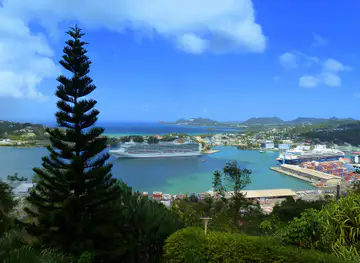


Swipe for more destinations
Best attractions in Gros Islet Quarter
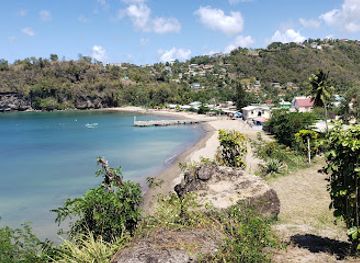
Gros Islet Quarter offers a varied group of attractions within a relatively compact northern area. Pigeon Island National Landmark is the central historic experience, combining military ruins, coastal paths, beaches and elevated views from Fort Rodney. Around Rodney Bay, Reduit Beach provides sheltered swimming and water-based recreation, while the marina supports sailing excursions and other boating activities. The Atlantic-facing coast around Cas en Bas and Cap Estate has a more open character, with stronger wind and a landscape suited to walking, photography and selected watersports when conditions are appropriate. Gros Islet town is an attraction in a cultural rather than monumental sense, especially on Friday evenings when food stalls, music and social activity fill the streets. Visitors can also find golf, spa facilities, family-oriented water activities and dining within the resort belt, although these are generally commercial experiences rather than heritage sites. The quarter's appeal lies in the close contrast between a modern marina, a working town, military history and less sheltered northern beaches.
-
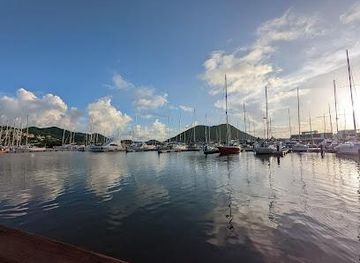
Marina
Rodney Bay Marina
Explore Rodney Bay Marina – a vibrant hub in St. Lucia for sailing, dining, and soaking in stunning Caribbean views.
-
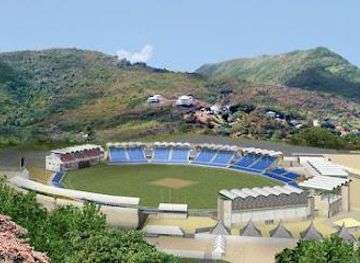
Cricket ground
Daren Sammy Cricket Ground.
Experience the thrill of Caribbean cricket at Daren Sammy Cricket Ground, a must-visit destination in St. Lucia for sports enthusiasts and culture seekers.
-
Heritage preservation
Saint Lucia National Trust
Explore St. Lucia National Trust: A captivating blend of history and natural beauty in the heart of the Caribbean.
-
Lounge
Ultra Lounge
Discover the vibrant Ultra Lounge in Rodney Bay, St. Lucia – where exquisite dining, refreshing drinks, and an exciting atmosphere await!

Best landmarks in Gros Islet Quarter
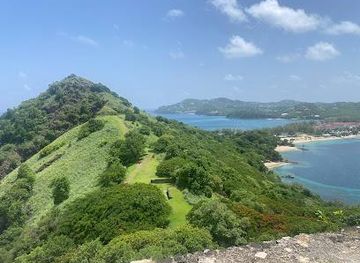
Pigeon Island is Gros Islet Quarter's defining landmark, its wooded hills and ruined fortifications standing beside the northern coast as a reminder of Saint Lucia's colonial military history. Fort Rodney occupies the summit and provides a commanding view across Rodney Bay and the channels once watched by British forces. The causeway linking the former island to the mainland is itself a notable piece of the modern landscape, changing an offshore stronghold into an accessible national landmark. Rodney Bay Marina is the quarter's most recognisable contemporary structure and symbolises the area's transformation into a centre for yachting, accommodation and leisure travel. Reduit Beach forms a long, easily identified curve around the bay, contrasting with the more exposed coastline of Cas en Bas. The elevated Cap Estate headland gives the northern quarter much of its visual character, with roads and viewpoints overlooking the Caribbean and Atlantic sides of the district. Together these places express the quarter's principal identities: defence, seafaring, resort development and open coastal scenery.
-
 Resort hotel
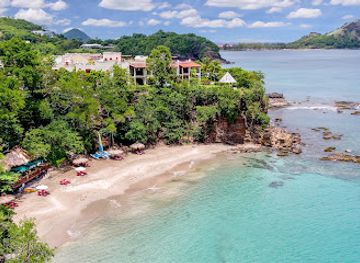
Sandals Grande St. Lucian
Discover the ultimate luxury resort experience at Sandals Grande St. Lucian, where breathtaking beauty meets exceptional hospitality in St. Lucia.
-
Resort hotel
Royalton Saint Lucia, An Autograph Collection All-Inclusive Resort
Experience the beauty of Saint Lucia at Royalton, where luxury, relaxation, and adventure come together in a stunning all-inclusive resort.
-
Tourist attraction
Soufrière Drive In Volcano
Uncover the geothermal wonders of Soufrière Drive In Volcano, a unique volcanic experience in St. Lucia surrounded by breathtaking natural beauty.
-
Shopping mall
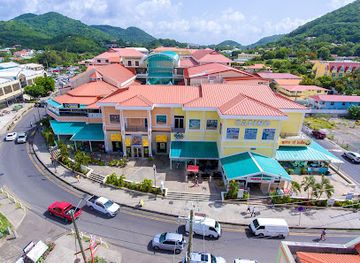
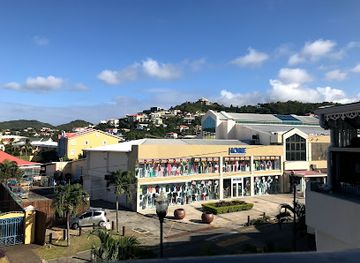
Baywalk Shopping Mall
Explore Baywalk Shopping Mall in Rodney Bay, St. Lucia for a vibrant shopping experience with a mix of local and international stores and delightful dining options.
Explore Gros Islet Quarter on the map
Plan your trip on one map. See where the top cities, national parks and sights are, and book hotels and experiences in a few clicks.
Best hotels in Gros Islet Quarter
Best restaurants in Gros Islet Quarter
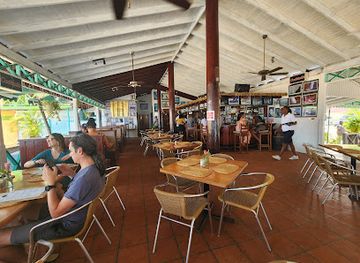
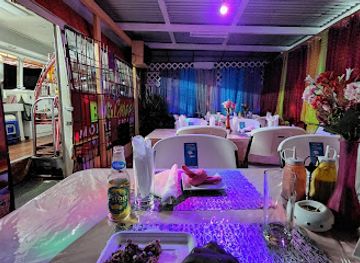
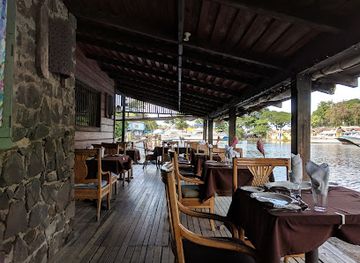
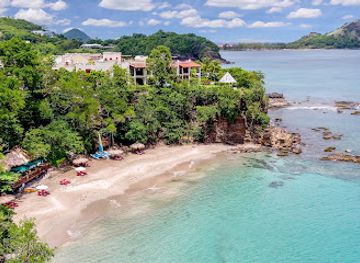
Dining in Gros Islet Quarter is concentrated around Rodney Bay, the marina, Reduit Beach and the resort areas of Cap Estate, with a broad choice of Caribbean, international and contemporary restaurants. Local cooking commonly features fresh fish, seafood, chicken, green bananas, provisions, rice and peas, plantain and strongly seasoned Creole sauces, while grilled food is especially associated with informal evening gatherings. Gros Islet's Friday street party is a useful place to sample casual dishes such as grilled seafood, meat and local sides, though the selection varies by vendor and occasion. Cafés, bars and takeaway counters serve breakfast and lighter meals, while marina and hotel restaurants provide more formal dining. Rum-based drinks and locally produced fruit flavours appear frequently on menus. Farmers' stalls and supermarkets around Rodney Bay are practical for self-catering, and visitors should distinguish Saint Lucian specialities from the wider Caribbean and international food now established in the resort economy.
-
Restaurant
Spinnakers Beach Bar And Carvery
Experience authentic Caribbean cuisine at Spinnakers Beach Bar And Carvery in Gros Islet - where every meal comes with stunning ocean views.
-
Restaurant
Big Chef Steakhouse
Experience culinary excellence at Big Chef Steakhouse in Rodney Bay - where exceptional steaks meet unforgettable ambiance.
-
Seafood
The Coal Pot Restaurant
Experience the best seafood dining at The Coal Pot Restaurant in Castries - where local flavors meet stunning views.
-
Restaurant
Naked Fisherman Restaurant
Experience exquisite Caribbean cuisine at Naked Fisherman Restaurant in Gros Islet, where fresh seafood meets breathtaking ocean views.
Best bars in Gros Islet Quarter
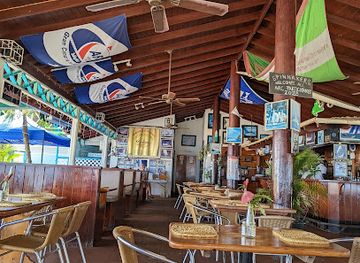
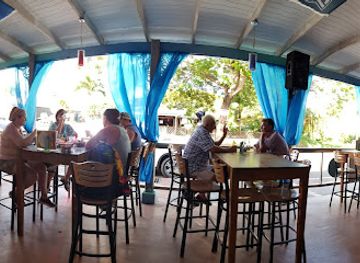
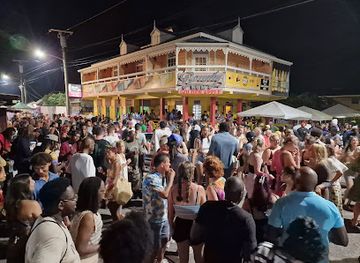
Evening life in Gros Islet Quarter ranges from informal rum shops and village bars to marina restaurants, hotel lounges, cocktail venues and occasional live-music settings around Rodney Bay. The quarter's signature social occasion is the Gros Islet Friday evening street party, where music, grilled food and dancing create a busy outdoor atmosphere; it is best approached as a local community gathering with a substantial visitor following rather than as a conventional nightclub district. Rodney Bay has the largest concentration of late-evening venues, including bars associated with the marina and resort area, while Cap Estate is generally quieter and more accommodation-led. Nightclubs and lively venues can change over time, so current local advice is more reliable than relying on old listings. Outside the main centres, evenings tend to focus on dining, hotel entertainment, sailing-related gatherings or relaxed drinks rather than a large organised nightlife scene.
-
Restaurant
Spinnakers Beach Bar And Carvery
Experience Caribbean culinary delights with breathtaking sea views at Spinnakers Beach Bar And Carvery in Gros Islet, St. Lucia.
-
Restaurant
Keebees
Experience the vibrant flavors and warm hospitality of Caribbean cuisine at Keebees in Gros Islet, St. Lucia.
-
Restaurant
Matthew's Rooftop Restaurant
Experience breathtaking views and exquisite cuisine at Matthew's Rooftop Restaurant in Rodney Bay, St. Lucia.
-
Restaurant
Naked Fisherman Restaurant
Experience the flavor of St. Lucia at Naked Fisherman Restaurant, where fresh seafood meets breathtaking ocean views for an unforgettable dining experience.
Best nightclubs in Gros Islet Quarter
Evening life in Gros Islet Quarter ranges from informal rum shops and village bars to marina restaurants, hotel lounges, cocktail venues and occasional live-music settings around Rodney Bay. The quarter's signature social occasion is the Gros Islet Friday evening street party, where music, grilled food and dancing create a busy outdoor atmosphere; it is best approached as a local community gathering with a substantial visitor following rather than as a conventional nightclub district. Rodney Bay has the largest concentration of late-evening venues, including bars associated with the marina and resort area, while Cap Estate is generally quieter and more accommodation-led. Nightclubs and lively venues can change over time, so current local advice is more reliable than relying on old listings. Outside the main centres, evenings tend to focus on dining, hotel entertainment, sailing-related gatherings or relaxed drinks rather than a large organised nightlife scene.
-
Lounge
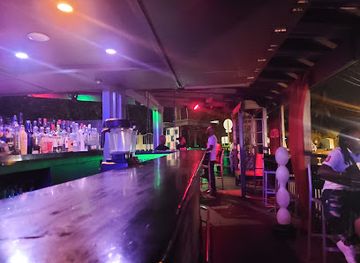
Ultra Lounge
Discover the ultimate nightlife experience at Ultra Lounge in Rodney Bay, St. Lucia, where delicious food and vibrant entertainment await.
-
Bar
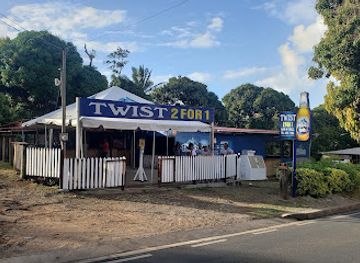
Twist 2 for 1 BAR
Experience the vibrant nightlife of St. Lucia at Twist 2 for 1 BAR, where fun meets affordability in a lively Caribbean atmosphere.
-
Tourist attraction
Friday Night Street Party
Join the lively Friday Night Street Party in Gros Islet, St. Lucia, for an unforgettable night of food, music, and vibrant culture.
-
Bar
Irie Bar
Experience the rhythm of St. Lucia at Irie Bar, where vibrant nightlife meets stunning bay views and refreshing cocktails.
Best shops in Gros Islet Quarter
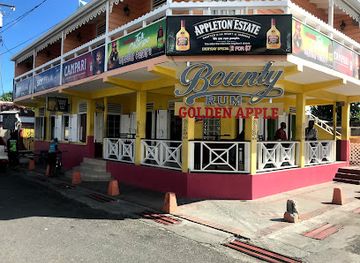
Shopping in Gros Islet Quarter is centred on Rodney Bay, where supermarkets, pharmacies, marina-related businesses, souvenir outlets, boutiques and independent services cater to both residents and visitors. The area is more useful for practical supplies, beachwear, gifts, rum, local food products and island-themed crafts than for a specialised luxury-shopping experience. Gros Islet town offers a smaller, more everyday retail environment, with informal food vendors and community businesses particularly active around the Friday evening gathering. Visitors can look for Saint Lucian spices, cocoa products, rum, hot sauces, preserves, woven goods, jewellery and locally made artwork, while checking that craft items are genuinely produced in Saint Lucia. Markets and stalls vary by day and season, so current local advice is valuable. The marina and resort areas provide a more polished retail setting, whereas shopping beyond Rodney Bay is generally modest and directed towards local needs rather than tourism.
-
Resort hotel
Sandals Grande St. Lucian
Discover the ultimate luxury getaway at Sandals Grande St. Lucian, where romance meets paradise in St. Lucia's stunning landscapes.
-
Resort hotel
Royalton Saint Lucia, An Autograph Collection All-Inclusive Resort
Experience the ultimate luxury at Royalton Saint Lucia, where paradise meets all-inclusive bliss amidst stunning Caribbean scenery.
-
Shopping mall
Baywalk Shopping Mall
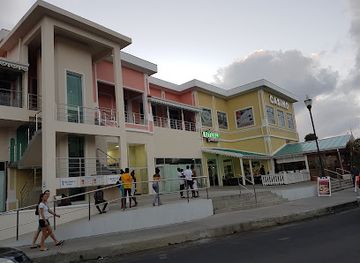
Experience the vibrant shopping scene at Baywalk Shopping Mall in Rodney Bay, St. Lucia, where local charm meets international flair.
-
Resort hotel
Windjammer Landing Resort and Residences
Experience the ultimate tropical escape at Windjammer Landing Resort and Residences, where luxury meets stunning natural beauty in St. Lucia.
Get your free copy of our complete guide to Gros Islet Quarter, delivered straight to you.
Everything on this page, from attractions and restaurants to essentials and local phrases, in one PDF you can read offline, print or share.
Already have an account? Sign in
Your Gros Islet Quarter guide is ready.
We'll send it to · Not you? Sign out

Getting your guide ready…
We are putting together a fresh copy of the Gros Islet Quarter guide. This can take up to a minute.
This can take a few moments. If your browser asks, choose Allow so the download can start. You'll find the guide in your Downloads folder.
Nothing happened? Download it again
Sorry, the guide is taking longer than usual. Please try again in a minute, or get it by email instead.
Gros Islet Quarter essentials
Currency and Payment
Safety
Emergency Situations
Do's and Don'ts
Local Tips
From Eve
Local phrases worth knowing
You don't need to get them perfect. A few words go a long way, and locals appreciate the effort.
Basics
| English | Local | Say it |
|---|---|---|
| Hello | Hello | [Hello] |
| Goodbye | Goodbye | [Goodbye] |
| Yes | Yes | [Yes] |
| No | No | [No] |
| Please/You're welcome | Please/You’re welcome | [Please/You’re welcome] |
| Thank you | Thank you | [Thank you] |
| Excuse me/Sorry | Excuse me/Sorry | [Excuse me/Sorry] |
| How are you? | How yuh? | [How yuh?] |
| Fine. And you? | Fine. An yuh? | [Fine. An yuh?] |
| Do you speak English? | Yuh speak English? | [Yuh speak English?] |
| I don't understand | Mi nuh understand | [Mi nuh understand] |
Eating & Drinking
| English | Local | Say it |
|---|---|---|
| I'd like to see the menu, please | Mi wud like fi si di menu, please | [Mi wud like fi si di menu, please] |
| I don't eat meat | Mi nuh eat meat | [Mi nuh eat meat] |
| Cheers! | Cheers! | [Cheers!] |
| I would like to pay, please | Mi wud like fi pay, please | [Mi wud like fi pay, please] |
Emergencies
| English | Local | Say it |
|---|---|---|
| Help! | Help! | [Help!] |
| Go away! | Go way! | [Go way!] |
| Call the Police! | Call di Police! | [Call di Police!] |
| Call a doctor! | Call a doctor! | [Call a doctor!] |
| I'm lost | Mi lost | [Mi lost] |
| I'm ill | Mi sick | [Mi sick] |
Shopping
| English | Local | Say it |
|---|---|---|
| I'd like to buy... | Mi wud like fi buy... | [Mi wud like fi buy...] |
| I'm just looking | Mi deh jus a look | [Mi deh jus a look] |
| How much is it? | Ki much dis cost? | [Ki much dis cost?] |
| That's too expensive | Dat too expensive | [Dat too expensive] |
| Can you lower the price? | Yuh can lower di price? | [Yuh can lower di price?] |
Time & Numbers
| English | Local | Say it |
|---|---|---|
| What time is it? | What time it be? | [What time it be?] |
| It's one o'clock | It one o'clock | [It one o'clock] |
| Half past (10) | Half past (10) | [Half past (10)] |
| Morning | Mornin' | [Mornin'] |
| Afternoon | Afternoon | [Afternoon] |
| Evening | Evenin' | [Evenin'] |
| Yesterday | Yesterday | [Yesterday] |
| Today | Today | [Today] |
| Tomorrow | Tomorrow | [Tomorrow] |
| 1 | 1 | [1] |
| 2 | 2 | [2] |
| 3 | 3 | [3] |
| 4 | 4 | [4] |
| 5 | 5 | [5] |
| 6 | 6 | [6] |
| 7 | 7 | [7] |
| 8 | 8 | [8] |
| 9 | 9 | [9] |
| 10 | 10 | [10] |
Transport & Directions
| English | Local | Say it |
|---|---|---|
| Where's a/the...? | Wheh di...? | [Wheh di...?] |
| What's the address? | Wha di address? | [Wha di address?] |
| Can you show me (on the map)? | Yuh can show mi (pon di map)? | [Yuh can show mi (pon di map)?] |
| When's the next (bus)? | When di next (bus)? | [When di next (bus)?] |
| A ticket (to ....) | A ticket (to ....) | [A ticket (to ....)] |
History of Gros Islet Quarter
Indigenous Settlement and Early European Contact
Long before European colonisation, Saint Lucia was inhabited by Indigenous peoples, including communities associated with the Arawakan and Kalinago worlds. The northern coastline, sheltered bays and offshore islands offered useful routes, fishing grounds and places of refuge. Written evidence from the early colonial period is limited and often filtered through European accounts, but Indigenous place knowledge continued to influence how later settlers understood the island. Gros Islet Quarter's coastal geography, particularly its natural harbours and connections between the mainland and Pigeon Island, helped make the area strategically and economically valuable in subsequent centuries.
French and British Rivalry in the Eighteenth Century
Saint Lucia changed hands repeatedly between France and Britain during the eighteenth century, and the northern part of the island was drawn into this wider imperial contest. Control of the bays around Gros Islet and the approaches to the island mattered because they could support naval movement and protect shipping routes through the eastern Caribbean. The resulting rivalry left a legacy of military works, changing settlement patterns and a cultural landscape influenced by both French and British colonial systems. English is now the official language, while Saint Lucian Creole French remains an important part of the island's cultural heritage.
Pigeon Island and Colonial Defence
Pigeon Island became one of the best-known military positions in northern Saint Lucia. Its elevated ground and location beside the maritime approaches allowed British forces to observe and challenge French shipping. Fort Rodney, named after the British admiral George Brydges Rodney, formed part of the defensive system, alongside other structures whose ruins remain visible today. The island's military importance declined after the colonial conflicts, but its landscape still records the strategic value once attached to Saint Lucia's harbours and channels. A causeway later joined Pigeon Island to the mainland, transforming access while preserving its historic character.
Plantation Economy and Rural Change
Like the rest of Saint Lucia, Gros Islet Quarter was shaped by plantation agriculture, slavery and the later transition to free labour after emancipation in the nineteenth century. Sugar was important during the colonial era, while bananas and other crops later became central to Saint Lucia's rural economy. The northern quarter developed through a mixture of agricultural land, fishing activity and small settlements rather than as a single concentrated town. Although tourism now dominates the local economy in Rodney Bay and parts of Cap Estate, traces of the older rural landscape remain in hillside roads, cultivated plots and the pattern of villages beyond the main resort areas.
Gros Islet Town and Community Traditions
Gros Islet town grew as a northern coastal settlement with links to fishing, small-scale trade and parish life. Its community identity remains visible in local food, music and social gatherings, most notably the Friday evening street party, which developed from a local tradition into a well-known visitor occasion. The event is not simply a staged attraction: it reflects the importance of public gathering, cooking and music in Saint Lucian social life. Visitors should enjoy it respectfully, remembering that Gros Islet is a lived-in town as well as one of the island's most familiar nightlife destinations.
Rodney Bay's Late-Twentieth-Century Transformation
The development of Rodney Bay Marina and the surrounding resort, residential and commercial areas transformed the northern quarter during the late twentieth century. A previously less urban coastal area became one of Saint Lucia's principal centres for yachting, accommodation, dining and visitor services. The marina also strengthened the quarter's connection with regional sailing and leisure travel, while improved roads linked Rodney Bay with Castries and the rest of the island. This transformation created new employment and infrastructure but also produced a clear contrast between the modern resort zone, historic Gros Islet town and the less developed northern and Atlantic-facing coast.
Gros Islet Quarter in Photos
Browse through our photo collection highlighting the charm and character of the destination.
Neighbouring regions of Gros Islet Quarter
The closest regions to Gros Islet Quarter, if you have time for more than one.
-

-

-

-

-


Swipe for more regions
Explore more

Explore more of Saint Lucia
Discover Saint Lucia, a Caribbean paradise with lush rainforests, pristine beaches, and vibrant culture. Perfect for adventure seekers and relaxation enthusiasts alike.
Explore Saint Lucia