

Free Micoud Quarter Travel Guide & Mobile App
Explore Micoud Quarter with free travel guides. Discover regional history, expert tips, proposed trips, and audio guides on web or mobile app.


Micoud Quarter pairs Atlantic villages, plantation gardens, tropical countryside and rural Saint Lucian food culture in the island’s less-developed southeast.
Read more about Micoud Quarter
When is the best time to visit Micoud Quarter?
Best: January–March · 30°C| Month | High (°C) | Rainfall (mm) |
|---|---|---|
| January (best) | 30 | 70 |
| February (best) | 30 | 60 |
| March (best) | 30 | 65 |
| April | 31 | 75 |
| May | 31 | 90 |
| June | 32 | 100 |
| July | 32 | 105 |
| August | 32 | 110 |
| September | 32 | 105 |
| October | 31 | 100 |
| November | 31 | 90 |
| December | 30 | 80 |
Getting to and around Micoud Quarter
How to get there
Transportation
Top city travel guides in Micoud Quarter
The cities of Micoud Quarter, and the easiest places to base yourself.
-

-
-

-


Swipe for more cities
Destinations in Micoud Quarter
Resorts, valleys and scenic spots worth a trip of their own.

Swipe for more destinations
Best attractions in Micoud Quarter
Micoud Quarter’s attractions centre on gardens, countryside, village life and Atlantic scenery rather than large purpose-built visitor complexes. Mamiku Gardens near Praslin is the most established attraction, occupying a former plantation setting with tropical planting, ornamental areas and paths that introduce visitors to Saint Lucia’s horticultural diversity. The surrounding rural landscape offers opportunities for scenic drives, birdwatching and informal exploration, although access to farm roads and privately managed land should always be confirmed. Micoud and nearby coastal communities provide a glimpse of everyday southeastern Saint Lucian life, with small shops, churches, fishing activity and roadside food rather than a formal tourist strip. Inland valleys and forested slopes are suited to guided walks and nature-focused outings, particularly for travellers interested in plants and birds. The quarter is also useful for understanding agriculture: banana cultivation, smallholdings and old estate landscapes remain part of the visual character. Beaches are less consistently developed than those around the island’s principal resort areas, and Atlantic conditions can be rough, so coastal visits are best approached for scenery and local atmosphere unless swimming conditions are clearly suitable.
-
Botanical garden
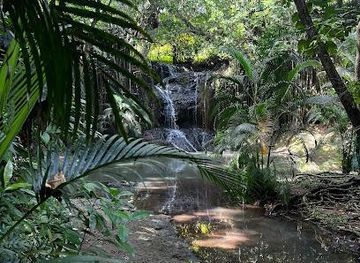
LaTille Falls & Garden
Discover the beauty of LaTille Falls & Garden in St. Lucia, a stunning botanical garden and waterfall oasis perfect for nature lovers and adventure seekers.
-
Tourist attraction
Atvdirect
Experience the thrill of ATV adventures in St. Lucia, exploring lush landscapes and breathtaking vistas on guided tours.
-
Nature preserve
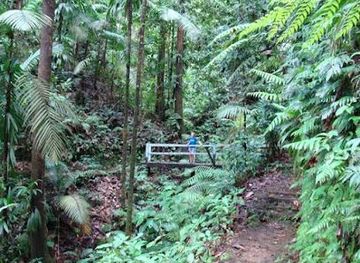
Des Cartier Trail
Discover the enchanting Des Cartier Trail in St. Lucia, a natural paradise for hikers and nature lovers, with breathtaking views and diverse wildlife.
-
Tourist attraction
Ebony Arts Studio and Gallery
Explore the vibrant creativity of St. Lucia at Ebony Arts Studio and Gallery, where local artistry meets Caribbean charm in a stunning exhibition space.


Best landmarks in Micoud Quarter
Mamiku Gardens is Micoud Quarter’s most recognisable heritage landscape, combining a former estate setting with cultivated gardens and mature tropical planting. Its importance lies not only in the plants but also in the way it preserves a visible connection between Saint Lucia’s plantation history and contemporary horticultural tourism. The Roman Catholic church in Micoud is a prominent village landmark and a reminder of the religious institutions that helped organise community life during the colonial and post-emancipation periods. Across the quarter, the strongest landmarks are often collective rather than monumental: the coastal road, Atlantic-facing bays, cultivated valleys and steep green interior slopes define the setting of settlements such as Micoud, Praslin and Mon Repos. Old estate landscapes and plantation names can also be read in the countryside, though many are working or privately held places rather than preserved monuments. Visitors should treat these rural features as lived landscapes, seeking permission before entering land and avoiding the assumption that an attractive ruin or track is a public site.
-
 Resort hotel
Royalton Saint Lucia, An Autograph Collection All-Inclusive Resort
Experience an all-inclusive luxury getaway at Royalton Saint Lucia, where stunning views, exquisite dining, and exciting activities await you in paradise.
-
Tourist attraction
Soufrière Drive In Volcano
Explore the stunning Soufrière Drive In Volcano, a unique natural wonder offering geothermal marvels and breathtaking landscapes in St. Lucia.
-
Island
Saint Lucia
Experience the enchanting beauty of Saint Lucia, a Caribbean island known for its stunning landscapes, rich culture, and unforgettable adventures.
-
Resort hotel
Sugar Beach, a Viceroy Resort
Experience the ultimate luxury getaway at Sugar Beach, a Viceroy Resort, surrounded by the stunning Pitons and pristine Caribbean beaches.
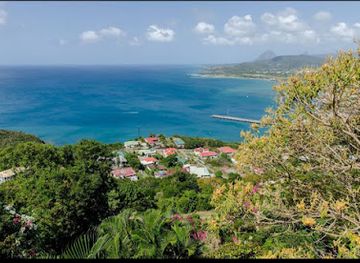
Explore Micoud Quarter on the map
Plan your trip on one map. See where the top cities, national parks and sights are, and book hotels and experiences in a few clicks.
Best hotels in Micoud Quarter
Best restaurants in Micoud Quarter
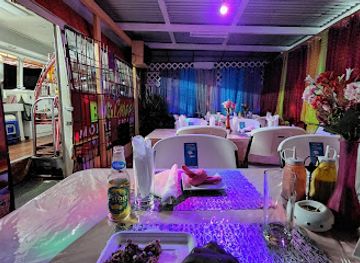
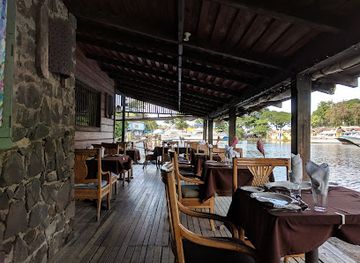
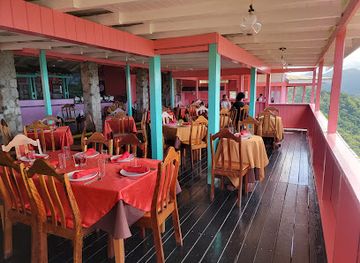
Dining in Micoud Quarter is primarily local and informal, with cooking found in small family-run eateries, roadside stalls, village shops and modest guesthouses rather than a concentrated restaurant district. Menus commonly draw on Saint Lucia’s Creole tradition: rice and peas, green bananas, ground provisions, stewed chicken, pork, fresh fish, saltfish, plantain and vegetable dishes appear in varying combinations. Seasonal fruit, bakes and other fried or baked snacks can make useful daytime provisions, while fresh fish is especially appropriate in coastal communities when available. The quarter’s agricultural setting means that bananas, root crops, herbs and fruit are part of the wider food culture, although availability changes with harvests and supply. Larger dining rooms and resort-style menus are more likely outside Micoud, particularly towards the southern and western tourism centres. Visitors should ask locally about the day’s dishes, carry cash for smaller vendors and allow for relaxed service rather than expecting fixed international dining schedules.
-
Restaurant
Big Chef Steakhouse
Experience culinary excellence at Big Chef Steakhouse - home to St. Lucia's finest steaks and an inviting atmosphere perfect for any occasion.
-
Seafood
The Coal Pot Restaurant
Experience exquisite seafood dining with breathtaking ocean views at The Coal Pot Restaurant in Castries, St. Lucia.
-
Restaurant
The Beacon Restaurant
Experience exquisite Caribbean cuisine with breathtaking views at The Beacon Restaurant in St. Lucia.
-
Restaurant
Naked Fisherman Restaurant
Discover exquisite Caribbean cuisine with breathtaking ocean views at Naked Fisherman Restaurant in St. Lucia.
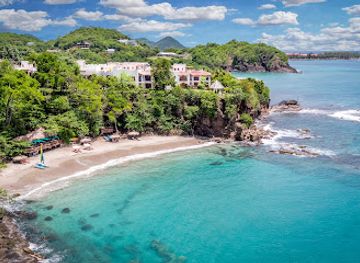
Best bars in Micoud Quarter
Evening life in Micoud Quarter is low-key and community-oriented. Local bars, rum shops, small restaurants and village gathering places provide the main social atmosphere, sometimes with music, sport on television or informal conversation. This is not a major nightclub destination, and visitors should not expect a dense late-night entertainment strip or dependable public transport after dark. Larger, organised nightlife is concentrated in other parts of Saint Lucia, especially the principal resort and urban centres outside the quarter. In Micoud, an evening is more likely to involve a local drink with food, a community event or music associated with a special occasion than a run of cocktail venues. Ask accommodation hosts about appropriate places and current arrangements, and return by a pre-arranged taxi or private vehicle if staying in a rural area. Drink responsibly and remain considerate of residential communities.
-
Restaurant
Nikki's Bar & Grill
Experience the vibrant flavors of St. Lucia at Nikki's Bar & Grill, where local cuisine meets a lively atmosphere for an unforgettable dining experience.
-
Grill
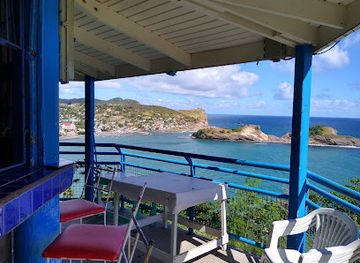
Horizon Cocktails View Point Bar & Grill
Discover the breathtaking views and exquisite flavors at Horizon Cocktails View Point Bar & Grill in St. Lucia's Anse la Verdure.
-
Grill
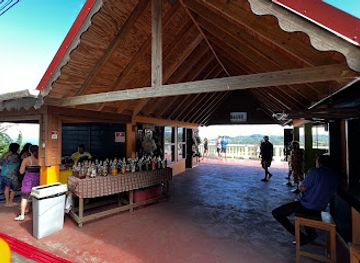
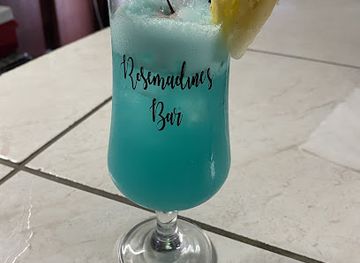
Rosemadin's Place
Experience the best of Caribbean cuisine at Rosemadin's Place, a grill that offers mouth-watering dishes and a vibrant atmosphere in St. Lucia.
-
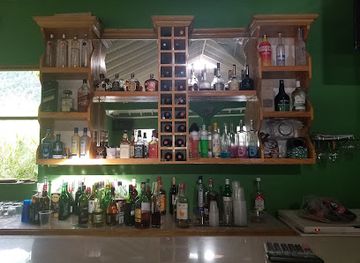
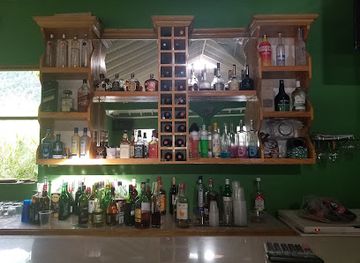
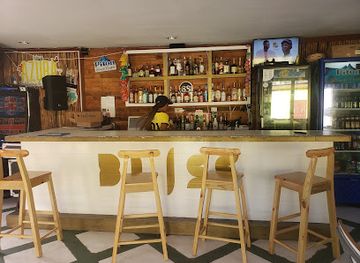
Bar
Bigger's Place
Discover the vibrant atmosphere and locally crafted drinks at Bigger's Place, a charming bar in Fond St Jacques, St. Lucia.
Best nightclubs in Micoud Quarter
Evening life in Micoud Quarter is low-key and community-oriented. Local bars, rum shops, small restaurants and village gathering places provide the main social atmosphere, sometimes with music, sport on television or informal conversation. This is not a major nightclub destination, and visitors should not expect a dense late-night entertainment strip or dependable public transport after dark. Larger, organised nightlife is concentrated in other parts of Saint Lucia, especially the principal resort and urban centres outside the quarter. In Micoud, an evening is more likely to involve a local drink with food, a community event or music associated with a special occasion than a run of cocktail venues. Ask accommodation hosts about appropriate places and current arrangements, and return by a pre-arranged taxi or private vehicle if staying in a rural area. Drink responsibly and remain considerate of residential communities.
-
Lounge
Ultra Lounge
Ultra Lounge: A vibrant hub of nightlife in Rodney Bay, blending delicious dining with an exciting atmosphere for an unforgettable experience.
-
Bar
Bigger's Place
Discover the vibrant local culture and stunning views at Bigger's Place, a must-visit bar in St. Lucia for an unforgettable experience.
-
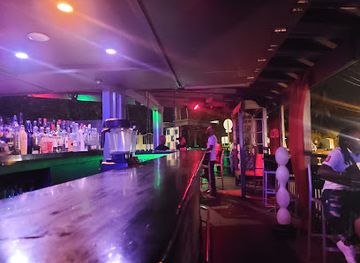
Grill
Bliss Nightlife
Discover Bliss Nightlife in Canaries, St. Lucia, where vibrant nightlife meets delicious grill cuisine for an unforgettable experience.
-
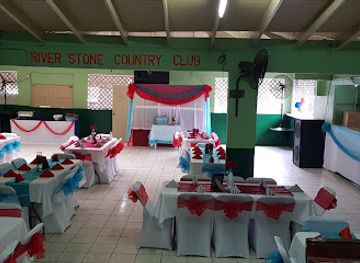
Disco club
Riverstone Country Club
Discover the pulsating nightlife of St. Lucia at Riverstone Country Club, where music, dance, and Caribbean vibes await.
Best shops in Micoud Quarter
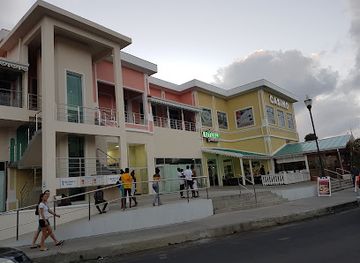
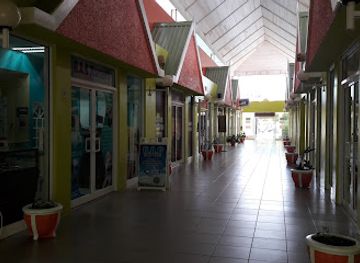
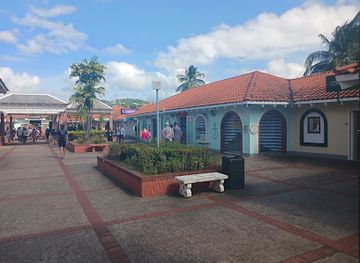
Shopping in Micoud Quarter is practical and local rather than centred on large retail complexes. Small shops and village businesses supply everyday goods, while roadside sellers and occasional community markets may offer fruit, vegetables, provisions, snacks and locally prepared food. Availability and market locations can change, so accommodation hosts are the best source of current information. Visitors may find Saint Lucian rum, cocoa products, spices, sauces, preserved foods and handmade items suitable as regional gifts, although specialist craft shopping is more extensive in larger towns and established tourist areas elsewhere on the island. The quarter’s agricultural character makes fresh produce a more meaningful purchase than generic resort merchandise; ask sellers how items should be transported and stored. Carry Eastern Caribbean dollars for small transactions, and remember that card facilities may be limited outside formal businesses. Buy crafts and food products from legitimate sellers, and never purchase shells, plants, archaeological objects or materials taken from private land or the natural environment.
-
Shopping mall
Baywalk Shopping Mall
Discover the ultimate shopping experience at Baywalk Shopping Mall in Rodney Bay, St. Lucia, combining retail therapy with dining and entertainment for all.
-
Shopping mall
Gablewoods Shopping Mall
Explore Gablewoods Shopping Mall for an unforgettable shopping and dining experience in St. Lucia, featuring diverse stores and delightful local cuisine.
-
Shopping mall
Duty Free Pointe Seraphine Shopping Complex
Explore Duty Free Pointe Seraphine Shopping Complex in St. Lucia for an unforgettable shopping experience filled with luxury and local treasures.
-
Shopping mall
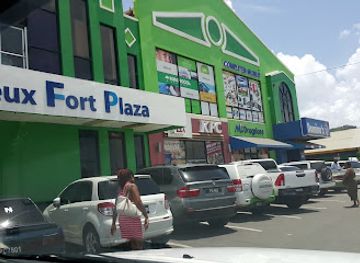
Vieux Fort Plaza
Explore Vieux Fort Plaza in St. Lucia – a vibrant shopping and dining destination blending local culture and international charm.
Get your free copy of our complete guide to Micoud Quarter, delivered straight to you.
Everything on this page, from attractions and restaurants to essentials and local phrases, in one PDF you can read offline, print or share.
Already have an account? Sign in
Your Micoud Quarter guide is ready.
We'll send it to · Not you? Sign out

Getting your guide ready…
We are putting together a fresh copy of the Micoud Quarter guide. This can take up to a minute.
This can take a few moments. If your browser asks, choose Allow so the download can start. You'll find the guide in your Downloads folder.
Nothing happened? Download it again
Sorry, the guide is taking longer than usual. Please try again in a minute, or get it by email instead.
Micoud Quarter essentials
Currency and Payment
Safety
Emergency Situations
Do's and Don'ts
Local Tips
From Eve
Local phrases worth knowing
You don't need to get them perfect. A few words go a long way, and locals appreciate the effort.
Basics
| English | Local | Say it |
|---|---|---|
| Hello | Salut | [sah-loo] |
| Goodbye | Orevwa | [oh-reh-vwah] |
| Yes | Wi | [wee] |
| No | Non | [noh] |
| Please/You're welcome | Silvouplé | [sil-voo-play] |
| Thank you | Mèsi | [meh-see] |
| Excuse me/Sorry | Eskize mwen | [es-kee-zay mwen] |
| How are you? | Kijan ou ye? | [kee-zhan oo yay] |
| Fine. And you? | Byen. E ou? | [byen. eh oo?] |
| Do you speak English? | Es ou ka pale Anglé? | [es oo kah pah-lay ahn-glay] |
| I don't understand | Mwen pa konprann | [mwen pah kon-pran] |
Eating & Drinking
| English | Local | Say it |
|---|---|---|
| I'd like to see the menu, please | Mwen ta renmen wè meni an, silvouplé | [mwen tah ren-men weh meh-nee ahn, sil-voo-play] |
| I don't eat meat | Mwen pa manje vyann | [mwen pah man-jay vyahn] |
| Cheers! | Santé! | [sahn-tay] |
| I would like to pay, please | Mwen ta renmen peye, silvouplé | [mwen tah ren-men pay-ay, sil-voo-play] |
Emergencies
| English | Local | Say it |
|---|---|---|
| Help! | Ed! | [ed] |
| Go away! | Kite mwen an repo! | [kee-tay mwen ahn reh-poh] |
| Call the Police! | Rele polis la! | [reh-lay poh-lees lah] |
| Call a doctor! | Rele yon doktè! | [reh-lay yohn dok-tay] |
| I'm lost | Mwen pèdi | [mwen peh-dee] |
| I'm ill | Mwen malad | [mwen mah-lahd] |
Shopping
| English | Local | Say it |
|---|---|---|
| I'd like to buy... | Mwen ta renmen achte... | [mwen tah ren-men ah-sh-tay...] |
| I'm just looking | Mwen jis ap gade | [mwen jees ahp gah-day] |
| How much is it? | Konbyen li ye? | [kon-byen lee yay] |
| That's too expensive | Sa a twò chè | [sah ah troh shay] |
| Can you lower the price? | Es ou ka bese pri a? | [es oo kah beh-say pree ah?] |
Time & Numbers
| English | Local | Say it |
|---|---|---|
| What time is it? | Ki lè li ye? | [kee leh lee yay] |
| It's one o'clock | Li se yonn | [lee seh yohn] |
| Half past (10) | Demi (10) | [deh-mee (10)] |
| Morning | Maten | [mah-ten] |
| Afternoon | Apre midi | [ah-preh mee-dee] |
| Evening | Sware | [swah-ray] |
| Yesterday | Yè | [yeh] |
| Today | Jodi a | [jo-dee ah] |
| Tomorrow | Demain | [deh-meh] |
| 1 | Yonn | [yohn] |
| 2 | De | [day] |
| 3 | Twa | [twah] |
| 4 | Katre | [ka-tree] |
| 5 | Senk | [sank] |
| 6 | Sis | [sees] |
| 7 | Sèt | [set] |
| 8 | Huit | [weet] |
| 9 | Nèf | [neff] |
| 10 | Dis | [dees] |
Transport & Directions
| English | Local | Say it |
|---|---|---|
| Where's a/the...? | Ki kote a/sa...? | [kee koh-tay ah/sah...?] |
| What's the address? | Ki adrès la? | [kee ah-dress lah?] |
| Can you show me (on the map)? | Es ou ka montre mwen (sou kat la)? | [es oo kah mohn-tray mwen (soo kaht lah)?] |
| When's the next (bus)? | Ki lè pwochen (bis la)? | [kee leh proh-shen (bees lah)?] |
| A ticket (to ....) | Yon tikè (pou ....) | [yohn tee-kay (poo ....)] |
History of Micoud Quarter
Kalinago and Early Settlement
Before European colonisation, Saint Lucia was inhabited by Indigenous peoples, including the Kalinago, whose knowledge of the island’s forests, rivers and coastal waters shaped movement and subsistence. The eastern side of the island, including the area that became Micoud Quarter, offered access to Atlantic fishing grounds and fertile inland valleys. Archaeological evidence across Saint Lucia is unevenly recorded, so visitors should avoid expecting a single monumental site; the deeper legacy is found in the island’s place names, food plants and continuing recognition of Indigenous history.
French and British Colonial Rivalry
Saint Lucia changed hands repeatedly between France and Britain during the eighteenth century, and the eastern districts were drawn into the plantation economy that developed during this period. French influence remains visible in many Saint Lucian names and elements of local culture, while British rule ultimately shaped the island’s legal and administrative framework. Micoud Quarter’s coastal settlements and inland estates formed part of this contested colonial landscape, connected by difficult routes to ports, plantations and neighbouring quarters.
Sugar Estates and Plantation Society
Like much of Saint Lucia, Micoud was shaped by estates producing sugar and other tropical crops, worked first by enslaved Africans and later by free labourers after emancipation in 1834. Estate agriculture influenced settlement patterns, land ownership and the location of roads and villages. Surviving estate landscapes are often fragmentary rather than monumental, but gardens, cultivated valleys and old plantation names preserve traces of the economic system that dominated the quarter for generations.
Emancipation and Rural Change
The abolition of slavery transformed plantation society but did not immediately create economic equality for formerly enslaved people. Across Micoud, communities developed through small farming, wage labour, fishing and the gradual purchase or occupation of land. Churches, schools and village institutions became important centres of social life. The quarter’s dispersed settlements and family-based agricultural traditions reflect this long transition from an estate-centred economy to a more mixed rural society.
Bananas and the Modern Agricultural Economy
During the twentieth century, bananas became central to Saint Lucia’s export economy, replacing much of the earlier dependence on sugar. Micoud’s warm valleys and productive slopes formed part of this agricultural belt, and banana cultivation influenced roads, farm employment and household incomes. Although the industry has faced changing markets, disease pressures and international competition, cultivated hillsides and small farms still help explain the quarter’s modern landscape.
Independence and Contemporary Micoud
Saint Lucia became an independent state in 1979, while retaining its parliamentary and legal links to the Commonwealth. Micoud Quarter has since remained predominantly rural, alongside gradual improvements in roads, communications, education and tourism. Mamiku Gardens represents one form of contemporary heritage tourism, combining horticulture with an estate setting, while villages such as Micoud and Praslin continue to serve local communities rather than functioning solely as visitor destinations.
Micoud Quarter in Photos
Browse through our photo collection highlighting the charm and character of the destination.
Neighbouring regions of Micoud Quarter
The closest regions to Micoud Quarter, if you have time for more than one.
-

-

-
-

-


Swipe for more regions
Explore more

Explore more of Saint Lucia
Discover Saint Lucia, a Caribbean paradise with lush rainforests, pristine beaches, and vibrant culture. Perfect for adventure seekers and relaxation enthusiasts alike.
Explore Saint Lucia