

Free Laborie Quarter Travel Guide & Mobile App
Explore Laborie Quarter with free travel guides. Discover regional history, expert tips, proposed trips, and audio guides on web or mobile app.


Discover the tranquil beauty of Laborie Quarter in Saint Lucia, where pristine beaches, vibrant culture, and warm hospitality await in this charming fishing village.
Read more about Laborie Quarter
When is the best time to visit Laborie Quarter?
Best: February–April · 29–30°C| Month | High (°C) | Rainfall (mm) |
|---|---|---|
| January | 29 | 89 |
| February (best) | 29 | 62 |
| March (best) | 29 | 52 |
| April (best) | 30 | 69 |
| May | 30 | 94 |
| June | 30 | 131 |
| July | 30 | 158 |
| August | 31 | 173 |
| September | 30 | 189 |
| October | 30 | 198 |
| November | 30 | 185 |
| December | 29 | 111 |
Getting to and around Laborie Quarter
How to get there
Transportation
Top city travel guides in Laborie Quarter
The cities of Laborie Quarter, and the easiest places to base yourself.
-

-


Swipe for more cities
Best attractions in Laborie Quarter
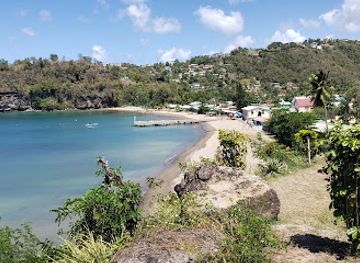
Laborie Quarter in Saint Lucia offers an enchanting blend of pristine landscapes, cultural heritage, and vibrant community life. Visitors can explore the picturesque Laborie Bay, where tranquil waters and golden sands create an ideal setting for relaxation and water activities. The charming village of Laborie itself is a treasure trove of history and culture, with its colorful Creole houses, bustling local markets, and the historic Church of the Purification of the Blessed Virgin Mary. For nature enthusiasts, the nearby Maria Islands Nature Reserve is a must-visit, offering unique flora and fauna and breathtaking views. Food lovers can indulge in authentic Saint Lucian cuisine at local eateries, savoring fresh seafood and traditional dishes. Throughout the year, Laborie hosts lively festivals and events, providing a glimpse into the island's rich traditions and community spirit. Whether you're strolling through its scenic streets or engaging with its warm-hearted residents, Laborie Quarter promises an unforgettable experience.
-
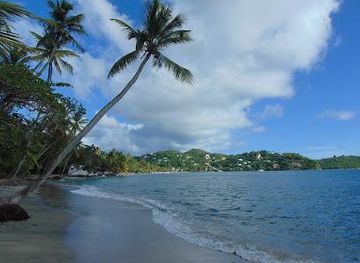
Beach
Laborie Beach
Experience the tranquil beauty and vibrant culture of Laborie Beach, a stunning destination in St. Lucia for relaxation and exploration.
-
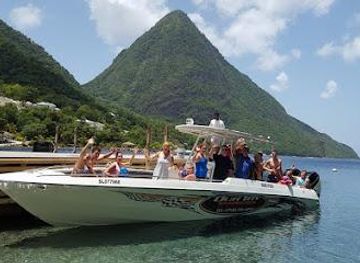
Sightseeing tour agency
Edmund Tours St.Lucia
Explore St. Lucia's breathtaking landscapes and rich culture with expert-guided tours from Edmund Tours, your gateway to unforgettable adventures.
-
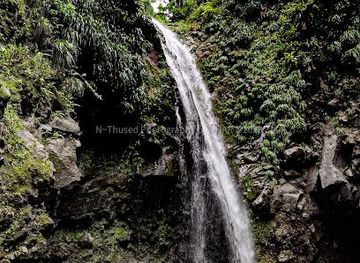
Tourist attraction
Falls Of Baleine
Discover the breathtaking beauty of the Falls of Baleine in Wallibou, a must-visit natural attraction in Saint Vincent and the Grenadines.
-
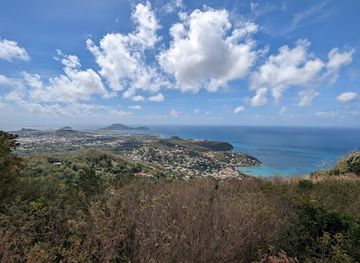
Nature preserve
Morne Le Blanc
Experience the breathtaking natural beauty of Morne Le Blanc, a tranquil nature preserve in St. Lucia, perfect for hiking and wildlife observation.
Best landmarks in Laborie Quarter
Nestled on the southwestern coast of Saint Lucia, Laborie Quarter is a treasure trove of cultural heritage and natural beauty, offering visitors a captivating blend of historic landmarks and picturesque scenery. The heart of the village is anchored by the charming Church of the Purification of the Blessed Virgin Mary, a testament to colonial architecture and community spirit. Stroll through the quaint streets to discover the vibrant Laborie Market, bustling with local vendors selling fresh produce and handmade crafts. Nature enthusiasts will be delighted by the Maria Islands Nature Reserve, a sanctuary for rare wildlife and endemic plants, accessible by a scenic boat ride. The lush Laborie Waterfall provides a serene escape, perfect for a refreshing dip or a peaceful picnic surrounded by verdant foliage. History buffs can explore the remnants of colonial-era sugar plantations, while the pristine beaches, such as Rudy John Beach Park, invite relaxation and water activities against the backdrop of stunning Caribbean sunsets.
-
 Resort hotel
Sandals Grande St. Lucian
Experience the ultimate tropical paradise at Sandals Grande St. Lucian, where luxury meets romance in the heart of St. Lucia.
-
Resort hotel
Royalton Saint Lucia, An Autograph Collection All-Inclusive Resort
Discover the ultimate tropical escape at Royalton Saint Lucia, where luxury meets the beauty of the Caribbean in an all-inclusive paradise.
-
Resort hotel
Sandals Regency La Toc
Experience luxury and romance at Sandals Regency La Toc, a stunning resort hotel in St. Lucia, perfect for unforgettable vacations and weddings.
-
Tourist attraction
Soufrière Drive In Volcano
Explore the breathtaking Soufrière Drive In Volcano in St. Lucia, where geothermal wonders and stunning landscapes await your discovery.
Explore Laborie Quarter on the map
Plan your trip on one map. See where the top cities, national parks and sights are, and book hotels and experiences in a few clicks.
Best hotels in Laborie Quarter
Best restaurants in Laborie Quarter
Laborie Quarter's dining scene is a vibrant tapestry of flavors and experiences, where traditional Creole dishes meet modern culinary artistry. Visitors can expect to savor fresh seafood caught daily by local fishermen, prepared with a tantalizing blend of island spices. Charming beachfront eateries offer the perfect backdrop for a leisurely meal, while tucked-away bistros serve up hearty, home-cooked fare that tells the story of the island's rich history. The local markets are a must-visit, brimming with exotic fruits, aromatic herbs, and handmade delicacies that provide an authentic taste of Saint Lucian culture. Whether enjoying a casual lunch with your toes in the sand or a romantic dinner under the stars, Laborie Quarter promises an unforgettable gastronomic journey.
-
Restaurant
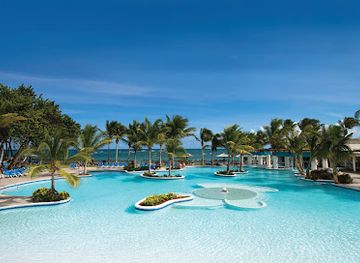
Coconut Bay Beach Resort & Spa
Experience luxury and tranquility at Coconut Bay Beach Resort & Spa in St. Lucia, where stunning beaches meet world-class amenities.
-
Restaurant
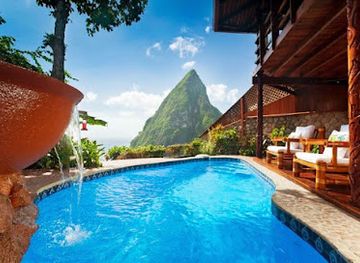
Ladera Resort
Experience luxury and nature at Ladera Resort in St. Lucia—where breathtaking views meet exquisite Caribbean cuisine.
-
Restaurant
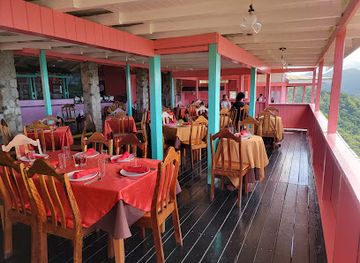
The Beacon Restaurant
Experience exquisite dining at The Beacon Restaurant in St. Lucia with stunning ocean views and delicious local cuisine.
-
Restaurant
Grill N Chill
Experience the authentic flavors of St. Lucia at Grill N Chill - where delicious food meets warm hospitality.
Best bars in Laborie Quarter
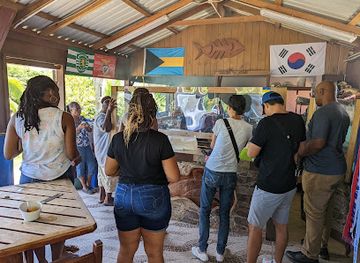
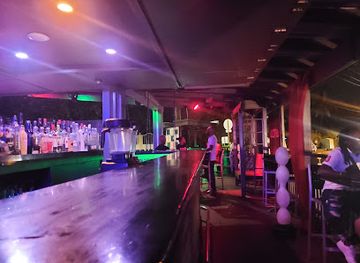
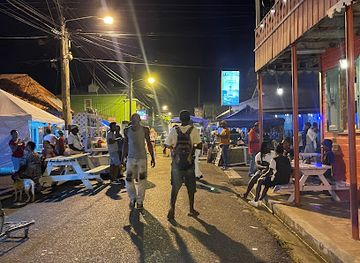
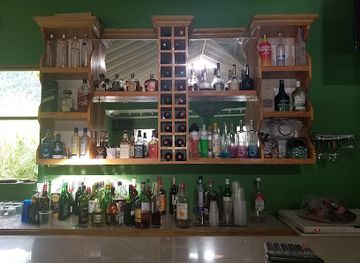
As the sun dips below the horizon, Laborie Quarter transforms into a vibrant haven of nocturnal charm, offering an eclectic mix of entertainment that draws both locals and tourists into its warm embrace. The heartbeat of the night can be felt in the lively bars and clubs that line the coastal village, where the rhythmic sounds of zouk, reggae, and soca music spill into the streets, inviting you to dance under the stars. Cozy beachside shacks serve tantalizing local rum punches and freshly caught seafood while offering an intimate setting for mingling and storytelling. For those seeking a more spirited experience, the local dance halls pulsate with energy, as skilled DJs and live bands keep the crowd moving until the early hours of the morning. Whether you're sipping a signature cocktail at a chic lounge or joining a spontaneous street party, the nightlife in Laborie Quarter promises an unforgettable blend of cultural richness and infectious energy.
-
Restaurant
Empire758
Discover the vibrant flavors of St. Lucia at Empire758, where Caribbean cuisine meets modern dining in a stunning setting.
-
Restaurant
Mama Tilly's Bar
Discover a slice of St. Lucian culture at Mama Tilly's Bar, where delightful cuisine meets a vibrant atmosphere in Laborie's heart.
-
Grill
Release Stress Bar
Discover the flavors of St. Lucia at Release Stress Bar, where delicious grilled cuisine meets a vibrant atmosphere in Black Bay Laborie.
-
Grill
Cool Joint
Discover the vibrant flavors of St. Lucia at Cool Joint, a must-visit grill and bar offering delicious cuisine and a welcoming atmosphere.

Best nightclubs in Laborie Quarter
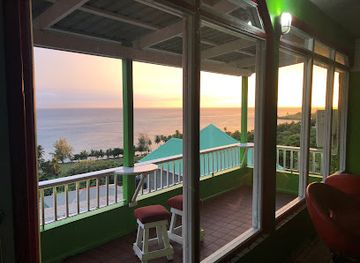
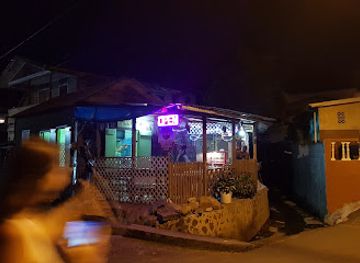
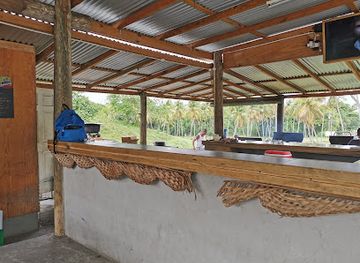
As the sun dips below the horizon, Laborie Quarter transforms into a vibrant haven of nocturnal charm, offering an eclectic mix of entertainment that draws both locals and tourists into its warm embrace. The heartbeat of the night can be felt in the lively bars and clubs that line the coastal village, where the rhythmic sounds of zouk, reggae, and soca music spill into the streets, inviting you to dance under the stars. Cozy beachside shacks serve tantalizing local rum punches and freshly caught seafood while offering an intimate setting for mingling and storytelling. For those seeking a more spirited experience, the local dance halls pulsate with energy, as skilled DJs and live bands keep the crowd moving until the early hours of the morning. Whether you're sipping a signature cocktail at a chic lounge or joining a spontaneous street party, the nightlife in Laborie Quarter promises an unforgettable blend of cultural richness and infectious energy.
-
Lounge
Ultra Lounge
Unwind at Ultra Lounge, Rodney Bay's top spot for cocktails, delicious food, and a vibrant nightlife experience in St. Lucia.
-
Tourist attraction
Friday Night Street Party
Dive into the lively Friday Night Street Party in Gros Islet, where delicious street food, vibrant music, and local culture come together for a night of unforgettable fun.
-
Bar
Bigger's Place
Bigger's Place in Fond St Jacques, St. Lucia, offers a lively bar experience with local drinks, a friendly atmosphere, and beautiful island vibes.
-
Grill
Bliss Nightlife
Discover the vibrant energy of Bliss Nightlife in Canaries, St. Lucia - where great food, drinks, and unforgettable experiences come together.

Best shops in Laborie Quarter
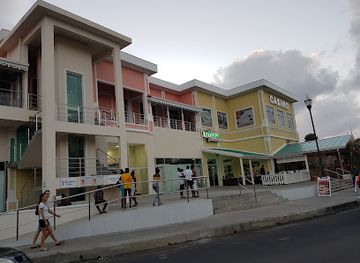
Nestled along the pristine southwestern coast of Saint Lucia, Laborie Quarter offers a unique and vibrant shopping experience for visitors looking to immerse themselves in local culture and craftsmanship. The bustling marketplace is a treasure trove of handmade crafts, from intricately woven baskets to vibrant batik fabrics, reflecting the island's rich heritage. Stroll through the charming streets lined with quaint boutiques and discover an array of locally-produced goods, including aromatic spices, cocoa products, and artisanal jewelry. The friendly local vendors are eager to share the stories behind their crafts, making each purchase a meaningful souvenir. Don't miss the opportunity to sample fresh produce and traditional treats at the weekly farmers' market, where the flavors and fragrances of Saint Lucia come alive in every bite.
-
Shopping mall
Baywalk Shopping Mall
Discover the vibrant atmosphere of Baywalk Shopping Mall in Rodney Bay, St. Lucia, offering a unique shopping experience combined with local culture and cuisine.
-
Shopping mall
Duty Free Pointe Seraphine Shopping Complex
Shop in style at Duty Free Pointe Seraphine, St. Lucia's premier destination for luxury goods and unique local crafts.
-
Supermarket
Gablewoods Mall
Explore Gablewoods Mall in St. Lucia for a unique shopping experience combining local charm and convenience.
-
Hotel
Balenbouche Estate
Experience the tranquil beauty and rich cultural heritage of Balenbouche Estate, a hidden gem in Saint Lucia, perfect for your next getaway.

Get your free copy of our complete guide to Laborie Quarter, delivered straight to you.
Everything on this page, from attractions and restaurants to essentials and local phrases, in one PDF you can read offline, print or share.
Already have an account? Sign in
Your Laborie Quarter guide is ready.
We'll send it to · Not you? Sign out

Getting your guide ready…
We are putting together a fresh copy of the Laborie Quarter guide. This can take up to a minute.
This can take a few moments. If your browser asks, choose Allow so the download can start. You'll find the guide in your Downloads folder.
Nothing happened? Download it again
Sorry, the guide is taking longer than usual. Please try again in a minute, or get it by email instead.
Laborie Quarter essentials
Currency and Payment
Safety
Emergency Situations
Do's and Don'ts
Local Tips
From Eve
Local phrases worth knowing
You don't need to get them perfect. A few words go a long way, and locals appreciate the effort.
Basics
| English | Local | Say it |
|---|---|---|
| Hello | Salut | [sah-loo] |
| Goodbye | Orevwa | [oh-reh-vwah] |
| Yes | Wi | [wee] |
| No | Non | [non] |
| Please/You’re welcome | Sil vou plé | [seel voo pleh] |
| Thank you | Mèsi | [meh-see] |
| Excuse me/Sorry | Eskizé | [es-kee-zay] |
| How are you? | Kijan ou yé? | [kee-zhan oo yay] |
| Fine. And you? | Byen. É ou? | [byen eh oo] |
| Do you speak English? | Es ou ka palé Anglé? | [es oo kah pah-lay ahn-glay] |
| I don't understand | Mwen pa konprann | [mwen pah kon-pran] |
Eating & Drinking
| English | Local | Say it |
|---|---|---|
| I’d like to see the menu, please | Mwen ta renmen wè meni an, sil vou plé | [mwen tah ren-men weh meh-nee ahn, seel voo pleh] |
| I don't eat meat | Mwen pa manzé vyann | [mwen pah man-zay vyahn] |
| Cheers! | Sante! | [sahn-tay] |
| I would like to pay, please | Mwen ta renmen peye, sil vou plé | [mwen tah ren-men pay-ay, seel voo pleh] |
Emergencies
| English | Local | Say it |
|---|---|---|
| Help! | Sos! | [sos] |
| Go away! | Alé a côté! | [ah-lay ah koh-tay] |
| Call the Police! | Appelé polis la! | [ah-peh-lay poh-lees lah] |
| Call a doctor! | Appelé on docteur! | [ah-peh-lay on docteur] |
| I’m lost | Mwen pèdi | [mwen peh-dee] |
| I’m ill | Mwen malad | [mwen mah-lahd] |
Shopping
| English | Local | Say it |
|---|---|---|
| I’d like to buy... | Mwen ta renmen achte... | [mwen tah ren-men ah-shtay] |
| I’m just looking | Mwen jis ka gade | [mwen jees kah gah-day] |
| How much is it? | Konbyen sa koute? | [kon-byen sah koo-tay] |
| That’s too expensive | Sa tro chè | [sah tro shay] |
| Can you lower the price? | Es ou ka baissé pri a? | [es oo kah beh-say pree ah] |
Time & Numbers
| English | Local | Say it |
|---|---|---|
| What time is it? | Ki lè sa? | [kee leh sah] |
| It’s one o'clock | Se in lò | [seh een loh] |
| Half past (10) | Mi lò (10) | [mee loh (10)] |
| Morning | Matin | [mah-tan] |
| Afternoon | Apre midi | [ah-preh mee-dee] |
| Evening | Swa | [swah] |
| Yesterday | Yè | [yeh] |
| Today | Jodi | [zoh-dee] |
| Tomorrow | Demain | [deh-mahn] |
| 1 | En | [ahn] |
| 2 | Dè | [deh] |
| 3 | Trè | [treh] |
| 4 | Katrè | [kah-tray] |
| 5 | Senk | [senk] |
| 6 | Sis | [sees] |
| 7 | Sèt | [set] |
| 8 | Huit | [weet] |
| 9 | Nèf | [neff] |
| 10 | Diz | [deez] |
Transport & Directions
| English | Local | Say it |
|---|---|---|
| Where's a/the...? | Koté a/sa...? | [koh-tay ah/sah] |
| What's the address? | Ki adrès la? | [kee ah-dress lah] |
| Can you show me (on the map)? | Es ou ka montré mwen (sou kat la)? | [es oo kah mon-tray mwen (soo kaht lah)] |
| When's the next (bus)? | Lè ki prochen (bis)? | [leh kee proh-shen (bees)] |
| A ticket (to ....) | On tikè (pou....) | [on tee-kay (poo....)] |
History of Laborie Quarter
The Indigenous Arawaks and Caribs
Laborie Quarter, like much of Saint Lucia, was originally inhabited by the Arawak people, who were later displaced by the more aggressive Caribs. These early inhabitants lived off the land and sea, leaving behind archaeological evidence of their presence, such as pottery shards and ancient tools.
French Colonial Influence
Laborie Quarter was named after Baron Jean de Laborie, a French nobleman who played a significant role in the island's early colonial history. The French established plantations and built the village of Laborie, which became a center of sugar and cocoa production. The layout and architecture of Laborie Village still reflect its French colonial past.
British-French Struggle for Dominance
Throughout the 18th century, Saint Lucia, including Laborie Quarter, was a strategic point of contention between the British and the French. The island changed hands multiple times during this period, leading to a blend of French and British cultural influences that are still evident today.
Emancipation and Agriculture
The abolition of slavery in 1834 brought significant changes to Laborie Quarter. Freed slaves established small farms and communities, contributing to the region's agricultural diversity. Laborie continued to thrive as a center for fishing and farming, with crops like bananas, coconuts, and spices becoming staples of the local economy.
The Laborie Fishermen's Cooperative
Founded in the mid-20th century, the Laborie Fishermen's Cooperative played a crucial role in the development of the local fishing industry. The cooperative provided support and resources to local fishermen, helping to modernize their practices and improve their livelihoods. This organization remains a cornerstone of the Laborie community.
Cultural Festivals and Traditions
Laborie Quarter is renowned for its vibrant cultural festivals, such as La Rose and La Marguerite, which celebrate the island's unique blend of African, French, and British heritage. These festivals feature traditional music, dance, and costumes, providing a glimpse into the rich cultural tapestry of Laborie.
Modern-Day Laborie
Today, Laborie Quarter is a picturesque and culturally vibrant region of Saint Lucia. The village of Laborie retains much of its historical charm, with its colorful wooden houses and narrow streets. Visitors can explore the local markets, enjoy fresh seafood, and experience the warm hospitality of the Laborians, who are proud of their heritage and eager to share it with others.
Laborie Quarter in Photos
Browse through our photo collection highlighting the charm and character of the destination.
Neighbouring regions of Laborie Quarter
The closest regions to Laborie Quarter, if you have time for more than one.
-

-
-

-

-


Swipe for more regions
Explore more

Explore more of Saint Lucia
Discover Saint Lucia, a Caribbean paradise with lush rainforests, pristine beaches, and vibrant culture. Perfect for adventure seekers and relaxation enthusiasts alike.
Explore Saint Lucia