

Free Vieux Fort Quarter Travel Guide & Mobile App
Explore Vieux Fort Quarter with free travel guides. Discover regional history, expert tips, proposed trips, and audio guides on web or mobile app.


Explore Vieux Fort Quarter in southern Saint Lucia for beaches, coastal scenery, local history, nature reserves and convenient access through Hewanorra Airport.
Read more about Vieux Fort Quarter
When is the best time to visit Vieux Fort Quarter?
Best: January–March · 30°C| Month | High (°C) | Rainfall (mm) |
|---|---|---|
| January (best) | 30 | 60 |
| February (best) | 30 | 50 |
| March (best) | 30 | 50 |
| April | 31 | 60 |
| May | 31 | 90 |
| June | 31 | 120 |
| July | 31 | 120 |
| August | 31 | 130 |
| September | 31 | 130 |
| October | 31 | 120 |
| November | 30 | 110 |
| December | 30 | 80 |
Getting to and around Vieux Fort Quarter
How to get there
Transportation
Top city travel guides in Vieux Fort Quarter
The cities of Vieux Fort Quarter, and the easiest places to base yourself.
-

-


Swipe for more cities
Best attractions in Vieux Fort Quarter
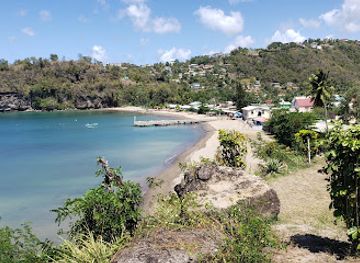
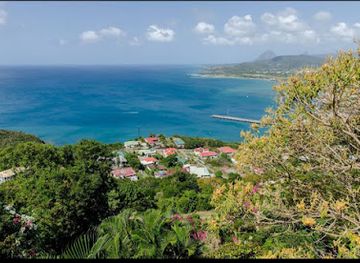
Vieux Fort Quarter’s attractions centre on open coast, protected nature and the lived-in character of southern Saint Lucia. Sandy Beach is one of the most accessible stretches of sand, with room for swimming when conditions permit, walking and views across the Atlantic-facing shore. Moule à Chique provides elevated coastal scenery and a sense of the quarter’s southern geography, while Savannes Bay and its surrounding lowlands offer quieter landscapes of fields, wetlands and fishing activity. Offshore, the Maria Islands Nature Reserve is the area’s most distinctive ecological attraction. The islands protect dry coastal habitats and support rare reptiles and nesting seabirds; visits should be arranged responsibly and can be affected by sea conditions. In Vieux Fort itself, everyday markets, local food outlets and the waterfront provide a more grounded alternative to resort sightseeing. The quarter also works well for birdwatching, photography, cycling and short coastal excursions, while the nearby countryside reveals a drier landscape than the rainforest-covered hills elsewhere in Saint Lucia. Visitors interested in aviation and modern infrastructure will recognise Hewanorra International Airport as a major part of the region’s contemporary identity, though it is primarily a transport gateway rather than a conventional tourist attraction.
-
Resort hotel
Coconut Bay Beach Resort & Spa
Discover luxury and relaxation at Coconut Bay Beach Resort & Spa in St. Lucia, where stunning views and indulgent amenities await every traveler.
-
Tour operator
Island Taxi & Tours
Explore the enchanting beauty and rich culture of La Resource, St. Lucia – your gateway to unforgettable adventures and stunning landscapes.
-
Tour operator
St Lucia Travel & Tours
Discover the magic of St. Lucia with personalized tours and reliable transportation, ensuring a memorable Caribbean adventure.
-
Tourist attraction
Maria Islands Nature Reserve
Discover the pristine beauty of Maria Islands Nature Reserve, a sanctuary of biodiversity and a haven for adventure seekers in St. Lucia.




Best landmarks in Vieux Fort Quarter
Moule à Chique is Vieux Fort Quarter’s most recognisable natural landmark, a prominent southern headland rising above the coast and helping define the approach to the island’s southern tip. Its elevated position gives the surrounding shoreline a broad geographical context, from the Atlantic coast towards the lowlands and offshore waters. Hewanorra International Airport is another defining feature of the quarter, not for monumental architecture but for its role in Saint Lucia’s modern history and its transformation of the south into an international gateway. The broad coastal setting of Sandy Beach is significant as a landscape landmark, contrasting with the steep volcanic terrain that dominates much of the island. Offshore, the Maria Islands form a visible and ecologically important group whose dry island habitats differ from Saint Lucia’s wetter interior. Vieux Fort’s historic town fabric and working waterfront are less monumental than the island’s famous churches or Piton landscapes, yet they express the quarter’s identity as a place shaped by trade, fishing, transport and local commerce. Together these landmarks show how geography and infrastructure, rather than grand architecture alone, define southern Saint Lucia.
-
Tourist attraction
Soufrière Drive In Volcano
Experience the world's only drive-in volcano at Soufrière Drive In Volcano, featuring steaming springs and rejuvenating mud baths in St. Lucia's lush tropical paradise.
-
Island
Saint Lucia
Experience the breathtaking beauty and vibrant culture of Saint Lucia, where adventure meets tranquility in a tropical paradise.
-
 Resort hotel
Sugar Beach, a Viceroy Resort
Discover the epitome of luxury and relaxation at Sugar Beach, a Viceroy Resort, nestled between the iconic Pitons in Saint Lucia.
-
Resort hotel
Coconut Bay Beach Resort & Spa
Experience the ultimate tropical getaway at Coconut Bay Beach Resort & Spa, where luxury meets adventure on the stunning shores of St. Lucia.
Explore Vieux Fort Quarter on the map
Plan your trip on one map. See where the top cities, national parks and sights are, and book hotels and experiences in a few clicks.
Best hotels in Vieux Fort Quarter
Best restaurants in Vieux Fort Quarter
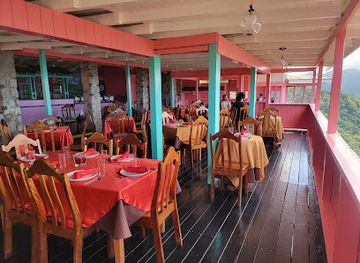
Dining in Vieux Fort Quarter is practical, locally rooted and influenced by the area’s coastal and agricultural setting. Small restaurants, takeaway counters and food stalls commonly serve Saint Lucian staples such as rice and peas, green bananas, ground provisions, stewed meats, grilled chicken and fresh fish, with seasoning shaped by wider Caribbean traditions. Seafood is particularly appropriate near fishing communities, although availability varies with weather and the daily catch. Around Vieux Fort and the airport corridor, visitors will find a mixture of Creole cooking, Caribbean comfort food, cafés and hotel restaurants, while rural areas offer fewer choices and may require planning. Local fruit, vegetables and spices are useful discoveries at markets and small shops, and rum-based drinks feature in the island’s wider culinary culture. Service may be informal, and opening arrangements can change, so it is wise to ask locally about the day’s options rather than expecting a dense restaurant district. The quarter’s food scene is best understood through its relationship with ordinary southern life, not as a resort dining centre.
-
Resort hotel
Coconut Bay Beach Resort & Spa
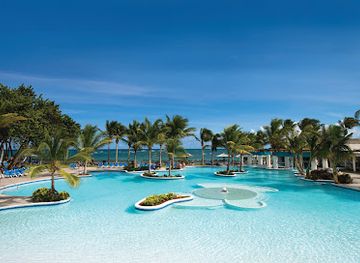
Saint Lucia's all-inclusive paradise: family waterpark thrills meet adults-only oceanfront serenity, nine dining gems, spa bliss, and endless adventures on 85 beachfront acres.
-
Restaurant
The Beacon Restaurant
Discover culinary excellence at The Beacon Restaurant in St. Lucia - where stunning views meet delectable flavors.
-
Restaurant
Island Breeze Bar & Grill
Experience authentic Caribbean cuisine with stunning ocean views at Island Breeze Bar & Grill in St. Lucia.
-
Restaurant
Grill N Chill
Experience authentic Caribbean cuisine at Grill N Chill in Vieux Fort, St. Lucia - where flavors come alive in a cozy setting.


Best bars in Vieux Fort Quarter
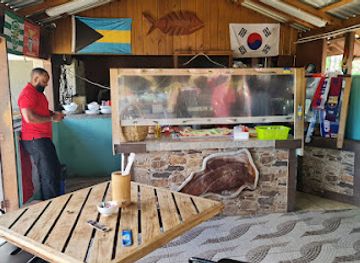
Evening life in Vieux Fort Quarter is modest and locally oriented rather than built around a large club district. Vieux Fort town has bars, rum shops, casual restaurants and places where residents meet for conversation, televised sport or music, while hotel properties near the airport may provide a quieter, more structured evening. Live music and social events can appear on particular nights, but schedules and venues change, so local enquiries are more reliable than assuming a fixed programme. The quarter’s coastal setting can support relaxed sunset drinks, although exposed beaches are not automatically developed nightlife areas and should be treated cautiously after dark. Visitors looking for late-night entertainment may find a smaller choice here than in Saint Lucia’s principal resort areas, but that is balanced by a less commercial atmosphere and opportunities to experience everyday southern social life. Drink responsibly, arrange transport in advance when leaving town and respect residential streets and community spaces.
-
Bar
Island Breeze Bar & Grill
Discover the culinary delights and vibrant atmosphere of Island Breeze Bar & Grill, the perfect tropical escape in St. Lucia.
-
Restaurant
Lushe Restaurant and Bar
Explore the vibrant culinary scene at Lushe Restaurant and Bar in Vieux Fort, St. Lucia, where local flavors and a welcoming atmosphere await every visitor.
-
Grill
Release Stress Bar
Experience delicious Caribbean flavors at Release Stress Bar, a serene grill in the heart of St. Lucia's Black Bay Laborie.
-
Grill
Kitch's Beach Bar
Experience the best of St. Lucia at Kitch's Beach Bar—where delicious grilled fare meets the stunning Caribbean coast.



Best nightclubs in Vieux Fort Quarter
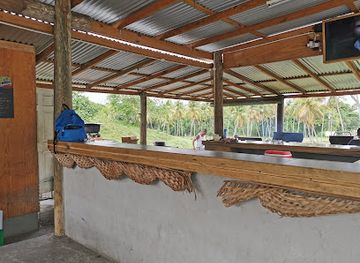
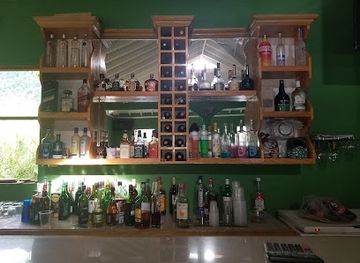
Evening life in Vieux Fort Quarter is modest and locally oriented rather than built around a large club district. Vieux Fort town has bars, rum shops, casual restaurants and places where residents meet for conversation, televised sport or music, while hotel properties near the airport may provide a quieter, more structured evening. Live music and social events can appear on particular nights, but schedules and venues change, so local enquiries are more reliable than assuming a fixed programme. The quarter’s coastal setting can support relaxed sunset drinks, although exposed beaches are not automatically developed nightlife areas and should be treated cautiously after dark. Visitors looking for late-night entertainment may find a smaller choice here than in Saint Lucia’s principal resort areas, but that is balanced by a less commercial atmosphere and opportunities to experience everyday southern social life. Drink responsibly, arrange transport in advance when leaving town and respect residential streets and community spaces.
-
Grill
Kitch's Beach Bar
Experience the vibrant flavors and relaxing atmosphere of Kitch's Beach Bar in Vieux Fort, St. Lucia - a perfect blend of local culture and delicious cuisine.
-
Bar
Bigger's Place
Experience the vibrant local culture and flavors at Bigger's Place, a cozy bar in Fond St Jacques, St. Lucia, perfect for tourists and locals alike.
-
Grill
Bliss Nightlife
Discover the vibrant nightlife at Bliss Nightlife in Canaries, St. Lucia, where great food and lively atmosphere await.
-
Bar
Phenomenal Bar
Immerse yourself in the lively ambiance of Phenomenal Bar in Vieux Fort, St. Lucia, with great drinks and danceable music.


Best shops in Vieux Fort Quarter
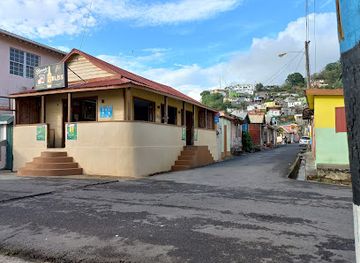
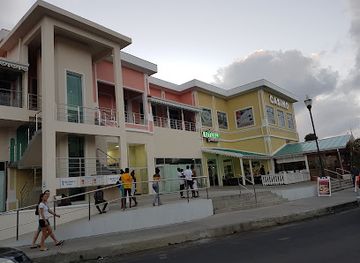
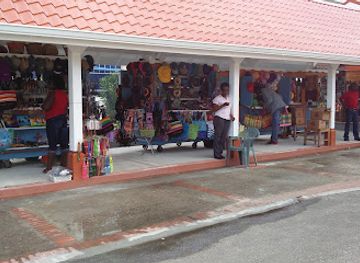
Shopping in Vieux Fort Quarter is centred on practical town commerce, local markets, small food shops and independent vendors rather than extensive luxury retail. Vieux Fort is the main place to buy everyday supplies, snacks, fresh produce and locally prepared food, while smaller settlements have a more limited range. Visitors can look for Saint Lucian spices, cocoa products, rum, sauces, fruit preserves and packaged provisions as useful regional purchases, checking labelling and customs rules before taking food home. Craft sellers may offer jewellery, textiles, woodwork or other Caribbean-inspired items, though stock and locations vary more than in the island’s principal resort districts. Airport shops provide a convenient final opportunity for gifts, but buying in town or at a local market can give a better sense of the quarter’s ordinary retail life. Bargaining is not appropriate everywhere, so ask politely whether a price is fixed. Carry cash for smaller vendors and remember that market activity is generally liveliest earlier in the day.
-
Shopping mall
Baywalk Shopping Mall
Experience the vibrant shopping, dining, and entertainment at Baywalk Shopping Mall in Rodney Bay, St. Lucia, perfect for every tourist's needs.
-
Supermarket
Uptowns Liquor and Grocery Store
Discover Uptowns Liquor and Grocery Store in Vieux Fort, St. Lucia for an exceptional selection of groceries and liquor amidst a friendly atmosphere.
-
Shopping mall
Duty Free Pointe Seraphine Shopping Complex
Explore luxury shopping with unbeatable duty-free prices at Duty Free Pointe Seraphine Shopping Complex in beautiful St. Lucia.
-
Supermarket
Massy Stores
Explore Massy Stores in Vieux Fort for a unique grocery shopping experience filled with local flavors and international goods.


Get your free copy of our complete guide to Vieux Fort Quarter, delivered straight to you.
Everything on this page, from attractions and restaurants to essentials and local phrases, in one PDF you can read offline, print or share.
Already have an account? Sign in
Your Vieux Fort Quarter guide is ready.
We'll send it to · Not you? Sign out

Getting your guide ready…
We are putting together a fresh copy of the Vieux Fort Quarter guide. This can take up to a minute.
This can take a few moments. If your browser asks, choose Allow so the download can start. You'll find the guide in your Downloads folder.
Nothing happened? Download it again
Sorry, the guide is taking longer than usual. Please try again in a minute, or get it by email instead.
Vieux Fort Quarter essentials
Currency and Payment
Safety
Emergency Situations
Do's and Don'ts
Local Tips
History of Vieux Fort Quarter
Indigenous Settlement and the Southern Coast
Long before European colonisation, Saint Lucia was inhabited by Indigenous peoples whose communities used the island’s coastal and inland resources. The southern plains, bays and offshore islets around present-day Vieux Fort offered access to fishing grounds, freshwater and transport routes. Archaeological evidence across Saint Lucia is limited and unevenly preserved, but Indigenous heritage remains an important part of the island’s early history. The name Hewanorra, now associated with the international airport, recalls the island’s Indigenous past.
French and British Rivalry in Saint Lucia
Saint Lucia changed hands repeatedly between France and Britain during the colonial period, as both powers valued its position in the eastern Caribbean. Vieux Fort’s southern location gave it strategic importance, and the settlement developed around coastal defence and maritime access. The competing colonial influences shaped the island’s legal, linguistic and cultural history. British control was confirmed in 1814, after which Saint Lucia remained a British colony until independence in 1979.
Plantations, Enslavement and Emancipation
The fertile southern lowlands and surrounding estates became associated with plantation agriculture, including sugar and other export crops. This economy depended on the forced labour of enslaved Africans, whose descendants form the core of Saint Lucia’s Afro-Caribbean population. Emancipation in the British Caribbean took effect in the 1830s, though former plantation communities continued to face economic inequality and restricted access to land. The quarter’s rural landscapes and settlement patterns still reflect this plantation era and its unresolved legacies.
The Development of Vieux Fort as a Port and Town
Vieux Fort grew as a southern commercial and transport centre, serving agriculture, fishing and movement between Saint Lucia and other Caribbean destinations. Its position beside a broad coastal plain made it different from the island’s more mountainous settlements. The town’s importance expanded as roads, public services and regional commerce developed. Although modern Vieux Fort is not dominated by monumental colonial architecture, its streets, waterfront activity and surrounding fields reflect the long relationship between the southern quarter, trade and working communities.
Hewanorra and the Aviation Era
The establishment and expansion of aviation facilities near Vieux Fort transformed the quarter’s relationship with the wider world. Hewanorra International Airport became Saint Lucia’s principal airport for many international arrivals and an important source of employment and infrastructure in the south. Aviation also encouraged hotel development, road improvements and wider tourism activity, while preserving Vieux Fort’s role as an everyday commercial centre. The airport remains one of the clearest modern influences on the quarter’s geography.
Independence and Contemporary Southern Saint Lucia
Saint Lucia became an independent state in 1979 while retaining membership of the Commonwealth. Since independence, Vieux Fort Quarter has balanced tourism and international transport with fishing, small businesses, public services and agriculture. Conservation has also grown in importance, particularly around the Maria Islands and coastal habitats. Contemporary Vieux Fort therefore combines the legacies of colonial rivalry and plantation society with a modern airport economy, local enterprise and efforts to protect southern Saint Lucia’s distinctive dry coastal environment.
Vieux Fort Quarter in Photos
Browse through our photo collection highlighting the charm and character of the destination.
Neighbouring regions of Vieux Fort Quarter
The closest regions to Vieux Fort Quarter, if you have time for more than one.
-

-

-
-

-


Swipe for more regions
Explore more

Explore more of Saint Lucia
Discover Saint Lucia, a Caribbean paradise with lush rainforests, pristine beaches, and vibrant culture. Perfect for adventure seekers and relaxation enthusiasts alike.
Explore Saint Lucia