

Free Charlottetown Travel Guide & Mobile App
Plan your Charlottetown trip with Evendo. Get free guides to top attractions, restaurants, hotels, and bars. Web access or download the mobile app.


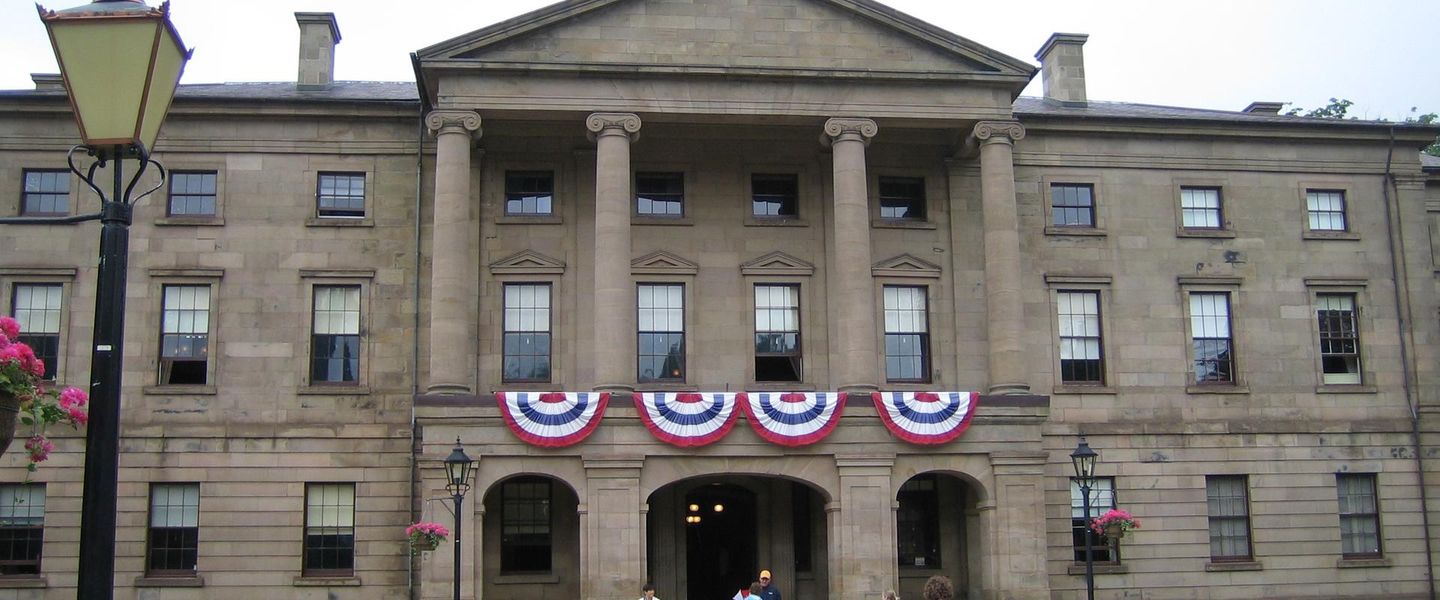


Charlottetown, Canada blends Confederation history, red-brick streets, waterfront walks, Island seafood, live theatre and welcoming cultural experiences.
Confederation and the Waterfront
Charlottetown is the compact seaside capital of Prince Edward Island, set around a sheltered harbour where the Hillsborough River meets the Northumberland Strait. Its importance in Canadian history is closely tied to the Charlottetown Conference of 1864, the meeting that helped set Confederation in motion. Province House, the elegant seat of the Prince Edward Island legislature, remains at the centre of that story, while the Confederation Centre of the Arts gives the city a strong contemporary cultural presence.Read more about Charlottetown
Red-Brick Streets and Island Character
Culture, Food and Open Horizons
When is the best time to visit Charlottetown?
Best: June–August · 21–24°C| Month | High (°C) | Rainfall (mm) |
|---|---|---|
| January | -3 | 112 |
| February | -2 | 90 |
| March | 3 | 79 |
| April | 9 | 67 |
| May | 15 | 57 |
| June (best) | 21 | 63 |
| July (best) | 24 | 74 |
| August (best) | 24 | 70 |
| September | 19 | 60 |
| October | 13 | 77 |
| November | 7 | 97 |
| December | 1 | 118 |
Getting to and around Charlottetown
How to get there
Transportation
Best attractions in Charlottetown
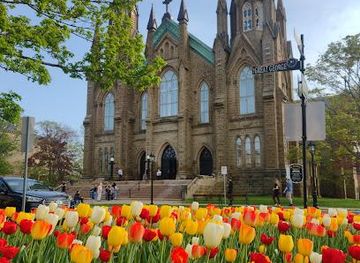
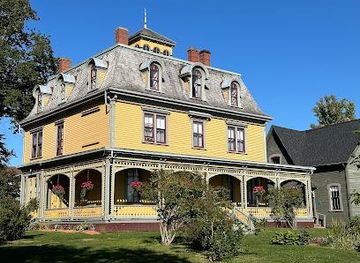
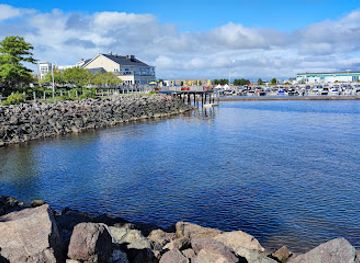
Charlottetown's principal attractions cluster within an easily walkable historic centre. Province House National Historic Site introduces the political story of the 1864 Charlottetown Conference, while the Confederation Centre of the Arts combines galleries, theatre and Canadian cultural exhibitions in the heart of downtown. St Dunstan's Basilica, with its soaring interior and Gothic Revival character, is one of the city's most recognisable religious buildings. Beaconsfield Historic House offers a more intimate view of Victorian domestic life, and the Great George Street and Olde Charlottetown Waterfront areas provide attractive routes between heritage buildings, public spaces and harbour views. Victoria Row brings pedestrian activity, seasonal dining and street life to a narrow historic lane, while Peake's Wharf presents a more maritime setting beside the water. The city's compact scale makes it possible to combine formal museums and historic properties with independent galleries, cafés, public art and unhurried walks along the shoreline.
-
Park
Confederation Landing
Explore Confederation Landing in Charlottetown, PE – A Historical Park with Stunning Waterfront Views and Vibrant Local Culture.
12 min drive · 3.9 km from city centre
-
Catholic cathedral
St. Dunstan's Basilica
Explore the stunning architecture and rich history of St. Dunstan's Basilica, a must-visit landmark in Charlottetown, Prince Edward Island.
11 min drive · 3.7 km from city centre
-
Tourist attraction
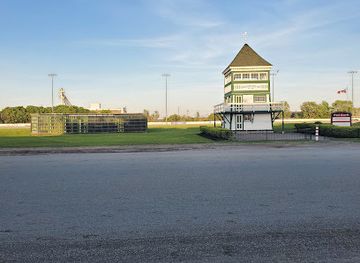
Red Shores Racetrack & Casino
Discover the excitement of horse racing and gaming at Red Shores Racetrack & Casino, a premier entertainment destination in Charlottetown, PE.
8 min drive · 2.6 km from city centre
-
Museum
Beaconsfield Historic House
Discover the elegance of Victorian life at Beaconsfield Historic House, a premier museum and historical attraction in Charlottetown, PEI.
12 min drive · 3.8 km from city centre

Best landmarks in Charlottetown
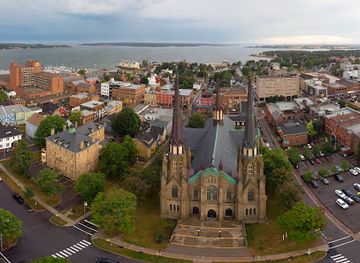
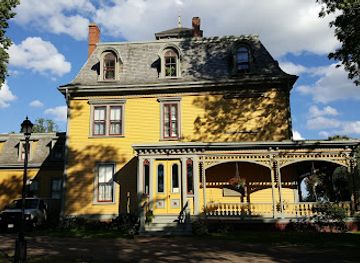
Province House National Historic Site is Charlottetown's defining civic landmark, an early Victorian building associated with the 1864 conference that advanced the idea of Canadian Confederation. Nearby St Dunstan's Basilica dominates the skyline with its twin towers and richly decorated interior, representing the long-established Roman Catholic community of the island. Great George Street forms an important historic axis towards the harbour, lined with buildings that reflect the capital's colonial and Victorian development. Beaconsfield Historic House preserves the scale and detail of nineteenth-century domestic architecture, while Government House, also known as Fanningbank, represents the ceremonial side of colonial administration in its landscaped setting. The Confederation Centre of the Arts adds a modern national cultural landmark to the historic core. Together, these buildings express Charlottetown's roles as port, provincial capital, religious centre and symbolic birthplace of Confederation.
-
Park
Confederation Landing
Discover Charlottetown's Confederation Landing: a scenic waterfront park with historical significance & vibrant atmosphere, celebrating Canada's birthplace.
12 min drive · 3.9 km from city centre
-
Catholic cathedral
St. Dunstan's Basilica
Discover St. Dunstan's Basilica in Charlottetown: A stunning example of Gothic Revival architecture and a symbol of Prince Edward Island's rich history.
11 min drive · 3.7 km from city centre
-
Museum
Beaconsfield Historic House
Experience Victorian elegance at Beaconsfield Historic House in Charlottetown, PEI. Explore history, architecture, and culture in a beautifully preserved mansion.
12 min drive · 3.8 km from city centre
-
Historical place
Prince Edward Battery
Explore Charlottetown's colonial past at Prince Edward Battery in Victoria Park, offering history and scenic waterfront views.
13 min drive · 4.3 km from city centre
Explore Charlottetown on the map
Plan your Charlottetown trip on one map. See where the top attractions, landmarks, restaurants, bars and hotels are, find what's near where you're staying, and book hotels and experiences in a few clicks.
Best hotels in Charlottetown
Best restaurants in Charlottetown
Charlottetown's dining identity is closely tied to Prince Edward Island's farmland and surrounding waters. Menus commonly feature oysters, mussels, lobster, scallops, clams and local fish, alongside the island's famous potatoes and other seasonal produce. Downtown restaurants range from polished dining rooms to casual seafood counters, cafés and bakeries, with Victoria Row and the waterfront providing particularly central settings during the warmer months. The Charlottetown Farmers' Market brings together growers, bakers, prepared-food producers and small food businesses, reflecting the island's strong farm-to-table culture. Craft beverages and contemporary Atlantic Canadian cooking often sit alongside traditional seafood preparations, while Indigenous and international influences broaden the scene beyond regional staples. Seasonal availability matters, and menus can change with the fishing calendar and the agricultural year.
-
Breakfast
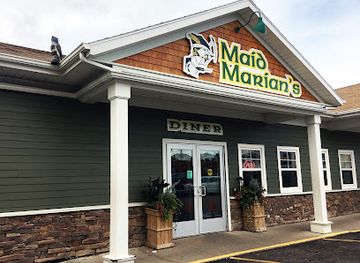
Maid Marian's Diner
Experience the charm of Maid Marian's Diner in Charlottetown – your go-to spot for delicious breakfasts and homemade pies.
16 min walk · 1.3 km from city centre
-
Seafood
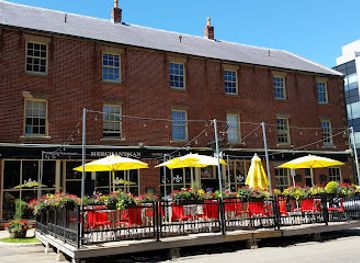
Merchantman Fresh Seafood & Oyster Bar
Discover the best fresh seafood and oysters at Merchantman Fresh Seafood & Oyster Bar in Charlottetown - A true taste of Prince Edward Island.
12 min drive · 3.9 km from city centre
-
Restaurant
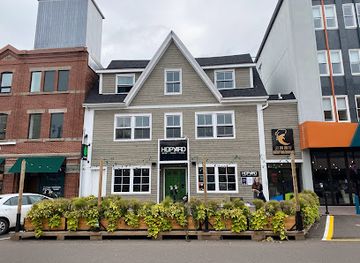
Hopyard
Experience the vibrant flavors of Hopyard in Charlottetown - where fusion cuisine meets local charm amidst live music.
10 min drive · 3.4 km from city centre
-
Restaurant
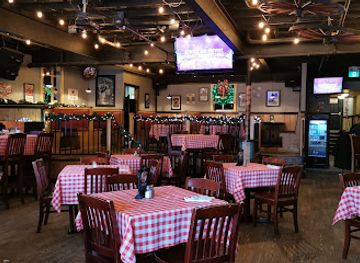
Montana’s BBQ & Bar
Experience delicious barbecue dishes at Montana's BBQ & Bar in Charlottetown – where great food meets lively atmosphere!
13 min walk · 1.0 km from city centre

Best bars in Charlottetown
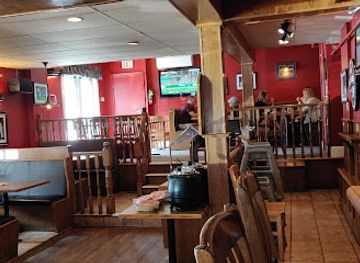
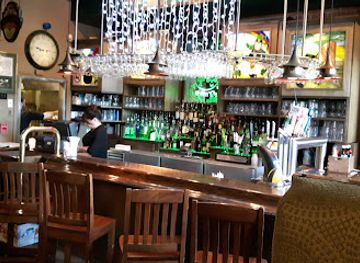
Charlottetown's evening scene is concentrated in and around the downtown core rather than spread across a large club district. Victoria Row, Queen Street and the waterfront offer pubs, bars and restaurants where evenings tend to begin over local drinks, live music or conversation. The Confederation Centre of the Arts provides a major cultural focus, with theatre, musical performances and other programming adding an alternative to bar-based nightlife. Smaller venues and seasonal events may feature folk, rock and other live music, reflecting Prince Edward Island's strong musical traditions. The atmosphere is generally sociable and relaxed, with activity shaped by the summer visitor season and by performances taking place in the city. Visitors should expect a compact evening circuit rather than a late-night metropolis, and should check current arrangements for individual venues.
-
Bar
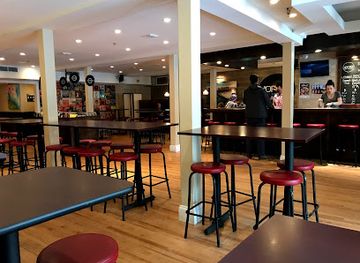
Hopyard
Discover Hopyard in Charlottetown: An eclectic fusion restaurant and bar offering delicious food, craft beers, and live music for an unforgettable dining experience.
10 min drive · 3.4 km from city centre
-
Bar
Hunter's Ale House
Discover the vibrant atmosphere and diverse menu at Hunter's Ale House, a premier bar and restaurant in the heart of Charlottetown, PE.
10 min drive · 3.3 km from city centre
-
Pub
Olde Dublin Pub
Discover the welcoming atmosphere and delicious flavors of Olde Dublin Pub, the perfect spot for food and drinks in Charlottetown.
11 min drive · 3.7 km from city centre
-
Bar
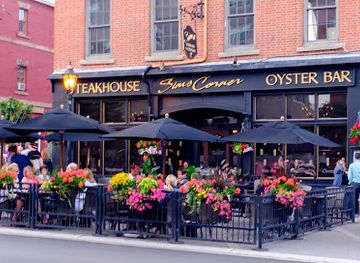
Sims Corner Steakhouse & Oyster Bar
Experience the finest steaks and fresh oysters at Sims Corner Steakhouse & Oyster Bar, a culinary highlight in Charlottetown, PE.
11 min drive · 3.7 km from city centre
Best nightclubs in Charlottetown
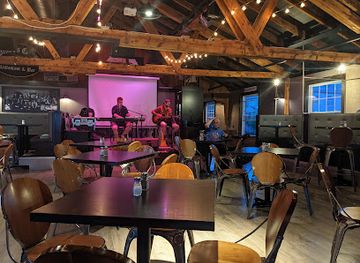
Charlottetown's evening scene is concentrated in and around the downtown core rather than spread across a large club district. Victoria Row, Queen Street and the waterfront offer pubs, bars and restaurants where evenings tend to begin over local drinks, live music or conversation. The Confederation Centre of the Arts provides a major cultural focus, with theatre, musical performances and other programming adding an alternative to bar-based nightlife. Smaller venues and seasonal events may feature folk, rock and other live music, reflecting Prince Edward Island's strong musical traditions. The atmosphere is generally sociable and relaxed, with activity shaped by the summer visitor season and by performances taking place in the city. Visitors should expect a compact evening circuit rather than a late-night metropolis, and should check current arrangements for individual venues.
-
Night club
Peakes Quay Restaurant & Bar
Experience the vibrant culinary scene at Peakes Quay Restaurant & Bar, offering fresh seafood, craft cocktails, and a lively nightlife in Charlottetown.
12 min drive · 3.9 km from city centre
-
Pub
Baba's Lounge
Discover Baba's Lounge in Charlottetown, a cozy pub offering delectable food, craft cocktails, and vibrant nightlife in a welcoming atmosphere.
10 min drive · 3.4 km from city centre
-
Night club
The Factory Downtown
Discover the lively nightlife at The Factory Downtown, a top-rated nightclub, bar, and restaurant in Charlottetown, Prince Edward Island.
10 min drive · 3.3 km from city centre
-
Bar
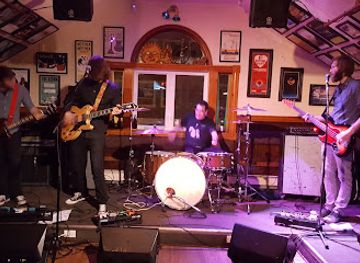
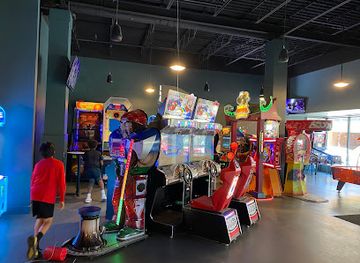
PonyBoat Social Club
Experience the lively PonyBoat Social Club in Charlottetown, where games and cocktails blend for an unforgettable night out.
10 min drive · 3.3 km from city centre
Best shops in Charlottetown
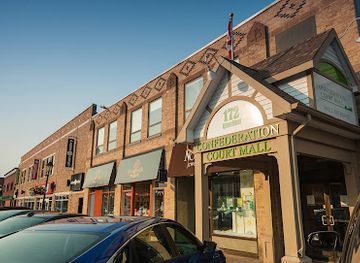
Charlottetown's shopping is centred on independent businesses, local makers and small downtown streets rather than a large luxury retail district. Queen Street and the surrounding historic core contain boutiques, galleries, bookshops, craft retailers and shops selling Prince Edward Island foods and gifts, while Victoria Row combines heritage architecture with seasonal retail and outdoor activity. The Charlottetown Farmers' Market is a useful place to find island produce, preserves, baked goods, prepared foods and work by local producers. Visitors may also encounter pottery, textiles, artwork, woodwork and other Atlantic Canadian crafts, with selection changing according to the season. The Confederation Court Mall provides a more conventional central shopping option, while larger commercial areas outside the historic core serve everyday needs. Local food products are often more distinctive souvenirs than generic merchandise, particularly when bought from established producers.
-
Shopping mall
Royalty Crossing
Discover the lively Royalty Crossing Shopping Mall in Charlottetown, where shopping meets local culture and diverse dining options await.
9 min walk · 0.7 km from city centre
-
Department store
Walmart Supercentre
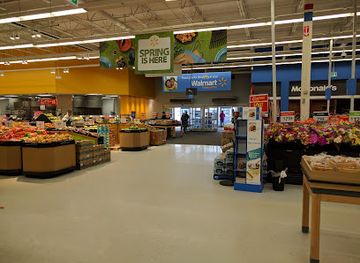
Explore the extensive selection of groceries, clothing, electronics, and more at Walmart Supercentre in Charlottetown, PE.
18 min walk · 1.4 km from city centre
-
Shopping mall
SmartCentres Charlottetown
Experience the ultimate shopping destination in Charlottetown at SmartCentres, featuring top brands, delicious dining, and exciting events.
5 min drive · 1.6 km from city centre
-
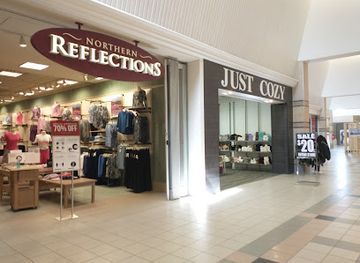
Shopping mall
Confederation Court Mall
Experience the vibrant shopping scene and local culture at Confederation Court Mall in Charlottetown, the heart of Prince Edward Island.
10 min drive · 3.5 km from city centre

Get your free copy of our complete guide to Charlottetown, delivered straight to you.
Everything on this page, from attractions and restaurants to essentials and local phrases, in one PDF you can read offline, print or share.
Already have an account? Sign in
Your Charlottetown guide is ready.
We'll send it to · Not you? Sign out

Getting your guide ready…
We are putting together a fresh copy of the Charlottetown guide. This can take up to a minute.
This can take a few moments. If your browser asks, choose Allow so the download can start. You'll find the guide in your Downloads folder.
Nothing happened? Download it again
Sorry, the guide is taking longer than usual. Please try again in a minute, or get it by email instead.
Charlottetown essentials
Currency and Payment
Safety
Emergency Situations
Do's and Don'ts
Local Tips
From Eve
Local phrases worth knowing
You don't need to get them perfect. A few words go a long way, and locals appreciate the effort.
Basics
| English | Local | Say it |
|---|---|---|
| Hello | Bonjour | [bon-zhoor] |
| Goodbye | Au revoir | [o re-vwar] |
| Yes | Oui | [wee] |
| No | Non | [nohn] |
| Please/You're welcome | S'il vous plaît / De rien | [seel voo pleh / duh ryen] |
| Thank you | Merci | [mehr-see] |
| Excuse me/Sorry | Excusez-moi/Désolé | [ex-kyoo-zay mwah / day-zoh-lay] |
| How are you? | Comment ça va? | [koh-mahn sah vah] |
| Fine. And you? | Bien. Et toi? | [byen. ay twah] |
| Do you speak English? | Parlez-vous anglais? | [par-lay voo ahn-glay] |
| I don't understand | Je ne comprends pas | [zhuh nuh kohm-prahn pah] |
Eating & Drinking
| English | Local | Say it |
|---|---|---|
| I'd like to see the menu, please | Je voudrais voir le menu, s'il vous plaît | [zhuh voo-dray vwar luh muh-nyoo, seel voo pleh] |
| I don't eat meat | Je ne mange pas de viande | [zhuh nuh mahnj pah duh vee-and] |
| Cheers! | Santé! | [sahn-tay] |
| I would like to pay, please | Je voudrais payer, s'il vous plaît | [zhuh voo-dray pay-yay, seel voo pleh] |
Emergencies
| English | Local | Say it |
|---|---|---|
| Help! | À l'aide! | [ah layd] |
| Go away! | Allez-vous en! | [ah-lay voo zahn] |
| Call the Police! | Appelez la police! | [ah-puh-lay lah puh-lees] |
| Call a doctor! | Appelez un docteur! | [ah-puh-lay uh dohk-tuhr] |
| I'm lost | Je suis perdu | [zhuh swee pair-doo] |
| I'm ill | Je suis malade | [zhuh swee mah-lahd] |
Shopping
| English | Local | Say it |
|---|---|---|
| I'd like to buy... | Je voudrais acheter... | [zhuh voo-dray ah-shuh-tay] |
| I'm just looking | Je regarde juste | [zhuh ruh-gard zhoost] |
| How much is it? | Combien ça coûte? | [kohm-byen sah koot] |
| That's too expensive | C'est trop cher | [say troh shair] |
| Can you lower the price? | Pouvez-vous baisser le prix? | [poo-vez voo bay-say luh pree] |
Time & Numbers
| English | Local | Say it |
|---|---|---|
| What time is it? | Quelle heure est-il? | [kell ur ay teel] |
| It's one o'clock | Il est une heure | [eel ay tun ur] |
| Half past (10) | Dix heures et demie | [deez ur eh duh-mee] |
| Morning | Matin | [mah-tahn] |
| Afternoon | Après-midi | [ah-pray mee-dee] |
| Evening | Soir | [swahr] |
| Yesterday | Hier | [yehr] |
| Today | Aujourd'hui | [oh-zhoor-dwee] |
| Tomorrow | Demain | [duh-mahn] |
| 1 | Un | [uh] |
| 2 | Deux | [duh] |
| 3 | Trois | [twah] |
| 4 | Quatre | [kat] |
| 5 | Cinq | [sank] |
| 6 | Six | [sees] |
| 7 | Sept | [set] |
| 8 | Huit | [weet] |
| 9 | Neuf | [nurf] |
| 10 | Dix | [dee] |
Transport & Directions
| English | Local | Say it |
|---|---|---|
| Where's a/the...? | Où est...? | [oo ay] |
| What's the address? | Quelle est l'adresse? | [kell ay la-dress] |
| Can you show me (on the map)? | Pouvez-vous me montrer (sur la carte)? | [poo-vez voo muh mohn-tray (soor lah kart)] |
| When's the next (bus)? | Quand est le prochain (autobus)? | [kahn ay luh pro-shahn (oh-toh-bus)] |
| A ticket (to ....) | Un billet (pour ....) | [uhn bee-yay (poor)] |
History of Charlottetown
Mi'kmaq Homeland and Early Settlement
The land around Charlottetown lies within Epekwitnewaq Mi'kmaq territory, traditionally known as Epekwitk, and Mi'kmaq communities have maintained enduring connections with Prince Edward Island. European settlement expanded after the island, then called St John's Island, came under British control following the Seven Years' War. In 1764, Captain Samuel Holland surveyed the island and selected the meeting point of the Hillsborough, York and Eliot rivers for a planned colonial capital. The site was later named Charlottetown in honour of Queen Charlotte, consort of George III. The town's location reflected both its defensible harbour and its potential role in administering the island.
A Planned Colonial Capital
Charlottetown developed as the administrative centre of St John's Island, later Prince Edward Island, through the late eighteenth and early nineteenth centuries. Its street plan and public spaces reflected British colonial planning, while the harbour supported trade, shipbuilding and connections with the wider Atlantic world. Government buildings, churches, merchants' premises and houses gradually established the architectural character still visible in the historic centre. The settlement changed its official name with the island in 1799, when St John's Island became Prince Edward Island, and its civic importance grew as local institutions, commerce and representative government took firmer shape.
Port, Trade and Civic Growth
During the nineteenth century, Charlottetown expanded around its harbour and commercial core. Timber, agricultural produce, fish and manufactured goods moved through the port, while shipbuilding contributed to the island's economy and employment. The town's social landscape included merchants, seafarers, craftspeople, farmers and public officials, with churches, schools and civic organisations shaping community life. Charlottetown was incorporated as a city in 1855, signalling its growing administrative and commercial importance. Many surviving houses and institutional buildings date from this period, when Victorian architecture and maritime trade gave the centre much of its present visual identity.
The Charlottetown Conference of 1864
In September 1864, delegates from the Maritime colonies and the Province of Canada gathered in Charlottetown to discuss a proposed union of the British North American colonies. Although the meeting had initially been called to consider a Maritime union, the delegates soon focused on a broader federation. Discussions took place in and around the colonial legislature, now Province House National Historic Site, with social events and public debate forming part of the wider encounter. The conference did not itself create Canada, but it established momentum for subsequent negotiations at Quebec and London. Charlottetown's association with the meeting later earned it the enduring title of the Birthplace of Confederation.
Prince Edward Island Joins Canada
Prince Edward Island initially declined to join the federation created in 1867, but economic pressures, railway costs and political change altered the debate. The island entered Confederation on 1 July 1873 as Canada's seventh province. Charlottetown consequently became a provincial capital within the new country, retaining its legislative role while its connections to national institutions broadened. The city's later civic and cultural development continued around Province House, the harbour and the historic downtown. Confederation became central to Charlottetown's public identity, though the story is also understood alongside the continuing presence and history of the Mi'kmaq and the island's diverse communities.
Heritage and Cultural Renewal
Twentieth-century Charlottetown experienced the economic shifts affecting many Atlantic Canadian ports, including changes in shipping, industry and population. At the same time, the preservation of its older streetscapes and the development of major cultural institutions gave the capital a renewed public profile. The Confederation Centre of the Arts, opened in 1964 to mark the centenary of the Charlottetown Conference, became a national centre for visual and performing arts. Heritage conservation, theatre, festivals and waterfront redevelopment have since strengthened the city's cultural identity, while the historic core continues to function as a living neighbourhood rather than a preserved enclave.
Travel experiences inspired by this city
-
 12 Day Trip
Exploring the Natural Beauty of Prince Edward Island with Family
Discover the serene landscapes and coastal wonders of Prince Edward Island National Park on a family adventure filled with nature and exploration.
12 Day Trip
Exploring the Natural Beauty of Prince Edward Island with Family
Discover the serene landscapes and coastal wonders of Prince Edward Island National Park on a family adventure filled with nature and exploration.
 10 Apr 2026
By Astrid Eriksson -
 14 Day Trip
Family Adventure in Prince Edward Island National Park
Explore the natural beauty of Prince Edward Island National Park with family-friendly activities and cultural experiences. Perfect for a family getaway.
14 Day Trip
Family Adventure in Prince Edward Island National Park
Explore the natural beauty of Prince Edward Island National Park with family-friendly activities and cultural experiences. Perfect for a family getaway.
 5 Mar 2026
By Jessica Theron-Schmidt
Swipe for more travel diaries
Charlottetown in Photos
Browse through our photo collection highlighting the charm and character of the destination.
Cities near Charlottetown
The closest cities to Charlottetown, if you have time for more than one stop.
-

-

-

-

-


Swipe for more cities
Explore more

Explore more of Canada
Discover Canada's breathtaking landscapes, diverse cities, and rich cultural heritage. A must-visit destination for outdoor adventures and vibrant urban experiences.
Explore Canada