

Free Georgetown Travel Guide & Mobile App
Plan your Georgetown trip with Evendo. Get free guides to top attractions, restaurants, hotels, and bars. Web access or download the mobile app.


Georgetown, Saint Vincent and the Grenadines, offers Windward Coast history, sugar-estate heritage, black-sand beaches and volcanic landscapes.
A Windward Coast Town
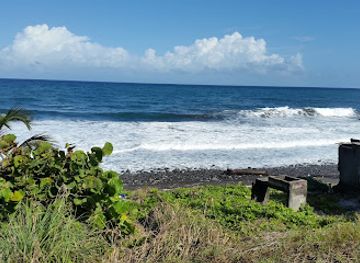
Georgetown lies on the eastern coast of Saint Vincent, facing the Atlantic and backed by steep, forested volcanic slopes. It is a compact, working town rather than a resort centre, with a practical rhythm shaped by fishing, farming, local commerce and the movement of residents along the Windward Road. The sea is close, the surrounding hills rise quickly, and black volcanic sand reinforces the dramatic character of this part of the island.Read more about Georgetown
Sugar, Faith and Community
Volcanic Landscapes and Atlantic Shore
When is the best time to visit Georgetown?
Best: June–August · 30°C| Month | High (°C) | Rainfall (mm) |
|---|---|---|
| January | 29 | 131 |
| February | 29 | 99 |
| March | 29 | 92 |
| April | 29 | 82 |
| May | 30 | 86 |
| June (best) | 30 | 72 |
| July (best) | 30 | 61 |
| August (best) | 30 | 66 |
| September | 30 | 79 |
| October | 30 | 109 |
| November | 29 | 127 |
| December | 29 | 142 |
Getting to and around Georgetown
How to get there
Transportation
Best attractions in Georgetown
Georgetown’s attractions are modest in scale but closely connected to the town’s history and setting. The waterfront offers views across the Atlantic and a sense of the town’s working coastal rhythm, while the Georgetown Market area introduces visitors to local produce, everyday commerce and the social life of the community. Georgetown Methodist Church and St Mary’s Anglican Church provide contrasting reminders of the religious institutions that helped shape settlement after the plantation era. Just outside the town, Black Point Tunnel is an evocative remnant of the sugar-estate landscape, cut through coastal rock for the movement of agricultural goods. The Rabacca River and the Windward Coast add opportunities for landscape viewing and short exploratory stops, though they are not attractions within the town centre. Georgetown is also a practical starting point for longer journeys towards Saint Vincent’s northern volcanic country, where conditions, transport and access should be checked locally.
-
Park
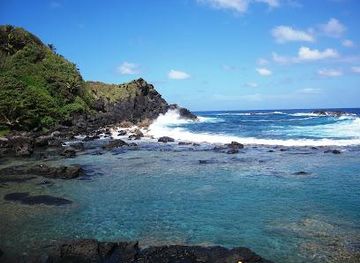
Owia Salt Pond
Discover the tranquility and breathtaking beauty of Owia Salt Pond, a natural oasis perfect for relaxation and exploration in St. Vincent.
31 min drive · 11 km from city centre
-
Tourist attraction
Dark View Fall
Explore the enchanting Dark View Fall in Richmond, a stunning natural wonder showcasing cascading waters and lush tropical landscapes, perfect for nature lovers.
31 min drive · 11 km from city centre
-
Garden
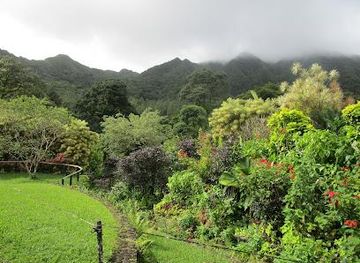
Montreal Gardens
Discover the enchanting beauty of Montreal Gardens, a serene oasis in Mesopotamia, St. Vincent, where nature flourishes and tranquility reigns.
31 min drive · 11 km from city centre
-
Park
Dark View Falls
Explore the breathtaking Dark View Falls in St. Vincent, a perfect blend of adventure and tranquility amidst stunning natural beauty.
32 min drive · 12 km from city centre


Best landmarks in Georgetown
Georgetown’s principal landmarks express its religious, agricultural and coastal history. St Mary’s Anglican Church and Georgetown Methodist Church are important community buildings whose continued presence reflects the role of Christian institutions in the town’s social development. The waterfront, although practical rather than monumental, marks Georgetown’s relationship with the Atlantic and the movement of people and produce along the Windward Coast. Nearby Black Point Tunnel is the most distinctive historic structure associated with the area’s plantation landscape: its passage through the coastal rock recalls the engineering and labour systems that supported sugar production. The surrounding estate country, old agricultural routes and volcanic slopes provide a broader historical setting for these landmarks. Together they represent a town shaped less by grand civic architecture than by faith, plantation commerce, community life and the demanding geography of eastern Saint Vincent.
-
Park
Owia Salt Pond
Explore the breathtaking beauty of Owia Salt Pond, a hidden gem on St. Vincent's coast, offering stunning views, swimming, and serene relaxation.
31 min drive · 11 km from city centre
-
Volcano
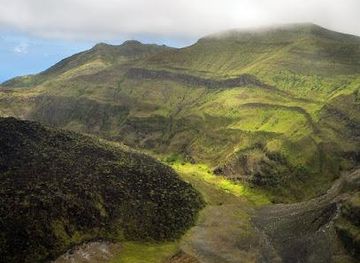
La Soufrière
Discover the breathtaking beauty of La Soufrière, an active volcano in St. Vincent, offering stunning views and an unforgettable hiking experience.
27 min drive · 9.1 km from city centre
-
Tourist attraction
Black Point Tunnel
Explore the stunning natural beauty and rich cultural history of Black Point Tunnel in Byera Hill, a must-see attraction in St. Vincent.
6 min drive · 2.0 km from city centre
-
Garden
Montreal Gardens
Discover the beauty and tranquility of Montreal Gardens, a tropical paradise in Mesopotamia filled with vibrant flora and serene landscapes.
31 min drive · 11 km from city centre

Explore Georgetown on the map
Plan your Georgetown trip on one map. See where the top attractions, landmarks, restaurants, bars and hotels are, find what's near where you're staying, and book hotels and experiences in a few clicks.
Best hotels in Georgetown
Best restaurants in Georgetown
Georgetown’s food scene reflects the home cooking and agricultural abundance of Saint Vincent rather than a large restaurant industry. Local meals commonly draw on provisions such as breadfruit, sweet potato, cassava and plantain, alongside fish, chicken, goat and locally grown vegetables. Vincentian flavours often include herbs, pepper and coconut, while roti and other Caribbean specialities reflect wider regional exchange. Small eateries, bakeries, takeaway counters and roadside vendors are more characteristic than formal dining rooms, and menus may change according to the day’s supplies. The market area and local shops are useful for finding fruit, snacks and ingredients, while seafood is naturally connected with the island’s coastal communities. Visitors should expect a straightforward, locally oriented dining culture, with more extensive restaurant choice available in Kingstown and larger visitor centres than in Georgetown itself.
-
Barbecue
D Johnson's BBQ
Experience authentic Caribbean barbecue at D Johnson's BBQ in North Union—where every bite tells a flavorful story.
21 min drive · 6.9 km from city centre
-
Restaurant
Bridge Bar Cuisine
Experience authentic Caribbean flavors at Bridge Bar Cuisine in Greiggs - a delightful blend of local ingredients and stunning riverside views.
28 min drive · 9.3 km from city centre
-
 Restaurant
Jimmy Rock's Bar & Mini mart
Experience local Caribbean flavors at Jimmy Rock's Bar & Mini Mart in Biabou – where good food meets great company.
27 min drive · 8.9 km from city centre
-
Barbecue
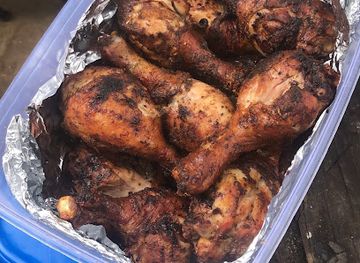
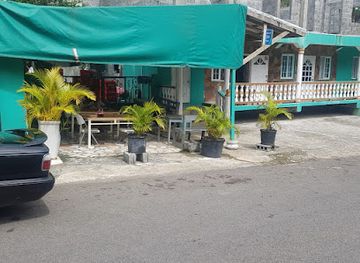
Babloz wings and tings
Experience the taste of authentic Caribbean barbecue at Babloz Wings and Tings in Georgetown, where every bite tells a flavorful story.
2 min walk · 0.2 km from city centre
Best bars in Georgetown
Georgetown has a quiet evening scene centred on local rum shops, small bars, restaurants and community gatherings rather than dedicated nightclubs or a concentrated entertainment quarter. Evenings may involve conversation, music and televised sport, with activity shaped by the pace of a small Windward Coast town. Live entertainment and larger social events are more likely to be occasional or community-based than scheduled nightly performances, while Kingstown provides a broader choice of bars, clubs and cultural venues for visitors prepared to travel. Drink responsibly, respect residential areas and arrange transport before going out, since late-night public transport is limited and roads can be dark, winding or wet. Local etiquette favours friendly conversation and modest behaviour over the louder nightlife culture found in some Caribbean resort centres.
-
Supermarket
Triple R Mini Mart
Discover local flavors and essentials at Triple R Mini Mart, your trusted supermarket in the heart of Georgetown, Saint Vincent.
1 min walk · 0.1 km from city centre
-
Supermarket
Georgetown Mall
Explore local flavors and essentials at Georgetown Mall, the vibrant supermarket in the heart of Georgetown, offering a unique shopping experience.
7 min walk · 0.5 km from city centre
-
Night club
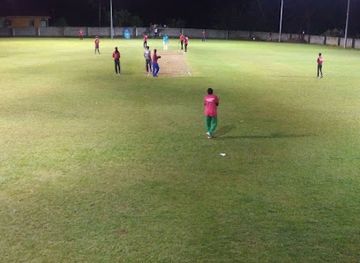
SPOTLIGHT STADIUM
Discover the electrifying nightlife at Spotlight Stadium in Georgetown, where music and dance create unforgettable experiences.
1 min walk · 0.1 km from city centre
-
Convenience store
Convenient Discount Depot
Explore Georgetown's Convenient Discount Depot for all your travel essentials, from snacks to toiletries, all in one friendly location.
14 min walk · 1.1 km from city centre



Best nightclubs in Georgetown
Georgetown has a quiet evening scene centred on local rum shops, small bars, restaurants and community gatherings rather than dedicated nightclubs or a concentrated entertainment quarter. Evenings may involve conversation, music and televised sport, with activity shaped by the pace of a small Windward Coast town. Live entertainment and larger social events are more likely to be occasional or community-based than scheduled nightly performances, while Kingstown provides a broader choice of bars, clubs and cultural venues for visitors prepared to travel. Drink responsibly, respect residential areas and arrange transport before going out, since late-night public transport is limited and roads can be dark, winding or wet. Local etiquette favours friendly conversation and modest behaviour over the louder nightlife culture found in some Caribbean resort centres.
-
Night club
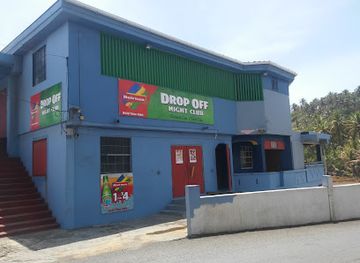
Drop Off Night Club
Experience the vibrant nightlife at Drop Off Night Club in Friendly, where music, dancing, and unforgettable moments await every visitor.
18 min drive · 6.0 km from city centre
-
Disco club
Africano Disco
Experience the electrifying nightlife of Africano Disco in Colonarie, where music, dance, and culture come alive for an unforgettable evening.
14 min drive · 4.6 km from city centre
-
Bar
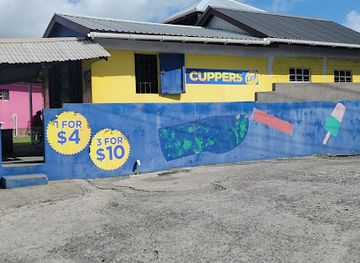
Cupper's bar
Discover the vibrant nightlife at Cupper's Bar in Georgetown, a local favorite for cocktails, music, and unforgettable experiences.
7 min walk · 0.5 km from city centre
-
Night club
SPOTLIGHT STADIUM
Spotlight Stadium: The Heart of Georgetown's Nightlife, Where Music and Dance Create Unforgettable Moments.
1 min walk · 0.1 km from city centre
Best shops in Georgetown
Shopping in Georgetown is primarily practical and local, with small groceries, bakeries, pharmacies, general shops and market stalls serving residents. The market area is the most useful place to look for seasonal fruit, vegetables, spices and provisions grown or traded on Saint Vincent, while roadside vendors may offer snacks and agricultural produce according to the day. Visitors should not expect a large concentration of boutiques, department stores or dedicated souvenir outlets. Locally made goods and Caribbean food products may be found through small businesses, although selection and opening patterns vary. The town’s retail character offers a glimpse of everyday life rather than a specialised shopping district, and travellers seeking a wider range of crafts, artworks, clothing or gifts will generally find more choice in Kingstown and established visitor areas.
-
Supermarket
Triple R Mini Mart
Explore Georgetown’s vibrant culture with convenience at Triple R Mini Mart, your go-to supermarket for local goods and essentials.
1 min walk · 0.1 km from city centre
-
Supermarket
Georgetown Mall
Explore Georgetown Mall for a unique shopping experience blending local culture with modern retail in the heart of Georgetown.
7 min walk · 0.5 km from city centre
-
Musician
Mark J Doyle
Discover the vibrant sounds of Mark J Doyle, a local musician in Georgetown, where Caribbean rhythms come alive in a colorful cultural experience.
6 min walk · 0.5 km from city centre
-
Grocery store
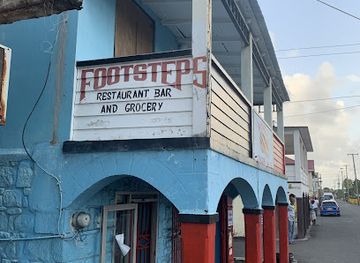
Ferdies Footsteps Resturant And Mini Mart
Discover the authentic flavors of Byera Hill at Ferdies Footsteps Restaurant and Mini Mart, where culinary delight meets convenience.
2 min walk · 0.1 km from city centre

Get your free copy of our complete guide to Georgetown, delivered straight to you.
Everything on this page, from attractions and restaurants to essentials and local phrases, in one PDF you can read offline, print or share.
Already have an account? Sign in
Your Georgetown guide is ready.
We'll send it to · Not you? Sign out

Getting your guide ready…
We are putting together a fresh copy of the Georgetown guide. This can take up to a minute.
This can take a few moments. If your browser asks, choose Allow so the download can start. You'll find the guide in your Downloads folder.
Nothing happened? Download it again
Sorry, the guide is taking longer than usual. Please try again in a minute, or get it by email instead.
Georgetown essentials
Currency and Payment
Safety
Emergency Situations
Do's and Don'ts
Local Tips
From Eve
Local phrases worth knowing
You don't need to get them perfect. A few words go a long way, and locals appreciate the effort.
Basics
| English | Local | Say it |
|---|---|---|
| Hello | Wah gwaan | [Waah gwaahn] |
| Goodbye | Later | [Lay-ta] |
| Yes | Yeah man | [Yeh man] |
| No | Nah man | [Naah man] |
| Please/You're welcome | If yuh don't mind | [Eef yuh dohnt mynd] |
| Thank you | Tank yuh | [Tank yuh] |
| Excuse me/Sorry | Sarry | [Sah-ree] |
| How are you? | How yuh doin? | [How yuh doin] |
| Fine. And you? | Me cool. An yuh? | [Mee kool. An yuh] |
| Do you speak English? | Yuh speak english? | [Yuh speek ing-glish] |
| I don't understand | Me nah get yuh | [Mee naah get yuh] |
Eating & Drinking
| English | Local | Say it |
|---|---|---|
| I'd like to see the menu, please | Lemme see di menu please | [Lem-mi see dee men-yu pleez] |
| I don't eat meat | Me nah eat meat | [Mee naah eet meet] |
| Cheers! | Cheers! | [Cheers!] |
| I would like to pay, please | Lemme pay please | [Lem-mi pay pleez] |
Emergencies
| English | Local | Say it |
|---|---|---|
| Help! | Help! | [Help!] |
| Go away! | Go weh! | [Go way!] |
| Call the Police! | Call di Police! | [Call dee Police] |
| Call a doctor! | Call a docta! | [Call a dok-ta] |
| I'm lost | Mi lost | [Mee lost] |
| I'm ill | Mi sick | [Mee sik] |
Shopping
| English | Local | Say it |
|---|---|---|
| I'd like to buy... | Mi wah buy... | [Mee wah buy] |
| I'm just looking | Mi jus looking | [Mee jus luk-ing] |
| How much is it? | How much dat dey? | [How much dat dey] |
| That's too expensive | Dat too dear | [Dat too deer] |
| Can you lower the price? | Yuh cyah drop di price? | [Yuh kyah drop dee price] |
Time & Numbers
| English | Local | Say it |
|---|---|---|
| What time is it? | Wah time it be? | [Waah time it bee] |
| It's one o'clock | It one o'clock | [It wun o'clock] |
| Half past (10) | Half ten | [Half ten] |
| Morning | Mawnin | [Mawnin] |
| Afternoon | Afternoon | [Afternoon] |
| Evening | Evenin | [Evenin] |
| Yesterday | Yestaday | [Yes-ta-day] |
| Today | Today | [Today] |
| Tomorrow | Tomorrow | [Tomorrow] |
| 1 | One | [Wun] |
| 2 | Two | [Too] |
| 3 | Three | [Tree] |
| 4 | Four | [Faw] |
| 5 | Five | [Fyv] |
| 6 | Six | [Siks] |
| 7 | Seven | [Sev-en] |
| 8 | Eight | [Ayt] |
| 9 | Nine | [Nyn] |
| 10 | Ten | [Ten] |
Transport & Directions
| English | Local | Say it |
|---|---|---|
| Where's a/the...? | Wey di... | [Way dee] |
| What's the address? | Wah di address? | [Waah dee address] |
| Can you show me (on the map)? | Yuh can show me? | [Yuh kyahn show me] |
| When's the next (bus)? | When nex bus dey? | [When nex bus dey] |
| A ticket (to ....) | A ticket (to ....) | [A ticket (to ....)] |
History of Georgetown
Kalinago and Indigenous Saint Vincent
Long before Georgetown developed, Saint Vincent was inhabited by Indigenous communities, including the Kalinago, whose societies were adapted to the island’s fertile volcanic terrain and surrounding sea. The island also became home to Garifuna communities formed through the interaction of Indigenous people and Africans who arrived through the Caribbean. The eastern side of Saint Vincent provided access to coastal resources, valleys and upland routes, although the town visible today emerged much later through colonial economic development. Indigenous knowledge of the landscape continued to shape movement, cultivation and local identity even as European powers sought control of the island.
Colonial Rivalry and European Settlement
Saint Vincent was contested by Britain and France during the colonial period, while Indigenous resistance limited European control for many years. British authority was consolidated in the late eighteenth century after conflict involving the Black Caribs, later known as the Garifuna, and many were deported to Central America in 1797. Georgetown subsequently developed within the British colonial system on the island’s Windward side. Its position beside fertile valleys and the Atlantic coast made it relevant to plantation agriculture, estate administration and the movement of goods, workers and produce.
The Sugar Estate Economy
Georgetown’s growth was closely linked to the plantation economy, particularly the cultivation and processing of sugar. Enslaved Africans formed the labour force on estates across Saint Vincent until emancipation took effect in the British Caribbean in the 1830s. The surrounding landscape still contains reminders of that agricultural era, including the Black Point Tunnel, which was associated with the transport of plantation produce towards the coast. Estate agriculture also established patterns of landholding, settlement and commerce that continued to influence the Windward Coast after the decline of sugar.
Emancipation and Social Change
Emancipation transformed social and economic life in Georgetown and throughout Saint Vincent. Formerly enslaved people sought greater control over work, land, family life and religious practice, while plantation owners faced changing labour arrangements and declining profitability in the sugar industry. Churches, schools, markets and small-scale cultivation became important community institutions. The town’s later character was shaped less by a single export crop than by a mixed economy involving agriculture, fishing, local trade and public services, with village and family networks playing a central role.
Modern Georgetown and the Windward Coast
In the twentieth and twenty-first centuries, Georgetown remained a local service and trading centre rather than developing into a large urban destination. Roads strengthened its connection with Kingstown and settlements along the eastern coast, while bananas and other agricultural products became more important than sugar. The town has also experienced the hazards common to volcanic Caribbean islands, including storms, heavy rainfall and disruption linked to La Soufrière, whose eruptions have affected Saint Vincent beyond the immediate volcanic zone. Today, Georgetown’s identity combines historic plantation traces with a living coastal community and access to the island’s northern landscapes.
Georgetown in Photos
Browse through our photo collection highlighting the charm and character of the destination.
Cities near Georgetown
The closest cities to Georgetown, if you have time for more than one stop.
-

-

-

-

-


Swipe for more cities
Explore more
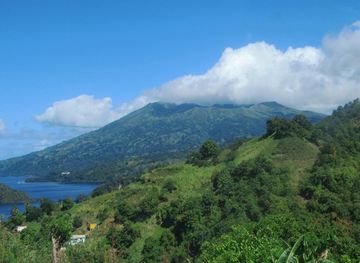
Explore more of Saint Vincent and the Grenadines
Discover the enchanting islands of Saint Vincent and the Grenadines, where lush rainforests, pristine beaches, and vibrant culture create an unforgettable Caribbean experience.
Explore Saint Vincent and the Grenadines