

Free Micoud Travel Guide & Mobile App
Plan your Micoud trip with Evendo. Get free guides to top attractions, restaurants, hotels, and bars. Web access or download the mobile app.


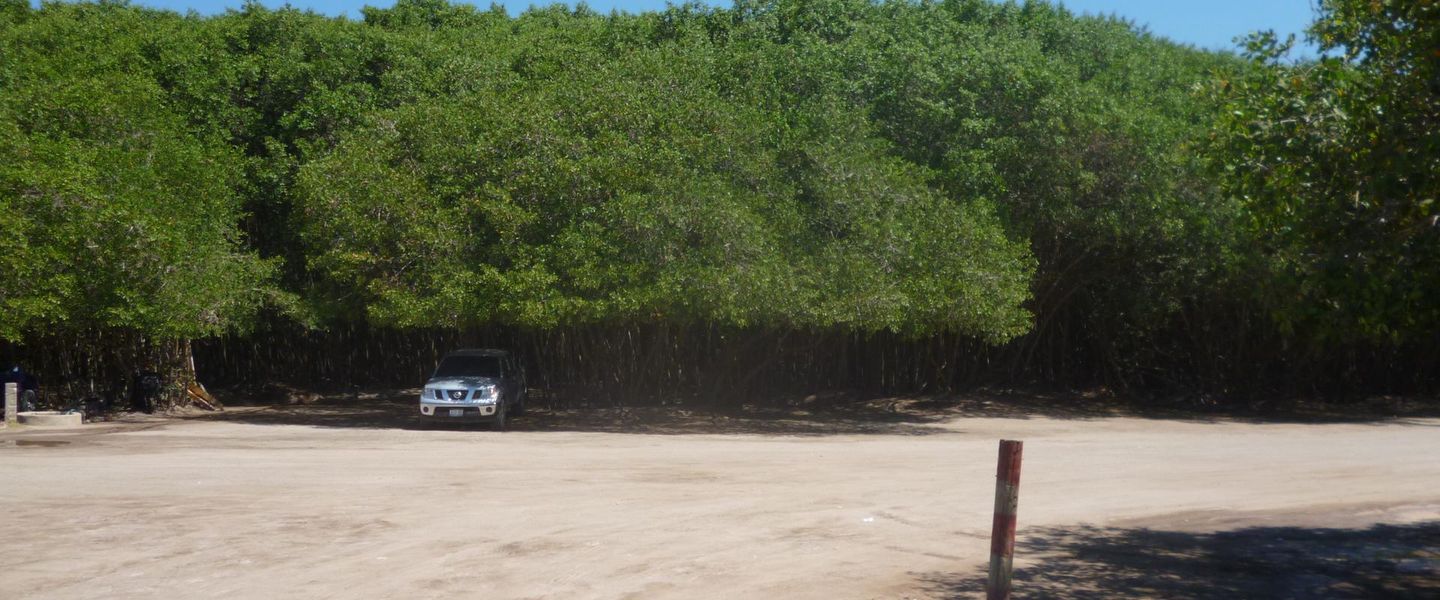


Micoud, Saint Lucia offers Atlantic beaches, rural heritage, tropical gardens and waterfalls for travellers seeking authentic island culture beyond resort centres.
A Rural Coastal Setting
Micoud is a small town and district on Saint Lucia’s Atlantic-facing eastern coast, where village life, former plantation country and wide tropical landscapes meet the sea. It lies south of Dennery and north of Vieux Fort, with the island’s main east-coast road passing through a region of fishing communities, cultivated hillsides and forested valleys. Compared with the resort centres of the west, Micoud offers a slower and more local sense of Saint Lucia, shaped by everyday commerce, parish institutions and close-knit settlements.Read more about Micoud
History in the Landscape
Nature and Village Life
When is the best time to visit Micoud?
Best: May–July · 30–31°C| Month | High (°C) | Rainfall (mm) |
|---|---|---|
| January | 29 | 100 |
| February | 30 | 90 |
| March | 30 | 90 |
| April | 30 | 80 |
| May (best) | 30 | 70 |
| June (best) | 31 | 70 |
| July (best) | 31 | 70 |
| August | 31 | 70 |
| September | 31 | 70 |
| October | 30 | 80 |
| November | 30 | 90 |
| December | 30 | 100 |
Getting to and around Micoud
How to get there
Transportation
Best attractions in Micoud
Micoud’s attractions are shaped by its Atlantic coastline and rural surroundings rather than by a dense collection of museums. Micoud Beach provides a local coastal setting, while Savannes Bay opens towards broad wetlands, farmland and fishing country in the south-eastern part of the district. Near Praslin, Mamiku Gardens combines tropical vegetation with the remnants and atmosphere of a historic estate, offering a cultivated contrast to the surrounding hills. La Tille Waterfall is associated with the district’s forested interior and gives visitors a chance to experience Saint Lucia’s wetter landscape, although paths and water conditions should be checked locally. The town itself rewards an unhurried walk through its commercial centre, church precinct and everyday community spaces. Micoud is also well placed for exploring nearby villages, small farms and the less-developed east coast, where scenery is encountered through changing weather, winding roads and working landscapes rather than formal visitor facilities.
-
Tourist attraction
Soufrière Drive In Volcano
Explore the Soufrière Drive In Volcano in St. Lucia, a unique geothermal attraction perfect for adventure seekers and nature lovers.
36 min drive · 16 km from city centre
-
Botanical garden
Diamond Falls Botanical Gardens & Mineral Baths
Explore the enchanting Diamond Falls Botanical Gardens in St. Lucia, a tropical paradise with stunning waterfalls and rejuvenating mineral baths.
37 min drive · 17 km from city centre
-
Tour agency
Toraille Waterfall Villas & ATV
Experience the breathtaking beauty of Toraille Waterfall Villas & ATV, a must-visit destination in Soufriere, St. Lucia, blending adventure and tranquility.
35 min drive · 15 km from city centre
-
Tourist attraction
Têt Paul Nature Trail
Experience the breathtaking beauty and rich biodiversity of Têt Paul Nature Trail in St. Lucia, a must-visit tourist attraction for nature lovers and adventurers.
37 min drive · 17 km from city centre


Best landmarks in Micoud
The Church of Our Lady of the Assumption is among Micoud’s most recognisable civic and religious landmarks, reflecting the enduring Catholic presence established during the island’s French and later colonial history. The Micoud Market and surrounding commercial centre represent a more everyday form of local heritage, linking the town to farming, trade and community exchange rather than monumental architecture. In the wider district, Mamiku Gardens occupies a former estate landscape where planted avenues and tropical gardens evoke the agricultural history of the area. Savannes Bay provides a significant natural landmark, marking the meeting of coast, wetland and cultivated lowlands. Together these places show how Micoud’s identity is expressed through parish institutions, working landscapes and natural features, with a scale and character distinct from the grand colonial buildings and resort developments found elsewhere on Saint Lucia.
-
Tourist attraction
Soufrière Drive In Volcano
Explore the unique beauty of the Soufrière Drive In Volcano, an active geological marvel surrounded by lush scenery in St. Lucia.
36 min drive · 16 km from city centre
-
Botanical garden
Diamond Falls Botanical Gardens & Mineral Baths
Explore the exotic beauty of Diamond Falls Botanical Gardens & Mineral Baths, a tropical haven in St. Lucia offering vibrant flora and soothing mineral baths.
37 min drive · 17 km from city centre
-
Tour operator
St Lucia Sulphur Springs
Experience the rejuvenating power of nature at St. Lucia Sulphur Springs, the Caribbean's only drive-in volcano with therapeutic mud baths and hot springs.
36 min drive · 16 km from city centre
-
Hotel
Fond Doux Eco Resort
Experience the tranquility of Fond Doux Eco Resort, where sustainability meets relaxation in the heart of St. Lucia's lush landscapes.
36 min drive · 16 km from city centre
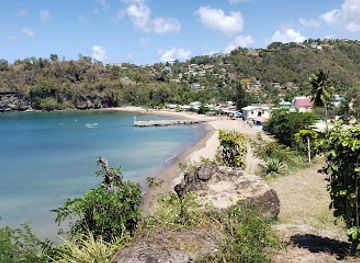
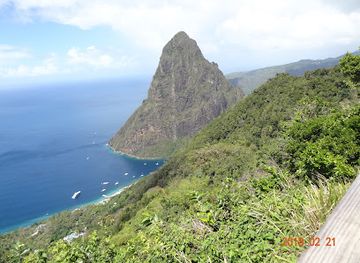
Explore Micoud on the map
Plan your Micoud trip on one map. See where the top attractions, landmarks, restaurants, bars and hotels are, find what's near where you're staying, and book hotels and experiences in a few clicks.
Best hotels in Micoud
Best restaurants in Micoud
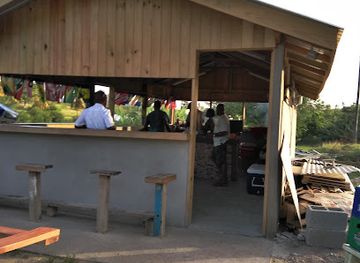
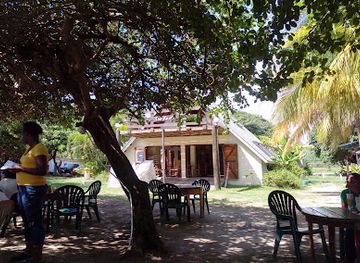
Dining in Micoud is primarily local and practical, with small restaurants, roadside cooks, shops and family-run food businesses serving dishes rooted in Saint Lucian home cooking. Green fig and saltfish, provisions with stewed meat or fish, grilled seafood, chicken, macaroni pie and hearty soups are among the flavours visitors may encounter, while fresh fruit and locally grown vegetables reflect the agricultural surroundings. The district’s Atlantic location supports a connection with fishing, although daily availability varies. Vieux Fort and larger southern settlements offer a broader choice of established restaurants, whereas Micoud is better suited to informal meals and conversations with local residents. Food markets and small vendors may be most active at particular times of day, so flexibility is useful. Visitors should carry cash for smaller establishments and ask about ingredients when unfamiliar dishes or strong pepper sauces are involved.
-
Resort hotel
Coconut Bay Beach Resort & Spa
Saint Lucia's ultimate all-inclusive escape: family waterpark thrills in Splash, adults-only serenity in Harmony, nine restaurants, beach adventures, and heartfelt hospitality on a mile of tropical shore.
28 min drive · 9.3 km from city centre
-
Restaurant
Grill N Chill
Discover delightful Caribbean cuisine at Grill N Chill in Vieux Fort—an affordable dining experience with vibrant flavors and a friendly atmosphere.
23 min drive · 7.7 km from city centre
-
Restaurant
The Reef Beach Cafe
Experience delectable Caribbean cuisine with stunning beachfront views at The Reef Beach Cafe in Vieux Fort, St. Lucia.
30 min drive · 10 km from city centre
-
Restaurant
Falco's Place
Experience authentic Caribbean flavors at Falco's Place - a vibrant restaurant offering local delicacies and warm hospitality in St. Lucia.
33 min drive · 13 km from city centre

Best bars in Micoud
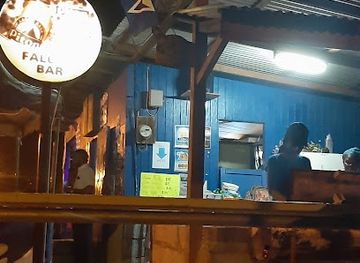
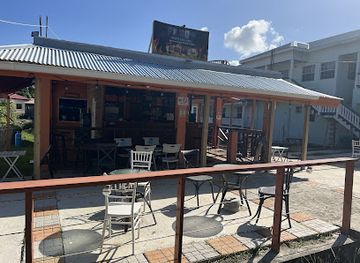
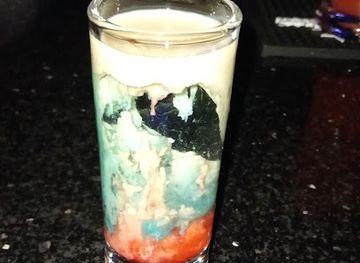
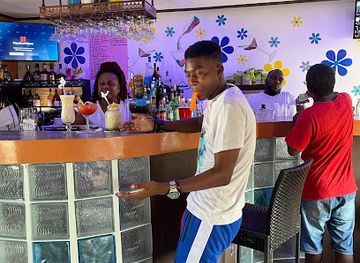
Micoud has a modest evening scene centred on local bars, rum shops, restaurants and community gatherings rather than dedicated nightclub districts. After dark, social life is generally neighbourhood-based, with music, conversation and televised sport often more important than formal entertainment programming. Occasional fêtes, cultural events and village celebrations can bring live music and dancing, but dates and venues vary. Travellers seeking a wider choice of late-night bars, organised entertainment or larger music events are more likely to find it in Vieux Fort, Rodney Bay or Castries than in Micoud itself. Evening travel between rural communities requires planning because public transport is less dependable late at night. Visitors should drink responsibly, use known transport arrangements and remember that local establishments tend to reflect community rhythms rather than resort-style opening patterns.
-
Restaurant
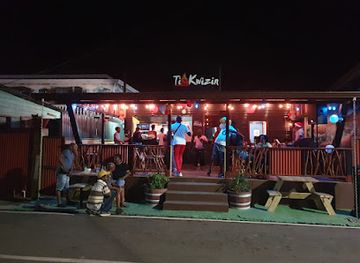
Ti Kwizin
Discover the authentic flavors of St. Lucia at Ti Kwizin, a culinary gem in La Cour Ville offering traditional dishes and a warm atmosphere.
6 min walk · 0.5 km from city centre
-
Grill
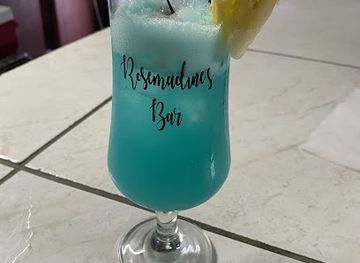
Rosemadin's Place
Discover the vibrant flavors of Caribbean cuisine at Rosemadin's Place, a delightful grill restaurant in the heart of St. Lucia.
11 min drive · 3.8 km from city centre
-
Restaurant
FANO's Sports Bar & Grill
Experience the ultimate sports dining at FANO's Sports Bar & Grill in St. Lucia, where local flavors meet exciting game days.
10 min walk · 0.8 km from city centre
-
Restaurant
Lime light restaurant and bar
Experience the vibrant flavors of St. Lucia at Lime Light Restaurant and Bar, where delightful cuisine meets a lively atmosphere, perfect for tourists.
3 min walk · 0.2 km from city centre
Best nightclubs in Micoud
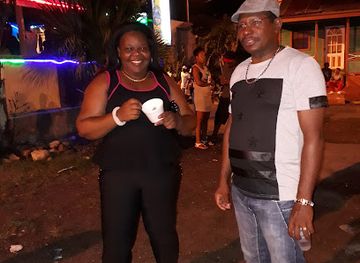
Micoud has a modest evening scene centred on local bars, rum shops, restaurants and community gatherings rather than dedicated nightclub districts. After dark, social life is generally neighbourhood-based, with music, conversation and televised sport often more important than formal entertainment programming. Occasional fêtes, cultural events and village celebrations can bring live music and dancing, but dates and venues vary. Travellers seeking a wider choice of late-night bars, organised entertainment or larger music events are more likely to find it in Vieux Fort, Rodney Bay or Castries than in Micoud itself. Evening travel between rural communities requires planning because public transport is less dependable late at night. Visitors should drink responsibly, use known transport arrangements and remember that local establishments tend to reflect community rhythms rather than resort-style opening patterns.
-
Lounge
GSport Lounge
Experience the lively atmosphere of GSport Lounge in Mon Repos, St. Lucia, where great drinks and fun vibes come together for an unforgettable night.
15 min drive · 4.9 km from city centre
-
Night club
Lulu's Sip & Chill
Discover the vibrant nightlife at Lulu's Sip & Chill, where Caribbean rhythms and tropical cocktails create an unforgettable evening in St. Lucia.
16 min drive · 5.3 km from city centre
-
Night club
Dennery Fish Fiesta
Discover the lively Dennery Fish Fiesta in St. Lucia, where vibrant nightlife meets delicious seafood and authentic local culture.
31 min drive · 11 km from city centre
-
Night club
Palm Valley
Discover the vibrant nightlife at Palm Valley, St. Lucia's ultimate destination for dancing, karaoke, and unforgettable fun.
33 min drive · 13 km from city centre

Best shops in Micoud
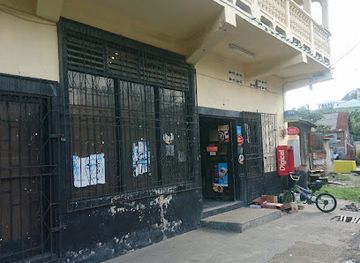
Shopping in Micoud is centred on small groceries, convenience shops, market activity and independent local businesses rather than a formal retail district. The town and its surrounding villages are useful for basic provisions, fruit, vegetables, drinks and locally prepared food, while larger shopping selections are available in Vieux Fort. Visitors may find Saint Lucian rum, cocoa products, spices, pepper sauces, preserves and locally made crafts through individual sellers or markets, although stock and trading days vary. The district’s agricultural character is reflected in its produce more than in specialist souvenir shops. Bargaining is not a universal expectation in ordinary stores, and cash remains useful for market purchases and small vendors. Micoud is best approached as a place to buy practical supplies and discover locally produced goods rather than as a destination for department stores or luxury retail.
-
Supermarket
Dix C.Mart.
Discover the best of local and international products at Dix C.Mart., your ideal supermarket in St. Lucia for all your travel needs.
6 min walk · 0.4 km from city centre
-
 Grocery store
One stop Mini mrt
Explore the flavors of St. Lucia at One Stop Mini MRT, your local grocery store for fresh produce and island essentials.
11 min drive · 3.8 km from city centre
-
Grocery store
Anto's Supermarket
Explore local flavors and essentials at Anto's Supermarket in St. Lucia, your ultimate shopping destination for groceries and souvenirs.
10 min walk · 0.8 km from city centre
-
Gift shop
Golden eye's handmade wood carvings
Discover the artistic charm of Golden Eye's Handmade Wood Carvings, where St. Lucia's cultural heritage comes alive through exquisite wooden crafts.
28 min drive · 9.2 km from city centre
Get your free copy of our complete guide to Micoud, delivered straight to you.
Everything on this page, from attractions and restaurants to essentials and local phrases, in one PDF you can read offline, print or share.
Already have an account? Sign in
Your Micoud guide is ready.
We'll send it to · Not you? Sign out

Getting your guide ready…
We are putting together a fresh copy of the Micoud guide. This can take up to a minute.
This can take a few moments. If your browser asks, choose Allow so the download can start. You'll find the guide in your Downloads folder.
Nothing happened? Download it again
Sorry, the guide is taking longer than usual. Please try again in a minute, or get it by email instead.
Micoud essentials
Currency and Payment
Safety
Emergency Situations
Do's and Don'ts
Local Tips
From Eve
Local phrases worth knowing
You don't need to get them perfect. A few words go a long way, and locals appreciate the effort.
Basics
| English | Local | Say it |
|---|---|---|
| Hello | Bonjour | [bon-zhoor] |
| Goodbye | Orevwa | [oh-rev-wah] |
| Yes | Wi | [wee] |
| No | Non | [nohn] |
| Please/You're welcome | Tanpri | [tahn-pree] |
| Thank you | Mèsi | [meh-see] |
| Excuse me/Sorry | Eskize mwen | [es-kee-zay mwuhn] |
| How are you? | Kijan ou ye? | [kee-jahn oo yeh] |
| Fine. And you? | Byen. E ou? | [byehn. ay oo] |
| Do you speak English? | Eske ou pale angle? | [es-kay oo pahl ahn-glay] |
| I don't understand | Mwen pa konprann | [mwuhn pah kohn-prahn] |
Eating & Drinking
| English | Local | Say it |
|---|---|---|
| I'd like to see the menu, please | Mwen ta renmen wè meni an, si ou plè | [mwuhn tah ren-mehn way meh-nee ahn, see oo pleh] |
| I don't eat meat | Mwen pa manje kawòt | [mwuhn pah mahn-jay kah-woht] |
| Cheers! | Santé! | [sahn-tay] |
| I would like to pay, please | Mwen ta renmen peye, si ou plè | [mwuhn tah ren-mehn pay-yeh, see oo pleh] |
Emergencies
| English | Local | Say it |
|---|---|---|
| Help! | Au secours! | [oh seh-coor] |
| Go away! | Alé! | [ah-lay] |
| Call the Police! | Rele lapòl! | [reh-lay lah-pohl] |
| Call a doctor! | Rele yon doktè! | [reh-lay yohn dohk-teh] |
| I'm lost | Mwen pèdi mwen | [mwuhn peh-dee mwuhn] |
| I'm ill | Mwen malad | [mwuhn mah-lahd] |
Shopping
| English | Local | Say it |
|---|---|---|
| I'd like to buy... | Mwen ta renmen ache... | [mwuhn tah ren-mehn ash] |
| I'm just looking | Mwen jis gade | [mwuhn zjee gahd] |
| How much is it? | Konbyen sa koute? | [kohn-byen sah koot] |
| That's too expensive | Sa twò chè | [sah twah sheh] |
| Can you lower the price? | Ou kapab redwi pri la? | [oo kah-pah reh-dwee pree lah] |
Time & Numbers
| English | Local | Say it |
|---|---|---|
| What time is it? | Ki lè li ye? | [kee lay lee yeh] |
| It's one o'clock | Li senk | [lee sahnk] |
| Half past (10) | Demi (disè) | [deh-mee dee-zeh] |
| Morning | Maten | [mah-ten] |
| Afternoon | Apremidi | [ah-pray-mee-dee] |
| Evening | Aswe | [ah-sway] |
| Yesterday | Yè | [yeh] |
| Today | Jodia | [joh-dee-ah] |
| Tomorrow | Demen | [deh-mehn] |
| 1 | Yon | [yohn] |
| 2 | De | [deh] |
| 3 | Twaz | [twahz] |
| 4 | Kat | [kaht] |
| 5 | Senk | [sahnk] |
| 6 | Sis | [sees] |
| 7 | Sèt | [set] |
| 8 | Wit | [weet] |
| 9 | Nèf | [nef] |
| 10 | Disè | [dee-zeh] |
Transport & Directions
| English | Local | Say it |
|---|---|---|
| Where's a/the...? | Ki kote...? | [kee koht] |
| What's the address? | Kisa adrès la ye? | [kee-sah ah-dreh lah yeh] |
| Can you show me (on the map)? | Ou kapab montre mwen (sou kat)? | [oo kah-pah mohn-treh mwuhn (soo kaht)] |
| When's the next (bus)? | Ki lè pwochen (bato)? | [kee lay pwosh-ehn bah-toh] |
| A ticket (to ....) | Yon tikè (pou ....) | [yohn tee-keh poo] |
History of Micoud
Kalinago and Early Settlement
Before European colonisation, Saint Lucia was inhabited by Indigenous peoples, including communities commonly identified in historical sources as Kalinago. The island’s forests, rivers and sheltered coastal areas supported fishing, cultivation and movement between settlements. The Micoud district’s valleys and Atlantic shoreline formed part of this wider island environment rather than an isolated townscape. Much of the early Indigenous history was later obscured by colonial accounts, conflict and displacement, but the survival of Kalinago heritage across Saint Lucia remains important to understanding the island before plantation society. Micoud’s present-day rural character, with its cultivated slopes and coastal settlements, sits within this much older human landscape.
French Colonial Micoud
French settlers established plantations and administrative influence in Saint Lucia during the eighteenth century, and Micoud emerged within that period of contested colonial development. The district is generally understood to have taken its name from a French colonial governor, although historical references vary in their treatment of the precise association. Sugar cultivation expanded through estates worked by enslaved Africans, linking the local economy to European trade and the wider Caribbean plantation system. French language, Catholic traditions and patterns of settlement left a lasting cultural imprint, even as political control of Saint Lucia changed repeatedly between France and Britain.
British Rule and Plantation Society
Britain secured Saint Lucia in the nineteenth century, and the island was formally ceded to British rule in 1814. Micoud consequently developed within an English-speaking colonial society while retaining substantial French and Catholic influences. Estate agriculture remained economically important, and roads, churches and administrative institutions gradually connected rural districts more closely with the island’s ports and market centres. The plantation system was transformed after emancipation: slavery was abolished in the British Empire in 1834, followed by a period of apprenticeship and full emancipation in 1838. These changes reshaped labour, landholding and community life throughout Micoud.
Emancipation and Rural Communities
After emancipation, formerly enslaved people and their descendants built family farms, villages and religious communities alongside the surviving estates. Agriculture remained central, but rural life was no longer organised solely around plantation production. Catholic institutions, schools and local marketplaces became important anchors of social identity, while inter-village connections developed along the coast and through the interior valleys. The settlement pattern visible around Micoud today reflects this gradual transition: a small administrative centre surrounded by dispersed communities, cultivated land and coastal hamlets. Oral history, church life and family ties continue to carry much of the district’s social history.
From Bananas to Contemporary Micoud
During the twentieth century, bananas became one of Saint Lucia’s most important agricultural exports, and Micoud’s fertile districts participated in the cultivation and smallholder economy associated with the crop. The industry brought roads, commercial links and changing expectations to rural communities, although its fortunes were affected by international trade conditions and competition. Today, farming, fishing, public services, small businesses and tourism-related activity coexist across the district. Micoud has not developed on the scale of the island’s principal resort areas; its contemporary identity instead rests on its Atlantic setting, agricultural surroundings and the continuity of village life.
Micoud in Photos
Browse through our photo collection highlighting the charm and character of the destination.
Cities near Micoud
The closest cities to Micoud, if you have time for more than one stop.
-

-

-

-

-



Swipe for more cities
Explore more

Explore more of Saint Lucia
Discover Saint Lucia, a Caribbean paradise with lush rainforests, pristine beaches, and vibrant culture. Perfect for adventure seekers and relaxation enthusiasts alike.
Explore Saint Lucia