

Free Malgretoute Travel Guide & Mobile App
Plan your Malgretoute trip with Evendo. Get free guides to top attractions, restaurants, hotels, and bars. Web access or download the mobile app.


Malgretoute, Saint Lucia offers black-sand beaches, Piton views, volcanic landscapes and easy access to Soufrière’s history, nature and local culture.
A Coastal Community Near Soufrière
Malgretoute is a small coastal community on Saint Lucia’s dramatic south-western coast, close to Soufrière and within sight of the island’s celebrated Pitons. Rather than a conventional town centre, it is a scattered settlement of homes, small businesses and coastal viewpoints linked by winding roads through the rugged landscape. Its character comes from proximity to the sea, forested slopes and volcanic landmarks rather than from a concentration of museums, shops or nightlife.Read more about Malgretoute
Black-Sand Shores and Volcanic Landscapes
Exploring the Wider Soufrière Area
When is the best time to visit Malgretoute?
Best: January–March · 30°C| Month | High (°C) | Rainfall (mm) |
|---|---|---|
| January (best) | 30 | 100 |
| February (best) | 30 | 90 |
| March (best) | 30 | 90 |
| April | 31 | 100 |
| May | 31 | 110 |
| June | 31 | 110 |
| July | 31 | 110 |
| August | 31 | 110 |
| September | 31 | 110 |
| October | 31 | 110 |
| November | 30 | 110 |
| December | 30 | 100 |
Getting to and around Malgretoute
How to get there
Transportation
Best attractions in Malgretoute
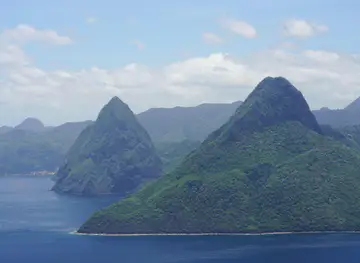
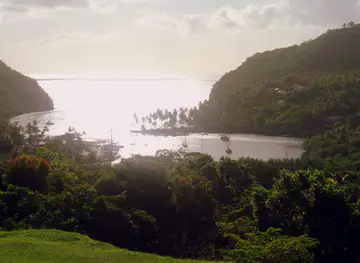
Malgretoute’s principal attraction is its coastal setting, with Malgretoute Beach offering dark volcanic sand, warm water and views towards Petit Piton. The beach is a quieter alternative to the busier visitor sites around Soufrière, although swimming conditions should be checked locally. Nearby Soufrière provides access to the Sulphur Springs, the world’s only drive-in volcanic area, where steaming ground and mineral-rich landscapes reveal the island’s geological character. The Pitons, Gros Piton and Petit Piton, dominate the south-western horizon and form the region’s defining natural spectacle. The Soufrière waterfront and town add a human dimension through working boats, colonial-era street patterns and local commerce, while rainforest roads lead towards waterfalls, plantations and elevated viewpoints. Malgretoute itself is better suited to coastal appreciation and as a base for excursions than to a long list of formal attractions, making advance planning useful for visitors seeking guided walks, boat trips or volcanic experiences.
-
Tourist attraction
Soufrière Drive In Volcano
Explore the unique geothermal wonders of St. Lucia at Soufrière Drive In Volcano, a must-visit for adventure seekers and nature enthusiasts alike.
5 min drive · 1.6 km from city centre
-
Marina
Rodney Bay Marina
Experience the vibrant atmosphere of Rodney Bay Marina, St. Lucia, where luxury meets local culture amidst stunning coastal views.
49 min drive · 29 km from city centre
-
Botanical garden
Diamond Falls Botanical Gardens & Mineral Baths
Explore the natural wonder of Diamond Falls Botanical Gardens & Mineral Baths, featuring vibrant flora, healing mineral baths, and the stunning Diamond Waterfall.
6 min drive · 1.8 km from city centre
-
Tour agency
Toraille Waterfall Villas & ATV
Explore the captivating Toraille Waterfall in Soufrière, St. Lucia, a serene escape surrounded by lush landscapes and stunning natural beauty.
9 min drive · 3.0 km from city centre


Best landmarks in Malgretoute
Malgretoute’s most significant visual landmark is the Piton landscape, particularly Petit Piton, whose steep volcanic profile rises across the coast and anchors the identity of the Soufrière region. The two Pitons are protected within the Pitons Management Area, recognised by UNESCO as a World Heritage Site, and represent both geological history and Saint Lucia’s national symbolism. In nearby Soufrière, the Church of the Assumption is an important town landmark, while the historic waterfront and surviving colonial-era buildings reflect the settlement’s French and British past. The Sulphur Springs landscape, with its fumaroles, mineral deposits and volcanic activity, is a natural landmark rather than a conventional monument. Together these places connect Malgretoute to the wider historical and geological story of south-western Saint Lucia without implying that every landmark lies within the small locality itself.
-
Tourist attraction
Soufrière Drive In Volcano
Explore the stunning geothermal features and breathtaking views at the Soufrière Drive-In Volcano in St. Lucia, a must-see for all visitors.
5 min drive · 1.6 km from city centre
-
Botanical garden
Diamond Falls Botanical Gardens & Mineral Baths
Explore the vibrant beauty of Diamond Falls Botanical Gardens & Mineral Baths, a tranquil oasis in St. Lucia featuring exotic flora and soothing mineral waters.
6 min drive · 1.8 km from city centre
-
Tour operator
St Lucia Sulphur Springs
Discover the therapeutic wonders of St. Lucia's Sulphur Springs, the Caribbean's only drive-in volcano, for a unique blend of relaxation and adventure.
19 min walk · 1.5 km from city centre
-
Tourist attraction
Tet Paul Nature Trail
Explore the stunning Tet Paul Nature Trail in St. Lucia, offering breathtaking views, rich biodiversity, and a unique hiking experience.
7 min drive · 2.5 km from city centre


Explore Malgretoute on the map
Plan your Malgretoute trip on one map. See where the top attractions, landmarks, restaurants, bars and hotels are, find what's near where you're staying, and book hotels and experiences in a few clicks.
Best hotels in Malgretoute
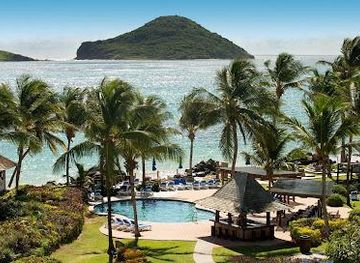
Best restaurants in Malgretoute
Malgretoute has a limited dining scene, so visitors generally eat at their accommodation or travel into Soufrière, where restaurants, cafés and small local eateries serve the wider district. Saint Lucian cooking combines African, Caribbean, European and Indigenous influences, with fresh fish, green bananas, provisions, rice, peas, plantains and strongly seasoned sauces appearing frequently. Seafood is particularly appropriate on the south-west coast, while dishes such as green fig and saltfish and hearty soups reflect island ingredients and everyday home cooking. Roadside stalls and small shops may offer snacks, fruit or baked goods rather than a formal restaurant meal. In Soufrière, the waterfront and central streets provide the greatest choice, ranging from relaxed local food to more polished dining associated with the area’s hotels and guesthouses. Visitors should expect opening patterns and menus to vary outside the main settlement.
-
Resort hotel
Coconut Bay Beach Resort & Spa
Saint Lucia's premium all-inclusive paradise where family waterpark thrills meet adults-only serenity, exceptional dining, and warm hospitality on a breezy beachfront.
37 min drive · 17 km from city centre
-
Restaurant
The Beacon Restaurant
Discover exquisite Caribbean flavors at The Beacon Restaurant in St. Lucia, where breathtaking views meet culinary excellence.
9 min drive · 3.2 km from city centre
-
Creole
Orlando's Restaurant & Bar
Discover authentic Creole cuisine at Orlando's Restaurant & Bar in Soufriere – where local flavors meet stunning Caribbean views.
5 min drive · 1.8 km from city centre
-
Restaurant
Fedo's
Experience the flavors of St. Lucia at Fedo's - a delightful restaurant offering fresh local cuisine in a warm and inviting atmosphere.
6 min drive · 2.1 km from city centre


Best bars in Malgretoute
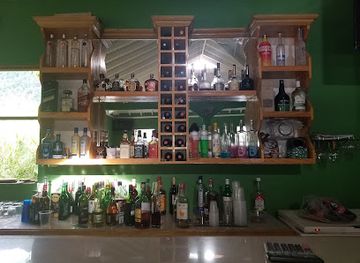
Evenings in Malgretoute are generally quiet, with social life centred on private homes, accommodation and occasional community activity rather than a defined nightclub district. For a wider choice, visitors travel to Soufrière, where hotel bars, casual rum establishments and restaurants provide relaxed places to talk over local drinks after a day outdoors. Saint Lucian music, including soca, calypso and reggae, may feature at organised evenings or community events, while larger hotels sometimes arrange live music or cultural performances. The atmosphere is more suited to sunset drinks, conversation and listening to the sea than to late-night clubbing. Because roads are winding and poorly lit in places, anyone returning to Malgretoute should arrange a trusted taxi or private transfer rather than relying on an informal lift after drinking.
-
Grill
Cool Joint
Discover the vibrant flavors of St. Lucia at Cool Joint, where grilled delights meet Caribbean hospitality in a relaxed setting.
11 min drive · 3.8 km from city centre
-
Bar
Bigger's Place
Discover the vibrant atmosphere and local charm at Bigger's Place, your go-to bar in St. Lucia for refreshing drinks and great company.
12 min drive · 4.0 km from city centre
-
Bar
Acquinas's Bar
Experience the vibrant atmosphere and local flavors at Acquinas's Bar in Malgretoute, St. Lucia, where unforgettable moments await you.
13 min walk · 1.0 km from city centre
-
Bar
JaLousie Grill
Experience the vibrant spirit of St. Lucia at JaLousie Grill, where delicious local flavors meet a lively bar atmosphere.
18 min walk · 1.4 km from city centre


Best nightclubs in Malgretoute
Evenings in Malgretoute are generally quiet, with social life centred on private homes, accommodation and occasional community activity rather than a defined nightclub district. For a wider choice, visitors travel to Soufrière, where hotel bars, casual rum establishments and restaurants provide relaxed places to talk over local drinks after a day outdoors. Saint Lucian music, including soca, calypso and reggae, may feature at organised evenings or community events, while larger hotels sometimes arrange live music or cultural performances. The atmosphere is more suited to sunset drinks, conversation and listening to the sea than to late-night clubbing. Because roads are winding and poorly lit in places, anyone returning to Malgretoute should arrange a trusted taxi or private transfer rather than relying on an informal lift after drinking.
-
Bar
Bigger's Place
Experience the lively ambiance and authentic Caribbean nightlife at Bigger's Place, a top bar in Fond St Jacques, St. Lucia.
12 min drive · 4.0 km from city centre
-
Grill
Bliss Nightlife
Dive into the vibrant nightlife of St. Lucia at Bliss Nightlife, where delicious grill dishes meet electrifying entertainment in a lively atmosphere.
21 min drive · 7.1 km from city centre
-
Bar
Acquinas's Bar
Discover the lively spirit of St. Lucia at Acquinas's Bar, where refreshing cocktails and local culture await every visitor.
13 min walk · 1.0 km from city centre
-
Bar
Cheaperz Bar
Experience the vibrant nightlife at Cheaperz Bar in Palmiste, St. Lucia, where local drinks and live music create unforgettable memories.
5 min drive · 1.5 km from city centre


Best shops in Malgretoute
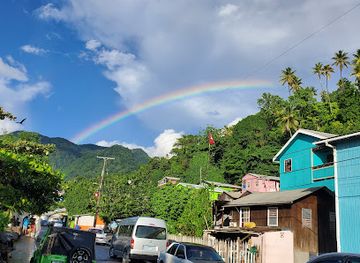
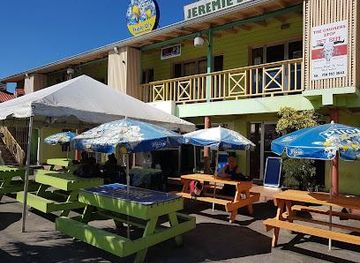
Shopping in Malgretoute is limited to the needs of a small coastal community, so visitors should look to Soufrière for the nearest concentration of local purchases. The town’s market and small shops are useful for fruit, provisions, drinks and everyday supplies, while craft sellers and tourism businesses offer souvenirs linked to Saint Lucia’s landscape and culture. Typical gifts include spices, cocoa and other locally produced foods, wood or woven crafts, jewellery and artwork, although stock varies between sellers. Soufrière is a better place than Malgretoute for browsing, but it is not a large-scale shopping destination; the appeal lies in informal local commerce rather than international retail. Visitors should compare products, ask about materials where relevant and carry cash for small purchases, particularly when buying from independent vendors or market sellers.
-
Fresh food market
Castries Market
Discover the heart of St. Lucia at Castries Market, a vibrant fresh food market offering local flavors and unique crafts.
40 min drive · 20 km from city centre
-
Shopping mall
Baywalk Shopping Mall
Experience the vibrant spirit of the Caribbean at Baywalk Shopping Mall, where shopping, dining, and stunning views combine for an unforgettable visit.
48 min drive · 28 km from city centre
-
Shopping mall
La Place Carénage
Experience the vibrant shopping and dining at La Place Carénage in Castries, where local culture and Caribbean charm come to life.
40 min drive · 20 km from city centre
-
Shopping mall
Gablewoods Shopping Mall
Discover the vibrant Gablewoods Shopping Mall in St. Lucia, where shopping, dining, and local culture come together for an unforgettable experience.
43 min drive · 23 km from city centre


Get your free copy of our complete guide to Malgretoute, delivered straight to you.
Everything on this page, from attractions and restaurants to essentials and local phrases, in one PDF you can read offline, print or share.
Already have an account? Sign in
Your Malgretoute guide is ready.
We'll send it to · Not you? Sign out

Getting your guide ready…
We are putting together a fresh copy of the Malgretoute guide. This can take up to a minute.
This can take a few moments. If your browser asks, choose Allow so the download can start. You'll find the guide in your Downloads folder.
Nothing happened? Download it again
Sorry, the guide is taking longer than usual. Please try again in a minute, or get it by email instead.
Malgretoute essentials
Currency and Payment
Safety
Emergency Situations
Do's and Don'ts
Local Tips
From Eve
Local phrases worth knowing
You don't need to get them perfect. A few words go a long way, and locals appreciate the effort.
Basics
| English | Local | Say it |
|---|---|---|
| Hello | Bonjou | [bon-zho] |
| Goodbye | Orevwa | [oh-rev-wah] |
| Yes | Wi | [wee] |
| No | Non | [nohn] |
| Please/You're welcome | Tanpri | [tahn-pree] |
| Thank you | Mèsi | [meh-see] |
| Excuse me/Sorry | Eskize mwen | [es-kee-zay mwuhn] |
| How are you? | Kijan ou ye? | [kee-jahn oo yay] |
| Fine. And you? | Byen. E ou menm? | [byen. ay oo mehn] |
| Do you speak English? | Eske ou pale angle? | [es-keh oo pahl ahng-leh] |
| I don't understand | Mwen pa konprann | [mwuhn pah kohn-prahn] |
Eating & Drinking
| English | Local | Say it |
|---|---|---|
| I'd like to see the menu, please | Mwen ta renmen we meni a, tanpri | [mwuhn tah rehn-mehn weh meh-nee ah tahn-pree] |
| I don't eat meat | Mwen pa manje vyann | [mwuhn pah mahn-jeh vyan] |
| Cheers! | Santé! | [san-tay] |
| I would like to pay, please | Mwen ta renmen peye, tanpri | [mwuhn tah rehn-mehn peh-yeh tahn-pree] |
Emergencies
| English | Local | Say it |
|---|---|---|
| Help! | Ed! | [ehd] |
| Go away! | Ale! | [ah-leh] |
| Call the Police! | Rele lapolis! | [reh-leh lah-po-leece] |
| Call a doctor! | Rele yon doktè! | [reh-leh yohn dohk-teh] |
| I'm lost | Mwen pedi | [mwuhn peh-dee] |
| I'm ill | Mwen malad | [mwuhn mah-lahd] |
Shopping
| English | Local | Say it |
|---|---|---|
| I'd like to buy... | Mwen ta renmen achte... | [mwuhn tah rehn-mehn ah-sh-teh] |
| I'm just looking | Mwen jis ap gade | [mwuhn zjees ahp gahd] |
| How much is it? | Konbyen sa koute? | [kohn-byen sah koo-teh] |
| That's too expensive | Sa twò chè | [sah twah sheh] |
| Can you lower the price? | Eske ou ka ba pri a? | [es-keh oo kah bah pree ah] |
Time & Numbers
| English | Local | Say it |
|---|---|---|
| What time is it? | Kilè li ye? | [kee-leh lee yay] |
| It's one o'clock | Li senk | [lee sehnk] |
| Half past (10) | Demi (10) | [deh-mee (deh-seh)] |
| Morning | Maten | [mah-tehn] |
| Afternoon | Apremidi | [ah-preh-mee-dee] |
| Evening | Swa | [swah] |
| Yesterday | Yè | [yeh] |
| Today | Jodi a | [zho-dee ah] |
| Tomorrow | Demen | [deh-mehn] |
| 1 | Yon | [yohn] |
| 2 | De | [deh] |
| 3 | Twaz | [twahz] |
| 4 | Kat | [kaht] |
| 5 | Senk | [sehnk] |
| 6 | Sis | [sees] |
| 7 | Sèt | [set] |
| 8 | Uit | [weet] |
| 9 | Nèf | [nef] |
| 10 | Dis | [dees] |
Transport & Directions
| English | Local | Say it |
|---|---|---|
| Where's a/the...? | Ki kote...? | [kee koh-teh] |
| What's the address? | Ki adres la? | [kee ah-drehs lah] |
| Can you show me (on the map)? | Eske ou ka montre mwen (sou kat)? | [es-keh oo kah mohn-tray mwuhn (soo kaht)] |
| When's the next (bus)? | Kilè prochen (bis)? | [kee-leh proh-shen (bees)] |
| A ticket (to ....) | Yon tikè (pou ....) | [yohn tee-keh (poo)] |
History of Malgretoute
Kalinago Heritage Before Colonisation
Long before European settlement, Saint Lucia was inhabited by Indigenous peoples, including communities associated with the Kalinago. The island’s volcanic mountains, fertile valleys and sheltered bays supported movement, cultivation and coastal activity. Although Malgretoute has limited separately recorded early history, its position within the Soufrière region places it in a landscape shaped by Indigenous knowledge of the coast, forests and volcanic terrain. Much of the surviving historical record was later written through European colonial perspectives, making it important to distinguish the island’s deep Indigenous past from the relatively recent settlement patterns visible today.
French Settlement in Soufrière
French colonisation gave the south-western part of Saint Lucia much of its early European character. Soufrière developed around agriculture, coastal access and estates, with French influence still evident in place names and aspects of local culture. Plantations increasingly relied on enslaved Africans, whose labour transformed the land and whose descendants form a central part of Saint Lucia’s society. Malgretoute’s rural coastal setting belongs to this wider plantation landscape, although it was not a major colonial town in its own right. The surrounding hills and valleys were valued for cultivation as well as for their access to the sea.
Imperial Rivalry and British Rule
Saint Lucia became a contested Caribbean possession as France and Britain competed for strategic harbours, trade and regional influence. The island changed hands repeatedly during the eighteenth century before becoming British in 1814 under the Treaty of Paris. Colonial administration, plantation agriculture and maritime connections continued to shape Soufrière and its surrounding communities. The social order was marked by slavery until emancipation in the British Caribbean in 1834, followed by apprenticeship and profound economic and social change. These developments affected rural settlements across the Soufrière quarter, including communities connected by the roads and coastal routes around present-day Malgretoute.
Emancipation and Rural Community Life
After emancipation, Saint Lucia’s economy gradually moved away from the plantation system, although agriculture remained indispensable. Small farming, fishing and family-based rural life became important features of communities around Soufrière. Bananas later became a major export crop across Saint Lucia, while cocoa, coconuts and other produce also contributed to local livelihoods. Malgretoute’s modern identity developed within this broader pattern: a small settlement linked to neighbouring communities rather than an urban centre with its own large civic institutions. Roads, schools, churches and local commerce helped connect the south-western coast as residents adapted to changing agricultural and economic conditions.
Volcanic Tourism and Contemporary Saint Lucia
During the twentieth century, Saint Lucia’s natural scenery and volcanic heritage became increasingly important to the island’s visitor economy. Soufrière, the Pitons and the Sulphur Springs developed international recognition, while surrounding communities became part of a wider network of accommodation, guiding, transport and coastal activities. Saint Lucia gained independence from Britain in 1979, retaining constitutional links within the Commonwealth. Today Malgretoute remains a relatively quiet settlement whose significance comes from its setting near major natural and cultural attractions. Its landscape reflects the continuing relationship between local community life, agriculture, conservation and tourism in the Soufrière region.
Malgretoute in Photos
Browse through our photo collection highlighting the charm and character of the destination.
Cities near Malgretoute
The closest cities to Malgretoute, if you have time for more than one stop.
-
-

-

-

-


Swipe for more cities
Explore more

Explore more of Saint Lucia
Discover Saint Lucia, a Caribbean paradise with lush rainforests, pristine beaches, and vibrant culture. Perfect for adventure seekers and relaxation enthusiasts alike.
Explore Saint Lucia