

Free A'ana Travel Guide & Mobile App
Explore A'ana with free travel guides. Discover regional history, expert tips, proposed trips, and audio guides on web or mobile app.


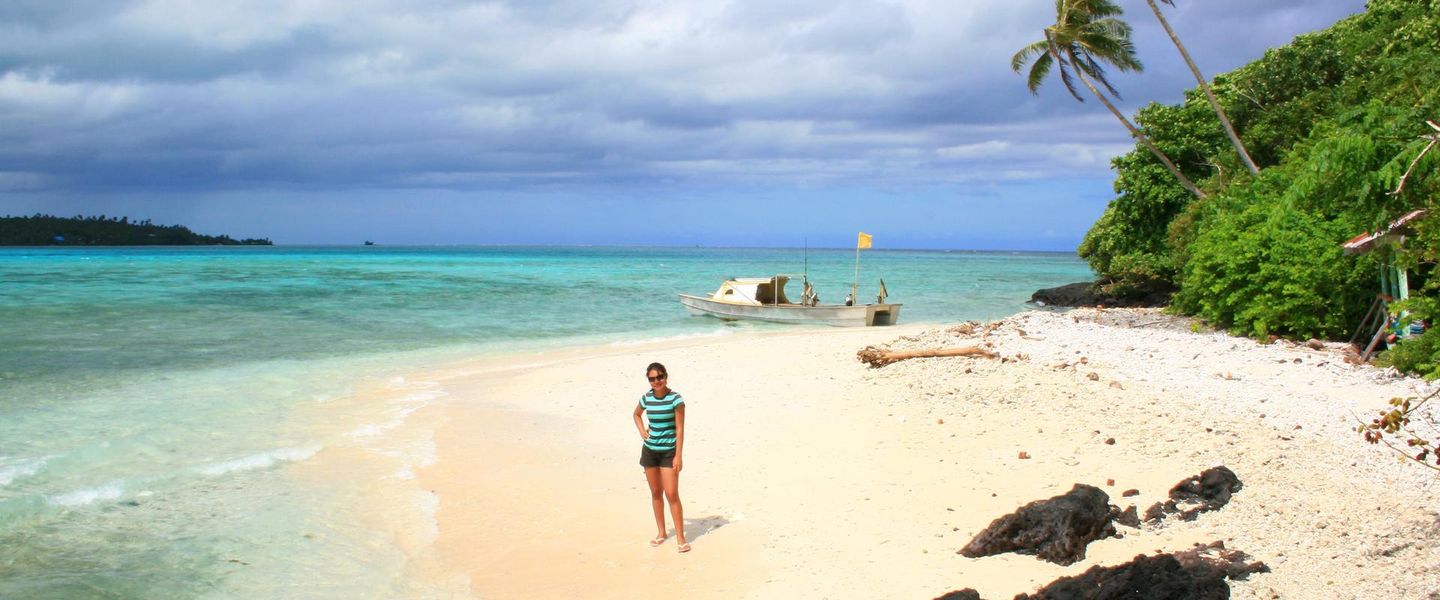


Explore A'ana in western Upolu for village traditions, reef reserves, coastal scenery, Lefaga beaches and a quieter side of Samoa.
Read more about A'ana
When is the best time to visit A'ana?
Best: June–August · 29°C| Month | High (°C) | Rainfall (mm) |
|---|---|---|
| January | 29 | 270 |
| February | 29 | 260 |
| March | 29 | 250 |
| April | 29 | 240 |
| May | 29 | 230 |
| June (best) | 29 | 220 |
| July (best) | 29 | 210 |
| August (best) | 29 | 220 |
| September | 29 | 230 |
| October | 29 | 240 |
| November | 29 | 250 |
| December | 29 | 260 |
Getting to and around A'ana
How to get there
Transportation
Top city travel guides in A'ana
The cities of A'ana, and the easiest places to base yourself.

Swipe for more cities
Best attractions in A'ana
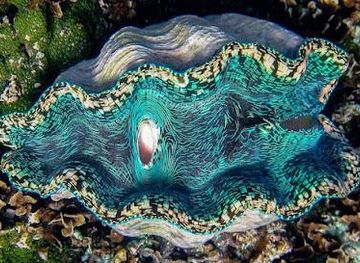
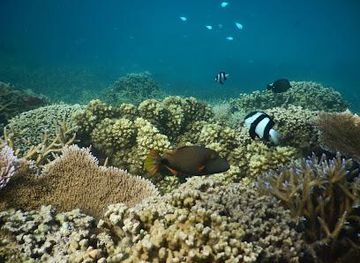
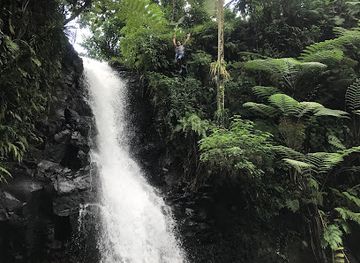
A'ana's attractions are closely connected with its coast, villages and community-managed natural resources. The marine reserve at Savaia is one of the district's best-known experiences, offering a chance to see giant clams and reef life under local conservation rules. Around Lefaga and Salamumu, beaches and lagoon views provide opportunities for swimming, snorkelling, kayaking and quiet coastal walks when conditions allow. Visitors should use established access points and ask permission where beaches or paths cross customary land. Leulumoega offers cultural and historical interest through its role as A'ana's traditional centre, while village churches, malae and meeting houses reveal the district's living social landscape. Inland, plantations, streams and forested foothills offer a contrasting perspective on western Upolu, although access is often arranged locally rather than through formal visitor infrastructure. The district also suits travellers interested in village stays, traditional meals, reef conservation and unhurried drives between settlements. Nearby Apia, outside A'ana, provides larger museums, markets and urban services, but A'ana itself is best appreciated through its coastal communities, rural scenery and relationship with the sea.
-
Nature preserve
Giant Clam Sanctuary
Explore the enchanting Giant Clam Sanctuary in Savaia, Samoa, where marine conservation meets breathtaking underwater beauty.
-
Tourist attraction
Palolo Deep Marine Reserve
Discover Palolo Deep Marine Reserve, a vibrant marine sanctuary in Apia, Samoa, perfect for snorkeling and diving enthusiasts seeking underwater adventure.
-
Tourist attraction
Lalotalie ECAT Ventures Samoa
Explore the breathtaking beauty and rich culture of Lalotalie ECAT Ventures in Samoa, a perfect blend of adventure and tranquility.
-
Tourist attraction
EFKS Fine Art Museum
Explore the rich artistic heritage of Samoa at the EFKS Fine Art Museum in Malua, where culture and creativity come alive.
Best landmarks in A'ana
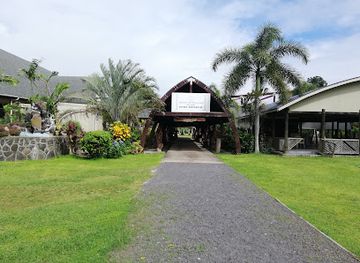
Leulumoega's ceremonial and chiefly landscape is among A'ana's most important cultural landmarks. Its significance lies less in a single monumental building than in the village's role as the traditional centre of A'ana and in the continuing presence of malae, titles, churches and gathering places. Along the western coast, the broad waters of Lefaga Bay provide a memorable natural setting, with villages and plantations facing reefs and changing Pacific light. The coastline around Salamumu is notable for its combination of volcanic shore, beaches and lagoon scenery, while Savaia's protected marine area represents a landmark of community conservation as well as a natural attraction. Faleolo International Airport is a practical modern landmark for the district, marking western Upolu's connection with the wider Pacific. Churches and village fales throughout A'ana should be viewed as living places of worship and community rather than as monuments detached from local life.
-
 Hotel
HotelTaumeasina Island Resort
Experience luxury and relaxation at Taumeasina Island Resort, a stunning getaway in the heart of Samoa showcasing breathtaking views and warm hospitality.
-
Hotel
Sheraton Samoa Beach Resort
Experience luxury and natural beauty at Sheraton Samoa Beach Resort, a tropical paradise perfect for relaxation and adventure in the heart of Samoa.
-
Tourist attraction
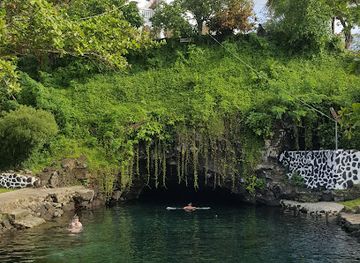
Piula Cave Pool
Experience the tranquility and natural beauty of Piula Cave Pool in Samoa, a perfect destination for relaxation, swimming, and exploration.
-
Pizza
Giordano's Pizzeria // Samoa
Experience the authentic taste of Italy at Giordano's Pizzeria in Apia, Samoa, where every slice tells a story of culinary tradition.
Explore A'ana on the map
Plan your trip on one map. See where the top cities, national parks and sights are, and book hotels and experiences in a few clicks.
Best hotels in A'ana
Best restaurants in A'ana
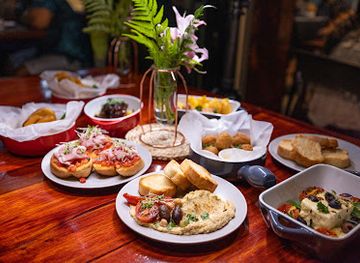
Dining in A'ana is shaped by Samoan home cooking, village hospitality and the produce of land and reef rather than by a dense restaurant scene. Depending on season and local availability, meals may include taro, breadfruit, green bananas, coconut, fresh fish, octopus and other seafood, often prepared in ways that reflect family and village traditions. Accommodation providers and coastal resorts around Lefaga and Salamumu may serve Samoan dishes alongside familiar international food, while small shops offer basic provisions and snacks rather than extensive menus. An umu, the traditional earth-oven method used for community and family meals, is an important part of Samoan food culture, though visitors should experience it by invitation or through an organised host. Local fruit and freshly caught seafood are among the most appealing regional tastes; availability depends on weather, fishing and supply. Formal dining choices are more numerous in Apia, outside the district.
-
Restaurant
Paddles Restaurant
Discover authentic Samoan cuisine at Paddles Restaurant in Apia – where every dish tells a story of island flavors.
-
Restaurant
Return to Paradise Resort
Experience luxury and natural beauty at Return to Paradise Resort in Lefaga - your ultimate tropical getaway.
-
Pub
The Edge Marina, Samoa
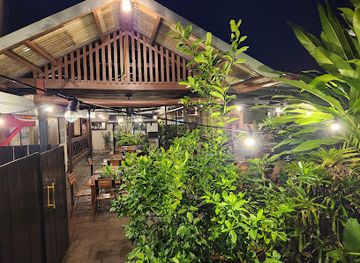
Experience vibrant coastal life at The Edge Marina in Samoa - where delicious food meets breathtaking views and unforgettable moments.
-
Restaurant
Scalini's Restaurant
Discover authentic Samoan cuisine at Scalini's Restaurant in Apia, where every dish tells a story of tradition and flavor.
Best bars in A'ana
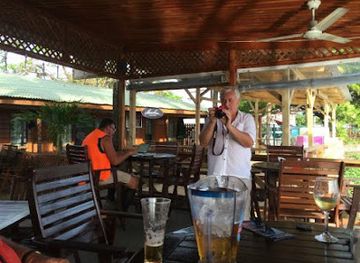
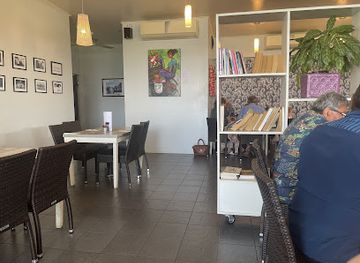
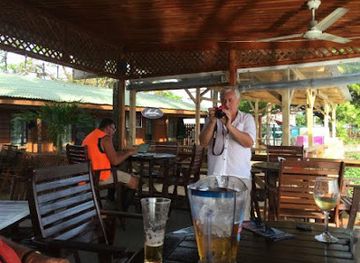
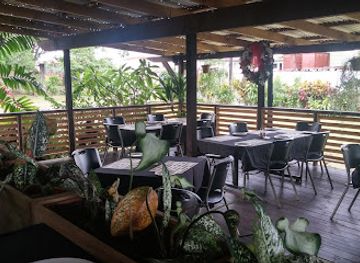
A'ana has a restrained evening scene centred on accommodation venues, village gatherings and traditional pubs or bars rather than dedicated nightclubs. Coastal hotels and resorts around Lefaga and Salamumu may provide drinks, sunset seating and occasional entertainment for guests, while local villages have their own social rhythms that should not be treated as public nightlife. Apia, outside A'ana, is the nearest place for a broader selection of bars, live music and late-evening venues. In the district itself, evenings are better suited to a meal, conversation, stargazing or listening to the coast than to bar-hopping. Alcohol should be consumed discreetly and responsibly, particularly near villages, churches and family areas. Check current arrangements with accommodation providers, as rural venues can operate seasonally or change their services.
-
Bar
Return to Paradise Resort
Discover the ultimate tropical escape at Return to Paradise Resort in Matautu, where luxury meets stunning natural beauty.
-
Pub
The Edge Marina, Samoa
Experience the vibrant culture and exceptional hospitality of Samoa at The Edge Marina, your go-to pub and café for unforgettable moments.
-
Restaurant
Kokobanana Bar & Grill
Experience the vibrant flavors of Samoa at Kokobanana Bar & Grill, where local cuisine meets a warm, inviting atmosphere in Apia.
-
Restaurant
Taumeasina Hidden Gem Restaurant & Bar
Experience the rich flavors of Samoa at Taumeasina Hidden Gem Restaurant & Bar, where culinary tradition meets tropical elegance.
Best nightclubs in A'ana
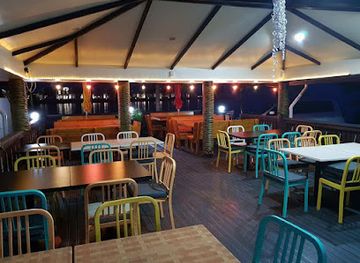
A'ana has a restrained evening scene centred on accommodation venues, village gatherings and traditional pubs or bars rather than dedicated nightclubs. Coastal hotels and resorts around Lefaga and Salamumu may provide drinks, sunset seating and occasional entertainment for guests, while local villages have their own social rhythms that should not be treated as public nightlife. Apia, outside A'ana, is the nearest place for a broader selection of bars, live music and late-evening venues. In the district itself, evenings are better suited to a meal, conversation, stargazing or listening to the coast than to bar-hopping. Alcohol should be consumed discreetly and responsibly, particularly near villages, churches and family areas. Check current arrangements with accommodation providers, as rural venues can operate seasonally or change their services.
-
Bar
Return to Paradise Resort
Discover the enchanting Return to Paradise Resort in Lefaga, Matautu—a perfect blend of luxury, culture, and natural beauty.
-
Resort hotel
Coconuts Beach Club Resort & Spa
Discover the ultimate tropical getaway at Coconuts Beach Club Resort & Spa, where relaxation meets adventure in beautiful Samoa.
-
Pub
The Edge Marina, Samoa
Experience the vibrant atmosphere and stunning views at The Edge Marina, Samoa's premier pub and cocktail bar.
-
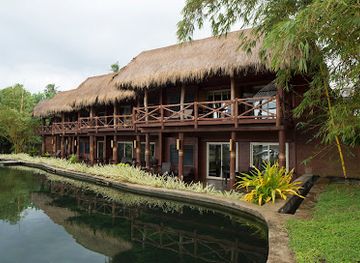
Resort hotel
Ocean Club Maninoa
Discover a tropical paradise at Ocean Club Maninoa, a premier resort hotel in Samoa, offering breathtaking views and exceptional service.


Best shops in A'ana
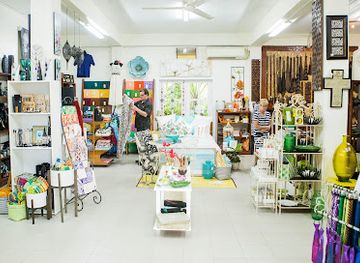
Shopping in A'ana is modest and locally focused. Small village shops supply everyday essentials, while roadside sellers and accommodation providers may offer seasonal fruit, coconuts and other local produce. Visitors are more likely to find Samoan handicrafts, woven items, shell jewellery, artwork and locally made souvenirs through hotels, community initiatives or organised cultural visits than in a dedicated shopping quarter. Leulumoega and the larger settlements provide basic services, but Apia, outside A'ana, has the country's broadest choice of markets, crafts, galleries, supermarkets and specialist shops. When purchasing woven goods or carvings, ask about the maker and materials, and avoid buying items made from protected wildlife or restricted natural materials. Bargaining is not usually the central feature of village transactions; agree prices clearly and pay respectfully, particularly when purchases support a community or family enterprise.
-
Gift shop
Pacific Jewell Gift Shop & Garden Café
Explore unique handcrafted gifts and enjoy delicious local cuisine in the serene ambiance of Pacific Jewell Gift Shop & Garden Café in Apia.
-
Gift shop
Eveni Carruthers
Explore Eveni Carruthers in Apia for unique gifts, local clothing, and a rich taste of Samoan culture.
-
Gift shop
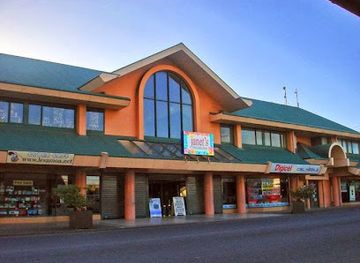
Janet's Samoa
Discover the essence of Samoan culture at Janet's Samoa, a charming gift shop offering unique handcrafted treasures and cultural experiences.
-
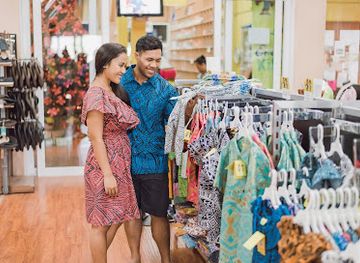
Clothing store
Tanoa Samoa
Uncover the essence of Samoan culture with stylish clothing and unique souvenirs at Tanoa Samoa in Apia.
Get your free copy of our complete guide to A'ana, delivered straight to you.
Everything on this page, from attractions and restaurants to essentials and local phrases, in one PDF you can read offline, print or share.
Already have an account? Sign in
Your A'ana guide is ready.
We'll send it to · Not you? Sign out

Getting your guide ready…
We are putting together a fresh copy of the A'ana guide. This can take up to a minute.
This can take a few moments. If your browser asks, choose Allow so the download can start. You'll find the guide in your Downloads folder.
Nothing happened? Download it again
Sorry, the guide is taking longer than usual. Please try again in a minute, or get it by email instead.
A'ana essentials
Currency and Payment
Safety
Emergency Situations
Do's and Don'ts
Local Tips
From Eve
Local phrases worth knowing
You don't need to get them perfect. A few words go a long way, and locals appreciate the effort.
Basics
| English | Local | Say it |
|---|---|---|
| Hello | Talofa | [Tah-loh-fah] |
| Goodbye | Tofa | [Toh-fah] |
| Yes | Ioe | [Ee-oh-eh] |
| No | Leai | [Leh-ah-ee] |
| Please/You're welcome | Fa'amolemole | [Fah-ah-moh-leh-moh-leh] |
| Thank you | Fa'afetai | [Fah-ah-feh-tah-ee] |
| Excuse me/Sorry | Fa'amolemole | [Fah-ah-moh-leh-moh-leh] |
| How are you? | O a mai oe? | [Oh ah my oh-eh] |
| Fine. And you? | Oka. O oe? | [Oh-kah. Oh oh-eh?] |
| Do you speak English? | E te tautala i le Igilisi? | [Eh teh tah-oo-tah-lah ee leh Ee-gee-lee-see?] |
| I don't understand | Ou te le malamalama | [Oh-oo teh leh mah-lah-mah-lah] |
Eating & Drinking
| English | Local | Say it |
|---|---|---|
| I'd like to see the menu, please | Ou te mana'o e va'ai i le menu, fa'amolemole | [Oh-oo teh mah-nah-oh eh vah-ee ee leh meh-noo, fah-ah-moh-leh-moh-leh] |
| I don't eat meat | Ou te le 'ai i mea'ai | [Oh-oo teh leh eye ee meh-ah-eye] |
| Cheers! | Manuia! | [Mah-noo-ee-ah] |
| I would like to pay, please | Ou te mana'o e totogi, fa'amolemole | [Oh-oo teh mah-nah-oh eh toh-toh-gee, fah-ah-moh-leh-moh-leh] |
Emergencies
| English | Local | Say it |
|---|---|---|
| Help! | fesoasoani! | [Feso'ota'i!] |
| Go away! | Ave le 'ai! | [Ah-veh leh eye!] |
| Call the Police! | Fa'afone i leoleo! | [Fah-ah-foh-neh ee leh-oh-leh-oh!] |
| Call a doctor! | Fa'afone i se foma'i! | [Fah-ah-foh-neh ee seh foh-mah-ee!] |
| I'm lost | Ou te le iloa | [Oh-oo teh leh ee-loh-ah] |
| I'm ill | Ou te ma'i | [Oh-oo teh mah-ee] |
Shopping
| English | Local | Say it |
|---|---|---|
| I'd like to buy... | Ou te mana'o e fa'atau... | [Oh-oo teh mah-nah-oh eh fah-tah-oo] |
| I'm just looking | O so'o so'o na'o | [Oh soh-oh soh-oh nah-oh] |
| How much is it? | E fia le tau? | [Eh fee-ah leh tah-oo?] |
| That's too expensive | O le tau e matua maualuga | [Oh leh tah-oo eh mah-twah mau-lah-lee-gah] |
| Can you lower the price? | E mafai ona e fa'aitiitia le tau? | [Eh mah-fai oh-nah eh fah-ee-tee-ee-ah leh tah-oo?] |
Time & Numbers
| English | Local | Say it |
|---|---|---|
| What time is it? | O le a le taimi? | [Oh leh ah leh tah-ee-mee?] |
| It's one o'clock | O le itula e tasi | [Oh leh ee-too-lah eh tah-see] |
| Half past (10) | O le afa i le (10) | [Oh leh ah-fah ee leh (10)] |
| Morning | Talofa | [Tah-loh-fah] |
| Afternoon | Afiafi | [Ah-fee-ah-fee] |
| Evening | Fa'atoa | [Fah-ah-toh-ah] |
| Yesterday | I le aso anale | [Ee leh ah-soh ah-nah-leh] |
| Today | I le aso nei | [Ee leh ah-soh nay] |
| Tomorrow | I le aso a taeao | [Ee leh ah-soh ah tah-eh-ah-oh] |
| 1 | Tasi | [Tah-see] |
| 2 | Lua | [Loo-ah] |
| 3 | Tofi | [Toh-fee] |
| 4 | Fā | [Fah] |
| 5 | Lima | [Lee-mah] |
| 6 | Ona | [Oh-nah] |
| 7 | Fitu | [Fee-too] |
| 8 | Valu | [Vah-loo] |
| 9 | Nava | [Nah-vah] |
| 10 | Sefulu | [Seh-foo-loo] |
Transport & Directions
| English | Local | Say it |
|---|---|---|
| Where's a/the...? | O fea le...? | [Oh feh-ah leh...?] |
| What's the address? | O le ā le fa'ailoga? | [Oh leh ah leh fah-eye-ngah?] |
| Can you show me (on the map)? | E mafai ona e fa'aali mai ia te a'u (i le mapa)? | [Eh mah-fai oh-nah eh fah-ah-lee my ee-ah teh ah-oo (ee leh mah-pah)?] |
| When's the next (bus)? | Aso ai le (bus) e sosoo? | [Ah-soh ai leh (bus) eh soh-soh?] |
| A ticket (to ....) | O se tiketi (i ....) | [Oh seh tee-keh-tee (ee ....)] |
History of A'ana
Lapita Settlement and Early Samoa
The wider Samoan archipelago was settled by Austronesian voyagers during the Lapita period, whose pottery tradition and seafaring networks form part of the Pacific's deep human history. Archaeological evidence across Samoa indicates long-term occupation, adaptation to volcanic soils and forests, and the development of communities linked by exchange and kinship. In A'ana, the coast and fertile inland areas provided locations for successive settlement, cultivation and fishing. Much of this early history is understood through archaeology, oral tradition and the continuing importance of land, genealogy and chiefly relationships rather than through monumental ruins.
The Formation of A'ana's Falealili and Chieftaincy Traditions
A'ana developed within Samoa's chiefly political system, in which titles, village councils, ceremonial grounds and relationships between districts shaped authority. Leulumoega became the traditional centre of A'ana, while its villages maintained their own chiefly structures and obligations. The title system was not a centralised monarchy in the European sense; authority was negotiated through genealogy, speech-making, gift exchange and consensus. These institutions remain visible in village ceremonies, the layout of malae and the continuing significance of titles, although contemporary Samoa combines customary government with the institutions of a modern parliamentary state.
The A'ana Conflict and the Malietoa Era
A'ana was deeply involved in the political conflicts that affected Upolu during the nineteenth century, when rival chiefly alliances competed for authority across Samoa. Warfare and political realignment altered relationships between villages and the leading titles of the islands. The A'ana conflict is remembered within Samoa as part of the struggle involving A'ana and Malietoa-aligned forces, and its legacy is preserved through genealogy, oral history and ceremonial practice. The period demonstrates why A'ana's villages and chiefly grounds carry significance well beyond their present-day administrative boundaries.
Christianity and Missionary Change in the Nineteenth Century
Christianity spread through Samoa during the nineteenth century, bringing new forms of worship, education and literacy while becoming interwoven with existing chiefly and village institutions. Missionaries and Samoan teachers travelled between communities, and churches soon became prominent features of village life. In A'ana, Christian practice reshaped the weekly rhythm, architecture and ceremonial landscape without erasing customary authority. Many present-day villages still express their identity through church communities, Sunday observance and the relationship between religious buildings, family land and the village malae.
Colonial Rule and the Road to Independence
Samoa experienced successive periods of foreign administration during the late nineteenth and early twentieth centuries, followed by New Zealand administration after the First World War. Western Upolu, including A'ana, was affected by changes in taxation, public administration, education, transport and commercial agriculture. Colonial rule also brought political tensions and dissatisfaction, contributing to the wider movement for Samoan self-government. In 1962, Western Samoa became the first Pacific island state to regain independence from colonial rule. A'ana's village and chiefly institutions continued to provide an important foundation for national life.
Modern A'ana: Agriculture, Tourism and Conservation
Since independence, A'ana has combined village agriculture and fishing with transport, services and tourism linked to western Upolu. Roads and the development of Faleolo International Airport made the district more accessible, while coastal accommodation introduced visitors to places such as Lefaga and Salamumu. At the same time, communities have maintained customary control over much coastal land and marine resources. Initiatives such as the Savaia marine reserve reflect a modern form of community stewardship, connecting local environmental knowledge with conservation, education and carefully managed visitor experiences.
A'ana in Photos
Browse through our photo collection highlighting the charm and character of the destination.
Neighbouring regions of A'ana
The closest regions to A'ana, if you have time for more than one.
-

-

-

-

-


Swipe for more regions
Explore more

Explore more of Samoa
Discover Samoa: Immerse in Polynesian culture, explore pristine beaches, and enjoy lush landscapes. Experience the unique blend of tradition and natural beauty.
Explore Samoa