

Free Va'a-o-Fonoti Travel Guide & Mobile App
Explore Va'a-o-Fonoti with free travel guides. Discover regional history, expert tips, proposed trips, and audio guides on web or mobile app.


Explore Va'a-o-Fonoti in Samoa for quiet coastal villages, reef scenery, tropical landscapes and an authentic East Upolu road journey.
Read more about Va'a-o-Fonoti
When is the best time to visit Va'a-o-Fonoti?
Best: June–August · 29°C| Month | High (°C) | Rainfall (mm) |
|---|---|---|
| January | 30 | 340 |
| February | 30 | 300 |
| March | 30 | 270 |
| April | 30 | 260 |
| May | 30 | 220 |
| June (best) | 29 | 180 |
| July (best) | 29 | 160 |
| August (best) | 29 | 170 |
| September | 29 | 200 |
| October | 29 | 230 |
| November | 30 | 280 |
| December | 30 | 320 |
Getting to and around Va'a-o-Fonoti
How to get there
Transportation
Best attractions in Va'a-o-Fonoti
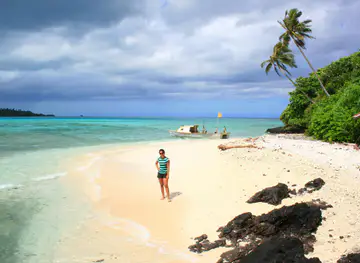
Va'a-o-Fonoti's attractions are primarily coastal, cultural and environmental rather than heavily built. The East Coast Road passes through a sequence of village landscapes where open fales, churches, plantations and the Pacific shoreline create the main sense of place. Faleapuna, Samamea and Sauano offer opportunities to observe the structure of rural Upolu respectfully, although visitors should ask before entering village spaces, beaches or privately managed land. Reefs, small bays and rocky coastal sections can suit swimming, snorkelling or shoreline photography when local conditions permit. Inland, tropical vegetation and cultivated slopes provide a quieter setting for short walks and scenic drives, but paths and access arrangements are not always formalised. The district also works well as a connecting part of an Upolu circuit, linking the capital region with the island's eastern villages and more developed coastal attractions elsewhere. Travellers should not expect a dense line-up of museums, ticketed monuments or nightlife; the appeal lies in the continuity between landscape and community. Local hosts can help identify safe water access, customary restrictions and weather-sensitive activities.
-
Nature preserve
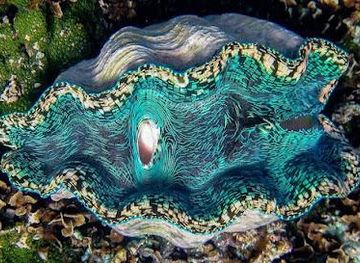
Giant Clam Sanctuary
Explore Savaia's Giant Clam Sanctuary, a stunning nature preserve showcasing vibrant marine life and exquisite giant clams in a pristine environment.
-
Tourist attraction
Palolo Deep Marine Reserve
Explore the breathtaking Palolo Deep Marine Reserve in Samoa, a paradise for snorkeling and diving enthusiasts with vibrant coral reefs and diverse marine life.
-
Lake
To Sua Ocean Trench
Explore the breathtaking To Sua Ocean Trench in Samoa, a stunning natural swimming hole surrounded by lush landscapes and vibrant marine life.
-
Beach
Lalomanu Beach
Discover the stunning Lalomanu Beach in Samoa, a tropical paradise with pristine sands, vibrant marine life, and a serene atmosphere perfect for relaxation.


Best landmarks in Va'a-o-Fonoti
The most significant landmarks in Va'a-o-Fonoti are its village landscapes and coastal setting rather than monumental buildings. Faleapuna, Samamea and Sauano are recognisable through their open fales, churches, meeting grounds, gardens and direct relationship with the sea; together they illustrate how Samoan settlement remains organised around family, customary authority and communal space. The East Coast Road is another defining feature, functioning as both a transport route and a visual thread through the district's villages and plantations. Along the shoreline, reef edges, volcanic rock, small bays and open Pacific views provide natural landmarks whose appearance changes with tide, weather and light. The district's name itself carries historical significance through its association with Fonoti and Samoan chiefly traditions. These places should be approached as living communities and customary environments, not as open-air museums: visitors need permission before photographing ceremonies, entering meeting areas or using village beaches.
-
Tourist attraction
To-Sua Ocean Trench
Explore the breathtaking To-Sua Ocean Trench in Samoa, a stunning natural wonder perfect for swimming, relaxation, and unforgettable experiences.
-
Tourist attraction
Piula Cave Pool
Experience the natural beauty and serenity of Piula Cave Pool, a hidden gem in Samoa perfect for swimming and exploration.
-
Resort hotel
Taufua Beach Fales
Experience the beauty and tranquility of Taufua Beach Fales, a serene resort hotel in Lalomanu, Samoa, where culture meets breathtaking nature.
-
Tourist attraction
Samoa Cultural Village
Experience the vibrant traditions of Samoa at the Samoa Cultural Village, where culture and community come alive through interactive performances and artisan crafts.


Explore Va'a-o-Fonoti on the map
Plan your trip on one map. See where the top cities, national parks and sights are, and book hotels and experiences in a few clicks.
Best hotels in Va'a-o-Fonoti
Best restaurants in Va'a-o-Fonoti
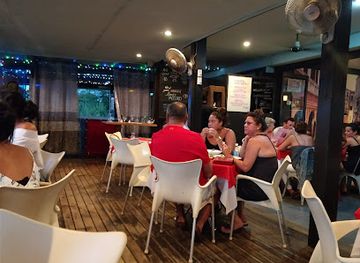
Dining in Va'a-o-Fonoti is closely connected to village households, small shops, accommodation providers and the wider Samoan food system rather than a large restaurant scene. Taro, breadfruit, banana, coconut, fish and other locally available produce form the basis of everyday meals, often prepared simply or cooked in an earth oven for communal occasions. Visitors staying in guest accommodation may be able to arrange home-style food in advance, while roadside shops provide basic snacks and drinks rather than an extensive choice. Seafood availability depends on weather, fishing and local supply, so it should not be assumed at every meal. For a broader selection of restaurants, bakeries and cafés, travellers generally look to Apia or larger settlements elsewhere on Upolu. It is polite to accept food or a shared meal graciously when invited, while clarifying dietary requirements before arrival. The district is best suited to visitors who value fresh local ingredients and informal hospitality over a formal dining itinerary.
-
Restaurant
Paddles Restaurant
Experience the best of Samoan cuisine at Paddles Restaurant in Apia - where flavor meets breathtaking ocean views.
-
Pub
The Edge Marina, Samoa
Experience the vibrant atmosphere and breathtaking views at The Edge Marina in Samoa - your ultimate coastal retreat for food and drinks.
-
Restaurant
Scalini's Restaurant
Experience authentic Samoan cuisine at Scalini's Restaurant in Apia - where flavor meets culture in an inviting atmosphere.
-
Restaurant
Pinati Restaurant
Discover authentic Samoan cuisine at Pinati Restaurant in Apia - where tradition meets flavor in every dish.


Best bars in Va'a-o-Fonoti
Va'a-o-Fonoti does not have a major nightclub district, and evening life is shaped more by family gatherings, village routines, accommodation-based meals and quiet coastal surroundings than by late-night entertainment. Small local shops may sell drinks, but opening arrangements and product availability vary. Visitors should not assume that a rural village operates licensed bars or that alcohol is appropriate in every public setting. Larger hotels, bars and live-music venues are concentrated around Apia and Samoa's principal visitor areas outside the district, making the capital the practical choice for a late evening out. In Va'a-o-Fonoti, a respectful dinner, conversation with hosts or an early evening walk near permitted accommodation areas is more typical. Sunday observance is particularly important across Samoa, when public activity is generally quieter and church and family commitments take precedence.
-
Restaurant
Paddles Restaurant
Experience the best of Samoan cuisine with stunning ocean views at Paddles Restaurant on Beach Road, Apia.
-
Pub
The Edge Marina, Samoa
Experience the lively atmosphere and stunning views at The Edge Marina, a perfect blend of local cuisine and refreshing cocktails in Samoa.
-
Restaurant
Pinati Restaurant
Experience the authentic taste of Samoa at Pinati Restaurant in Apia, where local flavors meet warm hospitality in a vibrant setting.
-
Restaurant
Bistro Tatau Restaurant
Experience the vibrant flavors of Samoa at Bistro Tatau Restaurant, where local ingredients meet culinary creativity in a beautiful setting.


Best nightclubs in Va'a-o-Fonoti
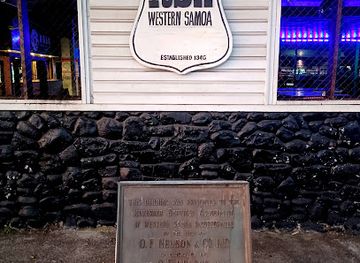
Va'a-o-Fonoti does not have a major nightclub district, and evening life is shaped more by family gatherings, village routines, accommodation-based meals and quiet coastal surroundings than by late-night entertainment. Small local shops may sell drinks, but opening arrangements and product availability vary. Visitors should not assume that a rural village operates licensed bars or that alcohol is appropriate in every public setting. Larger hotels, bars and live-music venues are concentrated around Apia and Samoa's principal visitor areas outside the district, making the capital the practical choice for a late evening out. In Va'a-o-Fonoti, a respectful dinner, conversation with hosts or an early evening walk near permitted accommodation areas is more typical. Sunday observance is particularly important across Samoa, when public activity is generally quieter and church and family commitments take precedence.
-
Night club
RSA Night Club
Discover the vibrant nightlife of Apia at RSA Night Club, where the music is alive and the dance floor awaits your moves.
-
 Bar
Y-Not Lounge Bar Samoa
Experience the vibrant nightlife of Apia at Y-Not Lounge Bar, where delicious drinks and friendly ambiance await every visitor.
-
Night club
CLUB 75 Samoa
Discover the electrifying nightlife of Apia at CLUB 75 Samoa, where music, dance, and vibrant energy unite for an unforgettable experience.

Best shops in Va'a-o-Fonoti
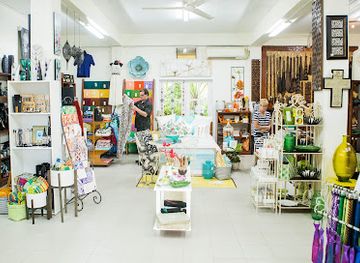
Shopping in Va'a-o-Fonoti is limited and practical, with small village shops serving everyday needs rather than offering a concentrated retail experience. Travellers should buy specialised supplies, medicines, substantial groceries and cash before leaving Apia or another larger Upolu centre. Local produce such as bananas, coconuts, taro and breadfruit may be available informally, but purchases should be made courteously and only where items are clearly offered for sale. Handicrafts, woven items and locally prepared food products may sometimes be arranged through accommodation providers or community contacts, although availability is seasonal and not guaranteed. For a broader choice of markets, handicraft stalls, supermarkets, galleries and souvenirs, Apia is the principal shopping centre on Upolu. Visitors should value fairly made goods, ask about prices before agreeing to a purchase and avoid removing shells, coral or other natural material from the coast.
-
Gift shop
Pacific Jewell Gift Shop & Garden Café
Discover unique gifts and savor delicious cuisine in a serene garden setting at Pacific Jewell Gift Shop & Garden Café in Apia.
-
Department store
SSAB Megastore
Shop local treasures and find unique souvenirs at SSAB Megastore, Apia's leading department store for tourists.
-
Department store
Eveni Carruthers
Discover the vibrant colors and styles of Samoa at Eveni Carruthers, your ultimate shopping destination in Apia, offering clothing, gifts, and local treasures.
-
Gift shop
Janet's Samoa
Explore Janet's Samoa, a cultural gem in Apia offering unique gifts, handcrafted treasures, and a taste of authentic Samoan artistry.


Get your free copy of our complete guide to Va'a-o-Fonoti, delivered straight to you.
Everything on this page, from attractions and restaurants to essentials and local phrases, in one PDF you can read offline, print or share.
Already have an account? Sign in
Your Va'a-o-Fonoti guide is ready.
We'll send it to · Not you? Sign out

Getting your guide ready…
We are putting together a fresh copy of the Va'a-o-Fonoti guide. This can take up to a minute.
This can take a few moments. If your browser asks, choose Allow so the download can start. You'll find the guide in your Downloads folder.
Nothing happened? Download it again
Sorry, the guide is taking longer than usual. Please try again in a minute, or get it by email instead.
Va'a-o-Fonoti essentials
Currency and Payment
Safety
Emergency Situations
Do's and Don'ts
Local Tips
From Eve
Local phrases worth knowing
You don't need to get them perfect. A few words go a long way, and locals appreciate the effort.
Basics
| English | Local | Say it |
|---|---|---|
| Hello | Talofa | [Tah-loh-fah] |
| Goodbye | Tofa | [Toh-fah] |
| Yes | Ae | [Eye] |
| No | Leai | [Leh-eye] |
| Please/You're welcome | Fa'amolemole | [Fah-ah-moh-leh-moh-leh] |
| Thank you | Fa'afetai | [Fah-ah-feh-tai] |
| Excuse me/Sorry | Fa'amolemole | [Fah-ah-moh-leh-moh-leh] |
| How are you? | O a mai oe? | [Oh ah my oh-eh] |
| Fine. And you? | Ua lelei. O a mai oe? | [Oo-ah leh-leh-ee. Oh ah my oh-eh] |
| Do you speak English? | E te tautala i le Igilisi? | [Eh teh tao-tah-lah ee leh Ee-gee-lee-see] |
| I don't understand | Ou te le malamalama | [Oh-oo teh leh mah-lah-mah-lah] |
Eating & Drinking
| English | Local | Say it |
|---|---|---|
| I'd like to see the menu, please | Ou te mana'o e va'ai i le menu, fa'amolemole | [Oh-oo teh mah-nah-oh eh vah-ee ee leh meh-noo, fah-ah-moh-leh-moh-leh] |
| I don't eat meat | Ou te le 'ai i mea'ai | [Oh-oo teh leh eye ee meh-ah-eye] |
| Cheers! | Fa'amalie | [Fah-ah-mah-lee-eh] |
| I would like to pay, please | Ou te mana'o e totogi, fa'amolemole | [Oh-oo teh mah-nah-oh eh toh-toh-gee, fah-ah-moh-leh-moh-leh] |
Emergencies
| English | Local | Say it |
|---|---|---|
| Help! | Fa'amolemole! | [Fah-ah-moh-leh-moh-leh] |
| Go away! | Tamāloa! | [Tah-mah-loh-ah] |
| Call the Police! | Fa'ailoa i leoleo! | [Fah-eye-loh-ah ee leh-oh-leh-oh] |
| Call a doctor! | Fa'ailoa se foma'i! | [Fah-eye-loh-ah seh fo-mah-ee] |
| I'm lost | Ou te le iloa | [Oh-oo teh leh ee-loh-ah] |
| I'm ill | Ou te ma'i | [Oh-oo teh mah-ee] |
Shopping
| English | Local | Say it |
|---|---|---|
| I'd like to buy... | Ou te mana'o e fa'atau... | [Oh-oo teh mah-nah-oh eh fah-ah-tau] |
| I'm just looking | Ou na'o soifu | [Oh-oo nah-oh so-ee-foo] |
| How much is it? | E fia le tau? | [Eh fee-ah leh tau] |
| That's too expensive | O le tau e maualuga | [Oh leh tau eh mah-oo-lah-nga] |
| Can you lower the price? | E mafai ona fa'aitiitia le tau? | [Eh mah-fai oh-nah fah-eye-tee-tee-ah leh tau] |
Time & Numbers
| English | Local | Say it |
|---|---|---|
| What time is it? | O le a le taimi? | [Oh leh ah leh tie-mee] |
| It's one o'clock | O le tasi le الساعة | [Oh leh tah-see leh sah-ah] |
| Half past (10) | O le afa o le (10) | [Oh leh ah-fah oh leh] |
| Morning | Tuaoi | [Too-ah-oy] |
| Afternoon | Afiafi | [Ah-fee-ah-fee] |
| Evening | Po | [Poh] |
| Yesterday | I se aso | [Ee seh ah-so] |
| Today | I le aso | [Ee leh ah-so] |
| Tomorrow | I le aso o le taeao | [Ee leh ah-so oh leh tie-ow] |
| 1 | Tasi | [Tah-see] |
| 2 | Lua | [Loo-ah] |
| 3 | Tolu | [Toe-loo] |
| 4 | Fa | [Fah] |
| 5 | Lima | [Lee-mah] |
| 6 | Ona | [Oh-nah] |
| 7 | Fitu | [Fee-too] |
| 8 | Fa | [Fah] |
| 9 | Iva | [Ee-vah] |
| 10 | Sefulu | [Seh-foo-loo] |
Transport & Directions
| English | Local | Say it |
|---|---|---|
| Where's a/the...? | O fea le...? | [Oh feh-ah leh] |
| What's the address? | O le a le 'aiga? | [Oh leh ah leh eye-ngah] |
| Can you show me (on the map)? | E te mafai ona fa'aali mai ia te a'u (i le fa'ata'ita'iga)? | [Eh teh mah-fai oh-nah fah-ah-lee my ee-ah teh ow (ee leh fah-ah-tai-tai-ee-gah)] |
| When's the next (bus)? | O le taimi o le (bus) e soso'o? | [Oh leh tie-mee oh leh bus eh soh-so-oh] |
| A ticket (to ....) | Se tiketi (i ....) | [Seh tee-keh-tee (ee)] |
History of Va'a-o-Fonoti
Lapita Settlement and Polynesian Ancestry
Samoa was settled by seafaring Austronesian peoples during the wider Lapita expansion across the Pacific, with later generations developing the language, customs and social systems recognised as Polynesian. Archaeological evidence from Samoa shows long occupation of coastal and inland environments, although individual sites in Va'a-o-Fonoti are not always interpreted publicly as visitor attractions. The district's present villages form part of this much older pattern of settlement, in which access to reefs, fertile volcanic soils and inland resources supported closely connected communities.
The Formation of Samoan Chiefly Authority
Samoan political life developed through networks of extended families, chiefly titles and village alliances rather than a single permanently centralised kingdom. Va'a-o-Fonoti's name refers to Fonoti, a major figure in Samoan traditions of succession and political authority. The historical importance of such traditions lies not only in named chiefly lines but also in the continuing role of titles, ceremony, land and collective decision-making. These structures remain visible in the organisation of villages and the responsibilities associated with the fa'a-Samoa.
Inter-island Rivalries and Tongan Influence
Before European colonial rule, Samoa was shaped by competition and alliance among local political groups, as well as periods of influence from Tonga and other neighbouring islands. Military expeditions and marriage alliances affected chiefly relationships across Upolu and Savai'i. The northeastern districts were connected to these wider networks through coastal travel and kinship, even when their villages remained locally governed. The political landscape that later colonial administrations encountered was therefore already complex and historically layered.
Christianity and Nineteenth-century Change
Christian missionaries arrived in Samoa during the nineteenth century, and conversion brought major changes to worship, education, architecture and public life. Churches became prominent focal points in villages throughout Upolu, while Sunday observance developed into an important part of the national rhythm. Missionary activity also intersected with existing chiefly authority rather than simply replacing it. In Va'a-o-Fonoti, as elsewhere in Samoa, contemporary village life reflects both Christian institutions and older systems of family obligation and customary leadership.
Colonial Rule and the Division of Samoa
Rival German, British and American interests contributed to the nineteenth-century political crisis that led to the partition of the Samoan islands in 1899. The islands that form present-day Samoa came under German administration, later New Zealand administration after the First World War, and eventually achieved independence in 1962. Although Va'a-o-Fonoti is a rural district rather than a former colonial capital, its roads, administrative arrangements, churches and links to the wider Upolu economy developed within these successive periods of external rule.
Independence and Contemporary Village Life
Samoa became the first Pacific island country to regain independence in the twentieth century, and its modern political system continues to operate alongside customary chiefly structures. Va'a-o-Fonoti remains predominantly village-based, with land, family obligations, agriculture, fishing and church life continuing to shape local livelihoods. Improved roads and tourism have made the northeastern coast more accessible, but the district has not developed the dense commercial character of Apia. Its contemporary identity therefore rests on balancing customary authority, national citizenship and selective participation in the visitor economy.
Va'a-o-Fonoti in Photos
Browse through our photo collection highlighting the charm and character of the destination.
Neighbouring regions of Va'a-o-Fonoti
The closest regions to Va'a-o-Fonoti, if you have time for more than one.
-

-

-
-

-


Swipe for more regions
Explore more

Explore more of Samoa
Discover Samoa: Immerse in Polynesian culture, explore pristine beaches, and enjoy lush landscapes. Experience the unique blend of tradition and natural beauty.
Explore Samoa