

Free Aiga-i-le-Tai Travel Guide & Mobile App
Explore Aiga-i-le-Tai with free travel guides. Discover regional history, expert tips, proposed trips, and audio guides on web or mobile app.


Explore Aiga-i-le-Tai in western Samoa for Manono’s village life, Apolima’s volcanic scenery, coastal journeys and island traditions.
Read more about Aiga-i-le-Tai
When is the best time to visit Aiga-i-le-Tai?
Best: June–August · 30°C| Month | High (°C) | Rainfall (mm) |
|---|---|---|
| January | 31 | 300 |
| February | 31 | 250 |
| March | 31 | 250 |
| April | 31 | 250 |
| May | 30 | 200 |
| June (best) | 30 | 200 |
| July (best) | 30 | 200 |
| August (best) | 30 | 200 |
| September | 30 | 250 |
| October | 31 | 300 |
| November | 31 | 300 |
| December | 31 | 300 |
Getting to and around Aiga-i-le-Tai
How to get there
Transportation
Top city travel guides in Aiga-i-le-Tai
The cities of Aiga-i-le-Tai, and the easiest places to base yourself.

Swipe for more cities
Best attractions in Aiga-i-le-Tai
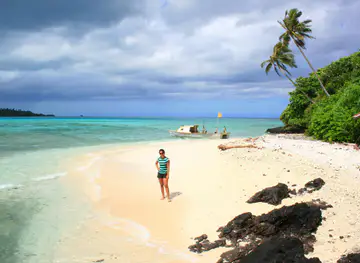
Aiga-i-le-Tai’s attractions are shaped by the sea and by the contrast between western Upolu and its offshore islands. Manono is the district’s principal visitor experience: a walk around its coastal track reveals village settings, churches, gardens, shoreline views and everyday cultural landscapes without the traffic found on Upolu. Apolima offers a more remote excursion, with a striking volcanic form, steep outer slopes and a sheltered interior, although access must be arranged locally and is weather-dependent. On the mainland, the Mulifanua area is a practical base for observing the movement of ferries and boats through the Apolima Strait, while Faleolo provides access to western coastal scenery and Samoa’s international gateway. Swimming, boating, snorkelling and birdwatching may be possible in suitable conditions, but visitors should use local advice around reefs, currents and landing places. The district is less about a concentration of formal museums or commercial attractions than about village landscapes, ocean travel, oral history and respectful encounters with communities whose daily life remains the central cultural resource.
-
Nature preserve
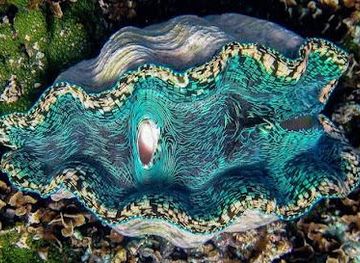
Giant Clam Sanctuary
Explore the breathtaking Giant Clam Sanctuary in Savaia, where nature conservation meets stunning underwater beauty and vibrant marine life.
-
Tourist attraction
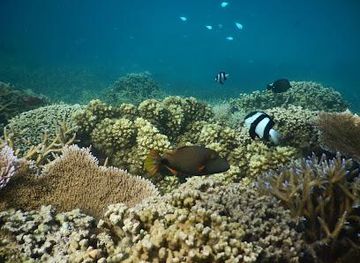
Palolo Deep Marine Reserve
Explore the vibrant underwater ecosystem of Palolo Deep Marine Reserve in Samoa, a paradise for snorkeling and diving enthusiasts.
-
Tourist attraction
National Park of American Samoa
Explore the breathtaking landscapes and vibrant culture of the National Park of American Samoa, a unique tropical paradise in the Pacific.
-
Visitor center
National Park of American Samoa Visitor Center
Discover the natural beauty and cultural heritage of American Samoa at the National Park of American Samoa Visitor Center, your gateway to adventure.


Best landmarks in Aiga-i-le-Tai
Manono’s low volcanic island form is itself one of Aiga-i-le-Tai’s defining landmarks, rising modestly from the Apolima Strait and encircled by a route that links its villages and shoreline. Its churches, fale and carefully maintained village spaces are significant not because of monumental scale but because they express the island’s continuing social and religious organisation. Apolima is more dramatic: the remnant of a volcanic formation, it has steep outer sides and a protected inner landscape that makes it visually distinctive from the lower profile of Manono. On Upolu, the Mulifanua ferry terminal and the waters of the Apolima Strait mark a historically important passage between Samoa’s two principal islands. Faleolo’s airport infrastructure represents a very different layer of the landscape, connecting a traditionally organised western district with international travel. Together these places show Aiga-i-le-Tai as a region defined by passages, island settlements and the meeting of volcanic geography with living village institutions.
-
Tourist attraction
To-Sua Ocean Trench
Explore the breathtaking To-Sua Ocean Trench in Samoa, a stunning natural wonder perfect for swimming, snorkeling, and relaxation amid lush surroundings.
-
Tourist attraction
Piula Cave Pool
Explore the natural beauty of Piula Cave Pool in Faleapuna, Samoa—a stunning oasis perfect for swimming and relaxation surrounded by lush landscapes.
-
Tourist attraction
Samoa Cultural Village
Discover the vibrant traditions and rich heritage of Samoa at the Cultural Village, an immersive experience for all visitors.
-
Hotel
Sheraton Samoa Aggie Grey's Hotel & Bungalows
Discover the luxury and beauty of Sheraton Samoa Aggie Grey's Hotel & Bungalows, your gateway to the enchanting landscapes of Samoa.


Explore Aiga-i-le-Tai on the map
Plan your trip on one map. See where the top cities, national parks and sights are, and book hotels and experiences in a few clicks.
Best hotels in Aiga-i-le-Tai
Best restaurants in Aiga-i-le-Tai
Dining in Aiga-i-le-Tai is generally informal and community-based rather than organised around a large restaurant scene. On western Upolu, visitors will find food at accommodation, roadside outlets, small shops and local gatherings, while Manono visits may involve meals arranged through a host or village contact. Samoan staples can include taro, breadfruit, bananas, coconut, fresh fish, pork and chicken, often prepared in an umu, the traditional earth oven, for family or communal occasions. Oka, raw fish prepared with coconut cream and citrus, is associated with Samoa’s wider coastal food culture, though availability and preparation vary. Fresh fruit, taro-based dishes and coconut are especially relevant in island communities. Visitors should not assume that food is available throughout the day on Manono or Apolima, so arrangements and supplies are worth confirming before departure. Faleolo and the main western road provide the best choice of established dining, but the district’s culinary character lies in home-style food, local produce and meals connected to hospitality rather than a distinct fine-dining circuit.
-
Restaurant
Paddles Restaurant
Experience authentic Samoan cuisine at Paddles Restaurant in Apia, where fresh ingredients meet warm hospitality.
-
Pub
The Edge Marina, Samoa
Experience vibrant island life at The Edge Marina in Samoa - your go-to spot for delicious food, refreshing drinks, and stunning ocean views.
-
Restaurant
Scalini's Restaurant
Discover delightful local flavors at Scalini's Restaurant in Apia - where culinary excellence meets warm Samoan hospitality.
-
Restaurant
Pinati Restaurant
Experience authentic Samoan cuisine at Pinati Restaurant in Apia - where every meal tells a story.


Best bars in Aiga-i-le-Tai
Aiga-i-le-Tai does not have a major nightclub district, and evening life is more closely tied to family gatherings, church communities, accommodation venues and a small number of local bars or restaurants on western Upolu. Around Faleolo and the mainland transport corridor, visitors may find relaxed places for a drink or meal, but hours and availability can change. Manono is particularly quiet after dark, with village routines, darkness, ocean conditions and the evening sa period shaping the pace of the night. Alcohol should not be taken to the offshore islands without checking local expectations, and public drinking or noisy behaviour can be inappropriate in village settings. Those seeking a broader choice of live music, bars and late-night venues will generally need to travel to Apia, outside Aiga-i-le-Tai, rather than expect an urban nightlife scene in the district.
-
Pub
The Edge Marina, Samoa
Discover the lively ambiance of The Edge Marina, Samoa, where stunning ocean views meet delicious food and vibrant nightlife.
-
Restaurant
Bistro Tatau Restaurant
Experience the vibrant flavors of Samoa at Bistro Tatau Restaurant in Apia, where local ingredients meet culinary creativity.
-
Restaurant
Kokobanana Bar & Grill
Discover the vibrant flavors of Samoa at Kokobanana Bar & Grill, where fresh ingredients and a lively atmosphere create unforgettable dining experiences.
-
Restaurant
Island Grill - Steak & Seafood
Experience the best of Apia's culinary scene at Island Grill, where fresh seafood meets expertly grilled steaks in a vibrant setting.


Best nightclubs in Aiga-i-le-Tai
Aiga-i-le-Tai does not have a major nightclub district, and evening life is more closely tied to family gatherings, church communities, accommodation venues and a small number of local bars or restaurants on western Upolu. Around Faleolo and the mainland transport corridor, visitors may find relaxed places for a drink or meal, but hours and availability can change. Manono is particularly quiet after dark, with village routines, darkness, ocean conditions and the evening sa period shaping the pace of the night. Alcohol should not be taken to the offshore islands without checking local expectations, and public drinking or noisy behaviour can be inappropriate in village settings. Those seeking a broader choice of live music, bars and late-night venues will generally need to travel to Apia, outside Aiga-i-le-Tai, rather than expect an urban nightlife scene in the district.
-
Resort hotel
Coconuts Beach Club Resort & Spa
Experience the ultimate tropical getaway at Coconuts Beach Club Resort & Spa, where luxury meets the stunning beauty of Samoa's coastline.
-
Pub
The Edge Marina, Samoa
Experience the vibrant atmosphere and stunning coastal views at The Edge Marina, your go-to destination for food and fun in Samoa.
-
Resort hotel
Ocean Club Maninoa
Discover the serene beauty and vibrant culture at Ocean Club Maninoa, your ultimate Samoan resort destination.
-
Night club
RSA Night Club
Dive into the dynamic nightlife of Apia at RSA Night Club, where live music and electrifying energy come together for an unforgettable experience.


Best shops in Aiga-i-le-Tai
Shopping in Aiga-i-le-Tai is modest and practical, concentrated around village shops, roadside stores, transport points and businesses serving airport or ferry passengers. Visitors may find locally grown fruit, snacks, drinks and basic supplies on western Upolu, while Manono has limited retail provision and should not be treated as a place for extensive shopping. Handicrafts, woven items, shell decorations and other Samoan-made goods may be available through local contacts or accommodation, but selection is dependent on community production rather than permanent specialist shops. The most useful purchases before an island trip are drinking water, sun protection, cash and any personal supplies that may be difficult to obtain offshore. For a substantial choice of galleries, crafts, clothing, souvenirs and supermarkets, Apia, outside the district, is the main shopping destination. Buying directly from makers or hosts where possible supports local households, but visitors should ask about prices and permissions rather than bargaining aggressively in village settings.
-
Gift shop
Pacific Jewell Gift Shop & Garden Café
Experience the charm of Samoa at Pacific Jewell Gift Shop & Garden Café, where unique gifts and delightful dining await.
-
Gift shop
Eveni Carruthers
Discover the heart of Samoan culture at Eveni Carruthers, a unique gift shop offering local treasures, clothing, and more in Apia.
-
Gift shop
Janet's Samoa
Explore Janet's Samoa for unique handcrafted gifts and a cultural experience that embodies the spirit of the islands.
-
Clothing store
Tanoa Samoa
Experience the vibrant fashion of Tanoa Samoa in Apia, where local culture meets modern style in a charming clothing store.


Get your free copy of our complete guide to Aiga-i-le-Tai, delivered straight to you.
Everything on this page, from attractions and restaurants to essentials and local phrases, in one PDF you can read offline, print or share.
Already have an account? Sign in
Your Aiga-i-le-Tai guide is ready.
We'll send it to · Not you? Sign out

Getting your guide ready…
We are putting together a fresh copy of the Aiga-i-le-Tai guide. This can take up to a minute.
This can take a few moments. If your browser asks, choose Allow so the download can start. You'll find the guide in your Downloads folder.
Nothing happened? Download it again
Sorry, the guide is taking longer than usual. Please try again in a minute, or get it by email instead.
Aiga-i-le-Tai essentials
Currency and Payment
Safety
Emergency Situations
Do's and Don'ts
Local Tips
From Eve
Local phrases worth knowing
You don't need to get them perfect. A few words go a long way, and locals appreciate the effort.
Basics
| English | Local | Say it |
|---|---|---|
| Hello | Talofa | [Tah-loh-fah] |
| Goodbye | Tofa | [Toh-fah] |
| Yes | Ioe | [Ee-oh-eh] |
| No | Leai | [Leh-ah-ee] |
| Please/You're welcome | Fa'amolemole | [Fah-ah-moh-leh-moh-leh] |
| Thank you | Fa'afetai | [Fah-ah-feh-tah-ee] |
| Excuse me/Sorry | Fa'amolemole | [Fah-ah-moh-leh-moh-leh] |
| How are you? | Oa mai oe? | [Oh-ah my oh-eh] |
| Fine. And you? | Ua lelei. O ai oe? | [Oo-ah leh-leh-ee. Oh ai oh-eh?] |
| Do you speak English? | E te iloa le gagana Ingilisi? | [Eh teh ee-loh-ah leh gah-gah-nah Ingilisi?] |
| I don't understand | Ou te le malamalama | [Oh-oo teh leh mah-lah-mah-ngah] |
Eating & Drinking
| English | Local | Say it |
|---|---|---|
| I'd like to see the menu, please | Ou te manaʻo e vaʻai i le menu, fa'amolemole | [Oh-oo teh mah-nah-oh eh vah-ih ee leh meh-noo, fah-ah-moh-leh-moh-leh] |
| I don't eat meat | Ou te le 'ai i mea'ai | [Oh-oo teh leh eye ee meh-ah-eye] |
| Cheers! | Fa'amanuia! | [Fah-ah-mah-noo-ee-ah!] |
| I would like to pay, please | Ou te manaʻo e totogi, fa'amolemole | [Oh-oo teh mah-nah-oh eh toh-toh-gee, fah-ah-moh-leh-moh-leh] |
Emergencies
| English | Local | Say it |
|---|---|---|
| Help! | Fa'amolemole! | [Fah-ah-moh-leh-moh-leh!] |
| Go away! | Aumai! | [Ow-my!] |
| Call the Police! | Fa'amolemole, fa'ata'ita'i leoleo! | [Fah-ah-moh-leh-moh-leh, fah-ah-tah-ee-tah-ee leh-oh-leh-oh!] |
| Call a doctor! | Fa'amolemole, vala'au se foma'i! | [Fah-ah-moh-leh-moh-leh, vah-lah-ah-oo seh foh-mah-ee!] |
| I'm lost | Ua ou nofo i se nofoaga e le iloa | [Oo-ah oh-oo noh-foh ee seh noh-ah-gah-ee eh leh ee-loh-ah] |
| I'm ill | Ou te matua leaga | [Oh-oo teh mah-too-ah leh-ah-ngah] |
Shopping
| English | Local | Say it |
|---|---|---|
| I'd like to buy... | Ou te manaʻo e fa'atau... | [Oh-oo teh mah-nah-oh eh fah-tah-oo...] |
| I'm just looking | Ou na'o ta'a'iga | [Oh-oo nah-oh tah-ah-ee-ngah] |
| How much is it? | E fia le tau? | [Eh fee-ah leh tah-oo?] |
| That's too expensive | O le tau o le maualuga | [Oh leh tah-oo oh leh mah-ow-ngah] |
| Can you lower the price? | E mafai ona e fa'aitiiti le tau? | [Eh mah-fai oh-nah eh fah-eye-tee-tee leh tah-oo?] |
Time & Numbers
| English | Local | Say it |
|---|---|---|
| What time is it? | O le fa'amasani o le taimi? | [Oh leh fah-mah-sah-nee oh leh tie-mee?] |
| It's one o'clock | O le itula e tasi | [Oh leh ee-too-lah eh tah-see] |
| Half past (10) | Sei le fa'ata'ita'iga (10) | [Say leh fah-ah-tah-ee-tah-ee-gah (10)] |
| Morning | Vaveao | [Vah-veh-ah-oh] |
| Afternoon | Afiafi | [Ah-fee-ah-fee] |
| Evening | Po | [Poh] |
| Yesterday | I le aso ananafi | [Ee leh ah-soh ah-nah-nah-fee] |
| Today | I le aso | [Ee leh ah-soh] |
| Tomorrow | I le aso e sau | [Ee leh ah-soh eh sah-oo] |
| 1 | Tasi | [Tah-see] |
| 2 | Lua | [Loo-ah] |
| 3 | Tolu | [Toh-loo] |
| 4 | Fa | [Fah] |
| 5 | Lima | [Lee-mah] |
| 6 | Ona | [Oh-nah] |
| 7 | Fitu | [Fee-too] |
| 8 | Valu | [Bah-loo] |
| 9 | Iva | [Ee-vah] |
| 10 | Sefulu | [Seh-foo-loo] |
Transport & Directions
| English | Local | Say it |
|---|---|---|
| Where's a/the...? | O fea le...? | [Oh feh-ah leh...?] |
| What's the address? | O le fa'ailoga? | [Oh leh fah-eye-ngah?] |
| Can you show me (on the map)? | E mafai ona e fa'aalia mai ia te a'u (i le mapu)? | [Eh mah-fai oh-nah eh fah-ah-lee-ah my ee-ah teh ah-oo (ee leh mah-poo)?] |
| When's the next (bus)? | O le a le taimi e soso'o ai (le bas)? | [Oh leh ah leh tie-mee eh so-so-oh ai (leh bahs)?] |
| A ticket (to ....) | Se tiket (i ....) | [Seh tee-ket (ee ....)] |
History of Aiga-i-le-Tai
Early Polynesian Settlement
Aiga-i-le-Tai forms part of the wider Samoan archipelago, settled by Polynesian voyagers over many centuries. The islands’ position between Upolu and Savai‘i made the surrounding waters important for movement, exchange and communication. Archaeological evidence across Samoa, including ceramics associated with early Lapita voyaging traditions elsewhere in the archipelago, places the region within a long history of ocean navigation and settlement. On Manono and Apolima, oral traditions remain especially important for explaining ancestral relationships, chiefly authority and connections between particular villages and lands.
Manono and Traditional Authority
Manono developed as a significant island community within Samoa’s chiefly and village system. Its compact settlements, cultivated land and strategic position in the Apolima Strait supported close relationships with western Upolu and neighbouring islands. Authority was expressed through chiefly titles, family obligations, village councils and ceremonial exchange rather than through a centralised state in the European sense. Many contemporary customs on Manono, including carefully regulated village spaces and formal welcomes, reflect the continuing influence of these traditional structures.
Christianity and Nineteenth-Century Change
Christian missionaries and Samoan converts transformed religious and political life across the islands during the nineteenth century. Churches and Christian observance became central to village identity, while established chiefly institutions continued to organise local society. Manono and the surrounding western islands were drawn into the wider political struggles that affected Samoa during the same period, when rival chiefly alliances competed for influence and foreign powers increasingly intervened in Samoan affairs. The resulting changes are visible in church traditions, oral histories and the coexistence of Christian practice with older social structures.
The Samoan Civil Wars
During the nineteenth century, Samoa experienced a series of conflicts involving rival chiefly factions and competing claims to national leadership. Manono was one of the places associated with western political and military alliances, and its position gave it importance in movements across the strait. These struggles were not isolated local disputes: they were connected to the contest for Samoan authority and to the growing involvement of Germany, Britain and the United States. Their legacy remains part of the historical memory of western Samoa.
Colonial Rule and the Western Gateway
Samoa entered the colonial era in the early twentieth century, with Germany administering the western islands until 1914 and New Zealand subsequently governing them under a League of Nations mandate and trusteeship. The mainland settlements of western Upolu became increasingly important as routes between the islands developed. Mulifanua’s position beside the Apolima Strait helped reinforce its role as a point of embarkation, while later road, port and airport infrastructure connected Aiga-i-le-Tai more closely with national and international transport.
Modern Samoa and Community Continuity
Samoa became independent in 1962, and Aiga-i-le-Tai has remained closely tied to the country’s village-based social system and constitutional traditions. Modern transport has made the western end of Upolu an important gateway, particularly through Faleolo International Airport and the ferry crossing at Mulifanua, but the offshore islands retain a more self-contained character. Contemporary life combines customary obligations, church observance, subsistence and commercial activity, migration and tourism, with local communities continuing to determine how visitors are received and where access is appropriate.
Aiga-i-le-Tai in Photos
Browse through our photo collection highlighting the charm and character of the destination.
Neighbouring regions of Aiga-i-le-Tai
The closest regions to Aiga-i-le-Tai, if you have time for more than one.
-
-

-

-

-


Swipe for more regions
Explore more

Explore more of Samoa
Discover Samoa: Immerse in Polynesian culture, explore pristine beaches, and enjoy lush landscapes. Experience the unique blend of tradition and natural beauty.
Explore Samoa