

Free Atua Travel Guide & Mobile App
Explore Atua with free travel guides. Discover regional history, expert tips, proposed trips, and audio guides on web or mobile app.


Explore Atua in eastern Samoa for To Sua Ocean Trench, Lalomanu Beach, Fagaloa Bay, village traditions and the Aleipata islands.
Read more about Atua
When is the best time to visit Atua?
Best: June–August · 28°C| Month | High (°C) | Rainfall (mm) |
|---|---|---|
| January | 29 | 300 |
| February | 29 | 290 |
| March | 29 | 320 |
| April | 29 | 270 |
| May | 29 | 220 |
| June (best) | 28 | 170 |
| July (best) | 28 | 160 |
| August (best) | 28 | 160 |
| September | 28 | 180 |
| October | 28 | 230 |
| November | 29 | 280 |
| December | 29 | 310 |
Getting to and around Atua
How to get there
Transportation
Top city travel guides in Atua
The cities of Atua, and the easiest places to base yourself.

Swipe for more cities
Destinations in Atua
Resorts, valleys and scenic spots worth a trip of their own.
-

-

-

-


Swipe for more destinations
Best attractions in Atua
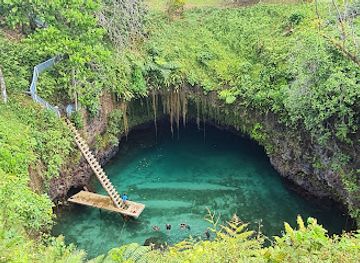
Atua’s attractions are concentrated along eastern Upolu’s coast and combine volcanic scenery with village-based cultural experiences. To Sua Ocean Trench at Lotofaga is the district’s signature natural site, where a garden setting leads down to a deep seawater pool formed in volcanic rock. Nearby coastal scenery includes blowholes, lava formations and reef-fringed beaches, although access and swimming conditions should be checked locally. Lalomanu offers a broad beach and views towards the Aleipata islands, while boat excursions may visit Namu’a or the protected waters around Nu’utele when sea conditions permit. Inland and northern routes bring waterfalls, forested valleys and the bays around Falefa and Fagaloa. Lufilufi provides an opportunity to learn about Atua’s chiefly traditions and the Tuimanu’a, while churches, fales and village life reveal the district’s living culture. Activities include swimming, snorkelling, coastal sightseeing, short walks and photography, but the experience is more rural and community-oriented than an organised resort circuit. Visitors should treat natural sites as fragile environments and follow local rules at customary land, beaches and marine areas.
-
Tourist attraction
To-Sua Ocean Trench
Explore the stunning To-Sua Ocean Trench in Samoa, a natural swimming paradise surrounded by lush landscapes and breathtaking ocean views.
-
Tourist attraction
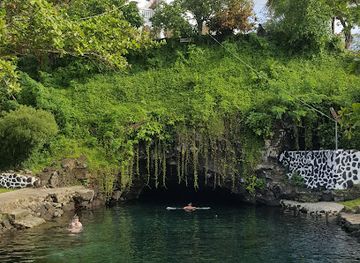
Piula Cave Pool
Explore the enchanting Piula Cave Pool in Faleapuna, a serene natural oasis perfect for swimming and relaxation amidst Samoa's stunning landscapes.
-
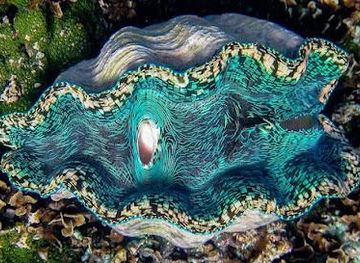
Giant Clam Sanctuary
Explore the Giant Clam Sanctuary in Savaia, a unique nature preserve showcasing marine life and conservation efforts in a stunning tropical paradise.
-
Tourist attraction
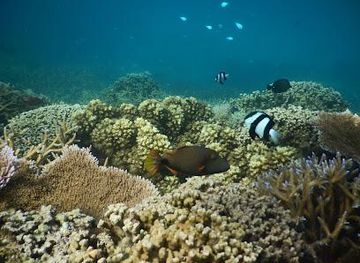
Palolo Deep Marine Reserve
Explore the vibrant underwater paradise of Palolo Deep Marine Reserve in Samoa, a haven for snorkeling and marine biodiversity enthusiasts.

Best landmarks in Atua
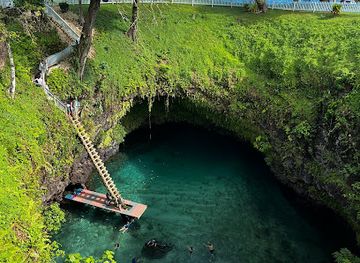
To Sua Ocean Trench is Atua’s most recognisable natural landmark, its vivid pool and steep vegetated walls illustrating the volcanic forces that shaped Upolu. The surrounding Lotofaga coast also contains striking lava formations and blowholes, creating a rugged contrast with the nearby sandy beaches. Lalomanu Beach is a prominent geographical marker on the south-eastern coast, facing the Aleipata islands and forming one of the district’s best-known coastal views. Offshore Namu’a and Nu’utele give the Aleipata area a distinctive island silhouette and are important within protected marine and ecological settings. At Lufilufi, the Fale Fono and the district’s association with the Tuimanu’a represent the enduring authority of Atua’s traditional institutions. The bays and forested slopes around Fagaloa provide another defining landscape, where steep volcanic terrain meets sheltered water and rural villages. These landmarks are significant not simply for scenery but because they connect geology, customary ownership, conservation and the historical identity of eastern Upolu.
-
 Hotel
HotelTaumeasina Island Resort
Discover the ultimate tropical escape at Taumeasina Island Resort, where luxury meets the natural beauty of Samoa's pristine beaches and vibrant culture.
-
Tourist attraction
To-Sua Ocean Trench
Discover the breathtaking To-Sua Ocean Trench, a natural wonder in Samoa where adventure meets tranquility in a stunning tropical paradise.
-
Resort hotel
Saletoga Sands Resort & Spa
Discover the perfect blend of luxury and adventure at Saletoga Sands Resort & Spa, a serene escape on Samoa's breathtaking coastline.
-
Tourist attraction
Piula Cave Pool
Explore the stunning Piula Cave Pool, a hidden gem in Samoa offering tranquil waters and enchanting natural beauty for an unforgettable experience.
Explore Atua on the map
Plan your trip on one map. See where the top cities, national parks and sights are, and book hotels and experiences in a few clicks.
Best hotels in Atua
Best restaurants in Atua
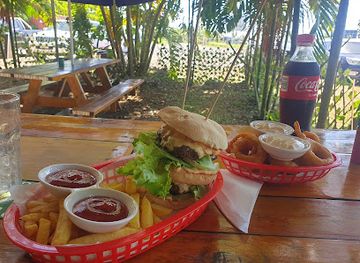
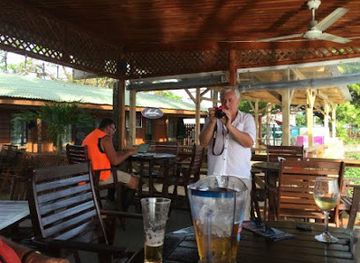
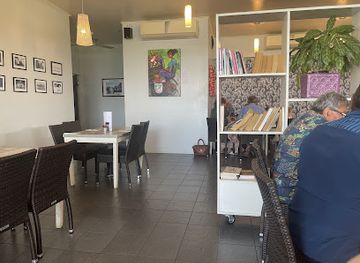
Dining in Atua reflects Samoa’s home-cooking traditions more than a broad restaurant industry. Taro, breadfruit, green bananas, coconut, fish, shellfish and pork appear regularly in meals, with fresh seafood particularly relevant along the coast. Small local eateries, village stalls and family-run accommodation may serve plates of cooked food, while beach fales often provide meals by arrangement. A traditional Samoan feast, or fiafia-style meal when offered by a host community, can include food cooked in an umu, the earth oven used across the country. Coconut cream, seasonal fruit and locally grown produce add distinctive flavours, while imported groceries are more readily available near larger settlements and Apia outside the district. Visitors should arrange meals ahead at rural accommodation and carry snacks for longer coastal drives. Samoa’s kava and other ceremonial foods belong to specific cultural contexts, so accept invitations respectfully and follow the host’s guidance rather than treating ceremonies as entertainment. Dining is generally relaxed, communal and closely connected to family and village life.
-
Hamburger
Phat Burger
Experience the ultimate burger bliss at Phat Burger in Apia – where local flavors meet classic American style.
-
Pub
The Edge Marina, Samoa
Discover paradise at The Edge Marina in Samoa – where breathtaking views meet delicious dining in a vibrant coastal setting.
-
Restaurant
Scalini's Restaurant
Discover the exquisite flavors of Samoa at Scalini's Restaurant in Apia—where local ingredients meet culinary creativity.
-
Restaurant
Faofao Beach Fales
Discover the beauty of Samoa at Faofao Beach Fales - your serene beach retreat for relaxation and adventure.
Best bars in Atua
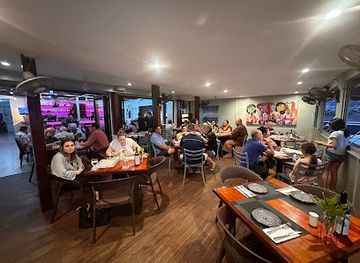
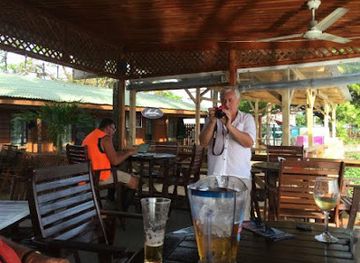
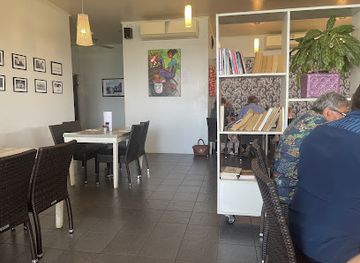
Atua does not have a concentrated nightclub scene. Evening life centres on family-run accommodation, village gatherings, restaurants and a small number of bars associated with hotels or beach fales. In coastal settlements, visitors may enjoy a quiet drink with food and views of the sea, but opening arrangements and licensed service vary, particularly outside the main tourist areas. Live music and cultural performances may be provided for guests on selected evenings, yet these should be approached as organised community experiences rather than assumed nightly events. Apia, outside Atua, offers Samoa’s widest choice of late-evening venues and is the practical option for visitors seeking more formal nightlife. In Atua, keep noise low near villages and churches, avoid walking unfamiliar rural roads after dark, and remember that Sundays are generally reserved for worship, rest and family observance rather than late-night entertainment.
-
Restaurant
Paddles Restaurant
Experience the best of Samoan cuisine at Paddles Restaurant in Apia, where local flavors meet international flair in a charming seaside setting.
-
Pub
The Edge Marina, Samoa
Discover The Edge Marina in Samoa, a lively pub and cafe where local flavors meet stunning ocean views for an unforgettable experience.
-
Restaurant
Scalini's Restaurant
Experience the culinary delights of Scalini's Restaurant in Apia, where local flavors meet modern cuisine in a welcoming atmosphere.
-
Bar
Faofao Beach Fales
Experience the beauty and culture of Samoa at Faofao Beach Fales, where traditional accommodations meet stunning ocean views and local hospitality.
Best nightclubs in Atua
Atua does not have a concentrated nightclub scene. Evening life centres on family-run accommodation, village gatherings, restaurants and a small number of bars associated with hotels or beach fales. In coastal settlements, visitors may enjoy a quiet drink with food and views of the sea, but opening arrangements and licensed service vary, particularly outside the main tourist areas. Live music and cultural performances may be provided for guests on selected evenings, yet these should be approached as organised community experiences rather than assumed nightly events. Apia, outside Atua, offers Samoa’s widest choice of late-evening venues and is the practical option for visitors seeking more formal nightlife. In Atua, keep noise low near villages and churches, avoid walking unfamiliar rural roads after dark, and remember that Sundays are generally reserved for worship, rest and family observance rather than late-night entertainment.
-
Bar
Return to Paradise Resort
Experience the ultimate tropical getaway at Return to Paradise Resort, where luxury meets the beauty of Samoa's shores.
-
Pub
The Edge Marina, Samoa
Discover The Edge Marina in Samoa: A vibrant pub and diner offering delicious cuisine, exquisite cocktails, and breathtaking ocean views.
-
Lodging
Faofao Beach Fales
Discover the charm of Faofao Beach Fales, where traditional Samoan hospitality meets breathtaking beachfront views, perfect for your next tropical escape.
-
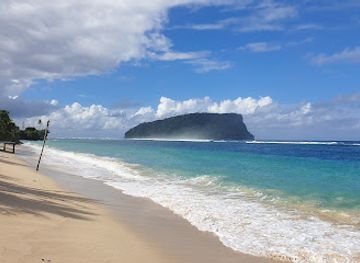
Beach
Lalomanu Beach
Experience the breathtaking beauty of Lalomanu Beach in Samoa, where pristine sands meet turquoise waters in a tropical paradise.
Best shops in Atua
Shopping in Atua is modest and locally focused rather than centred on large retail complexes. Small village shops provide everyday supplies, while markets and larger supermarkets are more concentrated in Apia and other urban areas outside the district. Visitors can look for locally produced food such as taro, bananas, coconuts and seasonal fruit, although availability varies and agricultural goods are not always packaged for tourists. Family-run fales and community projects may sell woven items, shell jewellery, carved objects, printed fabrics or other Samoan handicrafts, with quality and provenance best discussed directly with the maker. Respectful bargaining is not generally the defining feature of village shopping; ask the price politely and value work fairly. For a wider selection of souvenirs, books, clothing, crafts and gifts, shop in Apia before or after travelling through Atua. Do not remove coral, shells, plants or archaeological material from beaches and natural sites, and pack purchases carefully where rural roads and humid conditions may affect delicate goods.
-
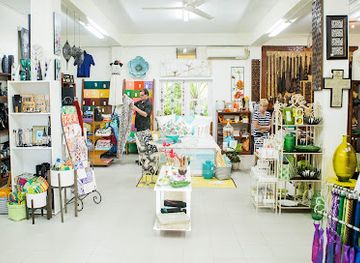
Gift shop
Pacific Jewell Gift Shop & Garden Café
Explore the vibrant culture of Samoa at Pacific Jewell Gift Shop & Garden Café, where unique gifts and delightful refreshments await.
-
Produce market
Fugalei Fresh Produce Market
Experience the vibrant flavors and local culture at Fugalei Fresh Produce Market, a must-visit destination in Apia, Samoa.
-
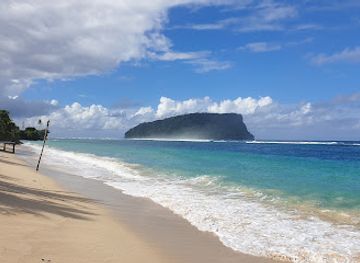
Beach
Lalomanu Beach
Discover the breathtaking beauty of Lalomanu Beach, a hidden gem in Samoa with pristine sands and vibrant marine life, perfect for relaxation and adventure.
-
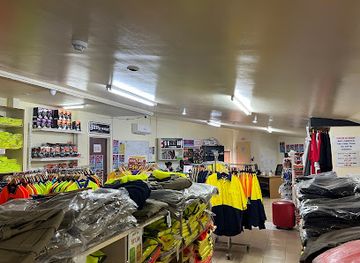
Department store
SSAB Megastore
Discover the vibrant SSAB Megastore in Apia, where shopping meets Samoan culture, offering a diverse selection of unique local products.

Get your free copy of our complete guide to Atua, delivered straight to you.
Everything on this page, from attractions and restaurants to essentials and local phrases, in one PDF you can read offline, print or share.
Already have an account? Sign in
Your Atua guide is ready.
We'll send it to · Not you? Sign out

Getting your guide ready…
We are putting together a fresh copy of the Atua guide. This can take up to a minute.
This can take a few moments. If your browser asks, choose Allow so the download can start. You'll find the guide in your Downloads folder.
Nothing happened? Download it again
Sorry, the guide is taking longer than usual. Please try again in a minute, or get it by email instead.
Atua essentials
Currency and Payment
Safety
Emergency Situations
Do's and Don'ts
Local Tips
From Eve
Local phrases worth knowing
You don't need to get them perfect. A few words go a long way, and locals appreciate the effort.
Basics
| English | Local | Say it |
|---|---|---|
| Hello | Talofa | [Tah-loh-fah] |
| Goodbye | Tofa | [Toh-fah] |
| Yes | Ioe | [Ee-oh-eh] |
| No | Leai | [Leh-ah-ee] |
| Please/You're welcome | Fa'amolemole | [Fah-ah-moh-leh-moh-leh] |
| Thank you | Fa'afetai | [Fah-ah-feh-tah-ee] |
| Excuse me/Sorry | Fa'amolemole | [Fah-ah-moh-leh-moh-leh] |
| How are you? | O a mai oe? | [Oh ah mai oh-eh] |
| Fine. And you? | Sili. Fa'amolemole? | [See-lee. Fah-ah-moh-leh-moh-leh?] |
| Do you speak English? | E te le fa'aaoga i le Gagana Peretania? | [Eh teh leh fah-ah-oh-ngah ee leh Gah-gah-nah Peh-reh-tah-nee-ah?] |
| I don't understand | E le malamalama ia te a'u | [Eh leh mah-lah-mah-lah-mee ah ee ah-oo] |
Eating & Drinking
| English | Local | Say it |
|---|---|---|
| I'd like to see the menu, please | Ou te mana'o e va'ai i le menu, fa'amolemole | [Oh-oo teh mah-nah-oh eh vah-ee ee leh meh-noo, fah-ah-moh-leh-moh-leh] |
| I don't eat meat | E le 'ai au i mea'ai | [Eh leh 'ah-ee ow ee meh-ah'ah-ee] |
| Cheers! | Fa'amanuia | [Fah-ah-mah-noo-ee-ah] |
| I would like to pay, please | Ou te mana'o e totogi, fa'amolemole | [Oh-oo teh mah-nah-oh eh toh-toh-gee, fah-ah-moh-leh-moh-leh] |
Emergencies
| English | Local | Say it |
|---|---|---|
| Help! | fesoasoani! | [Fa'asilisili!] |
| Go away! | O le fa'asa! | [Oh leh fah-sah!] |
| Call the Police! | Fa'afeso'ota'i le polisia! | [Fah-ah-feh-soh-tah-ee leh poh-lee-see-ah!] |
| Call a doctor! | Fa'afeso'ota'i se foma'i! | [Fah-ah-feh-soh-tah-ee seh foh-mah-ee!] |
| I'm lost | Ua ou leiloa | [Oo-ah oh leh-ee-loh-ah] |
| I'm ill | Ua ou gasegase | [Oo-ah oh gah-seh-gah-seh] |
Shopping
| English | Local | Say it |
|---|---|---|
| I'd like to buy... | Ou te mana'o e fa'atau... | [Oh-oo teh mah-nah-oh eh fah-ah-tow...] |
| I'm just looking | Ou te naunau | [Oh-oo teh nah-oo-nah-oo] |
| How much is it? | O le a le tau? | [Oh leh ah leh tah-oo?] |
| That's too expensive | O le tau o ia e maualuga | [Oh leh tah-oo oh ee-ah eh mah-oo-lah-ngah] |
| Can you lower the price? | E mafai ona e fa'aitiitia le tau? | [Eh mah-fai oh-nah eh fah-ee-tee-ee-ah leh tah-oo?] |
Time & Numbers
| English | Local | Say it |
|---|---|---|
| What time is it? | O le a le taimi? | [Oh leh ah leh tah-ee-mee?] |
| It's one o'clock | O le itula e tasi | [Oh leh ee-too-lah eh tah-see] |
| Half past (10) | O le afa i le (10) | [Oh leh ah-fah ee leh (10)] |
| Morning | Vaveao | [Vah-veh-ah-oh] |
| Afternoon | Afiafi | [Ah-fee-ah-fee] |
| Evening | Aso malamalama | [Ah-soh mah-lah-mah-lah-mah] |
| Yesterday | I le aso na | [Ee leh ah-soh nah] |
| Today | I le aso nei | [Ee leh ah-soh nay] |
| Tomorrow | I le aso e sau | [Ee leh ah-soh eh sow] |
| 1 | Tasi | [Tah-see] |
| 2 | Lua | [Loo-ah] |
| 3 | Tolu | [Toh-loo] |
| 4 | Fa | [Fah] |
| 5 | Lima | [Lee-mah] |
| 6 | Ono | [Oh-no] |
| 7 | Fitufi | [Fee-too-fee] |
| 8 | Valu | [Vah-loo] |
| 9 | Iva | [Ee-vah] |
| 10 | Ten | [Tehn] |
Transport & Directions
| English | Local | Say it |
|---|---|---|
| Where's a/the...? | O fea e ...? | [Oh feh-ah eh ...?] |
| What's the address? | O le a le tuatusi? | [Oh leh ah leh too-ah-too-see?] |
| Can you show me (on the map)? | E mafai ona e fa'aali mai ia te a'u (i le mapi)? | [Eh mah-fai oh-nah eh fah-ah-lee my ee-ah te ah-oo (ee leh mah-pee)?] |
| When's the next (bus)? | O le a le taimi o le (basi) e soso'o? | [Oh leh ah leh tah-ee-mee oh leh (bah-see) eh soh-soh?] |
| A ticket (to ....) | Se tiketi (i le ....) | [Seh tee-keh-tee (ee leh ....)] |
History of Atua
Lapita Settlement and Early Samoan Communities
Samoa was settled by Austronesian voyagers whose descendants developed distinctive Polynesian communities across the islands. Archaeological evidence from Samoa shows early occupation more than 2,000 years ago, with communities adapting to volcanic soils, coastal reefs and inland forests. In Atua, the enduring relationship between villages, gardens, freshwater and the sea reflects this long history of settlement. Traditional navigation, horticulture and fishing supported communities long before European contact, while oral traditions preserve genealogies and accounts of chiefly authority that remain important to Samoan identity.
The Tuimanu’a and Atua’s Traditional Authority
Atua is traditionally associated with the Tuimanu’a, one of Samoa’s most important chiefly titles. Lufilufi is regarded as the seat of this authority, and the district’s Fale Fono remains a symbol of formal chiefly discussion and political custom. Samoan power was organised through relationships between villages, matai title holders, extended families and districts rather than through a centralised state in the European sense. The history of Atua therefore survives not only in named sites but also in protocols, ceremonies, land relationships and the continuing significance of village councils.
European Contact and the Missionary Era
European visits to Samoa increased during the eighteenth and nineteenth centuries, followed by the arrival of Christian missionaries and growing commercial involvement. Mission Christianity spread through village networks, reshaping religious practice, education and public life while interacting with established Samoan customs. Atua’s churches, theological institutions and Sunday observances belong to this wider transformation. The district’s coastal position also brought it into contact with maritime movement around Upolu, although village authority and customary systems continued to structure everyday life.
Colonial Rule and the Struggle for Samoan Authority
During the late nineteenth and early twentieth centuries, Samoa became the subject of competing German, British and American interests. Germany administered the western islands from 1900, while the United States controlled eastern Samoa, now American Samoa. After the First World War, New Zealand administered Western Samoa under a mandate and later a trusteeship. In Atua, as elsewhere in Samoa, colonial administration operated alongside village and chiefly institutions. Debates over land, authority and political representation contributed to the wider movement that sought self-government.
The Mau Movement and Independence
The Mau movement emerged in the 1920s as a peaceful campaign for Samoan self-government under New Zealand administration. Its supporters challenged colonial control and insisted on Samoan authority over national affairs. Although the movement faced repression, it helped shape the political path towards independence. Western Samoa became independent in 1962, the first Pacific island state to regain independence in the twentieth century. Atua’s customary institutions and village communities remain part of the social foundations of the modern Samoan state.
Modern Atua: Tourism, Conservation and Community Life
Since independence, Atua has combined customary village life and agriculture with a growing visitor economy. Sites such as To Sua Ocean Trench, Lalomanu and the Aleipata islands have brought international attention, while family-run fales and community-managed attractions have allowed tourism to develop on local terms. Conservation around reefs, forests and offshore islands has become increasingly important as communities respond to weather hazards, coastal change and visitor pressure. The district remains predominantly rural, with tourism complementing rather than replacing farming, fishing, church life and customary obligations.
Atua in Photos
Browse through our photo collection highlighting the charm and character of the destination.
Neighbouring regions of Atua
The closest regions to Atua, if you have time for more than one.
-

-

-

-

-


Swipe for more regions

