

Free Fa'asaleleaga Travel Guide & Mobile App
Explore Fa'asaleleaga with free travel guides. Discover regional history, expert tips, proposed trips, and audio guides on web or mobile app.


Explore Fa'asaleleaga on eastern Savai'i for village culture, Sapapali'i's history, coastal stays, local food and easy island-road journeys.
Read more about Fa'asaleleaga
When is the best time to visit Fa'asaleleaga?
Best: June–August · 30°C| Month | High (°C) | Rainfall (mm) |
|---|---|---|
| January | 30 | 300 |
| February | 30 | 280 |
| March | 30 | 250 |
| April | 30 | 230 |
| May | 30 | 210 |
| June (best) | 30 | 190 |
| July (best) | 30 | 180 |
| August (best) | 30 | 190 |
| September | 30 | 210 |
| October | 30 | 240 |
| November | 30 | 270 |
| December | 30 | 290 |
Getting to and around Fa'asaleleaga
How to get there
Transportation
Top city travel guides in Fa'asaleleaga
The cities of Fa'asaleleaga, and the easiest places to base yourself.

Swipe for more cities
Best attractions in Fa'asaleleaga
Fa'asaleleaga's attractions are spread along the eastern coast of Savai'i rather than gathered in one formal visitor precinct. Salelologa is the practical starting point, with the ferry harbour, market activity and everyday shops providing an introduction to island life. Further along the coast, Lano is associated with beach accommodation and quiet seaside stays, while other villages offer opportunities to observe architecture, churches, gardens and customary community life from an appropriate distance. Sapapali'i is the district's most important historical stop, linked with the arrival of Christianity in Samoa in 1830. The attraction of the region also lies in the journey between these places: tropical vegetation, roadside plantations, ocean views and changing coastal conditions create a distinctly Savai'ian road experience. Visitors interested in nature can combine village travel with swimming, coastal walks and photography where local access and sea conditions permit. Fa'asaleleaga is less about a dense sequence of ticketed sights than about respectful encounters with a living landscape, food grown in family gardens, and the contrast between Salelologa's practical bustle and the quieter coastal settlements beyond it.
-
Nature preserve
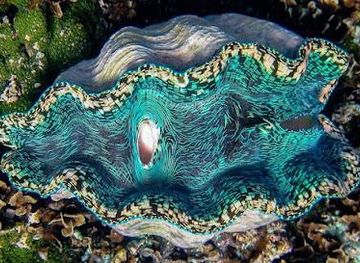
Giant Clam Sanctuary
Explore the enchanting Giant Clam Sanctuary in Savaia, where marine beauty meets conservation in a breathtaking natural setting.
-
Tourist attraction
Afu Aau Waterfalls
Explore the breathtaking beauty of Afu Aau Waterfalls in Vailoa — a serene escape into nature's paradise.
-
Tourist attraction
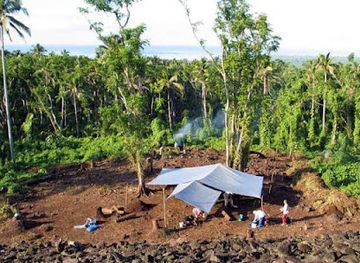
Pulemelei Ancient Mound
Explore the ancient heritage of Samoa at Pulemelei Ancient Mound, a remarkable historical site revealing the island's rich cultural past.
-
Tourist attraction
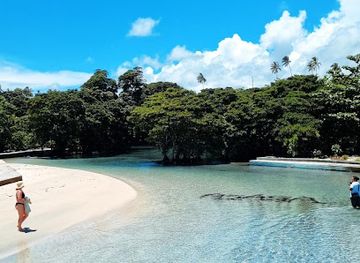
Asaga River Pool and Beach Fale
Discover the serenity of Asaga River Pool and Beach Fale, a tropical paradise offering relaxation, adventure, and authentic Samoan cuisine.

Best landmarks in Fa'asaleleaga
Sapapali'i is Fa'asaleleaga's defining historical landmark, commemorating the place associated with John Williams's arrival in 1830 and the beginning of a major transformation in Samoa's religious history. Its significance is inseparable from the village and its living community, so visitors should follow local instructions and avoid treating the site as an unrestricted monument. Salelologa's ferry harbour is another important physical reference point: it is the maritime threshold between Savai'i and Upolu and the place through which many visitors first encounter the district. Along the coast, village churches and fale meeting structures reflect the continuing importance of Christianity, chiefly authority and communal life in Samoan settlements. Lano's shoreline provides a more natural landmark, with the open Pacific, reef-fringed coast and palms forming a recognisable eastern Savai'ian landscape. Rather than a collection of monumental castles or ruins, Fa'asaleleaga's visual identity comes from the relationship between ocean, road, village, church and cultivated land.
-
 Hotel
HotelTaumeasina Island Resort
Discover the ultimate luxury escape at Taumeasina Island Resort, a serene haven in Samoa’s breathtaking natural beauty.
-
Resort hotel
Saletoga Sands Resort & Spa
Discover tranquility at Saletoga Sands Resort & Spa, a luxurious escape on Samoa's breathtaking South Coast, where relaxation meets adventure.
-
Hotel
Sheraton Samoa Beach Resort
Discover the beauty of Samoa at Sheraton Samoa Beach Resort, where luxury meets nature in a stunning beachfront paradise.
-
Tourist attraction
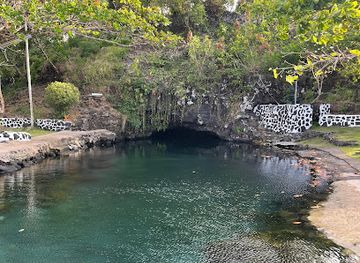
Piula Cave Pool
Explore the stunning natural beauty of Piula Cave Pool in Faleapuna, a hidden gem perfect for swimming, snorkeling, and relaxation.
Explore Fa'asaleleaga on the map
Plan your trip on one map. See where the top cities, national parks and sights are, and book hotels and experiences in a few clicks.
Best hotels in Fa'asaleleaga
Best restaurants in Fa'asaleleaga
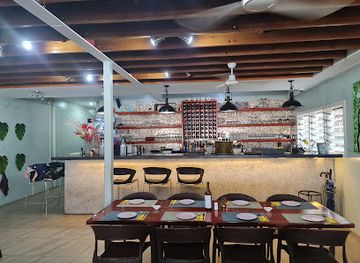
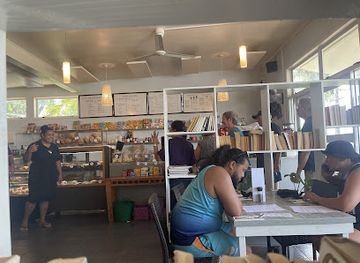
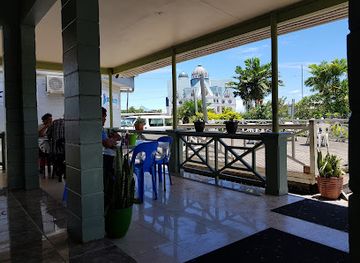
Dining in Fa'asaleleaga is closely connected to village life, family accommodation and the produce of land and sea. Visitors may encounter taro, breadfruit, bananas, coconut, fresh fish and other locally available ingredients, prepared in Samoan styles or adapted for travellers by accommodation hosts and small eateries. In and around Salelologa, cafés, shops and casual food outlets provide the broadest choice, while coastal stays may offer pre-arranged meals rather than an extensive à la carte menu. Traditional earth-oven cooking, or umu, is associated with special occasions and communal hospitality, though it is not necessarily prepared daily for visitors. Ask hosts about meal times and dietary requirements in advance, particularly in rural areas. Imported foods and familiar international dishes are available in some establishments, but the more distinctive experience comes from eating seasonal island produce and seafood in a family or village setting. Formal tipping is not generally expected, although courteous appreciation is welcome.
-
Restaurant
Paddles Restaurant
Discover exquisite Samoan cuisine at Paddles Restaurant in Apia – where every meal is a celebration of flavor and culture.
-
Restaurant
Amoa Resort Savaii
Experience paradise at Amoa Resort Savaii – where delectable cuisine meets breathtaking ocean views in Samoa's tropical oasis.
-
Restaurant
Scalini's Restaurant
Experience a delightful fusion of local flavors and international cuisine at Scalini's Restaurant in Apia.
-
Restaurant
Pinati Restaurant
Experience authentic Samoan cuisine at Pinati Restaurant in Apia - a culinary staple offering fresh local flavors and warm hospitality.
Best bars in Fa'asaleleaga
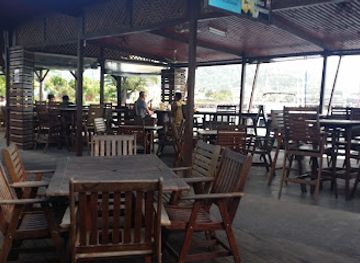
Fa'asaleleaga does not have a major nightclub scene; evening life is centred on family accommodation, small restaurants, village gatherings and a limited number of casual drinking places around Salelologa. Some hotels or beach fales may serve drinks, but availability, licensing and closing arrangements vary, so visitors should check locally rather than expect late-night service. The region's evenings are better suited to quiet conversation, dining, listening to the sea or attending a community or cultural occasion by invitation. Alcohol should be consumed discreetly and respectfully, especially near villages and churches. Sunday evenings and other religious or community observances can be particularly quiet. Travellers seeking a wider choice of bars or organised entertainment may find more options in Apia on Upolu, which is outside the region and requires a separate journey rather than a practical late-night excursion from Savai'i.
-
Bar
Le Lagoto Resort & Spa
Experience luxury and tranquility at Le Lagoto Resort & Spa, an enchanting retreat in Savai'i, Samoa, where relaxation meets adventure in paradise.
-
Pub
The Edge Marina, Samoa
Experience the vibrant atmosphere and tropical flavors at The Edge Marina, Samoa's ultimate pub and cocktail bar destination.
-
Bar
Amoa Resort Savaii
Experience the allure of Savaii at Amoa Resort, where luxury meets nature in a stunning tropical paradise.
-
Lodging
Lauiula Beach Fales
Discover the tranquility of Lauiula Beach Fales, a serene retreat in Salelologa, perfect for relaxation and authentic Samoan experiences.
Best nightclubs in Fa'asaleleaga
Fa'asaleleaga does not have a major nightclub scene; evening life is centred on family accommodation, small restaurants, village gatherings and a limited number of casual drinking places around Salelologa. Some hotels or beach fales may serve drinks, but availability, licensing and closing arrangements vary, so visitors should check locally rather than expect late-night service. The region's evenings are better suited to quiet conversation, dining, listening to the sea or attending a community or cultural occasion by invitation. Alcohol should be consumed discreetly and respectfully, especially near villages and churches. Sunday evenings and other religious or community observances can be particularly quiet. Travellers seeking a wider choice of bars or organised entertainment may find more options in Apia on Upolu, which is outside the region and requires a separate journey rather than a practical late-night excursion from Savai'i.
-
Pub
The Edge Marina, Samoa
Experience the lively charm of The Edge Marina in Samoa, where delicious drinks and stunning views create the perfect getaway.
-
Bar
Amoa Resort Savaii
Discover the beauty of Samoa at Amoa Resort Savaii, where relaxation meets adventure in a tropical paradise.
-
Night club
RSA Night Club
Discover the pulse of Apia at RSA Night Club, where electrifying music and vibrant energy meet for an unforgettable night out.
-
Bar
Cocktails On the Rocks
Experience the best cocktails in Samoa with stunning ocean views at Cocktails On the Rocks, a vibrant bar in Apia.

Best shops in Fa'asaleleaga
Shopping in Fa'asaleleaga is practical and local rather than centred on large retail complexes. Salelologa offers the widest choice of groceries, everyday supplies, small shops and market produce, making it the sensible place to stock up before travelling along the coast. Markets and roadside stalls may offer bananas, coconuts, taro and other seasonal produce, although selection and trading times depend on local supply. Visitors can look for woven items, shell jewellery, locally made crafts and Samoan food products through accommodation hosts, markets or community sellers, but should ask about prices and permission before photographing craftspeople or displays. Small village shops are useful for drinks and essentials but should not be expected to carry a full range of international goods. Regional shopping is most rewarding when treated as an exchange with local producers rather than a search for souvenirs, and cash in Samoan tala is advisable for smaller purchases.
-
Gift shop
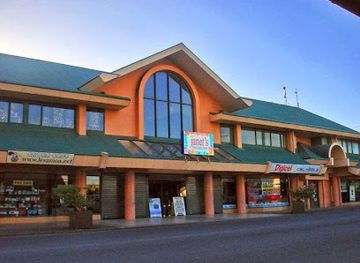
Janet's Samoa
Discover unique Samoan craftsmanship and cultural treasures at Janet's Samoa, your must-visit gift shop in Apia.
-
Market
Salelologa New Market
Explore the vibrant Salelologa New Market for fresh produce, unique souvenirs, and a taste of authentic Samoan culture.
-
Cake shop
Taefu Taulagi Matafeo Store
Discover the sweet side of Asaga at Taefu Taulagi Matafeo Store, where delicious cakes and coffee await every traveler.
-
Bakery
Kirahitto's Convenience Store/ Chicken & Chips
Experience the authentic flavors of Samoa at Kirahitto's Convenience Store, known for its delectable chicken and chips and inviting atmosphere.


Get your free copy of our complete guide to Fa'asaleleaga, delivered straight to you.
Everything on this page, from attractions and restaurants to essentials and local phrases, in one PDF you can read offline, print or share.
Already have an account? Sign in
Your Fa'asaleleaga guide is ready.
We'll send it to · Not you? Sign out

Getting your guide ready…
We are putting together a fresh copy of the Fa'asaleleaga guide. This can take up to a minute.
This can take a few moments. If your browser asks, choose Allow so the download can start. You'll find the guide in your Downloads folder.
Nothing happened? Download it again
Sorry, the guide is taking longer than usual. Please try again in a minute, or get it by email instead.
Fa'asaleleaga essentials
Currency and Payment
Safety
Emergency Situations
Do's and Don'ts
Local Tips
From Eve
Local phrases worth knowing
You don't need to get them perfect. A few words go a long way, and locals appreciate the effort.
Basics
| English | Local | Say it |
|---|---|---|
| Hello | Talofa | [Tah-loh-fah] |
| Goodbye | Tofa | [Toh-fah] |
| Yes | Ioe | [Ee-oh-eh] |
| No | Leai | [Leh-ah-ee] |
| Please/You’re welcome | Fa'amolemole/ Fa'afetai | [Fah-ah-moh-leh-moh-leh/ Fah-ah-feh-tah-ee] |
| Thank you | Fa'afetai | [Fah-ah-feh-tah-ee] |
| Excuse me/Sorry | Fa'amolemole | [Fah-ah-moh-leh-moh-leh] |
| How are you? | O a mai oe? | [Oh ah mai oy-eh] |
| Fine. And you? | lelei. O oe? | [Leh-leh-ee. Oh oy-eh?] |
| Do you speak English? | E te leoleo i le gagana Ingilisi? | [Eh teh leh-oh-leh-oh ee leh gah-gah-nah In-gee-lee-see?] |
| I don't understand | E le malamalama | [Eh leh mah-lah-mah-lah-meh] |
Eating & Drinking
| English | Local | Say it |
|---|---|---|
| I’d like to see the menu, please | Ou te manaʻo e va'aia le menu, fa'amolemole | [Oh-oo teh mah-nah-oh eh vah-ah-ee-ah leh meh-noo, fah-ah-moh-leh-moh-leh] |
| I don’t eat meat | E le 'ai i fuala'au | [Eh leh ai ee foo-ah-lah-ah-oo] |
| Cheers! | Fa'amanuia | [Fah-ah-mah-noo-ee-ah] |
| I would like to pay, please | Ou te manaʻo e totogi, fa'amolemole | [Oh-oo teh mah-nah-oh eh toh-toh-gee, fah-ah-moh-leh-moh-leh] |
Emergencies
| English | Local | Say it |
|---|---|---|
| Help! | Fa'amolemole! | [Fah-ah-moh-leh-moh-leh!] |
| Go away! | Alofa atu! | [Ah-loh-fah ah-too!] |
| Call the Police! | Fa'afatua leoleo! | [Fah-ah-fah-too-ah leh-oh-leh-oh!] |
| Call a doctor! | Fa'afatua se foma'i! | [Fah-ah-fah-too-ah seh fo-mah-ee!] |
| I’m lost | Ua ou lele | [Oo-ah oh-oo leh-leh] |
| I’m ill | Ua ou ma'i | [Oo-ah oh-oo mah-ee] |
Shopping
| English | Local | Say it |
|---|---|---|
| I’d like to buy... | Ou te manaʻo e fa'atau... | [Oh-oo teh mah-nah-oh eh fah-tah-oo] |
| I’m just looking | Ou na'o fa'avaa | [Oh-oo nah-oh fah-ah-vah-ah] |
| How much is it? | E fia le tau? | [Eh fee-ah leh tau?] |
| That’s too expensive | E expensive tele | [Eh ex-pen-siv teh-leh] |
| Can you lower the price? | E te mafai ona fa'aitiitia le tau? | [Eh teh mah-fai oh-nah fah-ee-tee-ee-ah leh tau?] |
Time & Numbers
| English | Local | Say it |
|---|---|---|
| What time is it? | O le a le taimi? | [Oh leh ah leh tie-mee?] |
| It’s one o'clock | O le itula e tasi | [Oh leh ee-too-lah eh tah-see] |
| Half past (10) | Sega fa'atekinolosi (10) | [Sey-gah fah-ah-teh-kee-no-lo-see (10)] |
| Morning | Vaveao | [Vah-veh-ah-oh] |
| Afternoon | Afiafi | [Ah-fee-ah-fee] |
| Evening | Po | [Poh] |
| Yesterday | I le aso na | [Ee leh ah-so nah] |
| Today | I le aso | [Ee leh ah-so] |
| Tomorrow | I le aso e sau | [Ee leh ah-so eh sah-oo] |
| 1 | Tasi | [Tah-see] |
| 2 | Lua | [Loo-ah] |
| 3 | Tolu | [Toh-loo] |
| 4 | Fa | [Fah] |
| 5 | Lima | [Lee-mah] |
| 6 | Ono | [Oh-no] |
| 7 | Fitufitu | [Fee-too-fee-too] |
| 8 | Fa'afa | [Fah-ah-fah] |
| 9 | Iva | [Ee-vah] |
| 10 | Sefulu | [Seh-foo-loo] |
Transport & Directions
| English | Local | Say it |
|---|---|---|
| Where's a/the...? | O fea le...? | [Oh feh-ah leh...?] |
| What's the address? | O le fa'ata'ita'iga? | [Oh leh fah-ah-tah-ee-tah-ee-gah?] |
| Can you show me (on the map)? | E mafai ona e fa'aali mai ia te a'u (i le ma'a)? | [Eh mah-fai oh-nah eh fah-ah-lee my ee-ah teh ah-oo (ee leh mah-ah)?] |
| When's the next (bus)? | O le a le taimi e sosoo ai (le bus)? | [Oh leh ah leh tie-mee eh so-so-ah-ee (leh boos)?] |
| A ticket (to ....) | O se tiketiga (e ...) | [Oh seh tee-keh-tee-ngah (eh ...)] |
History of Fa'asaleleaga
Early Polynesian Settlement
Fa'asaleleaga forms part of Savai'i, an island settled within the wider history of Polynesian voyaging across the central Pacific. Archaeological evidence from Samoa shows long human occupation, with communities developing systems of horticulture, fishing, landholding and chiefly authority adapted to volcanic islands. In Fa'asaleleaga, the traditional village pattern remains especially visible along the coast, where family land, gardens, churches and communal spaces continue to organise daily life. Much of the region's history is therefore recorded not only in archaeological remains but also in living genealogies, customary relationships and oral traditions.
Fa'asaleleaga and Samoan Chiefly Authority
Before European colonial rule, Fa'asaleleaga was part of Samoa's interconnected network of villages, districts and chiefly titles. Authority was exercised through the fa'amatai system, in which matai leaders represented families and managed responsibilities involving land, ceremony and community welfare. Titles and political relationships changed over time through marriage, alliance, conflict and negotiation. The district's villages should not be understood as isolated settlements: their histories are linked to wider Savai'ian and Samoan networks, and customary protocol still influences how visitors are welcomed and how important places are approached.
Christianity Arrives at Sapapali'i, 1830
Sapapali'i is associated with the arrival of the missionary John Williams in 1830, an event that marked a major turning point in Samoa's religious and political history. Christianity spread through existing chiefly and village structures rather than replacing them overnight, and local leaders played a central role in determining how the new faith was adopted. Churches, Sunday observance and Christian teaching subsequently became deeply embedded in Samoan public life. The commemorative associations at Sapapali'i are consequently important not only to religious history but also to the transformation of village authority, education and social practice.
European Contact and the Colonial Era
During the nineteenth century, Samoa became increasingly involved in European and American commercial, missionary and political activity. Rival foreign interests eventually contributed to the division of the Samoan islands, with Germany governing Western Samoa from 1900. Fa'asaleleaga, like the rest of Savai'i, experienced colonial administration alongside the persistence of village governance and customary landholding. Copra production, imported goods and new administrative arrangements connected coastal communities more closely to international trade, while churches and mission education expanded their regional influence.
War, Administration and the New Zealand Mandate
New Zealand occupied German Samoa during the First World War, and the territory was later administered under a League of Nations mandate. The period brought further changes in public administration, transport, education and health, but it was also marked by serious political tensions and the influenza pandemic of 1918. The Mau movement eventually challenged colonial rule and became a defining force in Samoa's modern political history. Although many of the movement's most visible events occurred beyond Fa'asaleleaga, its call for Samoan self-government affected communities across Savai'i.
Independence and Contemporary Savai'i
Western Samoa became independent in 1962, the first Pacific island country to regain independence from a colonial power in the post-war period. Since then, Fa'asaleleaga has remained shaped by the balance between customary village life and modern economic change. Remittances, overseas family networks, church institutions, agriculture, fishing and tourism all contribute to the district's contemporary character. The ferry link through Salelologa has strengthened Savai'i's connection with Upolu, while village protocols, communal events and the fa'amatai system continue to influence everyday identity and public life.
Fa'asaleleaga in Photos
Browse through our photo collection highlighting the charm and character of the destination.
Neighbouring regions of Fa'asaleleaga
The closest regions to Fa'asaleleaga, if you have time for more than one.
-

-

-

-

-


Swipe for more regions
Explore more

Explore more of Samoa
Discover Samoa: Immerse in Polynesian culture, explore pristine beaches, and enjoy lush landscapes. Experience the unique blend of tradition and natural beauty.
Explore Samoa