

Tuamasaga, Samoa Travel Guide
Discover Tuamasaga in Samoa: A perfect blend of natural beauty, vibrant culture, and welcoming communities, offering an unforgettable travel experience.
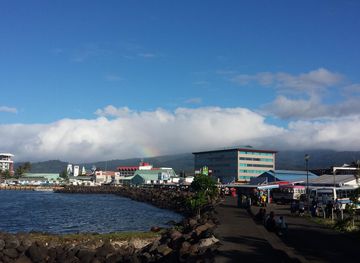
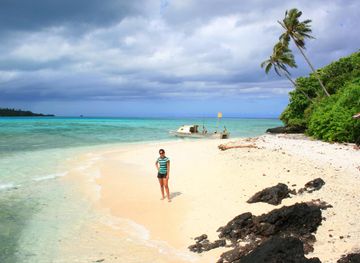
Tuamasaga is a district located on the island of Upolu in Samoa. It is home to the capital city, Apia, and many picturesque villages, making it a vibrant mix of urban and rural life. Visitors often start their journey in Apia, where they can explore bustling markets, historic landmarks, and local eateries serving delicious Samoan cuisine. Just a short drive from the city, the lush landscapes of Tuamasaga unfold. The district is blessed with stunning waterfalls, serene beaches, and verdant rainforests. One of the highlights is the Papapapaitai Falls, a breathtaking 100-meter waterfall surrounded by dense foliage. For beach lovers, Lalomanu Beach offers crystal-clear waters and soft white sands, perfect for a day of relaxation or snorkeling. Cultural experiences are abundant in Tuamasaga. Visitors can immerse themselves in traditional Samoan life by attending a fiafia night, where they can enjoy traditional music, dance, and food. The district also hosts several cultural villages where tourists can learn about Samoan crafts, tattooing, and the importance of family and community in Samoan culture.

Know before you go
Hi, I'm Eve. Here are a few practical things to know before exploring Tuamasaga.
- Carry cash as many local markets and small eateries do not accept credit cards.
- Respect local customs and dress modestly when visiting villages and cultural sites.
- Hire a local guide for the best experience when exploring waterfalls and rainforests.
- Try the local dish, palusami, made from taro leaves and coconut cream.
- Visit early in the day to avoid the afternoon heat and crowds at popular sites.
Top City Travel Guides in Tuamasaga
The cities of Tuamasaga, and the easiest places to base yourself.

Destinations in Tuamasaga
Resorts, valleys and scenic spots worth a trip of their own.


Explore Tuamasaga: Things to Do, Places to Eat, Hotels & More
Handpicked recommendations for top attractions, local dining, accommodations, and more

Top Attractions & Sightseeing in Tuamasaga
Top-rated picks
Best Attractions

Giant Clam Sanctuary
Explore Savaia, Samoa's enchanting Giant Clam Sanctuary, a vibrant marine preserve teeming with biodiversity and stunning underwater wonders.

Palolo Deep Marine Reserve
Explore the vibrant marine life and stunning coral reefs at Palolo Deep Marine Reserve, a must-visit destination for nature lovers in Samoa.

Robert Louis Stevenson Museum
Immerse yourself in the world of literature at the Robert Louis Stevenson Museum, where history and culture intertwine in the heart of Apia, Samoa.

Samoa Cultural Village
Explore the vibrant traditions and rich history of Samoa at the Samoa Cultural Village, a captivating cultural experience in Apia.

Best landmarks in Tuamasaga
Top-rated picks
Best Landmarks

Piula Cave Pool
Explore the stunning Piula Cave Pool in Faleapuna, Samoa – a hidden gem for adventure seekers and nature lovers alike.
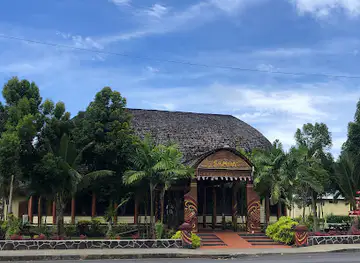
Samoa Cultural Village
Discover the vibrant traditions and captivating performances at the Samoa Cultural Village, a must-visit attraction in Apia, Samoa.

Sheraton Samoa Aggie Grey's Hotel & Bungalows
Discover unparalleled luxury and authentic Samoan hospitality at Sheraton Samoa Aggie Grey's Hotel & Bungalows, your perfect tropical getaway.

Giant Clam Sanctuary
Explore the breathtaking Giant Clam Sanctuary in Savaia, a nature preserve dedicated to marine conservation and the majestic giant clams. Experience serenity and beauty!

Best restaurants in Tuamasaga
Top-rated picks
Best Restaurants

Paddles Restaurant
Discover exquisite Samoan cuisine at Paddles Restaurant on Beach Road in Apia—an unmissable dining experience amidst stunning ocean views.

Giordano's Pizzeria // Samoa
Experience authentic Italian flavors at Giordano's Pizzeria in Apia - where every slice tells a story of culinary excellence.

Sinalei Reef Resort & Spa
Discover luxury and tranquility at Sinalei Reef Resort & Spa – where paradise meets exceptional service in beautiful Samoa.

The Edge Marina, Samoa
Experience the tropical charm at The Edge Marina in Samoa—where exquisite dining meets breathtaking ocean views.

Best bars in Tuamasaga
Top-rated picks
Best Bars

Paddles Restaurant
Experience the best of Samoan cuisine and stunning ocean views at Paddles Restaurant, a top dining destination in Apia.

The Edge Marina, Samoa
Discover The Edge Marina in Apia, Samoa - a perfect blend of stunning waterfront views, delightful cuisine, and vibrant nightlife.

Scalini's Restaurant
Experience the authentic flavors of Samoa at Scalini's Restaurant in Apia, where every meal is a celebration of local cuisine and hospitality.

Pinati Restaurant
Discover the flavors of Samoa at Pinati Restaurant, a must-visit dining destination in Apia offering authentic local cuisine in a cozy setting.

Best nightclubs in Tuamasaga
Top-rated picks
Best Nightclubs
Coconuts Beach Club Resort & Spa
Discover the enchanting beauty of Samoa at Coconuts Beach Club Resort & Spa, where luxury meets natural paradise for an unforgettable getaway.

The Edge Marina, Samoa
Experience the vibrant atmosphere and delicious flavors at The Edge Marina, Samoa's premier pub and dining destination by the sea.

Kokobanana Bar & Grill
Discover vibrant dining at Kokobanana Bar & Grill in Apia, where local flavors meet international cuisine for an unforgettable experience.

Ocean Club Maninoa
Explore the serene beauty of Ocean Club Maninoa, a luxurious resort hotel in Samoa offering stunning beaches and unforgettable experiences.

Best shops in Tuamasaga
Top-rated picks
Best Shops

Pacific Jewell Gift Shop & Garden Café
Visit Pacific Jewell Gift Shop & Garden Café for unique souvenirs, handcrafted jewelry, and delicious local cuisine in the heart of Apia.

The White House Hotel - Apia Samoa
Experience comfort and local charm at The White House Hotel in Apia, Samoa, a perfect base for exploring the island's vibrant culture.

Fugalei Fresh Produce Market
Discover the vibrant flavors of Samoa at Fugalei Fresh Produce Market, a bustling hub for fresh produce and local culture in Apia.

SSAB Megastore
Explore the SSAB Megastore in Apia for a diverse shopping experience featuring local crafts, fashion, and home goods.

Explore Tuamasaga on the Map
A handpicked selection of must-see spots in Tuamasaga, mapped for you.
Tuamasaga Essentials
-
Tuamasaga is located on the island of Upolu in Samoa. The primary entry point for international travelers is Faleolo International Airport, which is about 40 kilometers from the capital city, Apia. From the airport, you can take a taxi or a shuttle bus to reach your accommodation. Alternatively, if you are coming from another part of Samoa, you can take a ferry from Savai'i to the Mulifanua Wharf on Upolu, and then travel by road to Tuamasaga.
-
Getting around Tuamasaga is relatively straightforward. Taxis are readily available and are a convenient way to travel. Public buses are another option and are quite affordable, but they can be less reliable in terms of schedule. Renting a car is also a popular choice for those who prefer to explore at their own pace. Remember that in Samoa, driving is on the left side of the road.
-
The official currency in Samoa is the Samoan Tala (WST). Credit cards are accepted in many hotels, restaurants, and larger shops, but it is advisable to carry cash for smaller transactions and in rural areas. ATMs are available in Apia and other major towns, but it is a good idea to withdraw sufficient cash before venturing into more remote areas.
-
Tuamasaga is generally a safe destination for tourists. However, it's important to take standard precautions. Avoid walking alone at night in unfamiliar areas, and keep your belongings secure in crowded places. While Tuamasaga does not have specific high-crime areas targeting tourists, it is always best to stay vigilant and aware of your surroundings.
-
In case of emergency, dial 911 for immediate assistance. The local police station and medical facilities are available in Apia. It is recommended to have travel insurance that covers medical emergencies. For minor health issues, there are pharmacies in the area where you can purchase over-the-counter medications.
-
Fashion: Do dress modestly, especially when visiting villages and religious sites. Avoid wearing revealing clothing. Religion: Do respect local customs and traditions. Always remove your shoes before entering a fale (traditional Samoan house) and dress conservatively. Public Transport: Do be respectful and polite to fellow passengers. Don't eat or drink on public buses. Greetings: Do greet people with a warm smile and a friendly 'Talofa.' A handshake is also common. Eating & Drinking: Do try local delicacies and accept food offerings graciously. Don't refuse hospitality, as it is considered impolite.
-
To experience Tuamasaga like a local, visit the local markets where you can buy fresh produce and traditional Samoan goods. Engage with locals, as they are often friendly and willing to share stories about the region's history and culture. Don't miss visiting the Robert Louis Stevenson Museum in Apia and the Piula Cave Pool for a refreshing swim. For a unique experience, attend a fiafia night to enjoy traditional Samoan dance and music.
When is the best time to visit Tuamasaga?
Useful Local Phrases for Tuamasaga
You don't need to speak the language perfectly. Even learning a few simple words can make conversations warmer—and locals usually appreciate the effort.
— Eve

Here are the phrases I use most often in Tuamasaga. Try a few—you'll be surprised how far they go! 😊
❤️
-
- HelloTalofa
[Tah-loh-fah] - GoodbyeTofa
[Toh-fah] - YesIoe
[Ee-oh-eh] - NoLeai
[Leh-eye] - Please/You’re welcomeFa'amolemole/Soifu
[Fah-ah-moh-leh-moh-leh/Soy-foo] - Thank youFa'afetai
[Fah-ah-feh-tah-ee] - Excuse me/SorryFa'amolemole/Sori
[Fah-ah-moh-leh-moh-leh/Soh-ree] - How are you?O a mai oe?
[Oh ah my oy-eh] - Fine. And you?Mā lelei. O oe?
[Mah leh-leh-ee. Oh oy-eh] - Do you speak English?E te tautala i le Igilisi?
[Eh teh tau-tah-lah ee leh Ee-gee-lee-see] - I don't understandE le malamalama
[Eh leh mah-lah-mah-lah]
- HelloTalofa
-
- I’d like to see the menu, pleaseOu te manaʻo e va'ai i le menu, fa'amolemole
[Oh te mah-nah-oh eh vah-ee ee leh meh-noo, fah-ah-moh-leh-moh-leh] - I don't eat meatE le 'ai i meaʻai
[Eh leh eye ee meh-ah-ee] - Cheers!Tālofa!
[Tah-loh-fah] - I would like to pay, pleaseOu te manaʻo e totogi, fa'amolemole
[Oh te mah-nah-oh eh toh-toh-gee, fah-ah-moh-leh-moh-leh]
- I’d like to see the menu, pleaseOu te manaʻo e va'ai i le menu, fa'amolemole
-
- Help! fesoasoani!
[Fesoasoani!] - Go away!Alofa mai!
[Ah-loh-fah my] - Call the Police!Fa'ailoa leoleo!
[Fah-eye-loh-ah leh-oh-leh-oh] - Call a doctor!Fa'ailoa se foma'i!
[Fah-eye-loh-ah seh foh-mah-ee] - I’m lostUa ou leiloa
[Oo-ah oh leh-ee-loh-ah] - I’m illUa ou ma'i
[Oo-ah oh mah-ee]
- Help! fesoasoani!
-
- I’d like to buy...Ou te manaʻo e fa'atau...
[Oh te mah-nah-oh eh fah-tah-oo] - I’m just lookingOu na'o va'ai
[Oh nah-oh vah-ee] - How much is it?E fia le tau?
[Eh fee-ah leh tah-oo] - That’s too expensiveE maualuga le tau
[Eh mah-oo-lah-oo leh tah-oo] - Can you lower the price?E mafai ona fa'aitiiti le tau?
[Eh mah-fah-ee oh-nah fah-ee-tee-tee leh tah-oo]
- I’d like to buy...Ou te manaʻo e fa'atau...
-
- What time is it?O le ā le taimi?
[Oh leh ah leh tie-mee] - It’s one o'clockO le 1 o le fale
[Oh leh een-oh oh leh fah-leh] - Half past (10)I le afa i le (10)
[Ee leh ah-fah ee leh (ten)] - MorningVaveao
[Vah-veh-ah-oh] - AfternoonAfiafi
[Ah-fee-ah-fee] - EveningPo
[Poh] - YesterdayI le aso ananafi
[Ee leh ah-so ah-nah-nah-fee] - TodayI le aso
[Ee leh ah-so] - TomorrowI le aso e tūlaga
[Ee leh ah-so eh too-lah-ngah] - 11
[Eeen] - 22
[Too] - 33
[Three] - 44
[Four] - 55
[Five] - 66
[Six] - 77
[Seven] - 88
[Eight] - 99
[Nine] - 1010
[Ten]
- What time is it?O le ā le taimi?
-
- Where's a/the...?O fea se...?
[Oh feh-ah seh] - What’s the address?O le ā le fa'amaumauga?
[Oh leh ah leh fah-ah-mah-oom-ah-oo-gah] - Can you show me (on the map)?E mafai ona ou fa'aalia (i le map)?
[Eh mah-fah-ee oh-nah oh fah-ah-lee-ah (ee leh map)] - When's the next (bus)?O le ā le taimi o le (bus) e sosoo?
[Oh leh ah leh tie-mee oh leh (bus) eh soh-soh] - A ticket (to ....)O se tike (i le....)
[Oh seh tee-keh (ee leh....)]
- Where's a/the...?O fea se...?
History of Tuamasaga
-
Tuamasaga is one of the four traditional districts of Samoa, located on the island of Upolu. Archaeological evidence suggests that the area has been settled for over 3,000 years. The district's ancient history is deeply intertwined with the broader history of Samoa, which is characterized by the development of complex chiefdoms, extensive navigation, and trade across the Pacific.
-
The Malietoa title is one of the most prestigious chiefly titles in Samoa, with a significant historical presence in Tuamasaga. The Malietoa dynasty has played a crucial role in the political and social structures of Samoa. The title holders have been instrumental in unifying various Samoan islands and clans, particularly during times of conflict and colonization.
-
Tuamasaga, along with the rest of Samoa, first encountered Europeans in the early 18th century. The arrival of missionaries in the 1830s marked a significant turning point in the district's history. The London Missionary Society, led by figures like John Williams, introduced Christianity, which quickly became integrated into Samoan culture and society. Churches and missions were established, some of which still stand today as historical landmarks.
-
In the late 19th and early 20th centuries, Samoa became a focal point of colonial ambitions. Tuamasaga, as part of Samoa, fell under German colonial rule in 1900. The Germans introduced new administrative systems and economic changes, including the development of plantations. The colonial impact is still evident in some architectural styles and infrastructure in the district.
-
Following World War I, Samoa came under New Zealand administration as part of a League of Nations mandate. This period saw significant political and social changes. The Mau movement, which sought Samoan independence, gained momentum in Tuamasaga and other districts. Samoa eventually gained its independence in 1962, becoming the first Pacific island country to do so. Tuamasaga played an important role during this period, with many of its leaders and chiefs being active participants in the independence movement.
-
Today, Tuamasaga is a vibrant district that celebrates its rich cultural heritage. Traditional Samoan customs, known as Fa'a Samoa, remain strong. This includes the matai (chief) system, communal living, and traditional ceremonies. The district is also known for its beautiful landscapes, including lush forests, waterfalls, and pristine beaches, making it a popular destination for both cultural and eco-tourism.
Neighbouring Regions of Tuamasaga
The closest regions to Tuamasaga, if you have time for more than one.




Your all‑in‑one travel companion app
Explore expert travel guides, compare and book tours, experiences, hotels, and more—all from the palm of your hand. Download now for seamless trip planning wherever your wanderlust takes you.


Explore More of Samoa

Looking beyond Tuamasaga? Discover Samoa for broader travel guides, local hot-spots, and regional highlights.
Explore SamoaTuamasaga in Photos
Browse through our photo collection highlighting the charm and character of the destination.


Tuamasaga: The Heart of Samoa's Natural Beauty and Culture
Tuamasaga is a district located on the island of Upolu in Samoa. It is home to the capital city, Apia, and many picturesque villages, making it a vibrant mix of urban and rural life. Visitors often start their journey in Apia, where they can explore bustling markets, historic landmarks, and local eateries serving delicious Samoan cuisine. Just a short drive from the city, the lush landscapes of Tuamasaga unfold. The district is blessed with stunning waterfalls, serene beaches, and verdant rainforests. One of the highlights is the Papapapaitai Falls, a breathtaking 100-meter waterfall surrounded by dense foliage. For beach lovers, Lalomanu Beach offers crystal-clear waters and soft white sands, perfect for a day of relaxation or snorkeling. Cultural experiences are abundant in Tuamasaga. Visitors can immerse themselves in traditional Samoan life by attending a fiafia night, where they can enjoy traditional music, dance, and food. The district also hosts several cultural villages where tourists can learn about Samoan crafts, tattooing, and the importance of family and community in Samoan culture.