

Free Palauli Travel Guide & Mobile App
Explore Palauli with free travel guides. Discover regional history, expert tips, proposed trips, and audio guides on web or mobile app.


Explore Palauli on Samoa’s Savai‘i island for volcanic coastlines, village life, ancient earthworks, blowholes and rainforest walks.
Read more about Palauli
When is the best time to visit Palauli?
Best: July–September · 29°C| Month | High (°C) | Rainfall (mm) |
|---|---|---|
| January | 30 | 340 |
| February | 30 | 330 |
| March | 31 | 310 |
| April | 31 | 290 |
| May | 30 | 260 |
| June | 30 | 240 |
| July (best) | 29 | 230 |
| August (best) | 29 | 230 |
| September (best) | 29 | 240 |
| October | 30 | 260 |
| November | 30 | 290 |
| December | 30 | 320 |
Getting to and around Palauli
How to get there
Transportation
Top city travel guides in Palauli
The cities of Palauli, and the easiest places to base yourself.

Swipe for more cities
Destinations in Palauli
Resorts, valleys and scenic spots worth a trip of their own.
-

-


Swipe for more destinations
Best attractions in Palauli
Palauli’s attractions combine volcanic coastline, archaeological heritage and rural Samoan landscapes rather than a concentration of museums or commercial entertainment. The Alofaaga Blowholes at Taga are the district’s best-known natural attraction, where waves driven through underground lava channels can erupt through openings in the shore. Mu Pagoa Waterfall offers a different coastal spectacle, with fresh water descending towards the sea near Gataivai. Inland, the Pulemelei Mound provides an important encounter with pre-European monumental architecture and the cultural landscape of southern Savai‘i. Forested areas, plantations and village roads reward visitors who travel slowly and arrange access with local hosts. Swimming should be approached cautiously because exposed coast, surge and currents vary with weather. The district is also suitable for visitors interested in photography, birdwatching, short nature walks and learning about customary land and village life. Facilities are limited, so experiences are often self-directed or arranged through accommodation rather than delivered by a large tourism infrastructure.
-
Nature preserve
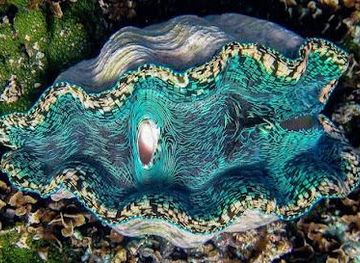
Giant Clam Sanctuary
Explore the Giant Clam Sanctuary in Savaia, a breathtaking nature preserve showcasing stunning marine life and vibrant ecosystems.
-
Tourist attraction
Alofaaga Blowholes
Discover the breathtaking Alofaaga Blowholes in Taga Salega, where nature's power erupts in spectacular water jets against the stunning Samoan coastline.
-
Tourist attraction
Mu Pagoa Waterfall
Experience the breathtaking beauty of Mu Pagoa Waterfall in Puleia, a stunning natural wonder perfect for relaxation and adventure in Samoa.
-
 Tourist attraction
Sinaloa Waterfall
Experience the enchanting beauty of Sinaloa Waterfall in Palauli, a natural wonder perfect for relaxation and adventure amidst tropical splendor.


Best landmarks in Palauli
The Pulemelei Mound is Palauli’s most significant archaeological landmark: a large stepped earthwork associated with the island’s pre-European settlement landscape and evidence of organised communal construction. It is important not only for its scale but also for the questions it raises about ceremony, authority and ancient society in Samoa. Along the coast, the Alofaaga Blowholes at Taga are a geological landmark created by lava tubes and marine erosion, transforming heavy surf into vertical bursts of spray. Mu Pagoa Waterfall is distinctive for its coastal setting, where falling fresh water meets the shoreline near Gataivai. The dark lava coast, village churches and plantation-fringed roads provide a broader visual identity, although they should be understood as living community landscapes rather than viewpoints arranged solely for tourism. Access to archaeological and customary places should be undertaken with local permission and care.
-
Hotel
Sheraton Samoa Beach Resort
Experience luxury and breathtaking views at Sheraton Samoa Beach Resort, where paradise meets exceptional hospitality in the heart of Samoa.
-
Tourist attraction
Samoa Cultural Village
Explore the vibrant traditions, arts, and lively performances of Samoan culture at the Samoa Cultural Village, an unforgettable experience in Apia.
-
Nature preserve
Giant Clam Sanctuary
Explore the Giant Clam Sanctuary in Savaia, where vibrant marine life and stunning coral reefs create an unforgettable eco-tourism experience.
-
Museum
Robert Louis Stevenson Museum
Explore the Robert Louis Stevenson Museum in Apia, where literature meets stunning Samoan landscapes, and discover the life of a literary legend.

Explore Palauli on the map
Plan your trip on one map. See where the top cities, national parks and sights are, and book hotels and experiences in a few clicks.
Best hotels in Palauli
Best restaurants in Palauli
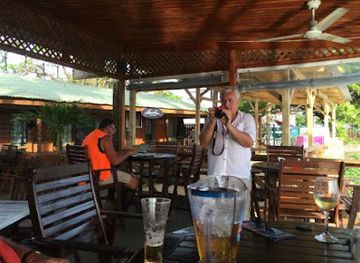
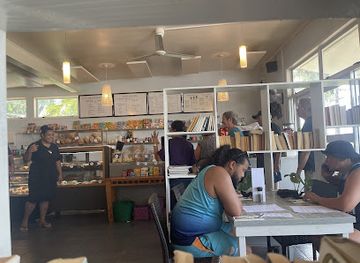
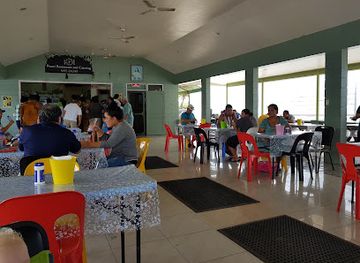
Dining in Palauli is closely connected with family hospitality, small local outlets and the produce of Savai‘i rather than a large restaurant industry. Meals commonly draw on taro, breadfruit, bananas, coconut, vegetables and fish, with chicken and other meats also available. Visitors staying in family-run accommodation may be able to arrange home-cooked food, usually with advance notice and respect for household routines. Roadside stalls and small shops can provide fruit, cooked food and drinks, but choice and opening arrangements vary. For a wider range of supplies, Salelologa outside Palauli is the most practical commercial centre. Samoa’s village food traditions are best appreciated without expecting a fixed menu or restaurant timetable: hosts may serve dishes according to what is available locally and what suits a family or communal occasion. Carry snacks and water when visiting coastal and archaeological sites.
-
Restaurant
Paddles Restaurant
Discover Paddles Restaurant in Apia - where fresh local cuisine meets breathtaking ocean views for an unforgettable dining experience.
-
Pub
The Edge Marina, Samoa
Experience breathtaking ocean views and vibrant local culture at The Edge Marina in Samoa - where relaxation meets adventure.
-
Restaurant
Scalini's Restaurant
Discover the flavors of Samoa at Scalini's Restaurant in Apia - where local ingredients meet culinary excellence.
-
Restaurant
Pinati Restaurant
Discover authentic Samoan cuisine at Pinati Restaurant - where every dish tells a story and every bite is a taste of paradise.
Best bars in Palauli
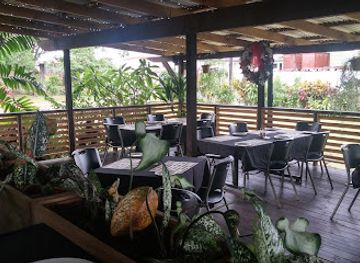
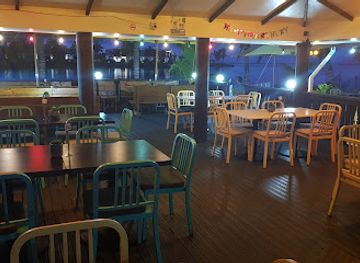
Palauli does not have a concentrated bar or nightclub scene. Evening life is primarily shaped by family gatherings, village activities, church communities and quiet meals, with a small number of accommodation providers or local businesses offering drinks in a relaxed setting. Visitors should not expect late-night entertainment, club districts or dependable opening hours outside the main commercial areas of Savai‘i. Salelologa, outside Palauli, has more everyday services than the villages of the district, but it is still not a major nightlife centre. If staying in a village, follow the host’s guidance on evening movement, noise and local customs, particularly around Sundays and church observance. Non-alcoholic drinks, conversation and the night sky are often more characteristic of an evening in rural Palauli than organised entertainment.
-
Pub
The Edge Marina, Samoa
Experience the vibrant atmosphere and delicious cuisine at The Edge Marina, a charming pub and diner in the heart of Samoa.
-
Restaurant
Kokobanana Bar & Grill
Explore the vibrant culinary scene at Kokobanana Bar & Grill in Apia, where local flavors meet a lively atmosphere for an unforgettable dining experience.
-
Resort hotel
Ocean Club Maninoa
Experience the ultimate tropical escape at Ocean Club Maninoa, where luxury meets the breathtaking beauty of Samoa's coastline.
-
Restaurant
Taumeasina Hidden Gem Restaurant & Bar
Experience the vibrant flavors of Samoa at Taumeasina Hidden Gem Restaurant & Bar, where culinary excellence meets stunning views.

Best nightclubs in Palauli
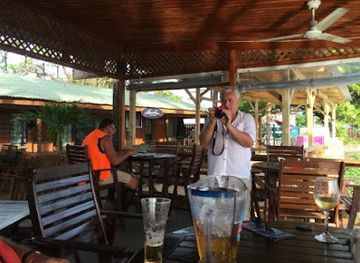
Palauli does not have a concentrated bar or nightclub scene. Evening life is primarily shaped by family gatherings, village activities, church communities and quiet meals, with a small number of accommodation providers or local businesses offering drinks in a relaxed setting. Visitors should not expect late-night entertainment, club districts or dependable opening hours outside the main commercial areas of Savai‘i. Salelologa, outside Palauli, has more everyday services than the villages of the district, but it is still not a major nightlife centre. If staying in a village, follow the host’s guidance on evening movement, noise and local customs, particularly around Sundays and church observance. Non-alcoholic drinks, conversation and the night sky are often more characteristic of an evening in rural Palauli than organised entertainment.
-
Resort hotel
Coconuts Beach Club Resort & Spa
Experience the ultimate tropical escape at Coconuts Beach Club Resort & Spa, where luxury meets the beauty of Samoa's stunning landscapes.
-
Pub
The Edge Marina, Samoa
Discover the perfect blend of relaxation and entertainment at The Edge Marina in Samoa, a captivating pub and café by the sea.
-
Resort hotel
Ocean Club Maninoa
Experience luxury and tranquility at Ocean Club Maninoa, a premier resort hotel on Samoa's stunning southern coast.
-
Night club
RSA Night Club
Discover the pulsating nightlife of Apia at RSA Night Club, the ultimate destination for music, dancing, and excitement.

Best shops in Palauli
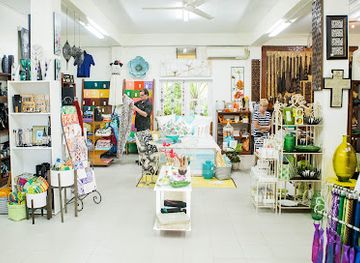
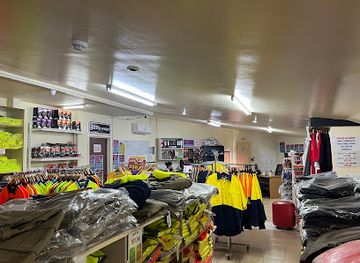
Shopping in Palauli is limited and local in character, centred on small village shops, roadside produce stalls and goods offered through accommodation or community contacts. Visitors may find bananas, coconuts, taro and other seasonal produce, as well as snacks and everyday supplies, but availability changes with location and time of day. For a broader selection, Salelologa outside the district is the practical shopping centre on Savai‘i, with more shops and provisions than rural Palauli. Useful purchases include locally grown food, woven items, shell or coconut crafts where responsibly and legally sourced, and small Samoan-made souvenirs. Ask sellers about materials and their origins, and avoid buying protected wildlife, coral or archaeological objects. The best regional shopping experience is often a respectful purchase directly from a family or small producer rather than a search for a formal retail district.
-
Gift shop
Pacific Jewell Gift Shop & Garden Café
Explore Pacific Jewell Gift Shop & Garden Café for unique gifts and delicious cuisine in a serene garden setting in Apia, Samoa.
-
Department store
SSAB Megastore
Explore the SSAB Megastore in Apia, where local culture meets diverse shopping opportunities for every traveler.
-
Gift shop
Eveni Carruthers
Discover a treasure trove of Samoan culture at Eveni Carruthers—your go-to gift shop for unique souvenirs, clothing, and local products in Apia.
-
Gift shop
Janet's Samoa
Explore the rich cultural heritage of Samoa at Janet's Samoa, a boutique gift shop offering unique local crafts and artifacts.


Get your free copy of our complete guide to Palauli, delivered straight to you.
Everything on this page, from attractions and restaurants to essentials and local phrases, in one PDF you can read offline, print or share.
Already have an account? Sign in
Your Palauli guide is ready.
We'll send it to · Not you? Sign out

Getting your guide ready…
We are putting together a fresh copy of the Palauli guide. This can take up to a minute.
This can take a few moments. If your browser asks, choose Allow so the download can start. You'll find the guide in your Downloads folder.
Nothing happened? Download it again
Sorry, the guide is taking longer than usual. Please try again in a minute, or get it by email instead.
Palauli essentials
Currency and Payment
Safety
Emergency Situations
Do's and Don'ts
Local Tips
From Eve
Local phrases worth knowing
You don't need to get them perfect. A few words go a long way, and locals appreciate the effort.
Basics
| English | Local | Say it |
|---|---|---|
| Hello | Talofa | [Tah-loh-fah] |
| Goodbye | Tofa | [Toh-fah] |
| Yes | Ioe | [Ee-oh-eh] |
| No | Leai | [Leh-ah-ee] |
| Please/You're welcome | Fa'amolemole/ Fa'amolemole | [Fah-ah-moh-leh-moh-leh] |
| Thank you | Fa'afetai | [Fah-ah-feh-tah-ee] |
| Excuse me/Sorry | Fa'amolemole | [Fah-ah-moh-leh-moh-leh] |
| How are you? | O a mai oe? | [Oh ah my oh-eh?] |
| Fine. And you? | O lelei. O oe fa'ape 'a? | [Oh leh-lay. Oh oh-eh fah-ah-peh 'ah?] |
| Do you speak English? | E mafai ona e talanoa i le Gagana Peretania? | [Eh mah-fah-ee oh-nah eh tah-lah-noh-ah ee leh Gah-gah-nah Peh-reh-tah-nee-ah?] |
| I don't understand | Ou te le malamalama | [Oh-teh leh mah-lah-mah-lah] |
Eating & Drinking
| English | Local | Say it |
|---|---|---|
| I'd like to see the menu, please | Ou te mana'o e va'ai i le menu, fa'amolemole | [Oh-teh mah-nah-oh eh vah-ee ee leh meh-noo, fah-ah-moh-leh-moh-leh] |
| I don't eat meat | Ou te le 'ai i mea'ai | [Oh-teh leh 'eye ee meh-ah-eye] |
| Cheers! | Fa'amanuia | [Fah-ah-mah-noo-ee-ah] |
| I would like to pay, please | Ou te mana'o e totogi, fa'amolemole | [Oh-teh mah-nah-oh eh toh-toh-gee, fah-ah-moh-leh-moh-leh] |
Emergencies
| English | Local | Say it |
|---|---|---|
| Help! | fesoasoani! | [Fesili!] |
| Go away! | O lea i fafo! | [Oh leh ee fah-foh!] |
| Call the Police! | Fa'ailoa i leoleo! | [Fah-ih-loh-ah ee leh-oh-leh-oh!] |
| Call a doctor! | Fa'ailoa se foma'i! | [Fah-ih-loh-ah seh foh-mah-ee!] |
| I'm lost | Ou te le iloa | [Oh-teh leh ee-loh-ah] |
| I'm ill | Ou te ma'i | [Oh-teh mah-ee] |
Shopping
| English | Local | Say it |
|---|---|---|
| I'd like to buy... | Ou te mana'o e fa'atau... | [Oh-teh mah-nah-oh eh fah-ah-tah-oo...] |
| I'm just looking | O soifu i le va'ai | [Oh so-ee-foo ee leh vah-eye] |
| How much is it? | E fia le tau? | [Eh fee-ah leh tah-oo?] |
| That's too expensive | O le tau e maualuga | [Oh leh tah-oo eh mah-oo-lah-ngah] |
| Can you lower the price? | E mafai ona e fa'aitiitia le tau? | [Eh mah-fah-ee oh-nah eh fah-ee-tee-ih-tah leh tah-oo?] |
Time & Numbers
| English | Local | Say it |
|---|---|---|
| What time is it? | O le a le taimi? | [Oh leh ah leh tah-ee-mee?] |
| It's one o'clock | O le tasi le itula | [Oh leh tah-see leh ee-too-lah] |
| Half past (10) | O le afa i le (10) | [Oh leh ah-fah ee leh (10)] |
| Morning | Vaveao | [Vah-veh-ah-oh] |
| Afternoon | Popo | [Poh-poh] |
| Evening | Malamalama | [Mah-lah-mah-lah-mah] |
| Yesterday | I se aso | [Ee seh ah-soh] |
| Today | I le aso | [Ee leh ah-soh] |
| Tomorrow | I le aso e sau | [Ee leh ah-soh eh sah-oo] |
| 1 | Tasi | [Tah-see] |
| 2 | Talu | [Tah-loo] |
| 3 | Tolu | [Toh-loo] |
| 4 | Fa | [Fah] |
| 5 | Lima | [Lee-mah] |
| 6 | Ona | [Oh-nah] |
| 7 | Fitu | [Fee-too] |
| 8 | Valu | [Vah-loo] |
| 9 | Iva | [Ee-vah] |
| 10 | Sefulu | [Seh-foo-loo] |
Transport & Directions
| English | Local | Say it |
|---|---|---|
| Where's a/the...? | O fea le...? | [Oh feh-ah leh...?] |
| What's the address? | O le fa'ailoga? | [Oh leh fah-eye-lah-ngah?] |
| Can you show me (on the map)? | E mafai ona e fa'aali mai ia te a'u (i le mapa)? | [Eh mah-fah-ee oh-nah eh fah-ah-lee my ee-ah teh ah-oo (ee leh mah-pah)?] |
| When's the next (bus)? | O le a le taimi e sosoo ai? | [Oh leh ah leh tah-ee-mee eh so-soh ah-ee?] |
| A ticket (to ....) | O se tiketi (i ...) | [Oh seh tee-keh-tee (ee ...)] |
History of Palauli
Lapita Settlement and Early Polynesian Society
Samoa was settled by seafaring Austronesian peoples during the wider movement of Lapita communities across the Pacific, with later generations developing distinctly Samoan cultural traditions. Archaeological evidence from Savai‘i and other islands indicates long occupation based on fishing, horticulture and maritime exchange. In Palauli, the enduring importance of cultivated land, village territories and chiefly relationships reflects social systems that developed over many centuries before European contact. Much of the archaeological record is subtle, surviving in earthworks, settlement traces and landscape patterns rather than monumental stone cities.
Pulemelei Mound and Pre-European Monument Building
The Pulemelei Mound near Palauli is a large stepped earthwork built from stone and soil, and one of the most important archaeological monuments in Samoa. Its age and original function remain subjects of scholarly discussion, but its scale demonstrates substantial communal labour and organised authority. The mound is associated with the ancient settlement landscape of southern Savai‘i and offers evidence that monumental construction and ceremonial or political activity played a significant role in pre-European society. Its setting also shows how archaeology remains closely connected with living customary land.
Traditional Chiefly Authority and Village Life
Before and during the arrival of Europeans, Palauli was shaped by the Samoan chiefly system, family relationships and the authority of village councils. Titles, customary land and obligations of service and hospitality continue to influence public life, although modern institutions operate alongside them. Villages around the southern coast developed through agriculture, fishing and inter-island connections, with churches, meeting places and family land becoming important elements of the settled landscape. Understanding this social history helps visitors interpret why access, photography and behaviour may be governed by local custom rather than by tourism conventions alone.
Christianity and Nineteenth-Century Change
Christian missionaries arrived in Samoa during the nineteenth century, and Christianity became deeply established in village life. Churches and associated schools altered patterns of worship, education and public organisation, while traditional chiefly structures continued in adapted forms. Across Palauli, the change was not simply a replacement of one culture by another: Samoan communities incorporated Christian practice into existing systems of family, village authority and ceremonial exchange. Churches remain prominent landmarks in southern Savai‘i and are important community institutions as well as places of worship.
Colonial Rule and the German Period
Samoa entered a period of intensified foreign involvement during the late nineteenth century, followed by German colonial rule in the western islands from 1900. Administration, plantation development and commercial trade expanded, bringing new economic pressures and changes in land management. Palauli’s agricultural environment supported gardens and plantations, but customary land tenure remained central to Samoan society. The district’s history therefore combines colonial economic influence with strong continuity in village organisation, family authority and local control of land.
New Zealand Administration and the Road to Independence
After the First World War, New Zealand administered Western Samoa under a League of Nations mandate and later a United Nations trusteeship. The period included administrative and educational changes, but also serious tensions over colonial rule and Samoan autonomy. Samoa became independent in 1962, the first Pacific island nation to regain independence in the post-war era. Palauli has since developed within the independent State of Samoa, balancing national government, migration and overseas remittances with village governance, customary land and agricultural life.
Volcanic Landscapes and Modern Tourism
Savai‘i’s volcanic geology continues to shape Palauli’s identity, from lava shorelines and blowholes to fertile soils and forested uplands. Modern visitors are drawn to these landscapes, as well as to archaeological sites and village-based experiences, but tourism remains comparatively low-key and locally mediated. Roads, vehicles, electricity and communications have widened access without eliminating the importance of family land and village protocol. Contemporary Palauli is therefore best understood as a living rural district where heritage, environment and everyday community life remain closely connected.
Palauli in Photos
Browse through our photo collection highlighting the charm and character of the destination.
Neighbouring regions of Palauli
The closest regions to Palauli, if you have time for more than one.
-

-

-

-

-


Swipe for more regions
Explore more

Explore more of Samoa
Discover Samoa: Immerse in Polynesian culture, explore pristine beaches, and enjoy lush landscapes. Experience the unique blend of tradition and natural beauty.
Explore Samoa