

Free Vaisigano Travel Guide & Mobile App
Explore Vaisigano with free travel guides. Discover regional history, expert tips, proposed trips, and audio guides on web or mobile app.


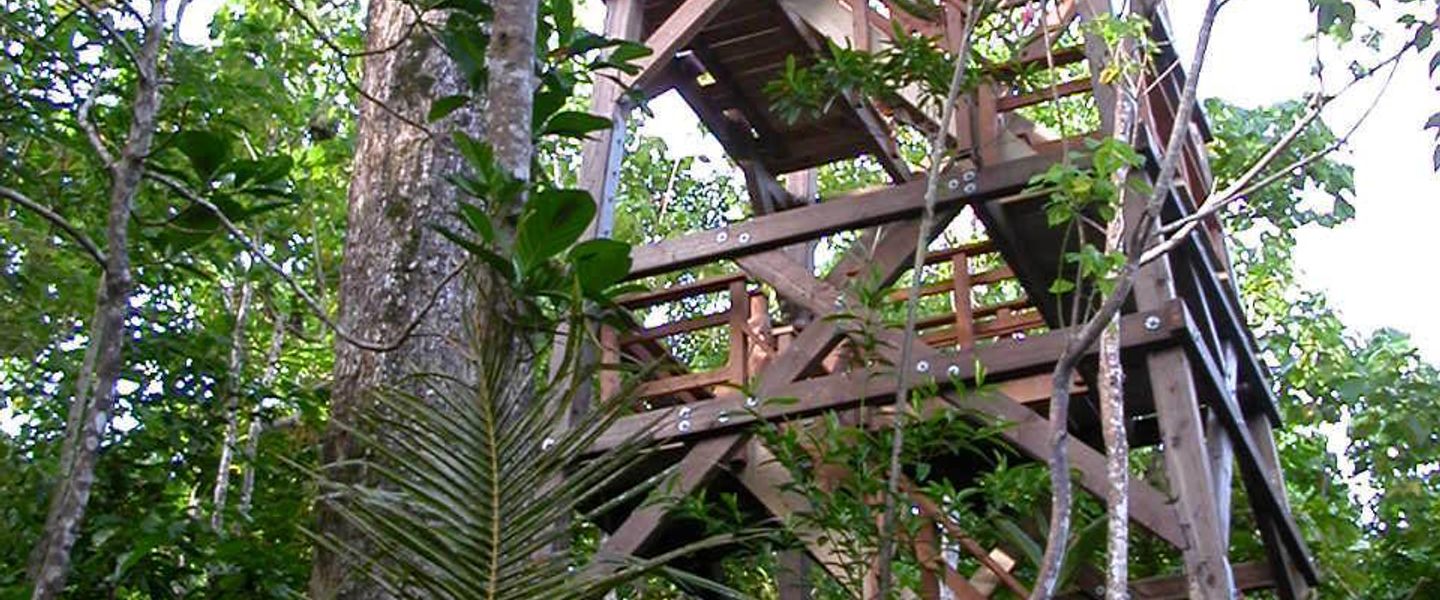


Explore Vaisigano on Savai‘i for rainforest walks, village culture, Pacific coastlines and quiet western landscapes shaped by Samoan tradition.
Read more about Vaisigano
When is the best time to visit Vaisigano?
Best: June–August · 30°C| Month | High (°C) | Rainfall (mm) |
|---|---|---|
| January | 31 | 300 |
| February | 31 | 250 |
| March | 31 | 270 |
| April | 31 | 210 |
| May | 31 | 160 |
| June (best) | 30 | 140 |
| July (best) | 30 | 130 |
| August (best) | 30 | 130 |
| September | 30 | 140 |
| October | 30 | 170 |
| November | 31 | 230 |
| December | 31 | 280 |
Getting to and around Vaisigano
How to get there
Transportation
Top city travel guides in Vaisigano
The cities of Vaisigano, and the easiest places to base yourself.
-

-


Swipe for more cities
Best attractions in Vaisigano
Vaisigano’s attractions are primarily environmental and cultural rather than heavily developed. Falealupo Rainforest Preserve is the district’s leading visitor experience, offering access to tropical forest and, where facilities are operating, elevated views through the canopy. The preserve also illustrates how customary landowners have connected conservation with community benefit. The western coastline around Falealupo provides opportunities for quiet coastal walks, sunset viewing and an appreciation of Savai‘i’s exposed Pacific setting, although swimming conditions require local advice. Asau and its harbour provide a useful glimpse of the district’s maritime and plantation past, while village churches, meeting houses and gardens reveal the continuing importance of communal life. Moso’s Footprint at Falealupo is associated with Samoan traditional stories and should be approached as a cultural site, not merely a photographic curiosity. Visitors interested in nature can arrange locally guided walks, but should not assume marked trails, staffed interpretation or reliable mobile coverage. The district is best explored through a combination of forest, village and coastal experiences, with time allowed for weather and customary access arrangements.
-
Tourist attraction
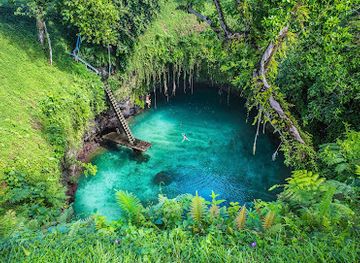
To-Sua Ocean Trench
Experience the breathtaking beauty of To-Sua Ocean Trench, a natural swimming paradise in Samoa surrounded by lush greenery and stunning ocean views.
-
Tourist attraction
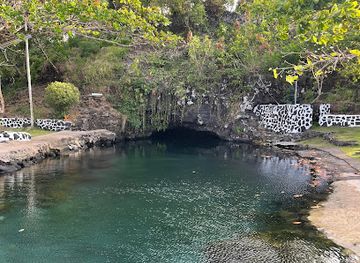
Piula Cave Pool
Explore the stunning Piula Cave Pool, a breathtaking natural wonder in Faleapuna, Samoa, perfect for swimming and relaxation amidst vibrant landscapes.
-
Tourist attraction
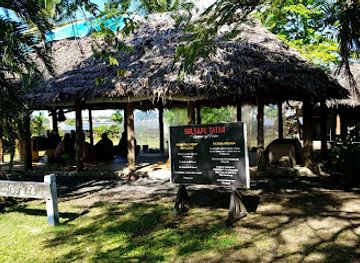
Samoa Cultural Village
Discover the vibrant traditions and rich heritage of Samoa at the Cultural Village, where culture, art, and culinary delights come together!
-
Tourist attraction
Giant Clam Sanctuary
Explore the Giant Clam Sanctuary in Savaia, a breathtaking marine preserve that showcases the beauty of giant clams and vibrant marine life.
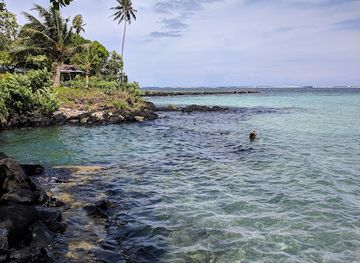
Best landmarks in Vaisigano
Falealupo Rainforest Preserve is Vaisigano’s defining natural landmark, representing both the ecological importance of Savai‘i’s remaining lowland forest and a community-led approach to conservation. Its forest canopy, large tropical trees and elevated viewpoints create a recognisable western Savai‘i landscape, although visitors should confirm which structures and paths are currently accessible. At Falealupo, Moso’s Footprint is a culturally significant feature linked to traditional Samoan storytelling and should be visited with respect for local interpretation and custodianship. The western coastline itself is another landmark of place: open, reef-fringed and exposed to Pacific weather, it provides the district’s memorable sunsets and reinforces its geographical distance from Samoa’s urban centres. Asau Harbour is significant for its relationship with maritime travel, plantation-era development and present-day coastal life. Village churches and fales, or open-sided meeting houses, are also important visual markers, but they are living community spaces rather than museum objects. Ask permission before entering, photographing or walking across areas associated with a particular family or village.
-
Tourist attraction
To-Sua Ocean Trench
Discover the breathtaking To-Sua Ocean Trench in Samoa, a natural swimming hole surrounded by stunning cliffs and lush landscapes.
-
Tourist attraction
Piula Cave Pool
Experience the natural beauty and adventure of Piula Cave Pool, a stunning freshwater oasis in the heart of Samoa's lush landscapes.
-
Tourist attraction
Samoa Cultural Village
Experience the vibrant traditions and rich heritage of Samoa at the Cultural Village, where culture comes alive through art, dance, and warm hospitality.
-
Nature preserve
Giant Clam Sanctuary
Explore the Giant Clam Sanctuary in Savaia, a stunning nature preserve dedicated to the conservation of giant clams and vibrant marine life.

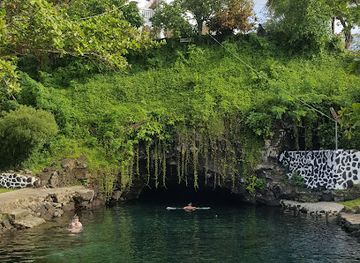
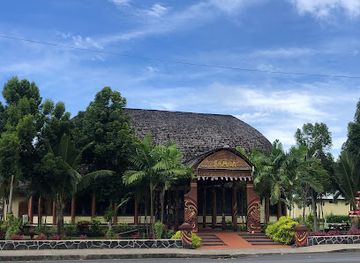
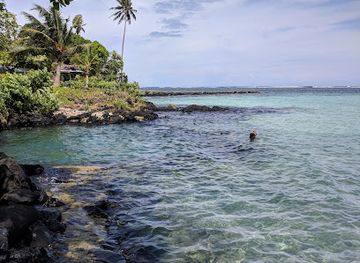
Explore Vaisigano on the map
Plan your trip on one map. See where the top cities, national parks and sights are, and book hotels and experiences in a few clicks.
Best hotels in Vaisigano
Best restaurants in Vaisigano
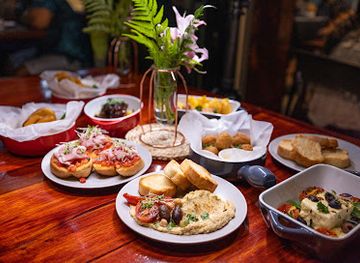
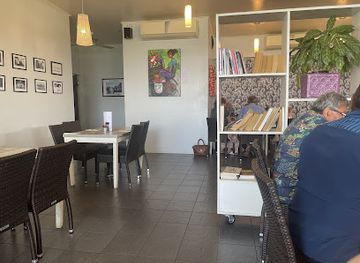
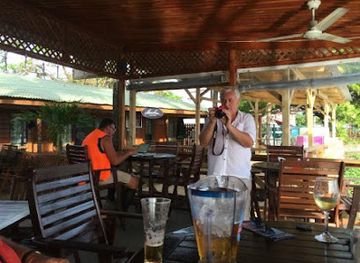
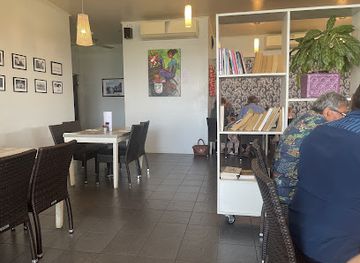
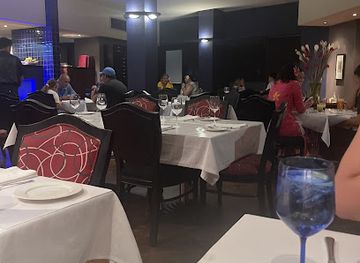
Dining in Vaisigano is informal and closely connected with village life, accommodation providers and locally available produce. Meals may feature fresh fish, taro, breadfruit, cassava, coconut, bananas and other tropical ingredients, often prepared in ways influenced by the wider Samoan tradition of communal cooking. Visitors staying in guesthouses or village accommodation should ask whether meals can be arranged, as this may offer a more dependable and culturally respectful option than searching for a large choice of restaurants. Small shops and simple eateries provide snacks, drinks and everyday food, particularly around larger settlements such as Asau, but supplies become more limited towards Falealupo. Sunday meals and church-related gatherings follow a different rhythm from ordinary weekdays. There is no substantial restaurant district, so travellers should carry water and some provisions when visiting forest areas or making a long westward excursion. Respect any invitation to share food, follow household customs and check dietary requirements in advance, especially where meals are prepared communally.
-
Restaurant
Paddles Restaurant
Discover Paddles Restaurant in Apia: A culinary treasure offering local delicacies and breathtaking views along Beach Road.
-
 Restaurant
Le Lagoto Resort & Spa
Experience luxury and tranquility at Le Lagoto Resort & Spa - your ultimate tropical getaway in Savai'i, Samoa.
-
Pub
The Edge Marina, Samoa
Experience tropical bliss at The Edge Marina in Samoa - where great food meets stunning ocean views.
-
Restaurant
Scalini's Restaurant
Experience the best of Samoan and international cuisine at Scalini's Restaurant in Apia - a culinary delight for every traveler.
Best bars in Vaisigano
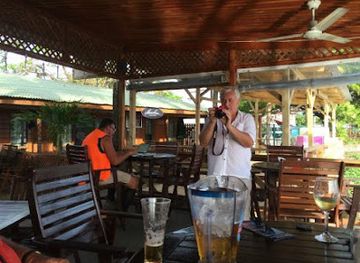
Vaisigano does not have a major nightclub scene or a concentrated late-night entertainment district. Evening life centres on family gatherings, village activities, accommodation-based dining and small local establishments rather than clubs and commercial bars. In Asau, visitors may find the greatest choice of casual places to eat or have a drink, while the far-western settlements are quieter and services close earlier. Alcohol should be consumed discreetly and in accordance with local expectations, particularly near churches, family homes and village events. The most distinctive evening experiences are often natural: watching the sun descend over the western Pacific, listening to village life settle after dark or joining a host for conversation. Arrange transport before drinking, since rural roads are poorly lit and taxis may not be immediately available. Travellers seeking extensive live music, cocktail bars or late-night dancing will find more choice in Apia, outside Vaisigano and on Upolu.
-
Restaurant
Paddles Restaurant
Discover the vibrant flavors of Samoa at Paddles Restaurant in Apia, a must-visit spot for an unforgettable dining experience.
-
Pub
The Edge Marina, Samoa
Experience the vibrant nightlife and delicious cuisine at The Edge Marina, Samoa's premier pub and cocktail bar with stunning ocean views.
-
Restaurant
Scalini's Restaurant
Experience the vibrant flavors of Samoa at Scalini's Restaurant in Apia, where every meal is a celebration of local ingredients.
-
Restaurant
Bistro Tatau Restaurant
Discover the flavors of Samoa at Bistro Tatau, a must-visit restaurant in Apia offering fresh, locally sourced cuisine in a vibrant setting.
Best nightclubs in Vaisigano
Vaisigano does not have a major nightclub scene or a concentrated late-night entertainment district. Evening life centres on family gatherings, village activities, accommodation-based dining and small local establishments rather than clubs and commercial bars. In Asau, visitors may find the greatest choice of casual places to eat or have a drink, while the far-western settlements are quieter and services close earlier. Alcohol should be consumed discreetly and in accordance with local expectations, particularly near churches, family homes and village events. The most distinctive evening experiences are often natural: watching the sun descend over the western Pacific, listening to village life settle after dark or joining a host for conversation. Arrange transport before drinking, since rural roads are poorly lit and taxis may not be immediately available. Travellers seeking extensive live music, cocktail bars or late-night dancing will find more choice in Apia, outside Vaisigano and on Upolu.
-
Resort hotel
Coconuts Beach Club Resort & Spa
Experience the ultimate tropical getaway at Coconuts Beach Club Resort & Spa, where luxury meets traditional Samoan hospitality.
-
Pub
The Edge Marina, Samoa
Experience the vibrant atmosphere and breathtaking views at The Edge Marina in Samoa, where relaxation meets lively entertainment.
-
Resort hotel
Ocean Club Maninoa
Experience the ultimate tropical escape at Ocean Club Maninoa, where luxury meets the breathtaking beauty of Samoa's coastline.
-
Night club
RSA Night Club
Discover the ultimate nightlife experience at RSA Night Club in Apia, where rhythm and celebration come alive in every beat.


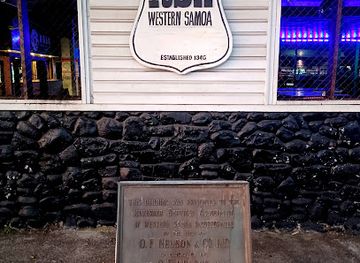
Best shops in Vaisigano
Shopping in Vaisigano is limited and practical, with village stores and small roadside businesses supplying food, drinks, household goods and basic travel needs. Asau is the most useful place in the district to look for everyday provisions, while visitors heading towards Falealupo should carry essentials rather than expect a broad retail choice. Local produce such as bananas, coconuts, taro and other seasonal foods may be available through informal community networks, but availability varies. Handicrafts, woven items and other Samoan products are more likely to be obtained through accommodation hosts, community initiatives or direct introductions than from a dedicated shopping quarter. Pay respectfully and clarify prices before purchasing handmade goods, especially where proceeds support a family or conservation project. Larger selections of clothing, crafts, art, books and packaged regional products are found in Apia and other major centres outside the district. A considerate souvenir from Vaisigano is best chosen for its connection to local makers and community benefit rather than for mass-produced designs presented as distinctly western Savai‘i.
-
Gift shop
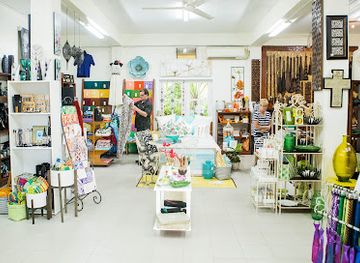
Pacific Jewell Gift Shop & Garden Café
Explore the charm of Samoa at Pacific Jewell Gift Shop & Garden Café, where local crafts meet delightful cuisine in a tropical setting.
-
Department store
SSAB Megastore
Explore the SSAB Megastore in Apia for a unique shopping experience blending local crafts and international brands.
-
Department store
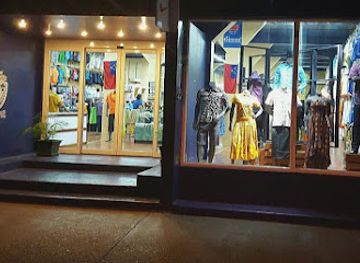
Eveni Carruthers
Explore the vibrant selection of clothing, gifts, and uniforms at Eveni Carruthers in Apia, the perfect shopping destination for tourists.
-
Gift shop
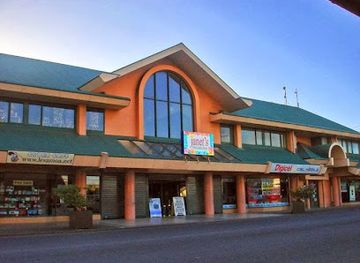
Janet's Samoa
Explore Janet's Samoa for a unique shopping experience featuring handcrafted gifts and a rich cultural atmosphere in Apia.

Get your free copy of our complete guide to Vaisigano, delivered straight to you.
Everything on this page, from attractions and restaurants to essentials and local phrases, in one PDF you can read offline, print or share.
Already have an account? Sign in
Your Vaisigano guide is ready.
We'll send it to · Not you? Sign out

Getting your guide ready…
We are putting together a fresh copy of the Vaisigano guide. This can take up to a minute.
This can take a few moments. If your browser asks, choose Allow so the download can start. You'll find the guide in your Downloads folder.
Nothing happened? Download it again
Sorry, the guide is taking longer than usual. Please try again in a minute, or get it by email instead.
Vaisigano essentials
Currency and Payment
Safety
Emergency Situations
Do's and Don'ts
Local Tips
From Eve
Local phrases worth knowing
You don't need to get them perfect. A few words go a long way, and locals appreciate the effort.
Basics
| English | Local | Say it |
|---|---|---|
| Hello | Talofa | [Tah-loh-fah] |
| Goodbye | Tofa | [Toh-fah] |
| Yes | Ioe | [Ee-oh-eh] |
| No | Leai | [Leh-eye] |
| Please/You're welcome | Fa'amolemole | [Fah-ah-moh-leh-moh-leh] |
| Thank you | Fa'afetai | [Fah-ah-feh-tah-ee] |
| Excuse me/Sorry | Fa'amolemole | [Fah-ah-moh-leh-moh-leh] |
| How are you? | O a mai? | [Oh ah mah-ee] |
| Fine. And you? | O le fa'afetai. E te fa'afefea? | [Oh leh fah-ah-feh-tah-ee. Eh teh fah-ah-feh-ah?] |
| Do you speak English? | E te tautala i le Igilisi? | [Eh teh tah-oo-tah-lah ee leh Ee-gee-lee-see?] |
| I don't understand | E le mafai ona ou malamalama | [Eh leh mah-fah-ee oh-nah oh mah-lah-mah-ngah] |
Eating & Drinking
| English | Local | Say it |
|---|---|---|
| I'd like to see the menu, please | Ou te manaʻo e va'ai i le menu, fa'amolemole | [Oh-oo teh mah-nah-oh eh vah-ee ee leh meh-noo, fah-ah-moh-leh-moh-leh] |
| I don't eat meat | E le'i ai a'u i mea'ai | [Eh leh-ee eye ah-oo ee meh-ah-eye] |
| Cheers! | Tōfā! | [Toh-fah!] |
| I would like to pay, please | Ou te manaʻo e totogi, fa'amolemole | [Oh-oo teh mah-nah-oh eh toh-toh-gee, fah-ah-moh-leh-moh-leh] |
Emergencies
| English | Local | Say it |
|---|---|---|
| Help! | Ta'u mai! | [Tah-oo mah-ee!] |
| Go away! | Tu'u atu! | [Too-oo ah-too!] |
| Call the Police! | Fa'afeso'ota'i le Polisi! | [Fah-ah-feh-soh-tah-ee leh Poh-lee-see!] |
| Call a doctor! | Fa'afeso'ota'i se fai'āiga! | [Fah-ah-feh-soh-tah-ee seh fai-ah-ee-ngah!] |
| I'm lost | Ou te le iloa | [Oh-oo teh leh ee-loh-ah] |
| I'm ill | Ou te ma'i | [Oh-oo teh mah-ee] |
Shopping
| English | Local | Say it |
|---|---|---|
| I'd like to buy... | Ou te manaʻo e fa'atau... | [Oh-oo teh mah-nah-oh eh fah-tah-oo...] |
| I'm just looking | Ou na'o le va'ai | [Oh nah-oh leh vah-ee] |
| How much is it? | E fia le tau? | [Eh fee-ah leh tah-oo?] |
| That's too expensive | E le mafai ona fa'atau i le tau maualuga | [Eh leh mah-fah-ee oh-nah fah-tah-oo ee leh tah-oo mah-oo-lah-gee] |
| Can you lower the price? | E mafai ona e fa'aitiitia le tau? | [Eh mah-fah-ee oh-nah eh fah-ee-tee-ih-tah leh tah-oo?] |
Time & Numbers
| English | Local | Say it |
|---|---|---|
| What time is it? | O le a le taimi? | [Oh leh ah leh tie-mee?] |
| It's one o'clock | O le 1 le relo | [Oh leh eek leh reh-loh] |
| Half past (10) | O le 10 le lua | [Oh leh deh leh loo-ah] |
| Morning | Talofa | [Tah-loh-fah] |
| Afternoon | Afiafi | [Ah-fee-ah-fee] |
| Evening | Malamalama | [Mah-lah-mah-lah-mah] |
| Yesterday | Aso anamua | [Ah-soh ah-nah-moo-ah] |
| Today | Aso nei | [Ah-soh nay] |
| Tomorrow | Aso taeao | [Ah-soh tah-eh-ah-oh] |
| 1 | Tasi | [Tah-see] |
| 2 | Lua | [Loo-ah] |
| 3 | Tolu | [Toh-loo] |
| 4 | Fa | [Fah] |
| 5 | Lima | [Lee-mah] |
| 6 | Ono | [Oh-no] |
| 7 | Fitufitu | [Fee-too-fee-too] |
| 8 | Valu | [Vah-loo] |
| 9 | Iva | [Ee-vah] |
| 10 | Sefulu | [Seh-foo-loo] |
Transport & Directions
| English | Local | Say it |
|---|---|---|
| Where's a/the...? | O fea le...? | [Oh feh-ah leh...?] |
| What's the address? | O le a le fa'ata'ita'iga? | [Oh leh ah leh fah-ah-tah-ee-tah-ee-gah?] |
| Can you show me (on the map)? | E mafai ona e fa'aalia ia te a'u (i le mapi)? | [Eh mah-fah-ee oh-nah eh fah-ah-lee-ah ee-ah teh ah-oo (ee leh mah-pee)?] |
| When's the next (bus)? | O le a le taimi e alu ai le (basi) e soso'o? | [Oh leh ah leh tie-mee eh ah-loo eye leh (bah-see) eh soh-soh-oh?] |
| A ticket (to ....) | Se tiketi (i ....) | [Seh tee-keh-tee (ee ....)] |
History of Vaisigano
Early Polynesian settlement
Savai‘i has been inhabited for many centuries by Polynesian communities whose descendants developed the village, kinship and chiefly systems still central to life in Vaisigano. Archaeological evidence across Samoa includes early settlement sites, earthworks and traditional food-production landscapes, although many places remain part of living communities rather than formal monuments. The district’s coastal villages and inland gardens reflect long adaptation to volcanic soils, tropical rainfall and the resources of the sea. Oral traditions also remain important, preserving genealogies, place names and accounts of ancestral movement that are not always represented in written histories.
Fa‘asamoa and village chiefly authority
Before European colonial rule, Samoa was organised through interconnected villages, families and chiefly titles rather than a centralised state resembling a modern nation. In Vaisigano, as elsewhere on Savai‘i, the fa‘asamoa developed through obligations of service, hospitality, land stewardship and collective decision-making. Matai, or titled family leaders, continue to hold important social responsibilities, while village councils help regulate communal affairs. This history explains why permission, respectful behaviour and the authority of local families remain important when visitors enter forest areas, cultural sites or village spaces.
European contact and missionary change
European ships began visiting Samoa in the early modern period, bringing new trade connections, diseases and political pressures. Christian missions became influential during the nineteenth century, and conversion reshaped village life, architecture, calendars and public ceremonies. Churches became prominent community institutions throughout Savai‘i, including Vaisigano. Missionary influence did not erase older Samoan systems; instead, Christian practice became interwoven with chiefly authority, family obligations and local custom. The churches and village layouts seen today therefore reflect several layers of social and religious change.
German colonial rule and plantation development
Germany assumed control of Samoa in 1900, and Savai‘i was drawn more closely into a colonial economy based on plantations and export agriculture. Coconut products, cocoa and other crops became important, while colonial administration introduced new commercial and transport structures. Asau’s harbour and the western districts were connected with plantation activity and maritime movement, although the benefits and burdens of colonial development were unevenly distributed. The period also altered land use and labour patterns, leaving traces in the district’s roads, agricultural landscapes and accounts of earlier plantations.
New Zealand administration and the road to independence
New Zealand took control of German Samoa during the First World War, and the territory was later administered under a League of Nations mandate. The influenza pandemic of 1918 caused devastating loss of life throughout Samoa, while the Mau movement challenged colonial rule and demanded greater self-government. Samoa became independent in 1962, the first Pacific island state to regain independence from a colonial administration in the post-war period. Vaisigano’s contemporary political and cultural life is part of this national history, combining village authority with the institutions of the independent Samoan state.
Contemporary conservation and rural change
In recent decades, communities in western Savai‘i have faced the wider challenges of rural employment, migration, changing agricultural markets, coastal pressures and the effects of severe weather. At the same time, locally managed conservation and cultural tourism have offered ways to protect rainforest and generate income without dissolving village control. Falealupo Rainforest Preserve is an important example of community-linked environmental protection. Its significance lies not only in forest scenery but also in the continuing effort to connect conservation, customary land ownership and visitor access.
Vaisigano in Photos
Browse through our photo collection highlighting the charm and character of the destination.
Neighbouring regions of Vaisigano
The closest regions to Vaisigano, if you have time for more than one.
-

-

-

-

-


Swipe for more regions
Explore more

Explore more of Samoa
Discover Samoa: Immerse in Polynesian culture, explore pristine beaches, and enjoy lush landscapes. Experience the unique blend of tradition and natural beauty.
Explore Samoa