

Free Gaga'emauga Travel Guide & Mobile App
Explore Gaga'emauga with free travel guides. Discover regional history, expert tips, proposed trips, and audio guides on web or mobile app.


Explore Gaga'emauga on Savai'i for volcanic landscapes, Saleaula's lava fields, tropical villages and a quieter side of Samoa's north coast.
Read more about Gaga'emauga
When is the best time to visit Gaga'emauga?
Best: May–July · 30°C| Month | High (°C) | Rainfall (mm) |
|---|---|---|
| January | 29 | 250 |
| February | 29 | 230 |
| March | 29 | 210 |
| April | 29 | 190 |
| May (best) | 30 | 170 |
| June (best) | 30 | 150 |
| July (best) | 30 | 170 |
| August | 29 | 190 |
| September | 29 | 210 |
| October | 29 | 230 |
| November | 29 | 250 |
| December | 29 | 270 |
Getting to and around Gaga'emauga
How to get there
Transportation
Top city travel guides in Gaga'emauga
The cities of Gaga'emauga, and the easiest places to base yourself.
-

-


Swipe for more cities
Best attractions in Gaga'emauga
Gaga'emauga's attractions are closely tied to Savai'i's volcanic landscape and village culture. The Saleaula Lava Fields are the district's principal visitor site, presenting the hardened flows of Mount Matavanu's 1905–1911 eruption alongside collapsed lava formations and vegetation gradually returning to the rock. The surrounding north-coast landscape is valuable in its own right, with reef, gardens, forested slopes and small villages revealing how communities live on a geologically active island. Inland approaches towards Mount Matavanu offer possibilities for guided walks and landscape interpretation, but routes can be rough, wet and poorly signed. Village churches, meeting houses and family compounds are best experienced with local permission rather than as unscheduled sightseeing stops. Coastal pauses, fishing activity and roadside produce stalls provide a slower form of travel than the organised attractions found around Apia. Gaga'emauga is not a region of large museums or theme parks; its appeal lies in reading the connection between volcanic history, customary community life, tropical vegetation and the ocean. Local guidance is particularly important for any walk away from the main road.
-
Tourist attraction
Swimming With Turtles
Experience the magic of swimming with sea turtles in Sato'alepai's stunning waters, a must-visit attraction for nature lovers and adventure seekers.
-
Tourist attraction
Virgins Grave
Explore the mystical Virgins Grave in Samoa, a captivating tourist attraction steeped in folklore and surrounded by breathtaking natural beauty.
-
 Tourist attraction
Leoina Snorkelling & Tours
Experience the magic of the South Pacific at Leoina Snorkelling & Tours, where vibrant marine life and stunning coral reefs await your exploration.


Best landmarks in Gaga'emauga
The Saleaula Lava Fields are Gaga'emauga's most recognisable landmark, preserving the black, broken surface of lava emitted by Mount Matavanu during its prolonged eruption between 1905 and 1911. Their importance is both geological and historical: the flow altered plantations and settlements, and the surviving formations recall the movement and disruption experienced by local communities. Mount Matavanu itself forms the district's great natural reference point, rising inland behind the northern villages and linking the visible lava landscape with the volcanic forces beneath Savai'i. The coast provides a contrasting landmark system of reef margins, dark rock and open Pacific views, although particular bathing or viewing places should be approached with local advice. Village churches and meeting houses are also prominent elements of the cultural landscape, but they are functioning community buildings rather than monuments detached from daily life. Their architecture and setting are best appreciated respectfully, with permission where access or photography is not clearly public.
-
Tourist attraction
To-Sua Ocean Trench
Experience the stunning beauty of To-Sua Ocean Trench, a natural swimming hole in Samoa with crystal-clear waters and breathtaking views.
-
Tourist attraction
Piula Cave Pool
Experience the serene beauty of Piula Cave Pool, a hidden gem in Faleapuna, where crystal-clear waters meet lush landscapes for an unforgettable adventure.
-
Tourist attraction
Samoa Cultural Village
Explore the heart of Samoan culture at the Samoa Cultural Village, where tradition, art, and community come together in a vibrant display.
-
Nature preserve
Giant Clam Sanctuary
Explore the stunning Giant Clam Sanctuary in Savaia, a must-visit nature preserve dedicated to marine conservation and the beauty of giant clams.
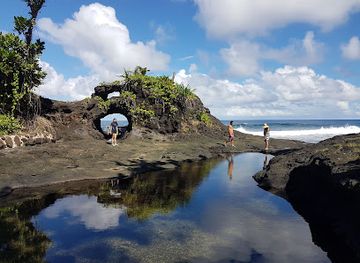


Explore Gaga'emauga on the map
Plan your trip on one map. See where the top cities, national parks and sights are, and book hotels and experiences in a few clicks.
Best hotels in Gaga'emauga
Best restaurants in Gaga'emauga
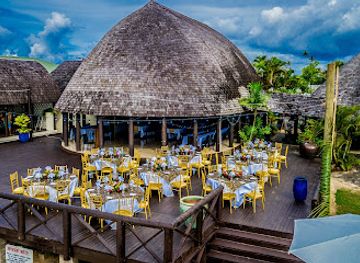
Dining in Gaga'emauga is predominantly local, informal and connected to family hospitality rather than a concentrated restaurant district. Visitors may encounter roadside stalls, small shops, accommodation-based meals and village occasions offering Samoan staples such as taro, breadfruit, bananas, coconut, fresh fish and other seafood, together with dishes prepared in an umu, the traditional earth oven. Roast pork and chicken may appear at communal meals, although menus vary according to season, household and occasion. Coconut cream adds depth to many preparations, while tropical fruit is common in gardens and markets. The district has fewer cafés and professionally staffed restaurants than Apia or the larger commercial areas of Savai'i, so independent travellers should carry snacks and water between stops and confirm meal arrangements with accommodation providers. Food shared in a village or family setting is part of Samoan social life; accept hospitality respectfully, follow the host's lead and ask before photographing meals or cooks.
-
Restaurant
Paddles Restaurant
Discover authentic Samoan flavors at Paddles Restaurant in Apia – where exceptional service meets delightful cuisine.
-
Cafe
Nourish Café
Discover Nourish Café in Apia for fresh local cuisine infused with Samoan flavors amidst a cozy atmosphere.
-
Hamburger
Phat Burger
Experience the ultimate burger indulgence at Phat Burger in Apia – where local flavors meet gourmet creations.
-
Hotel
Le Lagoto Resort & Spa
Experience luxury and serenity at Le Lagoto Resort & Spa in Savai'i - your ultimate tropical getaway.


Best bars in Gaga'emauga
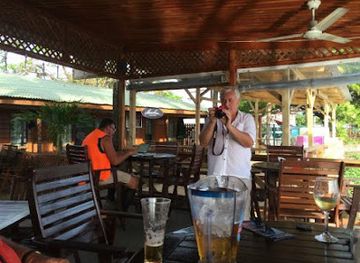
Gaga'emauga does not have a major nightclub scene, and evening life is shaped more by village households, family gatherings, accommodation venues and quiet roadside conversation than by late-night entertainment. A small number of restaurants or lodgings may serve drinks, while beer and other refreshments can be bought from shops where available; choices are more limited than in Apia. Many communities become quiet after dark, and village expectations about noise, movement and Sunday observance should be respected. Travellers looking for live music, a broader selection of bars or organised evening entertainment will find more choice in Apia, outside the district, rather than along the rural north coast. In Gaga'emauga, the more appropriate evening experience is often a meal, conversation with hosts and an early start for the following day's coastal or volcanic exploration. Do not assume that beaches, lava sites or village roads are suitable for nighttime wandering.
-
Restaurant
Paddles Restaurant
Experience the finest of Samoan cuisine at Paddles Restaurant in Apia, where fresh ingredients meet stunning ocean views.
-
Bar
Return to Paradise Resort
Experience luxury and tranquility at Return to Paradise Resort, your ideal tropical retreat in Lefaga, Matautu, Samoa.
-
Bar
Le Lagoto Resort & Spa
Discover the serene beauty of Le Lagoto Resort & Spa in Savai'i, Samoa, where luxury meets nature for an unforgettable escape.
-
Pub
The Edge Marina, Samoa
Experience the vibrant atmosphere, stunning views, and delicious offerings at The Edge Marina, Samoa's premier pub and café.


Best nightclubs in Gaga'emauga
Gaga'emauga does not have a major nightclub scene, and evening life is shaped more by village households, family gatherings, accommodation venues and quiet roadside conversation than by late-night entertainment. A small number of restaurants or lodgings may serve drinks, while beer and other refreshments can be bought from shops where available; choices are more limited than in Apia. Many communities become quiet after dark, and village expectations about noise, movement and Sunday observance should be respected. Travellers looking for live music, a broader selection of bars or organised evening entertainment will find more choice in Apia, outside the district, rather than along the rural north coast. In Gaga'emauga, the more appropriate evening experience is often a meal, conversation with hosts and an early start for the following day's coastal or volcanic exploration. Do not assume that beaches, lava sites or village roads are suitable for nighttime wandering.
-
Restaurant
Paddles Restaurant
Experience authentic Samoan cuisine with stunning views at Paddles Restaurant in Apia, a culinary gem that delights every palate.
-
Bar
Le Lagoto Resort & Spa
Discover the ultimate tropical retreat at Le Lagoto Resort & Spa, where luxury meets the natural beauty of Savai'i in Samoa.
-
Resort hotel
Coconuts Beach Club Resort & Spa
Experience the ultimate tropical escape at Coconuts Beach Club Resort & Spa, where luxury meets natural beauty in Samoa.
-
Pub
The Edge Marina, Samoa
Experience the vibrant atmosphere and stunning coastal views at The Edge Marina, Samoa's premier pub, diner, and cocktail bar.


Best shops in Gaga'emauga
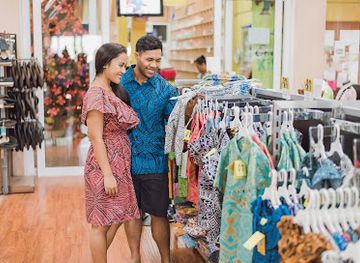
Shopping in Gaga'emauga is practical and local rather than centred on large retail complexes. Small village shops and roadside sellers may provide drinks, snacks, fruit and basic supplies, while craft or produce sales can appear through personal networks and accommodation hosts rather than fixed tourist markets. Samoan handicrafts may include woven items, mats, baskets, shell work and carved objects, but availability varies and visitors should buy directly and respectfully, asking about prices and appropriate use. Locally grown breadfruit, bananas, taro and coconuts reflect the district's agricultural life, although fresh produce is not always packaged for travellers or available at predictable times. For a wider choice of groceries, cash services, souvenirs and handicrafts, Salelologa outside Gaga'emauga is the nearest significant commercial centre on Savai'i. Apia, also outside the district, offers the country's broadest selection of galleries, markets and specialist shops. Avoid removing volcanic rock, shells or cultural material from the landscape.
-
Gift shop
Pacific Jewell Gift Shop & Garden Café
Explore unique gifts and savor local cuisine at Pacific Jewell Gift Shop & Garden Café, a local treasure in Apia, Samoa.
-
Department store
SSAB Megastore
Experience the vibrant shopping scene at SSAB Megastore in Apia, where local culture meets modern retail offerings.
-
Gift shop
Eveni Carruthers
Discover unique gifts and local treasures at Eveni Carruthers, your ultimate shopping destination in Apia, Samoa.
-
Gift shop
Janet's Samoa
Explore Janet's Samoa in Apia for authentic gifts and insights into Samoan culture, a treasure trove for every traveler.


Get your free copy of our complete guide to Gaga'emauga, delivered straight to you.
Everything on this page, from attractions and restaurants to essentials and local phrases, in one PDF you can read offline, print or share.
Already have an account? Sign in
Your Gaga'emauga guide is ready.
We'll send it to · Not you? Sign out

Getting your guide ready…
We are putting together a fresh copy of the Gaga'emauga guide. This can take up to a minute.
This can take a few moments. If your browser asks, choose Allow so the download can start. You'll find the guide in your Downloads folder.
Nothing happened? Download it again
Sorry, the guide is taking longer than usual. Please try again in a minute, or get it by email instead.
Gaga'emauga essentials
Currency and Payment
Safety
Emergency Situations
Do's and Don'ts
Local Tips
From Eve
Local phrases worth knowing
You don't need to get them perfect. A few words go a long way, and locals appreciate the effort.
Basics
| English | Local | Say it |
|---|---|---|
| Hello | Talofa | [Tah-loh-fah] |
| Goodbye | Tofa | [Toh-fah] |
| Yes | Ioe | [Ee-oh-eh] |
| No | Leai | [Leh-eye] |
| Please/You're welcome | Fa'amolemole | [Fah-ah-moh-leh-moh-leh] |
| Thank you | Fa'afetai | [Fah-ah-feh-tah-ee] |
| Excuse me/Sorry | Fa'amolemole | [Fah-ah-moh-leh-moh-leh] |
| How are you? | O a mai oe? | [Oh ah mai oy-eh?] |
| Fine. And you? | Ou te lelei. O oe fa'apefea? | [Oh-oo teh leh-leh-ee. Oh oy-eh fah-peh-fay-ah?] |
| Do you speak English? | E te tautala i le Gagana Ingilisi? | [Eh teh tau-tah-lah ee leh Gah-gah-nah Ing-ee-lee-see?] |
| I don't understand | Ou te le malamalama | [Oh-oo teh leh mah-lah-mah-lah] |
Eating & Drinking
| English | Local | Say it |
|---|---|---|
| I'd like to see the menu, please | Ou te mana'o e va'ai i le menu, fa'amolemole | [Oh-oo teh mah-nah-oh eh vah-ee ee leh meh-noo, fah-ah-moh-leh-moh-leh] |
| I don't eat meat | Ou te le 'ai i mea 'ai | [Oh-oo teh leh 'eye ee meh-ah 'eye] |
| Cheers! | Fa'amalosi! | [Fah-ah-mah-loh-see!] |
| I would like to pay, please | Ou te mana'o e totogi, fa'amolemole | [Oh-oo teh mah-nah-oh eh toh-toh-gee, fah-ah-moh-leh-moh-leh] |
Emergencies
| English | Local | Say it |
|---|---|---|
| Help! | fesoasoani! | [Faa-sololiga!] |
| Go away! | Ave i fafo! | [Ah-veh ee fah-fo!] |
| Call the Police! | Tūsaʻo i le Pulis! | [Too-sah-oh ee leh Poo-lees!] |
| Call a doctor! | Tūsaʻo se fomaʻi! | [Too-sah-oh seh fo-mah-ee!] |
| I'm lost | Ou te le iloa | [Oh-oo teh leh ee-loh-ah] |
| I'm ill | Ou te le lelei | [Oh-oo teh leh leh-leh-ee] |
Shopping
| English | Local | Say it |
|---|---|---|
| I'd like to buy... | Ou te mana'o e fa'atau... | [Oh-oo teh mah-nah-oh eh fah-ah-tow...] |
| I'm just looking | Ou na'o le fa'ata'ita'iga | [Oh-oo nah-oh leh fah-ah-tah-ee-tah-ee-gah] |
| How much is it? | E fia le tau? | [Eh fee-ah leh tau?] |
| That's too expensive | O le tau o ia e maualuga tele | [Oh leh tau oh ee-ah eh mah-oo-lah-gee teh-leh] |
| Can you lower the price? | E mafai ona e fa'aitiitia le tau? | [Eh mah-fai oh-nah eh fah-ee-tee-iah leh tau?] |
Time & Numbers
| English | Local | Say it |
|---|---|---|
| What time is it? | O le a le taimi? | [Oh leh ah leh tie-mee?] |
| It's one o'clock | O le itula e tasi | [Oh leh ee-too-lah eh tah-see] |
| Half past (10) | I le lua vaega o le 10 | [Ee leh loo-ah vai-eh-gah oh leh 10] |
| Morning | Vaveao | [Vah-veh-ah-oh] |
| Afternoon | Afiafi | [Ah-fee-ah-fee] |
| Evening | Malamalama | [Mah-lah-mah-lah-mah] |
| Yesterday | Aso anapō | [Ah-soh ah-nah-poh] |
| Today | Aso nei | [Ah-soh neh-ee] |
| Tomorrow | Aso taeao | [Ah-soh tie-ah-oh] |
| 1 | Tasi | [Tah-see] |
| 2 | Lua | [Loo-ah] |
| 3 | Tolu | [Toh-loo] |
| 4 | Fa | [Fah] |
| 5 | Lima | [Lee-mah] |
| 6 | Ono | [Oh-noh] |
| 7 | Fitafita | [Fee-tah-fee-tah] |
| 8 | Valu | [Vah-loo] |
| 9 | Iva | [Ee-vah] |
| 10 | Ten | [Ten] |
Transport & Directions
| English | Local | Say it |
|---|---|---|
| Where's a/the...? | O fea le...? | [Oh feh-ah leh...?] |
| What's the address? | O le a le fa'ailoga? | [Oh leh ah leh fah-eye-lah?] |
| Can you show me (on the map)? | E mafai ona e fa'aalia mai ia te a'u (i le mapi)? | [Eh mah-fai oh-nah eh fah-ah-lee-ah mai ee-ah teh ah-oo (ee leh mah-pee)?] |
| When's the next (bus)? | O le a le taimi o le (basi) e sosoo ai? | [Oh leh ah leh tie-mee oh leh (bah-see) eh soh-soh ah-ee?] |
| A ticket (to ....) | Se tiketi (i ....) | [Seh tee-keh-tee (ee ....)] |
History of Gaga'emauga
Early Polynesian Settlement
Savai'i has been inhabited for many centuries by Polynesian communities whose voyaging, gardening and fishing traditions shaped the island's settlements. Archaeological evidence across Samoa records early movement through the Pacific and the development of communities that cultivated crops such as taro, breadfruit and bananas. In Gaga'emauga, the enduring pattern of villages, plantations and coastal access reflects this long relationship with volcanic soil and marine resources. Oral traditions, chiefly genealogies and place names remain important alongside archaeological evidence, although not every local historical interpretation can be separated from wider Samoan tradition.
Traditional Chiefly Communities
Before European political rule, Gaga'emauga was organised through Samoan village and chiefly systems rather than a centralised state in the European sense. Titles, family land, village councils and reciprocal obligations governed community life, while local alliances connected settlements across Savai'i. The fa'a Samoa continues to influence hospitality, ceremonies, land use and public behaviour. Meeting houses, churches and village spaces encountered today should therefore be understood as parts of functioning communities, not merely as historic scenery.
Christianisation in the Nineteenth Century
Christian missionaries and Samoan converts transformed religious and political life during the nineteenth century. Christianity spread through Samoa through a combination of missionary activity, local chiefly decisions and the work of Samoan teachers. In Gaga'emauga, churches became prominent village institutions, while older social structures adapted rather than simply disappearing. The result is visible in the district's church buildings, Sunday observance and ceremonial practices, although customary authority and family obligations remain important alongside Christian life.
Colonial Rule and Changing Administration
Samoa entered a period of foreign involvement and colonial competition during the late nineteenth and early twentieth centuries. Germany administered the western islands, including Savai'i, from 1900 until the First World War, after which New Zealand took control under a League of Nations mandate. Colonial administrations introduced new systems of taxation, trade and government, but village authority and customary landholding remained powerful. Gaga'emauga's rural character meant that agriculture, family land and coastal movement continued to shape daily life more than large-scale urban development.
The Matavanu Eruption, 1905–1911
Mount Matavanu erupted for several years from 1905, sending lava northwards across plantations and settlements towards the coast. The eruption caused major disruption in the Gaga'emauga area, destroying homes, gardens and other community resources. Accounts describe the movement of affected residents and the lasting reshaping of the landscape. The Saleaula Lava Fields preserve this geological and human history in solidified flows, collapsed formations and vegetation returning over the rock. The eruption remains one of the most important events in the modern history of northern Savai'i.
Independence and Contemporary Samoa
Western Samoa became an independent state in 1962, the first Pacific island country to regain independence after the era of colonial administration; the country adopted the name Samoa in 1997. Since independence, village governance, customary land and the matai chiefly system have continued to coexist with national institutions and a modern economy. Gaga'emauga remains predominantly rural, with livelihoods connected to agriculture, family networks, public employment and overseas Samoan communities. Its visitor economy is comparatively small, which helps preserve a strong sense of ordinary village life.
Gaga'emauga in Photos
Browse through our photo collection highlighting the charm and character of the destination.
Neighbouring regions of Gaga'emauga
The closest regions to Gaga'emauga, if you have time for more than one.
-

-

-

-

-


Swipe for more regions
Explore more

Explore more of Samoa
Discover Samoa: Immerse in Polynesian culture, explore pristine beaches, and enjoy lush landscapes. Experience the unique blend of tradition and natural beauty.
Explore Samoa