

Free Gaga'ifomauga Travel Guide & Mobile App
Explore Gaga'ifomauga with free travel guides. Discover regional history, expert tips, proposed trips, and audio guides on web or mobile app.


Explore Gaga'ifomauga on Savai'i for rainforest walks, western-coast villages, volcanic landscapes and community-led Samoan culture.
Read more about Gaga'ifomauga
When is the best time to visit Gaga'ifomauga?
Best: June–August · 29°C| Month | High (°C) | Rainfall (mm) |
|---|---|---|
| January | 30 | 290 |
| February | 30 | 260 |
| March | 30 | 250 |
| April | 29 | 230 |
| May | 29 | 220 |
| June (best) | 29 | 210 |
| July (best) | 29 | 210 |
| August (best) | 29 | 220 |
| September | 29 | 240 |
| October | 29 | 260 |
| November | 29 | 280 |
| December | 30 | 300 |
Getting to and around Gaga'ifomauga
How to get there
Transportation
Top city travel guides in Gaga'ifomauga
The cities of Gaga'ifomauga, and the easiest places to base yourself.
-

-

-

-


Swipe for more cities
Destinations in Gaga'ifomauga
Resorts, valleys and scenic spots worth a trip of their own.

Swipe for more destinations
Best attractions in Gaga'ifomauga
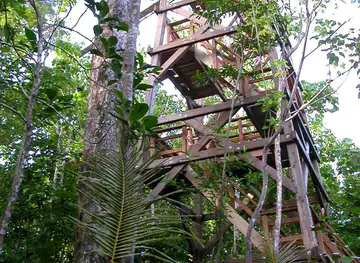
Gaga'ifomauga's attractions are primarily natural and community-based. The Falealupo Rainforest Reserve is the district's best-known visitor site, combining lowland tropical forest, elevated walkways and a tree-top lookout with a strong conservation story. At the island's western end, Cape Mulinuu offers a remote coastal setting and an opportunity to learn about Samoan spiritual traditions associated with the passage of the dead. Asau's sheltered harbour adds a maritime dimension, while inland roads towards Aopo lead into wetter country marked by forest, streams and waterfalls. Village visits, churches and community-managed sites provide cultural context, but access is not always arranged like a conventional commercial attraction. Some trails can be slippery or difficult after rain, and guides or local permission may be needed. The district is therefore better suited to travellers who value interpretation, landscape and respectful encounters over a long list of ticketed sights. It also makes a useful base for exploring the western side of Savai'i, although distant island attractions should be planned as separate journeys rather than treated as nearby.
-
Resort hotel
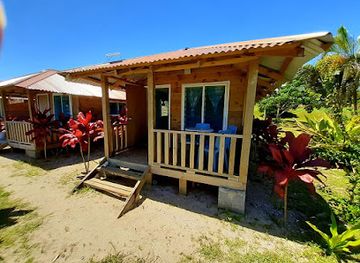
Matareva Beach Fales
Discover the tranquil beauty of Matareva Beach Fales, where traditional Samoan hospitality meets stunning ocean views and adventure.
-
Diving center
Dive Savaii
Discover the underwater wonders of Samoa at Dive Savaii, offering exceptional diving experiences for all levels amidst stunning marine beauty.
-
Tourist attraction
La'auolola lava tube caves
Discover the breathtaking La'auolola Lava Tube Caves in A'opo, a captivating journey through nature's volcanic artistry in Samoa.
-
Tourist attraction
Paia Dwarfs Cave
Discover the magical Paia Dwarfs Cave in Savai'i, a must-visit destination for adventure seekers and nature lovers exploring Samoa.


Best landmarks in Gaga'ifomauga
The Falealupo Rainforest Reserve is Gaga'ifomauga's defining landmark, not only for its dense tropical canopy and raised forest walkway but also for the way it expresses community stewardship of a threatened lowland environment. At the far western end of Savai'i, Cape Mulinuu is a geographically and culturally important headland associated in Samoan tradition with the journey of spirits towards the afterlife; visitors should treat the site with quiet respect. Asau Harbour provides a contrasting maritime landmark, a sheltered inlet set against the island's volcanic and forested interior. Village churches, meeting houses and open malae are also significant features of the district's built landscape, although they are living community spaces rather than monuments arranged solely for sightseeing. Inland waterfalls and forest viewpoints near Aopo are more weather-dependent landmarks, best visited with local advice. Together these places show the district's distinctive relationship between coast, rainforest, customary authority and spiritual tradition.
-
Tourist attraction
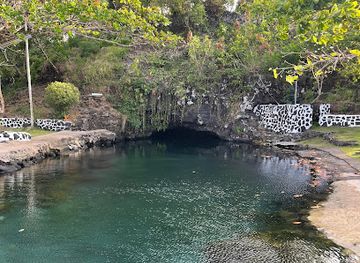
Piula Cave Pool
Experience the natural beauty of Samoa at Piula Cave Pool, a serene oasis perfect for swimming and relaxation amidst stunning tropical landscapes.
-
Tourist attraction
Samoa Cultural Village
Explore the vibrant traditions and rich culture of Samoa at the Cultural Village in Apia, a must-visit destination for every traveler.
-
Nature preserve
Giant Clam Sanctuary
Explore the Giant Clam Sanctuary in Savaia, a unique nature preserve showcasing the beauty and importance of giant clams and marine life.
-
Tourist attraction
Palolo Deep Marine Reserve
Explore the vibrant underwater world of Palolo Deep Marine Reserve near Apia, Samoa, a haven for snorkeling and diving enthusiasts.


Explore Gaga'ifomauga on the map
Plan your trip on one map. See where the top cities, national parks and sights are, and book hotels and experiences in a few clicks.
Best hotels in Gaga'ifomauga
Best restaurants in Gaga'ifomauga
Dining in Gaga'ifomauga is closely connected to accommodation providers, village hospitality and the Samoan household rather than a concentrated restaurant scene. Meals may include taro, breadfruit, banana, coconut, fresh fish, pork, chicken and seasonal produce, often prepared in ways linked to the wider Samoan food tradition. An umu, or earth oven, may be encountered through a hosted meal or cultural arrangement rather than as a daily restaurant service. Small roadside shops and simple eateries can provide cooked food and snacks, but choice becomes more limited farther from the main settlements. Visitors staying in family-run accommodation should arrange meals in advance, particularly for evenings and Sundays. Local hosts can also advise where fresh fruit, fish or basic provisions are available. Kava and other ceremonial practices should be approached as cultural occasions, not assumed to be commercial dining experiences. Much of the pleasure lies in eating communally and learning how food relates to family, land and village life.
-
Restaurant
Paddles Restaurant
Discover authentic Samoan flavors at Paddles Restaurant in Apia—where fresh ingredients meet exceptional service.
-
 Restaurant
Le Lagoto Resort & Spa
Discover luxury and tranquility at Le Lagoto Resort & Spa on Savai'i Island – where paradise meets authentic Samoan hospitality.
-
Pub
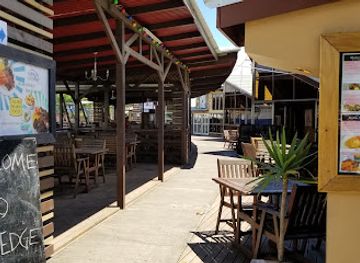
The Edge Marina, Samoa
Discover tropical flavors at The Edge Marina in Samoa—where lively dining meets breathtaking coastal views.
-
Restaurant
Amoa Resort Savaii
Discover culinary delights and serene relaxation at Amoa Resort Savaii—your perfect getaway in Samoa's tropical paradise.


Best bars in Gaga'ifomauga
Gaga'ifomauga does not have a major nightclub district. Evening life is generally quiet and centres on family gatherings, accommodation-based meals, small local drinking places and conversation rather than late-night entertainment. Some lodges or guesthouses may offer drinks or arrange a hosted evening, but facilities and licensing arrangements vary, so visitors should check before arrival. The larger settlements and the road network provide more practical options than remote villages, although nightlife remains modest throughout western Savai'i. Sunday is especially subdued because church attendance and family observance shape the rhythm of the day. Drink responsibly, keep noise away from homes and churches, and remember that alcohol is not the main route into local culture. A sunset near the coast, a shared meal or a conversation with hosts will usually be more representative of the district's evening character than a search for clubs.
-
Bar
Le Lagoto Resort & Spa
Discover the beauty of Savai'i at Le Lagoto Resort & Spa, where luxury meets nature in a tranquil coastal paradise.
-
Pub
The Edge Marina, Samoa
Discover The Edge Marina in Samoa – a vibrant pub, café, and cocktail bar offering delightful cuisine, stunning views, and an inviting atmosphere.
-
Bar
Amoa Resort Savaii
Discover the enchanting beauty of Amoa Resort Savaii, where tropical elegance meets the vibrant culture of Samoa.
-
Restaurant
Kokobanana Bar & Grill
Experience the taste of Samoa at Kokobanana Bar & Grill, where local flavors meet a vibrant atmosphere in the heart of Apia.


Best nightclubs in Gaga'ifomauga
Gaga'ifomauga does not have a major nightclub district. Evening life is generally quiet and centres on family gatherings, accommodation-based meals, small local drinking places and conversation rather than late-night entertainment. Some lodges or guesthouses may offer drinks or arrange a hosted evening, but facilities and licensing arrangements vary, so visitors should check before arrival. The larger settlements and the road network provide more practical options than remote villages, although nightlife remains modest throughout western Savai'i. Sunday is especially subdued because church attendance and family observance shape the rhythm of the day. Drink responsibly, keep noise away from homes and churches, and remember that alcohol is not the main route into local culture. A sunset near the coast, a shared meal or a conversation with hosts will usually be more representative of the district's evening character than a search for clubs.
-
Bar
Le Lagoto Resort & Spa
Experience the tranquil beauty of Savai'i at Le Lagoto Resort & Spa, where luxury meets nature and cultural richness.
-
Resort hotel
Coconuts Beach Club Resort & Spa
Discover the tranquil beauty and hospitality of Coconuts Beach Club Resort & Spa, your perfect Samoan escape amidst stunning natural landscapes.
-
Pub
The Edge Marina, Samoa
Experience the vibrant atmosphere of The Edge Marina, Samoa's premier pub and cocktail bar, perfect for dining and nightlife by the ocean.
-
Resort hotel
Ocean Club Maninoa
Discover the ultimate tropical escape at Ocean Club Maninoa, a luxurious resort hotel in the heart of Samoa with stunning views and unparalleled amenities.

Best shops in Gaga'ifomauga
Shopping in Gaga'ifomauga is limited and practical rather than centred on a large retail district. Small village shops sell drinks, snacks, household goods and basic supplies, while larger purchases and broader provisions are more easily found near Salelologa before travelling west. Visitors may encounter locally made crafts, woven items, carvings or produce through accommodation hosts and community arrangements, but availability is seasonal and should not be assumed. A respectful purchase directly from a maker or village initiative can support local households more meaningfully than bargaining aggressively. Fresh fruit, taro and other food products may be available along the road or through local contacts, subject to customary practice and supply. Bring sufficient cash in Samoan tala, as card facilities are uncommon in small establishments. When buying shells, coral, plants or wildlife-related products, check that the item can legally and ethically be taken home; leaving natural materials in the environment is the responsible choice.
-
Gift shop
Pacific Jewell Gift Shop & Garden Café
Explore the Pacific Jewell Gift Shop & Garden Café: A blend of local crafts, delicious cuisine, and serene gardens in the heart of Apia.
-
Gift shop
Eveni Carruthers
Eveni Carruthers: Your gateway to unique Samoan gifts and clothing in the heart of Apia.
-
Gift shop
Janet's Samoa
Explore the vibrant cultural treasures at Janet's Samoa, your go-to boutique gift shop in Apia for authentic Samoan souvenirs.
-
Clothing store
Tanoa Samoa
Explore Tanoa Samoa, where traditional charm meets modern fashion in the heart of Apia. Discover unique clothing that reflects the spirit of the islands.


Get your free copy of our complete guide to Gaga'ifomauga, delivered straight to you.
Everything on this page, from attractions and restaurants to essentials and local phrases, in one PDF you can read offline, print or share.
Already have an account? Sign in
Your Gaga'ifomauga guide is ready.
We'll send it to · Not you? Sign out

Getting your guide ready…
We are putting together a fresh copy of the Gaga'ifomauga guide. This can take up to a minute.
This can take a few moments. If your browser asks, choose Allow so the download can start. You'll find the guide in your Downloads folder.
Nothing happened? Download it again
Sorry, the guide is taking longer than usual. Please try again in a minute, or get it by email instead.
Gaga'ifomauga essentials
Currency and Payment
Safety
Emergency Situations
Do's and Don'ts
Local Tips
From Eve
Local phrases worth knowing
You don't need to get them perfect. A few words go a long way, and locals appreciate the effort.
Basics
| English | Local | Say it |
|---|---|---|
| Hello | Talofa | [Tah-loh-fah] |
| Goodbye | Tofa | [Toh-fah] |
| Yes | Ioe | [Ee-oh-eh] |
| No | Leai | [Leh-ah-ee] |
| Please/You're welcome | Fa'amolemole | [Fah-ah-moh-leh-moh-leh] |
| Thank you | Fa'afetai | [Fah-ah-feh-tah-ee] |
| Excuse me/Sorry | Fa'amolemole | [Fah-ah-moh-leh-moh-leh] |
| How are you? | O a mai oe? | [Oh ah my oh-eh] |
| Fine. And you? | O le lelei. O oe fa'apefea? | [Oh leh leh-ee. Oh oh-eh fah-peh-feh-ah?] |
| Do you speak English? | E te tautala i le Igilisi? | [Eh teh tah-oo-tah-lah ee leh Ee-gee-lee-see?] |
| I don't understand | Ou te le malamalama | [Oh-oo teh leh mah-lah-mah-lah] |
Eating & Drinking
| English | Local | Say it |
|---|---|---|
| I'd like to see the menu, please | Ou te manaʻo e va'ai i le menu, fa'amolemole | [Oh-oo teh mah-nah-oh eh vah-ee ee leh meh-noo, fah-ah-moh-leh-moh-leh] |
| I don't eat meat | Ou te le 'ai i carne | [Oh-oo teh leh eye ee kah-neh] |
| Cheers! | Fa'amalo | [Fah-ah-mah-loh] |
| I would like to pay, please | Ou te manaʻo e totogi, fa'amolemole | [Oh-oo teh mah-nah-oh eh toh-toh-gee, fah-ah-moh-leh-moh-leh] |
Emergencies
| English | Local | Say it |
|---|---|---|
| Help! | Fa'amolemole! | [Fah-ah-moh-leh-moh-leh!] |
| Go away! | Ave ese! | [Ah-veh eh-seh!] |
| Call the Police! | Fa'ailoa leoleo! | [Fah-eye-loh-ah leh-oh-leh-oh!] |
| Call a doctor! | Fa'ailoa se foma'i! | [Fah-eye-loh-ah seh foh-mah-ee!] |
| I'm lost | O lo'o ou leiloa | [Oh loh-oh oh-oo leh-ee-loh-ah] |
| I'm ill | O lo'o ou ma'i | [Oh loh-oh oh-oo mah-ee] |
Shopping
| English | Local | Say it |
|---|---|---|
| I'd like to buy... | Ou te manaʻo e fa'atau... | [Oh-oo teh mah-nah-oh eh fah-ah-tau] |
| I'm just looking | Ou na'o le va'ava'a | [Oh-oo nah-oh leh vah-ah-vah-ah] |
| How much is it? | E fia le tau? | [Eh fee-ah leh tah-oo?] |
| That's too expensive | O le tau e maualuga | [Oh leh tah-oo eh mah-oo-lah-ngah] |
| Can you lower the price? | E mafai ona fa'aitiiti le tau? | [Eh mah-fah-ee oh-nah fah-ee-tee-tee leh tah-oo?] |
Time & Numbers
| English | Local | Say it |
|---|---|---|
| What time is it? | O le a le taimi? | [Oh leh ah leh tie-mee?] |
| It's one o'clock | O le itula e tasi | [Oh leh ee-too-lah eh tah-see] |
| Half past (10) | O le afa i le (10) | [Oh leh ah-fah ee leh (ten)] |
| Morning | Vaveao | [Vah-veh-ah-oh] |
| Afternoon | Afiafi | [Ah-fee-ah-fee] |
| Evening | Po | [Poh] |
| Yesterday | I le aso tetele | [Ee leh ah-soh teh-teh-leh] |
| Today | I le aso | [Ee leh ah-soh] |
| Tomorrow | I le aso e tūlaʻi | [Ee leh ah-soh eh too-lah-ee] |
| 1 | Tasi | [Tah-see] |
| 2 | Lua | [Loo-ah] |
| 3 | Tolu | [Toh-loo] |
| 4 | Fa | [Fah] |
| 5 | Lima | [Lee-mah] |
| 6 | Ono | [Oh-noh] |
| 7 | Fitu | [Fee-too] |
| 8 | Valu | [Vah-loo] |
| 9 | Iva | [Ee-vah] |
| 10 | Sefulu | [Seh-foo-loo] |
Transport & Directions
| English | Local | Say it |
|---|---|---|
| Where's a/the...? | O fea le...? | [Oh feh-ah leh...?] |
| What's the address? | O le a le fa'ailoga? | [Oh leh ah leh fah-eye-loh-ngah?] |
| Can you show me (on the map)? | E mafai ona fa'aali mai ia te a'u (i le mapi)? | [Eh mah-fah-ee oh-nah fah-ah-ah-lee my ee-ah teh ah-oo (ee leh mah-pee)?] |
| When's the next (bus)? | O le a le taimi e sosoo ai (le ta'avale)? | [Oh leh ah leh tie-mee eh soh-soh ah-ee (leh tah-ah-vah-leh)?] |
| A ticket (to ....) | Se tikiti (i ...) | [Seh tee-kee-tee (ee ...)] |
History of Gaga'ifomauga
Lapita settlement and the first island communities
Savai'i forms part of the wider Samoan archipelago, settled by Austronesian seafarers whose movement through the Pacific is associated with the Lapita cultural horizon. Early communities adapted to volcanic soils, coastal fisheries and the island's forest resources. Archaeological evidence across Samoa is more fragmentary than in some neighbouring island groups, but the long history of settlement is reflected in traditional land connections, oral histories and the continued importance of village territories. Gaga'ifomauga's coastal and forest environments belong to this much older pattern of Polynesian voyaging and resource use.
Samoan chiefly society and customary land
Over many centuries, Samoan communities developed social and political systems organised around villages, extended families and chiefly titles. The fa'amatai system remains important: family leaders, known as matai, represent communal interests and help manage land and obligations. In Gaga'ifomauga, as elsewhere on Savai'i, customary land and collective responsibilities continue to influence where homes, churches, plantations, forests and visitor facilities are located. This living structure is not simply a historical legacy; it remains central to understanding access, hospitality and local decision-making.
European contact and the missionary era
European navigators and traders reached Samoa from the eighteenth century, followed by missionaries and commercial interests in the nineteenth century. Christianity became firmly established during this period, and churches became prominent features of Samoan villages, including those of Savai'i. Missionary influence brought major changes to religious practice, education and social life, while local communities also shaped how Christianity was adopted. The churches, Sunday observance and village meeting traditions encountered in Gaga'ifomauga today reflect this historical transformation alongside older Samoan chiefly and family structures.
Colonial rule and the making of modern Samoa
Samoa became the subject of competing German, British, American and other imperial interests during the nineteenth century. Germany administered the islands that became the present-day independent state from 1900 until the First World War, after which New Zealand took control under a League of Nations mandate. The colonial period affected administration, plantation agriculture, labour and political authority. Although the main centres of government were elsewhere, rural Savai'i communities such as those in Gaga'ifomauga experienced these changes through taxation, transport links, mission institutions and evolving relations between customary authority and the colonial state.
The Mau movement and independence
Opposition to New Zealand administration grew into the Mau movement, a broad Samoan campaign for self-government. Its history includes peaceful resistance, political organisation and the painful events of Black Saturday in Apia in 1929, when New Zealand police killed demonstrators, including the leader Tupua Tamasese Lealofi III. Samoa became independent in 1962, the first Pacific island state to regain independence in the post-war era. The political memory of the Mau continues to inform Samoan national identity, including in rural districts such as Gaga'ifomauga.
Community conservation and contemporary tourism
Late twentieth-century tourism in Savai'i developed around coastal accommodation, village hospitality and natural sites rather than large-scale urban infrastructure. In Gaga'ifomauga, the Falealupo Rainforest Reserve became a notable example of community-led conservation linked to visitor access and local development. Such initiatives reflect a contemporary effort to protect forests and cultural landscapes while creating income opportunities. Tourism remains modest and closely connected to customary landholders, so the district's future depends on balancing environmental protection, village priorities and the practical needs of travellers.
Gaga'ifomauga in Photos
Browse through our photo collection highlighting the charm and character of the destination.
Neighbouring regions of Gaga'ifomauga
The closest regions to Gaga'ifomauga, if you have time for more than one.
-

-

-
-

-


Swipe for more regions
Explore more

Explore more of Samoa
Discover Samoa: Immerse in Polynesian culture, explore pristine beaches, and enjoy lush landscapes. Experience the unique blend of tradition and natural beauty.
Explore Samoa