

Fiorentino, San Marino Travel Guide
Discover the charm of Fiorentino, a picturesque town in San Marino, where history, culture, and natural beauty create an unforgettable travel experience.
Nestled in the captivating landscapes of San Marino, the town of Fiorentino offers an enchanting escape for travelers seeking a blend of history, culture, and natural beauty. With its serene ambiance and rich heritage, Fiorentino provides a unique glimpse into the heart of San Marino. Visitors to Fiorentino can explore its quaint streets and discover historic landmarks that tell the story of this charming town. The medieval architecture and ancient fortifications reflect the town's storied past, while the local museums offer insights into the traditions and culture that have shaped Fiorentino over the centuries. Nature enthusiasts will appreciate the stunning views and outdoor activities available in and around Fiorentino. The surrounding hills and valleys invite hikers and bikers to immerse themselves in the picturesque scenery. Whether you're wandering through the town's historic center or venturing into the countryside, Fiorentino promises a memorable experience for all who visit.

Know before you go
Hi, I'm Eve. Here are a few practical things to know before exploring Fiorentino.
- Visit the local museums to learn about Fiorentino's rich history and culture.
- Take a hike in the surrounding hills for breathtaking views of the countryside.
- Explore the medieval architecture and ancient fortifications that dot the town.
- Enjoy local cuisine at one of Fiorentino's charming restaurants.
- Plan your visit during a local festival to experience the town's vibrant traditions and celebrations.
Explore Fiorentino: Things to Do, Places to Eat, Hotels & More
Handpicked recommendations for top attractions, local dining, accommodations, and more

Best attractions in Fiorentino
Top-rated picks
Best Attractions

Castello di Gradara
Explore the majestic Castello di Gradara, a stunning medieval castle in Italy, rich in history and breathtaking views.

Aquarium of Cattolica
Explore the fascinating underwater world at the Aquarium of Cattolica, where marine life comes alive in a captivating setting.

Parco Naturale Monte San Bartolo
Discover Parco Naturale Monte San Bartolo, a breathtaking natural park in Italy, perfect for hiking, relaxing on the beach, and enjoying stunning coastal views.

Palazzo Ducale di Urbino
Discover the Renaissance splendor of Palazzo Ducale di Urbino, an iconic UNESCO World Heritage site rich in art and history.

Best landmarks in Fiorentino
Top-rated picks
Best Landmarks

Arco di Augusto
Explore the Arco di Augusto, Rimini's ancient triumphal arch showcasing Roman architecture and rich history, a must-see for all visitors.

Guaita Tower
Discover Guaita Tower, a medieval fortress in San Marino, where history and breathtaking views converge, creating a memorable tourist experience.

Falesia Second Tower
Experience stunning views and rich military history at Falesia Second Tower, a historical landmark in San Marino that enchants every visitor.

Basilica of Saint Marinus
Explore the Basilica of Saint Marinus, a stunning neoclassical church that embodies the rich history and spiritual essence of San Marino.

Best restaurants in Fiorentino
Top-rated picks
Best Restaurants

Ristorante Bolognese
Experience authentic Italian cuisine at Ristorante Bolognese in San Marino – where every meal is a celebration of flavor.

Ritrovo Dei Lavoratori XXVIII Luglio
Discover the rich flavors of Italy at Ritrovo Dei Lavoratori XXVIII Luglio, where traditional cuisine meets warm hospitality in beautiful San Marino.

Ristorante Pizzeria Spingarda
Discover authentic Italian flavors at Ristorante Pizzeria Spingarda in San Marino—family-friendly dining with delicious pizzas and gluten-free options.
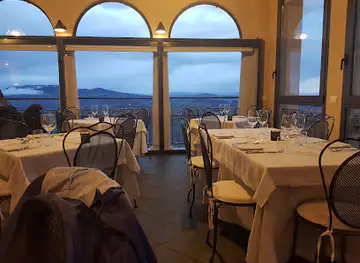
La Terrazza
Experience exquisite cuisine with breathtaking views at La Terrazza in San Marino—where every meal is a celebration of local flavors.

Best bars in Fiorentino
Top-rated picks
Best Bars
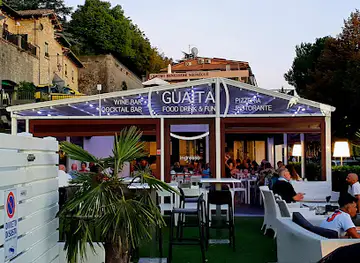
GUAITA food, drink & fun
Discover GUAITA in San Marino - a vibrant bar and restaurant offering delicious Italian cuisine, lively cocktails, and an unforgettable dining experience.

Giulietti Km0
Experience the vibrant culinary scene at Giulietti Km0, where gourmet burgers meet craft beers and creative cocktails in the heart of San Marino.

London Pub
Discover the vibrant atmosphere and delectable offerings of London Pub in the heart of San Marino, perfect for a relaxing evening with friends.

Bar La Torretta
Discover Bar La Torretta, your cozy bar in Città di San Marino for delicious drinks and a welcoming atmosphere.

Best nightclubs in Fiorentino
Top-rated picks
Best Nightclubs

Bowling Pub Rose'n Bowl - Sala Giochi
Discover a world of fun and excitement at Bowling Pub Rose'n Bowl, where bowling, games, and great food create unforgettable memories.

Don Camillo Taste
Discover the vibrant taste of San Marino at Don Camillo Taste, where delicious burgers and a lively bar atmosphere await you.

London Pub
Discover the vibrant atmosphere of London Pub in San Marino, where great drinks and friendly faces await every traveler.

Euphoria
Discover Euphoria in San Marino: a lively bar and restaurant serving delicious piadinas and small plates in a vibrant atmosphere.

Best shops in Fiorentino
Top-rated picks
Best Shops

Mercato Coperto di Rimini
Immerse yourself in the local flavors and vibrant culture at Mercato Coperto di Rimini, a must-visit market for food lovers and cultural enthusiasts.

Atlante Shopping Center
Experience shopping and dining at the Atlante Shopping Center in Dogana, a vibrant hub for tourists in San Marino offering diverse options and local flavors.

San Marino Outlet Experience
Shop luxury brands at unbeatable prices in the stunning backdrop of San Marino's iconic landscape.

VR46 store
Explore the vibrant VR46 Store in Tavullia, where motorsport fashion meets the legacy of Valentino Rossi, perfect for fans and fashion enthusiasts.

Explore Fiorentino on the Map
A handpicked selection of must-see spots in Fiorentino, mapped for you.
Fiorentino Essentials
-
Fiorentino is one of the nine castelli (municipalities) of San Marino. The nearest international airports are Federico Fellini International Airport in Rimini, Italy, and Bologna Guglielmo Marconi Airport in Bologna, Italy. From these airports, you can take a bus or train to Rimini, and from Rimini, there are regular bus services that connect to San Marino. Alternatively, you can rent a car and drive to Fiorentino, which offers a scenic route through the Italian countryside.
-
Within Fiorentino, the best way to get around is by foot, as the town is relatively small and many attractions are close to each other. For longer distances, local buses are available and connect Fiorentino with other parts of San Marino. Taxis are also available but can be more expensive. Renting a car is a convenient option if you plan to explore the surrounding areas at your own pace.
-
San Marino uses the Euro (€) as its official currency. Credit cards are widely accepted in hotels, restaurants, and shops. However, it is advisable to carry some cash, especially when visiting smaller establishments or markets. ATMs are available throughout Fiorentino, so withdrawing cash should not be an issue.
-
Fiorentino is generally a very safe destination for tourists. There are no specific high-crime areas targeting tourists. However, as with any travel destination, it is wise to take standard precautions such as not leaving your belongings unattended and being cautious when walking alone at night.
-
In case of emergency, dial 112 for immediate assistance. San Marino has modern medical facilities, and the nearest hospital is located in the City of San Marino. Travel insurance that covers medical emergencies is highly recommended. For minor health issues, there are pharmacies available where you can purchase over-the-counter medications.
-
Fashion: Do dress modestly, especially when visiting religious sites. Avoid wearing overly revealing clothing. Religion: Do respect local customs and traditions. Always cover your shoulders and knees when entering churches. Public Transport: Do be courteous and offer your seat to elderly passengers. Don't eat or drink on public transport. Greetings: Do greet people with a friendly handshake. A simple 'Buongiorno' (Good morning) or 'Buonasera' (Good evening) is appreciated. Eating & Drinking: Do try local dishes and accept food offerings graciously. Don't rush meals; dining is a leisurely activity enjoyed with good company.
-
To experience Fiorentino like a local, visit the local markets where you can purchase fresh produce and traditional Sammarinese goods. Engage with residents, who are often friendly and eager to share stories about their town's history and culture. Don't miss the opportunity to explore the beautiful countryside surrounding Fiorentino, which offers scenic hiking trails and breathtaking views. For a unique experience, participate in local festivals, which showcase the rich cultural heritage of San Marino.
When is the best time to visit Fiorentino?
Useful Local Phrases for Fiorentino
You don't need to speak the language perfectly. Even learning a few simple words can make conversations warmer—and locals usually appreciate the effort.
— Eve

Here are the phrases I use most often in Fiorentino. Try a few—you'll be surprised how far they go! 😊
❤️
-
- HelloCiao
[chow] - GoodbyeArrivederci
[ah-ree-veh-dehr-chee] - YesSì
[see] - NoNo
[no] - Please/You're welcomePer favore/Prego
[pehr fah-voh-reh/preh-goh] - Thank youGrazie
[gra-tsyeh] - Excuse me/SorryMi scusi/Scusa
[mee skoo-zee/skoo-zah] - How are you?Come stai?
[koh-meh stai] - Fine. And you?Bene. E tu?
[beh-neh. eh too] - Do you speak English?Parli inglese?
[pahr-lee een-gleh-zeh] - I don't understandNon capisco
[non kah-pee-skoh]
- HelloCiao
-
- I'd like to see the menu, pleaseVorrei vedere il menu, per favore
[vor-reh-ee veh-deh-reh eel meh-noo, pehr fah-voh-reh] - I don't eat meatNon mangio carne
[non mahn-joh kahr-neh] - Cheers!Salute!
[sah-loo-teh] - I would like to pay, pleaseVorrei pagare, per favore
[vor-reh-ee pah-gah-reh, pehr fah-voh-reh]
- I'd like to see the menu, pleaseVorrei vedere il menu, per favore
-
- Help!Aiuto!
[ah-yoo-toh] - Go away!Vai via!
[vah-ee vee-ah] - Call the Police!Chiama la polizia!
[kee-ah-mah lah poh-lee-tsya] - Call a doctor!Chiama un dottore!
[kee-ah-mah oon doh-toh-reh] - I'm lostMi sono perso
[mee soh-no pehr-soh] - I'm illSono malato
[soh-no mah-lah-toh]
- Help!Aiuto!
-
- I'd like to buy...Vorrei comprare...
[vor-reh-ee kohm-prah-reh] - I'm just lookingSto solo guardando
[stoh soh-loh gwar-dahn-doh] - How much is it?Quanto costa?
[kwahn-toh koh-stah] - That's too expensiveÈ troppo caro
[eh troh-po kah-roh] - Can you lower the price?Puoi abbassare il prezzo?
[pwah-ee ab-bah-sah-reh eel preh-tsoh]
- I'd like to buy...Vorrei comprare...
-
- What time is it?Che ora è?
[keh oh-rah eh] - It's one o'clockSono le uno
[soh-no leh oo-noh] - Half past (10)Le dieci e mezza
[leh dyeh-chee eh meh-tsah] - MorningMattina
[maht-tee-nah] - AfternoonPomeriggio
[poh-meh-ree-joh] - EveningSera
[seh-rah] - YesterdayIeri
[yeh-ree] - TodayOggi
[oh-jee] - TomorrowDomani
[doh-mah-nee] - 1Uno
[oo-noh] - 2Due
[doo-eh] - 3Tre
[treh] - 4Quattro
[kwah-troh] - 5Cinque
[cheen-kweh] - 6Sei
[seh-ee] - 7Sette
[seht-teh] - 8Otto
[oht-toh] - 9Nove
[noh-veh] - 10Dieci
[dyeh-chee]
- What time is it?Che ora è?
-
- Where's a/the...?Dov'è...?
[doh-veh] - What's the address?Qual è l'indirizzo?
[kwahl eh leen-dee-ree-tsoh] - Can you show me (on the map)?Puoi mostrarmi (sulla mappa)?
[pwah-ee moh-stahr-mee soo-lah mahp-pah] - When's the next (bus)?Quando passa il prossimo (autobus)?
[kwahn-doh pahs-sah eel prohs-see-moh ow-toh-boos] - A ticket (to ....)Un biglietto (per ....)
[oon beel-yeht-toh pehr]
- Where's a/the...?Dov'è...?
History of Fiorentino
-
Fiorentino, one of the nine castelli of San Marino, traces its origins back to ancient times. It was officially established in the early medieval period as part of the Republic of San Marino. The region's strategic location on the slopes of Monte Titano made it a valuable defensive outpost. Early settlers in Fiorentino were primarily engaged in agriculture and craft, contributing to the community's growth and stability.
-
During the Middle Ages, Fiorentino played a crucial role in the defense of the Republic of San Marino. The castello was fortified with walls and towers to protect against invasions and local conflicts. The remains of these fortifications can still be seen today, offering a glimpse into the military architecture of the period. Fiorentino's defensive structures were part of a larger network that ensured the safety and sovereignty of San Marino.
-
The Renaissance period brought cultural and artistic growth to Fiorentino. Influenced by nearby Italian city-states, the region saw the development of new architectural styles and an increased interest in the arts. Local churches and buildings from this era feature frescoes and other art forms that reflect Renaissance ideals. This cultural flourishing contributed to the rich heritage that Fiorentino boasts today.
-
The 19th century was a time of significant change for Fiorentino, as it was for the entire Republic of San Marino. The Industrial Revolution brought new technologies and ways of life, leading to modern infrastructure developments within the castello. Roads, communication systems, and public buildings were updated to meet contemporary needs. These changes helped integrate Fiorentino more closely with the rest of San Marino and the broader European context.
-
During World War II, San Marino and its castelli, including Fiorentino, maintained a stance of neutrality. Despite this, the region experienced the impacts of the war, including an influx of refugees and the occasional threat of conflict. In the post-war period, Fiorentino, like the rest of San Marino, focused on recovery and rebuilding. This era saw the establishment of new social and economic policies aimed at modernizing the community and improving the quality of life for its residents.
-
Today, Fiorentino is a vibrant part of San Marino, balancing its rich historical heritage with modern living. The community is known for its picturesque landscapes, historic sites, and cultural events. Modern Fiorentino continues to honor its past while looking towards the future, making it a unique blend of tradition and progress. Visitors can explore historical landmarks, enjoy local cuisine, and participate in various cultural activities that celebrate the enduring spirit of this castello.
Travel experiences inspired by this city




Cities near Fiorentino
The closest cities to Fiorentino, if you have time for more than one stop.


Your all‑in‑one travel companion app
Explore expert travel guides, compare and book tours, experiences, hotels, and more—all from the palm of your hand. Download now for seamless trip planning wherever your wanderlust takes you.


Fiorentino in Photos
Browse through our photo collection highlighting the charm and character of the destination.

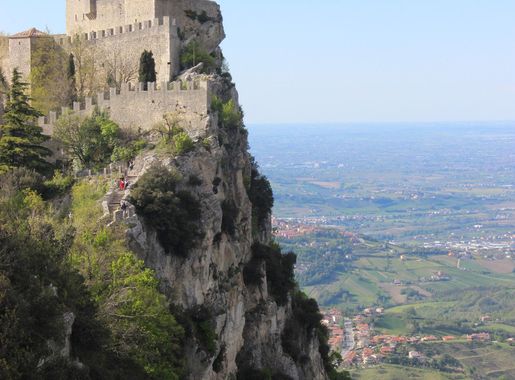


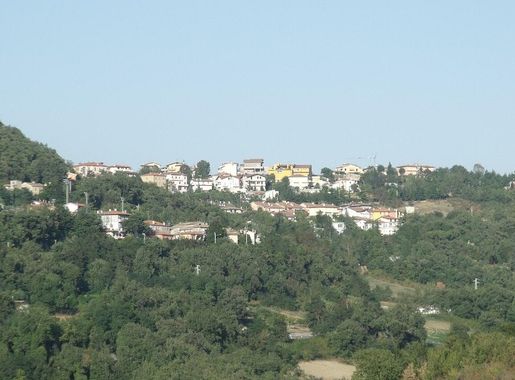


Fiorentino: A Hidden Gem in San Marino
Nestled in the captivating landscapes of San Marino, the town of Fiorentino offers an enchanting escape for travelers seeking a blend of history, culture, and natural beauty. With its serene ambiance and rich heritage, Fiorentino provides a unique glimpse into the heart of San Marino. Visitors to Fiorentino can explore its quaint streets and discover historic landmarks that tell the story of this charming town. The medieval architecture and ancient fortifications reflect the town's storied past, while the local museums offer insights into the traditions and culture that have shaped Fiorentino over the centuries. Nature enthusiasts will appreciate the stunning views and outdoor activities available in and around Fiorentino. The surrounding hills and valleys invite hikers and bikers to immerse themselves in the picturesque scenery. Whether you're wandering through the town's historic center or venturing into the countryside, Fiorentino promises a memorable experience for all who visit.
Explore More of Monte San Cristoforo

Looking beyond Fiorentino? Discover Monte San Cristoforo for broader travel guides, local hot-spots, and regional highlights.
Explore Monte San CristoforoExplore More of San Marino

Looking beyond Fiorentino? Discover San Marino for broader travel guides, local hot-spots, and regional highlights.
Explore San Marino