
Água Grande, Sao Tome and Principe Travel Guide
Discover Água Grande in São Tomé and Príncipe: Where history, culture, and nature come together in a vibrant tropical paradise.
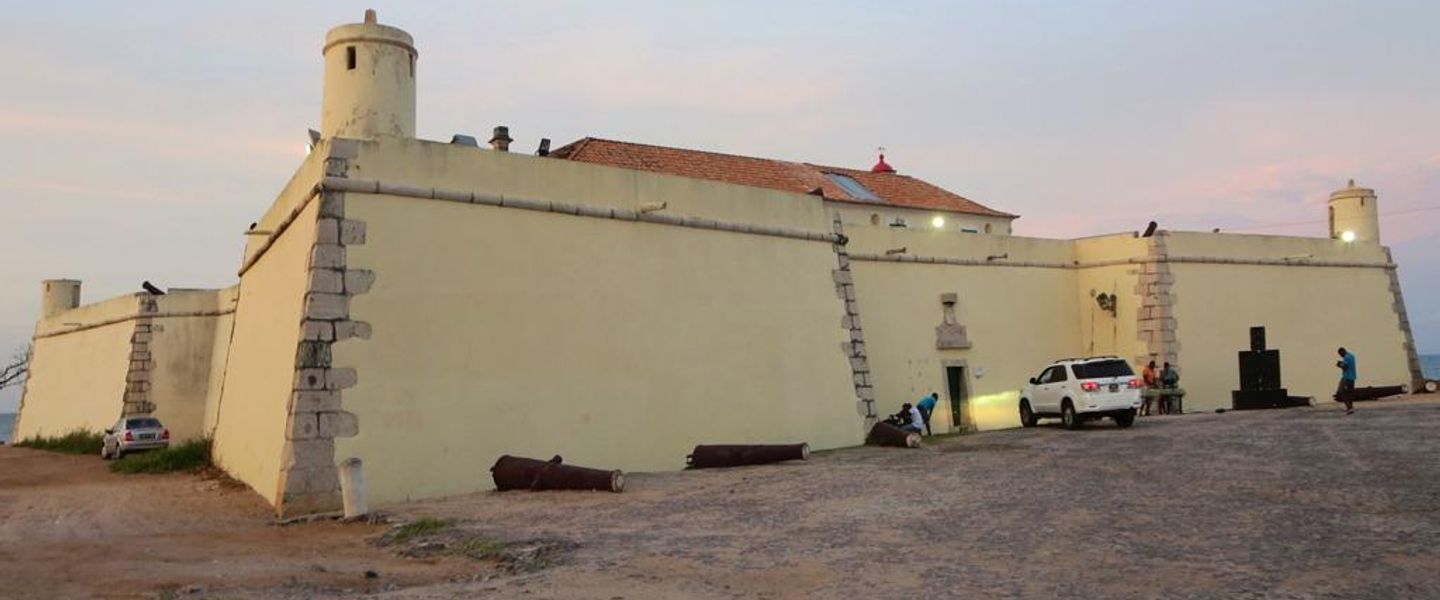
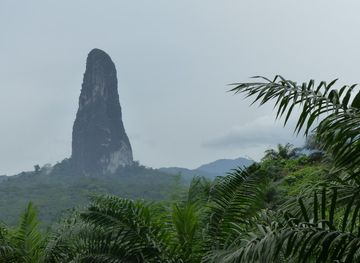
Nestled on the lush island of São Tomé, Água Grande is a vibrant district brimming with history, culture, and natural beauty. As the most populous district in São Tomé and Príncipe, it offers a unique blend of urban energy and tropical charm. The capital city, São Tomé, serves as the heartbeat of the district, where colonial architecture meets bustling markets and friendly locals. Explore the rich history of Água Grande by visiting its many museums and historical sites. The National Museum, housed in the São Sebastião Fort, offers a fascinating glimpse into the island's past. Wander through the colorful streets and discover local crafts and delicious street food that reflect the island's diverse heritage. Nature lovers will find plenty to admire in Água Grande. The district is home to pristine beaches, lush rainforests, and scenic waterfalls. Take a leisurely walk through the Obo National Park, where you can spot rare birds and exotic plants. Don’t miss the chance to visit the stunning Pico Cão Grande, a volcanic plug that rises dramatically from the forest floor. Whether you're interested in history, culture, or nature, Água Grande has something to offer every traveler. Its warm climate, welcoming people, and breathtaking landscapes make it an unforgettable destination.

Know before you go
Hi, I'm Eve. Here are a few practical things to know before exploring Água Grande.
- Visit the National Museum early in the morning to avoid crowds and enjoy a more peaceful experience.
- Carry local currency, as not all places accept credit cards.
- Hire a local guide for a deeper understanding of the district's history and natural wonders.
- Wear comfortable walking shoes for exploring the Obo National Park and other natural sites.
- Taste the local cuisine at street markets for an authentic culinary experience.
Top City Travel Guides in Água Grande
The cities of Água Grande, and the easiest places to base yourself.
Explore Água Grande: Things to Do, Places to Eat, Hotels & More
Handpicked recommendations for top attractions, local dining, accommodations, and more

Top Attractions & Sightseeing in Água Grande
Top-rated picks
Best Attractions

São Sebastião Museum
Explore the captivating history and vibrant culture of São Tomé at the São Sebastião Museum, a treasure trove of heritage and art.

Forte de São Sebastião
Discover the rich colonial history and breathtaking coastal views at Forte de São Sebastião, a must-see museum in São Tomé.

Praia Grande
Discover the serene beauty and vibrant atmosphere of Praia Grande, a tropical beach paradise in São Tomé and Príncipe, perfect for relaxation and adventure.

Stp travels
Explore Stp Travels in São Tomé, where natural beauty meets cultural richness, offering tourists a unique and authentic island experience.

Best landmarks in Água Grande
Top-rated picks
Best Landmarks

Papa-Figo
Experience the flavors of São Tomé at Papa-Figo, a beloved restaurant that embodies the island's culinary culture with every bite.

Praia Inhame Eco Lodge
Discover the serene beauty of Praia Inhame Eco Lodge in Sao Tome and Principe, where nature meets comfort in an eco-friendly paradise.

Omali São Tomé
Discover luxury and tranquility at Omali São Tomé, your perfect retreat on the breathtaking Praia do Lagarto in São Tomé.

Saint Nicholas Waterfall
Explore the enchanting Saint Nicholas Waterfall in Monte Café, a breathtaking natural attraction perfect for relaxation and scenic photography.

Best restaurants in Água Grande
Top-rated picks
Best Restaurants
Pestana São Tomé
Experience luxury at Pestana São Tomé – where stunning ocean views meet vibrant nightlife in a tropical paradise.

Papa-Figo
Experience authentic São Toméan cuisine at Papa-Figo – where local flavors meet warm hospitality in the heart of São Tomé.

Omali São Tomé
Experience luxury at Omali São Tomé with stunning ocean views, exquisite dining options, and endless adventures on the beautiful island.

Casa Museu Almada Negreiros
Explore Casa Museu Almada Negreiros in São Tomé - A Cultural Gem Celebrating Portuguese Artistry and Heritage.

Best bars in Água Grande
Top-rated picks
Best Bars
Pestana São Tomé
Experience luxury and vibrant nightlife at Pestana São Tomé, your tropical escape featuring exquisite dining, a spa, and lively entertainment.

Papa-Figo
Experience the authentic flavors of São Tomé at Papa-Figo, where local cuisine meets warm hospitality in a vibrant atmosphere.

O Pirata
Discover the rich flavors of São Tomé at O Pirata, a vibrant restaurant offering a delightful blend of local and international cuisine.

Pico Mocambo
Discover the vibrant nightlife at Pico Mocambo, São Tomé's premier bar offering local drinks, lively atmosphere, and unforgettable memories.

Best nightclubs in Água Grande
Top-rated picks
Best Nightclubs
Club Santana
Experience the serene beauty and luxurious comfort at Club Santana, a premier resort hotel in the heart of Sao Tome.

Pico Mocambo
Experience the vibrant nightlife at Pico Mocambo, São Tomé's premier bar with local drinks, cool music, and a friendly atmosphere.

Discoteca Beach Club
Experience the heartbeat of São Tomé's nightlife at Discoteca Beach Club, where music, dance, and ocean views create unforgettable nights.

Caipirinha Tropical
Experience the vibrant nightlife of São Tomé at Caipirinha Tropical, where refreshing cocktails and local culture blend seamlessly.

Best shops in Água Grande
Top-rated picks
Best Shops
Sweet Guest House
Sweet Guest House in São Tomé - Your cozy home away from home, blending comfort with local charm for an unforgettable stay.

Claudio Corallo - Cacao & Caffe São Tomé e Príncipe
Explore the exquisite world of artisanal chocolate at Claudio Corallo in São Tomé, where every bite tells a story of passion and craftsmanship.

Diogo Vaz
Experience the finest chocolate creations at Diogo Vaz, a cornerstone of São Tomé's rich cocoa heritage, where flavor meets tradition.

Praia Lagarto
Experience the tranquil beauty of Praia Lagarto, a stunning beach in São Tomé, perfect for relaxation, swimming, and savoring local delicacies.

Explore Água Grande on the Map
A handpicked selection of must-see spots in Água Grande, mapped for you.
Água Grande Essentials
-
The main gateway to Água Grande is through São Tomé International Airport (TMS), located just a few kilometers from the city center. Direct flights are available from Lisbon, Portugal, and connecting flights can be taken from various African and European cities. From the airport, taxis and car rentals are available to reach your accommodation in Água Grande.
-
Getting around Água Grande is straightforward. The city itself is relatively small, and many attractions are within walking distance. Taxis are plentiful and inexpensive, but make sure to agree on a fare before starting the journey as meters are not always used. Public minibuses, known as 'toca-tocas', are a cost-effective way to travel around, but they can be crowded and follow set routes. Car rentals are also available for those wishing to explore at their own pace.
-
The official currency of São Tomé and Príncipe is the Dobra (STN). Credit cards are accepted in some hotels, restaurants, and larger shops, but cash is preferred, especially in smaller establishments and markets. ATMs are available in Água Grande, but it’s advisable to carry enough cash for daily expenses. Foreign currencies can be exchanged at banks and exchange bureaus.
-
Água Grande is generally a safe destination for tourists, but like any place, it’s important to take precautions. Petty crimes such as pickpocketing can occur, especially in crowded areas like markets. Avoid walking alone at night in poorly lit areas. The neighborhoods of Bairro Militar and Bairro Popular have higher crime rates, so it's best to avoid these areas after dark.
-
In case of an emergency, dial 112 for immediate assistance. São Tomé Hospital is the main medical facility in Água Grande, equipped to handle most medical emergencies. Pharmacies are available throughout the city for minor health issues. It is highly recommended to have travel insurance that covers medical emergencies and evacuations.
-
Fashion: Do dress modestly, especially when visiting religious sites. Avoid wearing overly revealing clothing. Religion: Do respect local customs and traditions, particularly regarding Catholic practices which are prevalent in the area. Public Transport: Do be patient and courteous when using public minibuses. Don't expect them to run on a strict schedule. Greetings: Do greet people with a friendly 'Bom dia' (Good morning) or 'Boa tarde' (Good afternoon). Eating & Drinking: Do try local dishes and be open to new flavors. Don't refuse food offered by locals, as it is considered impolite.
-
To experience Água Grande like a local, visit the Mercado Municipal where you can buy fresh produce and interact with friendly vendors. Take a walk along the waterfront to enjoy the view and see fishermen at work. Don't miss the chance to taste local dishes such as Calulu and Feijoada at family-run eateries. Engage with locals, as they are often willing to share stories and tips about the area.
When is the best time to visit Água Grande?
Useful Local Phrases for Água Grande
You don't need to speak the language perfectly. Even learning a few simple words can make conversations warmer—and locals usually appreciate the effort.
— Eve

Here are the phrases I use most often in Água Grande. Try a few—you'll be surprised how far they go! 😊
❤️
-
- HelloOlá
[o-LAA] - GoodbyeAdeus
[a-DEH-ooz] - YesSim
[seem] - NoNão
[now] - Please/You're welcomePor favor
[poor fah-VOR] - Thank youObrigado
[oh-bree-GAH-doo] - Excuse me/SorryDesculpe
[des-KOOL-peh] - How are you?Como você está?
[KOH-moo voh-SEH eh-STAH] - Fine. And you?Bem. E você?
[BEM. eh voh-SEH] - Do you speak English?Você fala inglês?
[voh-SEH FAH-lah een-GLEZ] - I don't understandEu não entendo
[ay-oo now en-TEN-doo]
- HelloOlá
-
- I'd like to see the menu, pleaseGostaria de ver o menu, por favor
[goh-stah-REE-ah jeh VEHR oo meh-NOO, poor fah-VOR] - I don't eat meatEu não como carne
[ay-oo now KOH-moo KARN-ee] - Cheers!Saúde!
[sah-OO-dee] - I would like to pay, pleaseGostaria de pagar, por favor
[goh-stah-REE-ah jeh pah-GAR, poor fah-VOR]
- I'd like to see the menu, pleaseGostaria de ver o menu, por favor
-
- Help!Ajuda!
[ah-ZHOO-dah] - Go away!Vá embora!
[vah em-BOH-rah] - Call the Police!Chame a polícia!
[SHAH-mee ah poh-LEE-syah] - Call a doctor!Chame um médico!
[SHAH-mee oom MEH-dee-koh] - I'm lostEstou perdido
[es-TOH per-DEE-doo] - I'm illEstou doente
[es-TOH do-EHN-teh]
- Help!Ajuda!
-
- I'd like to buy...Gostaria de comprar...
[goh-stah-REE-ah jeh kom-PRAR...] - I'm just lookingEstou apenas a olhar
[es-TOH ah-PEH-nas ah oh-YAR] - How much is it?Quanto custa?
[KWAN-too KOO-stah] - That's too expensiveÉ muito caro
[eh MOON-toh KAH-roo] - Can you lower the price?Você pode baixar o preço?
[voh-SEH POH-dee bye-SHAR oo PREH-soo]
- I'd like to buy...Gostaria de comprar...
-
- What time is it?Que horas são?
[keh OR-as sow] - It's one o'clockÉ uma hora
[eh OO-mah OR-ah] - Half past (10)Dez e meia
[DEZ eh MAY-ah] - MorningManhã
[ma-NYAH] - AfternoonTarde
[TAR-deh] - EveningNoite
[NOY-teh] - YesterdayOntem
[ON-tem] - TodayHoje
[OH-jee] - TomorrowAmanhã
[ah-ma-NYAH] - 1Um
[oom] - 2Dois
[Doys] - 3Três
[TRES] - 4Quatro
[KWA-tro] - 5Cinco
[SEEN-ko] - 6Seis
[SAYZ] - 7Sete
[SET-ee] - 8Oito
[OY-toh] - 9Nove
[NO-veh] - 10Dez
[DEZ]
- What time is it?Que horas são?
-
- Where's a/the...?Onde está um/a...?
[ON-deh eh-STAH oom/ah...?] - What's the address?Qual é o endereço?
[KWAL eh oo en-deh-REH-soo] - Can you show me (on the map)?Você pode me mostrar (no mapa)?
[voh-SEH POH-dee meh mohs-TRAR (no MAH-pah)?] - When's the next (bus)?Quando é o próximo (autocarro)?
[KWAN-doo eh oo PROH-see-mo (ow-toh-KAR-roo)?] - A ticket (to ....)Um bilhete (para ....)
[oom bee-LYEH-teh (PAH-rah ....)]
- Where's a/the...?Onde está um/a...?
History of Água Grande
-
Água Grande, located in the central region of São Tomé Island, has its roots deeply embedded in the colonial era. It was during the late 15th century when Portuguese explorers arrived on the island, marking the beginning of European colonization. The establishment of São Tomé as a key trading post and plantation hub in the Gulf of Guinea turned Água Grande into a significant administrative center. The region saw the construction of colonial buildings and the introduction of cash crops such as sugarcane and cacao, which would shape its economic landscape for centuries.
-
In the 16th century, Água Grande became integral to the booming sugarcane industry. The fertile volcanic soil of São Tomé was perfect for sugarcane cultivation, and it wasn't long before the island became one of the world's largest sugar exporters. This period saw an influx of enslaved Africans brought to work on the plantations, a dark chapter that left a lasting impact on the region's demographic and cultural landscape. The remnants of old sugar mills and plantations can still be found in Água Grande, serving as haunting reminders of this era.
-
The late 19th and early 20th centuries marked the transition from sugarcane to cacao as the primary crop in Água Grande. São Tomé and Príncipe became known as the 'Chocolate Islands' due to their significant contribution to the global cacao supply. Água Grande thrived during this period, with large cacao plantations dominating the landscape. The legacy of this era is still evident today in the region's rich culinary traditions and the presence of historic plantations that have been converted into museums and tourist attractions.
-
The mid-20th century was a tumultuous time for Água Grande as the island nation moved towards independence. Anti-colonial sentiments grew, culminating in the formation of the Movement for the Liberation of São Tomé and Príncipe (MLSTP) in the 1960s. The fight for independence was marked by political unrest and social upheaval. Finally, on July 12, 1975, São Tomé and Príncipe gained its independence from Portugal, with Água Grande playing a pivotal role as the political heart of the newly formed nation.
-
Post-independence, Água Grande has blossomed into a vibrant cultural hub. The region is known for its lively festivals, including the annual São Tomé Carnival, which showcases the rich cultural tapestry of the island with music, dance, and traditional attire. Additionally, the capital city of São Tomé, located in Água Grande, has seen significant modernization efforts, blending colonial architecture with contemporary developments. The National Museum, located in the historic Fort São Sebastião, offers insights into the island's storied past, making it a must-visit for history enthusiasts.
Neighbouring Regions of Água Grande
The closest regions to Água Grande, if you have time for more than one.


Your all‑in‑one travel companion app
Explore expert travel guides, compare and book tours, experiences, hotels, and more—all from the palm of your hand. Download now for seamless trip planning wherever your wanderlust takes you.


Explore More of Sao Tome and Principe

Looking beyond Água Grande? Discover Sao Tome and Principe for broader travel guides, local hot-spots, and regional highlights.
Explore Sao Tome and PrincipeÁgua Grande in Photos
Browse through our photo collection highlighting the charm and character of the destination.



Água Grande: The Heartbeat of São Tomé and Príncipe
Nestled on the lush island of São Tomé, Água Grande is a vibrant district brimming with history, culture, and natural beauty. As the most populous district in São Tomé and Príncipe, it offers a unique blend of urban energy and tropical charm. The capital city, São Tomé, serves as the heartbeat of the district, where colonial architecture meets bustling markets and friendly locals. Explore the rich history of Água Grande by visiting its many museums and historical sites. The National Museum, housed in the São Sebastião Fort, offers a fascinating glimpse into the island's past. Wander through the colorful streets and discover local crafts and delicious street food that reflect the island's diverse heritage. Nature lovers will find plenty to admire in Água Grande. The district is home to pristine beaches, lush rainforests, and scenic waterfalls. Take a leisurely walk through the Obo National Park, where you can spot rare birds and exotic plants. Don’t miss the chance to visit the stunning Pico Cão Grande, a volcanic plug that rises dramatically from the forest floor. Whether you're interested in history, culture, or nature, Água Grande has something to offer every traveler. Its warm climate, welcoming people, and breathtaking landscapes make it an unforgettable destination.