

Free Caué Travel Guide & Mobile App
Explore Caué with free travel guides. Discover regional history, expert tips, proposed trips, and audio guides on web or mobile app.


Explore Caué’s rainforest, volcanic beaches, plantation heritage and equatorial Ilhéu das Rolas in the lush south of São Tomé.
Read more about Caué
When is the best time to visit Caué?
Best: July–September · 25–26°C| Month | High (°C) | Rainfall (mm) |
|---|---|---|
| January | 27 | 100 |
| February | 27 | 85 |
| March | 27 | 110 |
| April | 27 | 210 |
| May | 27 | 220 |
| June | 26 | 100 |
| July (best) | 25 | 40 |
| August (best) | 25 | 25 |
| September (best) | 26 | 50 |
| October | 27 | 110 |
| November | 27 | 180 |
| December | 27 | 120 |
Getting to and around Caué
How to get there
Transportation
Top city travel guides in Caué
The cities of Caué, and the easiest places to base yourself.
-

-
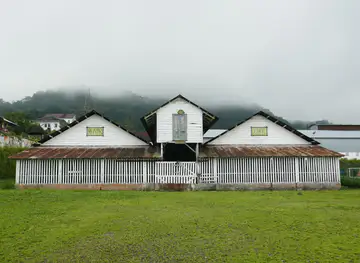
-


Swipe for more cities
Destinations in Caué
Resorts, valleys and scenic spots worth a trip of their own.

Swipe for more destinations
Best attractions in Caué
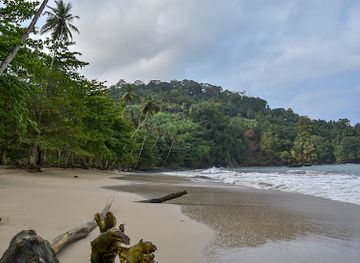
Caué’s attractions are concentrated in rainforest, coastline and plantation landscapes rather than in large purpose-built visitor complexes. The Parque Natural Obô de São Tomé offers guided walks through humid forest, where endemic birds, orchids and towering trees are among the main interest, although trails vary in difficulty and should be arranged with local knowledge. The beaches around the southern tip include Praia Jalé, Praia Inhame and Praia Piscina, each with a different combination of sand, rocks, vegetation and swimming conditions. Former roça sites and agricultural landscapes around São João dos Angolares provide insight into the island’s cocoa and coffee history, while local guides can explain changing patterns of cultivation and village life. Boat trips to Ilhéu das Rolas add a marine dimension, with opportunities for coastal views, swimming when conditions permit and a visit to the equator monument. Fishing communities, forest clearings and small farms are best approached respectfully and through local arrangements. The district is less suited to tightly scheduled sightseeing than to a sequence of nature, heritage and community encounters connected by road and boat.
-
Beach
Praia Micondo
Explore the pristine beauty of Praia Micondo, a serene beach paradise in São Tomé with golden sands and crystal-clear waters for an unforgettable tropical escape.
-
Scenic spot
Cascata de Praia Pesqueira
Experience the breathtaking beauty of Cascata de Praia Pesqueira, a serene waterfall surrounded by lush nature on São Tomé island.
-
Beach
Praia Jale
Experience the tranquil beauty of Praia Jale, a pristine beach in São Tomé offering relaxation, adventure, and breathtaking ocean views.
-
Tourist attraction
Malanza Mangrove Boat Tour
Explore the lush mangroves of Malanza on a tranquil boat tour, encountering diverse wildlife and stunning landscapes in São Tomé and Príncipe.
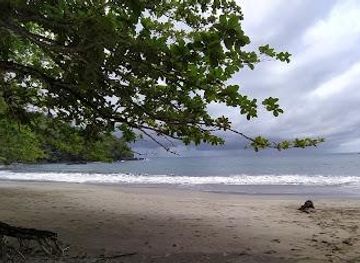
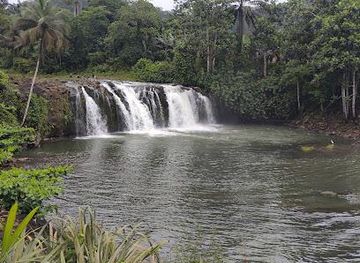
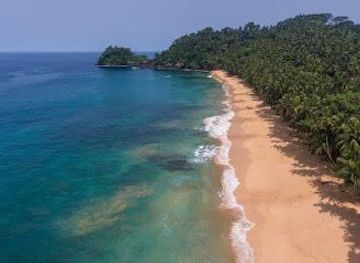
Best landmarks in Caué
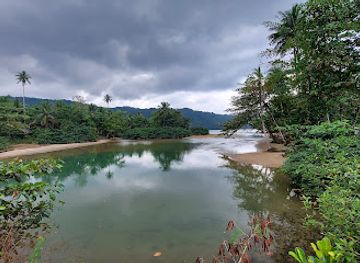
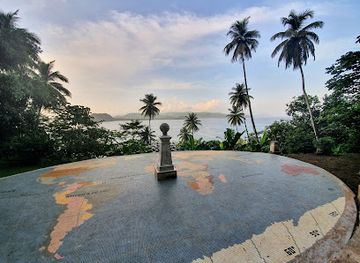
The most recognisable landmark in Caué is the equator monument on Ilhéu das Rolas, marking the line that crosses the small island and giving visitors a memorable geographical reference point. Its significance is both scientific and symbolic, linking the archipelago to the equatorial Atlantic. On the main island, São João dos Angolares provides the district’s principal settled landmark, with its coastal position and surrounding hills reflecting the relationship between fishing, agriculture and the sea. Former roça buildings and plantation layouts are also important cultural landmarks, even where individual structures are weathered or partly overgrown; they record the organisation of labour and exports under Portuguese colonial rule. The southern beaches are natural landmarks in their own right, particularly where volcanic rock, forest and open Atlantic meet. In the interior, the rainforest of Parque Natural Obô de São Tomé and its mountainous terrain form the defining geographical backdrop, although the forest is better understood through guided routes than through a single monumental viewpoint. Together these places give Caué a landmark character based on equatorial geography, plantation history and volcanic landscape.
-
Historical landmark
Equator Landmark
Discover the Equator Landmark in Porto Alegre, a unique historical site offering stunning landscapes and a glimpse into the Earth's geographical wonders.
-
Island
Sao Tome Island
Explore São Tomé Island, a tropical paradise with stunning beaches, lush rainforests, and a rich blend of cultures waiting to be discovered.
-
Beach
Praia Micondo
Discover the serene beauty of Praia Micondo, a hidden beach paradise in São Tomé and Príncipe, perfect for relaxation and adventure.
-
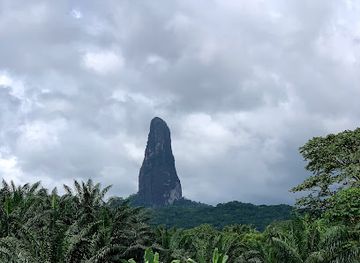
Mountain peak
Cão Grande Peak
Explore the breathtaking Cão Grande Peak, where adventure meets stunning natural beauty in São Tomé and Príncipe.
Explore Caué on the map
Plan your trip on one map. See where the top cities, national parks and sights are, and book hotels and experiences in a few clicks.
Best hotels in Caué
Best restaurants in Caué
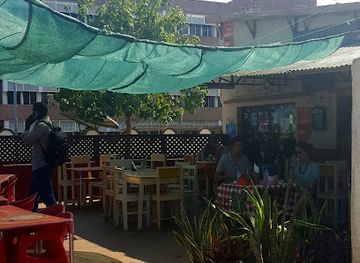
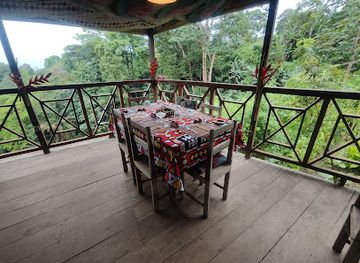
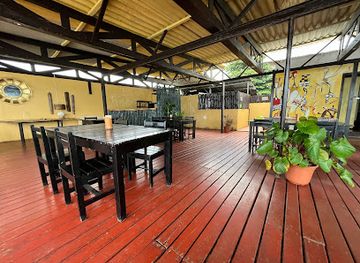
Dining in Caué is generally intimate and locally oriented, with meals shaped by the Atlantic coast, tropical agriculture and São Tomé’s wider Creole food culture. Fresh fish and seafood are central in coastal settlements, often served with rice, breadfruit, plantain, cassava or other locally available staples. Chicken, beans, greens and ripe tropical fruit also appear frequently, while pepper-based sauces add heat to many dishes. Around São João dos Angolares, guesthouses, small restaurants and community-based establishments may offer the most dependable meals, usually with menus that reflect the day’s produce rather than a fixed international selection. Plantation and eco-lodges may provide advance-booked meals, particularly for visitors staying away from the town. Cocoa and locally grown coffee are important parts of the region’s agricultural identity, although availability and presentation vary. Visitors should confirm meal times and dietary requirements ahead of rural excursions, carry snacks for long journeys and expect service to follow local rhythms rather than urban restaurant schedules.
-
Restaurant
Papa-Figo
Discover the flavors of São Tomé at Papa-Figo - where local cuisine meets warm hospitality in a vibrant setting.
-
Restaurant
Casa Museu Almada Negreiros
Discover the vibrant fusion of culture and cuisine at Casa Museu Almada Negreiros in Sao Tome, where art meets flavor.
-
Restaurant
O Pirata
Experience authentic local flavors at O Pirata in São Tomé - where every meal tells a story amidst tropical beauty.
-
Creole
Dona Teté
Discover authentic Creole cuisine at Dona Teté in São Tomé – a culinary experience filled with rich flavors and local charm.
Best bars in Caué
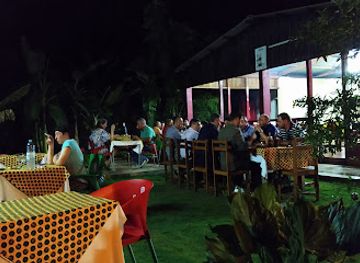
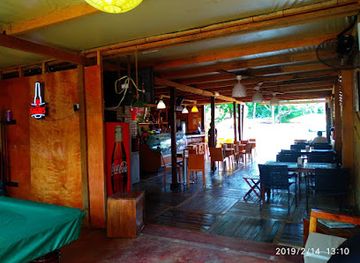
Caué does not have a major nightclub scene. Evening life centres on small bars, informal cafés, hotel or lodge terraces and restaurants in and around São João dos Angolares, with conversation, music and locally available drinks providing a more typical night out than late-closing clubs. Some accommodation providers can arrange a meal, drinks or cultural entertainment, but programmes and availability are seasonal and should not be assumed. Beer, soft drinks and tropical fruit-based refreshments are widely encountered, while locally produced spirits may appear in informal settings. On Ilhéu das Rolas and in remote coastal areas, evenings are generally quiet, with darkness, sea sounds and the night sky taking the place of organised nightlife. Visitors should arrange transport back to their accommodation before going out, as taxis and public transport are limited after dark and roads may be poorly lit.
-
Restaurant
Casa Museu Almada Negreiros
Explore the artistic treasures of Casa Museu Almada Negreiros in São Tomé, where culture and creativity come to life in a stunning historical setting.
-
Bar
Pico Mocambo
Experience the vibrant atmosphere of Pico Mocambo, a must-visit bar in São Tomé, offering local drinks and lively entertainment.
-
Restaurant
Miónga
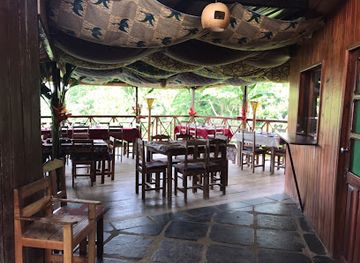
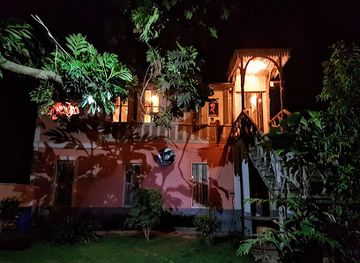
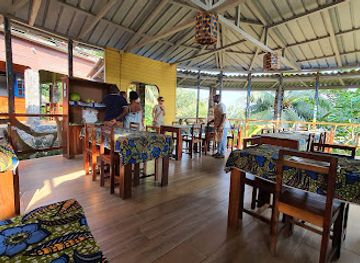
Experience the rich flavors and artistic charm of Miónga, a premier restaurant and boarding house in São João dos Angolares.
-
Pizza
90 Graus Esplanada Bar
Delight in authentic pizzas and a vibrant atmosphere at 90 Graus Esplanada Bar, a top culinary destination in São Tomé e Príncipe.
Best nightclubs in Caué
Caué does not have a major nightclub scene. Evening life centres on small bars, informal cafés, hotel or lodge terraces and restaurants in and around São João dos Angolares, with conversation, music and locally available drinks providing a more typical night out than late-closing clubs. Some accommodation providers can arrange a meal, drinks or cultural entertainment, but programmes and availability are seasonal and should not be assumed. Beer, soft drinks and tropical fruit-based refreshments are widely encountered, while locally produced spirits may appear in informal settings. On Ilhéu das Rolas and in remote coastal areas, evenings are generally quiet, with darkness, sea sounds and the night sky taking the place of organised nightlife. Visitors should arrange transport back to their accommodation before going out, as taxis and public transport are limited after dark and roads may be poorly lit.
-
 Resort hotel
Club Santana
Experience the ultimate relaxation at Club Santana, a luxury resort hotel in the heart of São Tomé, where stunning views and exceptional service await.
-
Disco club
Discoteca Beach Club
Discover the vibrant nightlife at Discoteca Beach Club in São Tomé, where dancing, music, and ocean views create unforgettable experiences.
-
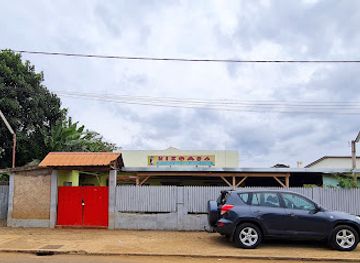
Disco club
Discoteca Kizomba
Discover the rhythm of São Tomé's nightlife at Discoteca Kizomba, where dance and vibrant socializing create unforgettable experiences.
-
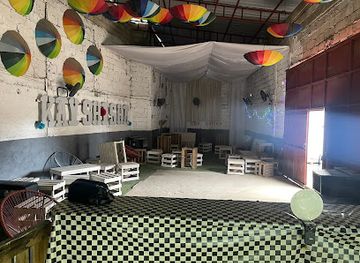
Bar
Kay Shisha
Discover the vibrant atmosphere and unique shisha offerings at Kay Shisha, a must-visit bar in São Tomé for an unforgettable nightlife experience.
Best shops in Caué
Shopping in Caué is modest and locally focused rather than centred on formal retail districts. São João dos Angolares is the most practical place to look for everyday provisions, locally prepared food and small-scale produce, while village stalls and roadside sellers appear according to season and supply. Cocoa, coffee, tropical fruit, spices and locally made sauces can make meaningful regional purchases when sourced through recognised producers or accommodation providers. Handicrafts may include woven items, woodwork and small souvenirs, but selection is variable and visitors should ask about materials and provenance rather than assuming every item is locally made. Markets and informal sales operate according to local rhythms, so opening times and stock are not always predictable. More specialised souvenirs and a wider choice of imported goods are generally easier to find in São Tomé city, outside Caué. Carry dobra for rural purchases, bargain politely only where it is customary and avoid buying plants, shells, wildlife products or objects removed from protected natural and historic sites.
-
Chocolate artisan
Claudio Corallo - Cacao & Caffe São Tomé e Príncipe
Discover the rich flavors of artisanal chocolate and the art of cacao at Claudio Corallo in São Tomé e Príncipe—a sweet escape for every traveler.
-
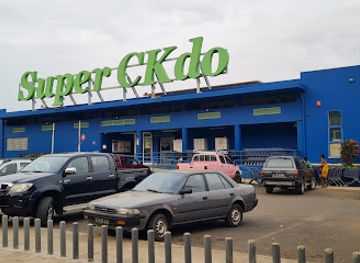
Supermarket
SUPER CKDO
Explore the local flavors of São Tomé at SUPER CKDO, your one-stop supermarket for fresh produce, local delicacies, and fine wines.
-
Shopping mall
Intermar
Explore Intermar, São Tomé's vibrant shopping mall featuring local and international brands, delicious dining options, and a lively atmosphere.
-
Supermarket
Supermercado Coconote
Experience the authentic flavors of São Tomé at Supermercado Coconote, your go-to supermarket for local products and unique souvenirs.

Get your free copy of our complete guide to Caué, delivered straight to you.
Everything on this page, from attractions and restaurants to essentials and local phrases, in one PDF you can read offline, print or share.
Already have an account? Sign in
Your Caué guide is ready.
We'll send it to · Not you? Sign out

Getting your guide ready…
We are putting together a fresh copy of the Caué guide. This can take up to a minute.
This can take a few moments. If your browser asks, choose Allow so the download can start. You'll find the guide in your Downloads folder.
Nothing happened? Download it again
Sorry, the guide is taking longer than usual. Please try again in a minute, or get it by email instead.
Caué essentials
Currency and Payment
Safety
Emergency Situations
Do's and Don'ts
Local Tips
From Eve
Local phrases worth knowing
You don't need to get them perfect. A few words go a long way, and locals appreciate the effort.
Basics
| English | Local | Say it |
|---|---|---|
| Hello | Olá | [Oh-lah] |
| Goodbye | Adeus | [Ah-deh-oos] |
| Yes | Sim | [Seem] |
| No | Não | [Now] |
| Please/You're welcome | Por favor | [Por fah-vor] |
| Thank you | Obrigado | [Oh-bree-gah-doo] |
| Excuse me/Sorry | Desculpe | [Des-kool-peh] |
| How are you? | Como você está? | [Koh-moo voh-say es-tah?] |
| Fine. And you? | Bem. E você? | [Behm. Eh voh-say?] |
| Do you speak English? | Você fala inglês? | [Voh-say fah-lah een-gles?] |
| I don't understand | Não entendo | [Now en-ten-doo] |
Eating & Drinking
| English | Local | Say it |
|---|---|---|
| I'd like to see the menu, please | Gostaria de ver o menu, por favor | [Goh-stah-ree-ah jeh vehr oo meh-noo, por fah-vor] |
| I don't eat meat | Não como carne | [Now koh-moo kar-nee] |
| Cheers! | Saúde! | [Sah-oo-deh!] |
| I would like to pay, please | Gostaria de pagar, por favor | [Goh-stah-ree-ah jeh pah-gahr, por fah-vor] |
Emergencies
| English | Local | Say it |
|---|---|---|
| Help! | Ajuda! | [Ah-zhoo-dah!] |
| Go away! | Vai embora! | [Vah eem-boh-rah!] |
| Call the Police! | Chame a polícia! | [Shah-meh ah poh-lee-see-ah!] |
| Call a doctor! | Chame um médico! | [Shah-meh oom meh-dee-co!] |
| I'm lost | Estou perdido | [Es-toh pehr-jee-doo] |
| I'm ill | Estou doente | [Es-toh doh-en-teh] |
Shopping
| English | Local | Say it |
|---|---|---|
| I'd like to buy... | Gostaria de comprar... | [Goh-stah-ree-ah jeh kohm-prahr...] |
| I'm just looking | Estou apenas olhando | [Es-toh ah-peh-nahs oh-lhan-doo] |
| How much is it? | Quanto custa? | [Kwahn-toh koos-tah?] |
| That's too expensive | É muito caro | [Eh mwee-toh kah-roh] |
| Can you lower the price? | Você pode baixar o preço? | [Voh-say poh-jee bye-shar oo pray-so?] |
Time & Numbers
| English | Local | Say it |
|---|---|---|
| What time is it? | Que horas são? | [Keh oh-ras sah-o?] |
| It's one o'clock | É uma hora | [Eh oo-mah oh-rah] |
| Half past (10) | Meia hora (10) | [May-ah oh-rah (10)] |
| Morning | Manhã | [Mahn-yah] |
| Afternoon | Tarde | [Tahr-deh] |
| Evening | Noite | [Noy-tay] |
| Yesterday | Ontem | [On-tem] |
| Today | Hoje | [Oh-zhay] |
| Tomorrow | Amanhã | [Ah-mahn-yah] |
| 1 | Um | [Oom] |
| 2 | Dois | [Doyz] |
| 3 | Três | [Trehs] |
| 4 | Quatro | [Kwah-tro] |
| 5 | Cinco | [Seen-co] |
| 6 | Seis | [Says] |
| 7 | Sete | [Seh-teh] |
| 8 | Oito | [Oy-toh] |
| 9 | Nove | [Noh-veh] |
| 10 | Dez | [Dez] |
Transport & Directions
| English | Local | Say it |
|---|---|---|
| Where's a/the...? | Onde fica um/a...? | [On-deh fee-kah oom/ah...?] |
| What's the address? | Qual é o endereço? | [Kwahl eh oo en-deh-reh-so?] |
| Can you show me (on the map)? | Você pode me mostrar (no mapa)? | [Voh-say poh-jee meh mohs-trar (no mah-pah)?] |
| When's the next (bus)? | Quando é o próximo (ônibus)? | [Kwan-do eh oo proh-see-mo (oh-nee-boos)?] |
| A ticket (to ....) | Um bilhete (para ...) | [Oom bee-lyeh-teh (pah-rah ...)] |
History of Caué
Volcanic Formation and Early Settlement
Caué forms part of São Tomé’s volcanic southern massif, created by eruptions and shaped by heavy tropical rainfall. Before Portuguese colonisation, the island was uninhabited or only very lightly settled compared with later periods, and there is no evidence of an ancient urban society comparable to those found elsewhere in the Gulf of Guinea. Portuguese navigators reached São Tomé in the late fifteenth century, after which the island became a base for agriculture, shipping and the forced movement of enslaved Africans.
Portuguese Colonisation and the Plantation Economy
From the sixteenth century, São Tomé’s economy developed around large agricultural estates producing first sugar and later coffee and cocoa. These estates, or roças, depended on enslaved labour and, after the formal abolition of slavery, on contract workers brought from other Portuguese territories. Southern districts such as Caué were transformed by plantations, roads, processing buildings and worker settlements. The resulting landscape still appears in estate ruins, agricultural clearings, shared food traditions and the social geography of villages around São João dos Angolares.
Cocoa Expansion in the Nineteenth and Early Twentieth Centuries
Cocoa became the dominant export crop of São Tomé and Príncipe during the nineteenth century, making the islands one of the world’s important cocoa producers by the early twentieth century. Plantations spread through the humid interior and southern districts, taking advantage of fertile volcanic soils and abundant rainfall. Wealth was concentrated in the estate system, while contract labourers lived under highly restrictive conditions. The history of Caué’s roças therefore combines agricultural innovation and international trade with exploitation, inequality and enduring memories among local communities.
São João dos Angolares and Southern Community Life
São João dos Angolares developed as the principal settlement and administrative centre of southern São Tomé. Its name reflects the wider history of African migration and the movement of labour within the Portuguese colonial world, although the town’s society also includes long-established Santomean communities. Fishing, farming and plantation work shaped daily life alongside colonial administration. The town remains an important point for understanding how southern coastal communities connected the Atlantic, the rainforest and the estate economy.
The 1953 Batepá Massacre and Colonial Crisis
The Batepá massacre of 1953, centred mainly in other parts of São Tomé, was a decisive event in the island’s modern history and affected the wider political consciousness of São Toméans, including the south. Colonial authorities and local elites violently suppressed resistance and opposition linked to labour policies and the treatment of the African population. The killings deepened hostility towards Portuguese rule and are remembered nationally as a major symbol of colonial repression. They form essential context for understanding the political changes that followed.
Independence and the Transformation of the Roças
São Tomé and Príncipe became independent from Portugal in 1975. The new state nationalised the plantations, but many large estates later declined because of economic difficulties, ageing infrastructure and changing agricultural conditions. In Caué, former plantation buildings and cultivated areas remain interwoven with villages and forest. Some estates have been adapted for tourism or small-scale production, while others survive as weathered reminders of a system that once organised nearly every aspect of work and settlement.
Protected Forests and Sustainable Tourism
The late twentieth and early twenty-first centuries brought greater emphasis on conserving São Tomé’s exceptional ecosystems. Parque Natural Obô de São Tomé protects extensive rainforest and mountainous habitat, including areas associated with the southern interior. Conservation has encouraged research, guided nature travel and interest in endemic birds and plants, while also raising questions about access to land and sustainable livelihoods. In Caué, small-scale ecotourism, community services and visits to beaches and Ilhéu das Rolas now complement older agricultural and fishing activities.
Caué in Photos
Browse through our photo collection highlighting the charm and character of the destination.
Neighbouring regions of Caué
The closest regions to Caué, if you have time for more than one.
-

-

-

-

-


Swipe for more regions
Explore more

Explore more of Sao Tome and Principe
Discover the untouched beauty of Sao Tome and Principe, where lush rainforests, pristine beaches, and rich cultural heritage await in this tranquil island paradise.
Explore Sao Tome and Principe