

Free Lembá Travel Guide & Mobile App
Explore Lembá with free travel guides. Discover regional history, expert tips, proposed trips, and audio guides on web or mobile app.


Explore Lembá in São Tomé and Príncipe for volcanic coastlines, cocoa plantations, fishing towns and rainforest journeys beyond the capital.
Read more about Lembá
When is the best time to visit Lembá?
Best: January–February, August · 28°C| Month | High (°C) | Rainfall (mm) |
|---|---|---|
| January (best) | 28 | 100 |
| February (best) | 28 | 100 |
| March | 28 | 150 |
| April | 28 | 200 |
| May | 29 | 200 |
| June | 28 | 150 |
| July | 28 | 100 |
| August (best) | 28 | 100 |
| September | 28 | 100 |
| October | 28 | 150 |
| November | 28 | 200 |
| December | 28 | 150 |
Getting to and around Lembá
How to get there
Transportation
Top city travel guides in Lembá
The cities of Lembá, and the easiest places to base yourself.
-

-


Swipe for more cities
Destinations in Lembá
Resorts, valleys and scenic spots worth a trip of their own.

Swipe for more destinations
Best attractions in Lembá
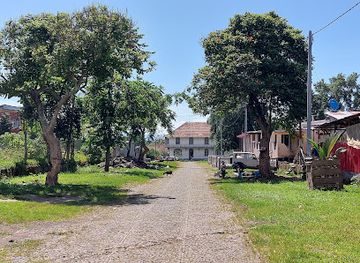
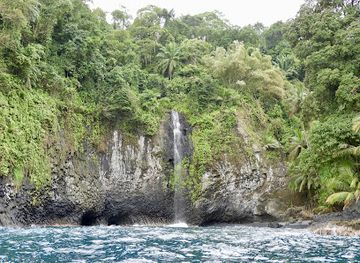
Lembá’s attractions combine volcanic scenery, plantation heritage and everyday coastal life rather than a dense collection of formal museums or ticketed sites. Neves is the district’s main urban centre, with fishing activity, views across the Gulf of Guinea and access to roads leading towards western villages. Along the coast, dark volcanic shores, rocky bays and small beaches create opportunities for photography and quiet exploration, although swimming conditions should be assessed locally. The former roças are central to the district’s cultural landscape: Diogo Vaz is associated with cocoa production and contemporary chocolate initiatives, while other estate sites show the scale of colonial agriculture and the communities that grew around it. Inland routes lead towards wetter forest and steep volcanic terrain, offering birdwatching, botanical interest and guided walks. The district also provides a useful setting for learning how cocoa is grown, harvested and processed. Facilities are limited outside Neves, so plantation visits, longer walks and rural transport should be arranged with local hosts rather than treated as spontaneous excursions.
-
Tourist attraction
Roça Diogo Vaz
Discover the historical charm and natural beauty of Roça Diogo Vaz, a must-visit tourist attraction in São Tomé and Príncipe.
-
National park
Obo National Park
Explore the breathtaking landscapes and rich biodiversity of Obo National Park, a must-visit destination in São Tomé and Príncipe.
-
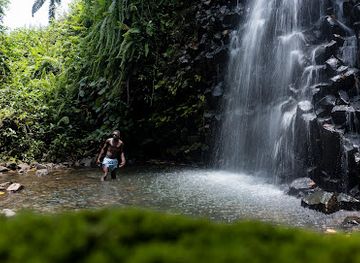
Cascata São Salvador
Experience the natural beauty of Cascata São Salvador in Porto Alegre, a perfect retreat for nature lovers and adventure seekers alike.
-
Tourist attraction
Cascata São Miguel
Discover the enchanting beauty of Cascata São Miguel, a stunning waterfall in Formiga that promises tranquility and natural splendor for every traveler.

Best landmarks in Lembá
The most significant landmarks in Lembá are closely connected to its volcanic setting and plantation past. Neves is marked by its coastal position and working harbour, which help explain the district’s relationship with fishing, maritime transport and trade. The former roça at Diogo Vaz is important for understanding the architecture and organisation of São Tomé’s cocoa estates, as well as the modern effort to give cocoa greater local value. Other surviving plantation buildings and estate layouts around Lembá, where accessible, should be read as historical landscapes rather than isolated romantic ruins. The district’s western coastline supplies a different kind of landmark, with black volcanic shores, headlands and broad views over the Gulf of Guinea. Inland, forested mountain slopes form part of the island’s dramatic volcanic profile and lead towards the wider protected landscapes of São Tomé’s interior. Because some historic structures are fragile and some natural areas are difficult to reach, local guidance is important for both conservation and safety.
-
 Hotel
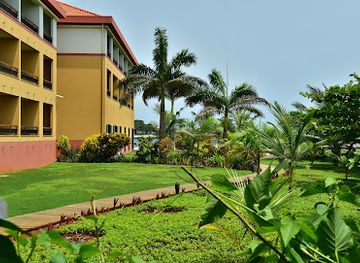
HotelMucumbli
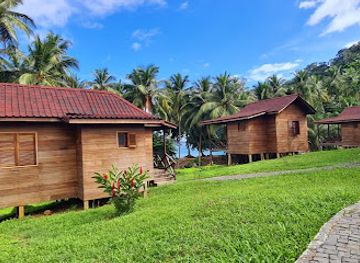
Experience the tranquility and local charm of Mucumbli, your perfect retreat in Neves, São Tomé and Príncipe.
-
Hotel
Praia Inhame Eco Lodge
Experience the serene beauty of Praia Inhame Eco Lodge, where stunning ocean views meet sustainable luxury in the heart of Sao Tome and Principe.
-
Resort hotel
Club Santana
Discover the stunning beauty and luxurious comfort of Club Santana, a premier resort hotel in the enchanting locale of Santana.
-
Scenic spot
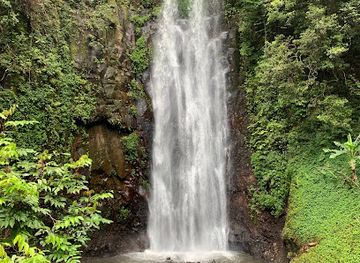
Saint Nicholas Waterfall
Experience the breathtaking beauty of Saint Nicholas Waterfall, a hidden gem in Monte Café, surrounded by lush nature and perfect for relaxation.
Explore Lembá on the map
Plan your trip on one map. See where the top cities, national parks and sights are, and book hotels and experiences in a few clicks.
Best hotels in Lembá
Best restaurants in Lembá
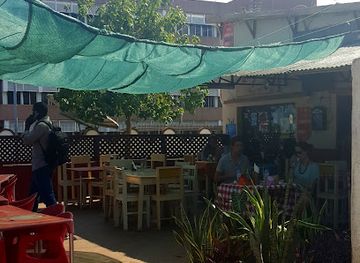
Dining in Lembá is informal and closely tied to the coast, household gardens and the island’s wider São Toméan food traditions. In Neves, visitors may find grilled or stewed fish, seafood, chicken, rice, beans, bananas, breadfruit and dishes seasoned with local herbs and peppers. Small restaurants, cafés and food stalls provide a more typical experience than a formal restaurant circuit, while accommodation providers may prepare meals with advance notice. Cocoa is an important part of the district’s identity, increasingly appearing through locally processed chocolate and drinks connected with plantation initiatives. Fresh tropical fruit, including papaya, banana and pineapple, is widely useful for simple breakfasts and snacks. Menus and availability can change with the fishing catch, agricultural season and electricity or supply conditions, so flexibility is sensible. Ask about ingredients and prices before ordering, and carry cash because card payment is not dependable beyond the better-equipped establishments.
-
Hotel
Pestana São Tomé
Experience luxury at Pestana São Tomé with stunning ocean views, exquisite dining options, and access to vibrant nightlife on this beautiful island.
-
Restaurant
Papa-Figo
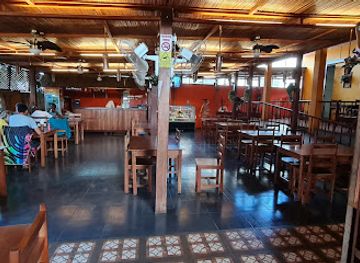
Discover authentic São Toméan cuisine at Papa-Figo—an unmissable dining experience on your island adventure.
-
Hotel
Mucumbli
Discover tranquility at Mucumbli Hotel in Neves – your perfect escape surrounded by nature's beauty.
-
Creole
Dona Teté
Discover authentic Creole cuisine at Dona Teté in São Tomé - where every dish tells a story of tradition and flavor.
Best bars in Lembá
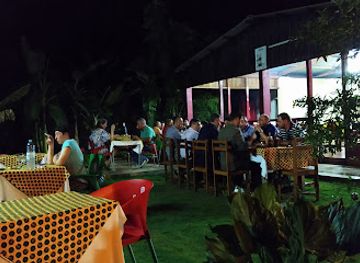
Lembá has a modest evening scene centred on local bars, small restaurants, cafés and informal social spaces in and around Neves rather than on purpose-built nightclubs. Evenings may involve music, conversation, football or a locally available beer, rum-based drink or soft drink, while some accommodation providers can arrange a meal and a quiet drink. Outside the district centre, nightlife is sparse and often finishes early, with rural communities following their own routines. Visitors should avoid assuming that a busy-looking daytime settlement will have late-night services, and should arrange transport back to accommodation before going out. Occasional cultural or community events may add music and dancing, but dates and venues are not reliably fixed for travellers. The most rewarding evening experience is usually a relaxed meal or local gathering approached respectfully, rather than a search for a large club scene.
-
Restaurant
Pestana São Tomé
Experience luxury and adventure at Pestana São Tomé, where exquisite dining and vibrant nightlife meet stunning coastal views.
-
Restaurant
Papa-Figo
Experience the authentic taste of São Tomé at Papa-Figo, where local flavors meet a warm and inviting atmosphere.
-
Resort hotel
Club Santana
Experience the beauty of nature and luxury at Club Santana, the ultimate resort hotel in scenic Santana, São Tomé and Príncipe.
-
Hotel
Omali São Tomé
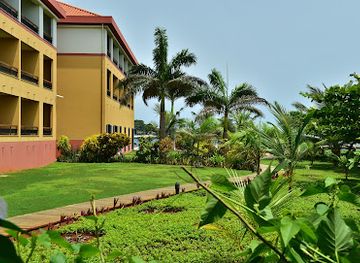
Discover the perfect blend of luxury and nature at Omali São Tomé, a serene paradise on Praia do Lagarto.
Best nightclubs in Lembá
Lembá has a modest evening scene centred on local bars, small restaurants, cafés and informal social spaces in and around Neves rather than on purpose-built nightclubs. Evenings may involve music, conversation, football or a locally available beer, rum-based drink or soft drink, while some accommodation providers can arrange a meal and a quiet drink. Outside the district centre, nightlife is sparse and often finishes early, with rural communities following their own routines. Visitors should avoid assuming that a busy-looking daytime settlement will have late-night services, and should arrange transport back to accommodation before going out. Occasional cultural or community events may add music and dancing, but dates and venues are not reliably fixed for travellers. The most rewarding evening experience is usually a relaxed meal or local gathering approached respectfully, rather than a search for a large club scene.
-
Bar
Pico Mocambo
Discover the vibrant nightlife at Pico Mocambo, a lively bar in São Tomé, where local culture meets refreshing drinks in a welcoming atmosphere.
-
Disco club
Discoteca Beach Club
Discover the vibrant nightlife at Discoteca Beach Club - where music and ocean views create unforgettable nights in São Tomé.
-
Disco club
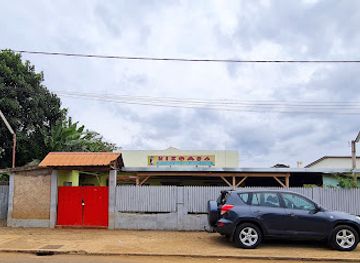
Discoteca Kizomba
Discover the ultimate nightlife experience at Discoteca Kizomba in São Tomé, where vibrant music and dancing create unforgettable memories.
-
Bar
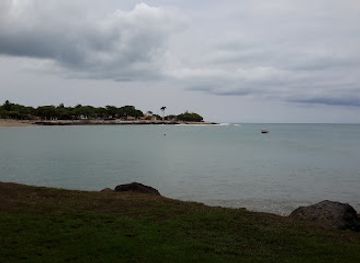
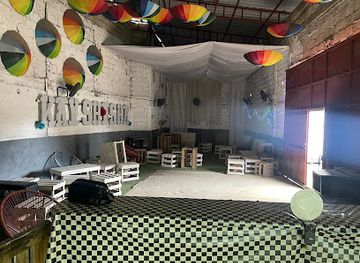
Kay Shisha
Experience the vibrant nightlife at Kay Shisha, the premier bar in São Tomé for shisha and cocktails in a lively setting.
Best shops in Lembá
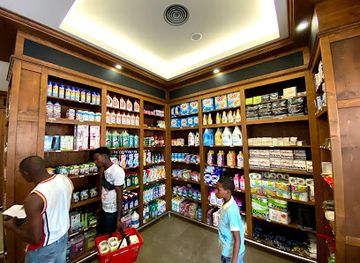
Shopping in Lembá is practical and local, with small shops and market activity concentrated in Neves rather than in a developed retail district. Visitors may find fresh fruit, vegetables, fish, bread, household goods and locally made snacks, while informal stalls reflect the daily needs of residents more than souvenir tourism. Cocoa and chocolate connected with local producers are the most characteristic purchases, although availability and packaging vary. Other suitable souvenirs include São Toméan coffee, pepper, dried foods and small crafts where these are responsibly sourced and clearly permitted for export. Former plantation areas may offer direct sales or locally made products, but visitors should ask about prices and whether purchases benefit growers or community enterprises. There are no grounds to expect extensive international brands, luxury retail or a large craft market. Carry cash in small denominations, inspect perishable goods carefully and avoid buying historic objects, protected natural materials or items whose provenance is unclear.
-
Hotel
Mucumbli
Experience the warmth and charm of Mucumbli Hotel in Neves, a perfect retreat for travelers exploring the beauty of São Tomé and Príncipe.
-
General store
Supermercado Continental
Discover local life at Supermercado Continental, a must-visit general store in São Tomé offering a variety of goods at great prices.
-
Supermarket
Colombo Supermarket
Discover the charm of local shopping at Colombo Supermarket in São Tomé, where fresh produce and local delicacies await every visitor.
-
Shopping mall
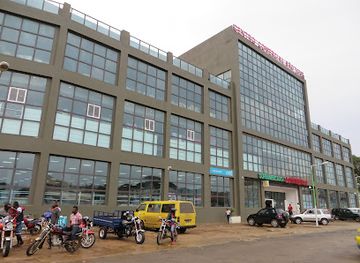
Intermar
Discover the vibrant shopping experience at Intermar, São Tomé's premier mall, where local culture meets modern retail in a tropical paradise.
Get your free copy of our complete guide to Lembá, delivered straight to you.
Everything on this page, from attractions and restaurants to essentials and local phrases, in one PDF you can read offline, print or share.
Already have an account? Sign in
Your Lembá guide is ready.
We'll send it to · Not you? Sign out

Getting your guide ready…
We are putting together a fresh copy of the Lembá guide. This can take up to a minute.
This can take a few moments. If your browser asks, choose Allow so the download can start. You'll find the guide in your Downloads folder.
Nothing happened? Download it again
Sorry, the guide is taking longer than usual. Please try again in a minute, or get it by email instead.
Lembá essentials
Currency and Payment
Safety
Emergency Situations
Do's and Don'ts
Local Tips
From Eve
Local phrases worth knowing
You don't need to get them perfect. A few words go a long way, and locals appreciate the effort.
Basics
| English | Local | Say it |
|---|---|---|
| Hello | Olá | [oh-LAH] |
| Goodbye | Adeus | [ah-DAY-oos] |
| Yes | Sim | [seem] |
| No | Não | [now] |
| Please/You're welcome | Por favor | [poor fah-VOR] |
| Thank you | Obrigado | [oh-bree-GAH-doo] |
| Excuse me/Sorry | Desculpe | [deh-SKOOL-peh] |
| How are you? | Como está? | [KOH-moo es-TAH] |
| Fine. And you? | Bem. E você? | [BEM. eh vo-SEH] |
| Do you speak English? | Você fala inglês? | [vo-SEH FAH-lah een-GLEZ] |
| I don't understand | Não entendo | [now en-TEN-doo] |
Eating & Drinking
| English | Local | Say it |
|---|---|---|
| I'd like to see the menu, please | Quero ver o menu, por favor | [KEH-roh vehr oh meh-NOO, poor fah-VOR] |
| I don't eat meat | Não como carne | [now KOH-moo KAR-nee] |
| Cheers! | Saúde! | [sah-OO-deh] |
| I would like to pay, please | Quero pagar, por favor | [KEH-roh pah-GAR, poor fah-VOR] |
Emergencies
| English | Local | Say it |
|---|---|---|
| Help! | Ajuda! | [ah-ZHOO-dah] |
| Go away! | Vá embora! | [VAH em-BOH-rah] |
| Call the Police! | Chame a polícia! | [SHAH-meh ah poh-LEE-syah] |
| Call a doctor! | Chame um médico! | [SHAH-meh oom MEH-dee-koh] |
| I'm lost | Estou perdido | [es-TOH per-DEE-doo] |
| I'm ill | Estou doente | [es-TOH do-EHN-tay] |
Shopping
| English | Local | Say it |
|---|---|---|
| I'd like to buy... | Quero comprar... | [KEH-roh kom-PRAR] |
| I'm just looking | Estou só a olhar | [es-TOH so AH oh-LYAR] |
| How much is it? | Quanto custa? | [KWAN-toh KOOS-tah] |
| That's too expensive | É muito caro | [EH MOON-toh KAH-roo] |
| Can you lower the price? | Pode baixar o preço? | [POH-deh bye-SHAR oh PREH-soo] |
Time & Numbers
| English | Local | Say it |
|---|---|---|
| What time is it? | Que horas são? | [keh OH-ras sow] |
| It's one o'clock | É uma hora | [EH OO-mah OH-rah] |
| Half past (10) | Dez e meia | [DEZ eh MAY-ah] |
| Morning | Manhã | [ma-NYAH] |
| Afternoon | Tarde | [TAR-deh] |
| Evening | Noite | [NOY-teh] |
| Yesterday | Ontem | [ON-tem] |
| Today | Hoje | [OH-zhee] |
| Tomorrow | Amanhã | [ah-ma-NYAH] |
| 1 | Um | [oom] |
| 2 | Dois | [doyz] |
| 3 | Três | [trays] |
| 4 | Quatro | [KWAH-troh] |
| 5 | Cinco | [SEEN-koh] |
| 6 | Seis | [says] |
| 7 | Sete | [SEH-teh] |
| 8 | Oito | [OY-toh] |
| 9 | Nove | [NOH-veh] |
| 10 | Dez | [DEZ] |
Transport & Directions
| English | Local | Say it |
|---|---|---|
| Where's a/the...? | Onde está um/a...? | [ON-deh es-TAH oom/ah] |
| What's the address? | Qual é o endereço? | [KWAL eh oh in-deh-REH-soo] |
| Can you show me (on the map)? | Pode me mostrar (no mapa)? | [POH-deh meh mos-TRAHR (no MAH-pah)] |
| When's the next (bus)? | Quando é o próximo (ônibus)? | [KWAN-doo eh oh PROH-seem-oh (OH-nee-boos)] |
| A ticket (to ....) | Um bilhete (para....) | [oom bee-LYEH-tay (PAH-rah....)] |
History of Lembá
Volcanic Island and Early Portuguese Settlement
São Tomé is a volcanic island formed by the Cameroon Line, and Lembá’s steep terrain, fertile soils and wet western uplands reflect that geological origin. The island was uninhabited when Portuguese navigators began settlement in the late fifteenth century. Over subsequent decades, coastal anchorages and agricultural estates developed under Portuguese rule. Lembá’s natural harbours and river valleys helped connect plantation communities with the sea, while the thick interior forest remained more difficult to control and cultivate.
The Plantation Economy and Enslaved Labour
From the sixteenth century, São Tomé became an important producer of sugar, using enslaved Africans and a plantation system organised around large estates. Sugar cultivation later declined, but the social and physical structure of the roças endured. In Lembá, estate landscapes, processing buildings, workers’ quarters and plantation roads bear witness to this history. The surviving architecture is inseparable from the violence of slavery and colonial exploitation, which shaped population settlement, land ownership and the island’s cultural life.
Cocoa and the Expansion of the Roças
Cocoa replaced sugar as São Tomé’s principal export in the nineteenth century, and the island became one of the world’s leading cocoa producers. Large estates expanded through the wetter parts of São Tomé, including Lembá, where conditions favoured cultivation beneath forest shade. Portuguese companies recruited contract labourers from other African territories, often under coercive conditions that attracted international criticism. Estate centres such as Diogo Vaz illustrate how cocoa linked remote landscapes to global commodity markets.
Colonial Control and the 1953 Batepá Massacre
Tensions over labour, land and colonial rule culminated in the violence of 1953, commonly known as the Batepá massacre. The repression affected São Tomé broadly and remains a central subject in the country’s modern historical memory. Although the principal commemorative associations are not confined to Lembá, the district’s plantation communities were part of the colonial labour and administrative system that produced those tensions. Visitors should approach the subject respectfully, since it concerns both political violence and the experiences of local families.
Independence and the State Plantation Period
São Tomé and Príncipe became independent from Portugal in 1975. After independence, many plantations were nationalised and managed as state agricultural enterprises. Some continued production, while others declined as investment, infrastructure and labour patterns changed. In Lembá, the former roças became not only remnants of colonial agriculture but also places where communities lived, worked and adapted to a post-colonial economy. Their present condition reflects both historical inheritance and continuing practical challenges.
Cocoa’s Contemporary Revival
In recent decades, São Tomé has sought to renew its cocoa sector through smallholder production, quality-focused chocolate and more sustainable agricultural initiatives. Lembá has featured in this revival because its climate, soils and plantation heritage remain closely associated with cocoa. Contemporary projects do not simply restore the colonial model; they increasingly connect production with local enterprise, tourism and value-added processing. Visits to working cocoa areas can therefore reveal both the endurance of an old crop and the search for a fairer rural economy.
Lembá in Photos
Browse through our photo collection highlighting the charm and character of the destination.
Neighbouring regions of Lembá
The closest regions to Lembá, if you have time for more than one.
-

-

-

-

-


Swipe for more regions
Explore more

Explore more of Sao Tome and Principe
Discover the untouched beauty of Sao Tome and Principe, where lush rainforests, pristine beaches, and rich cultural heritage await in this tranquil island paradise.
Explore Sao Tome and Principe