

Cantagalo, Sao Tome and Principe Travel Guide
Discover the natural beauty and rich cultural heritage of Cantagalo in Sao Tome and Principe, a charming district perfect for nature enthusiasts and history buffs alike.
Nestled within the stunning Sao Tome and Principe, Cantagalo is a destination that offers a delightful mix of natural beauty and cultural richness. This charming district is known for its lush landscapes, vibrant markets, and warm, welcoming locals who are eager to share their way of life with visitors. One of the highlights of visiting Cantagalo is exploring its beautiful countryside. The area is home to dense forests, rolling hills, and pristine beaches that offer a perfect retreat for nature lovers. Hiking enthusiasts will find numerous trails that lead through the verdant landscape, providing breathtaking views and opportunities to spot unique wildlife. Cantagalo also has a rich cultural heritage that is reflected in its lively festivals, traditional music, and delicious local cuisine. Visitors can immerse themselves in the local culture by attending a festival, sampling traditional dishes, or simply strolling through the bustling markets where artisans display their handmade crafts. For those interested in history, Cantagalo boasts several historical landmarks, including colonial-era buildings and plantations that tell the story of the region's past. A visit to these sites offers a fascinating glimpse into the history and development of Sao Tome and Principe.

Know before you go
Hi, I'm Eve. Here are a few practical things to know before exploring Cantagalo.
- Best time to visit is during the dry season from June to September for ideal weather conditions.
- Try the local dish 'Calulu', a tasty fish stew, at one of the traditional restaurants.
- Bring comfortable walking shoes for exploring the scenic hiking trails.
- Visit the local markets early in the morning to experience the vibrant atmosphere and find the best deals.
- Learn a few basic phrases in Portuguese as it is the official language spoken here.
Top City Travel Guides in Cantagalo
The cities of Cantagalo, and the easiest places to base yourself.


Destinations in Cantagalo
Resorts, valleys and scenic spots worth a trip of their own.
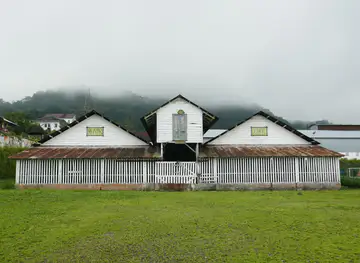
Explore Cantagalo: Things to Do, Places to Eat, Hotels & More
Handpicked recommendations for top attractions, local dining, accommodations, and more

Top Attractions & Sightseeing in Cantagalo
Top-rated picks
Best Attractions

Hellmouth
Discover the breathtaking beauty of Hellmouth in Ribeira Afonso, where stunning geological formations meet serene landscapes for an unforgettable adventure.

Praia das Sete Ondas
Experience the tranquil beauty of Praia das Sete Ondas, a serene beach destination in São Tomé and Príncipe, perfect for relaxation and adventure.

Roça Água-Izé
Experience the rich history and stunning beauty of São Tomé at Roça Água-Izé, the enchanting open-air museum showcasing the island's cocoa heritage.

Pico de São Tomé
Explore the majestic Pico de São Tomé, the highest peak in São Tomé and Príncipe, a must-visit destination for adventure and breathtaking views.

Best landmarks in Cantagalo
Top-rated picks
Best Landmarks

Club Santana
Experience the beauty and serenity of Club Santana, a premier resort hotel in São Tomé that offers the ultimate in relaxation and adventure.

Omali São Tomé
Experience the beauty of São Tomé at Omali São Tomé, where luxury meets local charm along the stunning Praia do Lagarto.

Saint Nicholas Waterfall
Experience the breathtaking beauty of Saint Nicholas Waterfall, a must-visit scenic spot in Monte Café, perfect for nature lovers and photographers.

Equator Landmark
Discover the Equator Landmark in São Tomé and Príncipe – where two hemispheres meet in stunning natural beauty and rich cultural heritage.

Best restaurants in Cantagalo
Top-rated picks
Best Restaurants

Papa-Figo
Experience authentic São Toméan cuisine at Papa-Figo – where every dish is a celebration of local flavors and hospitality.

Casa Museu Almada Negreiros
Explore Casa Museu Almada Negreiros: A Cultural Gem Celebrating Portuguese Artistry in São Tomé.

O Pirata
Discover authentic São Toméan cuisine at O Pirata - where every bite is a taste of paradise.

Dona Teté
Experience authentic Creole cuisine at Dona Teté in São Tomé – where every dish tells a story.

Best bars in Cantagalo
Top-rated picks
Best Bars

Casa Museu Almada Negreiros
Explore the artistic legacy of Almada Negreiros while enjoying exquisite local cuisine at Casa Museu in Sao Tome.

Pico Mocambo
Experience the lively atmosphere of Pico Mocambo in São Tomé, where cool music meets vibrant nightlife and delicious local drinks.

90 Graus Esplanada Bar
Savor the best pizza in São Tomé at 90 Graus Esplanada Bar, where local flavors and a lively atmosphere await every visitor.

Xico's Café
Discover the flavors of São Tomé at Xico's Café, where local cuisine meets a cozy atmosphere for an unforgettable dining experience.

Best nightclubs in Cantagalo
Top-rated picks
Best Nightclubs
Club Santana
Discover Club Santana, a luxurious resort hotel in São Tomé, offering stunning views, exceptional service, and a serene getaway experience.

Pico Mocambo
Discover the vibrant nightlife at Pico Mocambo, São Tomé's lively bar known for its cool music, local drinks, and welcoming atmosphere.

Discoteca Beach Club
Discover the rhythm of São Tomé at Discoteca Beach Club, where unforgettable nights and stunning beach views create the perfect nightlife experience.

Discoteca Kizomba
Immerse yourself in the lively atmosphere of Discoteca Kizomba, where the rhythm of São Tomé's nightlife comes alive with music and dance.

Best shops in Cantagalo
Top-rated picks
Best Shops

Claudio Corallo - Cacao & Caffe São Tomé e Príncipe
Experience the finest artisanal chocolate at Claudio Corallo in São Tomé, where passion meets craftsmanship in every delightful bite.

Roça Água-Izé
Explore Roça Água-Izé, an open air museum that reveals the rich cultural and agricultural heritage of São Tomé through its historic cocoa plantation.

Intermar
Experience the vibrant shopping scene of São Tomé at Intermar, where local culture meets modern retail in a delightful atmosphere.

Supermercado Coconote
Explore the flavors of São Tomé at Supermercado Coconote, a vibrant supermarket brimming with local produce and culinary delights.

Explore Cantagalo on the Map
A handpicked selection of must-see spots in Cantagalo, mapped for you.
Cantagalo Essentials
-
Cantagalo is located on the eastern side of São Tomé Island in São Tomé and Príncipe. The most common way to get there is by flying into São Tomé International Airport (TMS) from Lisbon, Portugal. From the airport, you can hire a taxi or rent a car to reach Cantagalo, which is about a 30-minute drive from the capital city, São Tomé.
-
Within Cantagalo, the most convenient forms of transportation are taxis and local minibuses, known as 'alugueres.' These are relatively inexpensive and can take you to most places within the district. Walking is also a viable option for shorter distances, allowing you to explore the area at a leisurely pace. Car rentals are available in São Tomé for those who prefer to drive themselves.
-
The official currency in São Tomé and Príncipe is the Dobra (STN). While credit cards are accepted in some hotels and larger establishments, it is advisable to carry cash, especially for smaller shops and local markets. ATMs are available in São Tomé, but they can be scarce in smaller towns like Cantagalo, so ensure you have enough cash on hand.
-
Cantagalo is generally a safe destination for tourists. However, like any travel destination, it is wise to take standard precautions. Avoid isolated areas at night and keep an eye on your belongings in crowded places. While there are no specific high-crime areas targeting tourists, it is always best to stay aware of your surroundings.
-
In case of emergency, dial 112 for immediate assistance. There are local police stations and medical facilities available in São Tomé. It is recommended to have travel insurance that covers medical emergencies. For minor health issues, there are pharmacies where you can purchase over-the-counter medications.
-
Fashion: Do dress modestly, especially when visiting religious sites. Avoid wearing overly revealing clothing. Religion: Do respect local customs and traditions. Always behave respectfully in religious places. Public Transport: Do be respectful and patient when using public transport. Don't eat or drink on public transport. Greetings: Do greet people with a handshake. A friendly smile goes a long way. Eating & Drinking: Do try local delicacies and accept food offerings graciously. Don’t refuse hospitality, as it is considered impolite.
-
To experience Cantagalo like a local, visit the local markets where you can buy fresh produce and traditional São Toméan goods. Engage with locals, as they are often friendly and willing to share stories about the area's history and culture. Don’t miss visiting Roça Água Izé, an old plantation that gives you a glimpse into the island's colonial past. For a unique experience, try the local dish 'calulu,' a flavorful fish stew.
When is the best time to visit Cantagalo?
Useful Local Phrases for Cantagalo
You don't need to speak the language perfectly. Even learning a few simple words can make conversations warmer—and locals usually appreciate the effort.
— Eve

Here are the phrases I use most often in Cantagalo. Try a few—you'll be surprised how far they go! 😊
❤️
-
- HelloOlá
[oh-lah] - GoodbyeAdeus
[ah-deh-oos] - YesSim
[seem] - NoNão
[now] - Please/You're welcomePor favor
[poor fah-vor] - Thank youObrigado
[oh-bree-gah-doo] - Excuse me/SorryDesculpe
[des-kool-pay] - How are you?Como está?
[koh-moo es-tah] - Fine. And you?Bem. E você?
[bame. eh voh-seh] - Do you speak English?Você fala inglês?
[voh-seh fah-lah een-glays] - I don't understandEu não entendo
[ay-ooh now en-ten-doo]
- HelloOlá
-
- I'd like to see the menu, pleaseQueria ver o menu, por favor
[keh-ree-ah vehr oo meh-noo, poor fah-vor] - I don't eat meatEu não como carne
[ay-ooh now koh-moo kar-nee] - Cheers!Saúde!
[sah-oo-jee] - I would like to pay, pleaseQueria pagar, por favor
[keh-ree-ah pah-gar, poor fah-vor]
- I'd like to see the menu, pleaseQueria ver o menu, por favor
-
- Help!Ajuda!
[ah-zhoo-dah] - Go away!Vá embora!
[vah em-boh-rah] - Call the Police!Chame a polícia!
[sha-mee ah poh-lee-see-ah] - Call a doctor!Chame um médico!
[sha-mee oom meh-dee-co] - I'm lostEstou perdido
[es-toh pehr-dee-doo] - I'm illEstou doente
[es-toh doh-en-tay]
- Help!Ajuda!
-
- I'd like to buy...Queria comprar...
[keh-ree-ah kohm-prahr] - I'm just lookingEstou apenas a olhar
[es-toh ah-peh-nas ah oh-yar] - How much is it?Quanto custa?
[kwahn-toh koos-tah] - That's too expensiveIsso é muito caro
[ee-soo eh mwee-toh kah-roo] - Can you lower the price?Você pode baixar o preço?
[voh-seh poh-jee bye-shar oo preh-soo]
- I'd like to buy...Queria comprar...
-
- What time is it?Que horas são?
[keh oh-ras sah-o] - It's one o'clockÉ uma hora
[eh oo-mah oh-rah] - Half past (10)Trinta e meia
[trint-ah eh may-ah] - MorningManhã
[man-yah] - AfternoonTarde
[tar-jee] - EveningNoite
[noy-teh] - YesterdayOntem
[on-tem] - TodayHoje
[oh-zhee] - TomorrowAmanhã
[ah-mah-nyah] - 1Um
[oom] - 2Dois
[doy-ees] - 3Três
[trays] - 4Quatro
[kwah-tro] - 5Cinco
[seen-ko] - 6Seis
[says] - 7Sete
[seh-teh] - 8Oito
[oy-toh] - 9Nove
[noh-veh] - 10Dez
[dez]
- What time is it?Que horas são?
-
- Where's a/the...?Onde está um/a...?
[on-deh es-tah oom/ah] - What's the address?Qual é o endereço?
[kwahl eh oo en-deh-reh-so] - Can you show me (on the map)?Você pode me mostrar (no mapa)?
[voh-seh poh-jee meh mohs-trar (noh mah-pah)] - When's the next (bus)?Quando é o próximo (ônibus)?
[kwahn-doo eh oo proh-see-moo (oh-nee-boos)] - A ticket (to ....)Um bilhete (para....)
[oom bee-lyeh-chee (pah-rah)]
- Where's a/the...?Onde está um/a...?
History of Cantagalo
-
Cantagalo, located on the island of São Tomé, was founded in the early 19th century during the Portuguese colonial era. The settlement was initially established to support the growing sugar plantations that were sprouting across the island. As the sugar industry thrived, Cantagalo grew into a bustling community of plantation workers, traders, and colonial administrators.
-
In the late 19th century, Cantagalo experienced a significant transformation with the introduction of coffee and cocoa plantations. These crops quickly became the backbone of São Tomé's economy, bringing wealth and development to the region. The fertile volcanic soil and favorable climate made Cantagalo an ideal location for these plantations, attracting both local and foreign investors.
-
Cantagalo boasts a rich collection of colonial architecture, reflecting its historical significance during the Portuguese colonial period. The town is dotted with grand plantation houses, administrative buildings, and churches, many of which have been preserved to this day. These structures offer a glimpse into the past, showcasing the architectural styles and construction techniques of the era.
-
The abolition of slavery in 1876 was a pivotal moment in Cantagalo's history. The town, like many other parts of São Tomé, had relied heavily on enslaved labor for the operation of its plantations. The end of slavery led to significant social and economic changes, as former slaves sought to build new lives and communities. This period saw the emergence of a more diverse and independent population in Cantagalo.
-
São Tomé and Príncipe gained independence from Portugal on July 12, 1975. Cantagalo, like the rest of the country, underwent a period of transition and modernization. The post-independence era brought new challenges and opportunities as the town adapted to a new political and economic landscape. Efforts were made to diversify the economy, improve infrastructure, and promote education and healthcare.
-
Cantagalo is known for its vibrant cultural festivals and traditions, which reflect the town's rich heritage. Events such as the 'Festa de São Tomé' celebrate the island's patron saint with music, dance, and traditional food. These festivals are an important part of community life, bringing together residents and visitors to honor their shared history and culture.
Neighbouring Regions of Cantagalo
The closest regions to Cantagalo, if you have time for more than one.




Your all‑in‑one travel companion app
Explore expert travel guides, compare and book tours, experiences, hotels, and more—all from the palm of your hand. Download now for seamless trip planning wherever your wanderlust takes you.


Explore More of Sao Tome and Principe

Looking beyond Cantagalo? Discover Sao Tome and Principe for broader travel guides, local hot-spots, and regional highlights.
Explore Sao Tome and PrincipeCantagalo in Photos
Browse through our photo collection highlighting the charm and character of the destination.


Cantagalo: The Heartbeat of Sao Tome and Principe
Nestled within the stunning Sao Tome and Principe, Cantagalo is a destination that offers a delightful mix of natural beauty and cultural richness. This charming district is known for its lush landscapes, vibrant markets, and warm, welcoming locals who are eager to share their way of life with visitors. One of the highlights of visiting Cantagalo is exploring its beautiful countryside. The area is home to dense forests, rolling hills, and pristine beaches that offer a perfect retreat for nature lovers. Hiking enthusiasts will find numerous trails that lead through the verdant landscape, providing breathtaking views and opportunities to spot unique wildlife. Cantagalo also has a rich cultural heritage that is reflected in its lively festivals, traditional music, and delicious local cuisine. Visitors can immerse themselves in the local culture by attending a festival, sampling traditional dishes, or simply strolling through the bustling markets where artisans display their handmade crafts. For those interested in history, Cantagalo boasts several historical landmarks, including colonial-era buildings and plantations that tell the story of the region's past. A visit to these sites offers a fascinating glimpse into the history and development of Sao Tome and Principe.