

Free Al-Bahah Travel Guide & Mobile App
Explore Al-Bahah with free travel guides. Discover regional history, expert tips, proposed trips, and audio guides on web or mobile app.


Explore Al-Bahah in Saudi Arabia for cool Sarawat mountain landscapes, historic stone villages, forest viewpoints, regional honey and highland culture.
Read more about Al-Bahah
Getting to and around Al-Bahah
How to get there
Transportation
Top city travel guides in Al-Bahah
The cities of Al-Bahah, and the easiest places to base yourself.

Swipe for more cities
Best attractions in Al-Bahah
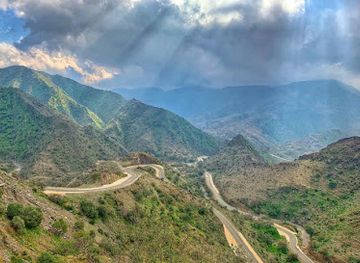
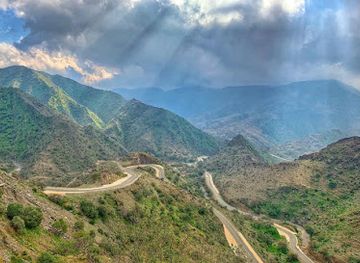
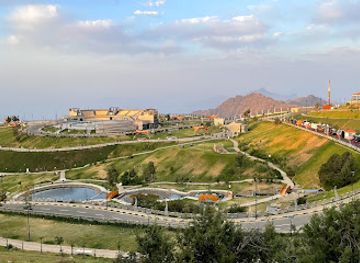
Al-Bahah’s attractions are shaped by altitude, escarpments and the survival of traditional mountain settlements. Around Al-Bahah city, Raghadan Forest combines wooded slopes, picnic areas and elevated views, while nearby parks and overlooks provide accessible ways to experience the province’s cooler highland environment. The road south towards Baljurashi passes through landscapes of valleys, cultivated slopes and scattered villages, with opportunities for short walks and scenic stops. Dhee Ayn is the region’s most recognisable heritage visit: its closely packed stone houses rise above a pale rocky outcrop and overlook old agricultural terraces. In western Al-Bahah, the descent towards Al-Makhwah and Shada Mountain reveals a warmer, more rugged landscape, with dramatic valleys and opportunities for nature-focused excursions. Visitors should distinguish between maintained public parks and undeveloped mountain terrain; the latter may lack signs, shade and services. Local museums, cultural centres and seasonal events offer additional insight into Ghamid and Zahran heritage, traditional crafts and rural life. Because attractions are dispersed and road conditions vary, a substantial itinerary should combine a few accessible sites with time for viewpoints and unplanned stops rather than attempting to cover the whole province in a single day.
-
Tourist attraction
Raghadan Forest Park
Experience the tranquility of Raghadan Forest Park, a stunning national forest in Al Bahah, Saudi Arabia, perfect for nature lovers and outdoor enthusiasts.
-
Park
Prince Hussam Park
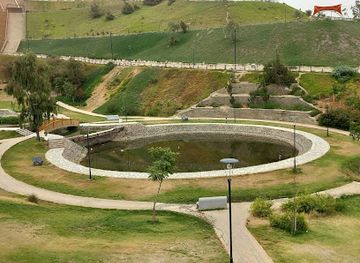
Explore the serene landscapes and vibrant gardens of Prince Hussam Park in Al Bahah, a perfect retreat for nature lovers and families alike.
-
Tourist attraction
Khairah Forest Park
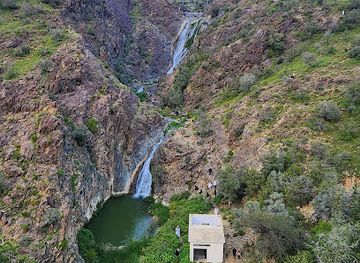
Explore the lush landscapes and tranquil trails of Khairah Forest Park, a prime retreat for nature lovers in Saudi Arabia.
-
Tourist attraction
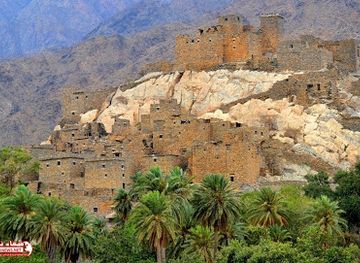
Thee Ain( Zee Ain or Dhee Ain) Ancient Village
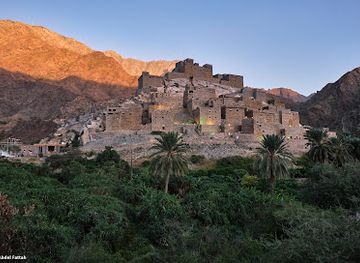
Discover the rich history and stunning architecture of Thee Ain Ancient Village, a captivating destination in Saudi Arabia's mountainous landscape.
Best landmarks in Al-Bahah
Dhee Ayn is Al-Bahah’s defining historic landmark, a concentrated village of stone houses standing dramatically above a pale marble-like outcrop in the western part of the province. Its compact defensive form, terraces and relationship with the valley make it an important example of traditional mountain settlement. Raghadan Forest is the region’s prominent landscape landmark near Al-Bahah city, known for its elevated wooded setting and broad views across the surrounding Sarawat terrain. The Sarawat escarpment itself is a major geographical feature: roads and viewpoints reveal the sharp transition between the high plateau and the warmer Tihama-facing valleys. Shada Mountain, in the province’s western area, adds another distinctive natural presence with steep slopes and rugged relief. Traditional stone houses, watchtowers and terraced fields scattered through the Ghamid and Zahran districts are less monumental than a castle or palace, but they are essential markers of Al-Bahah’s cultural landscape. Their value lies in showing how settlement, defence, farming and water management were integrated into difficult mountain terrain.
-
Park
Raghadan Forest Park
Explore the lush landscapes and serene beauty of Raghadan Forest Park in Al Bahah, a perfect getaway for nature lovers and families.
-
Park
Prince Hussam Park
Experience tranquility and nature's beauty at Prince Hussam Park, a serene oasis in Al Bahah perfect for relaxation and recreation.
-
 Park
ParkKhairah Forest Park
Explore Khairah Forest Park, a lush oasis in Saudi Arabia, perfect for nature lovers and adventure seekers with diverse flora and serene landscapes.
-
Historical place
Thee Ain( Zee Ain or Dhee Ain) Ancient Village
Explore the historical wonders of Thee Ain Ancient Village, a UNESCO World Heritage site showcasing rich culture and breathtaking architecture in Saudi Arabia.
Explore Al-Bahah on the map
Plan your trip on one map. See where the top cities, national parks and sights are, and book hotels and experiences in a few clicks.
Best hotels in Al-Bahah
Best restaurants in Al-Bahah
Dining in Al-Bahah reflects wider Saudi cuisine while drawing character from the province’s mountain agriculture, hospitality and beekeeping traditions. Family restaurants and cafés in Al-Bahah city and Baljurashi serve rice and meat dishes, grilled foods, breads, soups and regional home-style meals, alongside coffee, tea and sweets. Honey is the most distinctive local food product and appears in shops, breakfast offerings and gift selections; mountain honey varieties are often treated as a valued agricultural speciality. Seasonal fruit, dates, herbs and locally produced goods may be found in markets or from small sellers, depending on the time of year. Traditional Saudi dishes are generally easier to find than a narrowly defined Al-Bahah cuisine, but local preparation and hospitality give familiar foods a regional setting. In rural districts, dining options can be limited outside daytime hours, so visitors should carry water and plan meals before driving to remote villages. Modern cafés are concentrated in the larger towns, where younger residents and families have helped broaden the range of coffee, pastries and casual dining.
-
Restaurant
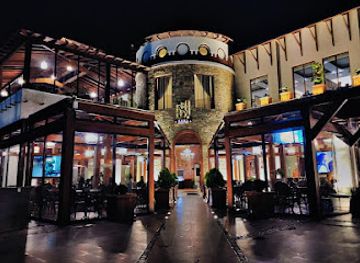
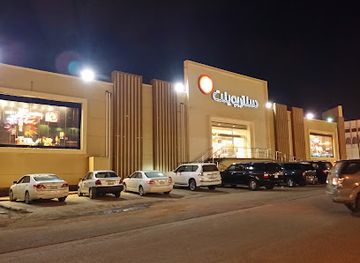
Soul
Discover Soul in Al Baha - where culinary excellence meets warm hospitality amidst beautiful surroundings.
-
Middle Eastern
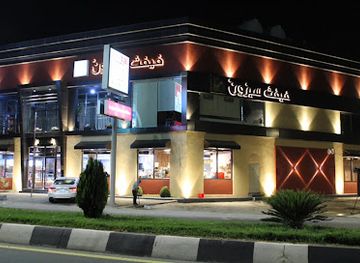
Fifth Season
Discover the rich flavors of Middle Eastern cuisine at Fifth Season in Al Bahah - a culinary haven for food enthusiasts.
-
Fast Food
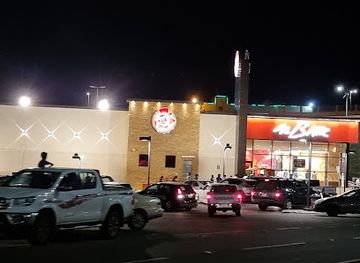
Albaik
Discover the culinary delight of Albaik in Al Bahah – where delicious fried chicken meets affordability in a vibrant atmosphere.
-
Chicken
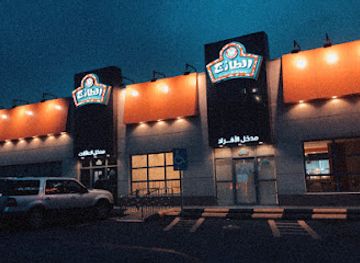
Al Tazaj
Discover Al Tazaj: A Chicken Lover's Paradise in Al Bahah Offering Authentic Grilled Delights.
Best bars in Al-Bahah
Al-Bahah has no conventional bar or nightclub scene, since Saudi Arabia prohibits alcohol and nightlife follows the country’s family-oriented public culture. Evening life is instead centred on cafés, restaurants, hotel lounges, dessert shops and public parks, particularly in Al-Bahah city and Baljurashi. Visitors may find Saudi coffee, tea, juices, pastries and contemporary café menus, while larger towns offer family dining later into the evening than rural areas. Seasonal festivals and cultural programmes can add performances, craft activities and temporary food stalls, but dates and arrangements vary. In mountain villages and western districts, evenings are quieter, with social gatherings and early dining more typical than organised nightlife. Check local opening arrangements during Ramadan and religious holidays, when schedules can change substantially, and avoid assuming that a public café or park operates late every night.
-
Park
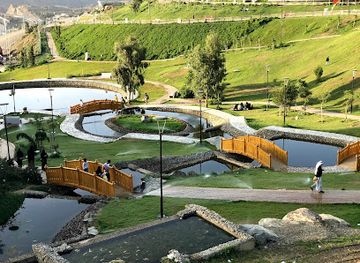
Raghadan Forest Park
Discover the natural beauty and recreational delights of Raghadan Forest Park, a must-visit national forest in Al Bahah, Saudi Arabia.
-
Park
Prince Hussam Park
Experience the lush tranquility of Prince Hussam Park, where nature's beauty and serene landscapes await your visit in Al Bahah.
-
Restaurant
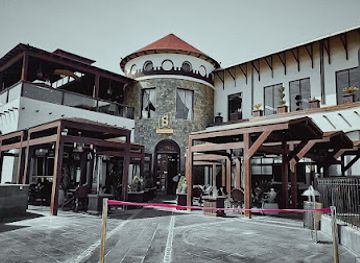
Soul
Indulge in a unique culinary experience at Soul, a top-rated restaurant and café in Town Center, blending local flavors with international cuisine.
-
Middle Eastern
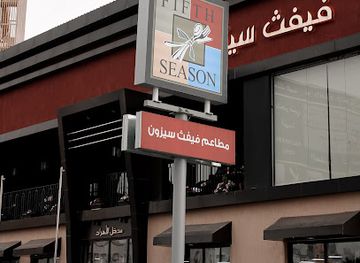
Fifth Season
Experience the rich flavors of Middle Eastern cuisine at Fifth Season, a must-visit restaurant in the heart of Al Bahah.
Best nightclubs in Al-Bahah
Al-Bahah has no conventional bar or nightclub scene, since Saudi Arabia prohibits alcohol and nightlife follows the country’s family-oriented public culture. Evening life is instead centred on cafés, restaurants, hotel lounges, dessert shops and public parks, particularly in Al-Bahah city and Baljurashi. Visitors may find Saudi coffee, tea, juices, pastries and contemporary café menus, while larger towns offer family dining later into the evening than rural areas. Seasonal festivals and cultural programmes can add performances, craft activities and temporary food stalls, but dates and arrangements vary. In mountain villages and western districts, evenings are quieter, with social gatherings and early dining more typical than organised nightlife. Check local opening arrangements during Ramadan and religious holidays, when schedules can change substantially, and avoid assuming that a public café or park operates late every night.
-
Night club
غامد الهيلا متجر جنابي
Enjoy a vibrant nightlife at غامد الهيلا متجر جنابي, the ultimate destination for music, dance, and unforgettable nights in Al Bahah.
Best shops in Al-Bahah
Shopping in Al-Bahah is primarily local and practical rather than centred on large luxury districts. Al-Bahah city and Baljurashi provide the broadest choice of supermarkets, clothing shops, cafés, household goods and small retail centres, while smaller towns and village markets offer a more limited selection. The region’s most distinctive purchase is honey, sold in specialist shops and by agricultural producers in different grades and seasonal varieties; reputable sellers should be able to explain its source and packaging. Dates, herbs, dried foods, traditional sweets, Saudi coffee supplies and locally made gift items are also useful souvenirs. Visitors may find handicrafts, woven goods and locally inspired decorative pieces at cultural events or heritage venues, although availability is not uniform throughout the year. Markets in the larger settlements are better suited to everyday produce and regional food shopping than to designer fashion. Keep receipts and check packaging when buying food products for international travel, and carry cash for small vendors outside the main urban areas.
-
Shopping mall
Ghunaim Mall
Discover a vibrant shopping oasis in Al Bahah at Ghunaim Mall, featuring diverse shops, dining, and entertainment options for all ages.
-
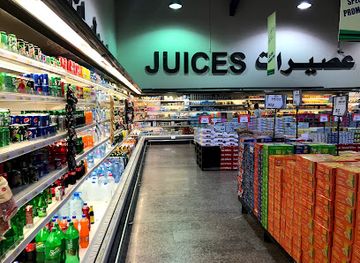
Supermarket
Al Raya - Ghunaim Mall - الراية
Discover the diverse offerings at Al Raya - Ghunaim Mall, your go-to supermarket in Al Bahah for fresh produce, delicious baked goods, and more.
-
Electronics store
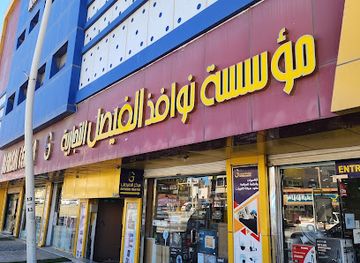
الفيصل ستور AL FAISAL STORE
Explore a world of technology at Al Faisal Store, the ultimate electronics destination in Al Bahah, Saudi Arabia.
-
Department store
Centrepoint
Shop, explore, and indulge in a diverse range of products at Centrepoint, Al Bahah's premier shopping destination for tourists.

Get your free copy of our complete guide to Al-Bahah, delivered straight to you.
Everything on this page, from attractions and restaurants to essentials and local phrases, in one PDF you can read offline, print or share.
Already have an account? Sign in
Your Al-Bahah guide is ready.
We'll send it to · Not you? Sign out

Getting your guide ready…
We are putting together a fresh copy of the Al-Bahah guide. This can take up to a minute.
This can take a few moments. If your browser asks, choose Allow so the download can start. You'll find the guide in your Downloads folder.
Nothing happened? Download it again
Sorry, the guide is taking longer than usual. Please try again in a minute, or get it by email instead.
Al-Bahah essentials
Currency and Payment
Safety
Emergency Situations
Do's and Don'ts
Local Tips
From Eve
Local phrases worth knowing
You don't need to get them perfect. A few words go a long way, and locals appreciate the effort.
Basics
| English | Local | Say it |
|---|---|---|
| Hello | مرحبا | [Marhaban] |
| Goodbye | وداعا | [Wada'an] |
| Yes | نعم | [Na'am] |
| No | لا | [La] |
| Please/You're welcome | من فضلك | [Min fadlak] |
| Thank you | شكرا | [Shukran] |
| Excuse me/Sorry | عفوا | [Afwan] |
| How are you? | كيف حالك؟ | [Kayfa halak?] |
| Fine. And you? | بخير، وأنت؟ | [Bikhayr, wa anta?] |
| Do you speak English? | هل تتحدث الإنجليزية؟ | [Hal tatahadath al-injiliziyya?] |
| I don't understand | لا أفهم | [La afham] |
Eating & Drinking
| English | Local | Say it |
|---|---|---|
| I'd like to see the menu, please | أود رؤية القائمة، من فضلك | [Awad ru'yat al-qa'ima, min fadlak] |
| I don't eat meat | لا أكل اللحم | [La akul al-lahm] |
| Cheers! | في صحتك! | [Fi sihtak!] |
| I would like to pay, please | أود الدفع، من فضلك | [Awad al-daf', min fadlak] |
Emergencies
| English | Local | Say it |
|---|---|---|
| Help! | ساعدني! | [Sa'idni!] |
| Go away! | اذهب بعيدا! | [Idhhab ba'idan!] |
| Call the Police! | اتصل بالشرطة! | [Ittasil bil-shurta!] |
| Call a doctor! | اتصل بطبيب! | [Ittasil bi-tabib!] |
| I'm lost | أنا ضائع | [Ana da'i'] |
| I'm ill | أنا مريض | [Ana marid] |
Shopping
| English | Local | Say it |
|---|---|---|
| I'd like to buy... | أود شراء... | [Awad shira'a...] |
| I'm just looking | أنا فقط أنظر | [Ana faqat anzur] |
| How much is it? | كم ثمنه؟ | [Kam thamanuh?] |
| That's too expensive | هذا باهظ الثمن | [Hatha bahidh al-thaman] |
| Can you lower the price? | هل يمكنك تخفيض السعر؟ | [Hal yumkinuka takhfid al-si'r?] |
Time & Numbers
| English | Local | Say it |
|---|---|---|
| What time is it? | كم الساعة؟ | [Kam al-saa'a?] |
| It's one o'clock | الساعة الواحدة | [Al-saa'a al-wahidah] |
| Half past (10) | نصف (10) | [Nisf (10)] |
| Morning | صباحا | [Sabahan] |
| Afternoon | بعد الظهر | [Ba'd al-zahr] |
| Evening | مساء | [Masa'a] |
| Yesterday | أمس | [Ams] |
| Today | اليوم | [Al-yawm] |
| Tomorrow | غدا | [Ghadan] |
| 1 | ١ | [Wahed] |
| 2 | ٢ | [Ithnain] |
| 3 | ٣ | [Thalathah] |
| 4 | ٤ | [Arba'a] |
| 5 | ٥ | [Khamsah] |
| 6 | ٦ | [Sittah] |
| 7 | ٧ | [Sab'ah] |
| 8 | ٨ | [Thamaniyah] |
| 9 | ٩ | [Tis'ah] |
| 10 | ١٠ | [Asharah] |
Transport & Directions
| English | Local | Say it |
|---|---|---|
| Where's a/the...? | أين...؟ | [Ayna...?] |
| What's the address? | ما هو العنوان؟ | [Ma huwa al-'unwan?] |
| Can you show me (on the map)? | هل يمكنك أن تريني (على الخريطة)؟ | [Hal yumkinuka an turini (ala al-kharita)?] |
| When's the next (bus)? | متى ستكون الحافلة التالية؟ | [Mata satakunu al-hafila al-taliya?] |
| A ticket (to ....) | تذكرة (إلى....) | [Tadhkira (ila....)] |
History of Al-Bahah
Early Settlement and Mountain Agriculture
The Al-Bahah highlands have long supported settled communities through terraced cultivation, livestock keeping and the careful use of springs and seasonal watercourses. Archaeological remains and older built settlements reflect the importance of defensible hill sites and routes across the Sarawat Mountains. Farming traditions centred on crops suited to local conditions, while the western descent towards Tihama connected upland communities with warmer lowland environments. The region’s rugged terrain encouraged small, closely organised settlements rather than a single dominant urban centre.
Ghamid and Zahran Communities
Much of modern Al-Bahah lies within the historical homeland of the Ghamid and Zahran tribal communities. Their social and economic life developed around mountain villages, agriculture, pastoralism, trade and mutual protection. Stone houses, watchtowers and terraced fields remain material reminders of this settlement pattern. Tribal identity continues to form an important part of local cultural history, although contemporary Al-Bahah is also shaped by education, government administration, migration and modern infrastructure.
Historic Trade and Mountain Routes
The Sarawat passes linked the interior highlands with the Tihama plain and the Red Sea-facing regions to the west. These routes supported the movement of people, livestock, agricultural goods and household products, even where trading was local rather than part of a single continuous long-distance road. Settlements such as Dhee Ayn benefited from defensible locations near cultivated land and routes through the valleys. The region’s architecture and market traditions preserve traces of this older mountain economy.
Dhee Ayn and Traditional Stone Architecture
Dhee Ayn, often called the Marble Village because it stands above a conspicuous white-stone outcrop, represents the architectural and agricultural heritage of western Al-Bahah. Its tightly grouped stone buildings were positioned for security and practical access to nearby terraces and water. The village’s surviving form illustrates how local communities adapted construction to steep terrain, using durable stone and compact layouts. Today it is one of the clearest places to understand the relationship between Al-Bahah’s built heritage and its mountain environment.
Incorporation into the Saudi State
During the formation and consolidation of the modern Saudi state in the early twentieth century, the communities of the Al-Bahah area became integrated into the Kingdom’s expanding political and administrative framework. Subsequent government investment brought roads, schools, health services, electrification and new administrative centres to a region previously connected by difficult mountain routes. The process changed patterns of settlement and employment while leaving many older villages, terraces and local customs as important elements of regional identity.
Modern Infrastructure and Regional Tourism
The later twentieth and early twenty-first centuries saw Al-Bahah become more closely connected to other parts of Saudi Arabia through paved roads, domestic air links and expanded urban services. Al-Bahah city and Baljurashi developed as administrative, commercial and educational centres, while forests, viewpoints and historic villages gained importance for domestic tourism. Contemporary development now sits alongside beekeeping, agriculture and heritage conservation, creating a region where older mountain livelihoods coexist with public parks, hotels, cafés and seasonal cultural events.
Al-Bahah in Photos
Browse through our photo collection highlighting the charm and character of the destination.
Neighbouring regions of Al-Bahah
The closest regions to Al-Bahah, if you have time for more than one.
-

-

-

-

-


Swipe for more regions
Explore more

Explore more of Saudi Arabia
Discover the rich heritage, stunning landscapes, and warm hospitality of Saudi Arabia, where ancient traditions meet modern wonders in a truly unique travel experience.
Explore Saudi Arabia