

Free Asir Travel Guide & Mobile App
Explore Asir with free travel guides. Discover regional history, expert tips, proposed trips, and audio guides on web or mobile app.


Discover Asir, Saudi Arabia's Highland Haven: Cool Climates, Stunning Landscapes, and Rich Cultural Heritage Await in This Southwestern Gem.
Read more about Asir
When is the best time to visit Asir?
Best: March–April, November · 24–27°C| Month | High (°C) | Rainfall (mm) |
|---|---|---|
| January | 19 | 10 |
| February | 20 | 12 |
| March (best) | 24 | 15 |
| April (best) | 27 | 18 |
| May | 31 | 20 |
| June | 34 | 10 |
| July | 35 | 15 |
| August | 34 | 17 |
| September | 32 | 15 |
| October | 29 | 10 |
| November (best) | 24 | 12 |
| December | 19 | 10 |
Getting to and around Asir
How to get there
Transportation
Top city travel guides in Asir
The cities of Asir, and the easiest places to base yourself.
-

-

-

-

-


Swipe for more cities
Destinations in Asir
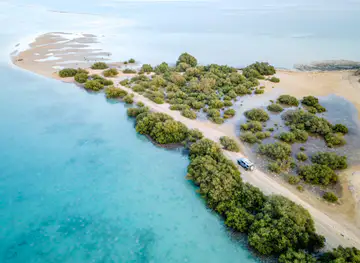
Resorts, valleys and scenic spots worth a trip of their own.
-
-

-


Swipe for more destinations
Best attractions in Asir
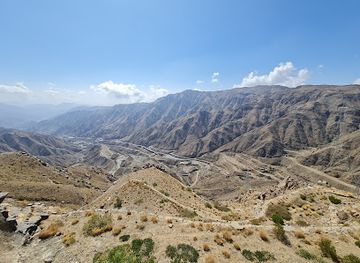
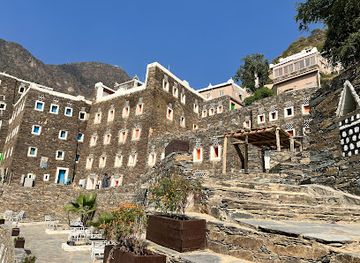
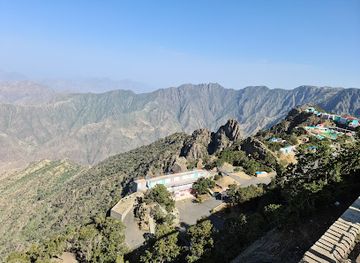
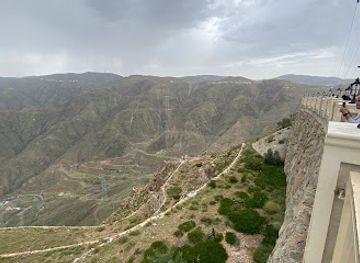
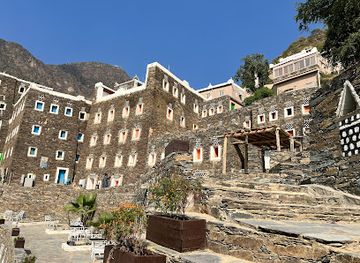
Nestled in the southwestern corner of Saudi Arabia, Asir is a hidden gem boasting a stunning array of attractions that captivate every type of traveler. Adventurers can explore the craggy peaks and lush valleys of the Asir National Park, where misty mountains and verdant landscapes offer breathtaking hiking trails and unparalleled birdwatching opportunities. History buffs will be enchanted by the ancient village of Rijal Almaa, renowned for its striking stone buildings adorned with intricate designs, and the centuries-old Abha Palace, a testament to the region's rich heritage. The vibrant markets of Abha and Khamis Mushait offer a sensory feast of traditional crafts, aromatic spices, and local delicacies, while the gravity-defying cable car ride to the top of Al Soudah Mountain provides panoramic views that will linger in your memory long after you've returned home. With its unique blend of natural beauty, cultural richness, and authentic Arabian charm, Asir promises an unforgettable journey into the heart of one of Saudi Arabia’s most enchanting regions.
-
The Art Street
Explore The Art Street in Abha, a captivating park filled with stunning street art, lush nature, and a vibrant atmosphere perfect for relaxation and exploration.
-
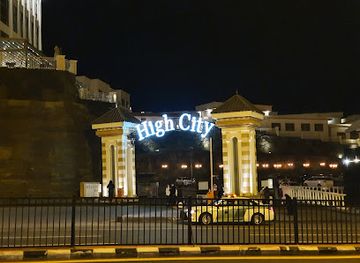
High city
Explore High City in Abha, Saudi Arabia - a captivating tourist attraction blending breathtaking views, rich culture, and vibrant local experiences.
-
Rijal Almaa Museum
Explore the captivating heritage of Asir at Rijal Almaa Museum, a treasure trove of local history and culture in Saudi Arabia.
-
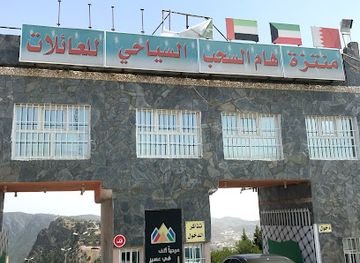
Al Sahab Park
Discover the serene beauty of Al Sahab Park, the highest park in Saudi Arabia, offering breathtaking views and lush landscapes for an unforgettable experience.

Best landmarks in Asir
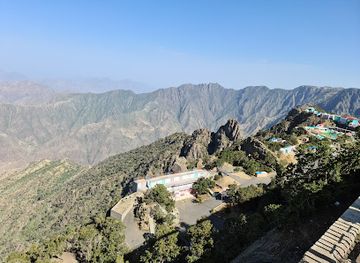
Asir, a hidden gem in Saudi Arabia, offers visitors a unique blend of natural splendor and rich cultural heritage. Marvel at the breathtaking views from the towering peaks of the Asir Mountains, where the air is crisp and the flora is lush. Explore the vibrant city of Abha, with its colorful traditional houses and bustling souks, where you can immerse yourself in local culture and cuisine. Discover the ancient village of Rijal Alma’a, renowned for its stunning stone architecture and historical significance. Don't miss the Asir National Park, a haven for outdoor enthusiasts, offering hiking trails, picnic spots, and opportunities to encounter diverse wildlife. Whether it's the cool mountain climate, the enchanting heritage sites, or the warm hospitality of the Asiri people, this region promises an unforgettable experience for every traveler.
-
Tourist attraction
High city
Experience the breathtaking landscapes and rich culture of High City in Abha, Saudi Arabia, a must-visit destination for every traveler.
-
Local history museum
Rijal Almaa Museum
Explore the captivating history and culture of Asir province at Rijal Almaa Museum, a premier local history museum showcasing rich heritage.
-
Park
Al Sahab Park
Discover the natural beauty of Al Sahab Park, a serene oasis in Al Soudah, perfect for relaxation, picnics, and breathtaking views.
-
Garden
Abha Airport Park
Discover tranquility at Abha Airport Park, a lush garden oasis in Abha, perfect for relaxation and enjoying nature's beauty.

Explore Asir on the map
Plan your trip on one map. See where the top cities, national parks and sights are, and book hotels and experiences in a few clicks.
Best hotels in Asir
Best restaurants in Asir
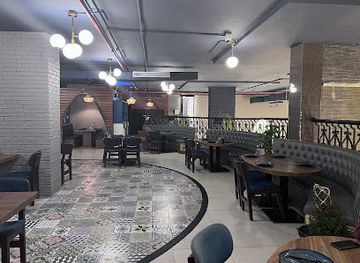
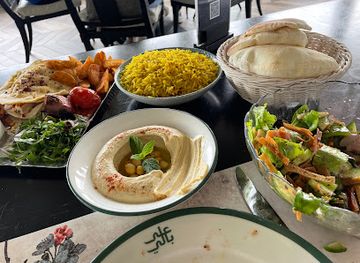
The dining scene in Asir offers an enchanting blend of traditional Saudi Arabian flavors and modern culinary delights, making it a gastronomic paradise for visitors. In the bustling markets of Abha, you can savor the rich, aromatic spices of Kabsa, a traditional rice dish with succulent meat, or indulge in Mutabbaq, a savory stuffed pastry that's a local favorite. The region's coffee culture is also a must-experience, with numerous cafes serving freshly brewed Arabian coffee, often accompanied by dates. Don't miss out on the unique opportunity to taste Asir's distinctive honey, known for its exceptional quality and flavor, often featured in local desserts. Whether dining in a rustic, mountain-side eatery with panoramic views or a chic, contemporary restaurant in the city, the culinary experiences in Asir are sure to leave a lasting impression.
-
Lebanese
Fatte w Snobar
Experience authentic Lebanese cuisine at Fatte w Snobar in Khamis Mushait - where every dish tells a story.
-
Restaurant
Jorry Elite (Senso, Aala Bali, La Scene) - جوري إيليت ( سينسو , على بالي , لاسين )
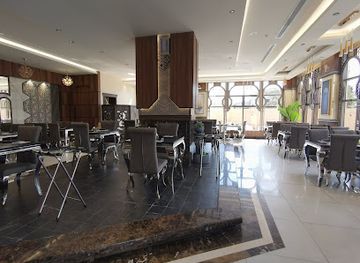
Discover Jorry Elite in Abha - where Italian elegance meets local flavors in a chic dining atmosphere.
-
Indian
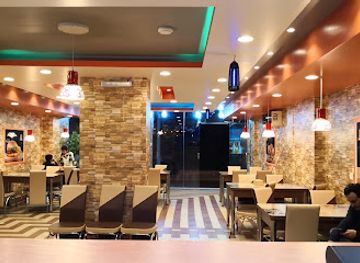
Mahrani Restaurant
Experience authentic Indian cuisine at Mahrani Restaurant in Abha – where flavor meets tradition in every dish.
-
American
CRAVING CLUB
Experience authentic American cuisine at Craving Club in Khamis Mushait – where every bite transports you to the heart of America.
Best bars in Asir
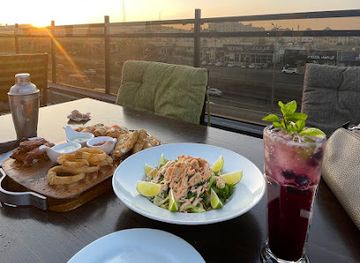
Asir's nightlife scene offers a unique blend of cultural immersion and modern entertainment, making it a captivating experience for visitors. While traditional bars and nightclubs may not be prevalent due to cultural norms, the region comes alive after sunset with bustling souks, vibrant coffee shops, and open-air gatherings where locals and tourists alike can enjoy the cool mountain air. Folk music performances and traditional dance shows often grace the evening hours, providing an authentic glimpse into the rich heritage of the area. For those looking for a more contemporary vibe, upscale lounges and rooftop terraces in Abha and Khamis Mushait offer stunning views of the Asir mountains, along with a selection of gourmet teas, mocktails, and international cuisine. The fusion of traditional charm and modern elegance ensures that nights in Asir are filled with unforgettable moments.
-
Tourist attraction
High city
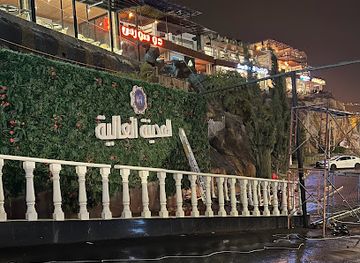
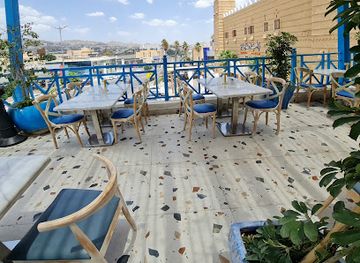
Experience the breathtaking views and vibrant culture of High City in Abha, a must-visit tourist attraction for every traveler.
-
Italian
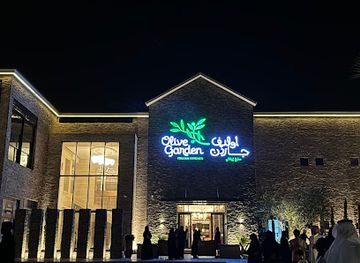
Olive Garden Abha KSA
Experience the rich flavors of Italy at Olive Garden in Abha, where family-friendly dining meets Mediterranean excellence.
-
Espresso bar
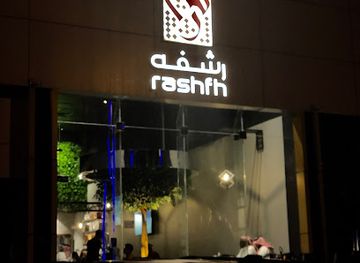
Rashfh Coffee
Discover Rashfh Coffee in Abha: a cozy espresso bar serving exquisite brews and delightful treats, perfect for relaxation and socializing.
-
Bar
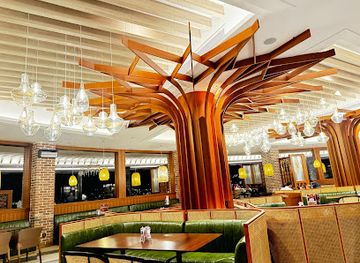
بروست ديلوكس تشكن
Experience the best of Abha with flavorful takeout at بروست ديلوكس تشكن, where every bite tells a story of local culinary delight.
Best nightclubs in Asir
Asir's nightlife scene offers a unique blend of cultural immersion and modern entertainment, making it a captivating experience for visitors. While traditional bars and nightclubs may not be prevalent due to cultural norms, the region comes alive after sunset with bustling souks, vibrant coffee shops, and open-air gatherings where locals and tourists alike can enjoy the cool mountain air. Folk music performances and traditional dance shows often grace the evening hours, providing an authentic glimpse into the rich heritage of the area. For those looking for a more contemporary vibe, upscale lounges and rooftop terraces in Abha and Khamis Mushait offer stunning views of the Asir mountains, along with a selection of gourmet teas, mocktails, and international cuisine. The fusion of traditional charm and modern elegance ensures that nights in Asir are filled with unforgettable moments.
-
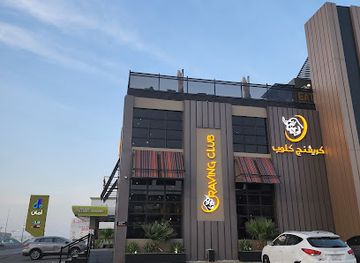
CRAVING CLUB
Experience the vibrant flavors of American cuisine at Craving Club, Khamis Mushait's go-to destination for comfort food and a lively dining atmosphere.
-
Olive Garden Abha KSA
Experience authentic Italian dining at Olive Garden Abha, where family-friendly ambiance meets delicious Mediterranean cuisine.
-
Milos gourmet
Discover the flavors of Italy at Milos Gourmet, a charming café and Italian restaurant in the heart of Abha, perfect for a delightful dining experience.
-
مسرح سمرة
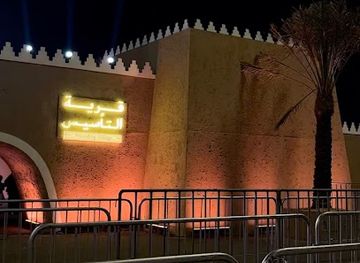
Experience the heartbeat of Abha's cultural scene at مسرح سمرة, a vibrant concert hall showcasing a diverse array of performances and events.
Best shops in Asir
Nestled in the stunning mountains of southwestern Saudi Arabia, Asir offers a shopping experience that blends traditional charm with modern allure. Visitors can explore vibrant souks brimming with handwoven Asiri textiles, intricately designed silver jewelry, and unique pottery that reflect the region's rich cultural heritage. The bustling markets of Abha and Khamis Mushait are treasure troves of local produce, aromatic spices, and exotic incense, providing a sensory feast for shoppers. Beyond the souks, contemporary malls and boutique stores offer a range of international and local brands, ensuring a well-rounded retail adventure. Whether you're hunting for handcrafted souvenirs or indulging in luxury goods, Asir's shopping scene promises an unforgettable and diverse experience.
-
Shopping mall
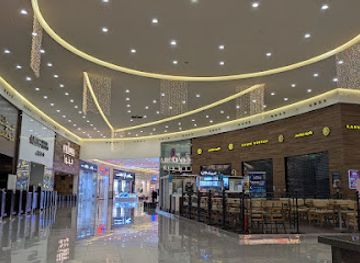
Cenomi Jouri Mall
Explore the ultimate shopping destination at Cenomi Jouri Mall in Taif, where retail therapy meets diverse dining options and vibrant entertainment.
-
Tourist attraction
High city
Explore High City in Abha, where stunning landscapes, rich culture, and historical treasures await every traveler.
-
Shopping mall
Al Rashid Mall ABHA
Discover a world of shopping and entertainment at Al Rashid Mall in Abha, where modern retail meets local charm.
-
Park
Al Sahab Park
Explore the serene Al Sahab Park in Al Soudah, a breathtaking destination filled with nature's beauty and outdoor activities for everyone.

Get your free copy of our complete guide to Asir, delivered straight to you.
Everything on this page, from attractions and restaurants to essentials and local phrases, in one PDF you can read offline, print or share.
Already have an account? Sign in
Your Asir guide is ready.
We'll send it to · Not you? Sign out

Getting your guide ready…
We are putting together a fresh copy of the Asir guide. This can take up to a minute.
This can take a few moments. If your browser asks, choose Allow so the download can start. You'll find the guide in your Downloads folder.
Nothing happened? Download it again
Sorry, the guide is taking longer than usual. Please try again in a minute, or get it by email instead.
Asir essentials
Currency and Payment
Safety
Emergency Situations
Do's and Don'ts
Local Tips
From Eve
Local phrases worth knowing
You don't need to get them perfect. A few words go a long way, and locals appreciate the effort.
Basics
| English | Local | Say it |
|---|---|---|
| Hello | مرحبا | [Marhaban] |
| Goodbye | وداعا | [Wada'an] |
| Yes | نعم | [Na'am] |
| No | لا | [La] |
| Please/You're welcome | من فضلك | [Min fadlik] |
| Thank you | شكرا | [Shukran] |
| Excuse me/Sorry | عفوا | [Afwan] |
| How are you? | كيف حالك؟ | [Kayfa halak?] |
| Fine. And you? | بخير. وأنت؟ | [Bikhair. Wa anta?] |
| Do you speak English? | هل تتحدث الإنجليزية؟ | [Hal tatahadath al-ingliziyya?] |
| I don't understand | لا أفهم | [La afham] |
Eating & Drinking
| English | Local | Say it |
|---|---|---|
| I'd like to see the menu, please | أود رؤية القائمة، من فضلك | [Awad ru'yat al-qa'ima, min fadlik] |
| I don't eat meat | لا آكل اللحم | [La akul al-lahm] |
| Cheers! | صحتين | [Sahtein] |
| I would like to pay, please | أود الدفع، من فضلك | [Awad ad-daf', min fadlik] |
Emergencies
| English | Local | Say it |
|---|---|---|
| Help! | نجدة! | [Najda!] |
| Go away! | ابتعد! | [Ibt'id!] |
| Call the Police! | اتصل بالشرطة! | [Ittasil bil-shurta!] |
| Call a doctor! | اتصل بطبيب! | [Ittasil bi-tabib!] |
| I'm lost | أنا ضائع | [Ana da'i'] |
| I'm ill | أنا مريض | [Ana marid] |
Shopping
| English | Local | Say it |
|---|---|---|
| I'd like to buy... | أود شراء... | [Awad shira'] |
| I'm just looking | أنا فقط أتفرج | [Ana faqat atfarraj] |
| How much is it? | كم ثمنه؟ | [Kam thamanu?] |
| That's too expensive | هذا مكلف جدا | [Hatha mukallaf jidan] |
| Can you lower the price? | هل يمكنك تخفيض السعر؟ | [Hal yumkinuka takhfid as-si'r?] |
Time & Numbers
| English | Local | Say it |
|---|---|---|
| What time is it? | كم الساعة؟ | [Kam as-saa'a?] |
| It's one o'clock | الساعة واحدة | [Al-saa'a wahida] |
| Half past (10) | نصف الساعة (10) | [Nisf as-saa'a (10)] |
| Morning | صباحا | [Sabahan] |
| Afternoon | بعد الظهر | [Ba'd al-zuhur] |
| Evening | مساءً | [Masa'an] |
| Yesterday | أمس | [Ams] |
| Today | اليوم | [Al-yawm] |
| Tomorrow | غدا | [Ghadan] |
| 1 | واحد | [Wahid] |
| 2 | اثنان | [Ithnan] |
| 3 | ثلاثة | [Thalatha] |
| 4 | أربعة | [Arba'a] |
| 5 | خمسة | [Khamsa] |
| 6 | ستة | [Sitta] |
| 7 | سبعة | [Sab'a] |
| 8 | ثمانية | [Thamaniya] |
| 9 | تسعة | [Tis'a] |
| 10 | عشرة | [Ashara] |
Transport & Directions
| English | Local | Say it |
|---|---|---|
| Where's a/the...? | أين...؟ | [Ayn...?] |
| What's the address? | ما هو العنوان؟ | [Ma huwa al-'unwan?] |
| Can you show me (on the map)? | هل يمكنك إظهار لي (على الخريطة)؟ | [Hal yumkinuka izhar li (ala al-kharita)?] |
| When's the next (bus)? | متى تأتي (الحافلة) التالية؟ | [Mata ta'ti (al-hafila) al-taliya?] |
| A ticket (to ....) | تذكرة (إلى....) | [Tadhkara (ila....)] |
History of Asir
Pre-Islamic Era
The Asir region, located in the southwestern part of Saudi Arabia, has a rich history that dates back to the pre-Islamic era. Archaeological findings suggest that this area was inhabited by ancient civilizations that engaged in trade and cultural exchanges with neighboring regions. The remnants of ancient structures and artifacts indicate a thriving community that was part of the incense trade route, linking southern Arabia with the Mediterranean.
The Rise of Islam and Asir
With the advent of Islam in the 7th century, Asir became an integral part of the Islamic world. The region witnessed the spread of Islamic teachings and the establishment of Islamic governance. The tribes of Asir played a significant role in the early Islamic conquests, contributing to the expansion of the Islamic empire. Historical records highlight the region's importance in the socio-political landscape of the Arabian Peninsula during this period.
Ottoman Influence
In the 16th century, the Ottoman Empire extended its influence to the Asir region. The Ottomans established administrative control and built fortifications to secure their hold over this strategically important area. The presence of Ottoman architecture, such as the Al-Abla Fortress, serves as a testament to the empire's efforts to maintain dominance in Asir. This period also saw the introduction of new cultural and architectural elements that blended with the local traditions.
The Asir Campaign and Saudi Unification
The early 20th century was a period of significant upheaval in Asir. The region became a focal point during the Asir Campaign, which was part of the larger Saudi unification efforts led by King Abdulaziz Al Saud. After a series of battles and negotiations, Asir was incorporated into the Kingdom of Saudi Arabia in 1920. This unification brought stability and integration into the newly formed nation, marking a pivotal moment in the region's history.
Cultural Heritage of Asir
Asir is renowned for its unique cultural heritage, which is reflected in its traditional architecture, art, and customs. The region is famous for its distinctive stone and mud-brick houses, often adorned with intricate geometric patterns and vibrant colors. The Al-Qatt Al-Asiri, a traditional form of wall decoration created by Asiri women, has been recognized by UNESCO as intangible cultural heritage. Additionally, Asir's rich folklore, music, and dance traditions continue to be celebrated and preserved by the local communities.
Modern Development and Tourism
In recent decades, Asir has experienced significant development, transforming into a vibrant hub for tourism and economic activities. The city of Abha, the capital of the Asir region, has become a popular destination for both domestic and international tourists. Attractions such as the Asir National Park, Jabal Soudah, and the historic Al-Muftaha Village showcase the region's natural beauty and cultural richness. Efforts to promote sustainable tourism and preserve the area's heritage are ongoing, ensuring that Asir's historical and cultural legacy continues to thrive.
Asir in Photos
Browse through our photo collection highlighting the charm and character of the destination.
Neighbouring regions of Asir
The closest regions to Asir, if you have time for more than one.
-

-

-

-

-


Swipe for more regions
Explore more

Explore more of Saudi Arabia
Discover the rich heritage, stunning landscapes, and warm hospitality of Saudi Arabia, where ancient traditions meet modern wonders in a truly unique travel experience.
Explore Saudi Arabia