

Free Makkah Travel Guide & Mobile App
Explore Makkah with free travel guides. Discover regional history, expert tips, proposed trips, and audio guides on web or mobile app.


Explore Saudi Arabia's Makkah Region through sacred heritage, Jeddah's historic waterfront, Taif's mountain climate and Red Sea culture.
Read more about Makkah
When is the best time to visit Makkah?
Best: December–February · 29–31°C| Month | High (°C) | Rainfall (mm) |
|---|---|---|
| January (best) | 29 | 5 |
| February (best) | 31 | 6 |
| March | 34 | 7 |
| April | 37 | 5 |
| May | 40 | 2 |
| June | 42 | 0 |
| July | 43 | 1 |
| August | 42 | 1 |
| September | 40 | 2 |
| October | 37 | 4 |
| November | 33 | 4 |
| December (best) | 30 | 5 |
Getting to and around Makkah
How to get there
Transportation
Top city travel guides in Makkah
The cities of Makkah, and the easiest places to base yourself.
-

-

-

-

-

-


Swipe for more cities
Destinations in Makkah
Resorts, valleys and scenic spots worth a trip of their own.
-

-

-

-


Swipe for more destinations
Best attractions in Makkah
Makkah Province offers an unusually broad range of experiences, although access differs sharply between its sacred and secular destinations. For Muslim visitors, the principal attraction is Al-Masjid al-Haram in Makkah, together with the pilgrimage landscape and religious institutions associated with the Hajj and Umrah. Access, permits and opening arrangements must be checked carefully, especially during Hajj. Jeddah provides the province's most accessible concentration of historic urban attractions, including the Al-Balad quarter, museums, traditional markets, waterfront spaces and the long Red Sea corniche. Taif offers a cooler mountain environment, rose-related cultural experiences, orchards, viewpoints and historic associations with the Hijaz highlands. Elsewhere, the province includes coastal landscapes, marine environments, cultivated upland valleys and desert-edge scenery suited to carefully organised excursions. Visitors should not expect every natural site to have marked paths or extensive facilities; heat, terrain and conservation concerns require preparation. The most rewarding itineraries balance the monumental scale of modern pilgrimage infrastructure with older markets, coral-stone architecture, mountain agriculture and the changing atmosphere of the Red Sea coast.
-
Mosque
Masjid al-Haram
Explore the grandeur of Masjid al-Haram, the holiest mosque in Islam, a must-visit for every traveler in Makkah, Saudi Arabia.
-
Place of worship
Kaaba
Experience the spiritual heart of Islam at the Kaaba in Makkah, an iconic pilgrimage site that brings millions together in faith and devotion.
-
Park
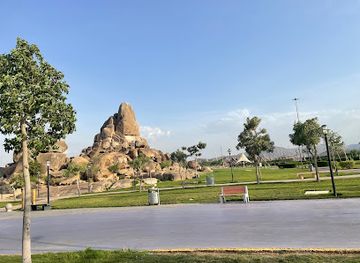
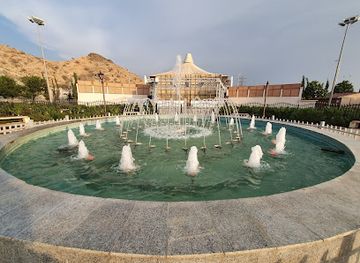
Arruddaf Park
Discover the beauty and tranquility of Arruddaf Park in Taif, where nature meets recreation in a picturesque setting.
-
Mosque
Safaa and Marwah (Saee)
Explore the spiritual journey of Safaa and Marwah (Saee) in Makkah, a historical pilgrimage site embodying Islamic traditions and devotion.
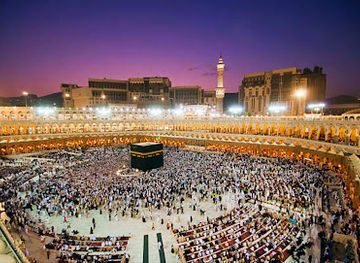


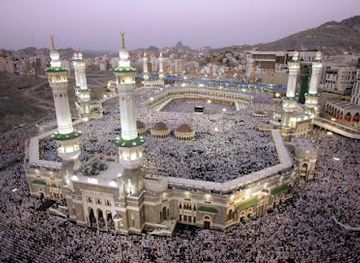
Best landmarks in Makkah
The Kaaba and the surrounding Al-Masjid al-Haram form the defining landmark of Makkah Province and one of the most recognised religious places in the world. Their significance is religious rather than merely architectural, and access is reserved for Muslims under Saudi regulations. In Jeddah, the historic Al-Balad district is distinguished by coral-stone merchant houses, wooden rawasheen screens, old gateways and dense commercial lanes shaped by centuries of pilgrimage trade. The Jeddah Corniche offers a contrasting modern landmark landscape along the Red Sea, with public waterfront spaces and large-scale contemporary civic works. Taif's identity is marked less by a single monumental structure than by its elevated plateau, mountain escarpments, cultivated valleys and historic association with summer retreats and rose agriculture. Across the province, the meeting of the Hijaz Mountains, Red Sea shore and sacred urban centres provides a powerful geographical framework. Some prominent religious and pilgrimage locations have controlled access, so visitors should observe signs, permits and official guidance rather than treating every landmark as an ordinary sightseeing site.
-
Park
Arruddaf Park
Experience the beauty and tranquility of Arruddaf Park, a family-friendly destination in Taif, perfect for relaxation and outdoor activities.
-
Theme park
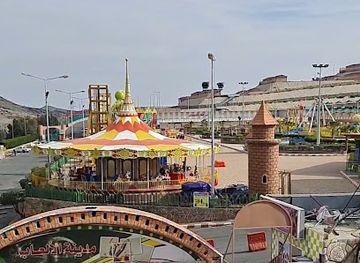
Green Mountain Resort
Explore the thrill and beauty of Green Mountain Resort, a premier theme park in Taif, offering unforgettable family adventures amidst stunning mountain scenery.
-
Park
King Abdullah Park
Experience the natural beauty and tranquility of King Abdullah Park in Taif, a perfect retreat for relaxation and family fun amidst stunning landscapes.
-
Mosque
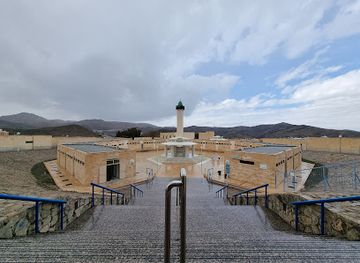
Miqat Taif
Discover the architectural beauty and serene atmosphere of Miqat Taif, a key spiritual landmark for pilgrims and tourists in Saudi Arabia.
Explore Makkah on the map
Plan your trip on one map. See where the top cities, national parks and sights are, and book hotels and experiences in a few clicks.
Best hotels in Makkah
Best restaurants in Makkah
Dining in Makkah Province reflects the movement of people through the Hijaz, combining local traditions with culinary influences carried by pilgrims, merchants and migrant communities. Hijazi cooking commonly features rice, aromatic spices, grilled meats, stews, breads and dishes built around lentils, beans and vegetables, while Jeddah's coastal position adds fish and seafood to the regional table. Makkah and Jeddah have extensive restaurant scenes ranging from inexpensive local kitchens and bakeries to hotel dining and contemporary establishments. In Al-Balad and older commercial areas, visitors may find traditional flavours alongside South Asian, African and Middle Eastern cuisines that reflect the province's long international connections. Taif is associated with mountain produce, fruit, honey and rose products, with cafés and restaurants adapting these ingredients to modern menus. Food markets and small eateries can be more informal than hotel restaurants, so choose busy, reputable premises, check ingredients if dietary requirements matter and remember that opening patterns change during Ramadan and pilgrimage seasons.
-
Meat
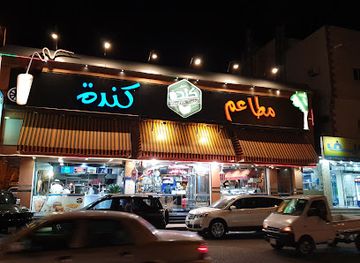
Restaurant Kinda
Experience authentic meat dishes at Restaurant Kinda in Taif, where Egyptian flavors meet warm hospitality.
-
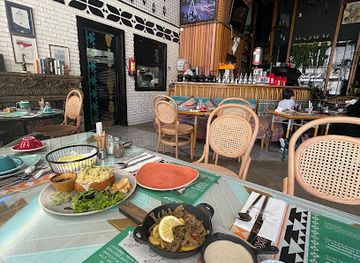
Bohoo - بووهو
Discover the best culinary experience at Bohoo - بووهو in Taif with delicious dishes and inviting ambiance.
-
Restaurant
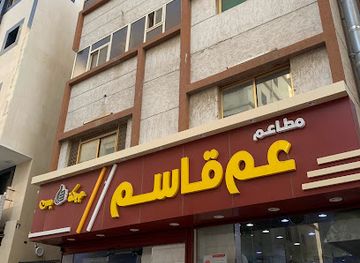
Uncle Qassem Restaurant
Discover authentic Saudi Arabian flavors at Uncle Qassem Restaurant in Makkah - a culinary haven for every traveler.
-
Steak
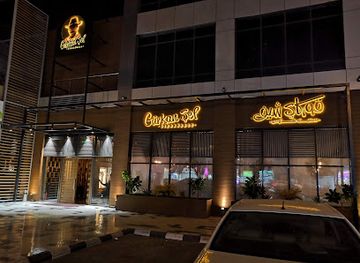
Gurkan Şef Steakhouse
Savor exquisite steaks and luxurious dining at Gurkan Şef Steakhouse in Makkah – a must-visit for all food enthusiasts.
Best bars in Makkah
Makkah Province does not have a conventional bar or nightclub culture, as alcohol is prohibited in Saudi Arabia and public entertainment follows national laws and local religious norms. Evening life is instead centred on restaurants, cafés, hotel lounges, shopping areas, family recreation and waterfront promenades. Jeddah has the province's broadest late-evening scene, with coffee houses, dessert cafés, cultural events, live entertainment in permitted settings and a busy corniche atmosphere. Makkah's evening activity is closely connected with worship, pilgrimage schedules, hotels and commercial areas, while Taif tends towards cafés, restaurants and seasonal family outings in the cooler mountain climate. Private cultural and entertainment events may be subject to changing regulations, ticketing and venue rules, so visitors should rely on official announcements rather than informal listings. Respect local expectations around dress, noise, photography and public behaviour, particularly near religious sites and family-oriented spaces.
-
 Restaurant
Makkah Clock Royal Tower A Fairmont Hotel
Discover unparalleled luxury and breathtaking views at Makkah Clock Royal Tower, a premier destination for travelers near the sacred Kaaba.
-
Travel lounge
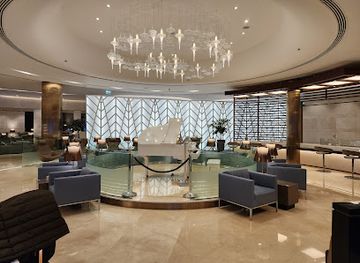
Alfursan Lounge
Experience unparalleled comfort and luxury at the Alfursan Lounge in Jeddah's King Abdulaziz International Airport, perfect for relaxation or productivity.
-
Theme park
Green Mountain Resort
Discover adventure and relaxation at Green Mountain Resort, a premier theme park in Taif, Saudi Arabia, offering thrilling rides and breathtaking scenery.
-
Lounge
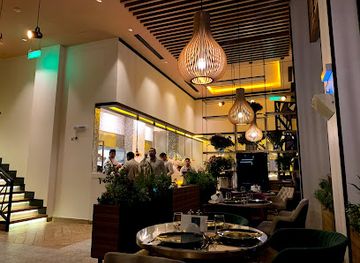
Voi restaurant | مطعم فوي
Experience luxury dining at Voi Restaurant in Makkah, where exquisite flavors meet a sophisticated ambiance for an unforgettable culinary journey.
Best nightclubs in Makkah
Makkah Province does not have a conventional bar or nightclub culture, as alcohol is prohibited in Saudi Arabia and public entertainment follows national laws and local religious norms. Evening life is instead centred on restaurants, cafés, hotel lounges, shopping areas, family recreation and waterfront promenades. Jeddah has the province's broadest late-evening scene, with coffee houses, dessert cafés, cultural events, live entertainment in permitted settings and a busy corniche atmosphere. Makkah's evening activity is closely connected with worship, pilgrimage schedules, hotels and commercial areas, while Taif tends towards cafés, restaurants and seasonal family outings in the cooler mountain climate. Private cultural and entertainment events may be subject to changing regulations, ticketing and venue rules, so visitors should rely on official announcements rather than informal listings. Respect local expectations around dress, noise, photography and public behaviour, particularly near religious sites and family-oriented spaces.
-
Lounge
Ajoya Lounge
Experience the serene ambiance and delightful offerings at Ajoya Lounge, a perfect retreat for travelers in Taif.
-
Night club
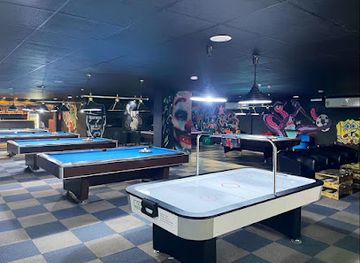
صالة الامجاد : بلياردو و بلايستيشن و فرفيره
Experience the ultimate fun at صالة الامجاد, a premier billiard club in Makkah offering gaming, relaxation, and great times with friends.
-
Night club
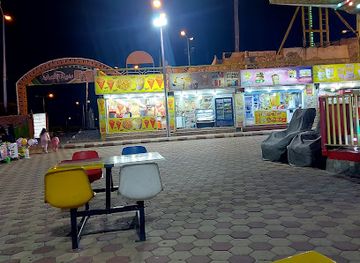
ممشي العوالي
Immerse yourself in the vibrant nightlife of ممشي العوالي in Makkah, where music, dance, and culture come alive.
-
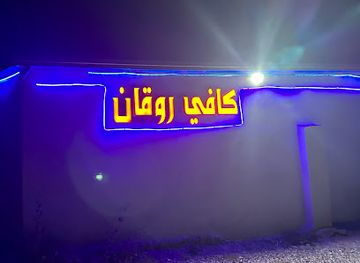
Night club
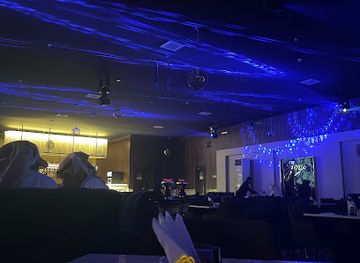
مقهى وكافي روقان
Discover the ultimate night club experience at مقهى وكافي روقان in Taif, where good vibes and great drinks await every visitor.
Best shops in Makkah
Shopping in Makkah Province ranges from pilgrimage-oriented retail and traditional markets to modern malls, specialist food shops and independent businesses. Jeddah's Al-Balad remains the most atmospheric setting for browsing older commercial streets, where visitors can look for perfumes, incense, textiles, jewellery, spices, dates and gifts connected with Hijazi and wider Islamic traditions. Modern Jeddah offers large shopping centres and international brands, while Makkah has extensive retail serving pilgrims, including prayer articles, modest clothing, religious books, dates and packaged regional foods. Taif is known for products associated with its upland agriculture, particularly rosewater, rose oils, honey and fruit, although quality and labelling vary between sellers. Local markets may be busiest in the evening and can have seasonal patterns during Ramadan and Hajj. Bargaining is not universal, so ask politely rather than assuming it is expected, and check customs and airline restrictions before buying liquids, food or natural products in quantity.
-
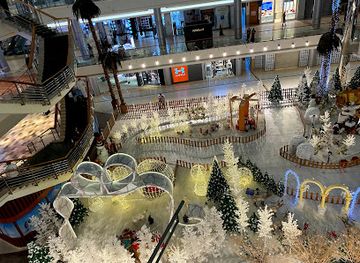
Shopping mall
Red Sea Mall
Discover the Red Sea Mall in Jeddah: A premier shopping destination with a blend of international brands, local shops, and diverse dining options.
-
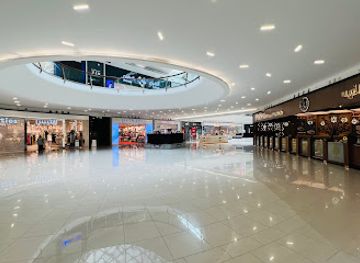
Shopping mall
Cenomi Mall of Arabia
Explore the vibrant Cenomi Mall of Arabia in Jeddah, a shopping haven with an array of stores, dining options, and entertainment for all ages.
-
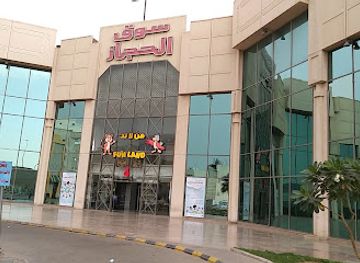
Shopping mall
Al Hijaz Mall
Discover the vibrant Al Hijaz Mall in Makkah, where shopping, dining, and entertainment come together for an unforgettable experience.
-
Shopping mall
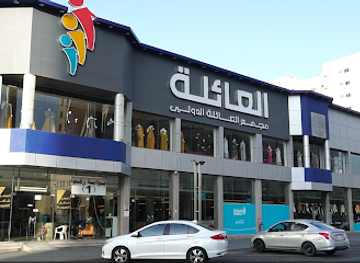
Family International Complex
Discover shopping, dining, and family entertainment at the Family International Complex in Makkah, a vibrant hub for tourists and locals alike.
Get your free copy of our complete guide to Makkah, delivered straight to you.
Everything on this page, from attractions and restaurants to essentials and local phrases, in one PDF you can read offline, print or share.
Already have an account? Sign in
Your Makkah guide is ready.
We'll send it to · Not you? Sign out

Getting your guide ready…
We are putting together a fresh copy of the Makkah guide. This can take up to a minute.
This can take a few moments. If your browser asks, choose Allow so the download can start. You'll find the guide in your Downloads folder.
Nothing happened? Download it again
Sorry, the guide is taking longer than usual. Please try again in a minute, or get it by email instead.
Makkah essentials
Currency and Payment
Safety
Emergency Situations
Do's and Don'ts
Local Tips
From Eve
Local phrases worth knowing
You don't need to get them perfect. A few words go a long way, and locals appreciate the effort.
Basics
| English | Local | Say it |
|---|---|---|
| Hello | مرحبا | [Marhaban] |
| Goodbye | مع السلامة | [Ma'a as-salama] |
| Yes | نعم | [Na'am] |
| No | لا | [La] |
| Please/You’re welcome | تفضل/عفوا | [Tafaddal/Afwan] |
| Thank you | شكرا | [Shukran] |
| Excuse me/Sorry | عفوا/آسف | [Afwan/Asif] |
| How are you? | كيف حالك؟ | [Kayfa halak?] |
| Fine. And you? | بخير. وأنت؟ | [Bikhair. Wa anta?] |
| Do you speak English? | هل تتحدث الإنجليزية؟ | [Hal tatahaddath al-ingliziya?] |
| I don't understand | لا أفهم | [La afham] |
Eating & Drinking
| English | Local | Say it |
|---|---|---|
| I’d like to see the menu, please | أرغب في رؤية القائمة، من فضلك | [Arghab fi ru'yat al-qaimah, min fadlik] |
| I don't eat meat | لا آكل اللحم | [La akul al-lahm] |
| Cheers! | في صحتك! | [Fi sihtak!] |
| I would like to pay, please | أود أن أدفع، من فضلك | [Awad an adfa', min fadlik] |
Emergencies
| English | Local | Say it |
|---|---|---|
| Help! | نجدة! | [Najdah!] |
| Go away! | ابتعد! | [Ibt'id!] |
| Call the Police! | اتصل بالشرطة! | [Ittasil bil-shurtah!] |
| Call a doctor! | اتصل بالطبيب! | [Ittasil bil-tabeeb!] |
| I’m lost | أنا ضائع | [Ana dae'] |
| I’m ill | أنا مريض | [Ana mareed] |
Shopping
| English | Local | Say it |
|---|---|---|
| I’d like to buy... | أرغب في شراء... | [Arghab fi shira'a...] |
| I’m just looking | أنا فقط أنظر | [Ana faqat anzur] |
| How much is it? | كم سعره؟ | [Kam si'ru?] |
| That’s too expensive | هذا غالي جدا | [Hatha ghaly jidan] |
| Can you lower the price? | هل يمكنك خفض السعر؟ | [Hal yumkinuka khafdh as-si'r?] |
Time & Numbers
| English | Local | Say it |
|---|---|---|
| What time is it? | كم الساعة؟ | [Kam as-saa'a?] |
| It’s one o'clock | الساعة الواحدة | [As-saa'a al-wahidah] |
| Half past (10) | نصف (10) | [Nisf (10)] |
| Morning | صباحا | [Sabahan] |
| Afternoon | ظهرا | [Zuhran] |
| Evening | مساءً | [Masa'an] |
| Yesterday | أمس | [Ams] |
| Today | اليوم | [Al-yawm] |
| Tomorrow | غدا | [Ghadan] |
| 1 | واحد | [Wahid] |
| 2 | اثنان | [Ithnan] |
| 3 | ثلاثة | [Thalatha] |
| 4 | أربعة | [Arba'a] |
| 5 | خمسة | [Khamsa] |
| 6 | ستة | [Sitta] |
| 7 | سبعة | [Sab'a] |
| 8 | ثمانية | [Thamaniya] |
| 9 | تسعة | [Tis'a] |
| 10 | عشرة | [Ashara] |
Transport & Directions
| English | Local | Say it |
|---|---|---|
| Where's a/the...? | أين يوجد...؟ | [Ayna yujad...?] |
| What’s the address? | ما هو العنوان؟ | [Ma huwa al-unwan?] |
| Can you show me (on the map)? | هل يمكنك أن تريني (على الخريطة)؟ | [Hal yumkinuka an turini (ala al-kharitah)?] |
| When's the next (bus)? | متى يأتي (الباص) التالي؟ | [Mata yati (al-bus) at-tali?] |
| A ticket (to ....) | تذكرة (إلى ....) | [Tadhkirah (ila ....)] |
History of Makkah
Early Arabian Trade and Settlement
The western Arabian landscape supported settlements, caravan routes and local exchange long before the rise of Islam. Makkah developed around a sanctuary and its associated trading activity, while settlements along the Red Sea connected inland Arabia with maritime routes reaching Egypt, East Africa and the wider Indian Ocean. Jeddah's position on the coast helped it serve the inland holy city, and mountain communities such as Taif benefited from agriculture made possible by higher elevations and seasonal water. Archaeological remains, old route networks and surviving patterns of settlement reflect the region's long interaction between desert, mountain and sea.
The Rise of Islam in Makkah and Madinah's Wider Region
Makkah was the birthplace of the Prophet Muhammad and the setting for the beginnings of Islam in the early seventh century. The Prophet's preaching, the opposition he faced in Makkah, the migration to Madinah and the later return to Makkah transformed the city's religious and political importance. The Kaaba, already a revered sanctuary in pre-Islamic Arabia, became the focal point of Islamic worship. Although Madinah lies outside Makkah Province, the close historical relationship between the two cities shaped the pilgrimage routes, institutions and political geography of western Arabia.
The Caliphates and the Consolidation of Pilgrimage Routes
Under the early caliphates, Makkah became the principal destination of the Hajj, while Jeddah increasingly functioned as a maritime arrival point for pilgrims. Governments and charitable foundations developed wells, roads, caravan facilities and services along routes from Egypt, Syria, Iraq, Yemen and the Indian Ocean. The pilgrimage brought scholars, merchants and travellers from across the Muslim world, giving the Hijaz a cosmopolitan character. The region's religious significance also meant that authority over Makkah and its routes carried exceptional political weight.
Sharifian Rule and the Ottoman Hijaz
For centuries, the Sharifs of Makkah administered the holy city with varying degrees of autonomy while acknowledging larger imperial powers. From the sixteenth century, the Ottoman Empire maintained sovereignty over the Hijaz and invested in its religious and administrative infrastructure. Ottoman influence remains visible in the broader history of Jeddah's port, pilgrimage administration and links with the Red Sea. The region was never isolated: its markets, scholarly networks and pilgrimage traffic connected it to North Africa, the Levant, Anatolia, South Asia and East Africa.
Jeddah's Port and the Development of Al-Balad
Jeddah prospered as the principal seaborne gateway for pilgrims travelling to Makkah. Its historic centre, now known as Al-Balad, grew around commercial lanes, mosques, inns and substantial merchant houses built with coral stone and timber features suited to the humid Red Sea climate. Families and traders from different parts of the Islamic world contributed to the city's architecture and social life. Even as modern roads, airports and container facilities changed the port economy, Al-Balad retained evidence of Jeddah's role as a meeting point between the Arabian interior and the maritime world.
The Saudi Unification of the Hijaz
The Kingdom of Hejaz was incorporated into the expanding Saudi state in the 1920s after the forces of Abdulaziz Ibn Saud took control of the region. This political transformation brought Makkah, Jeddah and Taif into the Kingdom that became Saudi Arabia in 1932. Administration, security and pilgrimage management were subsequently reorganised on a national scale. The change also strengthened the political integration of the Hijaz with central and eastern parts of the country, while preserving the region's distinctive religious, mercantile and cosmopolitan traditions.
Oil-Era Infrastructure and the Expansion of Pilgrimage
From the mid-twentieth century, national investment and oil revenues transformed transport, housing, utilities and public services across Makkah Province. Roads, airports, tunnels and high-capacity urban systems made it possible to accommodate pilgrimage numbers far beyond those of the earlier caravan era. Makkah's sacred precinct and surrounding districts underwent extensive redevelopment, while Jeddah became a major commercial and administrative centre and Taif developed as an important mountain city. These changes brought major economic opportunity but also difficult questions about conservation, urban density and the survival of historic neighbourhoods.
Makkah in Photos
Browse through our photo collection highlighting the charm and character of the destination.
Neighbouring regions of Makkah
The closest regions to Makkah, if you have time for more than one.
-

-

-

-

-


Swipe for more regions
Explore more

Explore more of Saudi Arabia
Discover the rich heritage, stunning landscapes, and warm hospitality of Saudi Arabia, where ancient traditions meet modern wonders in a truly unique travel experience.
Explore Saudi Arabia