

Free Najd Travel Guide & Mobile App
Explore Najd with free travel guides. Discover regional history, expert tips, proposed trips, and audio guides on web or mobile app.


Discover Najd through Riyadh, Diriyah, mud-brick villages, date oases, Tuwaiq escarpments and the enduring culture of central Saudi Arabia.
Read more about Najd
When is the best time to visit Najd?
Best: February–March, November · 22–26°C| Month | High (°C) | Rainfall (mm) |
|---|---|---|
| January | 20 | 1 |
| February (best) | 22 | 1 |
| March (best) | 26 | 2 |
| April | 30 | 2 |
| May | 35 | 1 |
| June | 39 | 1 |
| July | 41 | 1 |
| August | 40 | 1 |
| September | 37 | 1 |
| October | 32 | 1 |
| November (best) | 25 | 1 |
| December | 21 | 1 |
Getting to and around Najd
How to get there
Transportation
Top city travel guides in Najd
The cities of Najd, and the easiest places to base yourself.
-

-

-

-

-

-


Swipe for more cities
Destinations in Najd
Resorts, valleys and scenic spots worth a trip of their own.
-
-

-
-
-

-


Swipe for more destinations
Best attractions in Najd
Najd’s attractions range from major urban institutions in Riyadh to small heritage settlements and immense geological landscapes. In the capital, visitors can explore museums, galleries, public cultural spaces and historic areas alongside contemporary architecture and restaurants. Diriyah’s At-Turaif district, in the Wadi Hanifah area, is the region’s most significant restored heritage site, while the nearby valley offers a perspective on the relationship between settlement, water and agriculture. Outside Riyadh, Ushaiger Heritage Village and the old quarters of Shaqra present mud-brick lanes, courtyard houses and mosques associated with the historic Washm region. Qassim offers date-growing landscapes, traditional markets and town heritage in and around Buraydah and Unaizah. The Tuwaiq escarpment supplies Najd’s most dramatic outdoor scenery, with viewpoints, hiking areas and desert excursions, including the Edge of the World northwest of Riyadh. These sites demand different kinds of planning: city museums are accessible year-round, while remote landscapes depend on weather, daylight, road conditions and the availability of experienced drivers. The attraction landscape is therefore defined less by a single circuit than by the contrast between metropolitan culture, living agricultural communities, historic architecture and open plateau scenery.
-
Tourist attraction
King Abdullah Park riyadh
Experience the natural beauty and vibrant atmosphere of King Abdullah Park, a premier urban oasis in Riyadh offering relaxation and recreation.
-
Riyadh Zoo
Explore Riyadh Zoo, a premier family-friendly attraction in Al Malaz featuring diverse wildlife, lush landscapes, and educational experiences for all ages.
-
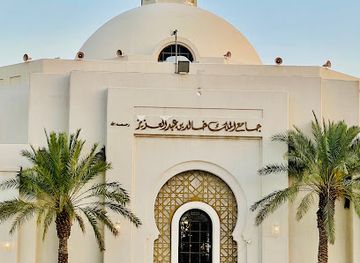
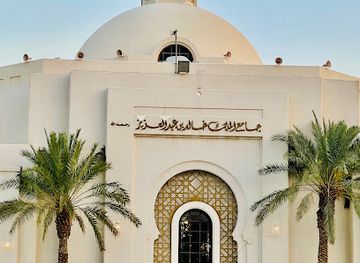
King Khalid Grand Mosque
Explore the exquisite architecture and tranquil ambiance of King Khalid Grand Mosque, a must-visit tourist attraction in Riyadh, Saudi Arabia.
-
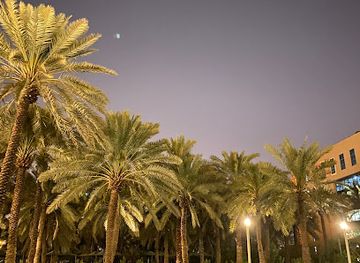
Najd Oasis Walkway
Explore the Najd Oasis Walkway, a lush garden retreat in Riyadh perfect for relaxation, strolls, and enjoying nature's beauty in the urban landscape.


Best landmarks in Najd
The defining historic landmark of Najd is At-Turaif in Diriyah, a fortified mud-brick district whose palaces, mosques and civic buildings represent the capital of the first Saudi state. Its architecture demonstrates how Najdi builders used earth, timber and shaded courtyards to create substantial buildings in a demanding climate. Riyadh’s Masmak Fortress, in the historic centre of the capital, is another powerful symbol of Saudi state formation and is associated with Abdulaziz ibn Abdul Rahman Al Saud’s 1902 recapture of the city. The Tuwaiq escarpment forms Najd’s great natural landmark, a long limestone edge that rises above the plateau and creates striking overlooks west and northwest of Riyadh. The Edge of the World is its most recognisable viewpoint, although it is a remote outdoor site rather than an urban attraction. In Qassim and the Washm area, the traditional mud-brick skylines of Ushaiger, Shaqra and other historic settlements are landmarks of a different scale, shaped by wells, oasis agriculture, defensive walls and compact lanes. Together, these places express Najd’s central themes: political consolidation, adaptation to arid conditions and the persistence of settlement patterns built around water.
-
Place of worship
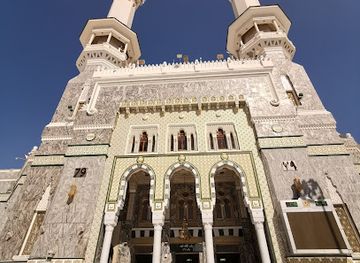
Kaaba
Discover the Kaaba in Makkah, the holiest site in Islam, where millions gather for prayer and reflection in a profound spiritual experience.
-
International airport
King Khalid International Airport
Discover the elegance of King Khalid International Airport, your gateway to Riyadh and the rich culture of Saudi Arabia.
-
Shopping mall
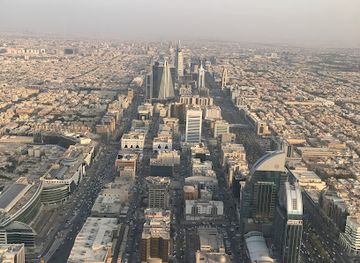
Kingdom Centre Tower
Discover unparalleled shopping, exquisite dining, and stunning views at the Kingdom Centre Tower, a must-see landmark in Riyadh, Saudi Arabia.
-
Mosque
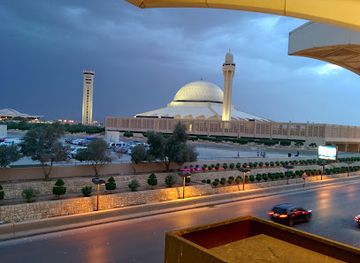
King Khalid Grand Mosque
Discover the architectural beauty and spiritual significance of King Khalid Grand Mosque, a must-see landmark in Riyadh, Saudi Arabia.
Explore Najd on the map
Plan your trip on one map. See where the top cities, national parks and sights are, and book hotels and experiences in a few clicks.
Best hotels in Najd
Best restaurants in Najd
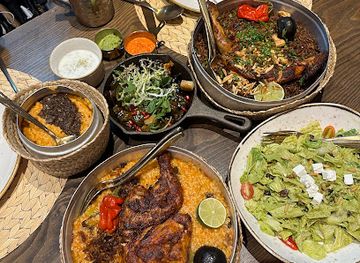
Najdi food reflects the interior’s agricultural and pastoral traditions, with rice, meat, dates, wheat, yoghurt and cardamom appearing in different combinations. Kabsa is widely eaten across Saudi Arabia rather than being exclusive to Najd, while traditional central Arabian cooking also includes hearty rice and meat dishes, wheat-based preparations and foods designed for communal serving. In Riyadh, visitors can choose between established Saudi restaurants, modern venues interpreting regional ingredients and international dining in business and hotel districts. Qassim’s towns provide a stronger connection with date cultivation, seasonal produce and market foods, with Buraydah particularly associated with a major date-trading culture. Saudi coffee, often flavoured with cardamom and served with dates, is an important gesture of hospitality, while tea and sweet pastries are common throughout the region. Traditional eateries, family-run restaurants, cafés and food halls offer different settings, but opening arrangements and menus change, so current local information is advisable. Tipping is discretionary rather than a fixed regional custom, with service charges and restaurant policies varying by establishment.
-
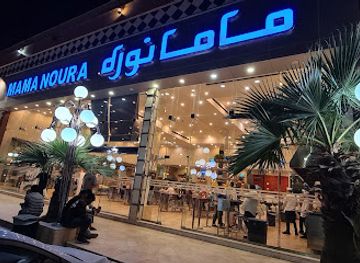
Shawarma restaurant
Mama Noura
Experience the rich flavors of authentic Middle Eastern cuisine at Mama Noura in Riyadh - home to delicious shawarma and warm hospitality.
-
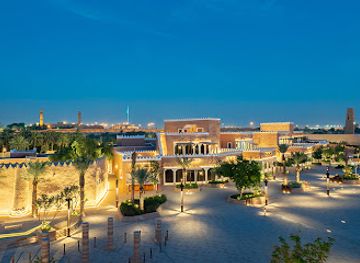
Tourist attraction
Bujairi Terrace
Experience fine dining at Bujairi Terrace while enjoying stunning views of Riyadh's skyline in a vibrant atmosphere.
-
Family-friendly
Aseeb Restaurant
Experience the essence of Saudi cuisine at Aseeb Restaurant in Riyadh - where tradition meets modernity in every dish.
-
Restaurant
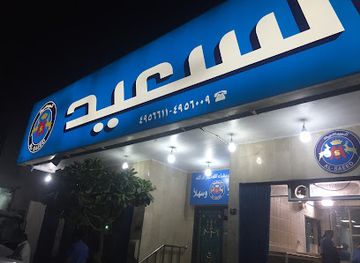
Al-Sa'eed Restaurant
Experience authentic Saudi cuisine at Al-Sa'eed Restaurant in Riyadh, famous for its delicious Mandi and warm hospitality.
Best bars in Najd
Najd does not have a conventional bar or nightclub scene because alcohol is prohibited in Saudi Arabia. Evening life instead centres on restaurants, coffee shops, dessert cafés, shopping and entertainment venues, particularly in Riyadh. The capital has the country’s broadest choice of contemporary dining, live performances, cinemas, cultural events and late-opening cafés, while quieter neighbourhoods and smaller towns tend to favour family-oriented restaurants, traditional coffee settings and social gatherings. Diriyah’s heritage and dining developments provide an evening setting within a historic landscape, although access, reservations and operating arrangements can change. In Qassim and other parts of the plateau, evenings often revolve around markets, cafés, restaurants and seasonal public activities rather than clubbing. Visitors should respect local laws and dress expectations, and should not bring alcohol into Saudi Arabia or consume it publicly. During Ramadan, nightlife and dining schedules shift substantially, with many venues becoming busiest after sunset.
-
Hotel
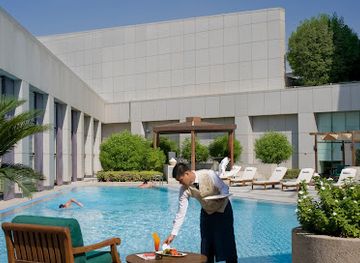
Four Seasons Hotel Riyadh At Kingdom Center
Experience unparalleled luxury and hospitality at the Four Seasons Hotel Riyadh, located in the iconic Kingdom Centre with stunning city views.
-
 Hotel
Radisson Hotel Riyadh Airport
Experience unparalleled comfort and convenience at Radisson Hotel Riyadh Airport, your ideal retreat close to King Khalid International Airport.
-
Family-friendly
Aseeb Restaurant
Discover Aseeb Restaurant in Riyadh, a family-friendly dining gem offering delicious local and international cuisine in a vibrant atmosphere.
-
Traditional restaurant
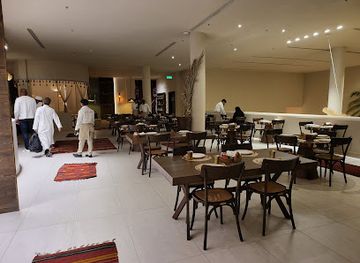
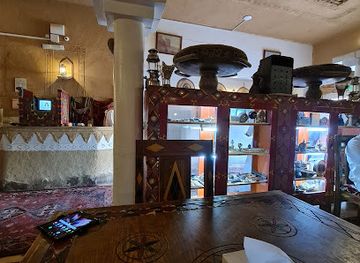
Najd Village
Discover the authentic taste of Saudi cuisine at Najd Village, a traditional restaurant in Riyadh, specializing in rice dishes and cultural delights.
Best nightclubs in Najd
Najd does not have a conventional bar or nightclub scene because alcohol is prohibited in Saudi Arabia. Evening life instead centres on restaurants, coffee shops, dessert cafés, shopping and entertainment venues, particularly in Riyadh. The capital has the country’s broadest choice of contemporary dining, live performances, cinemas, cultural events and late-opening cafés, while quieter neighbourhoods and smaller towns tend to favour family-oriented restaurants, traditional coffee settings and social gatherings. Diriyah’s heritage and dining developments provide an evening setting within a historic landscape, although access, reservations and operating arrangements can change. In Qassim and other parts of the plateau, evenings often revolve around markets, cafés, restaurants and seasonal public activities rather than clubbing. Visitors should respect local laws and dress expectations, and should not bring alcohol into Saudi Arabia or consume it publicly. During Ramadan, nightlife and dining schedules shift substantially, with many venues becoming busiest after sunset.
-
Night club
قهوة العجاج
Immerse in Riyadh's nightlife at قهوة العجاج, where modern vibes meet traditional hospitality in an unforgettable club experience.
-
Night club
المشعليه بالرواما
Discover the pulse of الناصفة's nightlife at المشعليه بالرواما, where music, dance, and vibrant energy come together for an unforgettable evening.
-
Sports club
Group World Rest
Discover the perfect blend of sports, relaxation, and luxury at Group World Rest in Riyadh, Saudi Arabia.
-
Night club
Cicada Club
Discover the electrifying nightlife of Cicada Club in Riyadh, where vibrant music and dance create unforgettable experiences.



Best shops in Najd
Shopping in Najd ranges from Riyadh’s large modern malls and designer retail districts to traditional markets and the agricultural commerce of Qassim. The capital offers the widest selection of international brands, Saudi fashion, jewellery, books, homeware and contemporary design, while older market areas are better for gold, perfumes, textiles, incense, spices and locally recognisable gifts. Qassim’s towns are closely associated with dates and date-based products, and seasonal markets provide a stronger connection with the region’s farming economy than standard shopping centres. Heritage villages and cultural districts may sell crafts, pottery, woven goods, decorative objects and books about Najdi history, although the selection varies. Visitors looking for regional souvenirs can consider Saudi coffee, cardamom, dates, spice blends, saffron, incense and carefully labelled handicrafts. Bargaining may be possible in some traditional markets but is not expected in department stores or fixed-price shops. Check customs rules before exporting food, antiques or natural materials, and distinguish handmade regional goods from mass-produced items marketed with a general Saudi identity.
-
Shopping mall
Riyadh Gallery Mall
Discover the ultimate shopping experience at Riyadh Gallery Mall, where retail therapy meets entertainment in the heart of Saudi Arabia.
-
Shopping mall
Granada Mall
Discover Granada Mall, Riyadh's ultimate shopping destination, featuring diverse retail outlets, dining, and entertainment for the whole family.
-
Shopping mall
Kingdom Centre Tower
Explore luxury shopping and stunning views at Kingdom Centre Tower, an architectural gem in Riyadh, offering a unique blend of modernity and tradition.
-
Shopping mall
Cenomi Tala Mall
Discover shopping bliss at Cenomi Tala Mall in Riyadh, where every visit offers a unique blend of retail therapy, gourmet dining, and family-friendly fun.
Get your free copy of our complete guide to Najd, delivered straight to you.
Everything on this page, from attractions and restaurants to essentials and local phrases, in one PDF you can read offline, print or share.
Already have an account? Sign in
Your Najd guide is ready.
We'll send it to · Not you? Sign out

Getting your guide ready…
We are putting together a fresh copy of the Najd guide. This can take up to a minute.
This can take a few moments. If your browser asks, choose Allow so the download can start. You'll find the guide in your Downloads folder.
Nothing happened? Download it again
Sorry, the guide is taking longer than usual. Please try again in a minute, or get it by email instead.
Najd essentials
Currency and Payment
Safety
Emergency Situations
Do's and Don'ts
Local Tips
From Eve
Local phrases worth knowing
You don't need to get them perfect. A few words go a long way, and locals appreciate the effort.
Basics
| English | Local | Say it |
|---|---|---|
| Hello | مرحبا | [Marhaban] |
| Goodbye | مع السلامة | [Ma'a as-salama] |
| Yes | نعم | [Na'am] |
| No | لا | [La] |
| Please/You're welcome | تفضل | [Tafaddal] |
| Thank you | شكرا | [Shukran] |
| Excuse me/Sorry | عفوا | [Afwan] |
| How are you? | كيف حالك؟ | [Kayfa halak?] |
| Fine. And you? | بخير. وأنت؟ | [Bikhayr. Wa anta?] |
| Do you speak English? | هل تتحدث الإنجليزية؟ | [Hal tatahaddath al-ingliziya?] |
| I don't understand | لا أفهم | [La afham] |
Eating & Drinking
| English | Local | Say it |
|---|---|---|
| I'd like to see the menu, please | أريد رؤية القائمة، من فضلك | [Ureed ru'yat al-qa'ima, min fadlak] |
| I don't eat meat | لا آكل اللحم | [La akul al-lahm] |
| Cheers! | في صحتك! | [Fi sihtak!] |
| I would like to pay, please | أريد أن أدفع، من فضلك | [Ureed an adfa', min fadlak] |
Emergencies
| English | Local | Say it |
|---|---|---|
| Help! | نجدة! | [Najda!] |
| Go away! | ابتعد! | [Ibt'id!] |
| Call the Police! | اتصل بالشرطة! | [Ittasil bil-shurta!] |
| Call a doctor! | اتصل بالطبيب! | [Ittasil bil-tabeeb!] |
| I'm lost | أنا ضائع | [Ana da'i'] |
| I'm ill | أنا مريض | [Ana marid] |
Shopping
| English | Local | Say it |
|---|---|---|
| I'd like to buy... | أريد أن أشتري... | [Ureed an ashtari...] |
| I'm just looking | أنا فقط أبحث | [Ana faqat abḥath] |
| How much is it? | كم ثمنه؟ | [Kam thamanu?] |
| That's too expensive | هذا غالي جدا | [Hatha ghali jiddan] |
| Can you lower the price? | هل يمكنك تخفيض السعر؟ | [Hal yumkinuka takhfeed as-si'r?] |
Time & Numbers
| English | Local | Say it |
|---|---|---|
| What time is it? | كم الساعة؟ | [Kam as-saa'a?] |
| It's one o'clock | الساعة واحدة | [As-saa'a wahida] |
| Half past (10) | نصف العاشرة | [Nisf al-‘ashira] |
| Morning | صباح | [Sabah] |
| Afternoon | ظهر | [Zuhr] |
| Evening | مساء | [Masa'] |
| Yesterday | أمس | [Ams] |
| Today | اليوم | [Al-yawm] |
| Tomorrow | غدا | [Ghadan] |
| 1 | واحد | [Wahid] |
| 2 | اثنان | [Ithnān] |
| 3 | ثلاثة | [Thalātha] |
| 4 | أربعة | [Arba'a] |
| 5 | خمسة | [Khamsa] |
| 6 | ستة | [Sitta] |
| 7 | سبعة | [Sab'a] |
| 8 | ثمانية | [Thamāniya] |
| 9 | تسعة | [Tis'a] |
| 10 | عشرة | [Ashara] |
Transport & Directions
| English | Local | Say it |
|---|---|---|
| Where's a/the...? | أين ...؟ | [Ayn ...?] |
| What's the address? | ما هو العنوان؟ | [Ma huwa al-'unwan?] |
| Can you show me (on the map)? | هل يمكنك أن تريني (على الخريطة)؟ | [Hal yumkinuka an tureeni (ala al-kharita)?] |
| When's the next (bus)? | متى يأتي (الباص) التالي؟ | [Mata ya'ti (al-bas) at-tali?] |
| A ticket (to ....) | تذكرة (إلى ...) | [Tadhkara (ila ...)] |
History of Najd
Early settlement and oasis agriculture
Najd’s history was shaped by the management of water in an arid interior. Wells, springs and seasonal valleys supported settlements where wheat, vegetables and date palms could be cultivated, while pastoral communities moved between grazing areas. Archaeological evidence across central Arabia records a much older human presence than the historic towns suggest, including prehistoric tools, rock art and traces of ancient routes. The region’s communities were never isolated completely: trade, pilgrimage and movement across the Arabian Peninsula connected the interior with the eastern coast, the Hijaz and the northern deserts.
Pre-Islamic routes and the rise of Islam
Before Islam, central Arabia contained dispersed tribal settlements, market areas and caravan routes rather than a single unified state. Najd lay between the western pilgrimage corridor and the eastern Arabian coast, and its valleys and wells provided stopping points for movement across the plateau. Islam transformed the political and cultural framework of the region, linking its communities to the wider Muslim world. Later centuries saw the spread of Islamic scholarship, mosques and religious institutions in towns such as Riyadh, Diriyah, Qassim’s oasis settlements and the historic villages of the Washm.
Diriyah and the first Saudi state
Diriyah, on the Wadi Hanifah near present-day Riyadh, became the centre of the first Saudi state in the eighteenth century after an alliance between Imam Muhammad ibn Saud and the religious scholar Muhammad ibn Abd al-Wahhab. The settlement expanded along the valley, with palaces, mosques, defensive structures and residential quarters built in Najdi mud-brick forms. From Diriyah, political influence spread across much of the peninsula. The town was besieged and fell in 1818 during the Ottoman-Egyptian campaign, after which its political prominence declined, although its ruins remain central to Saudi historical memory.
The recovery of Riyadh and the modern Saudi state
Abdulaziz ibn Abdul Rahman Al Saud, widely known as Ibn Saud, recaptured Riyadh in 1902, establishing the base from which he extended control across central Arabia and eventually founded the Kingdom of Saudi Arabia in 1932. Riyadh’s location, links with surrounding Najdi settlements and symbolic importance made it the natural political centre of the emerging state. The older city was enclosed by walls and entered through gates; during the twentieth century it expanded far beyond them into the capital’s present metropolitan form.
Caravans, markets and the agricultural economy
For centuries, Najdi towns depended on a combination of oasis agriculture, pastoralism, craft production and commerce. Qassim’s settlements became especially important for date growing and regional trade, while towns such as Unaizah and Buraydah connected agricultural producers with travelling merchants. Camels, horses, dates, grain, textiles and household goods moved through markets that also served as places for social exchange and seasonal activity. Traditional souqs and surviving mud-brick houses preserve evidence of this economy, even though modern roads, refrigeration and large-scale commerce have transformed how the region produces and distributes food.
Oil wealth, roads and rapid urban transformation
The discovery and development of petroleum elsewhere in Saudi Arabia transformed Najd through national investment, public services, road building and migration into growing towns. Riyadh changed from a compact walled settlement into a major administrative, commercial and educational metropolis, while paved roads connected central communities more efficiently with the rest of the country. Air conditioning, desalinated water, modern construction and expanded universities altered everyday life. At the same time, restoration projects in Diriyah, Ushaiger, Shaqra and other historic settlements have sought to retain visible links with Najd’s architectural and social past.
Contemporary heritage and cultural renewal
Modern Najd combines rapid development with renewed attention to regional identity. Restored heritage districts, museums, cultural festivals, galleries and public events present Najdi architecture, poetry, coffee traditions, crafts and food to domestic and international visitors. Diriyah has become a major focus of heritage-led development, while Riyadh’s expanding cultural institutions place local history alongside international exhibitions and performances. The result is not a simple return to the past: historic buildings are being interpreted within a society experiencing major changes in education, technology, tourism and urban life.
Najd in Photos
Browse through our photo collection highlighting the charm and character of the destination.
Neighbouring regions of Najd
The closest regions to Najd, if you have time for more than one.
-

-
-

-

-


Swipe for more regions
Explore more

Explore more of Saudi Arabia
Discover the rich heritage, stunning landscapes, and warm hospitality of Saudi Arabia, where ancient traditions meet modern wonders in a truly unique travel experience.
Explore Saudi Arabia