
Hejaz, Saudi Arabia Travel Guide
Discover Hejaz: A Region Steeped in History, Culture, and Natural Beauty in the Heart of Saudi Arabia's Western Frontier
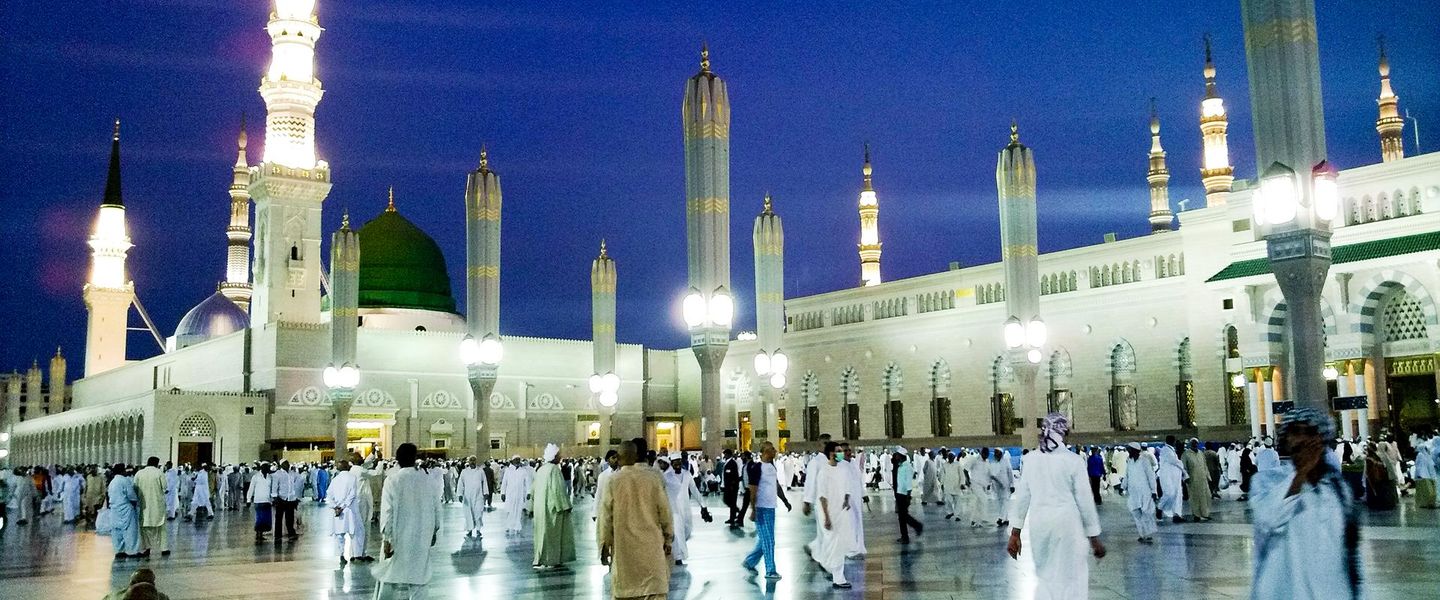
Hejaz, a region in the west of Saudi Arabia, is a land rich in history and culture. Known as the cradle of Islam, Hejaz is home to the holy cities of Mecca and Medina. Pilgrims from all over the world flock to this sacred land, making it a vibrant and diverse melting pot of cultures and traditions. Beyond its religious significance, Hejaz boasts a stunning natural landscape. The region is adorned with majestic mountains, sweeping deserts, and the pristine coastline along the Red Sea. The ancient city of Jeddah, with its historic Al-Balad district, offers a glimpse into a bygone era with its coral houses and bustling souks. Meanwhile, the modern cityscape provides a contrast with its skyscrapers and contemporary amenities. The Hejaz Railway, an engineering marvel of its time, once connected Damascus to Medina. Today, parts of the railway remain a testament to the ingenuity of the past. Visitors can explore the remnants of this historic route and imagine the journeys of yesteryear. Additionally, the local cuisine, influenced by centuries of trade and migration, offers a delectable array of flavors that will tantalize your taste buds.

Know before you go
Hi, I'm Eve. Here are a few practical things to know before exploring Hejaz.
- Respect local customs and dress modestly, especially when visiting religious sites.
- Plan your visit outside of the Hajj season to avoid large crowds.
- Stay hydrated and protect yourself from the sun, as the climate can be very hot and dry.
- Explore the local markets in Jeddah's Al-Balad for unique souvenirs and traditional crafts.
- Try the local cuisine, including dishes like Kabsa and Mutabbaq, for an authentic culinary experience.
Top City Travel Guides in Hejaz
The cities of Hejaz, and the easiest places to base yourself.



Destinations in Hejaz
Resorts, valleys and scenic spots worth a trip of their own.


Explore Hejaz: Things to Do, Places to Eat, Hotels & More
Handpicked recommendations for top attractions, local dining, accommodations, and more

Top Attractions & Sightseeing in Hejaz
Top-rated picks
Best Attractions

Al Hejaz Railway Station
Discover the historical Al Hejaz Railway Station in Madinah, where history, architecture, and culture converge in a breathtaking experience.

Ottoman Hijazi Railway Remains
Explore the historic Ottoman Hijazi Railway Remains in Tabuk, a captivating museum that unveils the legacy of a remarkable engineering feat.

Hejaz Railway Trains
Explore the Hejaz Railway Trains Museum, a historic journey through the iconic railway linked to World War I and the legendary Lawrence of Arabia.

الفوهات السبع
Explore Al-Fuhat Al-Sabea, a breathtaking tourist attraction in Saudi Arabia, blending stunning landscapes with rich cultural heritage for an unforgettable experience.

Best landmarks in Hejaz
Top-rated picks
Best Landmarks

Masjid al-Haram
Explore the magnificent Masjid al-Haram in Makkah, the largest mosque and the holiest site in Islam, where spirituality meets stunning architecture.

Kaaba
Discover the spiritual heart of Islam at the Kaaba, a pilgrimage destination for millions, steeped in history and devotion.

The Clock Towers
Discover the architectural wonder of The Clock Towers in Makkah, a fusion of modern luxury and rich Islamic heritage, near the sacred Masjid al-Haram.

King Fahad's Fountain
Discover King Fahad's Fountain, the world's tallest fountain, a spectacular Jeddah landmark that enchants visitors with its breathtaking water displays and scenic views.

Best restaurants in Hejaz
Top-rated picks
Best Restaurants

Khayal Restaurant | مطعم خيال
Experience the best of Turkish and Middle Eastern cuisine at Khayal Restaurant in Jeddah - where every dish tells a story.

مطاعم السدة Alsaddah Restaurants
Experience authentic Saudi flavors at Alsaddah Restaurants, where traditional rice dishes come alive in a welcoming atmosphere.

Brasa de Brazil Jeddah
Experience authentic Brazilian cuisine in Jeddah with exquisite rodizio service and vibrant Latin American flavors at Brasa de Brazil.

Ba’eshen Seafood
Experience authentic Saudi seafood at Ba’eshen Seafood in Jeddah's historic Al-Balad district.

Best bars in Hejaz
Top-rated picks
Best Bars

Anwar Al Madinah Mövenpick
Discover luxury and comfort at Anwar Al Madinah Mövenpick, your ideal sanctuary in the heart of Madinah, just steps from the Prophet's Mosque.

Pullman Zamzam Madina
Discover unparalleled luxury and comfort at Pullman Zamzam Madina, your gateway to the holy city of Madinah.

InterContinental Dar al Iman Madinah, an IHG Hotel
Discover unparalleled luxury and comfort at InterContinental Dar al Iman Madinah, the perfect retreat in the heart of the holy city.

Al Hijaz Mall
Discover the ultimate shopping experience at Al Hijaz Mall in Makkah, where modern retail meets cultural charm in a vibrant setting.

Best nightclubs in Hejaz
Top-rated picks
Best Nightclubs

Sky Lounge
Discover the elegance of Sky Lounge in Jeddah, where exquisite dining meets breathtaking views of the Red Sea, creating a luxurious retreat for discerning travelers.

صالة الامجاد : بلياردو و بلايستيشن و فرفيره
Discover leisure at صالة الامجاد in Makkah, a premier billiards and gaming club for an unforgettable entertainment experience.

قهوة العجاج
Discover the vibrant nightlife at قهوة العجاج, Riyadh's premier night club with great music and a lively atmosphere.

Nawaf58 House
Explore the nightlife at Nawaf58 House, Jeddah's premier disco club offering vibrant music and an unforgettable dance experience.

Best shops in Hejaz
Top-rated picks
Best Shops

Red Sea Mall
Discover a world of shopping, dining, and entertainment at Jeddah's premier shopping destination, Red Sea Mall.

Cenomi Mall of Arabia
Discover unparalleled shopping, dining, and entertainment at Cenomi Mall of Arabia, a premier shopping destination in Jeddah, Saudi Arabia.

Flamingo Mall
Discover Flamingo Mall in Jeddah, where shopping meets culture in a vibrant and family-friendly atmosphere.

Al Rashid Mega Mall
Discover the vibrant shopping scene at Al Rashid Mega Mall, where international brands meet local culture in the heart of Madinah.

Explore Hejaz on the Map
A handpicked selection of must-see spots in Hejaz, mapped for you.
Hejaz Essentials
-
Hejaz is accessible via several modes of transportation. The main gateway is King Abdulaziz International Airport in Jeddah, which serves numerous international and domestic flights. Alternatively, Prince Mohammed bin Abdulaziz International Airport in Medina is another major entry point. From these airports, you can either rent a car, take a taxi, or use bus services to various parts of Hejaz. The Haramain High-Speed Railway connects Jeddah, Mecca, and Medina, offering a fast and convenient travel option.
-
Public transportation in Hejaz includes buses, taxis, and ride-sharing services like Uber and Careem. The Haramain High-Speed Railway is an excellent option for travel between Jeddah, Mecca, and Medina. Car rentals are available at major airports and city centers, providing flexibility for exploring the region. Note that driving is on the right-hand side of the road, and international driving permits are generally required.
-
The official currency of Saudi Arabia is the Saudi Riyal (SAR). Credit and debit cards are widely accepted in hotels, restaurants, and larger shops. However, it is advisable to carry some cash for smaller establishments and markets. ATMs are plentiful in urban areas, and currency exchange services are available at airports, banks, and major hotels.
-
Hejaz is generally safe for tourists, but it's advisable to take standard precautions. Avoid isolated areas, especially at night, and be cautious with your belongings in crowded places. While major cities like Jeddah and Medina are safe, it's wise to stay informed about any travel advisories. There are no specific high-crime areas targeting tourists, but staying vigilant is always recommended.
-
In case of an emergency, dial 911 for police and 997 for ambulance services. Major cities have well-equipped hospitals and clinics. It's recommended to have travel insurance that covers medical emergencies. Pharmacies are available for minor health issues, and many pharmacists speak English.
-
Fashion: Do dress modestly; men and women should cover their shoulders and knees. Women should consider wearing an abaya in certain areas. Religion: Do respect Islamic customs, especially during prayer times and Ramadan. Public Transport: Do be respectful and avoid loud conversations. Greetings: Do greet people with 'As-salamu alaykum' and a handshake. Eating & Drinking: Do try local dishes but don't eat or drink in public during Ramadan.
-
To experience Hejaz like a local, visit traditional markets (souks) such as Souq Al-Alawi in Jeddah. Engage with locals who are often welcoming and willing to share insights about their culture. Don't miss the historical sites like Al-Balad in Jeddah and the Prophet's Mosque in Medina. For a unique experience, try the local cuisine such as Kabsa and Mandi.
When is the best time to visit Hejaz?
Useful Local Phrases for Hejaz
You don't need to speak the language perfectly. Even learning a few simple words can make conversations warmer—and locals usually appreciate the effort.
— Eve

Here are the phrases I use most often in Hejaz. Try a few—you'll be surprised how far they go! 😊
❤️
-
- Helloمرحبا
[Marhaban] - Goodbyeمع السلامة
[Ma'a as-salama] - Yesنعم
[Na'am] - Noلا
[La] - Please/You're welcomeمن فضلك
[Min fadlik] - Thank youشكرا
[Shukran] - Excuse me/Sorryعفوا
[Afwan] - How are you?كيف حالك؟
[Kayfa halak?] - Fine. And you?بخير. وأنت؟
[Bikhayr. Wa anta?] - Do you speak English?هل تتحدث الإنجليزية؟
[Hal tatahaddath al-ingliziyya?] - I don't understandلا أفهم
[La afham]
- Helloمرحبا
-
- I'd like to see the menu, pleaseأود رؤية القائمة، من فضلك
[Awad ru'yat al-qa'ima, min fadlik] - I don't eat meatلا آكل اللحم
[La akul al-lahm] - Cheers!في صحتك!
[Fi sihhatak!] - I would like to pay, pleaseأود الدفع، من فضلك
[Awad al-daf', min fadlik]
- I'd like to see the menu, pleaseأود رؤية القائمة، من فضلك
-
- Help!نجدة!
[Najda!] - Go away!ابتعد!
[Ibt'id!] - Call the Police!اتصل بالشرطة!
[Ittasil bil-shurta!] - Call a doctor!اتصل بالطبيب!
[Ittasil bil-tabeeb!] - I'm lostأنا ضائع
[Ana da'i'] - I'm illأنا مريض
[Ana marid]
- Help!نجدة!
-
- I'd like to buy...أود شراء...
[Awad shira'] - I'm just lookingأنا فقط أنظر
[Ana faqat anzur] - How much is it?كم ثمنه؟
[Kam thamanuh?] - That's too expensiveذلك مكلف جدا
[Thalik mukallif jidan] - Can you lower the price?هل يمكنك خفض السعر؟
[Hal yumkinuka khafd al-si'r?]
- I'd like to buy...أود شراء...
-
- What time is it?كم الساعة؟
[Kam al-saa'a?] - It's one o'clockالساعة الواحدة
[Al-saa'a al-wahida] - Half past (10)العاشرة والنصف
[Al-'ashira wa al-nisf] - Morningصباحا
[Sabahan] - Afternoonبعد الظهر
[Ba'd al-zuhur] - Eveningمساءً
[Masa'an] - Yesterdayأمس
[Ams] - Todayاليوم
[Al-yawm] - Tomorrowغدا
[Ghadan] - 1واحد
[Wahid] - 2اثنان
[Ithnan] - 3ثلاثة
[Thalatha] - 4أربعة
[Arba'a] - 5خمسة
[Khamsa] - 6ستة
[Sitta] - 7سبعة
[Sab'a] - 8ثمانية
[Thamaniya] - 9تسعة
[Tis'a] - 10عشرة
[Ashara]
- What time is it?كم الساعة؟
-
- Where's a/the...?أين...؟
[Ayna...?] - What's the address?ما هو العنوان؟
[Ma huwa al-'unwan?] - Can you show me (on the map)?هل يمكنك إظهار (على الخريطة)؟
[Hal yumkinuka izhar (ala al-kharita)?] - When's the next (bus)?متى يأتي (الحافلة) التالية؟
[Mata yati (al-hafila) al-taliya?] - A ticket (to ....)تذكرة (إلى....)
[Tadhkira (ila....)]
- Where's a/the...?أين...؟
History of Hejaz
-
The Hejaz region, known for its strategic location, was a crucial segment of the ancient Incense Route. This trade network connected the Mediterranean world with the Arabian Peninsula, India, and Africa, facilitating the exchange of goods like spices, silk, and precious stones. The city of Mecca, in particular, became a bustling trade hub, drawing merchants and travelers from near and far.
-
The Hejaz is the cradle of Islam, where the Prophet Muhammad was born in the city of Mecca around 570 CE. It is also where he received the first revelations of the Quran. The city of Medina, another key city in Hejaz, became the Prophet's home after the migration (Hijra) from Mecca in 622 CE. These events are pivotal in Islamic history and have made Hejaz a focal point for millions of Muslims worldwide.
-
The Hejaz region came under Ottoman rule in the early 16th century, marking a significant chapter in its history. The Ottomans incorporated Hejaz into their empire, maintaining control over the holy cities of Mecca and Medina. They built infrastructure, including the Hejaz Railway, which connected Damascus to Medina, facilitating pilgrimage and trade.
-
Constructed between 1900 and 1908, the Hejaz Railway was a remarkable engineering feat of the Ottoman era. It was intended to facilitate the Hajj pilgrimage, reduce the travel time from Damascus to Medina, and strengthen Ottoman control over the region. The railway remains a significant historical landmark, with remnants still visible today.
-
During World War I, the Hejaz played a critical role in the Arab Revolt against Ottoman rule. Led by Sherif Hussein bin Ali of Mecca and supported by the British, the revolt aimed to establish an independent Arab state. The capture of key locations, including Mecca and Medina, marked significant victories for the Arab forces. This period is immortalized in the accounts of T.E. Lawrence, also known as Lawrence of Arabia.
-
The Hejaz region became part of the Kingdom of Saudi Arabia in 1932, following the unification efforts of Abdulaziz Ibn Saud. The integration of Hejaz into Saudi Arabia marked the consolidation of various regions under a single nation-state, with Riyadh as its capital. The unification brought significant political and social changes to the region.
-
The Hejaz is renowned for its rich cultural heritage, influenced by its historical role as a nexus of trade and pilgrimage. The region boasts a unique blend of architectural styles, traditional arts, and culinary traditions. Cities like Jeddah, with its historic Al-Balad district, showcase the region’s diverse cultural influences, including Ottoman, Yemeni, and even European elements.
Neighbouring Regions of Hejaz
The closest regions to Hejaz, if you have time for more than one.


Your all‑in‑one travel companion app
Explore expert travel guides, compare and book tours, experiences, hotels, and more—all from the palm of your hand. Download now for seamless trip planning wherever your wanderlust takes you.


Explore More of Saudi Arabia

Looking beyond Hejaz? Discover Saudi Arabia for broader travel guides, local hot-spots, and regional highlights.
Explore Saudi ArabiaHejaz in Photos
Browse through our photo collection highlighting the charm and character of the destination.




Hejaz: The Heart of Arabian Heritage
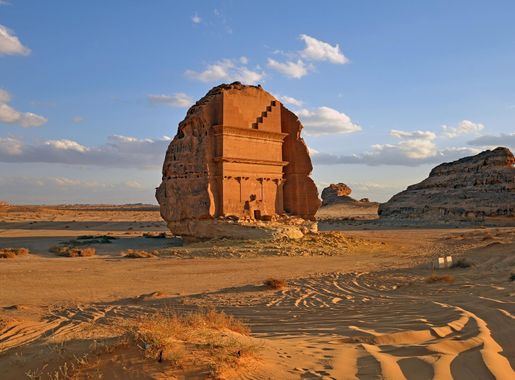
Hejaz, a region in the west of Saudi Arabia, is a land rich in history and culture. Known as the cradle of Islam, Hejaz is home to the holy cities of Mecca and Medina. Pilgrims from all over the world flock to this sacred land, making it a vibrant and diverse melting pot of cultures and traditions. Beyond its religious significance, Hejaz boasts a stunning natural landscape. The region is adorned with majestic mountains, sweeping deserts, and the pristine coastline along the Red Sea. The ancient city of Jeddah, with its historic Al-Balad district, offers a glimpse into a bygone era with its coral houses and bustling souks. Meanwhile, the modern cityscape provides a contrast with its skyscrapers and contemporary amenities. The Hejaz Railway, an engineering marvel of its time, once connected Damascus to Medina. Today, parts of the railway remain a testament to the ingenuity of the past. Visitors can explore the remnants of this historic route and imagine the journeys of yesteryear. Additionally, the local cuisine, influenced by centuries of trade and migration, offers a delectable array of flavors that will tantalize your taste buds.