

Free Al-Qassim Travel Guide & Mobile App
Explore Al-Qassim with free travel guides. Discover regional history, expert tips, proposed trips, and audio guides on web or mobile app.


Explore Al-Qassim in central Saudi Arabia for date markets, Najdi heritage towns, oasis landscapes, regional food and agricultural traditions.
Read more about Al-Qassim
When is the best time to visit Al-Qassim?
Best: February–March, November · 21–26°C| Month | High (°C) | Rainfall (mm) |
|---|---|---|
| January | 19 | 4 |
| February (best) | 21 | 3 |
| March (best) | 26 | 4 |
| April | 31 | 3 |
| May | 37 | 1 |
| June | 39 | 0 |
| July | 41 | 0 |
| August | 41 | 0 |
| September | 37 | 0 |
| October | 32 | 1 |
| November (best) | 24 | 3 |
| December | 20 | 4 |
Getting to and around Al-Qassim
How to get there
Transportation
Top city travel guides in Al-Qassim
The cities of Al-Qassim, and the easiest places to base yourself.
-

-


Swipe for more cities
Best attractions in Al-Qassim
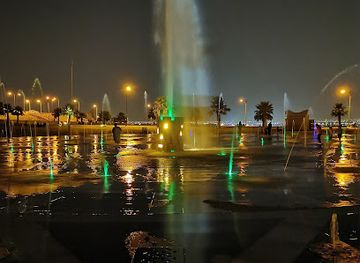
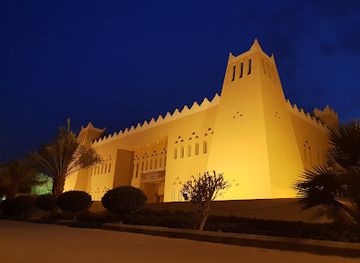
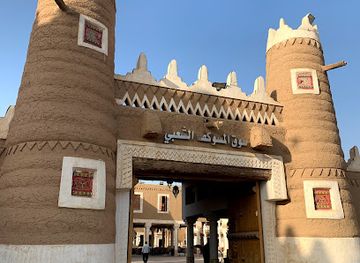
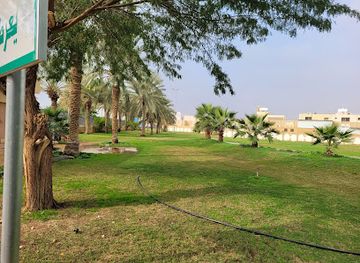
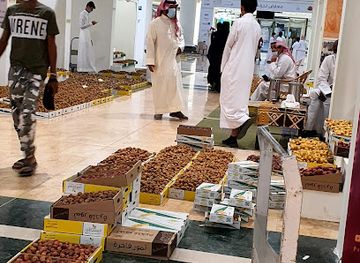
Al-Qassim’s attractions are closely connected to its agricultural landscape and settled Najdi towns. In Buraydah, the date market provides an unusually direct view of the region’s farming economy, particularly during the harvest period, while the Al-Qassim Regional Museum introduces local history, material culture and traditions. Unaizah offers heritage houses, restored lanes and cultural venues that illustrate the architecture of an established oasis town. Al-Mithnab is another valuable stop for visitors interested in traditional settlement patterns, courtyard buildings and the relationship between town and palm grove. Outside the main centres, date plantations and open desert margins create opportunities for scenic drives and seasonal rural excursions, provided private land and agricultural operations are respected. Family-oriented parks, cafés and modern shopping areas are concentrated in the larger towns, while camel and livestock commerce reflects the continuing importance of pastoral and agricultural life. The strongest experiences come from combining museums and heritage sites with markets and living town districts rather than treating the region as a collection of isolated monuments.
-
Park
King Abdullah National Park
Explore the natural wonders and tranquil beauty of King Abdullah National Park in Buraydah, a top tourist attraction in Saudi Arabia.
-
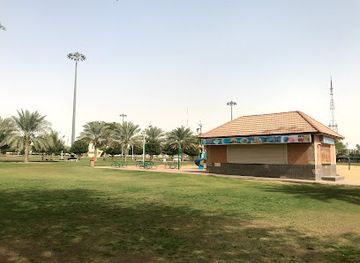
City park
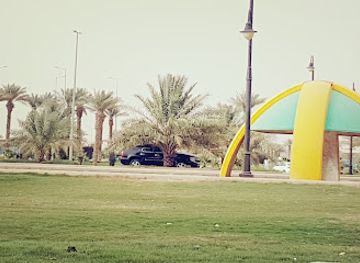
King Khalid Park
Discover the beauty and tranquility of King Khalid Park in Buraydah, a perfect urban escape with lush gardens and recreational activities.
-
Tourist attraction
Al Musawkaf Market
Discover the rich culture and vibrant atmosphere of Al Musawkaf Market in Unaizah, where shopping, dining, and local traditions come together.
-
Aliskan park
Discover the serene beauty of Aliskan Park in Buraydah, a lush green retreat perfect for families, picnics, and leisurely strolls amidst nature.
Best landmarks in Al-Qassim
Buraydah’s date market is one of Al-Qassim’s most recognisable working landmarks, representing the region’s longstanding relationship with palm cultivation, trade and seasonal commerce. The city’s regional museum provides a more formal architectural and cultural reference point for understanding local history. In Unaizah, restored traditional houses and heritage lanes preserve the visual language of Najdi building: mud-brick walls, shaded passages, enclosed courtyards and limited external openings suited to the climate. Al-Mithnab’s heritage area offers a similarly valuable townscape, but with a quieter scale that makes the connection between settlement, farms and local commerce easier to appreciate. Across Al-Qassim, surviving watchtowers, old walls and traditional compounds are reminders that oasis towns once needed both protection and carefully managed access to water and agricultural land. The palm groves themselves are also important regional landmarks, forming a distinctive green pattern across an otherwise dry central Arabian environment. Many are private or working agricultural properties, so visitors should admire them from public roads or enter only with permission.
-
 Hotel
HotelMillennium Hotel Hail
Experience unmatched luxury and comfort at Millennium Hotel Hail, a premier five-star hotel in Saudi Arabia's vibrant Hail region, perfect for both business and leisure travelers.
-
Park
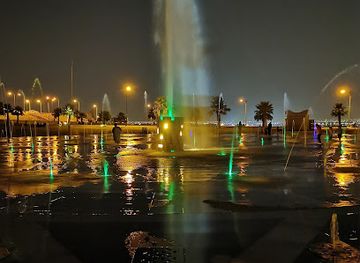
Prince Faisal Park
Explore the serene landscapes and vibrant atmosphere of Prince Faisal Park, a lush escape in Buraydah, Saudi Arabia, offering recreation and relaxation for all.
-
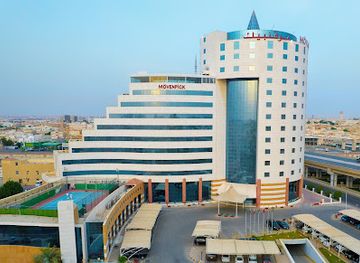
Hotel
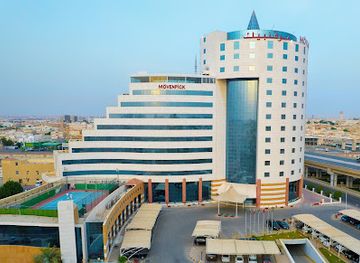
Mövenpick Qassim
Experience luxury and hospitality at Mövenpick Qassim, a premier hotel in Buraydah, Saudi Arabia, offering remarkable comfort and exquisite dining.
-
Park
King Abdullah National Park
Explore the serene landscapes and family-friendly attractions of King Abdullah National Park in Buraydah, a natural oasis in Saudi Arabia.
Explore Al-Qassim on the map
Plan your trip on one map. See where the top cities, national parks and sights are, and book hotels and experiences in a few clicks.
Best hotels in Al-Qassim
Best restaurants in Al-Qassim
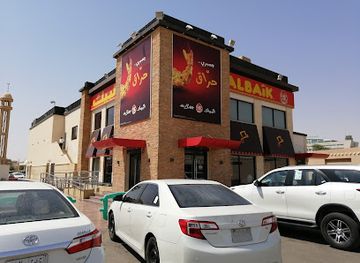
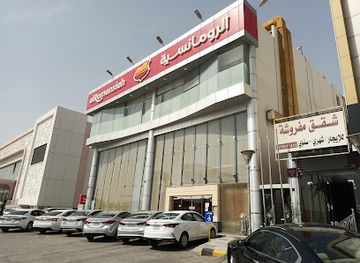
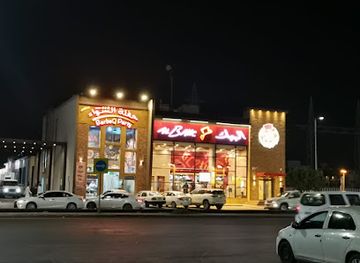
Dining in Al-Qassim reflects central Saudi Arabian food traditions and the produce of an agricultural region. Dates appear in many forms, from fresh and dried fruit to gifts served with Arabic coffee, while rice, wheat, meat and slow-cooked stews remain common foundations of local meals. In Buraydah, Unaizah and other larger towns, visitors will find traditional Saudi restaurants alongside cafés, bakeries and contemporary venues. Family-style meals may include kabsa, jareesh or other Najdi preparations, although recipes vary between households and restaurants. Local bakeries and sweet shops are useful places to look for date-based confections and wheat products. Markets and agricultural events may offer seasonal produce, but smaller vendors do not always operate to tourist-style schedules. Dining is generally more varied in Buraydah and Unaizah, while rural stops are more likely to centre on simple restaurants, tea shops and roadside refreshments. Alcohol is prohibited in Saudi Arabia, and evening dining and coffee culture provide the principal social alternatives.
-
Fast Food
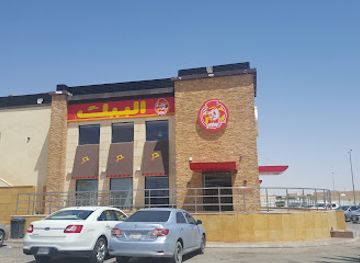
Albaik
Experience the taste of Saudi Arabia at Albaik in Buraydah - renowned for its signature broasted chicken and vibrant dining atmosphere.
-
Fast Food
AlBaik
Experience the best of Saudi fast food at AlBaik in Buraydah—famous for its crispy chicken and flavorful garlic sauce.
-
Rice restaurant
Al Romansiah - Buraydah
Experience authentic Middle Eastern and Creole cuisine at Al Romansiah in Buraydah – a culinary haven for food lovers.
-
Fast Food
Al-Baik
Experience authentic Saudi flavors at Al-Baik in Buraydah - where crispy fried chicken meets local culinary tradition.
Best bars in Al-Qassim
Al-Qassim does not have a conventional bar or nightclub scene, as alcohol is prohibited throughout Saudi Arabia and nightlife follows national regulations. Evening social life is instead centred on cafés, restaurants, dessert shops, hotel lounges, shopping areas and family-oriented public spaces. Buraydah and Unaizah offer the broadest choice, including speciality coffee, tea, modern dining and occasional cultural or live-performance programmes, while smaller towns generally become quieter after dinner. Traditional hospitality, conversation and late evening meals are more characteristic than clubbing. Seasonal festivals and heritage events may add temporary entertainment, but programmes and timings change, so visitors should check local announcements. Public conduct remains important, particularly around family areas and cultural venues; photography and filming at events should follow posted rules and organisers’ instructions.
-
Hotel
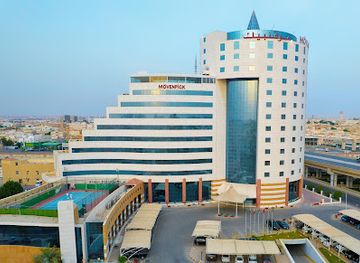
Mövenpick Qassim
Discover the elegance and luxury of Mövenpick Qassim, your perfect retreat in Buraydah, Saudi Arabia.
-
Park
King Abdullah National Park
Discover the natural beauty and tranquility of King Abdullah National Park, a perfect retreat for nature lovers and outdoor enthusiasts in Buraydah, Saudi Arabia.
-
City park
King Khalid Park
Experience the tranquility and beauty of King Khalid Park, a lush urban oasis in Buraydah perfect for relaxation and recreation.
-
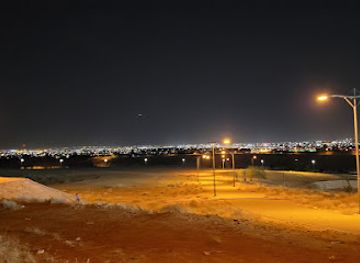
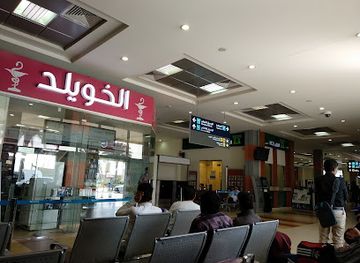
International airport
Prince Naif Bin Abdulaziz International Airport
Experience seamless travel at Prince Naif Bin Abdulaziz International Airport, your gateway to exploring the rich culture of Saudi Arabia.
Best nightclubs in Al-Qassim
Al-Qassim does not have a conventional bar or nightclub scene, as alcohol is prohibited throughout Saudi Arabia and nightlife follows national regulations. Evening social life is instead centred on cafés, restaurants, dessert shops, hotel lounges, shopping areas and family-oriented public spaces. Buraydah and Unaizah offer the broadest choice, including speciality coffee, tea, modern dining and occasional cultural or live-performance programmes, while smaller towns generally become quieter after dinner. Traditional hospitality, conversation and late evening meals are more characteristic than clubbing. Seasonal festivals and heritage events may add temporary entertainment, but programmes and timings change, so visitors should check local announcements. Public conduct remains important, particularly around family areas and cultural venues; photography and filming at events should follow posted rules and organisers’ instructions.
-
Hotel
Mövenpick Qassim
Experience unparalleled luxury and comfort at Mövenpick Qassim, your gateway to Buraydah's rich culture and vibrant hospitality.
-
Night club
شاليه لؤلؤتنا
Discover the vibrant nightlife at شاليه لؤلؤتنا, where music, dance, and socializing create unforgettable moments in Hail.
-
Night club
مضارب ابن نجم
Discover the heart of Hail's nightlife at مضارب ابن نجم, where music, dance, and unforgettable experiences await every visitor.
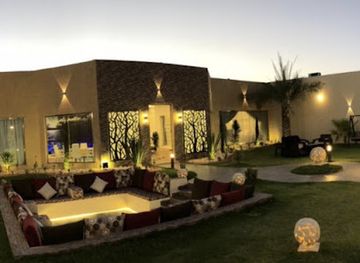
Best shops in Al-Qassim
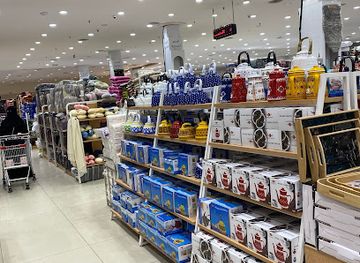
Shopping in Al-Qassim is strongest where local commerce meets agriculture. Buraydah’s date market is the signature experience, with traders offering different varieties, grades and preparations of dates, particularly during the harvest season. Visitors can also look for date syrup, packed fruit, sweets, Arabic coffee and other edible gifts in established shops and food markets. Unaizah and Al-Mithnab provide smaller-scale shopping in traditional areas, while modern malls and high streets in Buraydah and Unaizah carry national fashion, electronics, cosmetics and international brands. Local souqs and heritage markets may offer pottery, woven goods, incense, perfumes and decorative items, though stock and trading days vary. Bargaining is not appropriate everywhere, especially in fixed-price modern shops, but polite negotiation may be accepted in some traditional settings. Check food packaging and transport rules before buying fresh produce or large quantities of dates for an onward international journey.
-
Shopping mall
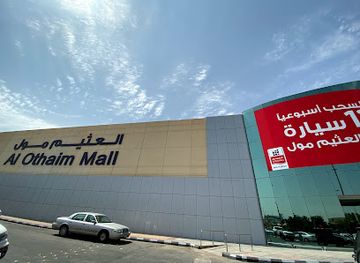
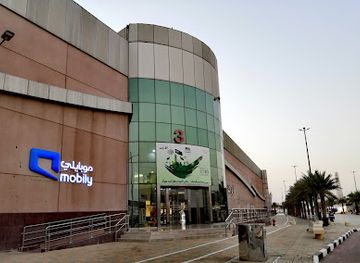
Al Othaim Mall
Explore Al Othaim Mall in Buraydah for an unforgettable shopping experience with diverse stores, dining options, and entertainment for all ages.
-
Shopping mall
Alhason Center
Experience the vibrant shopping and dining scene of Alhason Center in Buraydah, where local culture meets modern retail in a family-friendly atmosphere.
-
Shopping mall
Onaizah Mall
Discover the vibrant shopping experience at Onaizah Mall, featuring a blend of local and international brands, dining options, and family-friendly entertainment.
-
Farmers' market
Dates City
Discover a vibrant farmers' market in Buraydah, showcasing the best of local dates and produce, steeped in cultural heritage.
Get your free copy of our complete guide to Al-Qassim, delivered straight to you.
Everything on this page, from attractions and restaurants to essentials and local phrases, in one PDF you can read offline, print or share.
Already have an account? Sign in
Your Al-Qassim guide is ready.
We'll send it to · Not you? Sign out

Getting your guide ready…
We are putting together a fresh copy of the Al-Qassim guide. This can take up to a minute.
This can take a few moments. If your browser asks, choose Allow so the download can start. You'll find the guide in your Downloads folder.
Nothing happened? Download it again
Sorry, the guide is taking longer than usual. Please try again in a minute, or get it by email instead.
Al-Qassim essentials
Currency and Payment
Safety
Emergency Situations
Do's and Don'ts
Local Tips
From Eve
Local phrases worth knowing
You don't need to get them perfect. A few words go a long way, and locals appreciate the effort.
Basics
| English | Local | Say it |
|---|---|---|
| Hello | مرحبا | [Marhaban] |
| Goodbye | وداعا | [Wadā'an] |
| Yes | نعم | [Na'am] |
| No | لا | [Lā] |
| Please/You're welcome | من فضلك | [Min faḍlik] |
| Thank you | شكرا | [Shukran] |
| Excuse me/Sorry | عفوا | [ʿAfwan] |
| How are you? | كيف حالك؟ | [Kayfa ḥālak?] |
| Fine. And you? | بخير. وأنت؟ | [Bikhayr. Wa anta?] |
| Do you speak English? | هل تتحدث الإنجليزية؟ | [Hal tataḥaddath al-inglīziyyah?] |
| I don't understand | لا أفهم | [Lā afham] |
Eating & Drinking
| English | Local | Say it |
|---|---|---|
| I'd like to see the menu, please | أود رؤية القائمة، من فضلك | [Awad rūyat al-qā'imah, min faḍlik] |
| I don't eat meat | لا آكل اللحم | [Lā ākul al-laḥm] |
| Cheers! | صحة | [Ṣiḥḥa] |
| I would like to pay, please | أود الدفع، من فضلك | [Awad al-da'f, min faḍlik] |
Emergencies
| English | Local | Say it |
|---|---|---|
| Help! | النجدة! | [Al-najdah!] |
| Go away! | اذهب بعيدا! | [Idhhab baʿīdan!] |
| Call the Police! | اتصل بالشرطة! | [Ittiṣil bil-shurṭah!] |
| Call a doctor! | اتصل بطبيب! | [Ittiṣil bi-ṭabīb!] |
| I'm lost | أنا ضائع | [Ana ḍā'iʿ] |
| I'm ill | أنا مريض | [Ana marīḍ] |
Shopping
| English | Local | Say it |
|---|---|---|
| I'd like to buy... | أود شراء... | [Awad shirā'] |
| I'm just looking | أنا فقط أنظر | [Ana faḳṭ anẓur] |
| How much is it? | كم سعره؟ | [Kam siʿru?] |
| That's too expensive | هذا غالي جدا | [Hādhā ghālī jiddan] |
| Can you lower the price? | هل يمكنك تخفيض السعر؟ | [Hal yumkinuka takhfīḍ al-siʿr?] |
Time & Numbers
| English | Local | Say it |
|---|---|---|
| What time is it? | كم الساعة؟ | [Kam al-sā'ah?] |
| It's one o'clock | الساعة الواحدة | [Al-sā'ah al-wāḥidah] |
| Half past (10) | نصف (10) | [Niṣf (10)] |
| Morning | صباحا | [Ṣabāḥan] |
| Afternoon | بعد الظهر | [Baʿd al-ẓuhr] |
| Evening | مساء | [Masā'] |
| Yesterday | أمس | [Ams] |
| Today | اليوم | [Al-yawm] |
| Tomorrow | غدا | [Ghadā] |
| 1 | 1 | [1] |
| 2 | 2 | [2] |
| 3 | 3 | [3] |
| 4 | 4 | [4] |
| 5 | 5 | [5] |
| 6 | 6 | [6] |
| 7 | 7 | [7] |
| 8 | 8 | [8] |
| 9 | 9 | [9] |
| 10 | 10 | [10] |
Transport & Directions
| English | Local | Say it |
|---|---|---|
| Where's a/the...? | أين...؟ | [Ayn...?] |
| What's the address? | ما هو العنوان؟ | [Mā huwa al-ʿunwān?] |
| Can you show me (on the map)? | هل يمكنك أن تريني (على الخريطة)؟ | [Hal yumkinuka an turīnī (ʿalā al-kharīṭah)?] |
| When's the next (bus)? | متى تأتي (الحافلة) التالية؟ | [Matā ta'tī (al-ḥāfilah) al-tāliyah?] |
| A ticket (to ....) | تذكرة (إلى ...) | [Tadhkarah (ilā ...)] |
History of Al-Qassim
Early Settlement and the Najdi Environment
Al-Qassim’s history has been shaped by the availability of groundwater, seasonal drainage and cultivable soils within central Arabia. Archaeological evidence from the wider Najd region demonstrates long periods of human activity, although many early sites are not arranged as conventional visitor attractions. Over time, settled communities developed around wells and oasis agriculture, growing grains and dates and maintaining links with pastoral groups. The region’s position between central Arabian settlements also helped sustain movement, exchange and communication across the interior.
Oasis Towns and Regional Trade
Before modern highways and commercial agriculture, Al-Qassim’s towns functioned as interconnected market and farming communities. Buraydah and Unaizah became particularly important centres for dates, grain, livestock and other goods, while smaller settlements maintained irrigated gardens and local craft traditions. Caravan movement through Najd was not comparable to the major international ports of the Arabian Peninsula, but inland trade routes gave Al-Qassim a durable role in connecting central Arabian communities. Traditional town plans, courtyard houses and market areas preserve traces of this economic world.
The First Saudi State and the Unification of Najd
The towns of Al-Qassim were drawn into the political struggles that affected Najd during the eighteenth and nineteenth centuries. The First Saudi State expanded from Diriyah before being defeated by Ottoman-Egyptian forces in the early nineteenth century, after which power in central Arabia remained contested. Later Saudi rulers rebuilt their authority, while local town leaders and prominent families negotiated changing alliances. Al-Qassim’s strategic agricultural base and established settlements made control of the region important to wider efforts to consolidate Najd.
The Second Saudi State and Local Autonomy
During the period of the Second Saudi State in the nineteenth century, Al-Qassim remained an important but politically contested part of central Arabia. Rivalries among local communities and regional powers affected towns such as Buraydah and Unaizah, whose agricultural wealth and market activity gave them influence beyond their size. These conflicts left a legacy of fortified houses, defensive walls and stories of negotiation among local leaders. The region’s later political history cannot be separated from the strength of its settled town communities and their control of productive oases.
Ibn Saud and the Formation of Modern Saudi Arabia
In the early twentieth century, Abdulaziz Ibn Saud progressively brought the central Arabian regions into the kingdom that became Saudi Arabia in 1932. Al-Qassim’s towns formed part of this wider process of political unification, which replaced shifting local and regional authority with a central state. The subsequent development of roads, public administration, education and public services gradually connected the region more closely with Riyadh and other parts of the country. Modern Buraydah and the surrounding towns grew from these established settlements rather than appearing independently of them.
Agricultural Modernisation and the Date Economy
The expansion of modern infrastructure and irrigation transformed Al-Qassim’s agricultural economy during the twentieth century. Date cultivation remained central, but improved roads, markets, storage and agricultural technology allowed producers to reach consumers across Saudi Arabia and beyond. Buraydah’s large date market became a visible expression of this continuing trade, while farming districts around the region retained their groves and seasonal rhythms. Today, Al-Qassim combines mechanised and commercial agriculture with older knowledge of date varieties, cultivation and hospitality.
Scholarship, Education and Contemporary Cultural Life
Al-Qassim has long supported religious learning, poetry, commerce and local literary culture. Unaizah is particularly associated with scholars and an active intellectual tradition, including the influential twentieth-century religious scholar Muhammad ibn Salih al-Uthaymeen, who was born there. In the contemporary region, universities, museums, cultural centres, festivals and restored heritage buildings sit alongside traditional markets and farming communities. This combination gives Al-Qassim a cultural identity that is rooted in Najdi history but shaped by the institutions and mobility of modern Saudi Arabia.
Al-Qassim in Photos
Browse through our photo collection highlighting the charm and character of the destination.
Neighbouring regions of Al-Qassim
The closest regions to Al-Qassim, if you have time for more than one.
-

-

-

-

-


Swipe for more regions
Explore more

Explore more of Saudi Arabia
Discover the rich heritage, stunning landscapes, and warm hospitality of Saudi Arabia, where ancient traditions meet modern wonders in a truly unique travel experience.
Explore Saudi Arabia