

Free Al-Jawf Travel Guide & Mobile App
Explore Al-Jawf with free travel guides. Discover regional history, expert tips, proposed trips, and audio guides on web or mobile app.


Explore Al-Jawf in northern Saudi Arabia for ancient oases, desert archaeology, olive groves, castles and historic Dumat al-Jandal.
Read more about Al-Jawf
When is the best time to visit Al-Jawf?
Best: February–March, November · 21–24°C| Month | High (°C) | Rainfall (mm) |
|---|---|---|
| January | 18 | 2 |
| February (best) | 21 | 2 |
| March (best) | 24 | 3 |
| April | 29 | 2 |
| May | 34 | 1 |
| June | 37 | 0 |
| July | 39 | 0 |
| August | 39 | 0 |
| September | 36 | 1 |
| October | 31 | 1 |
| November (best) | 24 | 2 |
| December | 19 | 3 |
Getting to and around Al-Jawf
How to get there
Transportation
Top city travel guides in Al-Jawf
The cities of Al-Jawf, and the easiest places to base yourself.
-

-

-

-


Swipe for more cities
Destinations in Al-Jawf
Resorts, valleys and scenic spots worth a trip of their own.

Swipe for more destinations
Best attractions in Al-Jawf
Al-Jawf’s attractions are spread across a large inland province and centre on the meeting of archaeology, oasis settlement and agricultural landscape. Around Sakaka, visitors can explore Za'abal Castle and the Rajajil standing stones, whose open setting gives a strong impression of the region’s prehistoric past. Dumat al-Jandal offers the most concentrated heritage experience, with Marid Castle, the old town, the historic mosque and archaeological remains associated with a long-lived oasis community. The former lake basin near Dumat al-Jandal adds a changing natural element, although water levels and access conditions vary. In the broader countryside, olive groves, date plantations, basalt outcrops and desert plains reveal how irrigation and farming have shaped a dry environment. Qurayyat and Tabarjal provide different perspectives on the province’s northern settlements and modern agricultural economy. Visitors should expect museums and heritage sites to be complemented by open-air exploration rather than by a dense sequence of formal attractions. Outdoor visits are most comfortable in the cooler seasons, and remote locations require advance route planning, water and reliable navigation.
-
Garden
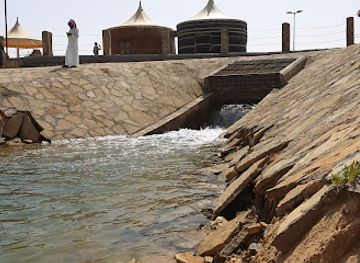
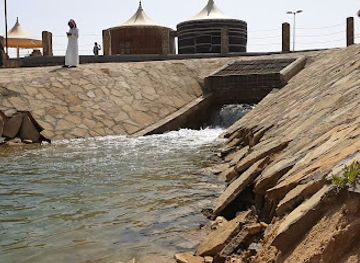
Park Lake Jandal in Al-Joufㅤ
Discover tranquility at Park Lake Jandal, a beautiful garden oasis in Al-Jouf, perfect for relaxation, recreation, and picturesque views.
-
Tourist attraction
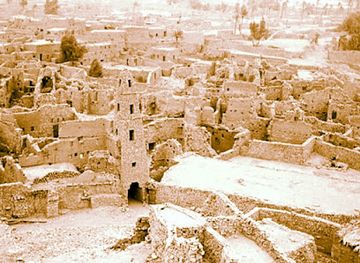
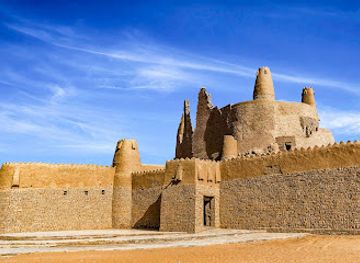
Marid Castle
Explore the breathtaking Marid Castle in Dumat Al Jandal, Saudi Arabia, a historical marvel offering stunning architecture and panoramic views.
-
Park
King Abdulaziz Park
Explore the lush greenery and vibrant landscapes of King Abdulaziz Park, a serene oasis in the heart of Tabuk, Saudi Arabia.
-
Tourist attraction
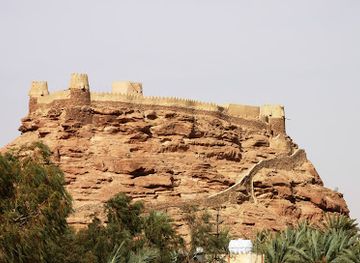
قلعة زعبل |Zaabal Castle
Explore the historical Zaabal Castle in Sakaka, a stunning heritage site showcasing the rich culture and breathtaking views of Saudi Arabia.
Best landmarks in Al-Jawf
Marid Castle is Al-Jawf’s most recognisable historic landmark, rising above Dumat al-Jandal and presenting the visual relationship between a defensive stronghold, the old oasis and the surrounding open country. Nearby, the Umar ibn al-Khattab Mosque is an important example of historic religious architecture associated with the old settlement, with its simple form and traditional construction conveying the character of the oasis town. In Sakaka, Za'abal Castle occupies a rocky height overlooking the agricultural plain and illustrates the defensive importance of the oasis. The Rajajil stones, set across an exposed landscape south of Sakaka, are a landmark of a different kind: prehistoric standing pillars whose purpose remains uncertain but whose arrangement and setting are central to Al-Jawf’s archaeological identity. Dumat al-Jandal’s old lanes, walls and surviving buildings form a wider historic landscape rather than a single monument. The province’s olive groves and basaltic hills also function as geographical landmarks, marking the contrast between irrigated settlement and the dry northern Arabian terrain.
-
Hotel
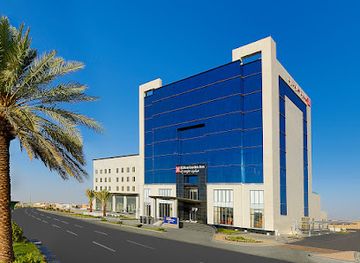
Hilton Garden Inn Tabuk
Experience comfort and convenience at Hilton Garden Inn Tabuk, your perfect base for exploring the beauty and history of Saudi Arabia.
-
Garden
Park Lake Jandal in Al-Joufㅤ
Explore the lush beauty of Park Lake Jandal in Al-Jouf, a serene garden oasis perfect for relaxation, picnics, and breathtaking nature photography.
-
Tourist attraction
Marid Castle
Explore Marid Castle in Dumat al-Jandal, a historical gem showcasing Saudi Arabia's rich heritage through stunning architecture and captivating stories.
-
Domestic airport
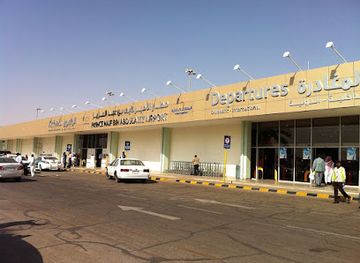
Al Jouf Domestic Airport
Discover Al Jouf Domestic Airport, your gateway to Saudi Arabia's rich culture, stunning landscapes, and warm hospitality in the heart of the Al Jouf region.
Explore Al-Jawf on the map
Plan your trip on one map. See where the top cities, national parks and sights are, and book hotels and experiences in a few clicks.
Best hotels in Al-Jawf
Best restaurants in Al-Jawf
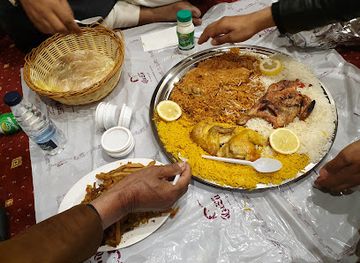
Dining in Al-Jawf reflects northern Saudi home cooking, oasis agriculture and the province’s olive-growing economy. In Sakaka, Dumat al-Jandal and Qurayyat, restaurants serve familiar Saudi dishes such as rice with meat or chicken, kabsa, grilled meats, soups and savoury breads, alongside regional-style breakfasts and tea. Dates remain an important local product, while olives and olive oil are increasingly prominent in shops, farm outlets and seasonal food events. Palm groves and irrigated farms also supply fruit and vegetables, and packaged local produce makes a practical souvenir. Cafés and casual restaurants are concentrated in the larger towns; in smaller settlements, dining is more likely to centre on straightforward family restaurants, bakeries and tea shops than elaborate international menus. Prices and opening arrangements vary, particularly outside the main centres, so carrying water and planning meals between long drives is sensible. During Ramadan, daytime dining follows national religious and legal customs, with evening meals becoming more prominent after sunset.
-
American
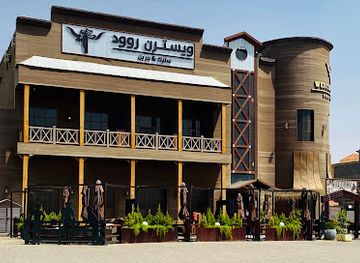
Western Road Steak & Grill
Experience the finest American dining at Western Road Steak & Grill in Tabuk - where every bite is a celebration of flavor.
-
Restaurant
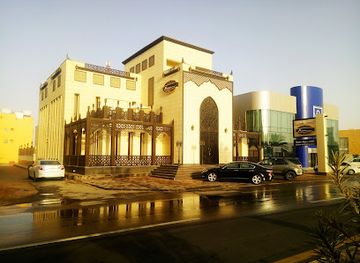
alRomansiah
Experience authentic Saudi cuisine at alRomansiah in Sakaka – where tradition meets flavor in every dish.
-
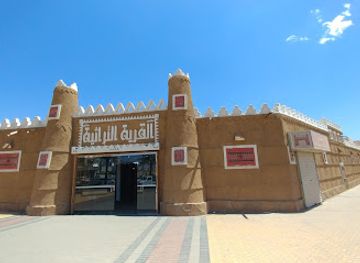
Al-Qaryah Al-Turathiyah Restaurant
Discover authentic Saudi cuisine at Al-Qaryah Al-Turathiyah Restaurant in Tabuk, where tradition meets flavor in every bite.
-
Italian
Amas Restaurant
Experience authentic Italian flavors at Amas Restaurant in Sakaka, where every dish tells a story of culinary tradition.
Best bars in Al-Jawf
Al-Jawf does not have a conventional bar or nightclub scene: alcohol is prohibited in Saudi Arabia, and evening social life is organised around family restaurants, cafés, tea shops and public hospitality. Sakaka offers the broadest choice of cafés and late dining, while Dumat al-Jandal and Qurayyat provide quieter evenings focused on food, conversation and local gatherings. Coffee houses may serve Saudi coffee, tea, pastries and light meals, and shopping or hotel areas can remain active after sunset, especially in cooler weather. Cultural and heritage visits are generally daytime activities, although local festivals or agricultural events may add seasonal evening entertainment when scheduled. Visitors should check current arrangements locally rather than expect a fixed nightlife district, and should remember that Ramadan, religious holidays and family-oriented customs influence operating patterns throughout the province.
-
Cafe
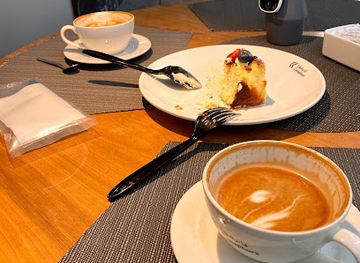
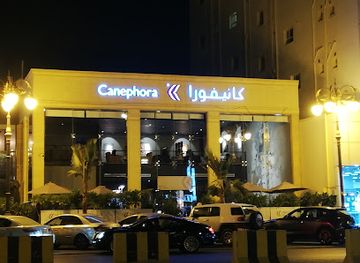
Canephora
Discover Canephora, the perfect cafe in Tabuk for coffee lovers and relaxation seekers, offering a cozy atmosphere and delicious treats.
-
American
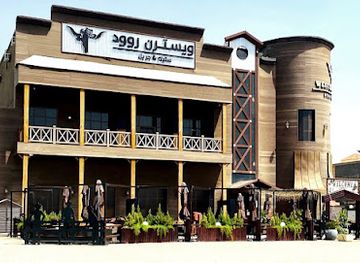
Western Road Steak & Grill
Experience the best of American cuisine at Western Road Steak & Grill in Tabuk, where every bite delivers flavor and satisfaction.
-
Restaurant
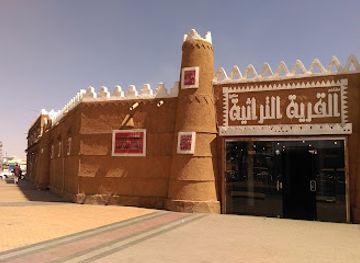
Al-Qaryah Al-Turathiyah Restaurant
Discover the rich flavors and cultural heritage of Saudi Arabia at Al-Qaryah Al-Turathiyah Restaurant in Tabuk.
-
Hotel
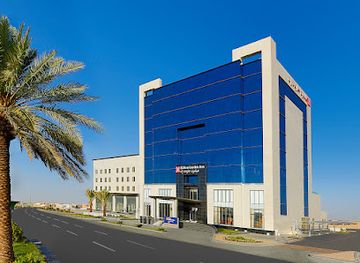
Hilton Garden Inn Tabuk
Discover the perfect blend of comfort and convenience at Hilton Garden Inn Tabuk, your gateway to exploring Saudi Arabia's beautiful Tabuk region.
Best nightclubs in Al-Jawf
Al-Jawf does not have a conventional bar or nightclub scene: alcohol is prohibited in Saudi Arabia, and evening social life is organised around family restaurants, cafés, tea shops and public hospitality. Sakaka offers the broadest choice of cafés and late dining, while Dumat al-Jandal and Qurayyat provide quieter evenings focused on food, conversation and local gatherings. Coffee houses may serve Saudi coffee, tea, pastries and light meals, and shopping or hotel areas can remain active after sunset, especially in cooler weather. Cultural and heritage visits are generally daytime activities, although local festivals or agricultural events may add seasonal evening entertainment when scheduled. Visitors should check current arrangements locally rather than expect a fixed nightlife district, and should remember that Ramadan, religious holidays and family-oriented customs influence operating patterns throughout the province.
-
Hypermarket
LuLu Hypermarket - Tabuk Park Mall
Discover an exciting shopping experience at LuLu Hypermarket in Tabuk Park Mall, featuring local specialties, global brands, and family-friendly options.
-
Cafe
Canephora
Explore Canephora in Tabuk: A delightful café and lounge offering gourmet coffee, delectable snacks, and a warm atmosphere perfect for relaxation and socializing.
-
 Hotel
HotelHoliday Inn Tabuk, an IHG Hotel
Experience modern comfort and convenience at Holiday Inn Tabuk, your ideal stay in the heart of Saudi Arabia's vibrant Sultanah.
-
Night club
قصر وقاعة بانوراما
Discover the electrifying nightlife of Tabuk at قصر وقاعة بانوراما, a premier night club offering music, dance, and a vibrant atmosphere.

Best shops in Al-Jawf
Shopping in Al-Jawf is strongest for agricultural products, everyday goods and locally connected souvenirs rather than luxury retail. Sakaka provides the largest concentration of supermarkets, modern shops and commercial services, while Dumat al-Jandal and Qurayyat offer smaller markets and independent retailers around their town centres. Look for packaged olive oil, table olives, dates, date products, honey, spices and locally produced food items, checking labels and packaging if the goods are intended for international travel. Traditional coffee accessories, modest handicrafts and regionally themed gifts may also be available, although selection varies between shops and seasons. Agricultural outlets and seasonal markets can be especially useful during olive and date harvest periods, but market dates and stock are not fixed year-round. Bargaining is not universal in formal shops; it is more likely in some traditional market settings, where courteous negotiation is appropriate. Large roadside service areas may be convenient for snacks and dates, but specialist local products are more likely to be found in established town shops.
-
Shopping mall
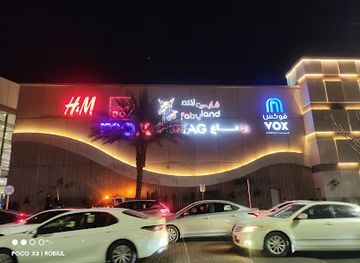
Tabuk Park
Explore Tabuk Park, a premier shopping mall in Saudi Arabia, offering diverse shops, delightful dining, and family-friendly entertainment.
-
Shopping mall
Tabuk Park | تبوك بارك
Explore Tabuk Park, your ultimate shopping destination in Tabuk, Saudi Arabia, featuring diverse shops, dining options, and vibrant local culture.
-
Hypermarket
LuLu Hypermarket - Tabuk Park Mall
Experience the best of shopping at LuLu Hypermarket in Tabuk Park Mall, where variety meets quality in a vibrant atmosphere.
-
Shopping mall
Saving World
Explore the vibrant Saving World Shopping Mall in Tabuk, a shopping haven offering local and international brands, dining, and entertainment for an unforgettable experience.

Get your free copy of our complete guide to Al-Jawf, delivered straight to you.
Everything on this page, from attractions and restaurants to essentials and local phrases, in one PDF you can read offline, print or share.
Already have an account? Sign in
Your Al-Jawf guide is ready.
We'll send it to · Not you? Sign out

Getting your guide ready…
We are putting together a fresh copy of the Al-Jawf guide. This can take up to a minute.
This can take a few moments. If your browser asks, choose Allow so the download can start. You'll find the guide in your Downloads folder.
Nothing happened? Download it again
Sorry, the guide is taking longer than usual. Please try again in a minute, or get it by email instead.
Al-Jawf essentials
Currency and Payment
Safety
Emergency Situations
Do's and Don'ts
Local Tips
From Eve
Local phrases worth knowing
You don't need to get them perfect. A few words go a long way, and locals appreciate the effort.
Basics
| English | Local | Say it |
|---|---|---|
| Hello | مرحبا | [Marhaban] |
| Goodbye | مع السلامة | [Ma'a as-salama] |
| Yes | نعم | [Na'am] |
| No | لا | [La] |
| Please/You're welcome | تفضل | [Tafaddal] |
| Thank you | شكرا | [Shukran] |
| Excuse me/Sorry | عفوا | [Afwan] |
| How are you? | كيف حالك؟ | [Kayfa halak?] |
| Fine. And you? | بخير. وانت؟ | [Bikhayr. Wa anta?] |
| Do you speak English? | هل تتحدث الإنجليزية؟ | [Hal tatahaddath al-ingliziyya?] |
| I don't understand | لا أفهم | [La afham] |
Eating & Drinking
| English | Local | Say it |
|---|---|---|
| I'd like to see the menu, please | أود رؤية القائمة، من فضلك | [Awad ru'yat al-qa'ima, min fadlik] |
| I don't eat meat | لا آكل اللحم | [La akul al-lahm] |
| Cheers! | في صحتك! | [Fi sihtak!] |
| I would like to pay, please | أود الدفع، من فضلك | [Awad al-daf', min fadlik] |
Emergencies
| English | Local | Say it |
|---|---|---|
| Help! | أغاثني! | [Aghithni!] |
| Go away! | اذهب بعيدا! | [Izhab ba'idan!] |
| Call the Police! | اتصل بالشرطة! | [Ittasil bil-shurta!] |
| Call a doctor! | اتصل بالطبيب! | [Ittasil bil-tabeeb!] |
| I'm lost | أنا ضائع | [Ana da'i'] |
| I'm ill | أنا مريض | [Ana marid] |
Shopping
| English | Local | Say it |
|---|---|---|
| I'd like to buy... | أود شراء... | [Awad shira'a...] |
| I'm just looking | أنا فقط أبحث | [Ana faqat abhas] |
| How much is it? | كم سعره؟ | [Kam si'ruh?] |
| That's too expensive | هذا غالي جدا | [Hatha ghali jidan] |
| Can you lower the price? | هل يمكنك تخفيض السعر؟ | [Hal yumkinuka takhfidh al-si'r?] |
Time & Numbers
| English | Local | Say it |
|---|---|---|
| What time is it? | كم الساعة؟ | [Kam al-saa'a?] |
| It's one o'clock | إنها الساعة الواحدة | [Innaha al-saa'a al-wahida] |
| Half past (10) | نصف الساعة (10) | [Nisf al-saa'a (10)] |
| Morning | صباحا | [Sabahan] |
| Afternoon | بعد الظهر | [Ba'ad al-zuhur] |
| Evening | مساءا | [Masa'an] |
| Yesterday | أمس | [Ams] |
| Today | اليوم | [Al-yawm] |
| Tomorrow | غدا | [Ghadan] |
| 1 | واحد | [Wahid] |
| 2 | اثنان | [Ithnan] |
| 3 | ثلاثة | [Thalatha] |
| 4 | أربعة | [Arba'a] |
| 5 | خمسة | [Khamsa] |
| 6 | ستة | [Sitta] |
| 7 | سبعة | [Sab'a] |
| 8 | ثمانية | [Thamaniya] |
| 9 | تسعة | [Tis'a] |
| 10 | عشرة | [Ashara] |
Transport & Directions
| English | Local | Say it |
|---|---|---|
| Where's a/the...? | أين يمكنني العثور على...؟ | [Ayn yumkinuni al-i'thiru 'ala...?] |
| What's the address? | ما هو العنوان؟ | [Ma huwa al-unwan?] |
| Can you show me (on the map)? | هل يمكنك إظهار لي (على الخريطة)؟ | [Hal yumkinuka izhar li (ala al-kharita)?] |
| When's the next (bus)? | متى ستكون الحافلة القادمة؟ | [Mata satakoon al-hafila al-qadima?] |
| A ticket (to ....) | تذكرة (إلى....) | [Tadhkira (ila....)] |
History of Al-Jawf
Prehistoric Al-Jawf and the Rajajil Stones
Al-Jawf contains important evidence of early human activity in northern Arabia, including stone tools and prehistoric landscapes associated with the region’s ancient lakes, springs and migration routes. The Rajajil site near Sakaka is formed by groups of tall, weathered stone pillars arranged across an open plain. Their precise purpose remains debated, but the site demonstrates that organised communities were using and marking this landscape thousands of years ago. The stones are significant not simply as isolated monuments, but as evidence of long-term human engagement with the changing environments of northern Arabia.
Dumat al-Jandal in the Ancient Levantine Trade World
Dumat al-Jandal developed around an oasis and became a prominent settlement on routes connecting Arabia with the Levant and Mesopotamia. Its name appears in ancient Near Eastern records, and the settlement was known to outside powers because of its strategic position and resources. Control of the oasis brought political as well as commercial importance. The surviving archaeological remains around the old town, together with the later castle and mosque, reflect the repeated rebuilding and adaptation of a place that remained valuable because water and routes converged there.
Nabataean, Roman and Early Islamic Influences
Northern Arabia stood between the great centres of the Levant and the Arabian interior, bringing Al-Jawf into successive spheres of influence. Nabataean and Roman connections are visible in the wider archaeological record of the north-west, while Dumat al-Jandal retained importance during the transition to Islam. Early Islamic accounts describe the oasis as a significant settlement, and its strategic position later made it relevant to regional rulers and pilgrimage-era movement. Al-Jawf’s history is therefore best understood as connected to wider networks rather than as an isolated desert story.
The Medieval Oasis and Marid Castle
During the medieval period, Dumat al-Jandal remained an oasis settlement protected and symbolised by Marid Castle. Built and modified over different phases, the fortress occupies a commanding position above the old town and its palm groves. Nearby religious and domestic buildings show how defence, worship and everyday life were closely connected in an oasis community. The castle’s irregular form and elevated setting are reminders that control of water, agriculture and movement was central to political authority in northern Arabia.
Sakaka, Local Rule and the Formation of Modern Saudi Arabia
Sakaka and the surrounding oasis settlements were shaped by local families, shifting regional alliances and the wider political contests of the Arabian Peninsula. Their incorporation into the modern Saudi state took place during the campaigns that consolidated the Kingdom in the early twentieth century. The process linked Al-Jawf more closely to national administration, roads and public services while preserving the importance of its established agricultural communities. Castles, old quarters and oasis boundaries remain visible reminders of the political geography that preceded modern provincial government.
Agricultural Transformation and the Olive Economy
Modern investment in irrigation, wells, roads and agricultural technology transformed parts of Al-Jawf from traditional oasis farming into a large-scale agricultural region. Olive cultivation became especially prominent, complementing older production of dates and other fruit. The province’s dry climate and open land have supported extensive groves, processing and seasonal agricultural activity. This transformation has given Al-Jawf a contemporary identity that combines archaeological heritage with food production, while also making careful water management an important long-term environmental concern.
Al-Jawf in Photos
Browse through our photo collection highlighting the charm and character of the destination.
Neighbouring regions of Al-Jawf
The closest regions to Al-Jawf, if you have time for more than one.
-

-

-

-

-


Swipe for more regions
Explore more

Explore more of Saudi Arabia
Discover the rich heritage, stunning landscapes, and warm hospitality of Saudi Arabia, where ancient traditions meet modern wonders in a truly unique travel experience.
Explore Saudi Arabia