

Northern Borders, Saudi Arabia Travel Guide
Discover the hidden beauty and rich history of Saudi Arabia's Northern Borders, a region of vast deserts, ancient ruins, and vibrant Bedouin culture.
The Northern Borders region of Saudi Arabia is a hidden gem waiting to be discovered by intrepid travelers. This area is characterized by its vast desert landscapes, historical sites, and rich cultural heritage. It offers a unique blend of ancient history and natural beauty, making it an ideal destination for those seeking an off-the-beaten-path adventure. One of the most captivating aspects of the Northern Borders is its pristine desert environment. The Rub' al Khali, or Empty Quarter, is one of the world's largest sand deserts and presents an awe-inspiring landscape of rolling dunes and endless horizons. Visitors can experience the serenity and majesty of the desert, whether through a thrilling dune-bashing excursion or a tranquil camel ride at sunset. The region is also steeped in history, with several archaeological sites that date back thousands of years. The ancient city of Al-Ula, a UNESCO World Heritage site, offers a glimpse into the past with its well-preserved ruins and rock art. Nearby, the mysterious Nabatean tombs of Madain Saleh stand as a testament to the area's historical significance. Cultural enthusiasts will appreciate the traditional Bedouin way of life that is still prevalent in the Northern Borders. Visitors can immerse themselves in local customs, enjoy traditional music and dance, and savor authentic Saudi cuisine. The hospitality of the local people adds a warm and welcoming dimension to any visit. For those interested in nature and wildlife, the Northern Borders also boasts several protected areas and nature reserves. Birdwatchers will be delighted by the diverse avian species that inhabit the region, while nature lovers can explore the unique flora and fauna that thrive in this arid environment.

Know before you go
Hi, I'm Eve. Here are a few practical things to know before exploring Northern Borders.
- Visit during the cooler months (November to March) to avoid the extreme heat of the summer.
- Hire a local guide to explore the desert safely and gain insights into the region's history and culture.
- Pack plenty of water, sunscreen, and protective clothing for desert excursions.
- Respect local customs and dress modestly, particularly when visiting rural areas and cultural sites.
- Experience a traditional Bedouin camp for an authentic taste of local life and hospitality.
Top City Travel Guides in Northern Borders
The cities of Northern Borders, and the easiest places to base yourself.

Explore Northern Borders: Things to Do, Places to Eat, Hotels & More
Handpicked recommendations for top attractions, local dining, accommodations, and more

Top Attractions & Sightseeing in Northern Borders
Top-rated picks
Best Attractions

The National Museum
Explore the National Museum in Riyadh for an immersive experience into Saudi Arabia's diverse history and rich cultural heritage.

Duck Lake
Experience the serene beauty of Duck Lake in Al Khobar, a perfect natural retreat for relaxation, fishing, and family fun amidst lush landscapes.

Imam Turki Royal Nature Reserve
Explore the majestic Imam Turki Royal Nature Reserve, a serene escape into nature filled with diverse wildlife and breathtaking landscapes in Saudi Arabia.

Saja and Umm Al Ramth Wildlife Sanctuary
Explore the breathtaking landscapes and diverse wildlife at Saja and Umm Al Ramth Wildlife Sanctuary in Dhalm, Saudi Arabia, a true nature lover's paradise.

Best landmarks in Northern Borders
Top-rated picks
Best Landmarks

Al Masmak Palace Museum
Explore the rich history and culture of Saudi Arabia at Al Masmak Palace Museum, an archaeological marvel in Riyadh's historic heart.

Imam Turki Royal Nature Reserve
Experience the serene beauty and rich biodiversity of Imam Turki Royal Nature Reserve, a premier destination for nature lovers in Saudi Arabia.

Makka-Riyadh Border
Explore the Makka-Riyadh Border, a historical landmark that connects the sacred city of Mecca with the vibrant capital of Riyadh, showcasing Saudi Arabia's rich heritage.
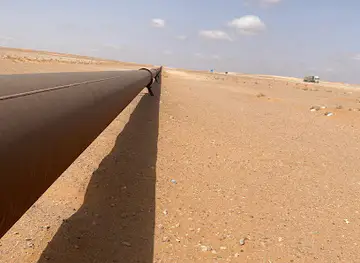
محطة قديمه مهجوره من ايام التابلاين
Explore the historic Al-Hegrah Station in Arar, a captivating landmark that reflects Saudi Arabia's rich heritage and architectural beauty.

Best restaurants in Northern Borders
Top-rated picks
Best Restaurants

Blue Ocean Restaurant
Discover culinary excellence at Blue Ocean Restaurant in Jeddah, where American flavors meet fresh seafood delights against stunning ocean views.
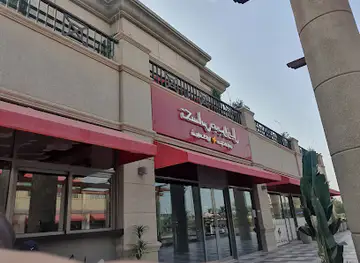
Texas de Brazil
Experience the vibrant flavors of Brazilian cuisine at Texas de Brazil in Riyadh – where every meal is a celebration of taste.

Assaraya Turkish Restaurant
Experience the essence of Turkey at Assaraya Turkish Restaurant in Riyadh—delicious food, warm hospitality, and a vibrant atmosphere await you.

Najd Village
Discover authentic Saudi flavors at Najd Village – where tradition meets taste in Riyadh's cultural heart.

Best bars in Northern Borders
Top-rated picks
Best Bars

LuLu Hypermarket - Riyadh Avenue Mall - Murabba
Discover a world of shopping at LuLu Hypermarket - your one-stop destination for groceries, fashion, and electronics in Riyadh.

LuLu Hypermarket - Khurais Rd
Discover a world of shopping at LuLu Hypermarket in Riyadh, offering diverse products from fresh produce to fashion and electronics.

LuLu Hypermarket - Al Yasmin
Discover LuLu Hypermarket - Al Yasmin, Riyadh's ultimate shopping destination with an extensive range of products from groceries to fashion.

SACO World | Northern Ring Road
Explore SACO World in Riyadh for all your appliance and hardware needs, offering quality products and expert advice for home improvement enthusiasts.

Best nightclubs in Northern Borders
Top-rated picks
Best Nightclubs

صالة الامجاد : بلياردو و بلايستيشن و فرفيره
Experience the vibrant gaming culture at صالة الامجاد, Makkah's premier billiard and gaming club for an unforgettable time.

White Sand Lounge - Saudi Aramco
Discover tranquility at the White Sand Lounge in Ras Tanura, where relaxation meets stunning views of the Arabian Gulf.

قهوة العجاج
Experience the vibrant nightlife at قهوة العجاج, Riyadh's premier night club with lively music, delicious drinks, and an energetic atmosphere.

المشعليه بالرواما
Discover the lively nightlife of الناصفة at المشعليه بالرواما, a premier nightclub with music, drinks, and unforgettable experiences.

Best shops in Northern Borders
Top-rated picks
Best Shops

Red Sea Mall
Discover Red Sea Mall, Jeddah's ultimate shopping haven with diverse stores, exquisite dining, and family-friendly entertainment.

Riyadh Gallery Mall
Discover Riyadh Gallery Mall: A shopping paradise in the heart of Riyadh, blending modern retail with local culture and entertainment.

Cenomi Dhahran Mall
Explore Cenomi Dhahran Mall, a vibrant shopping haven with diverse brands, delicious dining options, and entertainment for the whole family.

Granada Mall
Explore the vibrant Granada Mall in Riyadh, a shopping paradise featuring a variety of brands, dining options, and entertainment for all ages.

Explore Northern Borders on the Map
A handpicked selection of must-see spots in Northern Borders, mapped for you.
Northern Borders Essentials
-
The Northern Borders region of Saudi Arabia is accessible primarily by air and road. The nearest major airport is Arar Domestic Airport (RAE), which has regular flights from Riyadh and Jeddah. From the airport, you can take a taxi or rent a car to explore the region. If you prefer traveling by road, the region is well-connected by highways, and you can drive from Riyadh or other major cities. Bus services also operate between major cities and the Northern Borders region.
-
Within the Northern Borders, transportation options include taxis, car rentals, and limited public buses. Taxis are widely available and can be hailed on the street or booked via phone apps. Renting a car is a convenient option for exploring the region at your own pace. Public transportation is not as developed, so having your own vehicle is often the best choice for getting around.
-
The official currency in Saudi Arabia is the Saudi Riyal (SAR). Credit cards are widely accepted in hotels, restaurants, and larger shops. However, it is advisable to carry some cash for smaller establishments and local markets. ATMs are readily available in major towns like Arar and Rafha, allowing you to withdraw cash as needed.
-
The Northern Borders region is generally safe for tourists, with low crime rates. However, it is always wise to take standard precautions. Avoid walking alone at night in unfamiliar areas and keep an eye on your belongings in crowded places. There are no specific high-crime areas targeting tourists, but staying vigilant and aware of your surroundings is recommended.
-
In case of emergency, dial 999 for police assistance, 997 for ambulance services, and 998 for fire emergencies. Medical facilities are available in major towns like Arar and Rafha. It is advisable to have travel insurance that covers medical emergencies. Pharmacies are also available for minor health issues where you can purchase over-the-counter medications.
-
Fashion: Do dress modestly, with men and women covering their shoulders and knees. Avoid wearing revealing clothing. Religion: Do respect local customs and traditions, especially during prayer times. Avoid public displays of affection. Public Transport: Do be courteous and offer your seat to elderly passengers. Avoid eating or drinking on public transport. Greetings: Do greet people with a handshake and say 'As-Salamu Alaykum'. Avoid overly familiar gestures. Eating & Drinking: Do try local cuisine and accept food offerings graciously. Don't refuse hospitality, as it is considered impolite.
-
To experience Northern Borders like a local, visit traditional markets (souks) where you can buy local crafts and produce. Engage with locals, who are often friendly and eager to share stories about their culture and history. Don't miss visiting historical sites like the ancient city of Dumat Al-Jandal. For a unique experience, explore the desert landscapes and try activities like sandboarding and camel riding.
When is the best time to visit Northern Borders?
Useful Local Phrases for Northern Borders
You don't need to speak the language perfectly. Even learning a few simple words can make conversations warmer—and locals usually appreciate the effort.
— Eve

Here are the phrases I use most often in Northern Borders. Try a few—you'll be surprised how far they go! 😊
❤️
-
- Helloمرحبا
[Marhaba] - Goodbyeوداعا
[Wada'an] - Yesنعم
[Na'am] - Noلا
[La] - Please/You're welcomeمن فضلك
[Min fadlik] - Thank youشكرا
[Shukran] - Excuse me/Sorryعفوا
[Afwan] - How are you?كيف حالك؟
[Kayfa halak?] - Fine. And you?بخير. وأنت؟
[Bikhayr. Wa anta?] - Do you speak English?هل تتحدث الإنجليزية؟
[Hal tatahadath al-ingliziyya?] - I don't understandلا أفهم
[La afham]
- Helloمرحبا
-
- I'd like to see the menu, pleaseأود رؤية القائمة، من فضلك
[Awad ru'yat al-qa'ima, min fadlik] - I don't eat meatلا آكل اللحم
[La akul al-lahm] - Cheers!في صحتك!
[Fi sihtak!] - I would like to pay, pleaseأود الدفع، من فضلك
[Awad ad-daf', min fadlik]
- I'd like to see the menu, pleaseأود رؤية القائمة، من فضلك
-
- Help!ساعدني!
[Sa'idni!] - Go away!اذهب بعيدا!
[Idhhab ba'idan!] - Call the Police!اتصل بالشرطة!
[Ittasil bil-shurta!] - Call a doctor!اتصل بطبيب!
[Ittasil bi-tabeeb!] - I'm lostأنا ضائع
[Ana dai'] - I'm illأنا مريض
[Ana marid]
- Help!ساعدني!
-
- I'd like to buy...أود شراء...
[Awad shir'a...] - I'm just lookingأنا فقط أتصفح
[Ana faqat atasaaf] - How much is it?كم ثمنه؟
[Kam thamanuh?] - That's too expensiveهذا مكلف جدا
[Hatha mukallaf jidan] - Can you lower the price?هل يمكنك تخفيض السعر؟
[Hal yumkinuka takhfid as-si'r?]
- I'd like to buy...أود شراء...
-
- What time is it?كم الساعة؟
[Kam as-saa'a?] - It's one o'clockالساعة واحدة
[As-saa'a wahida] - Half past (10)نصف ساعة (10)
[Nisf saa'a (10)] - Morningصباحا
[Sabahan] - Afternoonبعد الظهر
[Ba'd al-zuhur] - Eveningمساء
[Masa'a] - Yesterdayأمس
[Ams] - Todayاليوم
[Al-yawm] - Tomorrowغدا
[Ghadan] - 1واحد
[Wahid] - 2اثنان
[Ithnan] - 3ثلاثة
[Thalatha] - 4أربعة
[Arba'a] - 5خمسة
[Khamsa] - 6ستة
[Sitta] - 7سبعة
[Sab'a] - 8ثمانية
[Thamaniya] - 9تسعة
[Tis'a] - 10عشرة
[Ashara]
- What time is it?كم الساعة؟
-
- Where's a/the...?أين هو/هي...؟
[Ayn huwa/hiya...?] - What's the address?ما هو العنوان؟
[Ma huwa al-'unwan?] - Can you show me (on the map)?هل يمكنك أن تريني (على الخريطة)؟
[Hal yumkinuka an turini (ala al-kharita)?] - When's the next (bus)?متى ستكون الحافلة القادمة؟
[Mata satakoon al-hafila al-qadima?] - A ticket (to ....)تذكرة (إلى ....)
[Tadhkara (ila ....)]
- Where's a/the...?أين هو/هي...؟
History of Northern Borders
-
The history of Northern Borders in Saudi Arabia can be traced back to ancient times, with evidence of human habitation dating back thousands of years. Archaeological finds indicate that early settlers in the region were involved in trade and agriculture, leveraging the area's strategic location along ancient trade routes. These early communities laid the foundation for the rich cultural tapestry that would develop over the centuries.
-
During the height of the Nabatean civilization, which flourished between the 4th century BCE and the 2nd century CE, Northern Borders was a significant corridor for trade. The Nabateans, known for their impressive rock-cut architecture and mastery of water conservation, left their mark on the region. Key archaeological sites in the area showcase remnants of Nabatean craftsmanship and their sophisticated urban planning.
-
With the advent of Islam in the 7th century CE, Northern Borders became an integral part of the expanding Islamic world. The region thrived during the Islamic Golden Age, benefiting from increased trade and cultural exchange. The establishment of caravanserais, or roadside inns, facilitated the movement of goods and scholars across the Arabian Peninsula, contributing to the region's economic and intellectual growth.
-
In the 16th century, the Northern Borders region came under Ottoman control. The Ottomans built a series of fortifications and military outposts to secure their trade routes and maintain control over the area. These fortresses, some of which still stand today, offer a glimpse into the strategic importance of Northern Borders during this period. The architecture of these structures reflects the Ottoman military engineering prowess and their influence on the region's infrastructure.
-
The discovery of oil in the 20th century transformed the economy of Saudi Arabia, including the Northern Borders region. Modern infrastructure development, driven by the oil boom, led to the establishment of new cities and the improvement of transportation networks. This period marked a significant shift from a predominantly nomadic lifestyle to urbanization and industrial growth, reshaping the cultural and economic landscape of Northern Borders.
-
Today, Northern Borders is a region rich in cultural heritage, blending ancient traditions with modern influences. The region is home to a diverse population, with various tribes and communities contributing to its vibrant cultural mosaic. Traditional crafts, music, and cuisine offer a window into the region's storied past, while contemporary cultural initiatives aim to preserve and celebrate its unique identity.
Neighbouring Regions of Northern Borders
The closest regions to Northern Borders, if you have time for more than one.




Your all‑in‑one travel companion app
Explore expert travel guides, compare and book tours, experiences, hotels, and more—all from the palm of your hand. Download now for seamless trip planning wherever your wanderlust takes you.


Explore More of Saudi Arabia

Looking beyond Northern Borders? Discover Saudi Arabia for broader travel guides, local hot-spots, and regional highlights.
Explore Saudi ArabiaNorthern Borders in Photos
Browse through our photo collection highlighting the charm and character of the destination.


The Enigmatic Northern Borders of Saudi Arabia
The Northern Borders region of Saudi Arabia is a hidden gem waiting to be discovered by intrepid travelers. This area is characterized by its vast desert landscapes, historical sites, and rich cultural heritage. It offers a unique blend of ancient history and natural beauty, making it an ideal destination for those seeking an off-the-beaten-path adventure. One of the most captivating aspects of the Northern Borders is its pristine desert environment. The Rub' al Khali, or Empty Quarter, is one of the world's largest sand deserts and presents an awe-inspiring landscape of rolling dunes and endless horizons. Visitors can experience the serenity and majesty of the desert, whether through a thrilling dune-bashing excursion or a tranquil camel ride at sunset. The region is also steeped in history, with several archaeological sites that date back thousands of years. The ancient city of Al-Ula, a UNESCO World Heritage site, offers a glimpse into the past with its well-preserved ruins and rock art. Nearby, the mysterious Nabatean tombs of Madain Saleh stand as a testament to the area's historical significance. Cultural enthusiasts will appreciate the traditional Bedouin way of life that is still prevalent in the Northern Borders. Visitors can immerse themselves in local customs, enjoy traditional music and dance, and savor authentic Saudi cuisine. The hospitality of the local people adds a warm and welcoming dimension to any visit. For those interested in nature and wildlife, the Northern Borders also boasts several protected areas and nature reserves. Birdwatchers will be delighted by the diverse avian species that inhabit the region, while nature lovers can explore the unique flora and fauna that thrive in this arid environment.