

Free Madinah Travel Guide & Mobile App
Explore Madinah with free travel guides. Discover regional history, expert tips, proposed trips, and audio guides on web or mobile app.


Explore Madinah’s sacred heritage, AlUla’s ancient landscapes, oasis settlements and Red Sea coast across western Saudi Arabia.
Read more about Madinah
When is the best time to visit Madinah?
Best: December–February · 24–26°C| Month | High (°C) | Rainfall (mm) |
|---|---|---|
| January (best) | 24 | 3 |
| February (best) | 26 | 2 |
| March | 30 | 1 |
| April | 35 | 1 |
| May | 40 | 1 |
| June | 42 | 0 |
| July | 43 | 0 |
| August | 43 | 0 |
| September | 41 | 0 |
| October | 36 | 1 |
| November | 30 | 1 |
| December (best) | 25 | 2 |
Getting to and around Madinah
How to get there
Transportation
Top city travel guides in Madinah
The cities of Madinah, and the easiest places to base yourself.
-

-

-

-

-

-


Swipe for more cities
Destinations in Madinah
Resorts, valleys and scenic spots worth a trip of their own.
-

-


Swipe for more destinations
Best attractions in Madinah
Madinah’s attractions range from sacred urban sites to archaeological landscapes and Red Sea recreation. In the city, Muslim visitors can explore the Prophet’s Mosque and associated sites according to current access arrangements, while Quba Mosque, the area around Mount Uhud and the historic railway heritage of Madinah provide wider context. AlUla is the province’s principal cultural destination, with Hegra’s Nabataean tombs, Dadan’s ancient remains, Jabal Ikmah’s inscriptions and the preserved fabric of AlUla Old Town forming a sequence of distinct archaeological experiences. The surrounding sandstone valleys and desert formations add a geological dimension, best explored through approved tours and marked routes. Khaybar offers an oasis landscape set against dark volcanic terrain, although access to particular sites can change. Yanbu combines a historic waterfront atmosphere with modern marine activities, beaches and opportunities for boat trips or reef observation where conditions and operators permit. Across the province, attractions are widely dispersed, so a thoughtful itinerary is more rewarding than treating Madinah, AlUla and Yanbu as day trips from one another.
-
Mosque
Masjid Quba
Explore the historic Masjid Quba, the first mosque in Islam, and experience its serene atmosphere and stunning architecture in Madinah.
-
Historical place museum
Ghars well
Explore the historic Ghars Well in Madinah, a captivating site that reflects the rich heritage and ancient traditions of Saudi Arabia.
-
History museum
Dar Al Madinah Museum
Discover Madinah's rich cultural heritage at Dar Al Madinah Museum - a historical gem showcasing the city's past through fascinating exhibits.
-
Garden
Prince Mohammed bin Abdul Aziz Park
Discover tranquility at Prince Mohammed bin Abdul Aziz Park, a lush garden oasis in Madinah perfect for family outings and serene walks.


Best landmarks in Madinah
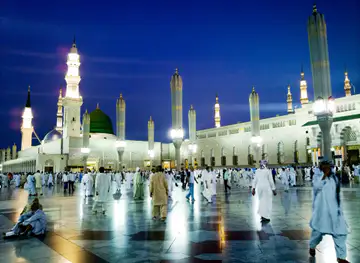
The most important landmark in the province is the Prophet’s Mosque in Madinah, whose green dome and expansive courtyards define the city’s skyline and religious identity; access rules differ according to faith and current site arrangements. Quba Mosque, traditionally associated with the Prophet’s arrival near Madinah, is another major religious landmark, while Mount Uhud forms a recognisable natural and historical presence north of the city. In AlUla, Hegra’s monumental Nabataean tombs are the province’s most distinctive archaeological landmarks, carved into isolated sandstone outcrops and surrounded by open desert. Dadan’s rock-cut remains and Jabal Ikmah’s inscribed canyon add evidence of earlier oasis civilisations. AlUla Old Town represents a different kind of heritage, with mud-brick buildings clustered around the oasis. Khaybar’s volcanic escarpments and oasis settlements create a dramatic inland landscape, while Yanbu’s historic waterfront and surviving older urban fabric recall the province’s maritime connections.
-
Mosque
Al Masjid an Nabawi
Explore the splendor of Al Masjid an Nabawi, a sacred mosque in Madinah, rich in history and spiritual significance for millions of Muslims worldwide.
-
Mosque
Masjid Quba
Discover the spiritual beauty of Masjid Quba, the first mosque in Islam, nestled in the heart of Madinah, a must-visit for every traveler.
-
Historical landmark
Uhud Mountain Cave
Discover the stunning Uhud Mountain Cave, a historical landmark in Madinah, where nature meets the rich tapestry of Islamic history.
-
Museum
Assalam Museum
Explore the Assalam Museum in Madinah, a captivating destination showcasing Saudi Arabia's rich cultural heritage and history.


Explore Madinah on the map
Plan your trip on one map. See where the top cities, national parks and sights are, and book hotels and experiences in a few clicks.
Best hotels in Madinah
Best restaurants in Madinah
Dining in Madinah Province combines Saudi staples with the food cultures of a pilgrimage city, oasis communities and the Red Sea coast. Madinah is known for its dates, particularly Ajwa, as well as Arabic coffee, rice dishes, grilled meats, flatbreads, savoury pastries and sweets served in cafés, family restaurants and hotel dining rooms. Around AlUla, restaurants range from casual local cooking to contemporary venues that make use of dates, citrus, herbs and other produce associated with oasis agriculture, though the choice is more concentrated and seasonal than in a large Saudi city. Yanbu adds seafood, including locally sourced fish where available, to the province’s culinary range. Markets and specialist shops are useful for dates, honey, nuts, spices and packaged sweets, while restaurants in all three centres also reflect the wider Saudi and Middle Eastern dining scene. During Ramadan, daytime food service arrangements change substantially.
-
Restaurant
Memaz Restaurant & Cafe
Discover Memaz Restaurant & Cafe in Madinah: where authentic Saudi flavors meet cozy coffee vibes for an unforgettable dining experience.
-
Middle Eastern
Chefs Markets
Experience authentic Middle Eastern flavors at Chefs Markets in Madinah – where every dish tells a story.
-
Restaurant
Swiss House
Discover the rich flavors of Switzerland at Swiss House in Madinah - where culinary tradition meets modern taste.
-
Pakistani
Al-Atbaq
Discover authentic Pakistani cuisine at Al-Atbaq in Madinah - where rich flavors meet warm hospitality.


Best bars in Madinah
Madinah Province does not have a conventional bar or nightclub culture, as alcohol is prohibited in Saudi Arabia and evening life is shaped by religious, family and hospitality traditions. In Madinah, nights centre on restaurants, cafés, shopping areas, hotel lounges, mosque visits for Muslim travellers and gatherings over Arabic coffee or tea. AlUla has developed a more visitor-oriented evening scene, with outdoor dining, cultural programming and seasonal events that may continue after sunset, but schedules and access arrangements can change. Yanbu offers cafés, restaurants and waterfront promenades rather than conventional clubs, with some evenings focused on family recreation and marine views. Visitors should check current official event listings rather than assume that a venue or programme operates year-round, and should remember that prayer times, Ramadan and other religious occasions influence the rhythm of public life.
-
Hotel
Saja Al Madinah
Experience unparalleled luxury and comfort at Saja Al Madinah, your perfect sanctuary in the heart of Madinah.
-
Hotel
The Oberoi, Madina ,
Experience unparalleled luxury and hospitality at The Oberoi, Madina, your perfect base for exploring the sacred city.
-
Restaurant
Swiss House
Experience the best of Madinah’s culinary scene at Swiss House, where traditional flavors meet modern dining in a cozy atmosphere.
-
Restaurant
Verdan Lounge | ڤيردان لاونج
Discover the perfect blend of flavors, ambiance, and hospitality at Verdan Lounge in Madinah.


Best nightclubs in Madinah
Madinah Province does not have a conventional bar or nightclub culture, as alcohol is prohibited in Saudi Arabia and evening life is shaped by religious, family and hospitality traditions. In Madinah, nights centre on restaurants, cafés, shopping areas, hotel lounges, mosque visits for Muslim travellers and gatherings over Arabic coffee or tea. AlUla has developed a more visitor-oriented evening scene, with outdoor dining, cultural programming and seasonal events that may continue after sunset, but schedules and access arrangements can change. Yanbu offers cafés, restaurants and waterfront promenades rather than conventional clubs, with some evenings focused on family recreation and marine views. Visitors should check current official event listings rather than assume that a venue or programme operates year-round, and should remember that prayer times, Ramadan and other religious occasions influence the rhythm of public life.
-
Cafe
لاجوم لاونج
Experience the delightful flavors and cozy ambiance at Lagom Lounge, the perfect café for your Madinah visit.
-
Pool hall
BilliBar
Discover the vibrant atmosphere of BilliBar in Madinah, where fun, relaxation, and billiards come together for an unforgettable experience.
-
Lounge
LASO
Experience the vibrant lounge culture at LASO, Al Qiblatayn, Madinah – where relaxation meets culinary delight in a captivating atmosphere.
-
Coffee shop
Amigo cafe
Discover the cozy charm of Amigo Cafe in Madinah, where exceptional coffee meets a relaxing atmosphere for the perfect break during your travels.


Best shops in Madinah
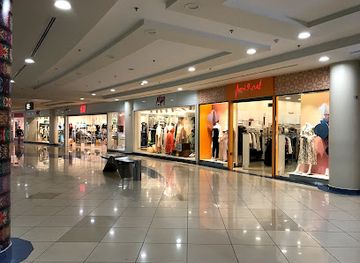
Shopping in Madinah is strongly connected with pilgrimage, food and religious heritage. Around the central city, visitors find dates, prayer articles, Qur’an editions, perfumes, modest clothing, Arabic coffee and packaged sweets, while established food shops are useful for comparing varieties of Ajwa and other Saudi dates. Traditional-style markets and modern shopping centres coexist, with the latter offering national fashion, electronics and international brands. AlUla’s retail scene is smaller and more curated, focusing on locally presented food products, design objects, artworks, books and crafts linked to the oasis and archaeological setting; availability can be seasonal. Yanbu offers everyday shopping, supermarkets and contemporary retail alongside smaller waterfront and historic-area businesses. When buying antiques, stones or objects described as archaeological, use reputable retailers and avoid anything that may have been removed from a heritage site. Regional produce is generally easier to transport when sealed and labelled for travel.
-
Shopping mall
Al Rashid Mega Mall
Explore Al Rashid Mega Mall in Madinah - a vibrant shopping destination offering diverse retail, dining, and entertainment options for tourists.
-
Shopping mall
Al-Noor Mall
Experience the perfect blend of shopping, dining, and entertainment at Al-Noor Mall in Madinah, a must-visit destination for all tourists.
-
Shopping mall
Alqarrat Mall
Discover the vibrant shopping experience at Alqarrat Mall in Madinah, featuring diverse shops, delicious dining, and family-friendly entertainment.
-
Clothing store
Top Ten
Discover exquisite fashion and cultural attire at Top Ten in Madinah, where style meets tradition in a unique shopping experience.


Get your free copy of our complete guide to Madinah, delivered straight to you.
Everything on this page, from attractions and restaurants to essentials and local phrases, in one PDF you can read offline, print or share.
Already have an account? Sign in
Your Madinah guide is ready.
We'll send it to · Not you? Sign out

Getting your guide ready…
We are putting together a fresh copy of the Madinah guide. This can take up to a minute.
This can take a few moments. If your browser asks, choose Allow so the download can start. You'll find the guide in your Downloads folder.
Nothing happened? Download it again
Sorry, the guide is taking longer than usual. Please try again in a minute, or get it by email instead.
Madinah essentials
Currency and Payment
Safety
Emergency Situations
Do's and Don'ts
Local Tips
From Eve
Local phrases worth knowing
You don't need to get them perfect. A few words go a long way, and locals appreciate the effort.
Basics
| English | Local | Say it |
|---|---|---|
| Hello | السلام عليكم | [As-salamu alaykum] |
| Goodbye | مع السلامة | [Ma'a as-salama] |
| Yes | نعم | [Na'am] |
| No | لا | [La] |
| Please/You're welcome | من فضلك | [Min fadlik] |
| Thank you | شكرا | [Shukran] |
| Excuse me/Sorry | عفواً | [Afwan] |
| How are you? | كيف حالك؟ | [Kayfa halak?] |
| Fine. And you? | بخير. وأنت؟ | [Bikhayr. Wa anta?] |
| Do you speak English? | هل تتحدث الإنجليزية؟ | [Hal tatahadath al-inglizia?] |
| I don't understand | لا أفهم | [La afham] |
Eating & Drinking
| English | Local | Say it |
|---|---|---|
| I'd like to see the menu, please | أود رؤية القائمة، من فضلك | [Awad ru'yat al-qa'ima, min fadlik] |
| I don't eat meat | لا آكل اللحم | [La akul al-lahm] |
| Cheers! | في صحتك! | [Fi sihtak!] |
| I would like to pay, please | أود الدفع، من فضلك | [Awad ad-daf', min fadlik] |
Emergencies
| English | Local | Say it |
|---|---|---|
| Help! | نجدة! | [Najda!] |
| Go away! | ابتعد! | [Ibt'id!] |
| Call the Police! | اتصل بالشرطة! | [Ittasil bil-shurta!] |
| Call a doctor! | اتصل بالطبيب! | [Ittasil bil-tabeeb!] |
| I'm lost | أنا ضائع | [Ana da'i'] |
| I'm ill | أنا مريض | [Ana marid] |
Shopping
| English | Local | Say it |
|---|---|---|
| I'd like to buy... | أود شراء... | [Awad shir'a...] |
| I'm just looking | أنا فقط أنظر | [Ana faqat anzur] |
| How much is it? | كم ثمنه؟ | [Kam thamanuh?] |
| That's too expensive | هذا غالي جداً | [Hatha ghali jiddan] |
| Can you lower the price? | هل يمكنك تخفيض السعر؟ | [Hal yumkinuka takhfid as-si'r?] |
Time & Numbers
| English | Local | Say it |
|---|---|---|
| What time is it? | كم الساعة؟ | [Kam as-saa'a?] |
| It's one o'clock | الساعة الواحدة | [As-saa'a al-wahidah] |
| Half past (10) | نصف الساعة (10) | [Nisf as-saa'a (10)] |
| Morning | صباح | [Sabah] |
| Afternoon | بعد الظهر | [Ba'd az-zuhur] |
| Evening | مساء | [Masa'] |
| Yesterday | أمس | [Ams] |
| Today | اليوم | [Al-yawm] |
| Tomorrow | غداً | [Ghadan] |
| 1 | ١ | [1] |
| 2 | ٢ | [2] |
| 3 | ٣ | [3] |
| 4 | ٤ | [4] |
| 5 | ٥ | [5] |
| 6 | ٦ | [6] |
| 7 | ٧ | [7] |
| 8 | ٨ | [8] |
| 9 | ٩ | [9] |
| 10 | ١٠ | [10] |
Transport & Directions
| English | Local | Say it |
|---|---|---|
| Where's a/the...? | أين ...؟ | [Ayn ...?] |
| What's the address? | ما هو العنوان؟ | [Ma huwa al-'unwan?] |
| Can you show me (on the map)? | هل يمكنك إظهار لي (على الخريطة)؟ | [Hal yumkinuka izhar li (ala al-kharita)?] |
| When's the next (bus)? | متى يأتي (الباص) التالي؟ | [Mata ya'ti (al-bus) at-tali?] |
| A ticket (to ....) | تذكرة (إلى ...) | [Tadhkira (ila ...)] |
History of Madinah
Yathrib and the Ancient Oasis Communities
Before Islam, Yathrib was an oasis settlement sustained by wells, palms and agricultural land in the western Arabian interior. Its position between the Red Sea coast and routes leading north towards the Levant encouraged contact between Arabian tribes, Jewish communities and visiting merchants. The broader province also contains older settlement landscapes and caravan routes, including those around AlUla and Khaybar. These environments demonstrate how water management and access to trade shaped communities in an otherwise arid region.
Nabataean and Pre-Islamic Caravan Kingdoms
The AlUla area formed part of a network of oasis kingdoms and long-distance caravan routes linking the incense-producing south of Arabia with Egypt, the Levant and the Mediterranean world. Dadan was an important ancient centre, while the Nabataeans later established Hegra, known today as Mada’in صالح, with monumental rock-cut tombs and inscriptions. Hegra became the first Saudi site inscribed on the UNESCO World Heritage List, reflecting the archaeological importance of the region’s trade and cultural connections.
The Hijra and the Formation of the First Muslim Community
In 622 CE, the Prophet Muhammad migrated from Mecca to Yathrib, an event known as the Hijra that marks the beginning of the Islamic calendar. The settlement became Madinat an-Nabi, or the City of the Prophet, later shortened to Madinah. The city became the centre of the first Muslim community and the location of the Prophet’s Mosque. Sites associated with the early community, including Quba and Mount Uhud, remain central to the historical and religious identity of the province.
Madinah under the Early Islamic Caliphates
Madinah served as the political centre of the early Muslim community after the Hijra and remained an important centre of scholarship, tradition and pilgrimage after the capital moved to other cities. Its religious significance continued to grow through successive Islamic dynasties, even as political authority was exercised elsewhere. The Prophet’s Mosque was repeatedly expanded and rebuilt, leaving a layered architectural history shaped by Umayyad, Abbasid, Mamluk, Ottoman and modern Saudi interventions.
Ottoman Rule and the Hijaz Railway
The Ottoman Empire governed the Hijaz for several centuries, maintaining the pilgrimage routes and strengthening its presence in the region. The Hijaz Railway, built in the early twentieth century between Damascus and Madinah, was intended to make the long journey to the holy cities safer and more efficient. Madinah became its southern terminus, and surviving railway buildings and traces of the line provide a tangible reminder of the province’s place in the infrastructure and politics of the late Ottoman Middle East.
The Saudi State and Modern Pilgrimage Infrastructure
Madinah became part of the modern Kingdom of Saudi Arabia during the consolidation of the Saudi state in the twentieth century. The expansion of roads, airports, railways, accommodation and public services transformed access for pilgrims and residents. The Prophet’s Mosque underwent major enlargements, while Madinah developed into a substantial modern city. This transformation continues through urban renewal, heritage conservation and national tourism investment across the wider province, including AlUla and the Red Sea coast.
AlUla’s Heritage Reassessment
Archaeological research and conservation have brought renewed attention to AlUla’s long history as an oasis and crossroads. Work at Hegra, Dadan, Jabal Ikmah and AlUla Old Town has helped present the area’s cultures within a wider story of Arabian trade, language and settlement. Contemporary development has also created new visitor infrastructure, although the archaeological landscape remains sensitive. Access arrangements, conservation rules and seasonal programming can change, so visitors should use official information when planning site visits.
Madinah in Photos
Browse through our photo collection highlighting the charm and character of the destination.
Neighbouring regions of Madinah
The closest regions to Madinah, if you have time for more than one.
-
-

-

-

-


Swipe for more regions
Explore more

Explore more of Saudi Arabia
Discover the rich heritage, stunning landscapes, and warm hospitality of Saudi Arabia, where ancient traditions meet modern wonders in a truly unique travel experience.
Explore Saudi Arabia