

Al Batha (Riyadh) Travel Guide - Free
Explore Al Batha in Riyadh with Evendo's free guide. Find the best shops, historic streets, restaurants, and gems on web or mobile.


Al Batha in Riyadh combines old-city commerce, South Asian food, busy markets and nearby historic sights in one lively central district for visitors.
Markets and Everyday Riyadh
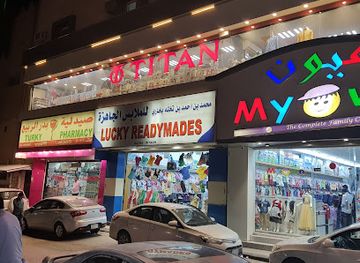
Al Batha occupies a central position in Riyadh, immediately south of the old city and close to the historic Qasr al-Hukm area. It is less a polished sightseeing quarter than a working commercial district, where broad roads, dense shopfronts, small restaurants and crowded pavements create one of the capital’s most recognisable urban scenes. The name is closely associated with the Al Batha commercial area and its long-established market streets, where visitors find clothing, mobile phones, household goods, fabrics, tailoring services and practical everyday merchandise.Read more about Al Batha
A Multilingual Commercial District
Old Riyadh Nearby
Best attractions in Al Batha
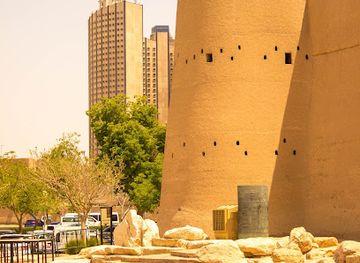
Al Batha’s principal attraction is the commercial streetscape itself: rows of practical shops, food businesses, service outlets and market-style premises that show a different side of Riyadh from its modern malls. Visitors can browse clothing and fabrics, watch the movement of deliveries and customers, and explore the district’s varied restaurants and groceries. The market is particularly interesting for travellers curious about the capital’s international working communities and everyday retail culture. The historic sights most often paired with an Al Batha visit are nearby in the old-city area, especially Masmak Fortress, the restored mud-brick stronghold associated with the formation of modern Saudi Arabia, and the Qasr al-Hukm precinct with Imam Turki bin Abdullah Grand Mosque. These should be described as adjacent central-Riyadh attractions rather than assuming that every site lies within Al Batha’s informal boundaries.
-
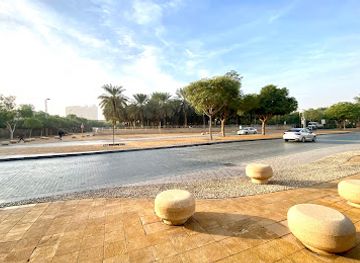
Park
Park near Museum
Discover the serene beauty of the Park near the Museum in Riyadh, an ideal spot for relaxation and cultural exploration.
7 min walk · 0.5 km from neighbourhood centre
Best landmarks in Al Batha
Al Batha’s strongest landmarks are urban and commercial rather than monumental. Its market streets, dense shopfronts and long-established retail corridors represent the southern commercial approach to old Riyadh and preserve a recognisable connection with the city’s working central districts. The neighbourhood’s significance also comes from its proximity to the historic Qasr al-Hukm area. Masmak Fortress, a short journey from the main Batha streets and commonly visited alongside them, is a major mud-brick landmark linked to the 1902 recapture of Riyadh by Abdulaziz Ibn Saud. Imam Turki bin Abdullah Grand Mosque and the Qasr al-Hukm precinct are likewise nearby rather than uniformly within Al Batha itself. Together, these places show the relationship between the district’s contemporary commerce and the older political and religious centre from which Riyadh expanded.
-
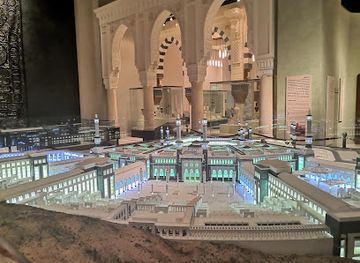
Museum
The National Museum
Explore the wonders of Saudi Arabia at The National Museum, where history, culture, and art come together in an unforgettable journey.
6 min walk · 0.5 km from neighbourhood centre
-
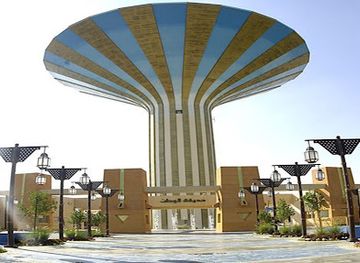
Landmark
Riyadh Water Tower
Explore the Riyadh Water Tower, a stunning architectural landmark offering breathtaking views and a unique glimpse into the heart of Saudi Arabia's capital.
4 min walk · 0.3 km from neighbourhood centre
-
Museum
Murabba Historical Palace
Explore the grandeur of Murabba Historical Palace, a captivating museum in Riyadh showcasing Saudi Arabia's rich heritage and royal history.
7 min walk · 0.6 km from neighbourhood centre
-
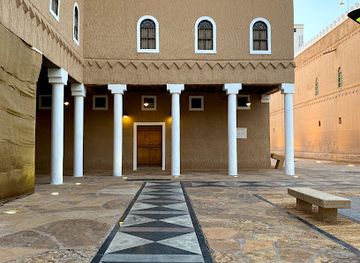
Historical landmark
Al Masmak Yard
Discover the historical significance and architectural beauty of Al Masmak Yard, a must-visit landmark in the heart of Riyadh, Saudi Arabia.
5 min drive · 1.7 km from neighbourhood centre
Explore Al Batha on the map
A handpicked selection of must-see spots in Al Batha, mapped for you.
Best hotels in Al Batha
Best restaurants in Al Batha
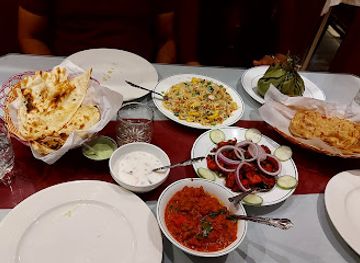
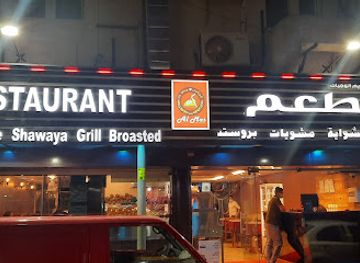
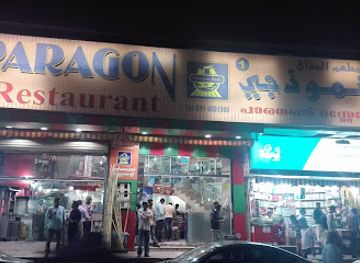
Eating in Al Batha reflects the district’s commercial history and international workforce. Along and around the main market streets, visitors encounter modest restaurants and cafés serving South Asian, Arab and other international cuisines, with menus that commonly include rice dishes, grilled meats, breads, curries, tea and quick meals suited to workers and shoppers. South Asian restaurants and groceries are particularly visible, while Yemeni and broader Gulf-Arab food traditions also form part of the central Riyadh dining landscape. The experience is generally informal: interiors are practical, service is focused on turnover and takeaway is common. Restaurant names and businesses change more quickly than the district’s broader food culture, so exploring the busiest food clusters is more dependable than planning around a single venue. Visitors should check menus and payment methods before ordering, particularly at smaller establishments, and remember that prayer times and Ramadan can alter dining routines.
-
Indian
Classic Restaurant
Discover the flavors of India at Classic Restaurant in Riyadh - where every meal is a celebration of authentic cuisine.
9 min walk · 0.7 km from neighbourhood centre
-
Indian
AL MAS RESTURANT BATHA BRANCH
Experience authentic Indian flavors at Al Mas Restaurant in Riyadh - where every meal is a celebration of taste and tradition.
5 min walk · 0.4 km from neighbourhood centre
-
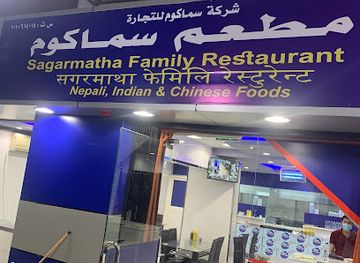
Nepalese
Sagarmatha Family Restaurant
Experience authentic Nepalese flavors at Sagarmatha Family Restaurant in Riyadh, where every dish tells a story.
5 min walk · 0.4 km from neighbourhood centre
-
Asian
Pinoy Restaurant - Batha, Riyadh, KSA
Experience authentic Filipino flavors in Riyadh at Pinoy Restaurant – where every dish tells a story.
2 min walk · 0.2 km from neighbourhood centre
Best bars in Al Batha
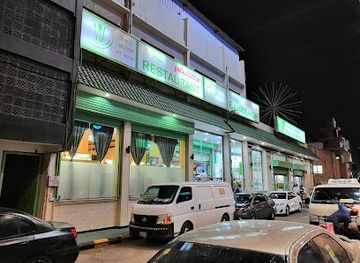
Al Batha does not have a conventional bar or nightclub scene, reflecting Saudi Arabia’s laws and social customs. Evening life is instead centred on restaurants, tea shops, cafés, grocery businesses and the continued activity of the commercial streets. After dark, the area can be rewarding for observing shoppers, workers finishing their day and families or groups meeting for affordable meals, although the atmosphere varies from one road to another and some businesses close earlier than others. Entertainment is informal rather than club-based, with conversation, food and browsing providing the main evening occupations. Visitors seeking licensed nightlife should not expect it in Al Batha or Riyadh; alcohol is prohibited, and public behaviour should remain respectful. For cultural performances or larger organised events, consult current city listings elsewhere in Riyadh rather than treating the neighbourhood as an entertainment district.
-
Asian
Pinoy Restaurant - Batha, Riyadh, KSA
Experience authentic Filipino cuisine at Pinoy Restaurant in Riyadh, where every dish tells a story of culture and flavor.
2 min walk · 0.2 km from neighbourhood centre
-
Filipino
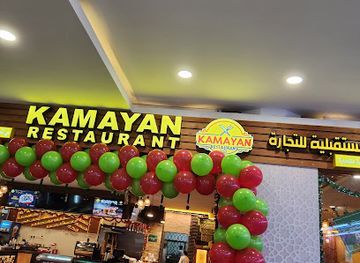
Kamayan Restaurant Batha Riyadh
Experience the rich flavors of the Philippines at Kamayan Restaurant Batha Riyadh, where every meal is a celebration of culture and community.
4 min walk · 0.3 km from neighbourhood centre
Best shops in Al Batha
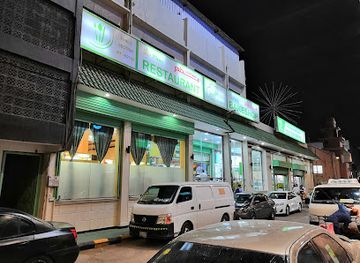
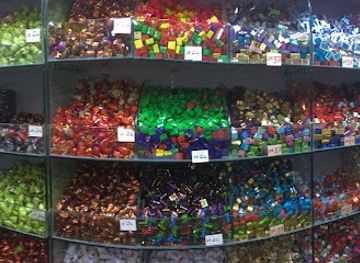
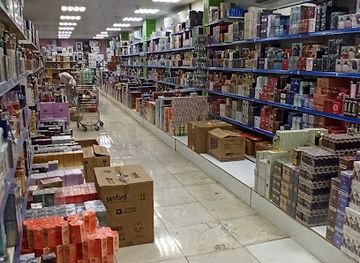
Shopping is central to Al Batha’s identity. The commercial area is known for practical, often specialist retail: clothing, fabrics, tailoring, mobile phones and accessories, electronics, household items, personal goods and services aimed at both local residents and international workers. Rather than a single enclosed mall, the experience is a network of shopfronts and market-like streets where similar businesses may cluster together. South Asian and Arab commercial influences are visible in the groceries, garments, barber shops and food-related retail, while repair and service businesses give the district a distinctly everyday character. Visitors should compare products and confirm prices before paying, especially where goods are not clearly labelled. Stock, shop names and opening patterns change, so the neighbourhood is better approached as a place for browsing and practical discoveries than as a destination for a fixed list of boutiques.
-
Shopping mall
Batha market Dahab
Explore Batha Market in Riyadh, a vibrant shopping destination filled with unique handicrafts and affordable local goods.
13 min walk · 1.0 km from neighbourhood centre
-
Shopping mall
Al Batha Commercial Center
Explore the Al Batha Commercial Center, a vibrant shopping haven in Riyadh featuring diverse shops, dining, and entertainment for all ages.
9 min walk · 0.8 km from neighbourhood centre
-
Department store
Batha Flower Department Store
Discover the charm of Batha Flower Department Store in Dammam, where beautiful flowers and unique decor unite for an unforgettable shopping experience.
11 min walk · 0.9 km from neighbourhood centre
-
Shopping mall
SUN City
Discover SUN City in Riyadh: A dynamic shopping mall featuring diverse retail, delightful dining, and exciting entertainment options for every visitor.
4 min walk · 0.3 km from neighbourhood centre
Al Batha essentials
Getting There
Getting Around
Safety
Emergency Situations
Do's and Don'ts
Local Tips

From Eve
Local phrases worth knowing
You don't need to get them perfect. A few words go a long way, and locals appreciate the effort.
Basics
| English | Local | Say it |
|---|---|---|
| Hello | مرحبا | [marhaban] |
| Goodbye | وداعا | [wadaeana] |
| Yes | نعم | [naam] |
| No | لا | [laa] |
| Please/You're welcome | من فضلك | [min fadlik] |
| Thank you | شكرا | [shukran] |
| Excuse me/Sorry | عذرا | [aadhara] |
| How are you? | كيف حالك؟ | [kayfa haluk?] |
| Fine. And you? | بخير. وأنت؟ | [bi-khayr. wa-ant?] |
| Do you speak English? | هل تتحدث الإنجليزية؟ | [hal tatahadath al-inglizia?] |
| I don't understand | أنا لا أفهم | [ana la afham] |
Eating & Drinking
| English | Local | Say it |
|---|---|---|
| I'd like to see the menu, please | أريد أن أرى القائمة، من فضلك | [urid an ara al-qaimah, min fadlik] |
| I don't eat meat | أنا لا آكل اللحم | [ana la aakul al-lahm] |
| Cheers! | صحتين! | [sahatayn] |
| I would like to pay, please | أريد أن أدفع، من فضلك | [urid an adfaa, min fadlik] |
Emergencies
| English | Local | Say it |
|---|---|---|
| Help! | النجدة! | [al-najdah!] |
| Go away! | انصرف! | [ansarif!] |
| Call the Police! | اتصل بالشرطة! | [atasil bialshuruthah!] |
| Call a doctor! | اتصل بطبيب! | [atasil bitalib!] |
| I'm lost | أنا ضائع | [ana dayea] |
| I'm ill | أنا مريض | [ana mareed] |
Shopping
| English | Local | Say it |
|---|---|---|
| I'd like to buy... | أريد أن أشتري... | [urid an ashtari...] |
| I'm just looking | أنا فقط أتطلع | [ana faqat atatallaa] |
| How much is it? | كم سعره؟ | [kam siroh?] |
| That's too expensive | هذا غالي جدا | [hatha ghali jiddan] |
| Can you lower the price? | هل يمكنك خفض السعر؟ | [hal yumkinuk khafd al-siroh?] |
Time & Numbers
| English | Local | Say it |
|---|---|---|
| What time is it? | كم الساعة؟ | [kam al-saaah?] |
| It's one o'clock | الساعة الواحدة | [al-saaah al-wahidah] |
| Half past (10) | النصف بعد (عشرة) | [al-nisf baad (asharah)] |
| Morning | صباح | [sabah] |
| Afternoon | بعد الظهر | [baad al-thuhr] |
| Evening | مساء | [masaa] |
| Yesterday | أمس | [ams] |
| Today | اليوم | [al-yawm] |
| Tomorrow | غدا | [ghadan] |
| 1 | واحد | [wahid] |
| 2 | اثنان | [ithnan] |
| 3 | ثلاثة | [thalatha] |
| 4 | أربعة | [arbaah] |
| 5 | خمسة | [khamsah] |
| 6 | ستة | [sitah] |
| 7 | سبعة | [sabah] |
| 8 | ثمانية | [thamaania] |
| 9 | تسعة | [tasiaah] |
| 10 | عشرة | [asharah] |
Transport & Directions
| English | Local | Say it |
|---|---|---|
| Where's a/the...? | أين ال...؟ | [ayn al...?] |
| What's the address? | ما هو العنوان؟ | [ma huwa al-unwan?] |
| Can you show me (on the map)? | هل يمكنك أن تُريني (على الخريطة)؟ | [hal yumkinuk an turini (ala al-kharitah)?] |
| When's the next (bus)? | متى الحافلة القادمة؟ | [mata al-hafilah al-qadimah?] |
| A ticket (to ....) | تذكرة (إلى ....) | [tazkirah (ila ....)] |
History of Al Batha
Southern Edge of Old Riyadh
Al Batha developed on the southern side of historic Riyadh, close to the walled settlement and the older commercial and governmental core around Qasr al-Hukm. Before Riyadh expanded into a large modern capital, this part of the city formed part of the practical approach to the old town rather than a separate destination. Its importance came from proximity to established markets, roads and civic institutions. The neighbourhood’s later identity remained tied to trade and everyday services, even as new districts spread far beyond the historic centre.
Commerce Beyond the Old Walls
The physical growth of Riyadh during the twentieth century transformed Al Batha from an edge-of-town zone into a central commercial district. As the capital’s population, road network and building stock expanded, shops, workshops, small offices and inexpensive eating places filled the area around the main Batha roads. The district became particularly associated with practical retail, repair services, clothing and wholesale or semi-wholesale commerce rather than the formal boulevards and large developments that characterised newer parts of Riyadh.
Migration and Market Life
Economic growth in Riyadh brought workers and traders from across Saudi Arabia and from abroad, and Al Batha became one of the city’s most visible places for international commerce and social life. South Asian and Arab communities helped shape its restaurants, groceries, tailoring businesses, barber shops and specialist retail. This history is expressed less through a single monument than through the district’s multilingual streetscape and the concentration of businesses serving both local customers and migrant communities.
A Changing Central District
In recent decades, Riyadh’s rapid outward growth and the arrival of large modern shopping centres have changed the role of central commercial areas such as Al Batha. Some businesses and customers have moved towards newer districts, while the neighbourhood has retained its importance for affordable goods, specialist services and international food. Its proximity to the restored historic core around Masmak Fortress and Qasr al-Hukm also places it within wider efforts to maintain and reinterpret central Riyadh’s history without erasing its everyday commercial character.
Al Batha in Photos
Browse through our photo collection highlighting the charm and character of the destination.
Neighbourhoods near Al Batha
The closest neighbourhoods to Al Batha, if you have time for more than one stop.
-

-

-

-


Swipe for more neighbourhoods
Explore more

Explore more of Riyadh
Riyadh combines Saudi Arabia’s Najdi heritage, Al Masmak Fortress, Diriyah, desert landscapes, museums and a growing contemporary cultural scene.
Explore Riyadh