

Free Kaffrine Travel Guide & Mobile App
Explore Kaffrine with free travel guides. Discover regional history, expert tips, proposed trips, and audio guides on web or mobile app.


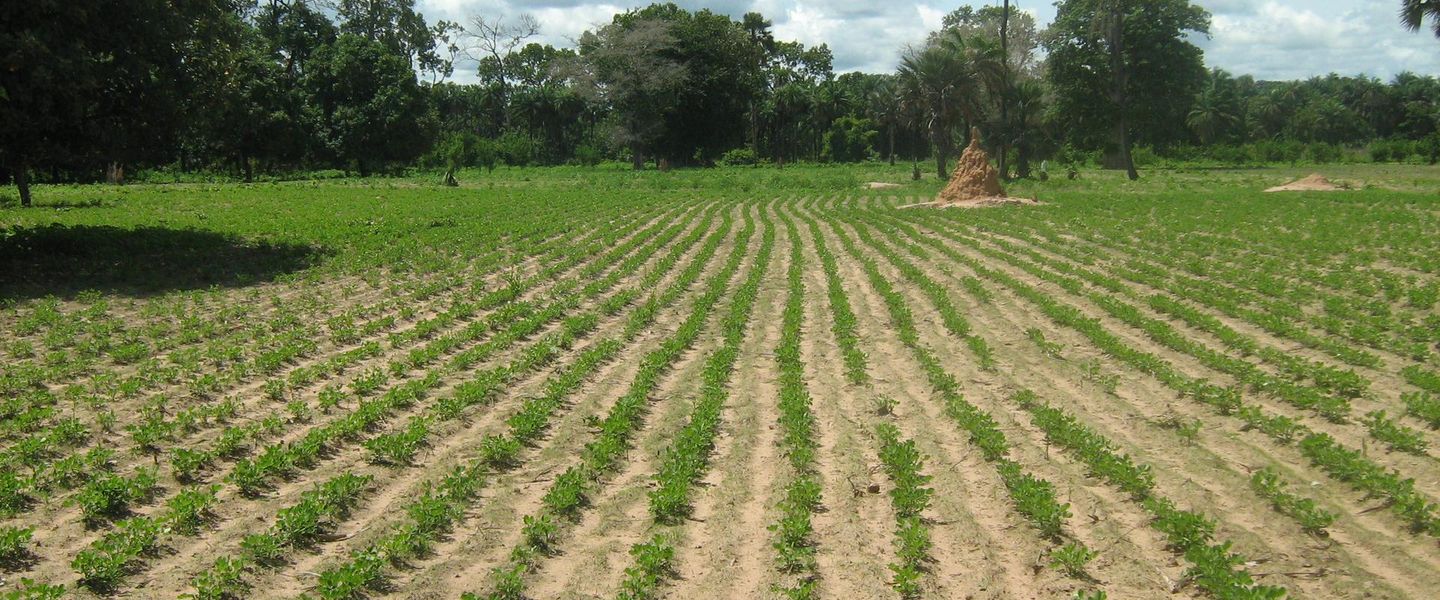
Kaffrine reveals Senegal’s inland savanna through peanut farms, rural markets, seasonal landscapes and the everyday culture of the central interior.
Read more about Kaffrine
When is the best time to visit Kaffrine?
Best: December–February · 29–32°C| Month | High (°C) | Rainfall (mm) |
|---|---|---|
| January (best) | 30 | 0 |
| February (best) | 32 | 1 |
| March | 35 | 1 |
| April | 36 | 2 |
| May | 38 | 5 |
| June | 37 | 10 |
| July | 35 | 100 |
| August | 34 | 150 |
| September | 35 | 100 |
| October | 35 | 25 |
| November | 32 | 2 |
| December (best) | 29 | 1 |
Getting to and around Kaffrine
How to get there
Transportation
Best attractions in Kaffrine
Kaffrine’s attractions are primarily rural, cultural and geographic rather than concentrated in a formal tourism circuit. The region’s open savanna, groundnut fields, baobabs, seasonal ponds and village landscapes provide the setting for observing central Senegal’s agricultural life. Kaffrine city is the main place for everyday services and local commerce, while Koungheul, Birkelane and Malem Hodar offer different perspectives on the region’s road network, markets and farming communities. Rural markets are important social and economic spaces, particularly for seeing the movement of produce, livestock, clothing and household goods. Long-distance travellers may also appreciate the changing scenery along the eastward national road, from denser cultivation in the west to drier savanna farther inland. Outdoor visits need careful planning because shade, water, signage and formal visitor facilities are limited away from the towns. Kaffrine should not be treated as a substitute for Senegal’s major wildlife parks or historic cities, which lie elsewhere; its appeal is the chance to understand a less packaged part of the country through responsible, locally guided encounters and observation of seasonal landscapes.
-
Mosque
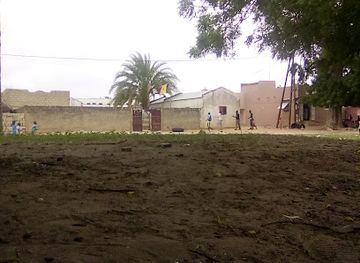
Mosquée de Kaffrine 1
Discover the serene Mosquée de Kaffrine, a cultural gem in Senegal's heart, showcasing exquisite Islamic architecture and a tranquil atmosphere.
-
Mosque
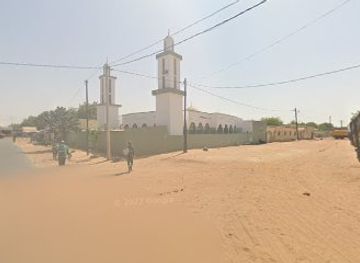
Grande Mosquée de Kaffrine
Explore the Grande Mosquée de Kaffrine, a stunning architectural marvel in Senegal, offering a glimpse into the rich spiritual and cultural heritage of the region.
-
Tourist attraction
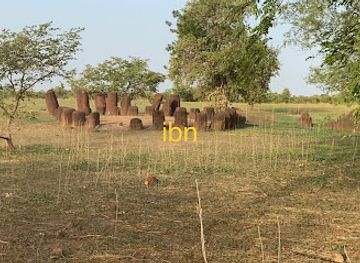
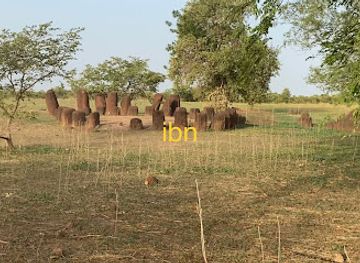
Site mégalithique à kaffrine
Explore the ancient mysteries of the Megalithic Site in Kaffrine, a captivating tourist attraction in Senegal rich with history and natural beauty.
Best landmarks in Kaffrine
Kaffrine’s most recognisable landmarks are often infrastructural or environmental rather than monumental. The regional capital’s civic buildings and busy road approaches express its role as an administrative centre in central Senegal, while the N1 corridor is a defining modern feature linking the peanut basin with the eastern interior. The historic Dakar–Niger railway route is an important reminder of the colonial transport system that connected Senegal’s agricultural zones to wider West African markets, although its present passenger usefulness should be checked locally. In the countryside, mature baobabs and broad seasonal savanna form the region’s strongest visual markers, standing above fields and village compounds. Market spaces in Kaffrine, Koungheul, Birkelane and Malem Hodar also have local significance as places where farming, livestock, commerce and social exchange meet. These are working places rather than staged monuments, and they are best visited with courtesy. The region does not contain the better-known coastal forts, historic islands or major wildlife reserves that feature elsewhere in Senegal; its landmark character lies in the relationship between road, market, cultivation and Sahelian landscape.
-
Tourist attraction
Site mégalithique à kaffrine
Explore the Megalithic Site in Kaffrine, Senegal – a stunning tourist attraction full of ancient history and breathtaking landscapes.
Explore Kaffrine on the map
Plan your trip on one map. See where the top cities, national parks and sights are, and book hotels and experiences in a few clicks.
Best hotels in Kaffrine
Best restaurants in Kaffrine
Dining in Kaffrine reflects Senegal’s wider culinary traditions while relying strongly on locally available grains, groundnuts, vegetables and livestock products. In town, visitors can expect simple restaurants, cafés, food stalls and family-run establishments serving rice with fish or meat, millet-based dishes, grilled meats, soups and sauces enriched with peanuts or local vegetables. Thiéboudienne is a national staple rather than a dish exclusive to Kaffrine, while couscous made from millet and other grain preparations are particularly relevant to inland food culture. Breakfast and roadside meals may include bread, coffee, tea or warm porridges, and seasonal fruit appears when supplies allow. Groundnuts are central to the regional economy and may be encountered roasted, pressed for oil or incorporated into sauces. Dining choices become more limited outside Kaffrine and the larger road settlements, so travellers on long journeys should carry water and snacks. Food is often informal and communal; eating with the right hand is customary in many settings, though utensils are normally available when requested.
-
Restaurant
Restaurant Keur Venus
Discover authentic Senegalese cuisine at Restaurant Keur Venus in Kaffrine, where every meal tells a story of tradition and flavor.
-
Restaurant
Salle Polyvalente De Kaffrine
Experience the vibrant flavors of Senegal at Salle Polyvalente De Kaffrine – where local meets international in a welcoming atmosphere.
-
 Restaurant
Bar restaurant
Experience authentic Senegalese cuisine at its finest in Kaffrine's vibrant bar restaurant, where flavor meets culture.
-
Restaurant
Restaurant Traiteur Le Diakhaworo
Discover the heart of Senegalese cuisine at Restaurant Traiteur Le Diakhaworo in Kaffrine - where tradition meets flavor.

Best bars in Kaffrine
Kaffrine’s evening life is modest and locally oriented rather than built around a major nightclub scene. In Kaffrine city and other larger settlements, visitors may find cafés, small bars, restaurants and informal places where people meet after work, while roadside tea and coffee culture is often more visible than late-night entertainment. Music and social gatherings occur, but schedules and venues are not consistently advertised for visitors. In rural areas, evenings generally centre on family life, conversation, religious activities and local meeting places rather than clubs. Alcohol is not central to the region’s public identity, and visitors should be discreet and respectful in communities where Islamic practice shapes social expectations. Those wanting a late night should ask accommodation staff about current, locally accepted options rather than walking unfamiliar streets after dark. Expect quiet evenings outside the main towns and limited transport once shared vehicles have finished for the day.
-
Restaurant
Restaurant Keur Venus
Experience authentic Senegalese cuisine at Restaurant Keur Venus in Kaffrine, a delightful dining destination for food lovers.
-
Restaurant
Salle Polyvalente De Kaffrine
Discover the flavors of Senegal at Salle Polyvalente De Kaffrine, where vibrant dishes and warm hospitality await every visitor.
-
Restaurant
Bar restaurant
Experience the vibrant culinary scene at Kaffrine's Bar Restaurant, where local flavors meet international cuisine in a welcoming atmosphere.
-
Restaurant
Restaurant Traiteur Le Diakhaworo
Discover the authentic taste of Senegalese cuisine at Restaurant Traiteur Le Diakhaworo in Kaffrine, where every dish tells a story.

Best nightclubs in Kaffrine
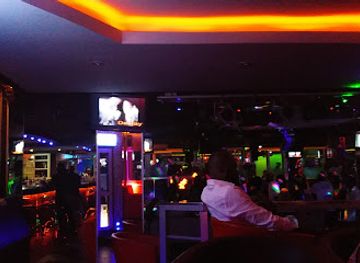
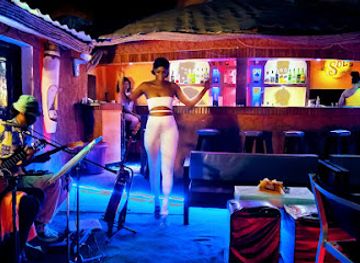
Kaffrine’s evening life is modest and locally oriented rather than built around a major nightclub scene. In Kaffrine city and other larger settlements, visitors may find cafés, small bars, restaurants and informal places where people meet after work, while roadside tea and coffee culture is often more visible than late-night entertainment. Music and social gatherings occur, but schedules and venues are not consistently advertised for visitors. In rural areas, evenings generally centre on family life, conversation, religious activities and local meeting places rather than clubs. Alcohol is not central to the region’s public identity, and visitors should be discreet and respectful in communities where Islamic practice shapes social expectations. Those wanting a late night should ask accommodation staff about current, locally accepted options rather than walking unfamiliar streets after dark. Expect quiet evenings outside the main towns and limited transport once shared vehicles have finished for the day.
-
Disco club
CASTEL NIGHT CLUB
Discover the pulsating nightlife of Dakar at Castel Night Club, where music, dancing, and vibrant energy blend for an unforgettable experience.
-
Disco club
King Night Club
Dive into the vibrant nightlife of Saly at King Night Club, where electrifying music and a lively atmosphere await every night.
-
Night club
Le Nabini Club
Experience the electric nightlife at Le Nabini Club in Dakar, where vibrant music and dancing create unforgettable memories.
-
Disco club
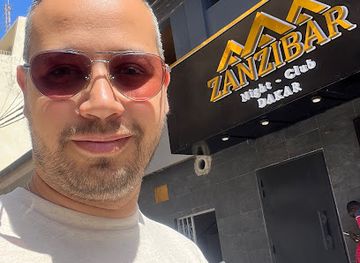
ZANZIBAR Dakar NIGHT-CLUB
Discover the pulse of Dakar nightlife at Zanzibar Night-Club, where music, dance, and vibrant energy come alive till dawn.

Best shops in Kaffrine
Shopping in Kaffrine is centred on local markets, modest high streets, roadside stalls and trading areas rather than large commercial centres. Visitors can look for groundnuts and other agricultural products, millet, seasonal produce, woven goods, household items, clothing, sandals and practical travel supplies. Markets in the main towns are primarily used by local residents, so the experience is more about observing regional commerce than browsing a curated souvenir scene. Small craft and textile purchases may be available, but quality and selection vary, and travellers should ask permission before photographing stalls or products. Groundnut products can make useful regional purchases when properly packaged, while larger towns are better places to buy bottled water, toiletries and basic food for onward journeys. Bargaining may be customary in some informal settings but should remain courteous and good-humoured; not every price is negotiable. Visitors seeking a wide range of Senegalese art, design or specialist souvenirs will generally find more choice in Dakar or other major cities outside the region.
-
Fish store
FANI GLOBAL BUSINESS
Explore the flavors of Senegal at FANI GLOBAL BUSINESS, your go-to fish store and ice supplier in Kaffrine with the freshest seafood selection.
-
Shopping mall
Centre Commercial BAYE WILLANE
Experience the vibrant shopping scene at Centre Commercial BAYE WILLANE in Kaffrine, where local culture meets international retail in a lively atmosphere.
-
Supermarket
Sowene Supermarché
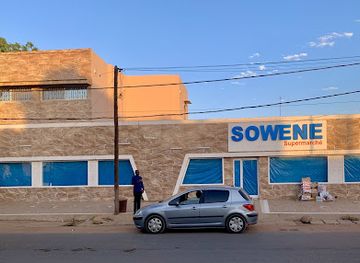
Explore the vibrant flavors of Senegal at Sowene Supermarché, your one-stop destination for local and international products in Kaffrine.
-
Gift shop
Ourossogui
Discover the charm of Ourossogui, a gift shop in Darou Rhamane offering unique souvenirs and local artisan crafts that capture the essence of Senegal.
Get your free copy of our complete guide to Kaffrine, delivered straight to you.
Everything on this page, from attractions and restaurants to essentials and local phrases, in one PDF you can read offline, print or share.
Already have an account? Sign in
Your Kaffrine guide is ready.
We'll send it to · Not you? Sign out

Getting your guide ready…
We are putting together a fresh copy of the Kaffrine guide. This can take up to a minute.
This can take a few moments. If your browser asks, choose Allow so the download can start. You'll find the guide in your Downloads folder.
Nothing happened? Download it again
Sorry, the guide is taking longer than usual. Please try again in a minute, or get it by email instead.
Kaffrine essentials
Currency and Payment
Safety
Emergency Situations
Do's and Don'ts
Local Tips
From Eve
Local phrases worth knowing
You don't need to get them perfect. A few words go a long way, and locals appreciate the effort.
Basics
| English | Local | Say it |
|---|---|---|
| Hello | Naka nga def? | [Nah-kah nahng deh-f?] |
| Goodbye | Ba beneen | [Bah beh-nen] |
| Yes | Waaw | [Wah-w] |
| No | Daanaka | [Dah-nah-kah] |
| Please/You're welcome | Sii laaj | [See lahj] |
| Thank you | Jërëjëf | [Jair-jayf] |
| Excuse me/Sorry | Nuyul | [Nuh-yool] |
| How are you? | Naka nga def? | [Nah-kah nahng deh-f?] |
| Fine. And you? | Maangi fi. Yow la? | [Mah-ahn-gee fee. Yow lah?] |
| Do you speak English? | Nanga ko def nglise? | [Nahng-gah koh deh-f nglisee?] |
| I don't understand | Dama xamul | [Dah-mah khah-mool] |
Eating & Drinking
| English | Local | Say it |
|---|---|---|
| I'd like to see the menu, please | Dama bëgg soppali menu, sii laaj | [Dah-mah behg sop-pah-lee men-oo, see lahj] |
| I don't eat meat | Dama ndankul nyu | [Dah-mah n-dahn-kool nyoo] |
| Cheers! | Jërëjëf! | [Jair-jayf] |
| I would like to pay, please | Dama bëgg ci pay, sii laaj | [Dah-mah behg chee pay, see lahj] |
Emergencies
| English | Local | Say it |
|---|---|---|
| Help! | Jox na! | [Jox nah!] |
| Go away! | Dool na! | [Dool nah!] |
| Call the Police! | Soppal poliis! | [Sop-pahl poh-lees!] |
| Call a doctor! | Soppal doxantu! | [Sop-pahl dox-ahn-too!] |
| I'm lost | Dama jëf! | [Dah-mah jef!] |
| I'm ill | Dama xam! | [Dah-mah kham!] |
Shopping
| English | Local | Say it |
|---|---|---|
| I'd like to buy... | Dama bëgg jënd... | [Dah-mah behg jend...] |
| I'm just looking | Dama nekk ci jënd | [Dah-mah neck chee jend] |
| How much is it? | Naka la? | [Nah-kah lah?] |
| That's too expensive | Lii mooy amul | [Lee moo-y ah-mool] |
| Can you lower the price? | Nanga koy jëfale price? | [Nahng-gah koy jef-ah-lay price?] |
Time & Numbers
| English | Local | Say it |
|---|---|---|
| What time is it? | Naka time? | [Nah-kah time?] |
| It's one o'clock | Moom na at | [Moom nah at] |
| Half past (10) | Bokki (10) | [Bok-kee (10)] |
| Morning | Suba | [Soo-bah] |
| Afternoon | Naka jàmm | [Nah-kah jahm] |
| Evening | Goor | [Goor] |
| Yesterday | Dakar | [Dah-kar] |
| Today | Benn | [Ben] |
| Tomorrow | Benn bés | [Ben behs] |
| 1 | Benn | [Ben] |
| 2 | Ñaari | [Nya-ree] |
| 3 | Talaat | [Tah-laht] |
| 4 | Naari | [Nah-ree] |
| 5 | Juroom | [Joo-room] |
| 6 | Juroom benn | [Joo-room ben] |
| 7 | Juroom ñaari | [Joo-room nya-ree] |
| 8 | Juroom talaat | [Joo-room tah-laht] |
| 9 | Juroom naari | [Joo-room nah-ree] |
| 10 | Juroom fukk | [Joo-room fook] |
Transport & Directions
| English | Local | Say it |
|---|---|---|
| Where's a/the...? | Fii na ...? | [Fee nah ...?] |
| What's the address? | Naka adresse? | [Nah-kah ah-dress?] |
| Can you show me (on the map)? | Nanga na la (ci plan)? | [Nahng-gah nah lah (chee plan)?] |
| When's the next (bus)? | Naka yene (bus)? | [Nah-kah yen-eh (bus)?] |
| A ticket (to ....) | Baatu (to ...) | [Bah-too (to ...)] |
History of Kaffrine
Ancient settlement and the central Senegal savanna
The Kaffrine area has long formed part of the settled and semi-settled belt between Senegal’s western plains and the eastern savannas. Archaeological evidence across this wider region points to ancient communities engaged in farming, herding and exchange, although Kaffrine is not defined by a single major archaeological complex open to visitors. The landscape’s seasonal water sources, fertile pockets and grazing areas encouraged people to adapt livelihoods to a pronounced wet-and-dry climate. Long before modern administrative boundaries, movement between villages, markets and pastoral zones connected the interior to the Saloum basin and routes farther east.
The kingdoms of Sine and Saloum
Before colonial rule, much of central-western Senegal was influenced by the Serer kingdoms of Sine and Saloum, whose political and cultural spheres extended across areas associated today with several administrative regions. Kaffrine’s present territory lay within a zone of interaction between agricultural communities, rulers, religious authorities and mobile pastoral groups. Power was expressed through tribute, alliances, warfare and control of land and trade routes rather than through the modern departmental boundaries. The region’s mixed cultural landscape and the continuing importance of lineage, farming and religious networks reflect this older history.
Islamic networks and Wolof expansion
From the eighteenth and nineteenth centuries, Islamic teachers, clerics and trading networks became increasingly influential across the central Senegalese interior. Wolof-speaking communities expanded their cultural and commercial influence, while Serer and Pulaar communities retained important local identities and institutions. Religious learning, market exchange and allegiance to influential marabouts helped reshape political life. Kaffrine later became associated with the broader religious and commercial networks of Senegal’s peanut basin, although major pilgrimage centres elsewhere in the country should not be misidentified as being within the region.
French conquest and colonial administration
French expansion during the nineteenth century brought the central interior into a colonial system governed through military posts, chiefs and administrative divisions. Colonial authorities sought to control movement, collect taxes and reorganise agricultural production, while roads and emerging rail connections linked inland communities to export points on the coast. The administrative map changed repeatedly, and the modern Kaffrine region did not exist in its present form throughout the colonial period. The legacy of this era remains visible in road corridors, town administration and the dominance of cash-crop agriculture.
The rise of the groundnut economy
Groundnut cultivation became the defining economic transformation of central Senegal from the nineteenth century into the twentieth. Farmers produced peanuts for domestic processing and export, while merchants, transport workers and seasonal labourers became tied to the crop cycle. The expansion brought commercial opportunity but also dependence on rainfall, soil conditions and fluctuating markets. Kaffrine remains strongly associated with this agricultural system, alongside millet, maize, cowpeas and livestock. Rural markets and roadside trading continue to reflect the economic relationships created by the peanut basin.
Railways, roads and regional administration
The Dakar–Niger railway, developed during the colonial period, helped connect Senegal’s western coast with the inland territories of French West Africa, and its route passed through or near parts of the central agricultural belt. Rail transport supported the movement of groundnuts, people and manufactured goods, although its role and service patterns have changed over time. Road transport is now particularly important for Kaffrine, with the national eastward corridor linking the region to larger centres. Kaffrine became a separate administrative region in Senegal in 2008, strengthening its role as a centre for public services and regional planning.
Contemporary rural transformation
Since the early twenty-first century, Kaffrine has faced the familiar pressures of Senegal’s inland regions: variable rainfall, soil depletion, population growth, changing groundnut markets and the need to improve roads, water access, education and health services. Agricultural diversification, livestock production and local processing are important parts of current development discussions. The region’s recent history is therefore not only administrative but environmental and economic. Its towns are expanding while many households continue to combine farming, livestock-rearing, commerce and seasonal work.
Kaffrine in Photos
Browse through our photo collection highlighting the charm and character of the destination.
Neighbouring regions of Kaffrine
The closest regions to Kaffrine, if you have time for more than one.
-

-

-

-

-


Swipe for more regions
Explore more

Explore more of Senegal
Discover Senegal: A West African gem offering rich cultural experiences, vibrant music, stunning natural landscapes, and a warm, welcoming atmosphere.
Explore Senegal