

Free Diourbel Travel Guide & Mobile App
Explore Diourbel with free travel guides. Discover regional history, expert tips, proposed trips, and audio guides on web or mobile app.


Explore Diourbel’s Mouride heritage, Touba’s monumental mosque, market towns and Sahelian groundnut landscapes in central Senegal.
Read more about Diourbel
When is the best time to visit Diourbel?
Best: December–February · 28–31°C| Month | High (°C) | Rainfall (mm) |
|---|---|---|
| January (best) | 28 | 1 |
| February (best) | 31 | 1 |
| March | 34 | 1 |
| April | 37 | 2 |
| May | 38 | 7 |
| June | 36 | 33 |
| July | 35 | 94 |
| August | 34 | 146 |
| September | 35 | 144 |
| October | 35 | 56 |
| November | 31 | 4 |
| December (best) | 28 | 1 |
Getting to and around Diourbel
How to get there
Transportation
Top city travel guides in Diourbel
The cities of Diourbel, and the easiest places to base yourself.
-

-


Swipe for more cities
Destinations in Diourbel
Resorts, valleys and scenic spots worth a trip of their own.

Swipe for more destinations
Best attractions in Diourbel
Diourbel Region’s attractions are primarily cultural, religious and historical rather than resort-based. Touba is the principal destination, centred on the Great Mosque and the wider sacred city associated with Cheikh Ahmadou Bamba and Mouridism. Visits require modest dress, sensitivity and attention to local access rules, but the city’s scale, devotional architecture and pilgrimage infrastructure provide a powerful insight into Senegalese religious life. Diourbel offers a more everyday urban perspective through its mosque, markets and historic role as a regional centre, while Mbacké combines commerce with close links to Touba. Bambey and the surrounding countryside reveal the agricultural character of the peanut basin, with broad fields, villages, roadside stalls and seasonal rural activity. Travellers interested in social history can explore the region through local guides, conversations and visits arranged respectfully with community or religious authorities. The landscape is suited to short road excursions and observation of Sahelian vegetation, but it does not have the dense concentration of formal museums, national parks or coastal leisure facilities found elsewhere in Senegal. The greatest visitor interest lies in understanding how pilgrimage, farming, markets and urban growth interact across central Senegal.
-
Mosque
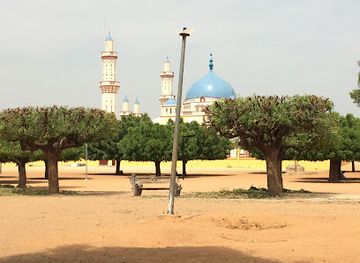
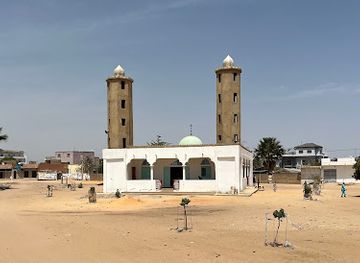
Great Mosque of Diourbel
Discover the Great Mosque of Diourbel, an architectural gem that reflects Senegal's rich Islamic heritage and offers insights into local culture.
-
Tourist attraction
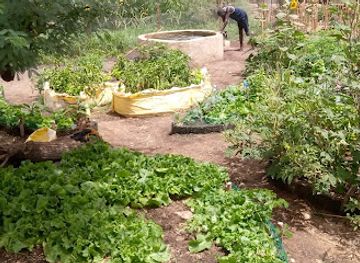
Pencum Ndox
Explore the beauty and culture of Pencum Ndox in Diourbel, a captivating tourist attraction that showcases the heart of Senegal.
-
Tourist attraction
Ndioudiouf
Explore Ndioudiouf in Diourbel: A hidden gem showcasing Senegalese culture, stunning landscapes, and authentic local experiences.
Best landmarks in Diourbel
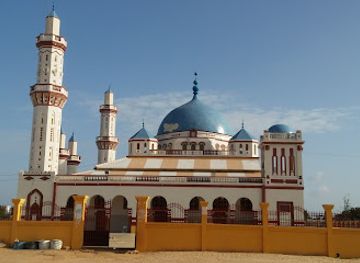
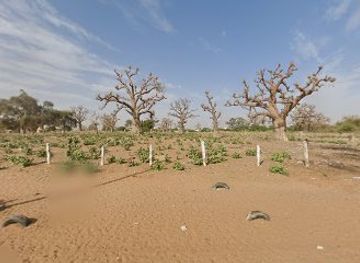
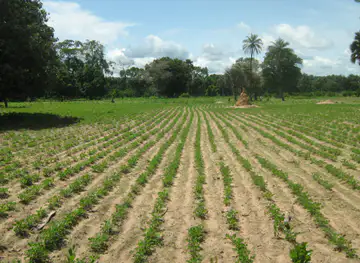
The Great Mosque of Touba is the region’s most recognisable landmark, with its monumental prayer halls, tall minarets and broad precinct marking the spiritual centre of the Mouride brotherhood. Its importance is religious as well as architectural, and visitors should follow local rules concerning dress, photography and access. Touba’s cemeteries and surrounding sacred sites are also significant because they connect the city’s built environment with the memory of Cheikh Ahmadou Bamba and successive Mouride leaders; they should be approached as places of devotion rather than ordinary tourist sights. Diourbel’s principal mosque provides a contrasting urban landmark in the regional capital, reflecting the city’s role as an established centre of worship and commerce. Beyond the towns, the flat horizons, baobabs, sandy tracks and cultivated groundnut fields form a characteristic regional landscape rather than a single monumental object. Together these landmarks show how religious architecture, pilgrimage and the Sahelian environment define the visual identity of Diourbel Region.
-
Mosque
Great Mosque of Diourbel
Explore the Great Mosque of Diourbel, a stunning architectural wonder showcasing Senegal's rich cultural and spiritual heritage.
-
Historical landmark
Mbanaar Ndayane
Explore Mbanaar Ndayane, a captivating historical landmark in Diourbel, Senegal, rich in culture and architectural beauty, perfect for history enthusiasts.
-
Mosque
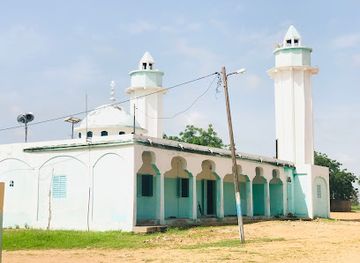
Mosquée FASS
Discover the architectural beauty and spiritual significance of Mosquée FASS, a must-visit landmark in Tivaouane, Senegal.
-
Mosque
Grande Mosquée de Mboulougne
Explore the Grande Mosquée de Mboulougne in Kaolack, a stunning blend of spiritual significance and architectural beauty reflecting Senegal's rich heritage.
Explore Diourbel on the map
Plan your trip on one map. See where the top cities, national parks and sights are, and book hotels and experiences in a few clicks.
Best hotels in Diourbel
Best restaurants in Diourbel
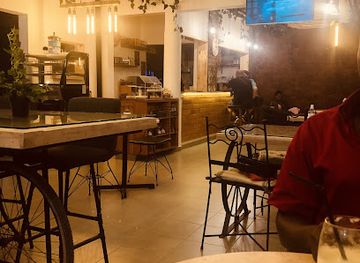
Dining in Diourbel Region is based on Senegalese home-style cooking, modest cafés, market stalls and restaurants attached to hotels or transport centres. Rice with fish, meat or vegetables, mafé with a groundnut sauce, chicken yassa and millet dishes are commonly encountered as part of the wider national culinary tradition. Inland markets may offer seasonal vegetables, beans, grilled meat and locally grown groundnuts, while sweet drinks made from bissap or baobab fruit provide relief in the heat. Café Touba, spiced coffee closely linked with Mouride culture, is an essential regional drink and is served in many small cafés and roadside settings. Food in Touba should be approached with awareness of the city’s religious character; alcohol is not part of its public dining culture. Diourbel and Mbacké provide the broadest choice of everyday eateries, while rural meals are often simpler and arranged through local hosts. Hygiene standards vary, so busy establishments with a high turnover of food are generally the more practical choice for visitors.
-
Restaurant
LE CAFÉ DU RAIL
Discover authentic Senegalese flavors at Le Café Du Rail in Thiès – where great food meets cultural charm.
-
Restaurant
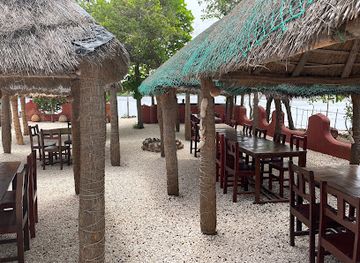
La Taverne du Pêcheur
Experience authentic Senegalese cuisine at La Taverne du Pêcheur in Joal Fadiout – where fresh seafood meets vibrant local culture.
-
Restaurant
Chez Milka
Experience authentic Senegalese cuisine at Chez Milka in Diourbel - where every meal tells a story!
-
Restaurant
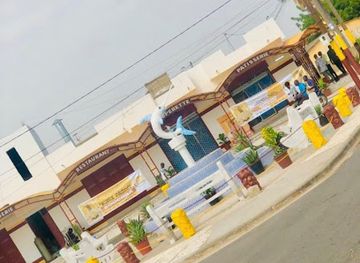
Pizza GORA
Discover the best pizzas in Diourbel at Pizza GORA - where local flavors meet delightful dining experiences.

Best bars in Diourbel
Nightlife in Diourbel Region is restrained and shaped by its predominantly Muslim culture. Touba is a religious city where alcohol and conventional club culture are not central to public life, so evenings are more likely to involve family visits, religious study, conversation in cafés or quiet meals. Diourbel and Mbacké have a somewhat broader range of informal cafés, restaurants and occasional music venues, but neither town has the extensive late-night scene associated with Dakar or Senegal’s coastal resorts. Evening activity often gathers around tea and coffee stalls, transport hubs and busy commercial streets rather than dedicated nightlife districts. During religious occasions, public spaces may become intensely active, although this should not be confused with recreational nightlife. Visitors should dress appropriately, keep noise modest near mosques and residential areas, and ask locally about photography or participation when music, sermons or communal gatherings are taking place.
-
Market
Marché NDoumbé DIOP
Discover the vibrant Marché NDoumbé DIOP in Diourbel, a cultural market offering local crafts, fresh produce, and delicious Senegalese cuisine.
-
Restaurant
Chez Milka
Discover the authentic tastes of Senegal at Chez Milka, a must-visit restaurant in Diourbel, where culinary tradition meets warm hospitality.
-
Supermarket
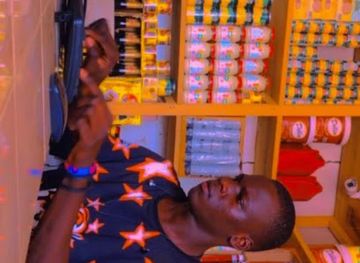
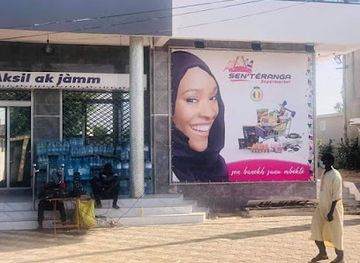
Sen Teranga Diourbel
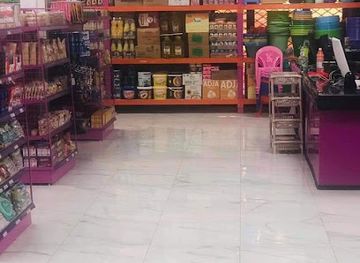
Experience the vibrant local culture at Sen Teranga Diourbel, where diverse products meet the heart of Senegalese community life.
-
Restaurant
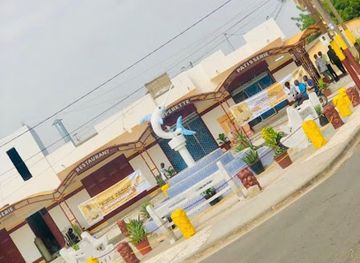
Pizza GORA
Discover the delicious pizza selection at Pizza GORA in Diourbel, where flavor meets a vibrant atmosphere for an unforgettable dining experience.

Best nightclubs in Diourbel
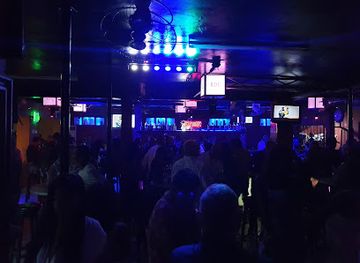
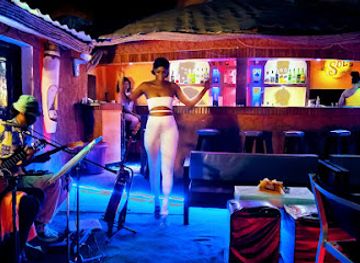
Nightlife in Diourbel Region is restrained and shaped by its predominantly Muslim culture. Touba is a religious city where alcohol and conventional club culture are not central to public life, so evenings are more likely to involve family visits, religious study, conversation in cafés or quiet meals. Diourbel and Mbacké have a somewhat broader range of informal cafés, restaurants and occasional music venues, but neither town has the extensive late-night scene associated with Dakar or Senegal’s coastal resorts. Evening activity often gathers around tea and coffee stalls, transport hubs and busy commercial streets rather than dedicated nightlife districts. During religious occasions, public spaces may become intensely active, although this should not be confused with recreational nightlife. Visitors should dress appropriately, keep noise modest near mosques and residential areas, and ask locally about photography or participation when music, sermons or communal gatherings are taking place.
-
Disco club
R.D.C.
Discover the pulse of Saly's nightlife at R.D.C., where music, dancing, and vibrant energy create an unforgettable experience.
-
Disco club
CASTEL NIGHT CLUB
Discover the vibrant nightlife at Castel Night Club in Dakar, where music, dancing, and culture create unforgettable memories.
-
Disco club
King Night Club
Dive into the energetic nightlife of Saly at King Night Club, where music, dance, and vibrant culture collide for an unforgettable experience.
-
Disco club
Discotheque le Rolls
Immerse yourself in the vibrant nightlife of Mbour at Discotheque le Rolls, where music and fun come together in an unforgettable experience.


Best shops in Diourbel
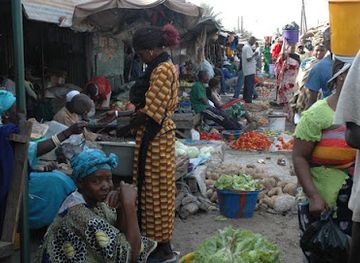
Shopping in Diourbel Region focuses on practical markets, locally traded food and religiously significant goods rather than large-scale luxury retail. Diourbel and Mbacké have busy commercial areas where visitors can look for colourful fabrics, ready-made boubous, sandals, household items, groundnuts and seasonal produce. Touba’s shops and market streets have a strong religious character, with Qur’anic literature, devotional materials, prayer beads, modest clothing and gifts associated with Mouride pilgrimage among the items encountered. Small cafés and food sellers also provide opportunities to buy coffee, tea, millet products and packaged groundnuts. Craft quality and availability vary, so it is sensible to compare goods and agree prices politely before purchasing in informal markets. Independent traders may accept only cash, particularly outside the main towns. Shopping here is less about a defined souvenir circuit than about seeing how pilgrimage, agriculture, clothing and everyday commerce interact in a major inland region of Senegal.
-
Market
Marché NDoumbé DIOP
Immerse yourself in the vibrant culture of Senegal at Marché NDoumbé DIOP, Diourbel's bustling market filled with local flavors and artisanal treasures.
-
Supermarket
Sen Teranga Diourbel
Discover the vibrant local culture and diverse offerings at Sen Teranga Diourbel, a key supermarket in the heart of Senegal.
-
Shopping mall
Boutique Cheikh Touré
Explore Boutique Cheikh Touré, a vibrant shopping mall in Diourbel, showcasing unique local crafts and delicious Senegalese cuisine.
-
Supermarket
CABI
Discover the vibrant flavors of Senegal at CABI, the top supermarket in Diourbel, where local goods and fresh produce await every traveler.

Get your free copy of our complete guide to Diourbel, delivered straight to you.
Everything on this page, from attractions and restaurants to essentials and local phrases, in one PDF you can read offline, print or share.
Already have an account? Sign in
Your Diourbel guide is ready.
We'll send it to · Not you? Sign out

Getting your guide ready…
We are putting together a fresh copy of the Diourbel guide. This can take up to a minute.
This can take a few moments. If your browser asks, choose Allow so the download can start. You'll find the guide in your Downloads folder.
Nothing happened? Download it again
Sorry, the guide is taking longer than usual. Please try again in a minute, or get it by email instead.
Diourbel essentials
Currency and Payment
Safety
Emergency Situations
Do's and Don'ts
Local Tips
From Eve
Local phrases worth knowing
You don't need to get them perfect. A few words go a long way, and locals appreciate the effort.
Basics
| English | Local | Say it |
|---|---|---|
| Hello | Naka nga def? | [Nah-kah nahng dɛf?] |
| Goodbye | Ba beneen | [Bah beh-nēn] |
| Yes | Waaw | [Wah-w] |
| No | Déedéet | [Deh-deh-t] |
| Please/You’re welcome | S'il te plaît | [Seel tuh pleh] |
| Thank you | Jërëjëf | [Jeh-reh-jɛf] |
| Excuse me/Sorry | Bokk na | [Bohk nah] |
| How are you? | Naka nga def? | [Nah-kah nahng dɛf?] |
| Fine. And you? | Mangi fi. Ndank? | [Mahng-ee fee. N-dahng?] |
| Do you speak English? | Ndax nga parle anglais? | [N-dahk nahng parl ahn-glay?] |
| I don’t understand | Sama xam naa | [Sah-mah khahm nah] |
Eating & Drinking
| English | Local | Say it |
|---|---|---|
| I’d like to see the menu, please | Dama bëgg a gën menu, s'il te plaît | [Dah-mah behg ah gɛnn menu, seel tuh pleh] |
| I don’t eat meat | Dama eaté nyama | [Dah-mah eh-tay nyah-mah] |
| Cheers! | Nok! | [Nok!] |
| I would like to pay, please | Dama bëgg a paye, s'il te plaît | [Dah-mah behg ah pah-yay, seel tuh pleh] |
Emergencies
| English | Local | Say it |
|---|---|---|
| Help! | Boo! | [Boo!] |
| Go away! | Dém ci! | [Dɛm see!] |
| Call the Police! | Télèf ak police! | [Teh-lɛf ahk poh-lees!] |
| Call a doctor! | Télèf ak docteur! | [Teh-lɛf ahk dohk-tœr!] |
| I’m lost | Dama sopp | [Dah-mah sop] |
| I’m ill | Dama faale | [Dah-mah fah-lay] |
Shopping
| English | Local | Say it |
|---|---|---|
| I’d like to buy... | Dama bëgg a jàpp... | [Dah-mah behg ah jahp...] |
| I’m just looking | Mangi gëne | [Mahng-ee gɛ-nay] |
| How much is it? | Naka lii? | [Nah-kah lee?] |
| That’s too expensive | Moom dafa too expensive | [Moom dah-fah too eks-pɛn-siv] |
| Can you lower the price? | Ndax nga jottal pës? | [N-dahk nahng joh-tal pɛs?] |
Time & Numbers
| English | Local | Say it |
|---|---|---|
| What time is it? | Naka waxtu? | [Nah-kah wahk-too?] |
| It’s one o'clock | Nuyul ngir waxtu | [Nuyool ngeer wahk-too] |
| Half past (10) | Bii jàpp (10) | [Bee jahp (10)] |
| Morning | Suba | [Soo-bah] |
| Afternoon | Góor | [Gor] |
| Evening | Góor-góor | [Gor-gor] |
| Yesterday | Djàmm | [Jahm] |
| Today | Bokk | [Bok] |
| Tomorrow | Bokk ci | [Bok see] |
| 1 | Benn | [Ben] |
| 2 | Ñaar | [N-yar] |
| 3 | Tëer | [Teh-er] |
| 4 | Naari | [Nah-ree] |
| 5 | Jow | [Jow] |
| 6 | Jok | [Jok] |
| 7 | Jott | [Jott] |
| 8 | Jub | [Jub] |
| 9 | Jok | [Jok] |
| 10 | Fukk | [Fook] |
Transport & Directions
| English | Local | Say it |
|---|---|---|
| Where's a/the...? | Fii na...? | [Fee nah...?] |
| What's the address? | Naka adresse? | [Nah-kah ah-dres?] |
| Can you show me (on the map)? | Ndax nga mën a jox ma (ci plan)? | [N-dahk nahng men ah jox mah (see plahn)?] |
| When's the next (bus)? | Kan mooy jàmm (bus)? | [Kahn mooy jahm (boos)?] |
| A ticket (to ....) | Benn ticket (ngir ...) | [Ben ti-ket (n-geer ...)] |
History of Diourbel
The Baol Kingdom and Precolonial Trade
Much of present-day Diourbel formed part of Baol, a historic Wolof kingdom situated between Cayor and Sine-Saloum. Its political centres and rural communities were connected to wider networks of trade, tribute and migration across the western interior of Senegal. Agriculture, livestock and long-distance commerce shaped settlement well before colonial rule. Although the visible remains of the kingdom are limited compared with monumental sites elsewhere in Senegal, the historical idea of Baol remains important to regional identity and helps explain the area’s enduring Wolof cultural character.
The Rise of Mouridism in the Late Nineteenth Century
Mouridism emerged in Senegal in the late nineteenth century under Cheikh Ahmadou Bamba, a scholar whose teachings emphasised devotion, disciplined work and spiritual instruction. The movement drew followers from farming and trading communities across the interior, including Baol. Its organisation developed through relationships between religious leaders, disciples and agricultural settlements. The resulting network transformed the social and economic geography of central Senegal, helping make the region around Touba one of the country’s most significant centres of religious authority.
Colonial Conquest and Administrative Reorganisation
French expansion into the interior during the late nineteenth century brought the former Baol territories under colonial control and reorganised them into new administrative structures. Colonial authorities sought to manage local rulers, religious leaders, transport routes and agricultural production. Diourbel gained prominence as an administrative and commercial centre, while Touba’s relationship with the colonial state remained shaped by the unusual influence of the Mouride order. This period established many of the administrative and transport patterns that still affect movement through the region.
The Peanut Economy and the Railway Era
During the colonial period and after independence, groundnut cultivation became central to the economy of central Senegal. The crop linked rural producers with processing, taxation and export systems, while roads and railway infrastructure connected the interior to Dakar and other commercial centres. Diourbel developed as part of this peanut-producing belt, with seasonal farming cycles influencing household income and market activity. The legacy remains visible in the region’s open cultivated landscapes, roadside trading and continued importance of groundnuts, despite later economic diversification and recurring climate pressures.
Touba’s Great Mosque and the Consolidation of a Holy City
Touba grew from a religious settlement associated with Cheikh Ahmadou Bamba into a major pilgrimage city. Construction of its Great Mosque began in the twentieth century, and successive expansions reflected the growth of the Mouride community and the city’s religious importance. The mosque and surrounding sacred spaces became focal points for pilgrimage, scholarship and remembrance. Touba’s urban expansion has since extended far beyond the original settlement, making it one of Senegal’s most distinctive examples of a city shaped primarily by religious authority and pilgrimage.
Independence, Urban Growth and the Grand Magal
Following Senegalese independence in 1960, Diourbel Region experienced continued urbanisation, population growth and expansion of commercial links with Dakar and other parts of the country. Touba became especially prominent as Mouride networks supported migration, investment and the construction of new neighbourhoods. The Grand Magal developed into a vast national and international pilgrimage, commemorating Cheikh Ahmadou Bamba’s exile and drawing visitors from across Senegal and abroad. Its scale has made Touba a major religious, logistical and economic centre in contemporary West Africa.
Diourbel in Photos
Browse through our photo collection highlighting the charm and character of the destination.
Neighbouring regions of Diourbel
The closest regions to Diourbel, if you have time for more than one.
-

-
-

-

-


Swipe for more regions
Explore more

Explore more of Senegal
Discover Senegal: A West African gem offering rich cultural experiences, vibrant music, stunning natural landscapes, and a warm, welcoming atmosphere.
Explore Senegal