

Free Fatick Travel Guide & Mobile App
Explore Fatick with free travel guides. Discover regional history, expert tips, proposed trips, and audio guides on web or mobile app.


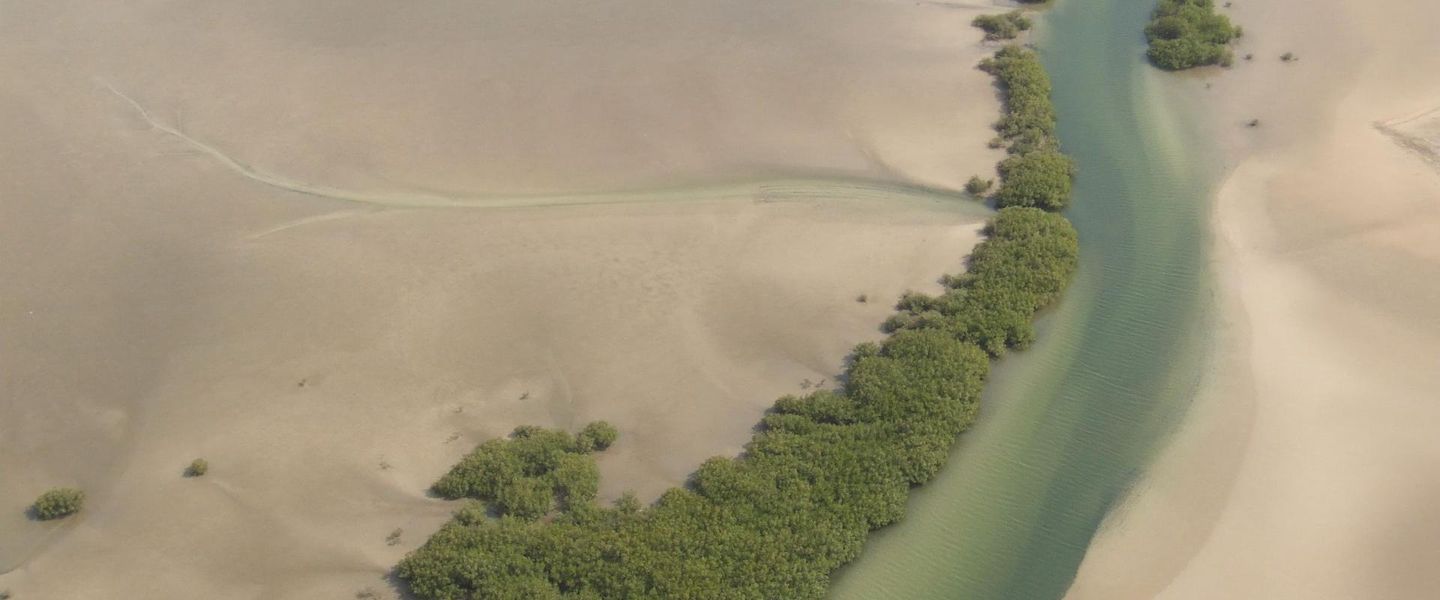


Explore Fatick in Senegal for Serer heritage, mangrove waterways, salt landscapes, birdlife and the culturally rich Saloum Delta.
Read more about Fatick
When is the best time to visit Fatick?
Best: December–February · 29–30°C| Month | High (°C) | Rainfall (mm) |
|---|---|---|
| January (best) | 29 | 1 |
| February (best) | 30 | 1 |
| March | 32 | 1 |
| April | 34 | 2 |
| May | 35 | 3 |
| June | 36 | 15 |
| July | 35 | 45 |
| August | 34 | 80 |
| September | 34 | 50 |
| October | 33 | 15 |
| November | 31 | 5 |
| December (best) | 29 | 1 |
Getting to and around Fatick
How to get there
Transportation
Top city travel guides in Fatick
The cities of Fatick, and the easiest places to base yourself.
-

-

-


Swipe for more cities
Destinations in Fatick
Resorts, valleys and scenic spots worth a trip of their own.
-

-


Swipe for more destinations
Best attractions in Fatick
Fatick’s attractions are shaped by the meeting of dry Sahelian country and tidal wetlands. Around Fatick town, visitors can see salt pans, baobab-studded landscapes and everyday commercial life in the Sine, while nearby communities provide insight into Serer history and rural livelihoods. The southern part of the region is more aquatic: Foundiougne and the Saloum River lead towards islands, creeks and villages reached by boat, and Toubacouta is a practical base for excursions into the Saloum Delta National Park. Guided trips may focus on mangroves, mudflats, birdwatching, fishing traditions or oyster harvesting, depending on season and tide. The delta’s UNESCO-recognised archaeological and cultural landscape includes shell middens and burial mounds, although many sites are best visited with local guidance rather than independently. Palmarin offers a coastal and lagoon environment within the region, with opportunities for nature walks and observation of wetland habitats. The attraction is not a concentration of monumental buildings but a living landscape in which wildlife, waterways, food production and settlement remain closely connected.
-
Monument
African Renaissance Monument
Explore the African Renaissance Monument, a towering symbol of hope and unity in Dakar, showcasing Africa's cultural resurgence and offering breathtaking views.
-
Wildlife refuge
Bandia Reserve
Explore Bandia Reserve, a vibrant wildlife refuge in Senegal, where you can see diverse animals in their natural habitat amidst stunning landscapes.
-
Museum
House of Slaves
Explore the poignant history of the transatlantic slave trade at the House of Slaves, a UNESCO World Heritage site on Gorée Island, Dakar.
-
Restaurant
Phare des Mamelles
Discover the unique fusion of culinary excellence and cultural charm at Phare des Mamelles in Dakar, a captivating spot for brunch, cocktails, and events.


Best landmarks in Fatick
The Saloum River and its branching delta channels are Fatick’s most defining natural landmarks, forming a broad water network between mainland settlements, mangrove islands and Atlantic-influenced wetlands. The mangrove forests around Toubacouta and the Saloum Delta National Park are important ecological features as well as visual symbols of the region. Near Fatick, salt pans and evaporation basins create a distinctive human-shaped landscape in which bright water surfaces, salt mounds and dusty tracks reveal a long-established livelihood. The region’s shell middens and burial mounds are less visually monumental than a fortress or cathedral, but they are significant archaeological markers of ancient settlement and resource use. Foundiougne’s position on the Saloum River gives it a particularly clear geographical identity, linking road travel, river traffic and delta communities. Inland, baobabs and the open landscapes of the historic Sine provide a contrasting setting to the waterways. Together these places define Fatick through ecology, industry and memory rather than through a single dominant monument.
-
Monument
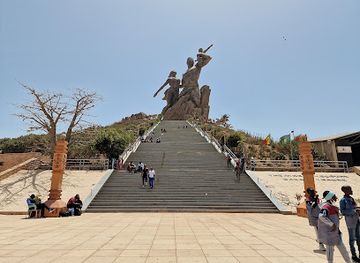
African Renaissance Monument
Discover the breathtaking African Renaissance Monument in Dakar, a stunning symbol of pride and unity with panoramic views of the Atlantic Ocean.
-
Park
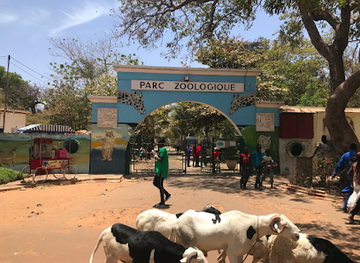
Hann Zoological Park
Explore Hann Zoological Park in Dakar for an unforgettable encounter with wildlife and nature, perfect for families and nature lovers alike.
-
Wildlife refuge
Bandia Reserve
Discover Bandia Reserve, a premier wildlife refuge in Senegal offering breathtaking safaris and a chance to see diverse African wildlife in their natural habitat.
-
Tourist attraction
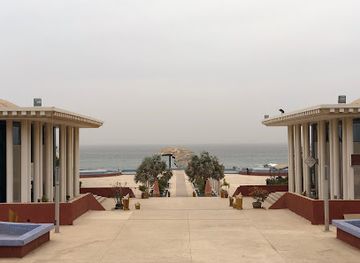
Place du Souvenir Africain
Explore the Place du Souvenir Africain in Dakar, a majestic tribute to African history and culture, blending stunning architecture with rich heritage.
Explore Fatick on the map
Plan your trip on one map. See where the top cities, national parks and sights are, and book hotels and experiences in a few clicks.
Best hotels in Fatick
Best restaurants in Fatick
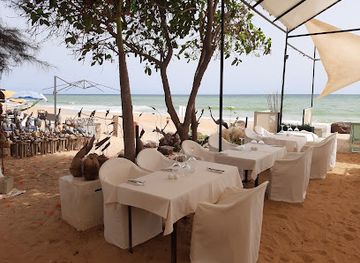
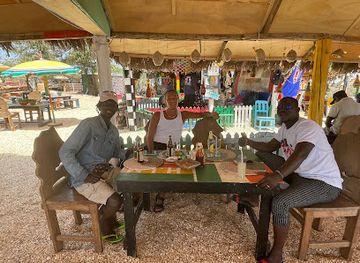
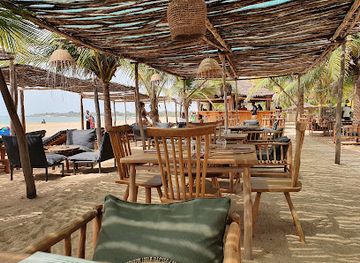
Dining in Fatick is based on Senegalese staples and the produce of the Sine-Saloum environment. Rice with fish, known nationally as ceebu jën, is widely encountered, alongside dishes using millet, peanuts, beans, chicken and seasonal vegetables. In delta communities, locally caught fish, oysters and other shellfish may feature when available and in season, while dried or smoked fish reflects the practical traditions of the coast and estuary. Fatick town and the larger settlements have informal eateries, cafés and family-run restaurants, whereas lodges around Toubacouta and other nature-tourism bases often provide meals for guests and may incorporate regional ingredients. Markets are useful for seeing peanuts, baobab products, fruit and vegetables, but food availability varies by season and location. Visitors should expect simple service and should confirm what is included with accommodation or excursions before setting out. Bottled or treated water is the sensible choice, particularly during hot-weather travel.
-
Restaurant
Echo-cotier
Discover culinary delights at Echo-cotier in Popenguine—where fresh seafood meets stunning ocean views.
-
Restaurant
RESTAURANT JOMO BEACH by L'ENDROIT (DKR)
Discover authentic Senegalese cuisine with stunning ocean views at Jomo Beach Restaurant in Saly.
-
Restaurant
Iroko beach
Discover Iroko Beach: where delightful cuisine meets stunning ocean views in Saly, Senegal.
-
Restaurant
Restaurant Blue Bird
Savor authentic Senegalese cuisine at Restaurant Blue Bird in Kaolack – where every dish tells a story.

Best bars in Fatick
Nightlife in Fatick is modest and community-oriented rather than centred on nightclubs. In Fatick town and other larger settlements, evening life gathers around cafés, restaurants, tea stalls and occasional music or cultural events. Local restaurants and accommodation compounds around Toubacouta may offer a relaxed place to eat and talk after a delta excursion, while rural lodges often organise evenings around meals, traditional music or quiet observation of the waterways rather than late opening hours. Alcohol is available in some licensed establishments, but it should not be assumed to be offered everywhere, particularly in predominantly Muslim communities. There is little reason to travel to Fatick expecting a major club scene; the region’s evenings are better suited to cool-air conversation, stargazing, listening to local music and preparing for early boat departures.
-
Market
Fatick Central Market
Discover the vibrant Fatick Central Market, where local culture, flavors, and craftsmanship come alive in the heart of Senegal.
-
Bar
Kraken Pub
Discover the vibrant Kraken Pub in Dakar, the perfect spot for drinks, trivia nights, and a taste of local culture.
-
Restaurant
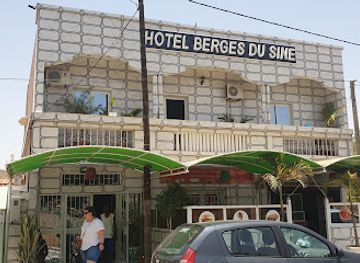
Restaurant Berge du Sine
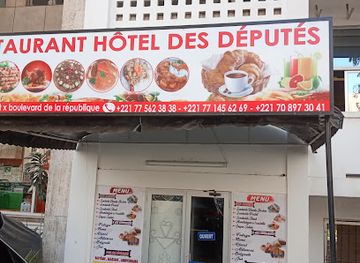
Experience the Authentic Flavors of Senegal at Restaurant Berge du Sine in Fatick, a Culinary Delight for Every Traveler.
-
Restaurant
Restaurant La Nation
Experience the authentic flavors of Senegal at Restaurant La Nation in Fatick, where local cuisine and warm hospitality await.
Best nightclubs in Fatick
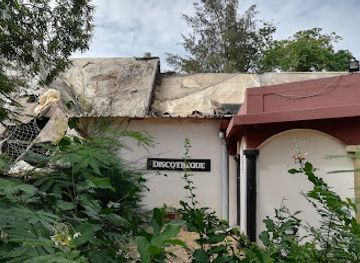
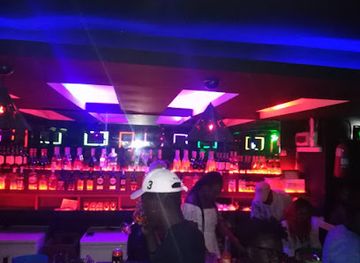
Nightlife in Fatick is modest and community-oriented rather than centred on nightclubs. In Fatick town and other larger settlements, evening life gathers around cafés, restaurants, tea stalls and occasional music or cultural events. Local restaurants and accommodation compounds around Toubacouta may offer a relaxed place to eat and talk after a delta excursion, while rural lodges often organise evenings around meals, traditional music or quiet observation of the waterways rather than late opening hours. Alcohol is available in some licensed establishments, but it should not be assumed to be offered everywhere, particularly in predominantly Muslim communities. There is little reason to travel to Fatick expecting a major club scene; the region’s evenings are better suited to cool-air conversation, stargazing, listening to local music and preparing for early boat departures.
-
Disco club
CASTEL NIGHT CLUB
Discover the pulsating nightlife at Castel Night Club in Dakar, where music, dancing, and vibrant energy create unforgettable moments.
-
Disco club
King Night Club
Discover the heartbeat of Saly at King Night Club, a premier disco destination offering vibrant nights filled with music and dance.
-
Disco club
Discotheque le Rolls
Unleash your inner dancer at Discotheque le Rolls, the heart of Mbour's nightlife, where unforgettable moments and vibrant music collide.
-
Night club
Le Nabini Club
Discover the vibrant nightlife of Dakar at Le Nabini Club, where unforgettable music and dancing await you in the heart of Senegal.

Best shops in Fatick
Shopping in Fatick is practical and locally rooted. Markets and roadside stalls sell rice, millet, peanuts, fruit, vegetables, fish and household goods, while salt and locally made food products may be available in areas associated with production. In the delta, visitors may find dried fish, shellfish products, woven items and small crafts, although availability varies between villages and seasons. Fatick town is the most useful place for everyday supplies, whereas Toubacouta and other tourism centres offer a narrower selection of souvenirs, textiles, baskets, jewellery and wood or beadwork. Buying directly from makers or community groups can provide a more meaningful connection than purchasing generic imported goods, but visitors should ask about prices and avoid bargaining aggressively over small amounts. Do not buy archaeological objects, shells collected from protected areas or products made from threatened wildlife. Carry cash, as small traders and rural stalls generally do not accept cards.
-
Market
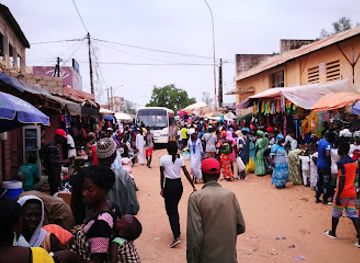
Fatick Central Market
Explore the vibrant Fatick Central Market, a cultural gem in Senegal offering fresh produce, local crafts, and a taste of authentic Senegalese life.
-
Store
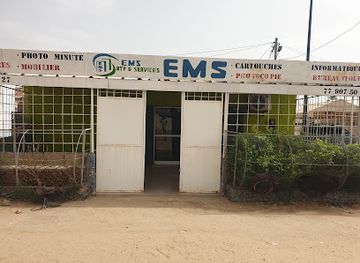
EMS
Discover the vibrant culture of Fatick at EMS, the go-to store for authentic Senegalese products and souvenirs.
-
Hardware store
Quincaillerie Modou Ka
Discover the heart of Fatick at Quincaillerie Modou Ka, a vibrant hardware store offering a unique glimpse into local craftsmanship and community spirit.
-
Book store
Saly, Sénégal
Explore the charm of Saly, Sénégal, where beautiful beaches meet a vibrant literary scene in a cozy book store.
Get your free copy of our complete guide to Fatick, delivered straight to you.
Everything on this page, from attractions and restaurants to essentials and local phrases, in one PDF you can read offline, print or share.
Already have an account? Sign in
Your Fatick guide is ready.
We'll send it to · Not you? Sign out

Getting your guide ready…
We are putting together a fresh copy of the Fatick guide. This can take up to a minute.
This can take a few moments. If your browser asks, choose Allow so the download can start. You'll find the guide in your Downloads folder.
Nothing happened? Download it again
Sorry, the guide is taking longer than usual. Please try again in a minute, or get it by email instead.
Fatick essentials
Currency and Payment
Safety
Emergency Situations
Do's and Don'ts
Local Tips
From Eve
Local phrases worth knowing
You don't need to get them perfect. A few words go a long way, and locals appreciate the effort.
Basics
| English | Local | Say it |
|---|---|---|
| Hello | Nanga def? | [Nahn-gah dehf?] |
| Goodbye | Ba bene | [Bah beh-neh] |
| Yes | Waaw | [Wah-w] |
| No | Dakk | [Dahk] |
| Please/You're welcome | Jërëjëf | [Jeh-reh-yehf] |
| Thank you | Jërëjëf | [Jeh-reh-yehf] |
| Excuse me/Sorry | Bokk na | [Bohk nah] |
| How are you? | Naka nga def? | [Nah-kah nah dehf?] |
| Fine. And you? | Maangi fi. Yow? | [Mahng-ee fee. Yow?] |
| Do you speak English? | Ndax nga paré anglais? | [N-dahk nah pah-ray ahn-glay?] |
| I don't understand | Dama xamul | [Dah-mah khah-mool] |
Eating & Drinking
| English | Local | Say it |
|---|---|---|
| I'd like to see the menu, please | Nungi fi menu bi, jërëjëf | [Noon-gee fee meh-noo bee, jeh-reh-yehf] |
| I don't eat meat | Dama nàtt meat | [Dah-mah naht meat] |
| Cheers! | Santé! | [Sahn-tay] |
| I would like to pay, please | Nungi fi pay bi, jërëjëf | [Noon-gee fee pay bee, jeh-reh-yehf] |
Emergencies
| English | Local | Say it |
|---|---|---|
| Help! | Sos! | [Sohs] |
| Go away! | Bokk na! | [Bohk nah!] |
| Call the Police! | Appel police bi! | [Ah-pehl poh-lees bee!] |
| Call a doctor! | Appel doctor bi! | [Ah-pehl dok-tor bee!] |
| I'm lost | Dama fokk | [Dah-mah fohk] |
| I'm ill | Dama ciw | [Dah-mah cheew] |
Shopping
| English | Local | Say it |
|---|---|---|
| I'd like to buy... | Nungi fi jënd... | [Noon-gee fee jend...] |
| I'm just looking | Dama jàpp | [Dah-mah jahp] |
| How much is it? | Naka loolu? | [Nah-kah loo-loo?] |
| That's too expensive | Loolu bama bày | [Loo-loo bah-mah bye] |
| Can you lower the price? | Ndax nga daan price bi? | [N-dahk nah dahn price bee?] |
Time & Numbers
| English | Local | Say it |
|---|---|---|
| What time is it? | Naka waxtu? | [Nah-kah wahk-too?] |
| It's one o'clock | Nuy nañu | [Noo-ee nah-nyoo] |
| Half past (10) | Naka juroom fukk | [Nah-kah joo-room fook] |
| Morning | Bés bu jëm | [Behss boo jemm] |
| Afternoon | Bés bu jëmm | [Behss boo jemm] |
| Evening | Bés bu nuy | [Behss boo noo-ee] |
| Yesterday | Dëgg | [Dehg] |
| Today | Bés bu jëmm | [Behss boo jemm] |
| Tomorrow | Bés bu jëm | [Behss boo jemm] |
| 1 | Benn | [Ben] |
| 2 | Ñaar | [N-yar] |
| 3 | Taal | [Tah-l] |
| 4 | Ñent | [N-yent] |
| 5 | Juroom | [Joo-room] |
| 6 | Juroom ñaar | [Joo-room n-yar] |
| 7 | Juroom taal | [Joo-room tah-l] |
| 8 | Juroom ñent | [Joo-room n-yent] |
| 9 | Juroom ñaari | [Joo-room n-yah-ree] |
| 10 | Juroom fukk | [Joo-room fook] |
Transport & Directions
| English | Local | Say it |
|---|---|---|
| Where's a/the...? | Fii na...? | [Fee nah...?] |
| What's the address? | Naka adresse bi? | [Nah-kah ah-dress bee?] |
| Can you show me (on the map)? | Ndax nga mën naa (ci plan bi)? | [N-dahk nah men nah (chee plahn bee)?] |
| When's the next (bus)? | Naka bus bi mën na? | [Nah-kah boos bee men nah?] |
| A ticket (to ....) | Benn ticket (to....) | [Ben ticket (to....)] |
History of Fatick
Early Saloum Settlements and Shell Middens
The Saloum estuary has supported human communities for many centuries. Shell middens, burial mounds and other archaeological remains show how earlier populations used the delta’s fish, shellfish and salt-rich wetlands. These sites are evidence not simply of temporary camps but of long-term relationships with the estuarine environment. Their distribution across the delta reflects changing shorelines, channels and settlement patterns. The remains also help explain why the Saloum became an important cultural landscape: the resources of its waterways sustained communities, while funerary monuments connected families and societies to particular places.
The Serer Kingdom of Sine
Much of present-day Fatick corresponds to the historic Serer kingdom of Sine, one of the pre-colonial states of the Senegambian region. Serer political authority, farming systems, spiritual traditions and social organisation shaped the inland areas around Fatick and Niakhar. Royal institutions were based on networks of communities rather than on a single monumental capital, and oral traditions remain important for understanding the region’s past. The Christian and Islamic histories of Senegal are also present in the area, but Serer identity and the memory of the Sine remain central to Fatick’s cultural character.
Islamic Networks and Regional Exchange
From the early modern period onwards, Islamic scholarship, trade and religious networks spread across the Senegambian interior and the Saloum waterways. The delta connected inland communities with coastal and riverine markets, allowing fish, salt, shellfish, grain and other goods to circulate. Islam became influential in many communities, although religious change interacted with established Serer practices rather than replacing the region’s entire cultural inheritance. The resulting landscape includes mosques, family lineages, pilgrimage traditions and diverse local expressions of faith.
French Colonial Rule and the Saloum Economy
French colonial expansion altered political authority, taxation and trade throughout the Sine-Saloum. Colonial administrators developed roads and posts while seeking greater control over agricultural production and waterways. Groundnut cultivation became particularly important in the wider region, linking rural producers to export markets and changing patterns of labour and commerce. Colonial rule also weakened older political structures, though local communities retained considerable influence over land, family organisation and religious life. The road network and administrative geography established during this period continue to affect travel and regional commerce.
Salt, Fishing and Agricultural Livelihoods
During the twentieth century, Fatick’s economy remained closely connected to farming, fishing, salt production and the collection of estuarine resources. Peanut cultivation and millet farming shaped the inland Sine, while fishing communities depended on the changing channels and marine influence of the Saloum. Salt harvesting around Fatick is especially visible in the dry season, when evaporation leaves bright pans and mounds beside the waterways. These activities are not merely historical themes: they remain part of the region’s contemporary economy, although environmental pressures and changing markets have affected livelihoods.
Senegalese Independence and Regional Development
Senegal became independent in 1960, and Fatick developed as an administrative region within the new republic. Public investment in roads, schools, health services and bridges gradually improved links between inland towns and the delta. The construction of the Foundiougne bridge across the Saloum River, opened in the twenty-first century, strengthened road access to the southern part of the region and reduced dependence on earlier ferry arrangements. At the same time, migration, urbanisation and changing agricultural conditions have reshaped many rural communities.
The Saloum Delta as a World Heritage and Biosphere Landscape
International recognition has reinforced the importance of the delta’s natural and cultural heritage. The Saloum Delta was inscribed on the UNESCO World Heritage List in 2011 for its archaeological remains, traditional resource use and exceptional estuarine environment. It is also associated with the Saloum Delta Biosphere Reserve. These designations underline that the delta is a lived landscape rather than an untouched wilderness. Conservation therefore depends on balancing mangrove protection, fisheries, tourism, settlement and the rights of communities whose livelihoods have long depended on the waterways.
Fatick in Photos
Browse through our photo collection highlighting the charm and character of the destination.
Neighbouring regions of Fatick
The closest regions to Fatick, if you have time for more than one.
-

-
-

-

-


Swipe for more regions
Explore more

Explore more of Senegal
Discover Senegal: A West African gem offering rich cultural experiences, vibrant music, stunning natural landscapes, and a warm, welcoming atmosphere.
Explore Senegal