

Free Kolda Travel Guide & Mobile App
Explore Kolda with free travel guides. Discover regional history, expert tips, proposed trips, and audio guides on web or mobile app.


Explore Kolda in southern Senegal for Casamance river landscapes, Fouladou culture, rural markets and overland journeys through wooded savanna.
Read more about Kolda
When is the best time to visit Kolda?
Best: November–January · 31–32°C| Month | High (°C) | Rainfall (mm) |
|---|---|---|
| January (best) | 31 | 0 |
| February | 33 | 0 |
| March | 35 | 0 |
| April | 37 | 1 |
| May | 38 | 10 |
| June | 37 | 46 |
| July | 35 | 150 |
| August | 34 | 180 |
| September | 34 | 120 |
| October | 34 | 50 |
| November (best) | 32 | 5 |
| December (best) | 31 | 0 |
Getting to and around Kolda
How to get there
Transportation
Destinations in Kolda
Resorts, valleys and scenic spots worth a trip of their own.

Swipe for more destinations
Best attractions in Kolda
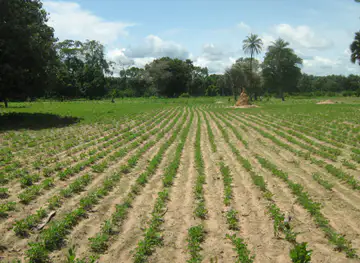
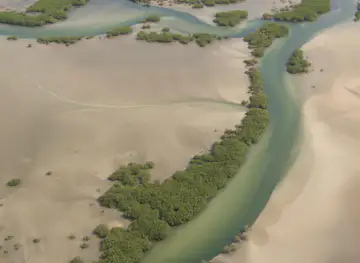
Kolda's attractions are grounded in landscape and everyday life rather than a concentration of monumental sights. Kolda city offers markets, riverside surroundings and an introduction to the commercial culture of the upper Casamance. Excursions into the surrounding countryside reveal wooded savanna, seasonal wetlands, cultivated fields and pastoral landscapes, with birdwatching and nature walks best arranged through local contacts who know access conditions. The Casamance River and its smaller channels are important environmental and economic features, although river activities should be organised with local guidance rather than assumed to be a formal tourism service. Vélingara provides a useful perspective on regional trade and cross-border connections, while Médina Yoro Foulah opens onto quieter rural landscapes. Visitors interested in culture can arrange community visits, craft encounters and market walks, provided that consent and fair payment are respected. Kolda is also a useful stopping point for travellers crossing southern Senegal by road, but it should not be confused with the better-developed beach and heritage tourism of the coast farther west.
-
Community garden
public Garden
Discover tranquility in Kolda's public garden, a vibrant community oasis featuring diverse flora and a serene atmosphere for relaxation and exploration.
-
Mosque
Grande Mosquée de Kolda
Discover the Grande Mosquée de Kolda: A breathtaking symbol of faith and architecture in the heart of Senegal, rich in culture and community spirit.
-
Park
Gadapara
Explore Gadapara Park in Kolda, Senegal, a tranquil haven perfect for nature lovers and those seeking a peaceful escape amidst beautiful landscapes.


Best landmarks in Kolda
The Casamance River is Kolda's defining natural landmark, passing the regional capital and giving the inland city a physical connection with the wider Casamance basin. Its seasonal rhythms, riverside vegetation and role in local livelihoods are more significant than any formal viewing platform or promenade. Kolda's central market and civic streets are important urban markers, showing how the regional capital functions as a meeting point for agricultural producers, traders and travellers from surrounding settlements. In Vélingara, the town's position within long-established routes towards The Gambia and Guinea-Bissau is a geographical landmark in itself, reflecting Kolda's borderland character. Across the region, compounds, mosques, market places, old road corridors and cultivated landscapes provide a more representative architectural and cultural record than a single monumental building. There is no equivalent here to the major coastal monuments of Senegal; the visual identity of Kolda lies in its river, wooded countryside, dispersed settlements and the movement of people and goods through Fouladou.
-
Monument
African Renaissance Monument
Discover the towering African Renaissance Monument in Dakar, a powerful symbol of Senegal's pride and a breathtaking viewpoint of the Atlantic.
-
Wildlife refuge
Bandia Reserve
Explore the rich biodiversity and stunning landscapes of Bandia Reserve, a premier wildlife refuge in Senegal offering unforgettable safari experiences.
-
Museum
House of Slaves
Explore the profound history of the transatlantic slave trade at the House of Slaves on Gorée Island, a UNESCO World Heritage site.
-
Restaurant
Phare des Mamelles
Discover the culinary magic of Phare des Mamelles, where exquisite dining meets breathtaking ocean views in vibrant Dakar.

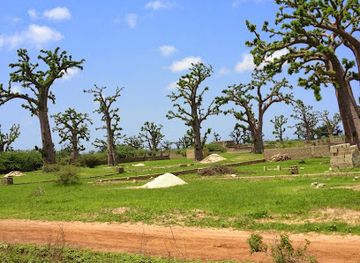


Explore Kolda on the map
Plan your trip on one map. See where the top cities, national parks and sights are, and book hotels and experiences in a few clicks.
Best hotels in Kolda
Best restaurants in Kolda
Dining in Kolda is based largely on Senegalese home-style cooking served in modest restaurants, cafés, hotel dining rooms and informal food stalls. Rice with fish, meat or vegetables is common, alongside dishes such as thieboudienne, chicken or meat preparations, couscous made from millet and soups or sauces adapted to available produce. In this agricultural region, groundnuts, maize, millet, rice, okra, leafy vegetables and seasonal fruit appear in local cooking, while grilled meat and brochettes are familiar roadside options. Kolda's Fulani and wider Casamance connections add to the variety of dairy, grain and pastoral food traditions, though dishes and recipes differ between households. Tea, coffee and sweet drinks are widely encountered, and local markets are useful for fruit and snacks. Menus may be limited outside the regional capital, so travellers on rural journeys should carry water and allow for flexible meal times rather than expecting a wide choice at every stop.
-
Restaurant
Restaurant Le Lagon 1
Experience exquisite seafood dining with breathtaking ocean views at Restaurant Le Lagon 1 in Dakar.
-
 Hotel
Cafe de Rome Dakar
Experience the vibrant blend of culture and hospitality at Cafe de Rome in Dakar – your perfect destination for food, fun, and unforgettable memories.
-
Seafood
La Cabane du Pêcheur
Experience fresh seafood and breathtaking ocean views at La Cabane du Pêcheur in Dakar's charming Ngor district.
-
Restaurant
Ice Cream
Savor the sweetness of Kolda with delightful ice cream varieties perfect for every palate and occasion.


Best bars in Kolda
Kolda's evening life is comparatively low-key and centres on neighbourhood restaurants, cafés, hotel bars, tea gatherings and occasional music rather than a large nightclub circuit. The regional capital has the greatest choice, with activity concentrated around established commercial streets and accommodation areas, while Vélingara offers a smaller town-based evening scene. In rural communities, social life generally takes place through family visits, conversation, community events and local cafés rather than formal nightlife venues. Live music and dancing may accompany weddings, religious celebrations or other gatherings, but these are community occasions and should not be treated as tourist performances. Alcohol is available in some licensed establishments, although Senegal is predominantly Muslim and visitors should behave discreetly and respect local custom. Opening arrangements and venue status can change, so ask hotel staff or a trusted local contact rather than relying on old listings.
-
Hotel
Hôtel Hobbe Chasse
Experience the heart of Kolda at Hôtel Hobbe Chasse, where comfort meets local culture for an unforgettable stay.
-
Hotel
Firdou Hôtel
Discover the charm of Kolda at Firdou Hôtel, where comfort meets local culture in a vibrant Senegalese setting.
-
Market
Central Market Kolda
Experience the vibrant culture and local flavors at Central Market Kolda, a must-visit destination for travelers in Senegal.
-
Restaurant
Ice Cream
Experience the joy of flavor at Kolda's premier ice cream destination, where every scoop tells a story of sweetness and delight.


Best nightclubs in Kolda
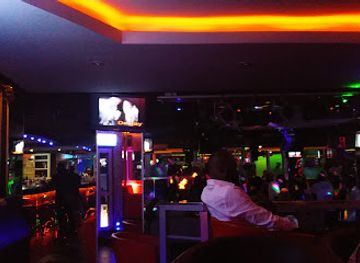
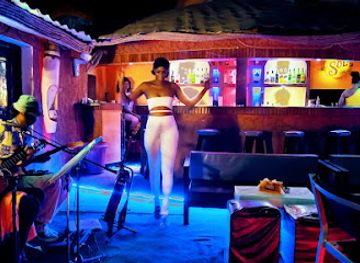
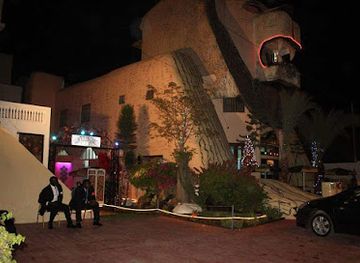
Kolda's evening life is comparatively low-key and centres on neighbourhood restaurants, cafés, hotel bars, tea gatherings and occasional music rather than a large nightclub circuit. The regional capital has the greatest choice, with activity concentrated around established commercial streets and accommodation areas, while Vélingara offers a smaller town-based evening scene. In rural communities, social life generally takes place through family visits, conversation, community events and local cafés rather than formal nightlife venues. Live music and dancing may accompany weddings, religious celebrations or other gatherings, but these are community occasions and should not be treated as tourist performances. Alcohol is available in some licensed establishments, although Senegal is predominantly Muslim and visitors should behave discreetly and respect local custom. Opening arrangements and venue status can change, so ask hotel staff or a trusted local contact rather than relying on old listings.
-
Disco club
CASTEL NIGHT CLUB
Explore the heart of Dakar's nightlife at Castel Night Club, where unforgettable dance experiences await in a vibrant atmosphere.
-
Disco club
King Night Club
Immerse yourself in the lively atmosphere of King Night Club, where pulsating music and vibrant lights create unforgettable nights in Saly.
-
Disco club
Club Gaindé
Discover the heartbeat of Dakar's nightlife at Club Gaindé, where unforgettable moments and vibrant music collide.
-
Night club
Vogue Night club
Discover the vibrant energy and thrilling atmosphere of Vogue Night Club, a premier nightlife destination in Dakar, Senegal.

Best shops in Kolda
Shopping in Kolda is principally market-based and practical, with stalls selling rice, millet, groundnuts, fruit, vegetables, cloth, clothing, household goods and livestock-related products. The main markets in Kolda and Vélingara are useful places to observe the region's agricultural economy and cross-border trading connections, although product ranges and market days can vary. Small workshops and independent sellers may offer woven fabrics, leather goods, baskets or household crafts, but visitors should ask whether an item is locally made and negotiate courteously rather than assuming every souvenir is regional. Packaged groundnut products, spices, textiles and locally produced foods can make appropriate purchases when transport and customs rules permit. Médina Yoro Foulah and smaller settlements have more limited retail choice, while Kolda city is the best place to obtain everyday supplies before travelling into the countryside. Bring cash in small denominations, inspect produce carefully and remember that bargaining is not appropriate in every setting.
-
Market
Central Market Kolda
Experience the vibrant culture and local flavors at Central Market Kolda, a bustling hub of shopping and culinary delights in Senegal.
-
Coffee shop
Marché sikilo
Discover the vibrant essence of Kolda at Marché Sikilo, a lively coffee shop perfect for immersing in local culture and flavors.
-
Electronics store
BOUTIQUE TÉLÉPHONE MOBILE
Explore cutting-edge mobile technology at Boutique Téléphone Mobile, the premier electronics store in Kolda, offering exceptional service and a wide selection.
-
Hardware store
Quincallerie général MBENGUE et fils kolda
Explore the vibrant Quincallerie Général MBENGUE et Fils—Kolda's top hardware store for all your DIY and construction needs.


Get your free copy of our complete guide to Kolda, delivered straight to you.
Everything on this page, from attractions and restaurants to essentials and local phrases, in one PDF you can read offline, print or share.
Already have an account? Sign in
Your Kolda guide is ready.
We'll send it to · Not you? Sign out

Getting your guide ready…
We are putting together a fresh copy of the Kolda guide. This can take up to a minute.
This can take a few moments. If your browser asks, choose Allow so the download can start. You'll find the guide in your Downloads folder.
Nothing happened? Download it again
Sorry, the guide is taking longer than usual. Please try again in a minute, or get it by email instead.
Kolda essentials
Currency and Payment
Safety
Emergency Situations
Do's and Don'ts
Local Tips
From Eve
Local phrases worth knowing
You don't need to get them perfect. A few words go a long way, and locals appreciate the effort.
Basics
| English | Local | Say it |
|---|---|---|
| Hello | Naka | [Nah-kah] |
| Goodbye | Ba bene | [Bah beh-neh] |
| Yes | Waaw | [Wah-w] |
| No | Deed | [Deed] |
| Please/You're welcome | Jërëjëf | [Jair-jayf] |
| Thank you | Jërëjëf | [Jair-jayf] |
| Excuse me/Sorry | Sama jëf | [Sah-mah jef] |
| How are you? | Naka nga def? | [Nah-kah nah gah def?] |
| Fine. And you? | Mangi fi. Na nga def? | [Man-gee fee. Nah nah gah def?] |
| Do you speak English? | Ndax nga parla Anglë? | [N-dahx nah gah par-lah Ang-lay?] |
| I don't understand | Mën naa laaj | [Men nah lahj] |
Eating & Drinking
| English | Local | Say it |
|---|---|---|
| I'd like to see the menu, please | Bëgg naa gëj menu, jërëjëf | [Beg nah geh menu, jair-jayf] |
| I don't eat meat | Mën naa mën aada | [Men nah men ah-dah] |
| Cheers! | Nuyul! | [Noo-yool!] |
| I would like to pay, please | Bëgg naa jox, jërëjëf | [Beg nah jox, jair-jayf] |
Emergencies
| English | Local | Say it |
|---|---|---|
| Help! | Jëfandikoo! | [Jef-an-dee-koh!] |
| Go away! | Dëgg! | [Deg!] |
| Call the Police! | Faal police! | [Fahl poh-lees!] |
| Call a doctor! | Faal doxantu! | [Fahl dox-an-too!] |
| I'm lost | Mën naa fey | [Men nah fay] |
| I'm ill | Mën naa mën aada | [Men nah men ah-dah] |
Shopping
| English | Local | Say it |
|---|---|---|
| I'd like to buy... | Bëgg naa tàgg... | [Beg nah tahg...] |
| I'm just looking | Mangi fi rekk | [Man-gee fee rek] |
| How much is it? | Naka suñu? | [Nah-kah soon-you?] |
| That's too expensive | Lii am na jàpp | [Lee ahm nah jahp] |
| Can you lower the price? | Ndax nga dakk suñu? | [N-dahx nah gah dahk soon-you?] |
Time & Numbers
| English | Local | Say it |
|---|---|---|
| What time is it? | Naka sa waxtu? | [Nah-kah sah wahk-too?] |
| It's one o'clock | Am na ñaari saati | [Am nah nyah-ree sah-tee] |
| Half past (10) | Bokk na (10) | [Bok nah (10)] |
| Morning | Suba | [Soo-bah] |
| Afternoon | Benn | [Beh-nn] |
| Evening | Ginnaaw | [Gee-nahw] |
| Yesterday | Benn yoon | [Beh-nn yoon] |
| Today | Jëkk | [Jek] |
| Tomorrow | Daanaka | [Dah-nah-kah] |
| 1 | Benn | [Beh-nn] |
| 2 | Ñaari | [Nyah-ree] |
| 3 | Ñett | [Nyett] |
| 4 | Nett | [Nett] |
| 5 | Juroom | [Joo-room] |
| 6 | Juroom benn | [Joo-room beh-nn] |
| 7 | Juroom ñaari | [Joo-room nyah-ree] |
| 8 | Juroom nett | [Joo-room nett] |
| 9 | Juroom fukk | [Joo-room fook] |
| 10 | Juroom ñett | [Joo-room nyett] |
Transport & Directions
| English | Local | Say it |
|---|---|---|
| Where's a/the...? | Fii na...? | [Fee nah...?] |
| What's the address? | Naka adres? | [Nah-kah ah-dress?] |
| Can you show me (on the map)? | Ndax nga laaj ma (sur plan)? | [N-dahx nah gah laahj mah (sur plan)?] |
| When's the next (bus)? | Naka sa yoon bu (bus)? | [Nah-kah sah yoon boo (bus)?] |
| A ticket (to ....) | Benn tiket (ci...)? | [Beh-nn tee-ket (chee...)] |
History of Kolda
Early settlement and Casamance river societies
The upper Casamance basin has long supported communities whose livelihoods combined cultivation, fishing, gathering and livestock keeping. Seasonal watercourses and wooded savanna shaped settlement patterns, while rivers and established paths connected inland communities with wider networks across present-day Senegal, The Gambia and Guinea-Bissau. Archaeological evidence in the broader Casamance points to a long history of human occupation, although many rural sites are not formally developed for tourism. The region's present cultural diversity reflects these older movements of people, languages, trade and religious influence.
Mandinka and Fulani political influence
Before French colonial rule, southern Senegal was linked to overlapping Mandinka and Fulani political, commercial and religious networks rather than a single centralised state. Fouladou became strongly associated with Fulani authority and identity, while Mandinka communities and traders remained important across the Casamance and neighbouring territories. Islam spread through scholarly, commercial and family connections, existing alongside older social and spiritual practices. These layered histories help explain why language, kinship and cultural affiliations in Kolda often extend beyond modern administrative borders.
French expansion and colonial administration
French authority expanded unevenly across southern Senegal during the late nineteenth and early twentieth centuries. Colonial administration introduced new boundaries, taxation, roads and systems of agricultural control, while local rulers, religious leaders and communities negotiated, resisted or adapted to the changing order. The Casamance was administered as a distinct southern zone for parts of the colonial period, and the region's connections with The Gambia and Portuguese Guinea remained significant. Many settlements and transport routes in modern Kolda developed within this wider colonial framework.
Agriculture, trade and the twentieth century
During the twentieth century, agriculture became increasingly integrated into national and international markets. Groundnuts were particularly important, while cotton, cereals, rice, livestock and market gardening supported different parts of the region. Roads and trading centres strengthened the role of Kolda and Vélingara as places where rural producers exchanged crops, animals and household goods. The expansion of schooling, health services and administrative institutions also changed settlement patterns, although access remained more limited in remote areas than in the regional capital.
Kolda as a modern administrative region
Kolda became a separate administrative region in 1984, when Senegal divided the former Casamance region into Kolda and Ziguinchor. The new structure gave the inland east its own regional capital and administration, with departments including Kolda, Vélingara and Médina Yoro Foulah. This boundary is administrative rather than a complete cultural separation: families, languages, markets and religious networks continue across neighbouring regions and international frontiers. Kolda's identity today combines its role within Senegal's state system with the older cultural geography of Fouladou and Casamance.
Contemporary development and cross-border realities
Modern Kolda continues to face the practical challenges of a large, predominantly rural region: improving roads, market access, education, healthcare, water management and employment while maintaining agricultural resilience. Its position near The Gambia and Guinea-Bissau gives it longstanding commercial and cultural links, but cross-border movement is subject to current regulations and conditions. The wider Casamance has also experienced periods of political and security tension, followed by peacebuilding efforts. Visitors should obtain current local advice and distinguish established travel routes from remote areas requiring additional preparation.
Kolda in Photos
Browse through our photo collection highlighting the charm and character of the destination.
Neighbouring regions of Kolda
The closest regions to Kolda, if you have time for more than one.
-

-

-
-
-


Swipe for more regions
Explore more

Explore more of Senegal
Discover Senegal: A West African gem offering rich cultural experiences, vibrant music, stunning natural landscapes, and a warm, welcoming atmosphere.
Explore Senegal