

Free Sédhiou Travel Guide & Mobile App
Explore Sédhiou with free travel guides. Discover regional history, expert tips, proposed trips, and audio guides on web or mobile app.


Explore Sédhiou in southern Senegal for Casamance River scenery, rural markets, mangroves and living Mandinka cultural traditions.
Read more about Sédhiou
When is the best time to visit Sédhiou?
Best: November–January · 31–32°C| Month | High (°C) | Rainfall (mm) |
|---|---|---|
| January (best) | 31 | 1 |
| February | 32 | 1 |
| March | 34 | 1 |
| April | 36 | 2 |
| May | 36 | 10 |
| June | 35 | 50 |
| July | 32 | 150 |
| August | 32 | 250 |
| September | 32 | 150 |
| October | 33 | 50 |
| November (best) | 32 | 1 |
| December (best) | 31 | 1 |
Getting to and around Sédhiou
How to get there
Transportation
Destinations in Sédhiou
Resorts, valleys and scenic spots worth a trip of their own.

Swipe for more destinations
Best attractions in Sédhiou
-
Tourist attraction
Rond-point Bélal Ly
Experience the vibrant energy of Rond-point Béla Ly, a cultural hub in Ziguinchor, showcasing the essence of Senegalese life.
-
Tourist attraction
AfroCult cultuur reizen
Explore the vibrant culture and traditions of Senegal at AfroCult Cultuur Reizen in Abéné, a must-visit tourist attraction for cultural enthusiasts.
-
Tourist attraction
Paterne cajou
Explore the serene beauty of Paterne Cajou in Oussouye, a must-visit tourist attraction for nature lovers and culture enthusiasts.
-
Tourist attraction
Abene
Experience the vibrant culture and stunning landscapes of Abene, a hidden gem in Senegal's Casamance region, perfect for adventurous travelers.


Best landmarks in Sédhiou
-
Cultural center
French Alliance of Ziguinchor
Explore the cultural heartbeat of Ziguinchor at the French Alliance, where art, language, and community come together in vibrant harmony.
-
Resort hotel
Club Med Cap Skirring - Senegal
Discover the perfect blend of relaxation and adventure at Club Med Cap Skirring, Senegal's premier resort hotel nestled along picturesque beaches.
-
Airport
Ziguinchor Airport (ZIG)
Explore the captivating Casamance region through Ziguinchor Airport, your gateway to stunning landscapes and vibrant cultures in southern Senegal.
-
Night club
NO PANIK (Ex Double Clic )
Discover the electrifying nightlife at NO PANIK, Ziguinchor's premier night club, where vibrant music and great company create unforgettable nights.


Explore Sédhiou on the map
Plan your trip on one map. See where the top cities, national parks and sights are, and book hotels and experiences in a few clicks.
Best hotels in Sédhiou
Best restaurants in Sédhiou
Dining in Sédhiou is closely connected to household cooking, markets and the produce of the Casamance countryside. Visitors are likely to encounter rice served with fish, meat or vegetables, alongside Senegalese dishes such as ceebu jën and variations of yassa, although recipes differ between families and communities. Seasonal fruit, peanuts, millet, maize, palm products and cashew appear in local food economies, while freshwater and river fish may be available depending on supply and season. Small restaurants, cafés and informal eateries in Sédhiou provide the greatest choice; outside the capital, meals often need to be arranged through accommodation or a local contact. Shared dishes are common, and hand-washing before eating is customary when food is served communally. Bottled or treated water is the sensible choice for visitors, and travellers should be flexible about menus, serving times and ingredient availability. The region is better suited to discovering everyday Casamance cooking than to seeking a concentrated fine-dining scene.
-
 Hotel
Hôtel Palmeraie
Discover elegance at Hôtel Palmeraie – your serene retreat in Sedhiou with exquisite dining and vibrant nightlife.
-
Restaurant
Restaurant Gano
Experience authentic Senegalese cuisine at Restaurant Gano in Sedhiou - where every dish tells a story.
-
Restaurant
Auberge Restaurant Chez Nous
Discover authentic Senegalese flavors at Auberge Restaurant Chez Nous in Sedhiou, where warm hospitality meets delicious local cuisine.
-
Romanian
Restaurant Boosoo Sud
Experience authentic Romanian cuisine at Restaurant Boosoo Sud in Sedhiou - a hidden gem offering rich flavors and warm hospitality.


Best bars in Sédhiou
Sédhiou has a modest evening scene centred on neighbourhood cafés, restaurants, small bars and social gatherings rather than large nightclubs. In the regional capital, evenings may include conversation, football, music or informal dancing, while smaller towns and villages generally become quiet earlier. Alcohol is available in some establishments, but Senegal's predominantly Muslim social context makes discretion and respect important; visitors should not assume that drinking defines local nightlife. Live music and community events may occur seasonally or by invitation, though schedules are not consistently published. Outside Sédhiou, evening options are limited and private guesthouse dining is often more practical than searching for a bar. Carry a torch for rural accommodation and arrange transport before going out, as street lighting and late-night taxis are not dependable throughout the region.
-
Bar
Complexe Hibiscus
Discover the vibrant nightlife of Dakar at Complexe Hibiscus, a lively bar known for its unique decor and welcoming atmosphere.
-
Restaurant
La Terrasse Soleil Café
Experience the vibrant flavors and lively atmosphere at La Terrasse Soleil Café, the heart of Dakar's dining and nightlife scene.
-
Bar
le Diouloulou chez Pros
Discover the heart of Dakar's nightlife at le Diouloulou chez Pros, where delicious cuisine meets vibrant culture.
-
Bar
Kraken Pub
Experience the vibrant nightlife of Dakar at Kraken Pub, where fancy cocktails and a lively atmosphere await every visitor.


Best nightclubs in Sédhiou
-
Disco club
CIA NIGHT CLUB
Dive into the vibrant nightlife of Ziguinchor at CIA Night Club, where music, dance, and culture come alive in a thrilling atmosphere.
-
Disco club
Le Rubis night club
Discover the lively ambiance and electrifying music at Le Rubis Night Club in Ziguinchor, a top destination for nightlife enthusiasts.
-
Disco club
Zigarena Night Club
Experience the pulse of Ziguinchor's nightlife at Zigarena Night Club, where vibrant music and an electric atmosphere await.
-
Disco club
CIA Night Club
Immerse yourself in the electrifying nightlife of Cap Skirring at CIA Night Club, where music, dancing, and fun await every night.


Best shops in Sédhiou
Shopping in Sédhiou is concentrated in local markets and small high-street businesses rather than formal retail centres. Markets in the regional capital and larger towns are useful for seeing seasonal agricultural produce, including cashew, fruit, grains, vegetables and locally traded palm products. Small stalls and shops sell household goods, clothing, fabrics, sandals, mobile-phone credit and basic provisions; selection is practical and changes with supply. Visitors may find locally made baskets, woven articles or carved objects through personal introductions, but quality and availability vary, so purchases should be made directly and respectfully rather than bargaining aggressively. Regional food products can make more useful souvenirs than generic imported goods, provided they are packaged appropriately for travel. Carry cash in modest denominations, as card payment is unusual in market settings. For specialised crafts, books or a broader choice of gifts, Ziguinchor outside Sédhiou Region offers more developed shopping facilities, but it should not be confused with the shopping character of Sédhiou itself.
-
Electronics store
Palais De Justice
Discover the fusion of local culture and modern technology at Palais De Justice, a top electronics destination in Sedhiou.
-
Women's clothing store
SassyChic Boutique Dakar (SCBD)
Experience the vibrant fashion scene of Dakar at SassyChic Boutique, where local culture meets contemporary style in a chic women's clothing store.
-
Gift shop
Nahyel - Boutique de Cadeaux Dakar
Explore the vibrant world of Senegalese craftsmanship at Nahyel, Dakar's premier gift shop for unique souvenirs and local treasures.
-
Boutique
PAVACHI LUXURY STORE
Discover luxury shopping in Dakar at Pavachi Luxury Store, featuring exclusive fashion and accessories in a sophisticated boutique setting.


Get your free copy of our complete guide to Sédhiou, delivered straight to you.
Everything on this page, from attractions and restaurants to essentials and local phrases, in one PDF you can read offline, print or share.
Already have an account? Sign in
Your Sédhiou guide is ready.
We'll send it to · Not you? Sign out

Getting your guide ready…
We are putting together a fresh copy of the Sédhiou guide. This can take up to a minute.
This can take a few moments. If your browser asks, choose Allow so the download can start. You'll find the guide in your Downloads folder.
Nothing happened? Download it again
Sorry, the guide is taking longer than usual. Please try again in a minute, or get it by email instead.
Sédhiou essentials
Currency and Payment
Safety
Emergency Situations
Do's and Don'ts
Local Tips
From Eve
Local phrases worth knowing
You don't need to get them perfect. A few words go a long way, and locals appreciate the effort.
Basics
| English | Local | Say it |
|---|---|---|
| Hello | Naka | [nah-kah] |
| Goodbye | Ba bene | [bah beh-nay] |
| Yes | Waaw | [wah-w] |
| No | Deede | [day-day] |
| Please/You're welcome | Jërëjëf | [jeh-reh-jehf] |
| Thank you | Jërëjëf | [jeh-reh-jehf] |
| Excuse me/Sorry | Sama sa | [sah-mah sah] |
| How are you? | Naka nga def? | [nah-kah nah ga def] |
| Fine. And you? | Mangi fi. Na nga def? | [mahn-gee fee. nah nah ga def] |
| Do you speak English? | Nga ngi ko wolof? | [nah ngee koh woh-lof] |
| I don't understand | Maan naa la | [mahn nah lah] |
Eating & Drinking
| English | Local | Say it |
|---|---|---|
| I'd like to see the menu, please | Nungi ci menu, jërëjëf | [noon-gee chee meh-noo, jeh-reh-jehf] |
| I don't eat meat | Maan naa nagnu nyama | [mahn nah nahg-new nyah-mah] |
| Cheers! | Nanga def! | [nahng-ah def] |
| I would like to pay, please | Nungi ci pay, jërëjëf | [noon-gee chee pahy, jeh-reh-jehf] |
Emergencies
| English | Local | Say it |
|---|---|---|
| Help! | Sama sa! | [sah-mah sah] |
| Go away! | Dakk! | [dahk] |
| Call the Police! | Appel police! | [ah-pehl poh-lees] |
| Call a doctor! | Appel dotor! | [ah-pehl doh-tor] |
| I'm lost | Maan naa lool | [mahn nah lohl] |
| I'm ill | Maan naa xalaat | [mahn nah hah-laht] |
Shopping
| English | Local | Say it |
|---|---|---|
| I'd like to buy... | Nungi ci jënd... | [noon-gee chee jend] |
| I'm just looking | Mangi fi xem | [mahn-gee fee xem] |
| How much is it? | Naka lii? | [nah-kah lee] |
| That's too expensive | Bokku na | [boh-koo nah] |
| Can you lower the price? | Nga ngi bakk selli? | [nah ngee bahk sell-ee] |
Time & Numbers
| English | Local | Say it |
|---|---|---|
| What time is it? | Naka sa waxtu? | [nah-kah sah wahk-too] |
| It's one o'clock | Sa waxtu bu jëkk | [sah wahk-too boo jehk] |
| Half past (10) | Bokk ci (10) | [bohk chee (10)] |
| Morning | Nuy | [noo-ee] |
| Afternoon | Bés | [bays] |
| Evening | Gëj | [gehj] |
| Yesterday | Dëkk | [dehk] |
| Today | Bés bu nekk | [bays boo nehk] |
| Tomorrow | Bés bu jëf | [bays boo jehf] |
| 1 | Benn | [ben] |
| 2 | Duo | [doo-oh] |
| 3 | Taat | [taht] |
| 4 | Nañ | [nahn] |
| 5 | Juroom | [joo-room] |
| 6 | Juroom benn | [joo-room ben] |
| 7 | Juroom ñaari | [joo-room nyah-ree] |
| 8 | Juroom naañ | [joo-room nahn] |
| 9 | Juroom ñett | [joo-room nyett] |
| 10 | Juroom ak | [joo-room ahk] |
Transport & Directions
| English | Local | Say it |
|---|---|---|
| Where's a/the...? | Naka a ...? | [nah-kah ah ...?] |
| What's the address? | Naka adresse? | [nah-kah ah-dress] |
| Can you show me (on the map)? | Nga ngi mën a jox ma (ci plan)? | [nah ngee men ah jox mah (chee plahn)?] |
| When's the next (bus)? | Naka sa bus bu next? | [nah-kah sah boos boo next?] |
| A ticket (to ....) | Bokk ci ticket (to ...) | [bohk chee tee-ket (to ...)] |
History of Sédhiou
Early Settlement and Casamance River Communities
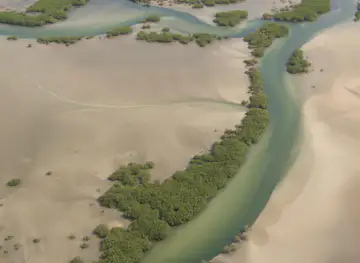
The Casamance basin has supported settled communities, farming and river-based exchange for centuries. Seasonal wetlands encouraged rice cultivation in suitable areas, while wooded uplands supported millet, maize, fruit, palm products and livestock. Archaeological evidence and oral traditions point to long-established settlement patterns rather than a landscape created by colonial administration. The river connected communities to one another and to wider commercial networks, helping explain why present-day towns and villages developed along waterways and transport corridors.
Mandinka States and the Wider Kaabu World
Much of inland Casamance was influenced by Mandinka-speaking political and cultural networks linked historically with the wider Kaabu world of Senegambia and Guinea-Bissau. Political authority was exercised through different local centres and ruling families rather than through a single modern territorial unit. Mandinka language, Islamic scholarship, oral history and initiation traditions remain important parts of Sédhiou's cultural landscape. The region's present diversity also reflects the long interaction of Mandinka, Balanta, Diola, Fulani and other communities.
French Expansion and Colonial Administration
French authority expanded gradually through Casamance during the nineteenth century, encountering established communities and existing commercial routes. Sédhiou became an administrative and trading centre on the river, linking inland settlements with the lower Casamance and the coast. Colonial rule altered systems of taxation, labour and commerce, while river transport became important for moving agricultural products. Surviving colonial traces are less monumental than those found in some Senegalese cities, but the region's administrative geography and transport patterns still reflect this period.
Agriculture, Trade and the Casamance Economy
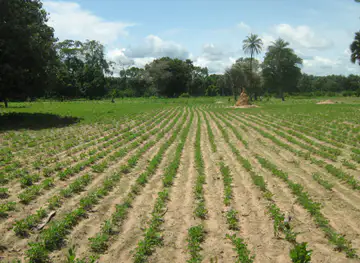
Agriculture has remained central to life in Sédhiou. Rice cultivation is associated with wetter lowland environments, while millet, maize, fruit, palm products and groundnuts have supported households in drier areas. Cashew production has become increasingly significant in the regional economy, alongside local trade in forest and farm products. Markets connect rural producers with Sédhiou, Goudomp, Bounkiling and larger Casamance towns. These economic patterns help explain the contrast between riverine villages, market centres and sparsely settled stretches of bush.
Cultural Continuity and the Kankurang Tradition
Initiation, masquerade, music and oral transmission have continued to shape cultural life across Mandinka communities in Casamance. The Kankurang is a powerful masquerade associated with initiation and the protection of community values; UNESCO inscribed the tradition on its Representative List of the Intangible Cultural Heritage of Humanity in 2008. It is not simply a staged entertainment, and visitors should rely on local cultural authorities or knowledgeable guides for interpretation. Its continuing importance illustrates how regional heritage survives through community practice rather than monuments alone.
Post-Independence Casamance and Regional Change
Senegal became independent in 1960, and Sédhiou remained part of the Casamance administrative and cultural sphere within the new republic. The wider Casamance region later experienced political and economic tensions, particularly in its southern areas, although conditions and local experiences have varied considerably from place to place. In recent decades, roads, markets, agricultural initiatives and decentralised administration have reshaped access and livelihoods. Sédhiou became a separate administrative region in 2008, giving the area a stronger institutional identity within Senegal.
Sédhiou in Photos
Browse through our photo collection highlighting the charm and character of the destination.
Neighbouring regions of Sédhiou
The closest regions to Sédhiou, if you have time for more than one.
-

-

-
-
-


Swipe for more regions
Explore more

Explore more of Senegal
Discover Senegal: A West African gem offering rich cultural experiences, vibrant music, stunning natural landscapes, and a warm, welcoming atmosphere.
Explore Senegal