

Free Louga Travel Guide & Mobile App
Explore Louga with free travel guides. Discover regional history, expert tips, proposed trips, and audio guides on web or mobile app.


Explore Louga’s Sahelian landscapes, Lompoul dunes, Wolof heritage, pastoral culture and market towns between Dakar and Saint-Louis.
Read more about Louga
When is the best time to visit Louga?
Best: December–February · 30–31°C| Month | High (°C) | Rainfall (mm) |
|---|---|---|
| January (best) | 30 | 0 |
| February (best) | 31 | 0 |
| March | 33 | 0 |
| April | 34 | 0 |
| May | 36 | 0 |
| June | 37 | 3 |
| July | 35 | 28 |
| August | 34 | 103 |
| September | 34 | 47 |
| October | 34 | 11 |
| November | 32 | 0 |
| December (best) | 31 | 0 |
Getting to and around Louga
How to get there
Transportation
Top city travel guides in Louga
The cities of Louga, and the easiest places to base yourself.
-

-

-

-

-


Swipe for more cities
Destinations in Louga
Resorts, valleys and scenic spots worth a trip of their own.
-

-

-

-

-
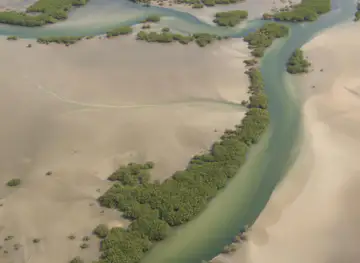


Swipe for more destinations
Best attractions in Louga
Louga’s attractions are defined by landscape, cultural geography and regional life rather than a dense collection of monument-filled towns. The dunes of Lompoul in the western part of the region provide the clearest natural draw, with broad ridges of sand, scrub and open skies best visited with a local guide and suitable transport. Around Louga and Kébémer, visitors can observe the contrast between market-town commerce and the horticultural landscapes of the Niayes. Linguère offers a gateway to the Ferlo, where pastoral activity, acacia country and seasonal water points create a very different environment from the coast-facing west. Louga’s cultural venues, music, dance and public celebrations are important for understanding contemporary Wolof and Senegalese identity, although particular festivals and programmes vary from year to year. Rural visits should be arranged respectfully through local contacts, especially when they involve livestock communities or religious institutions. The region also suits travellers interested in road journeys, birdlife around seasonal wet areas, traditional food, craft production and the everyday workings of Sahelian towns. It is less a destination for a packed itinerary of ticketed attractions than for a measured exploration of changing ecology, historic routes and community life between the Atlantic fringe and the Ferlo.
-
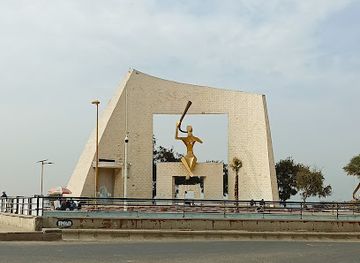
Monument
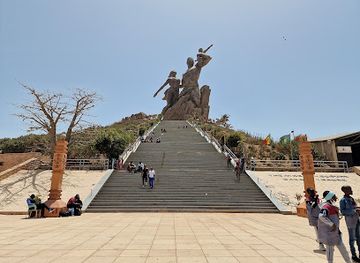
African Renaissance Monument
Discover the African Renaissance Monument in Dakar, an iconic symbol of unity and progress, offering breathtaking views and rich cultural insights.
-
Tourist attraction
Place du Souvenir Africain
Explore the rich cultural heritage of Senegal at Place du Souvenir Africain, a stunning memorial dedicated to the African diaspora and freedom.
-
Museum
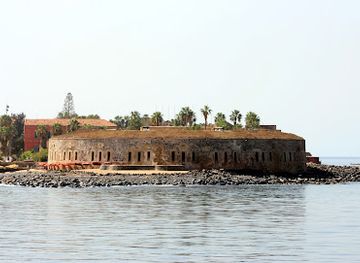
House of Slaves
Explore the House of Slaves in Gorée Island, a vital museum reflecting on the transatlantic slave trade and honoring its enduring legacy.
-
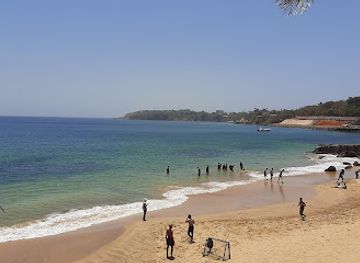
Public beach
Plage BCEAO
Discover the beauty and vibrancy of Plage BCEAO, a must-visit public beach in Dakar, perfect for relaxation and local culinary delights.


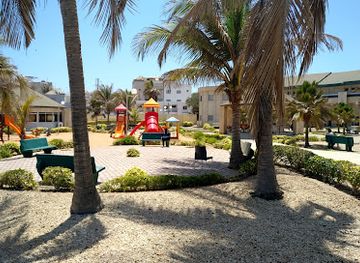
Best landmarks in Louga
The Lompoul dune field is Louga’s most visually distinctive natural landmark, where wind-shaped sand formations mark the transition between the coastal environment and the drier interior. Its importance lies in the scale and character of the landscape, not in a single constructed monument. Louga’s railway station and rail corridor recall the colonial-era Dakar–Saint-Louis connection that helped turn the town into a regional commercial centre; the line is an important historical feature even though passenger services should not be assumed to operate. The main mosque and civic core of Louga express the city’s role as an administrative and religious centre, while Linguère’s urban setting carries associations with the historic Jolof sphere and the royal title from which its name is derived. Beyond these towns, the open pastoral landscapes of the Ferlo, with acacias, wells and seasonal depressions, function as a cultural and geographical landmark in their own right. Together these places show how Louga’s identity is shaped by dunes, transport routes, Islamic life, Wolof history and pastoral space rather than by monumental architecture alone.
-
Monument
African Renaissance Monument
Discover the grandeur of the African Renaissance Monument, a striking symbol of Senegal's heritage and a breathtaking viewpoint of Dakar's stunning skyline.
-
Wildlife refuge
Bandia Reserve
Discover the breathtaking wildlife and stunning landscapes of Bandia Reserve, a must-visit wildlife refuge in Senegal.
-
Tourist attraction
IFAN Historical Museum
Explore Senegal's rich cultural heritage at the IFAN Historical Museum, home to an extensive collection of West African artifacts and historical treasures.
-
Historical landmark
Monument du Millénaire
Explore the Monument du Millénaire, a stunning historical landmark in Dakar that embodies the city's rich cultural heritage and vibrant history.

Explore Louga on the map
Plan your trip on one map. See where the top cities, national parks and sights are, and book hotels and experiences in a few clicks.
Best hotels in Louga
Best restaurants in Louga
Dining in Louga reflects the wider Senegalese culinary tradition while responding to the region’s agricultural and pastoral character. Local restaurants and family-run eateries commonly serve rice dishes, millet couscous, sauces based on vegetables or peanuts, grilled meat and the national rice-and-fish dish ceebu jën, with availability depending on the town and season. In the western belt, onions, vegetables and other market-garden produce are important commercial crops, while inland communities have stronger links to livestock and dairy products. Small cafés and street stalls offer tea, coffee, bread, omelettes and simple meals, and larger towns provide more formal Senegalese and West African cooking. Visitors may encounter bissap or baobab drinks, though recipes vary between households. The most useful approach is to eat where local trade is concentrated, ask what is fresh and allow for shared dishes served from a communal bowl. Menus around Lompoul and rural destinations can be limited, so meals and water should be organised in advance rather than assumed to be available throughout the day.
-
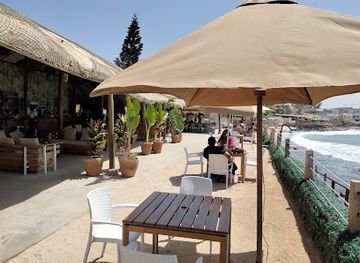
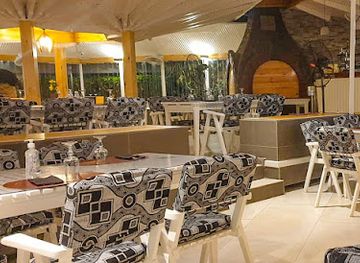
Restaurant
Restaurant Le Lagon 1
Experience exquisite Senegalese cuisine at Restaurant Le Lagon 1 in Dakar - a culinary gem with stunning ocean views.
-
Restaurant
Chez Fatou
Discover authentic Senegalese cuisine at Chez Fatou in Dakar – where every meal tells a story through rich flavors and vibrant culture.
-
Restaurant
Restaurant La Pointe des Almadies
Experience authentic Senegalese cuisine with breathtaking ocean views at Restaurant La Pointe des Almadies in Dakar.
-
Restaurant
Restaurant Le N'Gor Pieds dans l'Eau
Experience exquisite seafood dining with breathtaking ocean views at Restaurant Le N'Gor Pieds dans l'Eau in Dakar's Almadies.

Best bars in Louga
Louga’s evening life is relatively low-key and centres on cafés, restaurants, tea gatherings, family compounds and occasional music or dance performances rather than a large nightclub circuit. Louga town has the greatest concentration of evening activity, while Linguère and Kébémer offer a smaller selection of cafés and local meeting places. Traditional Senegalese music, mbalax, sabar drumming and contemporary entertainment may feature during public celebrations, cultural programmes or private events, but schedules change and should be checked locally. Alcohol is available in some licensed establishments, although it is not central to every aspect of social life, particularly in more conservative or rural settings. Around Lompoul, evenings are generally associated with quiet desert surroundings and organised camp hospitality rather than a town nightlife scene. Dress respectfully, avoid photographing performances or gatherings without permission and arrange transport before going out in less built-up areas.
-
Bar
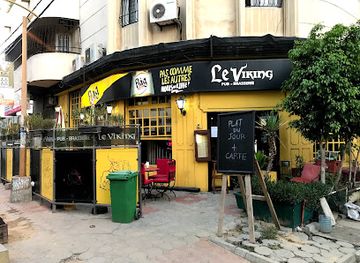
Viking Pub
Discover Viking Pub, a lively bar in Dakar offering a unique blend of local culture, vibrant atmosphere, and delicious drinks.
-
Restaurant
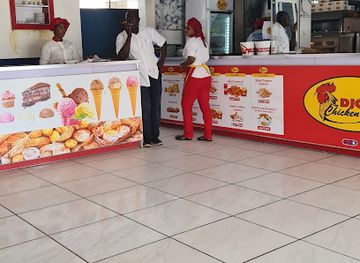
Djolof Chicken Louga
Experience the vibrant flavors of Senegal at Djolof Chicken Louga, where tradition meets taste in a welcoming atmosphere.
-
 Restaurant
Casa Italia
Discover the essence of Italian dining at Casa Italia in Louga, where flavors meet elegance and unforgettable experiences await.
-
Bar
Kraken Pub
Discover Kraken Pub in Ngor, Dakar - where vibrant nightlife and local flavors come together for an unforgettable experience.
Best nightclubs in Louga
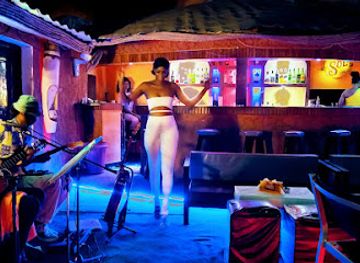
Louga’s evening life is relatively low-key and centres on cafés, restaurants, tea gatherings, family compounds and occasional music or dance performances rather than a large nightclub circuit. Louga town has the greatest concentration of evening activity, while Linguère and Kébémer offer a smaller selection of cafés and local meeting places. Traditional Senegalese music, mbalax, sabar drumming and contemporary entertainment may feature during public celebrations, cultural programmes or private events, but schedules change and should be checked locally. Alcohol is available in some licensed establishments, although it is not central to every aspect of social life, particularly in more conservative or rural settings. Around Lompoul, evenings are generally associated with quiet desert surroundings and organised camp hospitality rather than a town nightlife scene. Dress respectfully, avoid photographing performances or gatherings without permission and arrange transport before going out in less built-up areas.
-
Disco club
CASTEL NIGHT CLUB
Discover the electrifying nightlife at Castel Night Club in Dakar, where music, dance, and vibrant energy come together for an unforgettable experience.
-
Disco club
King Night Club
Dive into the electrifying nightlife at King Night Club in Saly, where music, dance, and unforgettable memories await.
-
Disco club
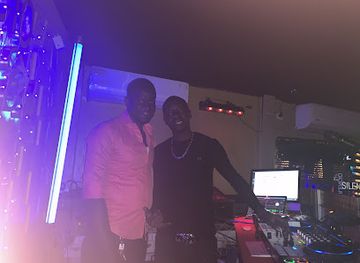
Silencio Club
Discover the electrifying nightlife at Silencio Club in Dakar, where music and dance create unforgettable experiences every night.
-
Disco club
Club Gaindé
Dive into the heart of Dakar's nightlife at Club Gaindé, where music and dance create unforgettable memories under the stars.


Best shops in Louga
Shopping in Louga is primarily a practical and regional experience, centred on markets, small shops and trading streets rather than large retail complexes. Louga’s markets serve both the town and surrounding villages, with clothing, household goods, foodstuffs, mobile-phone services and seasonal agricultural produce. Kébémer and Linguère have smaller but significant markets linked to their local hinterlands; Linguère’s commerce reflects the needs of pastoral communities as well as those of settled households. Visitors may find woven mats, baskets, leather goods, textiles and simple locally made craft items, although quality and availability vary by season and seller. Millet, peanuts, dried foods, onions and other produce can be interesting culinary purchases, provided that packaging and transport conditions are suitable. Bargaining is common in informal markets, but it should remain courteous and proportionate. Carry cash in small denominations, ask before photographing stalls or people and avoid buying products made from protected wildlife or materials that cannot legally be taken across borders.
-
Bakery
Boulangerie Yamar
Experience the authentic taste of Senegal at Boulangerie Yamar, where fresh pastries and local flavors come to life in Louga.
-
Supermarket
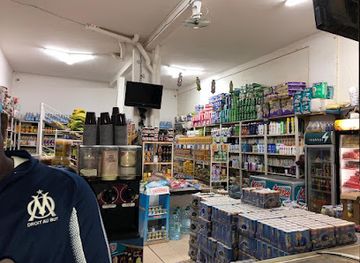
Supérette chez Cheikh Fall
Experience the essence of Louga at Supérette chez Cheikh Fall, where local flavors and friendly service come together.
-
Bakery
Boulangerie Mame Cheikh Mbaye
Discover the vibrant flavors of Senegal at Boulangerie Mame Cheikh Mbaye, a bakery in Louga known for its authentic pastries and warm atmosphere.
-
Shopping mall
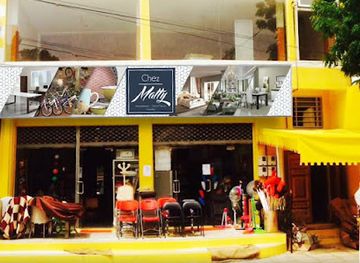
Centre Commercial Chez matty Déco
Explore Centre Commercial Chez matty Déco in Louga for a unique blend of shopping, dining, and cultural experiences in the heart of Senegal.

Get your free copy of our complete guide to Louga, delivered straight to you.
Everything on this page, from attractions and restaurants to essentials and local phrases, in one PDF you can read offline, print or share.
Already have an account? Sign in
Your Louga guide is ready.
We'll send it to · Not you? Sign out

Getting your guide ready…
We are putting together a fresh copy of the Louga guide. This can take up to a minute.
This can take a few moments. If your browser asks, choose Allow so the download can start. You'll find the guide in your Downloads folder.
Nothing happened? Download it again
Sorry, the guide is taking longer than usual. Please try again in a minute, or get it by email instead.
Louga essentials
Currency and Payment
Safety
Emergency Situations
Do's and Don'ts
Local Tips
From Eve
Local phrases worth knowing
You don't need to get them perfect. A few words go a long way, and locals appreciate the effort.
Basics
| English | Local | Say it |
|---|---|---|
| Hello | Naka nga def | [Nah-kah nahng def] |
| Goodbye | Ba beneen | [Bah ben-ehn] |
| Yes | Waaw | [Wah-w] |
| No | Déedéet | [Day-dayt] |
| Please/You're welcome | Jërëjëf | [Jair-jayf] |
| Thank you | Jërëjëf | [Jair-jayf] |
| Excuse me/Sorry | Bës bu yaram | [Behs boo yah-rahm] |
| How are you? | Naka nga def? | [Nah-kah nahng def?] |
| Fine. And you? | Mangi fi. Yow? | [Mahn-gee fee. Yoh?] |
| Do you speak English? | Nga faale angale? | [Ngah fah-leh ahn-gah-lay?] |
| I don't understand | Dama xamul | [Dah-mah khah-mool] |
Eating & Drinking
| English | Local | Say it |
|---|---|---|
| I'd like to see the menu, please | Baal ma menu, jërëjëf | [Bahl mah meh-nu, jair-jayf] |
| I don't eat meat | Dama joxul nyama | [Dah-mah joh-khool nyah-mah] |
| Cheers! | Namm naa! | [Nahm nah!] |
| I would like to pay, please | Baal ma jott, jërëjëf | [Bahl mah jot, jair-jayf] |
Emergencies
| English | Local | Say it |
|---|---|---|
| Help! | Dama help! | [Dah-mah help!] |
| Go away! | Dakk ak sa bopp! | [Dahk ak sah bop!] |
| Call the Police! | Nanga faale police! | [Nahn-gah fah-lay poh-lees!] |
| Call a doctor! | Nanga faale docteur! | [Nahn-gah fah-lay dok-teur!] |
| I'm lost | Dama gënn | [Dah-mah ghen] |
| I'm ill | Dama jëf | [Dah-mah jeff] |
Shopping
| English | Local | Say it |
|---|---|---|
| I'd like to buy... | Baal ma jëfandik... | [Bahl mah jef-an-deek...] |
| I'm just looking | Mangi gëne | [Mahn-gee geh-neh] |
| How much is it? | Naka loolu? | [Nah-kah loh-loo?] |
| That's too expensive | Loolu mooy gëna jàpp | [Loh-loo moy geh-nah jahpp] |
| Can you lower the price? | Ndax nga jàppal loolu? | [N-dahkh nahng jah-pahl loh-loo?] |
Time & Numbers
| English | Local | Say it |
|---|---|---|
| What time is it? | Naka waxtu? | [Nah-kah wahk-too?] |
| It's one o'clock | Moom dafa juddu | [Moom dah-fah jood-doo] |
| Half past (10) | Fukki (10) | [Fook-ee (10)] |
| Morning | Suba | [Soo-bah] |
| Afternoon | Tànn | [Tahnn] |
| Evening | Góor | [Goor] |
| Yesterday | Daan | [Dahn] |
| Today | Bés | [Bess] |
| Tomorrow | Bés bu jëf | [Bess boo jeff] |
| 1 | Benn | [Beh-nn] |
| 2 | Nekkin | [Neh-kkeen] |
| 3 | Ñaar | [Nyaar] |
| 4 | Ñent | [Nyehnt] |
| 5 | Juroom | [Joo-room] |
| 6 | Juroom àtt | [Joo-room aht] |
| 7 | Juroom ñeent | [Joo-room nyent] |
| 8 | Juroom ñaari | [Joo-room nyah-ree] |
| 9 | Juroom ñett | [Joo-room nyett] |
| 10 | Juroom ak juroom | [Joo-room ak joo-room] |
Transport & Directions
| English | Local | Say it |
|---|---|---|
| Where's a/the...? | Fan la ...? | [Fahn lah ...?] |
| What's the address? | Naka adresse? | [Nah-kah ah-dress?] |
| Can you show me (on the map)? | Ndax nga may fi (ci carte)? | [N-dahkh nahng my fee (see kart)?] |
| When's the next (bus)? | Kan mooy (bus) bu neex? | [Kahn moy (boos) boo naykh?] |
| A ticket (to ....) | Benn ticket (ci ....) | [Beh-nn tee-ket (see ....)] |
History of Louga
Early Sahelian settlement and exchange
The area now forming Louga has long been part of the Sahelian zone linking the Atlantic coast with the inland savannah. Archaeological evidence across northern Senegal points to changing patterns of settlement, metalworking, agriculture, fishing and pastoralism, shaped by fluctuations in rainfall and access to water. Rather than developing around one dense ancient city, much of the region supported dispersed communities and movement along routes connecting the coast, river valleys and the interior. This older mobility remains visible in the importance of livestock, seasonal water points and market exchange.
Jolof and the political world of the interior
Much of inland Louga belonged to the historical sphere of Jolof, a powerful Wolof polity that influenced the central and northern Senegalese interior from the medieval period onwards. Linguère is especially associated with this history: its name reflects the title traditionally borne by royal women in the Jolof court. Political authority was exercised through rulers, aristocratic families, religious figures and local communities, while trade and pastoral movement connected the inland kingdom with neighbouring territories. The legacy survives in oral traditions, place names and regional ideas of Wolof history.
Cayor, Wolof states and Atlantic connections
The western part of the modern Louga region was connected with Cayor, one of the major Wolof states between the Senegal River and the Cap-Vert area. Cayor’s rulers negotiated, traded and sometimes fought with coastal settlements and European powers operating from Atlantic ports. The region’s sandy western belt therefore formed part of a wider political and commercial landscape rather than an isolated hinterland. Groundnut cultivation and expanding trade in the nineteenth century further tied local communities to changing Atlantic markets before formal French colonial rule was consolidated.
Islamic networks and religious change
Islam spread through northern and central Senegal over several centuries via scholars, traders, clerics and established religious families. In Louga, Islamic learning and Sufi affiliations became interwoven with local political and social structures, without erasing older patterns of community organisation. Tijaniyya, Qadiriyya and Mouride networks have all influenced Senegalese religious life in the wider region, though individual towns and families have their own histories. Mosques, Qur'anic schools, annual gatherings and religious teachers remain important features of the cultural landscape.
French conquest, administration and the railway
French colonial expansion altered Louga’s political economy during the late nineteenth and early twentieth centuries. Administrative posts, taxation and military control reduced the autonomy of earlier states, while the railway linking Dakar with Saint-Louis strengthened the movement of officials, agricultural products and manufactured goods. Louga developed as a railway and road settlement with markets serving surrounding communities. Colonial boundaries did not simply reproduce historic territories, but they helped establish the administrative framework from which the modern region later emerged.
Pastoralism, groundnuts and horticulture
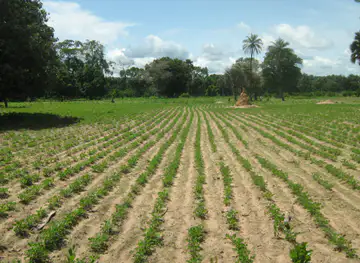
During the colonial and post-colonial periods, the region combined livestock husbandry in the Ferlo with groundnut cultivation and, in the west, market gardening associated with the Niayes. Seasonal rainfall, access to wells and changing agricultural prices have repeatedly affected livelihoods. Kébémer and Louga became important commercial centres for surrounding rural areas, while Linguère remained closely linked to pastoral production and inland transport. The region’s economy is therefore best understood as a combination of farming, livestock, trade and public administration rather than a single dominant industry.
Drought, mobility and contemporary transformation
The severe droughts affecting the Sahel during the 1970s and 1980s had lasting consequences for Louga. Reduced pasture and water availability encouraged migration, altered herd management and increased pressure on wells and other resources. Government programmes, community initiatives, improved roads and horticultural development have since changed parts of the region, but climatic variability remains a central concern. Louga today reflects both continuity and adaptation: pastoral routes, market towns and religious institutions coexist with modern administration, mobile communications and new forms of regional tourism.
Louga in Photos
Browse through our photo collection highlighting the charm and character of the destination.
Neighbouring regions of Louga
The closest regions to Louga, if you have time for more than one.
-

-

-
-

-


Swipe for more regions
Explore more

Explore more of Senegal
Discover Senegal: A West African gem offering rich cultural experiences, vibrant music, stunning natural landscapes, and a warm, welcoming atmosphere.
Explore Senegal