

Free Ziguinchor Travel Guide & Mobile App
Explore Ziguinchor with free travel guides. Discover regional history, expert tips, proposed trips, and audio guides on web or mobile app.


Explore Ziguinchor Region for Casamance culture, mangrove waterways, rice villages, Atlantic beaches and the river city of Ziguinchor.
Read more about Ziguinchor
When is the best time to visit Ziguinchor?
Best: December–February · 30–32°C| Month | High (°C) | Rainfall (mm) |
|---|---|---|
| January (best) | 30 | 1 |
| February (best) | 32 | 1 |
| March | 32 | 1 |
| April | 33 | 3 |
| May | 33 | 10 |
| June | 33 | 30 |
| July | 31 | 150 |
| August | 31 | 300 |
| September | 32 | 250 |
| October | 32 | 60 |
| November | 31 | 10 |
| December (best) | 30 | 2 |
Getting to and around Ziguinchor
How to get there
Transportation
Destinations in Ziguinchor
Resorts, valleys and scenic spots worth a trip of their own.

Swipe for more destinations
Best attractions in Ziguinchor
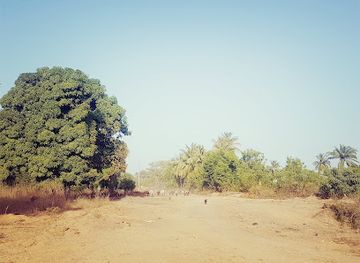
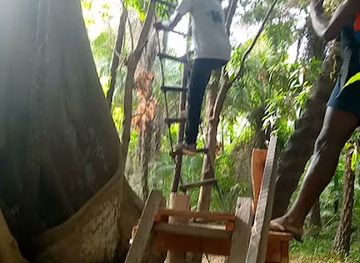
Ziguinchor Region’s attractions are rooted in landscape and living culture as much as in formal monuments. In Ziguinchor, visitors can explore markets, riverfront areas, churches, mosques and traces of the colonial-era town, then use the city as a base for excursions along the Casamance River. Oussouye offers insight into Lower Casamance’s Jola cultural heritage and customary institutions, although visits should be arranged respectfully and locally. Around the waterways, guided canoe trips reveal mangrove channels, tidal creeks, birdlife and villages connected to rice cultivation and fishing. The coast provides a different experience, with the sandy beaches and accommodation of Cap Skirring, the fishing activity of Kafountine and quieter stretches of Atlantic shoreline. Inland routes pass through palm groves, woodland and wet-rice country, while forest and wetland excursions are especially rewarding for visitors interested in ecology. Experiences vary strongly with season, tides, road conditions and local access arrangements, so the region is better approached as a collection of journeys than as a concentrated sightseeing circuit.
-
Tourist attraction
Sogui Tours Senegal
Experience the authentic charm of Senegal with Sogui Tours in Mbour, where culture, nature, and adventure await every traveler.
-
Tourist attraction
Parc national de Basse Casamance
Explore the stunning biodiversity and serene landscapes of Parc National de Basse Casamance, a true natural sanctuary in Senegal.
-
Mosque
Ziguinchor Sénégal
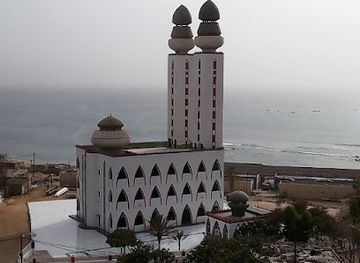
Immerse yourself in the cultural and spiritual essence of Ziguinchor at the stunning Grande Mosquée, a true architectural gem of Senegal.
-
Tourist attraction
Soleil Casamance
Experience the beauty and culture of Senegal at Soleil Casamance, a stunning tourist attraction in Cap Skirring that captivates every traveler.

Best landmarks in Ziguinchor
The Casamance River is Ziguinchor Region’s defining geographical landmark, widening into tidal waterways and bolongs that have shaped settlement, transport, fishing and rice cultivation. In the regional capital, the Cathedral of Saint-Antoine de Padoue is a prominent religious building and a reminder of the city’s colonial and Christian history, while older streets and administrative structures preserve elements of Ziguinchor’s former colonial role. Oussouye’s customary royal institution and associated cultural spaces are significant symbols of Lower Casamance’s Jola heritage, but they should be visited with local permission and interpretation. On the coast, Cap Skirring’s broad Atlantic beach is a recognisable natural landmark, contrasting with the working fishing environment around Kafountine. Mangrove forests and tidal creeks are not monumental structures, yet they are among the region’s most important visual and ecological features, linking villages, fisheries and bird habitats. These landmarks are best understood as parts of a connected cultural landscape rather than isolated photographic stops.
-
Hotel
Hotel Kadiandoumagne
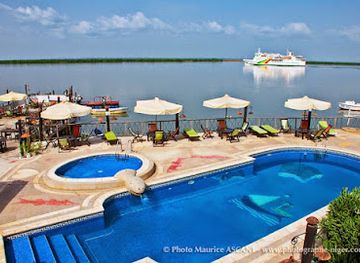
Discover the charm of Ziguinchor and enjoy a comfortable stay at Hotel Kadiandoumagne, where culture meets modern hospitality.
-
 Hotel
HotelHôtel Le Perroquet
Discover the charm of Ziguinchor at Hôtel Le Perroquet, where comfort meets local culture in the heart of Senegal.
-
Indoor lodging
Le Flamboyant
Experience the heart of Ziguinchor at Le Flamboyant, your cozy home-base for exploring the vibrant Casamance region of Senegal.
-
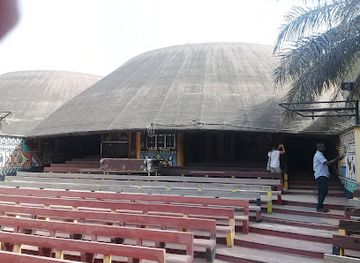
Cultural center
French Alliance of Ziguinchor
Explore the vibrant cultural scene at the French Alliance of Ziguinchor, where art, tradition, and community come together in the heart of Senegal.
Explore Ziguinchor on the map
Plan your trip on one map. See where the top cities, national parks and sights are, and book hotels and experiences in a few clicks.
Best hotels in Ziguinchor
Best restaurants in Ziguinchor
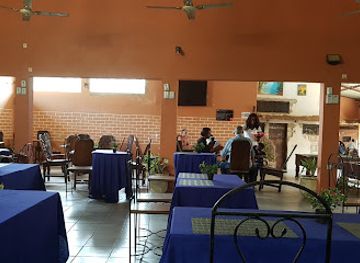
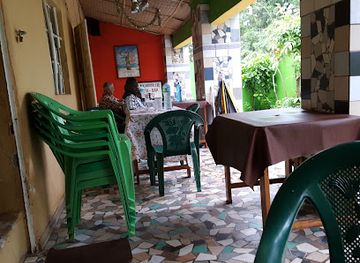
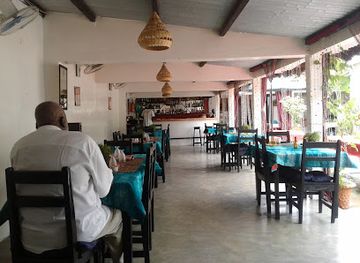
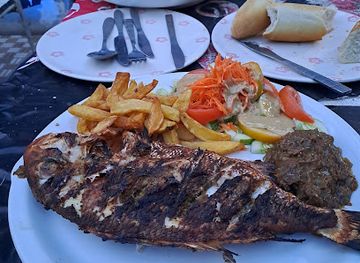
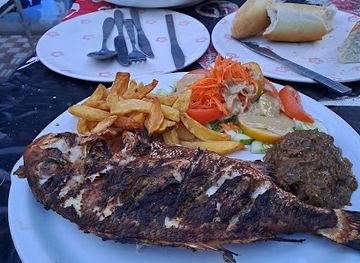
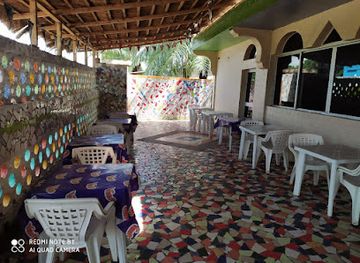
Dining in Ziguinchor Region reflects Casamance’s rivers, rice fields, Atlantic fisheries and tropical gardens. Restaurants and family-run eateries in Ziguinchor commonly serve rice with fish, chicken or meat, alongside Senegalese staples such as thieboudienne and generous sauces, while coastal communities offer fresh fish and seafood when landings are good. Oysters gathered from mangrove environments are a notable local food, although visitors should choose reputable preparation and avoid consuming raw shellfish where hygiene is uncertain. Cashew products, mangoes, citrus fruit and palm-derived ingredients appear in markets and seasonal cooking. In villages and smaller settlements, meals may be arranged through a lodge, guide or host rather than chosen from a large menu. Cap Skirring has the broadest selection of visitor-oriented restaurants, combining Senegalese cooking with French and international influences. Ziguinchor’s markets are useful for seeing regional produce, but food safety, refrigeration and water standards vary, so cautious choices are sensible.
-
Hotel
Hôtel Le Perroquet
Experience true Senegalese hospitality at Hôtel Le Perroquet – your perfect retreat in the heart of Ziguinchor.
-
Restaurant
Le Kassa Restaurant
Discover authentic Senegalese cuisine at Le Kassa Restaurant in Ziguinchor—where every dish tells a story.
-
Restaurant
Restaurant Le Kangoulenne
Discover authentic Senegalese cuisine at Restaurant Le Kangoulenne in Ziguinchor - where flavors meet culture.
-
Restaurant
Makari
Discover authentic Senegalese flavors at Makari, a must-visit restaurant in Ziguinchor that celebrates local culinary traditions.
Best bars in Ziguinchor
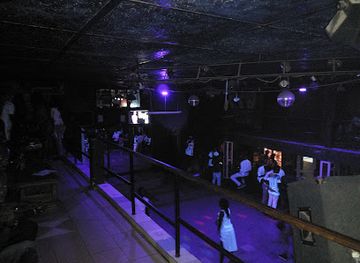
Evening life in Ziguinchor Region is varied but generally low-key outside the main towns and coastal resorts. Ziguinchor has cafés, restaurants, bars and occasional live-music settings where residents, students and visitors gather, while Cap Skirring offers the most established resort-oriented evening scene, especially during the tourist season. Kafountine and other coastal communities tend to centre nightlife on restaurants, small bars, music and informal socialising rather than large clubs. In rural areas, evenings are usually quiet and organised around family, community or lodge life. Senegal’s musical traditions are an important part of the atmosphere, but events and venues can change, so ask locally rather than relying on old listings. Drink responsibly, use trusted transport after dark and remember that an evening in Casamance need not revolve around alcohol: food, conversation, music and waterfront settings are often the main attractions.
-
Disco club
CIA NIGHT CLUB
Discover the vibrant nightlife of Ziguinchor at CIA Night Club, where music, dance, and unforgettable memories await.
-
Night club
NO PANIK (Ex Double Clic )
Dive into the vibrant nightlife of Ziguinchor at NO PANIK, where the dance floor comes alive with rhythm and energy every night.
-
Bar
NEMA BAR
Experience the vibrant nightlife of Ziguinchor at Nema Bar, where refreshing drinks and local culture come together in perfect harmony.
-
Bar
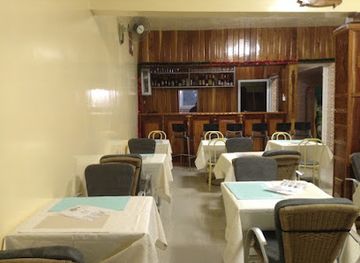
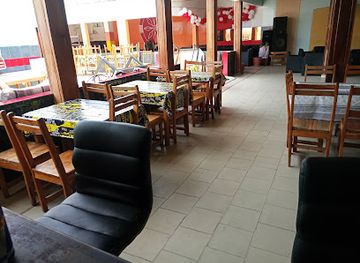
Bar Resto Le Moulin Rouge
Discover Bar Resto Le Moulin Rouge, a vibrant bar in Ziguinchor, perfect for sipping local drinks and enjoying the lively atmosphere of Senegal.
Best nightclubs in Ziguinchor
Evening life in Ziguinchor Region is varied but generally low-key outside the main towns and coastal resorts. Ziguinchor has cafés, restaurants, bars and occasional live-music settings where residents, students and visitors gather, while Cap Skirring offers the most established resort-oriented evening scene, especially during the tourist season. Kafountine and other coastal communities tend to centre nightlife on restaurants, small bars, music and informal socialising rather than large clubs. In rural areas, evenings are usually quiet and organised around family, community or lodge life. Senegal’s musical traditions are an important part of the atmosphere, but events and venues can change, so ask locally rather than relying on old listings. Drink responsibly, use trusted transport after dark and remember that an evening in Casamance need not revolve around alcohol: food, conversation, music and waterfront settings are often the main attractions.
-
Disco club
CIA NIGHT CLUB
Discover the electrifying atmosphere of CIA Night Club in Ziguinchor, where vibrant nightlife and unforgettable moments await.
-
Night club
NO PANIK (Ex Double Clic )
NO PANIK Night Club in Ziguinchor offers an exhilarating nightlife experience with vibrant music and a lively atmosphere, perfect for night owls and party lovers.
-
Bar
NEMA BAR
Discover NEMA BAR: A vibrant bar in Ziguinchor offering delicious local cuisine, refreshing drinks, and a lively atmosphere without breaking the bank.
-
Bar
Chez Daggi
Discover the heart of Ziguinchor at Chez Daggi, a cozy bar offering local drinks and warm hospitality in a vibrant atmosphere.

Best shops in Ziguinchor
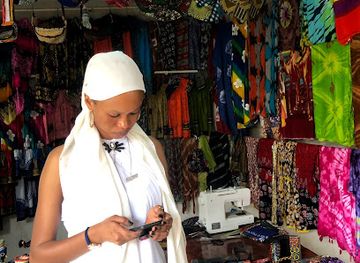
Shopping in Ziguinchor Region is centred on markets, small independent shops and local produce rather than large retail complexes. Ziguinchor is the main place for practical supplies, clothing, household goods, fabrics and market browsing, while stalls and shops around Cap Skirring cater more directly to visitors with woven items, jewellery, woodwork, paintings and light clothing. Coastal and rural markets may offer cashews, dried fish, fruit, honey and palm-related products, with availability varying by season. Ask about materials and production methods before buying carved objects, and avoid anything presented as archaeological or taken from an uncertain source. Bargaining can be customary in open markets, but it should remain friendly and proportionate; fixed-price shops and accommodation-based craft displays may operate differently. Regional crafts make more meaningful purchases when bought directly from makers or through fair local channels, while fragile items and food products may require careful packing for onward travel.
-
Market
Centre Artisanal
Explore Centre Artisanal in Ziguinchor for an authentic immersion into Senegal's vibrant art and culture, with unique handcrafted treasures waiting to be discovered.
-
Produce market
Market (nguélaw) Grand Dakar
Explore the vibrant Market (nguélaw) Grand Dakar, a bustling produce haven in Ziguinchor, where fresh flavors and local culture come alive.
-
Grocery store
Citydia
Explore the heart of Ziguinchor at Citydia, a local grocery store offering fresh produce and unique local products for an authentic shopping experience.
-
Bakery
Boulangérie Sokhna Diarra Bousso 2
Experience the authentic flavors of Senegalese pastries and breads at Boulangérie Sokhna Diarra Bousso 2 in Ziguinchor.


Get your free copy of our complete guide to Ziguinchor, delivered straight to you.
Everything on this page, from attractions and restaurants to essentials and local phrases, in one PDF you can read offline, print or share.
Already have an account? Sign in
Your Ziguinchor guide is ready.
We'll send it to · Not you? Sign out

Getting your guide ready…
We are putting together a fresh copy of the Ziguinchor guide. This can take up to a minute.
This can take a few moments. If your browser asks, choose Allow so the download can start. You'll find the guide in your Downloads folder.
Nothing happened? Download it again
Sorry, the guide is taking longer than usual. Please try again in a minute, or get it by email instead.
Ziguinchor essentials
Currency and Payment
Safety
Emergency Situations
Do's and Don'ts
Local Tips
From Eve
Local phrases worth knowing
You don't need to get them perfect. A few words go a long way, and locals appreciate the effort.
Basics
| English | Local | Say it |
|---|---|---|
| Hello | Naka | [Nah-kah] |
| Goodbye | Ba bene | [Bah beh-neh] |
| Yes | Waaw | [Wah-w] |
| No | Deed | [Deed] |
| Please/You're welcome | S'il vous plaît | [Seel voo pleh] |
| Thank you | Jërëjëf | [Jah-reh-jef] |
| Excuse me/Sorry | Nangadef | [Nan-gah-def] |
| How are you? | Naka nga def? | [Nah-kah nah-gah def?] |
| Fine. And you? | Maangi fi. Nga def? | [Mah-ahn-gee fee. Nah-gah def?] |
| Do you speak English? | Nanga def jàng English? | [Nahng-ah def jahng English?] |
| I don't understand | Damañu jàng | [Dah-mah-nyoo jahng] |
Eating & Drinking
| English | Local | Say it |
|---|---|---|
| I'd like to see the menu, please | Nangi jàng menu bi, s'il vous plaît | [Nahn-gee jahng meh-noo bee, seel voo pleh] |
| I don't eat meat | Damañu naan na meat | [Dah-mah-nyoo nahn nah meat] |
| Cheers! | Santé! | [Sahn-teh] |
| I would like to pay, please | Nangi jàng pay bi, s'il vous plaît | [Nahn-gee jahng pay bee, seel voo pleh] |
Emergencies
| English | Local | Say it |
|---|---|---|
| Help! | Jëfandik! | [Juh-fahn-deek] |
| Go away! | Dëgg! | [Duhg] |
| Call the Police! | Fii police bi! | [Fee poh-lees bee!] |
| Call a doctor! | Fii doctor bi! | [Fee dok-tor bee!] |
| I'm lost | Damañu gëna falu | [Dah-mah-nyoo geh-nah fah-loo] |
| I'm ill | Damañu gëna gëj | [Dah-mah-nyoo geh-nah gehj] |
Shopping
| English | Local | Say it |
|---|---|---|
| I'd like to buy... | Nangi jàng buy... | [Nahn-gee jahng buy...] |
| I'm just looking | Damañu gëstu | [Dah-mah-nyoo geh-stoo] |
| How much is it? | Naka lii? | [Nah-kah lee?] |
| That's too expensive | Li is too expensive | [Lee ees too eks-pensiv] |
| Can you lower the price? | Yaa ngi gëna bopp? | [Yah ng-ee geh-nah bop?] |
Time & Numbers
| English | Local | Say it |
|---|---|---|
| What time is it? | Naka sa yoon? | [Nah-kah sah yoon?] |
| It's one o'clock | Doy na aji | [Doh-ee nah ah-jee] |
| Half past (10) | Dëgër (10) | [Duh-gehr (10)] |
| Morning | Suba | [Soo-bah] |
| Afternoon | Gëj | [Gehj] |
| Evening | Gëj | [Gehj] |
| Yesterday | Boo | [Boo] |
| Today | Jëf | [Juhf] |
| Tomorrow | Bokk | [Bok] |
| 1 | Ben | [Ben] |
| 2 | Ñaar | [Nyaar] |
| 3 | Ñett | [Nett] |
| 4 | Naari | [Nah-ree] |
| 5 | Juroom | [Joo-room] |
| 6 | Juroom ben | [Joo-room ben] |
| 7 | Juroom ñaar | [Joo-room nyaar] |
| 8 | Juroom nett | [Joo-room nett] |
| 9 | Juroom naari | [Joo-room nah-ree] |
| 10 | Juroom tën | [Joo-room ten] |
Transport & Directions
| English | Local | Say it |
|---|---|---|
| Where's a/the...? | Naka ...? | [Nah-kah ...?] |
| What's the address? | Naka adresse bi? | [Nah-kah ah-dress bee?] |
| Can you show me (on the map)? | Yaa ngi jëfandik (ci plan)? | [Yah ng-ee juh-fahn-deek (see plahn)?] |
| When's the next (bus)? | Naka yoon bu (bus) bi? | [Nah-kah yoon boo (bus) bee?] |
| A ticket (to ....) | Bokki (te ...) | [Bok-kee (te ...)] |
History of Ziguinchor
Jola Rice Culture and Earlier Casamance Societies
Long before colonial rule, Lower Casamance was shaped by communities that adapted closely to forests, tidal waterways and seasonal rainfall. Jola societies became particularly associated with intensive wet-rice cultivation, using bunds and carefully managed lowland fields. Political organisation was often decentralised, with authority distributed through villages, age groups, families and religious institutions rather than concentrated in a single kingdom. This social history remains visible in agricultural landscapes and customary practices across parts of Ziguinchor Region.
The Casamance within the Wider Senegambian World
The region participated in networks linking the Casamance River, the Gambia, coastal trade and inland savannah routes. Mandinka-speaking political and commercial influences reached the area through the wider Senegambian world, while Jola, Balanta, Manjak and other communities maintained their own identities and local systems. Trade involved agricultural produce, forest products, fish and later commodities demanded by Atlantic merchants. These overlapping connections help explain the region’s cultural diversity and its historical links with neighbouring territories.
French Expansion and Colonial Ziguinchor
France gradually extended control over Casamance during the nineteenth century, establishing trading and administrative positions along the river and coast. Ziguinchor developed as an important colonial centre, linked to river transport and the movement of agricultural products. Colonial rule introduced new boundaries, taxes, schools, missions and commercial priorities, while also disrupting existing political relationships and land-use patterns. Surviving colonial-era buildings and the city’s role as a regional administrative centre reflect this period.
Groundnuts, Rice and the Colonial Economy
During the late colonial period and after Senegalese independence in 1960, agriculture remained central to the regional economy. Groundnuts became an important cash crop, while rice continued to underpin food security and local identity, particularly in wetland areas. Fishing, palm products and forest resources added to the economic mix. Roads and river transport connected Ziguinchor more closely with national markets, although the region’s geographic separation from northern Senegal continued to influence trade and public services.
Ziguinchor and the Casamance Conflict
A separatist rebellion associated with the Mouvement des Forces Démocratiques de la Casamance began in 1982, reflecting longstanding grievances about political representation, economic marginalisation and the relationship between Casamance and the Senegalese state. Violence and insecurity affected parts of the region for decades, with consequences for farming, travel and village life. The conflict was uneven geographically and did not define every community, but it remains essential context for understanding contemporary Casamance.
Peace Efforts and Regional Opening
Negotiations, ceasefires and local peace initiatives have gradually reduced conflict in much of Ziguinchor Region, although the process has been prolonged and uneven. The 2005 peace agreement and later developments contributed to improved conditions in many destinations, while demining and reintegration efforts have supported the return of some communities to fields and villages. Visitors should not treat the conflict as merely historical: current travel advice and local information remain important in remote areas.
Contemporary Casamance Culture and Tourism
Today, Ziguinchor Region combines regional urban life with agriculture, fishing, cultural traditions and a growing visitor economy. Cap Skirring became an established coastal tourism centre, while ecological and community-based initiatives have promoted mangrove excursions, birdwatching and village-based experiences. Tourism remains geographically concentrated and sensitive to seasonality, infrastructure and security perceptions. The region’s contemporary identity is therefore shaped both by its distinctive cultural landscapes and by continuing efforts to develop them without reducing local traditions to staged attractions.
Ziguinchor in Photos
Browse through our photo collection highlighting the charm and character of the destination.
Neighbouring regions of Ziguinchor
The closest regions to Ziguinchor, if you have time for more than one.
-

-

-
-

-


Swipe for more regions
Explore more

Explore more of Senegal
Discover Senegal: A West African gem offering rich cultural experiences, vibrant music, stunning natural landscapes, and a warm, welcoming atmosphere.
Explore Senegal