

Ada Ciganlija, Serbia Travel Guide
Discover Ada Ciganlija in Serbia – Belgrade's lush river island offering pristine beaches, recreational activities, and vibrant year-round events.
Ada Ciganlija, often referred to as the 'Sea of Belgrade,' is a beautiful river island located in the heart of Serbia's capital. This lush green oasis transforms into a bustling summer retreat with its pristine beaches, crystal-clear waters, and numerous recreational activities. Whether you're looking to relax on the sandy shores or engage in adrenaline-pumping sports, Ada Ciganlija offers something for everyone. In addition to its natural beauty, the island is renowned for its well-maintained facilities, ensuring a comfortable and enjoyable experience for all visitors. You can rent bicycles, paddle boats, and even go water skiing. For those who prefer a leisurely stroll, the island's pedestrian paths provide stunning views of the Sava River. The abundance of cafes, restaurants, and bars ensures that you can savor delicious local cuisine while soaking in the scenic surroundings. Ada Ciganlija is not just a summer destination; it offers year-round activities, including ice skating in the winter and various cultural events throughout the year. The island's rich history and vibrant atmosphere make it a must-visit destination for anyone traveling to Belgrade. Whether you're a nature lover, sports enthusiast, or simply looking to relax, Ada Ciganlija promises an unforgettable experience.

Know before you go
Hi, I'm Eve. Here are a few practical things to know before exploring Ada Ciganlija.
- Visit early in the morning or late afternoon to avoid the crowds and enjoy a serene experience.
- Rent a bike to explore the island's extensive network of trails and enjoy scenic river views.
- Try the local street food from vendors along the beach for an authentic taste of Belgrade.
- Bring a picnic and enjoy the designated picnic areas scattered across the island.
- Check the event calendar in advance to catch cultural events, concerts, or festivals during your visit.
Explore Ada Ciganlija: Things to Do, Places to Eat, Hotels & More
Handpicked recommendations for top attractions, local dining, accommodations, and more

Best attractions in Ada Ciganlija
Top-rated picks
Best Attractions

Ada Stonehenge
Experience the beauty and artistry of Ada Stonehenge, a serene park in Belgrade that blends nature with captivating sculptures.

Garden of Lights
Experience the enchanting Garden of Lights in Belgrade; a captivating blend of nature and art illuminated by stunning light displays.

Belgrade Sign
Experience the charm and beauty of the Belgrade Sign at Ada Ciganlija, an iconic landmark perfect for stunning photos and relaxation in nature.

Ада Циганлија
Discover Ada Ciganlija, Belgrade’s urban oasis with sandy beaches, lush greenery, and endless recreational activities for every traveler.

Best landmarks in Ada Ciganlija
Top-rated picks
Best Landmarks

Ada Bridge
Discover the breathtaking Ada Bridge in Belgrade, a modern marvel and a must-visit tourist attraction that connects the city's vibrant neighborhoods.

Plaža Ada Ciganlija
Explore Ada Ciganlija, Belgrade's urban beach oasis, where relaxation meets adventure amidst stunning natural beauty and vibrant local culture.

Avantura park
Experience the thrill of adventure and the beauty of nature at Avantura Park, Belgrade's top amusement center on Ada Ciganlija.

Kuća strave
Discover the ultimate haunted house experience at Kuća Strave in Belgrade – where fear meets fun in a spine-chilling adventure.

Best restaurants in Ada Ciganlija
Top-rated picks
Best Restaurants

Sunset 1999
Experience the best of Serbian cuisine and nightlife at Sunset 1999 on Ada Ciganlija - perfect for families and night owls alike.
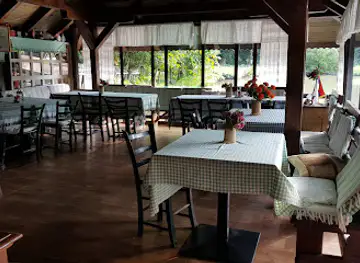
Ada Safari
Discover authentic Serbian flavors at Ada Safari, where delicious cuisine meets serene fishing experiences in beautiful Belgrade.

Restaurant Druga Kuća - Ada
Experience the best of Serbian and Western cuisine at Restaurant Druga Kuća on Ada Ciganlija - a culinary haven surrounded by nature.

Hacienda Makondo
Experience authentic grill cuisine amidst stunning views at Hacienda Makondo on Ada Ciganlija in Belgrade.

Best bars in Ada Ciganlija
Top-rated picks
Best Bars

Sunset 1999
Discover the vibrant Sunset 1999 in Belgrade, where exceptional dining meets lively nightlife on the beautiful Ada Ciganlija.

Коко бар
Discover Koko Bar, a charming riverside retreat in Belgrade, blending delightful drinks with stunning views and a vibrant atmosphere.
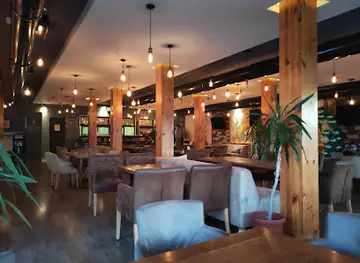
Varadero bar
Discover Varadero Bar on Ada Ciganlija, the perfect blend of vibrant atmosphere, delicious drinks, and stunning lake views in Belgrade.

Street Caffe Ada
Experience the flavors of Serbia at Street Caffe Ada, where delicious cuisine meets stunning lakeside views in Belgrade's most popular destination.

Best nightclubs in Ada Ciganlija
Top-rated picks
Best Nightclubs

Vox Blues Club
Immerse yourself in the vibrant blues scene of Belgrade at Vox Blues Club, where live music and an electric atmosphere await.

MONEY CLUB
Dive into the heart of Belgrade's nightlife at MONEY CLUB, where electrifying beats and vibrant crowds create unforgettable nights.

Kućica
Discover the electric atmosphere of Kućica, a premier night club on the Sava River, where unforgettable nights and vibrant music await in Belgrade.

Sol Beach Ltd.
Discover the ultimate nightlife experience at Sol Beach Ltd., where dancing, live music, and stunning river views create unforgettable moments in Belgrade.

Best shops in Ada Ciganlija
Top-rated picks
Best Shops

Ada Mall
Explore Ada Mall in Belgrade for a unique shopping experience featuring diverse stores, dining, and entertainment for all ages.

Макси - TЦ Ада Мол
Discover a world of shopping convenience at Макси - TЦ Ада Мол in Belgrade, where local products meet international brands.

Vape Shop Umbrella Elektronske Cigarete Beograd Ada Mall
Discover the vibrant world of vaping at Vape Shop Umbrella in Belgrade, featuring a wide range of vaporizers and unique flavors.

Mi Store
Explore innovative technology at Mi Store in Belgrade's Ada Mall, featuring the latest smartphones and gadgets for tech enthusiasts and tourists.

Explore Ada Ciganlija on the Map
A handpicked selection of must-see spots in Ada Ciganlija, mapped for you.
Ada Ciganlija Essentials
-
Ada Ciganlija is an island-turned-peninsula in the Sava River, located in the heart of Belgrade, Serbia. The nearest airport is Belgrade Nikola Tesla Airport, which is approximately 15 kilometers away. From the airport, you can take a taxi, which takes around 20-30 minutes, or use public transportation, such as buses or shuttle services, to reach the city center. From there, local buses and trams can take you directly to Ada Ciganlija.
-
Ada Ciganlija is well-connected with the rest of Belgrade via public transportation. Bus lines 23, 37, 51, 52, 53, 56, 58, and 88, as well as the tram line 12, have stops near the peninsula. Within Ada Ciganlija, you can rent bicycles, rollerblades, or electric scooters to explore the area. Taxis are also readily available and relatively inexpensive for exploring the wider Belgrade area.
-
The official currency in Serbia is the Serbian Dinar (RSD). While many establishments in Belgrade accept credit and debit cards, it is advisable to carry some cash, especially when visiting smaller vendors and kiosks in Ada Ciganlija. ATMs are widely available throughout Belgrade, including several on Ada Ciganlija itself.
-
Ada Ciganlija is generally a safe destination for tourists. However, like any popular tourist spot, be mindful of your belongings and avoid leaving valuables unattended. While Belgrade is relatively safe, some neighborhoods may have higher crime rates, particularly after dark. It is advisable to avoid isolated areas and always stay aware of your surroundings.
-
In case of an emergency, dial 112 for immediate assistance. There is a medical facility on Ada Ciganlija for minor health issues. For more serious medical emergencies, hospitals in Belgrade are easily accessible. It is recommended to have travel insurance that covers medical emergencies. Additionally, lifeguards are present at swimming areas during the summer season.
-
Fashion: Do wear comfortable and casual clothing suitable for outdoor activities. Swimsuits are acceptable at the beach areas, but cover up when not at the beach. Religion: Do respect local customs and traditions even though Ada Ciganlija is a recreational area. Public Transport: Do validate your ticket when using public transportation. Don’t forget to offer your seat to elderly passengers. Greetings: Do greet people with a friendly 'Zdravo' (Hello) or a handshake. Eating & Drinking: Do try local food and beverages available at numerous cafes and restaurants. Don’t drink tap water; bottled water is recommended.
-
To experience Ada Ciganlija like a local, visit during the weekdays to avoid crowds. Take a walk or bike ride around the 8-kilometer-long path that encircles the peninsula. Enjoy the numerous outdoor activities such as kayaking, beach volleyball, or mini-golf. Stop by the local cafes and bars for refreshing drinks and local Serbian cuisine. Don't miss the sunset over the Sava River, which offers stunning views and a perfect end to your day.
When is the best time to visit Ada Ciganlija?
Useful Local Phrases for Ada Ciganlija
You don't need to speak the language perfectly. Even learning a few simple words can make conversations warmer—and locals usually appreciate the effort.
— Eve

Here are the phrases I use most often in Ada Ciganlija. Try a few—you'll be surprised how far they go! 😊
❤️
-
- HelloZdravo
[Zdrah-voh] - GoodbyeDoviđenja
[Doh-vee-jeh-nya] - YesDa
[Dah] - NoNe
[Neh] - Please/You're welcomeMolim
[Moh-leem] - Thank youHvala
[Hvah-lah] - Excuse me/SorryIzvinite
[Eez-vee-nee-teh] - How are you?Kako si?
[Kah-koh see?] - Fine. And you?Dobro. A ti?
[Doh-bro. Ah tee?] - Do you speak English?Da li govorite engleski?
[Dah lee goh-voh-ree-teh ehn-gleh-skee?] - I don't understandNe razumem
[Neh rah-zoo-mehm]
- HelloZdravo
-
- I'd like to see the menu, pleaseMolim vas meni
[Moh-leem vahs meh-nee] - I don't eat meatNe jedem meso
[Neh yeh-dehm meh-so] - Cheers!Živeli!
[Zhee-veh-lee] - I would like to pay, pleaseŽelim da platim, molim
[Zheh-leem dah plah-teem, moh-leem]
- I'd like to see the menu, pleaseMolim vas meni
-
- Help!Pomoć!
[Poh-mohtch!] - Go away!Idi odavde!
[Ee-dee oh-dahv-deh!] - Call the Police!Pozovite policiju!
[Poh-zoh-vee-teh poh-lee-tsee-yoo!] - Call a doctor!Pozovite doktora!
[Poh-zoh-vee-teh dohk-toh-rah!] - I'm lostIzgubio sam se
[Eez-goo-byoh sahm seh] - I'm illBolestan sam
[Boh-leh-stahn sahm]
- Help!Pomoć!
-
- I'd like to buy...Želeo bih da kupim...
[Zheh-leh-oh bee dah koo-peem] - I'm just lookingSamo gledam
[Sah-moh gleh-dahm] - How much is it?Koliko košta?
[Koh-lee-koh koh-shta?] - That's too expensiveTo je previše skupo
[Toh yeh preh-vee-sheh skoo-poh] - Can you lower the price?Možete li spustiti cenu?
[Moh-zheh-teh lee spoo-stee-tee tseh-noo?]
- I'd like to buy...Želeo bih da kupim...
-
- What time is it?Koliko je sati?
[Koh-lee-koh yeh sah-tee?] - It's one o'clockJedan je sat
[Yeh-dahn yeh saht] - Half past (10)Pola (deset)
[Poh-lah (deh-set)] - MorningJutro
[Yoo-troh] - AfternoonPopodne
[Po-poh-dneh] - EveningVeče
[Veh-cheh] - YesterdayJuče
[Yoo-cheh] - TodayDanas
[Dah-nahs] - TomorrowSutra
[Soo-trah] - 1Jedan
[Yeh-dahn] - 2Dva
[Dvah] - 3Tri
[Tree] - 4Četiri
[Cheh-tee-ree] - 5Pet
[Peh-t] - 6Šest
[Shehst] - 7Sedam
[Seh-dahm] - 8Osam
[Oh-sahm] - 9Devet
[Deh-veht] - 10Deset
[Deh-set]
- What time is it?Koliko je sati?
-
- Where's a/the...?Gde je...?
[Gdeh yeh...?] - What's the address?Koja je adresa?
[Koh-yah yeh ah-deh-sah?] - Can you show me (on the map)?Možete li mi pokazati (na mapi)?
[Moh-zheh-teh lee mee poh-kah-zah-tee (nah mah-pee)?] - When's the next (bus)?Kada je sledeći (autobus)?
[Kah-dah yeh sleh-deh-chee (ow-toh-boos)?] - A ticket (to ....)Jednu kartu (do ...)
[Yehd-noo kahr-too (doh ...)]
- Where's a/the...?Gde je...?
History of Ada Ciganlija
-
Ada Ciganlija, often referred to as 'Belgrade's Sea', has a rich history dating back to ancient times. Archaeological findings suggest that the area was inhabited since the prehistoric period. The strategic location near the confluence of the Sava and Danube rivers made it an attractive spot for early settlers.
-
During the medieval period, Ada Ciganlija became a significant part of the defensive system of Belgrade. The island was used as a natural barrier to protect the city from invaders. Remnants of fortifications from this era can still be seen, reflecting its historical importance in the region's defense mechanisms.
-
Throughout history, Ada Ciganlija came under various rulers, including the Ottoman Empire and the Austro-Hungarian Empire. Each left its mark on the island, contributing to its diverse cultural and architectural heritage. Under Ottoman rule, the area was used for military purposes, while the Austro-Hungarians developed it further as a strategic point.
-
The 19th century marked a period of significant transformation for Ada Ciganlija. As Serbia gained independence, the island began to be developed for public use. It was during this time that efforts were made to turn the island into a recreational area for the citizens of Belgrade. The construction of bridges and pathways made it more accessible and laid the foundation for its future as a popular leisure destination.
-
During World War II, Ada Ciganlija played a crucial role in the defense of Belgrade. The island was fortified and used as a strategic military base. After the war, the island underwent significant redevelopment as part of the reconstruction efforts. It was transformed into a public park with facilities for sports, recreation, and tourism.
-
In the modern era, Ada Ciganlija has become one of Belgrade's most beloved public spaces. It hosts numerous cultural events, festivals, and sports activities throughout the year. The island's transformation into a vibrant recreational area is a testament to its enduring appeal and significance in Belgrade's cultural landscape.
Neighbouring destination travel guides
Browse our curated selection of top destinations, scenic points, and must-visit spots in the area.




Your all‑in‑one travel companion app
Explore expert travel guides, compare and book tours, experiences, hotels, and more—all from the palm of your hand. Download now for seamless trip planning wherever your wanderlust takes you.


Explore More of Srem

Looking beyond Ada Ciganlija? Discover Srem for broader travel guides, local hot-spots, and regional highlights.
Explore SremExplore More of Serbia

Looking beyond Ada Ciganlija? Discover Serbia for broader travel guides, local hot-spots, and regional highlights.
Explore SerbiaAda Ciganlija in Photos
Browse through our photo collection highlighting the charm and character of the destination.
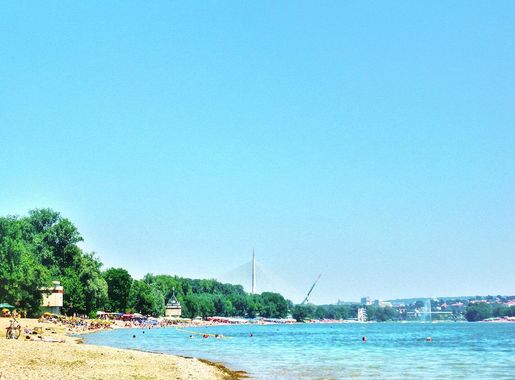


Ada Ciganlija: The Oasis of Belgrade
Ada Ciganlija, often referred to as the 'Sea of Belgrade,' is a beautiful river island located in the heart of Serbia's capital. This lush green oasis transforms into a bustling summer retreat with its pristine beaches, crystal-clear waters, and numerous recreational activities. Whether you're looking to relax on the sandy shores or engage in adrenaline-pumping sports, Ada Ciganlija offers something for everyone. In addition to its natural beauty, the island is renowned for its well-maintained facilities, ensuring a comfortable and enjoyable experience for all visitors. You can rent bicycles, paddle boats, and even go water skiing. For those who prefer a leisurely stroll, the island's pedestrian paths provide stunning views of the Sava River. The abundance of cafes, restaurants, and bars ensures that you can savor delicious local cuisine while soaking in the scenic surroundings. Ada Ciganlija is not just a summer destination; it offers year-round activities, including ice skating in the winter and various cultural events throughout the year. The island's rich history and vibrant atmosphere make it a must-visit destination for anyone traveling to Belgrade. Whether you're a nature lover, sports enthusiast, or simply looking to relax, Ada Ciganlija promises an unforgettable experience.