

Free Szeged Travel Guide & Mobile App
Plan your Szeged trip with Evendo. Get free guides to top attractions, restaurants, hotels, and bars. Web access or download the mobile app.


Szeged, Hungary blends Tisza riverside walks, grand Art Nouveau architecture, historic squares, university culture and famous paprika-rich cuisine.
A River City Reborn
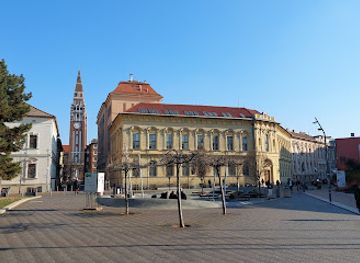
Szeged spreads along the Tisza in southern Hungary, close to the meeting point of the Tisza and Maros rivers and near the borders with Serbia and Romania. Known locally as the City of Sunshine, it combines a relaxed riverside atmosphere with the confident architecture of a place rebuilt after disaster. Much of the centre was reconstructed following the great flood of 1879, when floodwater destroyed most of the town; the broad boulevards and orderly streets that followed still define its urban character.Read more about Szeged
Squares, Spires and Secession Style
University Life and Southern Flavours
When is the best time to visit Szeged?
Best: April–May, September · 20–26°C| Month | High (°C) | Rainfall (mm) |
|---|---|---|
| January | 4 | 20 |
| February | 5 | 16 |
| March | 12 | 16 |
| April (best) | 20 | 23 |
| May (best) | 26 | 28 |
| June | 29 | 38 |
| July | 31 | 33 |
| August | 31 | 27 |
| September (best) | 24 | 21 |
| October | 18 | 27 |
| November | 11 | 17 |
| December | 6 | 20 |
Getting to and around Szeged
How to get there
Transportation
Best attractions in Szeged
Szeged’s principal sightseeing area unfolds around Dóm tér, where the red-brick Votive Church, the National Pantheon and the arcaded university buildings form an unusually coherent monumental ensemble. The nearby Reök Palace, designed in the Hungarian Secession style, offers a striking contrast with its undulating façade and decorative detail, while the Móra Ferenc Museum introduces the region’s archaeology, history and visual culture. Along the Tisza, promenades and the riverside park provide open views and a slower perspective on the city. The New Synagogue is notable for its luminous interior and intricate ornament, and the Inner City Church adds a medieval note to the central streetscape. Széchenyi tér, Kárász utca and Dugonics tér reveal the city’s cafés, university life and post-flood urban planning, while the Anna Bath provides a glimpse of Szeged’s long-standing thermal tradition.
-
Tourist attraction
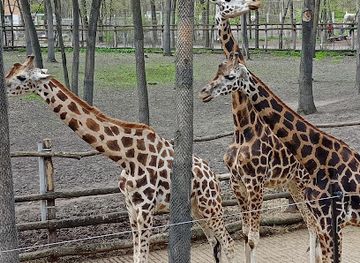
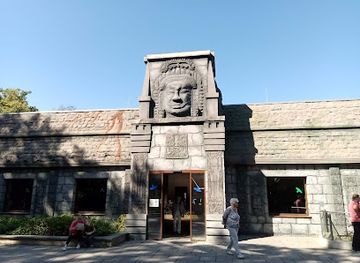
Szeged Zoo
Explore Szeged Zoo, a family-friendly destination with diverse animal species and engaging conservation education, set in beautiful landscaped grounds.
7 min drive · 2.3 km from city centre
-
Catholic church
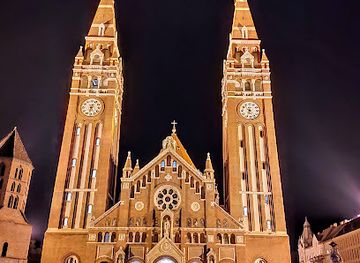
Votive Church of Szeged
Explore the Votive Church of Szeged, an architectural gem that beautifully blends history and spirituality in Hungary's vibrant city.
6 min walk · 0.5 km from city centre
-
Catholic church
Votive Church of Szeged
Discover the breathtaking Votive Church of Szeged, a historical landmark and spiritual sanctuary in Hungary, showcasing exquisite architecture and rich cultural heritage.
6 min walk · 0.5 km from city centre
-
Park
Szechenyi Square
Experience the beauty and culture of Széchenyi Square in Szeged, where stunning architecture meets vibrant local life.
1 min walk · 0.1 km from city centre


Best landmarks in Szeged
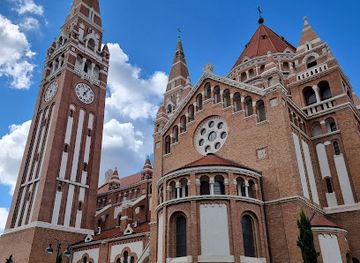
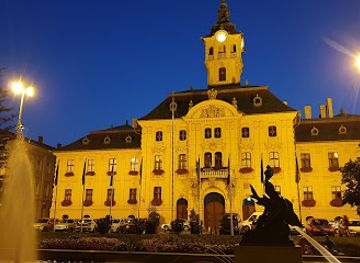
The Votive Church is Szeged’s defining landmark, its twin towers and patterned brickwork rising above Dóm tér as a memorial to the city’s survival of the 1879 flood. The square’s arcades contain the National Pantheon, where busts and statues commemorate important figures in Hungarian history and culture. Across the central streets, the New Synagogue is distinguished by its blend of historic styles, ornate interior and stained glass, reflecting the former importance of Szeged’s Jewish community. Reök Palace is one of the city’s most distinctive Art Nouveau buildings, with a fluid façade associated with Hungarian Secession design. Széchenyi tér is framed by the City Hall and other civic buildings, while the Tisza Lajos körút and surrounding boulevards express the planned urban vision created during post-flood reconstruction. Together, these structures explain Szeged’s architectural identity more clearly than any single monument.
-
Zoo
Szeged Zoo
Explore Szeged Zoo, a captivating destination filled with diverse wildlife and dedicated to conservation and education in the heart of Hungary.
7 min drive · 2.3 km from city centre
-
Catholic church
Votive Church of Szeged
Explore the Votive Church of Szeged, a stunning architectural masterpiece and a historical landmark that embodies the spirit of resilience and beauty.
6 min walk · 0.5 km from city centre
-
Park
Szechenyi Square
Szechenyi Square: A lush park in Szeged, blending history, culture, and natural beauty for an unforgettable experience.
1 min walk · 0.1 km from city centre
-
Restaurant
Kiskörössy Fish Tavern
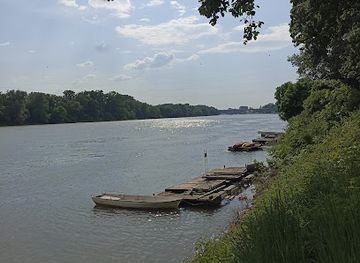
Experience authentic Hungarian cuisine at Kiskörössi Fish Tavern, where fresh fish and local flavors meet picturesque riverside dining.
8 min drive · 2.5 km from city centre
Explore Szeged on the map
Plan your Szeged trip on one map. See where the top attractions, landmarks, restaurants, bars and hotels are, find what's near where you're staying, and book hotels and experiences in a few clicks.
Neighbourhoods in Szeged
-

-

-

-


Swipe for more neighbourhoods
Best hotels in Szeged
Best restaurants in Szeged
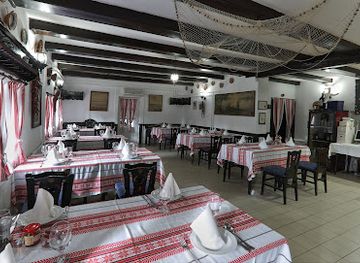
Szeged’s culinary identity is strongly linked to the produce of the Great Plain and the waters of the Tisza. The city is particularly associated with halászlé, or fish soup, traditionally prepared with freshwater fish and paprika, although recipes and levels of heat vary between kitchens. Szegedi paprika gives local cooking its colour and depth, while Szeged-style salami reflects the city’s established meat-processing tradition. Menus also feature familiar Hungarian dishes such as goulash, stuffed cabbage and fried or grilled fish, alongside contemporary interpretations in central restaurants. Markets, food shops and delicatessens are useful places to encounter paprika, sausage and preserved specialities, while cafés around Kárász utca, Dugonics tér and the university quarter bring coffee, pastries and lighter meals into the daily rhythm. The dining scene ranges from traditional Hungarian cooking to modern bistros without losing its regional character.
-
Restaurant
Kiskörössy Fish Tavern
Experience authentic Hungarian seafood at Kiskörössy Fish Tavern along the beautiful Tisza River in Szeged.
8 min drive · 2.5 km from city centre
-
Restaurant
Fehértói Fish Restaurant and Pension
Experience authentic Hungarian flavors at Fehértói Fish Restaurant and Pension in Szeged – a culinary delight for every traveler.
24 min drive · 8.1 km from city centre
-
Hungarian
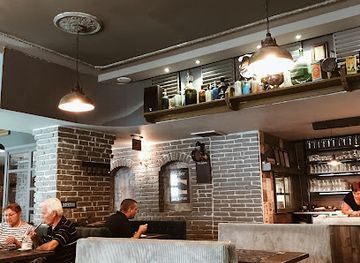
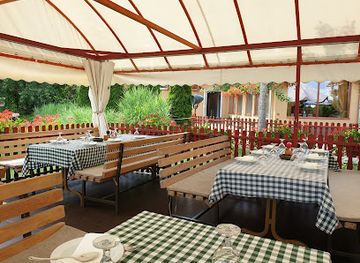
Régi Híd Vendéglő
Experience authentic Hungarian cuisine at Régi Híd Vendéglő in Szeged—where tradition meets taste in a charming setting.
3 min walk · 0.3 km from city centre
-
Hungarian
Jobb Mint Otthon Kisvendéglő
Experience authentic Hungarian flavors at Jobb Mint Otthon Kisvendéglő - where every dish tells a story.
8 min drive · 2.5 km from city centre
Best bars in Szeged
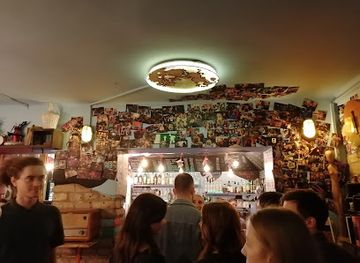
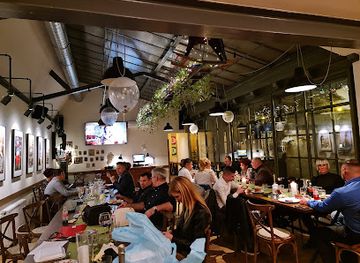
Szeged’s evening life is shaped more by its university population, cultural calendar and café culture than by a huge club scene. Central streets around Kárász utca, Dugonics tér and the university quarter offer bars, beer gardens and informal places for a late drink, with activity often increasing during the academic year. The Tisza riverbank becomes an appealing setting for outdoor socialising in warm weather, while the Szeged Open-Air Festival brings theatre, opera and music to Dóm tér during the summer season. Concerts, student events and smaller cultural performances provide alternatives to clubbing, and the city’s bars generally favour relaxed conversation over formality. Festival periods can make the centre considerably livelier, but Szeged remains more intimate and manageable after dark than Hungary’s capital.
-
British
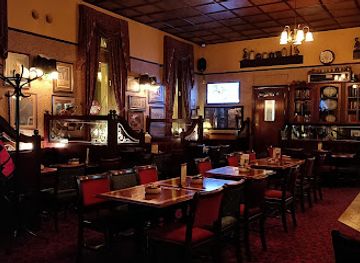
John Bull Pub
Experience the heart of British cuisine in Szeged at John Bull Pub, a cozy spot for locals and tourists alike.
4 min walk · 0.3 km from city centre
-
Grill
Maláta kézműves sör- és grill kert
Experience the best of Szeged's craft beer and grilled delights at Maláta Kézműves Sör- és Grill Kert, where flavor meets tradition.
4 min walk · 0.3 km from city centre
-
Pub
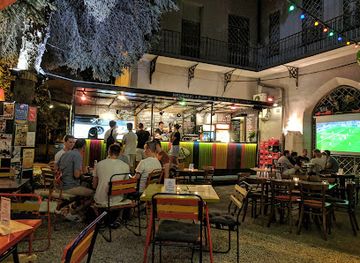
Nyugi Kert
Discover Nyugi Kert, a lively pub in Szeged offering local drinks, vibrant atmosphere, and a taste of Hungary's nightlife.
9 min walk · 0.7 km from city centre
-
Bar
Napfény Műterem
Discover the vibrant nightlife of Szeged at Napfény Műterem, where exquisite drinks meet a lively, welcoming atmosphere.
2 min walk · 0.1 km from city centre
Best nightclubs in Szeged
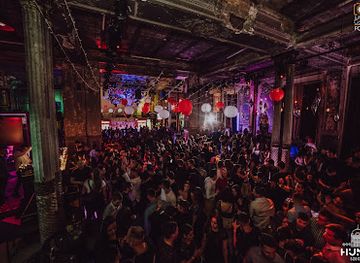
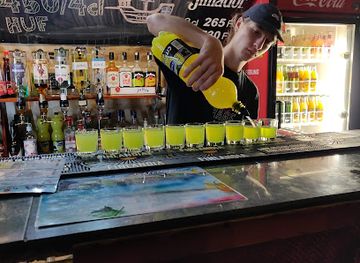
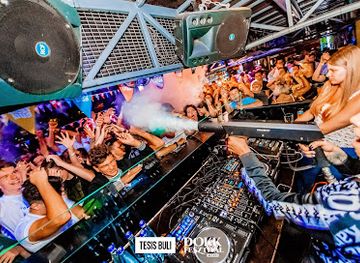
Szeged’s evening life is shaped more by its university population, cultural calendar and café culture than by a huge club scene. Central streets around Kárász utca, Dugonics tér and the university quarter offer bars, beer gardens and informal places for a late drink, with activity often increasing during the academic year. The Tisza riverbank becomes an appealing setting for outdoor socialising in warm weather, while the Szeged Open-Air Festival brings theatre, opera and music to Dóm tér during the summer season. Concerts, student events and smaller cultural performances provide alternatives to clubbing, and the city’s bars generally favour relaxed conversation over formality. Festival periods can make the centre considerably livelier, but Szeged remains more intimate and manageable after dark than Hungary’s capital.
-
Night club
Hungi Vigadó
Discover the electrifying nightlife of Szeged at Hungi Vigadó, a premier night club offering unforgettable music and vibrant events.
5 min walk · 0.4 km from city centre
-
Night club
JATE klub
Discover Szeged's nightlife at JATE Klub, where music, drinks, and vibrant energy come together for an unforgettable experience.
5 min walk · 0.4 km from city centre
-
Pub
Cool club
Discover the vibrant nightlife at Cool Club in Szeged, where great drinks, music, and a lively atmosphere await you.
9 min walk · 0.7 km from city centre
-
Night club
Tisza DOKK
Experience the vibrant nightlife of Szeged at Tisza DOKK, a premier night club and riverside bar featuring diverse music and an electrifying atmosphere.
7 min walk · 0.5 km from city centre

Best shops in Szeged
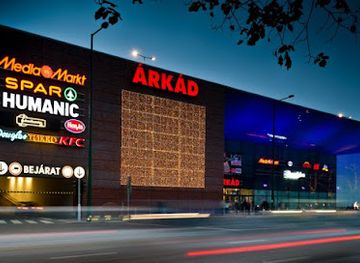
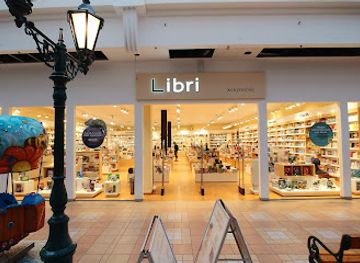
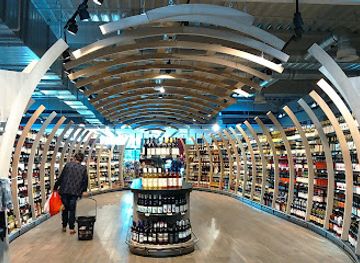
Shopping in Szeged centres on the pedestrianised Kárász utca, the adjoining passages and the streets leading towards Dugonics tér, where cafés, bookshops, fashion retailers and independent businesses occupy the historic centre. The Árkád Szeged shopping centre provides a modern retail option near the railway station, while traditional market shopping offers a more local encounter with the city’s food culture. Paprika, Szeged-style salami, honey, preserves and other Great Plain specialities are practical edible souvenirs, though visitors should pack them according to transport and customs rules. Craft shops and galleries may feature ceramics, embroidered textiles and contemporary Hungarian design, while the city’s bookshops reflect its strong university presence. Retail life is at its most characterful around the central pedestrian streets, where historic façades sit alongside everyday shops rather than forming a purely tourist-oriented quarter.
-
Shopping mall
Árkád Szeged
Explore Árkád Szeged, a dynamic shopping mall blending local flair with international brands, dining, and entertainment in Hungary’s charming city.
9 min walk · 0.7 km from city centre
-
Shopping mall
Szeged Plaza
Experience shopping, dining, and entertainment at Szeged Plaza, the ultimate destination for a delightful day out in Szeged.
6 min drive · 2.1 km from city centre
-
Shopping mall
Szeged Nova
Discover Szeged Nova, a vibrant shopping mall offering diverse retail, dining, and entertainment options in the heart of Szeged.
8 min drive · 2.7 km from city centre
-
Shopping mall
Szeged Nagyáruház
Explore Szeged Nagyáruház – a bustling shopping mall in Hungary offering diverse shopping, dining, and vibrant local culture.
6 min walk · 0.5 km from city centre
Get your free copy of our complete guide to Szeged, delivered straight to you.
Everything on this page, from attractions and restaurants to essentials and local phrases, in one PDF you can read offline, print or share.
Already have an account? Sign in
Your Szeged guide is ready.
We'll send it to · Not you? Sign out

Getting your guide ready…
We are putting together a fresh copy of the Szeged guide. This can take up to a minute.
This can take a few moments. If your browser asks, choose Allow so the download can start. You'll find the guide in your Downloads folder.
Nothing happened? Download it again
Sorry, the guide is taking longer than usual. Please try again in a minute, or get it by email instead.
Szeged essentials
Currency and Payment
Safety
Emergency Situations
Do's and Don'ts
Local Tips
From Eve
Local phrases worth knowing
You don't need to get them perfect. A few words go a long way, and locals appreciate the effort.
Basics
| English | Local | Say it |
|---|---|---|
| Hello | Szia | [see-ah] |
| Goodbye | Viszontlátásra | [vee-zont-la-tash-ra] |
| Yes | Igen | [ee-gen] |
| No | Nem | [nem] |
| Please/You're welcome | Kérem | [key-rem] |
| Thank you | Köszönöm | [koh-suh-noem] |
| Excuse me/Sorry | Elnézést | [el-nay-zayst] |
| How are you? | Hogy vagy? | [hoj vahdj] |
| Fine. And you? | Jól vagyok. És te? | [yol vahdj-ok. ays teh] |
| Do you speak English? | Beszélsz angolul? | [bes-ales ang-oh-lool] |
| I don't understand | Nem értem | [nem air-tem] |
Eating & Drinking
| English | Local | Say it |
|---|---|---|
| I'd like to see the menu, please | Szeretnék a menüt látni, kérem | [seh-reht-nayk ah meh-nooht laht-nee, key-rem] |
| I don't eat meat | Nem eszem húst | [nem eh-sem hoost] |
| Cheers! | Egészségére! | [eh-geh-sheh-geh-reh] |
| I would like to pay, please | Fizetnék, kérem | [fee-zeht-nayk, key-rem] |
Emergencies
| English | Local | Say it |
|---|---|---|
| Help! | Segítség! | [sheh-geet-saig] |
| Go away! | Menj el! | [men yel] |
| Call the Police! | Hívj rendőrt! | [heev rayn-durt] |
| Call a doctor! | Hívj orvost! | [heev or-vosht] |
| I'm lost | Elvesztem | [el-veh-stem] |
| I'm ill | Beteg vagyok | [beh-tehg vahdj-ok] |
Shopping
| English | Local | Say it |
|---|---|---|
| I'd like to buy... | Venni szeretnék... | [vehn-nee se-reht-nayk] |
| I'm just looking | Csak nézelődöm | [chahk nay-zeh-loh-dohm] |
| How much is it? | Mennyibe kerül? | [men-nyee-beh keh-rool] |
| That's too expensive | Ez túl drága | [ehz tool drah-gah] |
| Can you lower the price? | Le tudnád engedni az árat? | [leh too-dnahd eng-ehd-nee ahz ah-raht] |
Time & Numbers
| English | Local | Say it |
|---|---|---|
| What time is it? | Mennyi az idő? | [men-yee ahz ee-doh] |
| It's one o'clock | Egy óra van | [edj oh-rah vahn] |
| Half past (10) | Fél tizenegy | [fayl tee-zen-edge] |
| Morning | Reggel | [rehg-gehl] |
| Afternoon | Délelőtt | [deh-leh-lohht] |
| Evening | Este | [eh-shteh] |
| Yesterday | Tegnap | [teg-nahp] |
| Today | Ma | [mah] |
| Tomorrow | Holnap | [hol-nahp] |
| 1 | Egy | [edj] |
| 2 | Kettő | [ket-toh] |
| 3 | Három | [hah-rom] |
| 4 | Négy | [naydg] |
| 5 | Öt | [oot] |
| 6 | Hat | [haht] |
| 7 | Hét | [hayt] |
| 8 | Nyolc | [nyolts] |
| 9 | Kilenc | [kee-lents] |
| 10 | Tíz | [teedz] |
Transport & Directions
| English | Local | Say it |
|---|---|---|
| Where's a/the...? | Hol van a... | [hol vahn ah] |
| What's the address? | Mi a cím? | [mee ah cheem] |
| Can you show me (on the map)? | Megmutatnád a térképen? | [mehg-moo-taht-nahd ah tair-kay-pehn] |
| When's the next (bus)? | Mikor jön a következő (busz)? | [mee-kor yern ah kuh-veht-keh-zoh boos] |
| A ticket (to ....) | Egy jegyet (....-ra) | [edj yeh-gyet ....-rah] |
History of Szeged
Early Settlements on the Tisza
Szeged’s origins are closely tied to the Tisza and Maros rivers, whose floodplain supported settlement, fishing, agriculture and transport long before the modern city emerged. The area was inhabited in antiquity and later formed part of the medieval Hungarian kingdom. Its position on routes linking the Great Plain with the Balkans helped establish Szeged as a place of commerce and river traffic. The name is often associated with the Hungarian word szeg, referring to a corner or bend, a plausible reference to the local geography, though the precise etymology is not certain. By the Middle Ages, several settlements had developed around the river crossings and raised ground, laying the foundations for the urban centre visible today.
Medieval Growth and Royal Privileges
Szeged expanded during the medieval period as a market town and administrative centre. Its importance grew through trade in livestock, grain, salt and other agricultural goods from the Great Plain, while its river position connected inland Hungary with routes towards the south. King Béla IV granted Szeged the status of a free royal town in 1247, strengthening its legal and commercial position. Medieval religious institutions and civic buildings developed around the settlement, although later wars and reconstruction mean that little of the medieval fabric survives above ground. The city’s long association with trade, food production and transport nevertheless continued to shape its economy and identity.
Ottoman Rule and Habsburg Restoration
Szeged came under Ottoman control in 1543 and remained within the Ottoman realm until the city was retaken by Habsburg forces in 1686. The period brought military pressure, altered administration and changes to the city’s religious and social landscape. After the Ottoman withdrawal, Szeged was incorporated into the Habsburg Monarchy and gradually recovered its role as a regional centre. Trade and agriculture again became central, while administrative and ecclesiastical institutions were reorganised. The city’s strategic location near the southern frontier continued to give it political importance, and its population and built environment developed through the eighteenth and nineteenth centuries.
Nineteenth-Century Commerce and Civic Ambition
During the nineteenth century, Szeged benefited from the expansion of trade, improved transport and the growing commercial importance of the Great Plain. Civic institutions, schools and religious communities strengthened, and the city acquired a more substantial urban character. The arrival of railway connections helped integrate Szeged into Hungary’s wider economy, while food processing and agricultural commerce became increasingly significant. This prosperity also encouraged civic ambitions for grand public buildings and spacious streets. Much of that nineteenth-century confidence was tested by the catastrophic flood of 1879, which transformed the city’s physical form and led to one of the most extensive urban rebuilding projects in modern Hungarian history.
The Great Flood and Rebuilt Szeged
In March 1879, exceptionally high waters on the Tisza broke through the defences and inundated Szeged. The disaster destroyed or severely damaged the great majority of the city’s buildings and caused extensive loss of life and property. International and domestic assistance supported reconstruction, while engineers redesigned the flood-control system and planners created a more spacious city plan. The resulting ring roads, radial avenues and monumental civic architecture gave central Szeged much of its present appearance. The Votive Church was conceived as a thanksgiving monument after the flood, and the rebuilding period also produced the formal squares and eclectic public buildings that distinguish the city today.
University, Culture and Modern Identity
Szeged developed a significant intellectual and cultural role in the twentieth century. The University of Kolozsvár was transferred to Szeged in 1921 after the Treaty of Trianon, establishing an institution that became central to the city’s academic life; it later evolved into the University of Szeged. The city also became associated with scientific research, particularly through the work of Albert Szent-Györgyi, who received the Nobel Prize in Physiology or Medicine in 1937 for research connected with vitamin C. The Szeged Open-Air Festival, inaugurated in 1931, made Dóm tér a major stage for theatre, opera and music. These institutions continue to give Szeged a strong cultural and university identity.
Szeged in Photos
Browse through our photo collection highlighting the charm and character of the destination.
Cities near Szeged
The closest cities to Szeged, if you have time for more than one stop.
-

-

-

-

-


Swipe for more cities

