

Free Morava Travel Guide & Mobile App
Explore Morava with free travel guides. Discover regional history, expert tips, proposed trips, and audio guides on web or mobile app.


Explore Morava Serbia for medieval monasteries, spa towns, river valleys, Roman history, rural food and scenic journeys through central Serbia.
Read more about Morava
When is the best time to visit Morava?
Best: June, August–September · 23–28°C| Month | High (°C) | Rainfall (mm) |
|---|---|---|
| January | 5 | 45 |
| February | 7 | 40 |
| March | 12 | 45 |
| April | 16 | 55 |
| May | 21 | 65 |
| June (best) | 25 | 70 |
| July | 28 | 65 |
| August (best) | 28 | 60 |
| September (best) | 23 | 55 |
| October | 17 | 50 |
| November | 10 | 55 |
| December | 6 | 50 |
Getting to and around Morava
How to get there
Transportation
Top city travel guides in Morava
The cities of Morava, and the easiest places to base yourself.

Swipe for more cities
Best attractions in Morava
Morava's attractions are spread through several connected valleys rather than concentrated in one resort. Medieval monasteries form the cultural backbone: Žiča near Kraljevo, Ljubostinja near Trstenik, Ravanica near Ćuprija and Manasija near Despotovac each offer different settings and architectural details. The Ovčar-Kablar gorge, west of Čačak, combines wooded slopes, river scenery, walking routes and a remarkable group of monasteries. In the Resava valley, visitors can combine the cave near Jelovac with the waterfall at Lisine and the fortified monastery of Manasija. Vrnjačka Banja provides landscaped parks, mineral-water traditions and spa facilities, while Kruševac and Niš offer museums, historic remains and urban culture. The broad Great Morava plain is best experienced through slower drives, market towns and rural restaurants, with seasonal opportunities for cycling, walking and birdwatching. The region rewards travellers who balance major heritage sites with smaller villages, agricultural landscapes and the changing scenery along the river corridors.
-
Resort hotel
Zdrelo Spa
Discover tranquility and wellness at Zdrelo Spa, Serbia’s premier destination for relaxation and rejuvenation amidst nature's beauty.
-
Tourist attraction
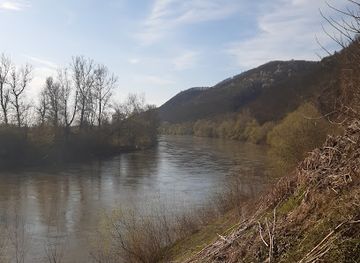
Zapadna Morava, Selište,Trstenik
Explore the enchanting landscapes and rich heritage of Zapadna Morava in Selište, a serene escape in the heart of Serbia.
-
 Tourist attraction
Fish centar morava
Discover the serene beauty and rich aquatic life at Fish Centar Morava in Ribare, Serbia, a perfect blend of adventure and relaxation.
Best landmarks in Morava
The most recognisable landmarks of Morava are closely connected with medieval Serbia and the region's river routes. Žiča Monastery, near Kraljevo, is distinguished by its red exterior and its association with the Nemanjić dynasty and the medieval Serbian church. Lazarica Church and the fortress remains at Kruševac recall Prince Lazar's former capital, while Ljubostinja near Trstenik is noted for its refined Morava-school architecture and association with Princess Milica. Ravanica Monastery, near Ćuprija, is an important late-medieval foundation with strong connections to Lazar, and Manasija near Despotovac combines a fortified enclosure with a major church and surviving medieval artistic heritage. The Ovčar-Kablar gorge is the region's defining natural landmark, where the West Morava passes between wooded mountains and historic monasteries. In the south, Niš Fortress represents centuries of strategic urban history, although the city sits at the southern end of the broader Morava basin rather than in the central valley itself.
-
Fortress
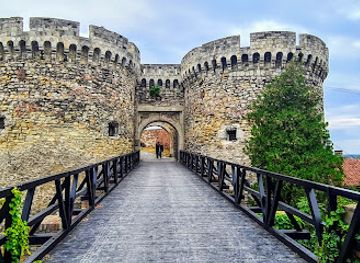
Belgrade Fortress
Discover the historic Belgrade Fortress, a captivating blend of history, stunning views, and cultural richness in the heart of Serbia.
-
Monastery
Manasija Monastery
Discover the architectural beauty and spiritual significance of Manasija Monastery, a remarkable landmark in Serbia's rich cultural heritage.
-
Fortress
Smederevo Fortress
Experience the rich history and breathtaking views at Smederevo Fortress, a medieval gem overlooking the Danube River that captivates every visitor.
-
Tourist attraction
Resavska Cave
Explore the breathtaking Resavska Cave in Serbia, a natural wonder filled with stunning formations and rich geological history, perfect for all ages.

Explore Morava on the map
Plan your trip on one map. See where the top cities, national parks and sights are, and book hotels and experiences in a few clicks.
Best hotels in Morava
Best restaurants in Morava
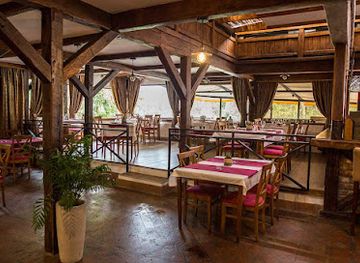
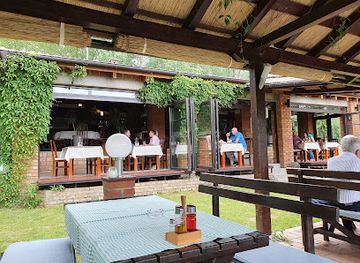
Dining across Morava is rooted in Serbian home cooking, roadside hospitality and the produce of fertile valleys and orchards. Menus commonly feature grilled meats, ćevapi, pljeskavica, peppers, beans, stuffed vegetables, cabbage dishes and savoury pastries such as gibanica. Freshwater fish is available in some riverside and traditional restaurants, while fruit-growing districts contribute plums, cherries, apricots, jams and preserves. In Vrnjačka Banja and the larger towns, cafés, bakeries and contemporary restaurants sit alongside established Serbian grills and family-run establishments. Rural inns and restaurants often specialise in slow-cooked meat, seasonal vegetables, homemade bread and dairy products; ask what is locally available rather than expecting a fixed regional menu. Rakija, particularly plum brandy, is widely associated with Serbian hospitality, and central Serbia also has vineyards and wine producers. Markets in towns such as Kraljevo, Kruševac, Jagodina and Niš are useful for seeing the agricultural character behind the region's food.
-
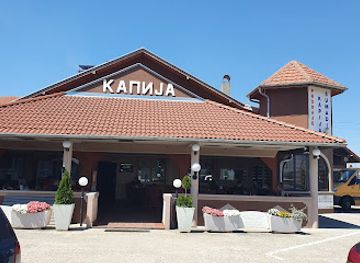
Restaurant
Šumadija Gate
Experience authentic Serbian cuisine at Šumadija Gate - where tradition meets taste in Lapovo.
-
Restaurant
Oranica Woodland
Experience culinary excellence and vibrant nightlife at Oranica Woodland in Kragujevac - a must-visit destination for every traveler.
-
Restaurant
Restoran Splav
Discover the authentic taste of Serbia at Restoran Splav in Velika Plana – where tradition meets flavor in every bite.
-
Restaurant
Kafana za dva dana
Experience authentic Serbian cuisine at Kafana za dva dana in Krnjevo—where flavor meets tradition in a warm atmosphere.
Best bars in Morava
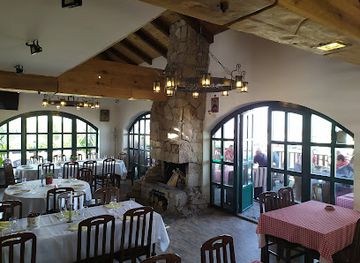
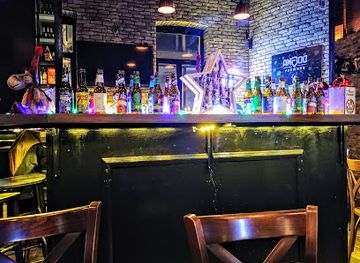
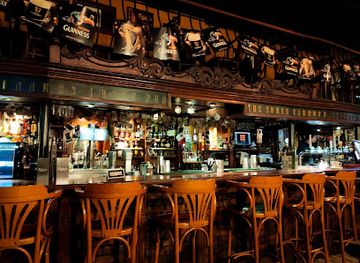
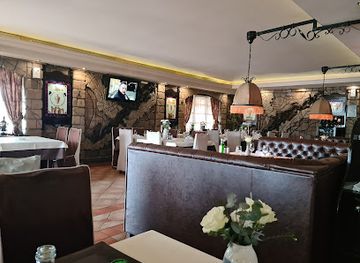
Evening life in Morava varies by town. Kraljevo, Kruševac, Čačak, Jagodina and Niš have the broadest choice of cafés, bars, restaurants and live-music venues, with the busiest activity generally concentrated around central streets and pedestrian areas rather than a single region-wide nightlife district. Vrnjačka Banja adds hotel bars, café terraces and seasonal evening entertainment shaped by its spa-tourism calendar. In smaller towns and villages, the social focus is more often a traditional kafana, restaurant or pub than a nightclub. Serbian folk, pop and live band music may feature prominently, while younger crowds in university and larger urban centres support more contemporary bars and clubs. Opening arrangements and seasonal programmes change, so check locally instead of relying on old listings. An evening meal, coffee or a quiet drink is a perfectly normal way to experience the region's night-time culture.
-
Pub
Funk & Soul Pub
Discover the ultimate nightlife experience at Funk & Soul Pub in Belgrade, where lively music and great drinks create unforgettable moments.
-
Irish pub
The Three Carrots IRISH PUB
Discover the charm of Ireland at The Three Carrots IRISH PUB in Belgrade, where hearty food and unique beers await every visitor.
-
Serbian
Restoran GRAND
Experience the rich flavors of Serbian cuisine at Restoran GRAND in Svilajnac, a dining destination for authentic culinary delights.
-
Cocktail bar
Monkey Bar Belgrade
Experience the vibrant nightlife of Belgrade at Monkey Bar, where expertly crafted cocktails and a lively atmosphere await every visitor.
Best nightclubs in Morava
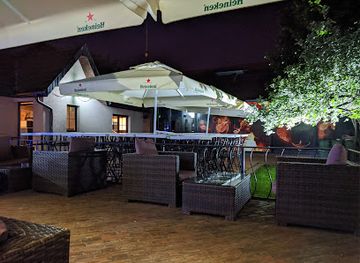
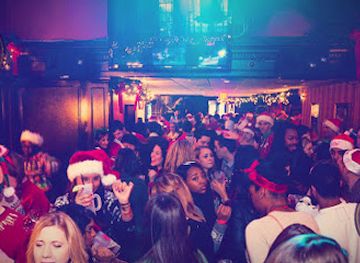
Evening life in Morava varies by town. Kraljevo, Kruševac, Čačak, Jagodina and Niš have the broadest choice of cafés, bars, restaurants and live-music venues, with the busiest activity generally concentrated around central streets and pedestrian areas rather than a single region-wide nightlife district. Vrnjačka Banja adds hotel bars, café terraces and seasonal evening entertainment shaped by its spa-tourism calendar. In smaller towns and villages, the social focus is more often a traditional kafana, restaurant or pub than a nightclub. Serbian folk, pop and live band music may feature prominently, while younger crowds in university and larger urban centres support more contemporary bars and clubs. Opening arrangements and seasonal programmes change, so check locally instead of relying on old listings. An evening meal, coffee or a quiet drink is a perfectly normal way to experience the region's night-time culture.
-
Night club
TAG NightClub
Discover the vibrant nightlife of Belgrade at TAG NightClub, where electrifying music and unforgettable parties await you.
-
Disco club
Apis Klub - Jagodina
Dive into the vibrant nightlife of Jagodina at Apis Klub, where electrifying music and a lively atmosphere await every visitor.
-
Disco club
Diskoteka Madonna
Discover the vibrant nightlife of Požarevac at Diskoteka Madonna, where music, dancing, and unforgettable moments await.
-
Tour agency
Belgrade Nightlife Tours
Dive into Belgrade's electrifying nightlife with tours that showcase the city's best parties, clubs, and cultural experiences for an unforgettable adventure.


Best shops in Morava
Shopping in Morava is centred on practical town high streets, covered markets, independent food shops and the produce of surrounding farms rather than on luxury retail. Kraljevo, Kruševac, Čačak, Jagodina and Niš offer the widest selection of clothing, books, household goods and cafés, while spa towns such as Vrnjačka Banja add seasonal stalls and visitor-oriented shops. Municipal markets are useful for fruit, vegetables, honey, cheese, preserves, dried produce and other ingredients that reflect the agricultural landscape. Look for plum products, locally made rakija where legally sold, regional wines, herbal preparations and traditional sweets, checking labelling and transport rules before buying alcohol or food for an international journey. Around monasteries and heritage sites, small outlets may sell religious items, icons, books and locally produced food, but ranges vary. Handicrafts, ceramics, woven goods and woodwork are more likely to be found through local fairs or specialist galleries than in standard shopping centres.
-
Shopping mall
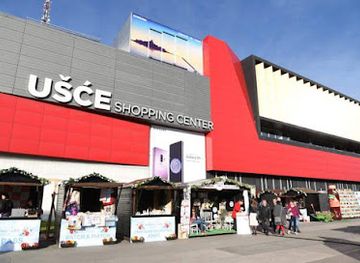
UŠĆE Shopping Center
Explore UŠĆE Shopping Center in Belgrade: a vibrant hub for shopping, dining, and entertainment, perfect for all ages and budgets.
-
Shopping mall
BIG FASHION Beograd
Experience the ultimate shopping adventure at BIG FASHION Beograd, where fashion meets fun in the heart of Belgrade.
-
Shopping mall
Rajićeva Shopping Center
Discover Rajićeva Shopping Center in Belgrade: a vibrant shopping mall offering diverse brands, delightful dining, and entertainment in one location.
-
Shopping mall
Ada Mall
Experience the ultimate shopping adventure at Ada Mall in Belgrade, where fashion meets fun and culinary delights await.

Get your free copy of our complete guide to Morava, delivered straight to you.
Everything on this page, from attractions and restaurants to essentials and local phrases, in one PDF you can read offline, print or share.
Already have an account? Sign in
Your Morava guide is ready.
We'll send it to · Not you? Sign out

Getting your guide ready…
We are putting together a fresh copy of the Morava guide. This can take up to a minute.
This can take a few moments. If your browser asks, choose Allow so the download can start. You'll find the guide in your Downloads folder.
Nothing happened? Download it again
Sorry, the guide is taking longer than usual. Please try again in a minute, or get it by email instead.
Morava essentials
Currency and Payment
Safety
Emergency Situations
Do's and Don'ts
Local Tips
From Eve
Local phrases worth knowing
You don't need to get them perfect. A few words go a long way, and locals appreciate the effort.
Basics
| English | Local | Say it |
|---|---|---|
| Hello | Zdravo | [Zdra-vo] |
| Goodbye | Doviđenja | [Dovi-đen-ya] |
| Yes | Da | [Da] |
| No | Ne | [Ne] |
| Please/You're welcome | Molim | [Mo-leem] |
| Thank you | Hvala | [Hva-la] |
| Excuse me/Sorry | Izvinite | [Iz-vi-ni-te] |
| How are you? | Kako si? | [Ka-ko si?] |
| Fine. And you? | Dobro. A ti? | [Do-bro. A ti?] |
| Do you speak English? | Da li govoriš engleski? | [Da li go-vo-rish en-gles-ki?] |
| I don't understand | Ne razumem | [Ne ra-zu-mem] |
Eating & Drinking
| English | Local | Say it |
|---|---|---|
| I'd like to see the menu, please | Hteo bih da vidim meni, molim | [Hte-o bih da vi-dim me-ni, mo-lim] |
| I don't eat meat | Ne jedem meso | [Ne ye-dem me-so] |
| Cheers! | Živeli! | [Zhi-ve-li] |
| I would like to pay, please | Hteo bih da platim, molim | [Hte-o bih da pla-tim, mo-lim] |
Emergencies
| English | Local | Say it |
|---|---|---|
| Help! | Pomoć! | [Po-moć] |
| Go away! | Ode! | [O-de] |
| Call the Police! | Pozovite policiju! | [Po-zo-vi-te po-li-ci-ju] |
| Call a doctor! | Pozovite doktora! | [Po-zo-vi-te dok-to-ra] |
| I'm lost | Izgubio sam se | [Iz-gu-bi-o sam se] |
| I'm ill | Bolestan sam | [Bo-le-stan sam] |
Shopping
| English | Local | Say it |
|---|---|---|
| I'd like to buy... | Hteo bih da kupim... | [Hte-o bih da ku-pim] |
| I'm just looking | Samo gledam | [Sa-mo gle-dam] |
| How much is it? | Koliko košta? | [Ko-li-ko koshta?] |
| That's too expensive | To je preskupo | [To ye pre-sku-po] |
| Can you lower the price? | Možeš li spustiti cenu? | [Mo-zheš li spu-sti-ti tse-nu?] |
Time & Numbers
| English | Local | Say it |
|---|---|---|
| What time is it? | Koliko je sati? | [Ko-li-ko ye sa-ti?] |
| It's one o'clock | Jedan je sat | [Ye-dan ye sat] |
| Half past (10) | Polovinu (10) | [Po-lo-vi-nu (10)] |
| Morning | Jutro | [Yu-tro] |
| Afternoon | Popodne | [Po-pod-ne] |
| Evening | Veče | [Ve-che] |
| Yesterday | Juče | [Yu-che] |
| Today | Danas | [Da-nas] |
| Tomorrow | Sutra | [Su-tra] |
| 1 | Jedan | [Ye-dan] |
| 2 | Dva | [Dva] |
| 3 | Tri | [Tri] |
| 4 | Četiri | [Che-ti-ri] |
| 5 | Pet | [Pet] |
| 6 | Šest | [Shest] |
| 7 | Sedam | [Se-dam] |
| 8 | Osam | [O-sam] |
| 9 | Devet | [De-vet] |
| 10 | Deset | [De-set] |
Transport & Directions
| English | Local | Say it |
|---|---|---|
| Where's a/the...? | Gde je...? | [Gde ye...?] |
| What's the address? | Koja je adresa? | [Ko-ya ye a-dre-sa?] |
| Can you show me (on the map)? | Možeš li da mi pokažeš (na mapi)? | [Mo-zheš li da mi po-ka-zheš (na ma-pi)?] |
| When's the next (bus)? | Kada je sledeći (autobus)? | [Ka-da ye sle-de-ći (au-to-bus)?] |
| A ticket (to ....) | Jedna karta (do ....) | [Yed-na kar-ta (do ....)] |
History of Morava
Prehistoric and Roman Morava Corridors
The Morava valleys have been settled since prehistoric times because their rivers, fertile ground and natural routes made movement and agriculture comparatively easy. In antiquity, the area formed part of the Roman province of Moesia Superior and later the eastern Roman world. Roman roads and settlements connected the Danube with the southern Balkans, while Naissus, modern Niš at the southern end of the wider Morava basin, became an important imperial centre. Archaeological remains across central and southern Serbia reflect centuries of farming, trade and military movement along these corridors.
Medieval Serbia and the Morava Monasteries
From the twelfth century, the Morava valleys became central to the rise and consolidation of the medieval Serbian state. Rulers and noble families founded monasteries that served as religious, cultural and political institutions. Žiča near Kraljevo was associated with the Nemanjić dynasty and the Serbian medieval church, while later foundations such as Ljubostinja, Ravanica and Manasija belonged to the period when Serbian rulers faced increasing Ottoman pressure. Their churches preserve distinctive architectural forms, painted decoration and inscriptions that remain among the region's most important historical evidence.
Kruševac and Prince Lazar
Kruševac became the capital of Prince Lazar in the fourteenth century and developed as a major political centre of the medieval Serbian state. Lazar's court and the nearby church of Lazarica are closely linked with the final decades before the Ottoman conquest. The Battle of Kosovo in 1389, in which Lazar was killed, became a defining event in Serbian historical memory, although the battle itself took place outside the Morava region. Kruševac's fortress area and Lazarica preserve the city's connection with this formative period.
Ottoman Rule and Borderland Change
The Morava corridor was incorporated into the Ottoman Empire during the fifteenth century and remained within its administrative and military system for several centuries. Its strategic position made it a route for armies and migration, while towns acquired new commercial, religious and architectural influences. Monasteries continued to function, sometimes under difficult conditions, and settlement patterns changed as the region adapted to Ottoman administration. Ottoman rule also helps explain the layered cultural history visible in towns such as Niš and in the region's surviving mosques, baths, bridges and urban traditions.
The Serbian Uprisings and the Restoration of the State
The First Serbian Uprising, beginning in 1804, and the Second Serbian Uprising of 1815 transformed the political order of the Morava lands. The insurgencies were part of a wider movement that gradually secured Serbian autonomy from the Ottoman Empire, followed by internationally recognised independence in 1878. Towns and villages along the Morava routes supplied people, food and communications to the changing Serbian state. The period also encouraged the rebuilding of churches, schools and administrative institutions, many of which shaped the modern appearance of central Serbian settlements.
Railways, Industry and the Modern Morava Corridor
Nineteenth- and twentieth-century railway construction strengthened the Morava valley's role as Serbia's principal north–south transport route. Rail connections supported the growth of towns such as Ćuprija, Paraćin, Jagodina, Kruševac and Niš, while agriculture was joined by food processing, textiles, engineering and other industries. The corridor became essential to the movement of goods between Belgrade, the interior and the south. Its modern roads and railways still follow the geographical logic established by the rivers, linking industrial centres with market towns and farming districts.
Spa Culture and Contemporary Regional Life
The development of organised spa tourism gave Vrnjačka Banja and other mineral-spring settlements a new role from the nineteenth century onwards. Parks, villas, hotels and treatment facilities introduced a more leisurely form of travel alongside the region's older religious and commercial routes. In the contemporary period, Morava communities combine agriculture, manufacturing, education, tourism and commuter life. Heritage restoration, monastery visits, outdoor recreation and spa travel now complement the region's enduring importance as a transport and food-producing corridor.
Morava in Photos
Browse through our photo collection highlighting the charm and character of the destination.
Neighbouring regions of Morava
The closest regions to Morava, if you have time for more than one.
-

-

-

-

-


Swipe for more regions
Explore more

Explore more of Serbia
Discover Serbia: A Balkan treasure with rich history, stunning natural landscapes, and vibrant cities waiting to be explored.
Explore Serbia